
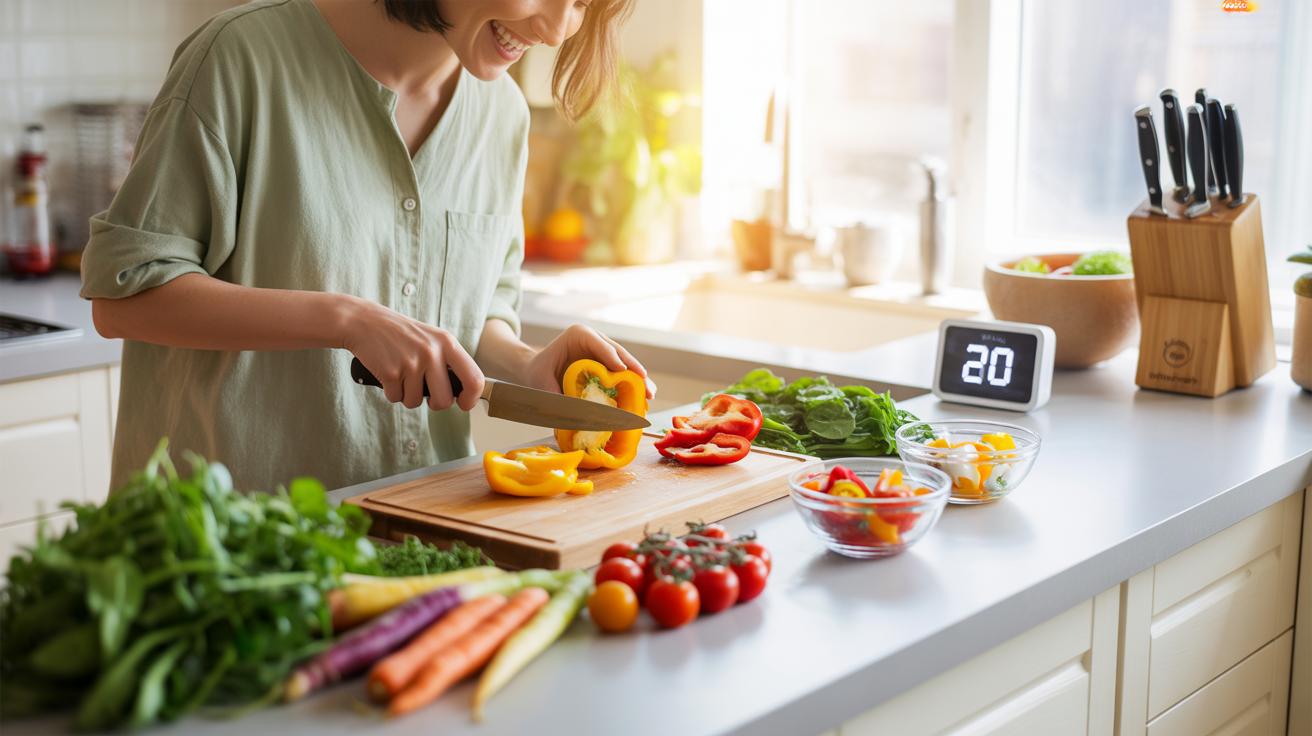
Why Cheap Healthy Meals DonT Have To Mean Boring Food
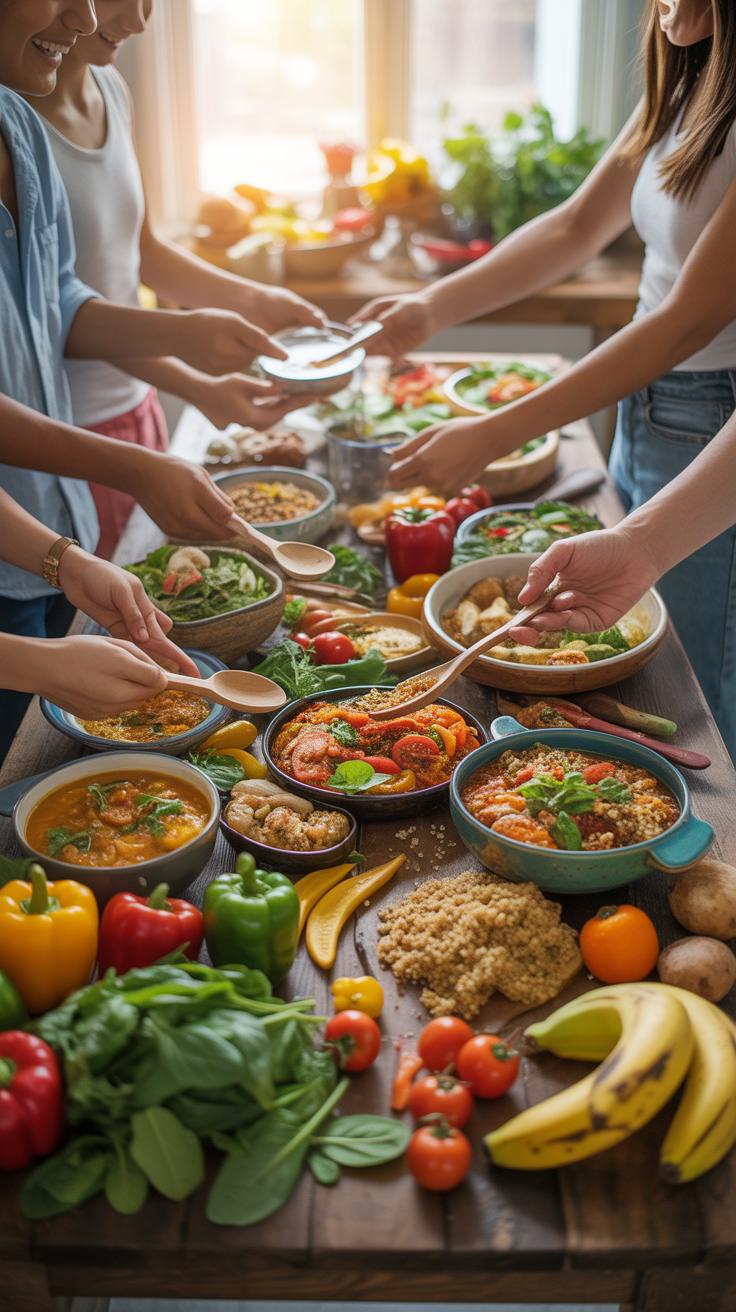
The Common Myth That Eating Well Costs More
Many people believe high costs are mandatory for a nutritious diet. This myth persists because marketing departments prioritize expensive organic labels and processed health foods. These items carry high profit margins for stores but offer little extra value. You pay for the packaging and the brand name. Real health comes from basic food groups that remain affordable year after year.
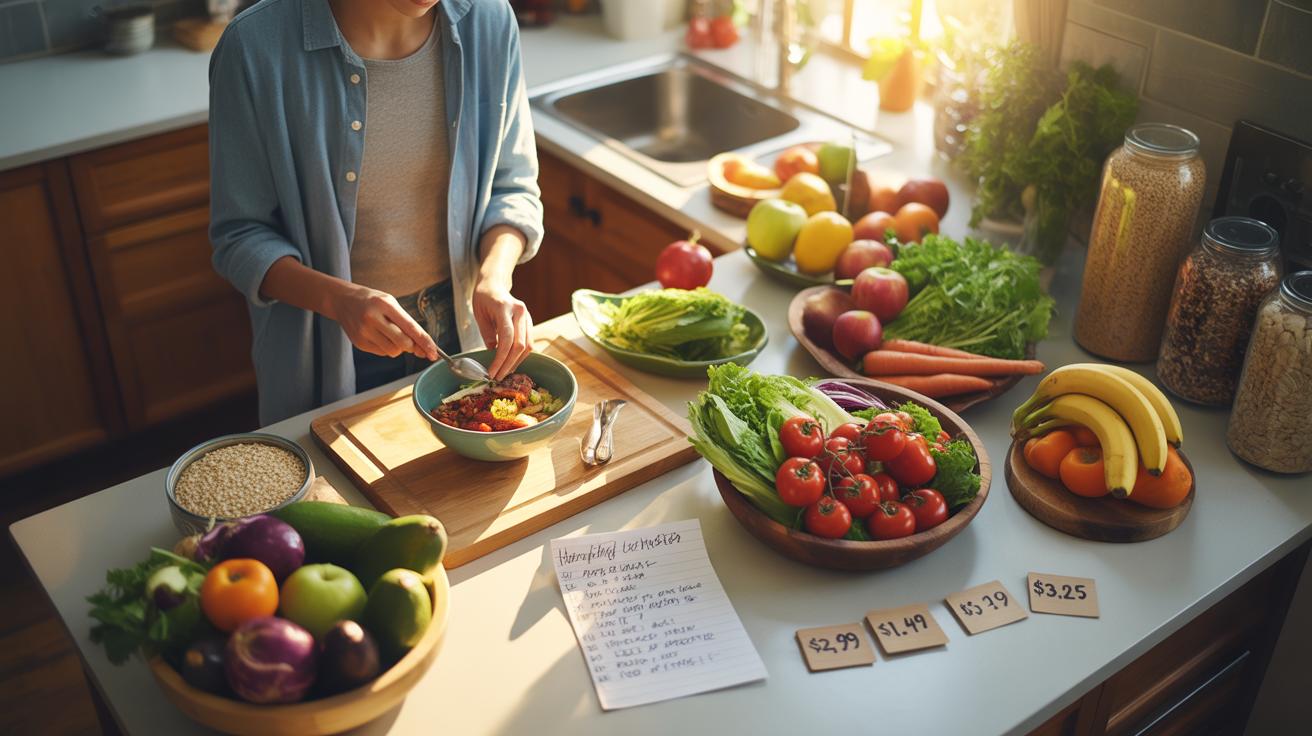
A strategic shopper focuses on unit prices for whole foods. Grains and legumes provide more protein per dollar than expensive cuts of meat. Buying in bulk reduces the cost per serving significantly. Data shows that families who cook at home with raw ingredients spend less than those relying on fast food or pre-made frozen dinners. Smart choices eliminate the premium price tag.
How Simple Ingredients Can Deliver Big Flavor And Nutrition
You do not need rare spices or expensive oils to make food taste good. Basic chemical reactions like browning meat or caramelizing onions create deep flavors for pennies. Acid from a cheap lemon or vinegar cuts through fat and brightens a dish instantly. Simple seasonings like salt and pepper are the most effective tools in any kitchen to improve food quality.
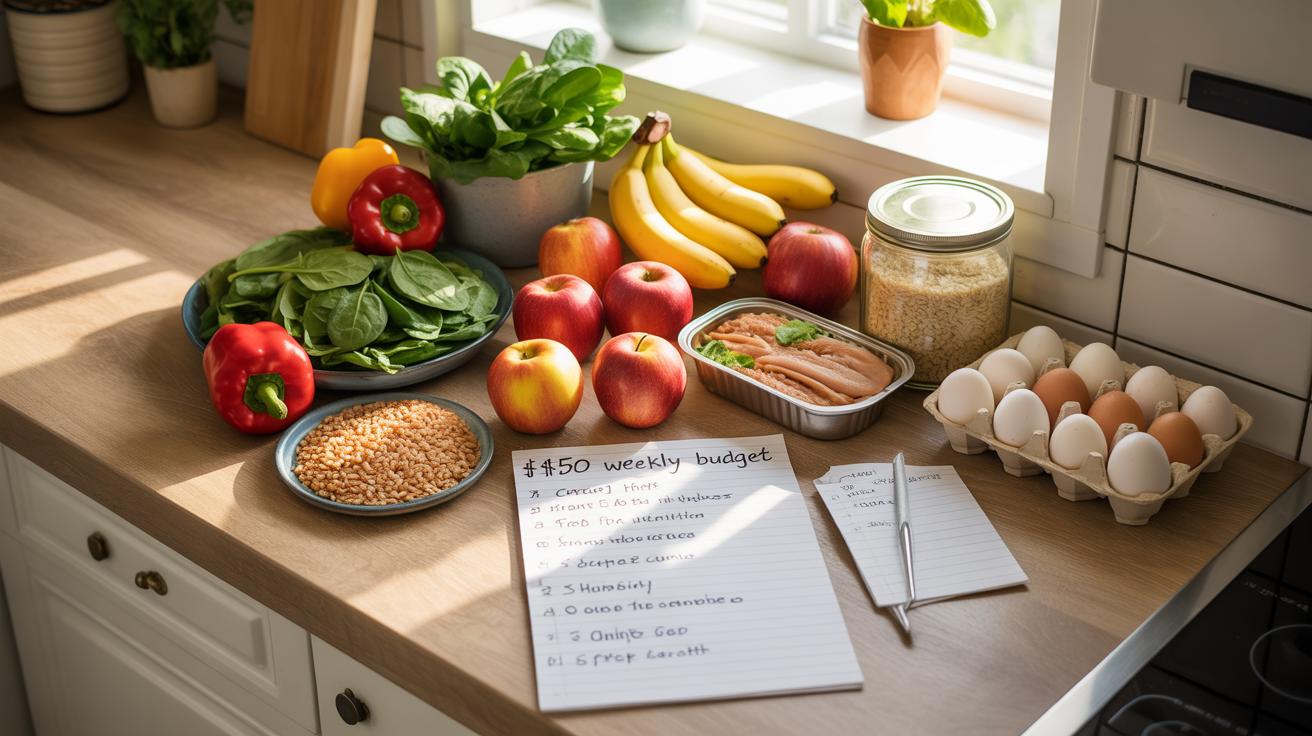
Nutrition remains high when you use frozen vegetables and canned beans. These items are picked at peak ripeness and processed immediately to lock in vitamins. They cost much less than fresh produce and last longer in your pantry. Using these staples reduces food waste. You save money while eating meals that support your physical health and daily energy levels.
Affordable Fitness Meals Fueling Your Body Without Breaking The Bank
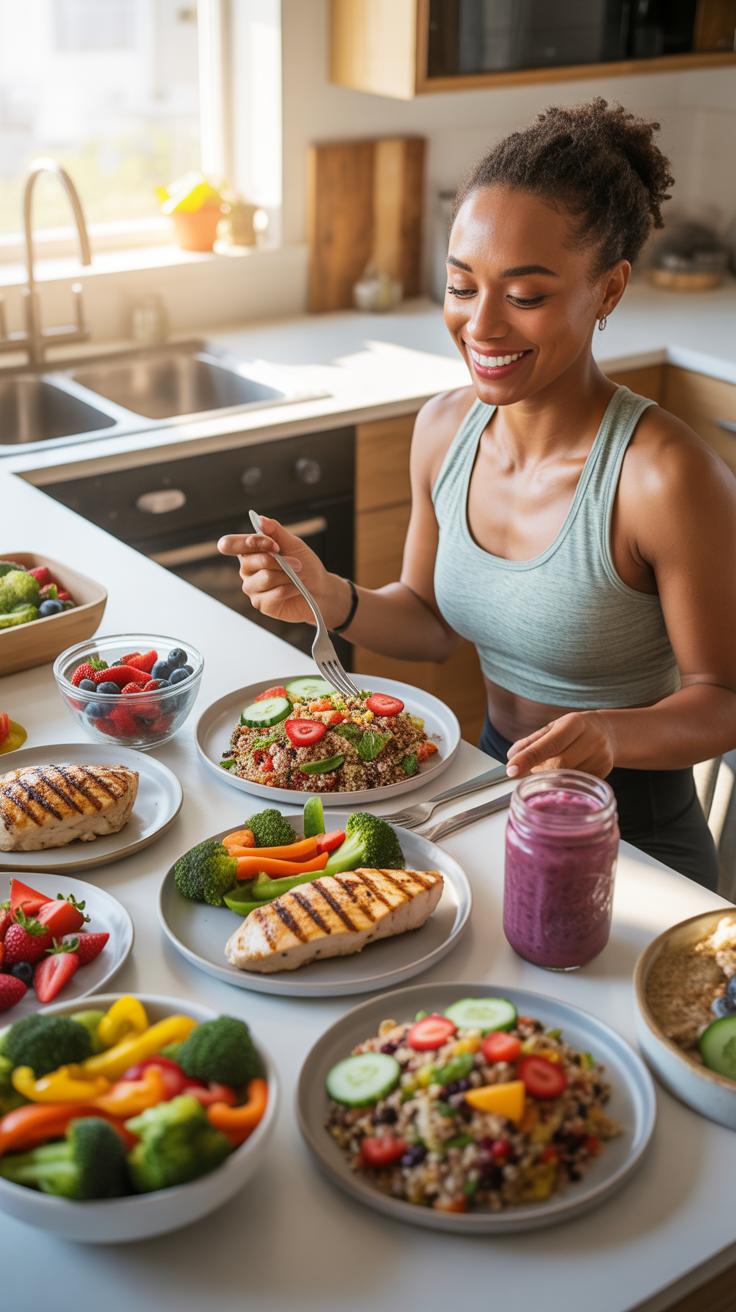
The Role Of Macronutrients In Budget Friendly Fitness Eating
Muscle repair and energy levels depend on three main macronutrients. Protein builds lean tissue after exercise. Complex carbohydrates provide stable energy for your workouts. Healthy fats support hormone production and nutrient absorption. You must balance these three groups to see physical results. High costs often come from processed fitness foods. Buying whole food sources of these macronutrients saves significant money each month.
Strategic meal planning focuses on nutrient density per dollar spent. You do not need expensive supplements to hit your daily targets. Standard pantry staples offer the same biological benefits as luxury health brands. Focus on hitting your protein minimums first to maintain muscle mass. Adjust your carbohydrate intake based on your daily activity levels. This approach keeps your body fueled while keeping your grocery bill low and manageable.
High Protein Affordable Ingredients That Support An Active Lifestyle
Cheap protein sources provide the nitrogen necessary for muscle growth. Eggs and canned tuna offer high bioavailability at a low price point. Lentils and beans serve as dual-purpose ingredients by providing both protein and fiber. Large bags of frozen chicken breast offer a better value than fresh cuts. These items have long shelf lives and minimize food waste. Consistent intake of these staples ensures you meet your fitness goals.
Dry legumes remain the most cost-effective protein on the market. One pound of dried beans yields several servings for under two dollars. Greek yogurt provides a quick source of casein and whey proteins without cooking. Peanut butter offers dense calories and protein for those with high metabolic demands. Buying these items in bulk further reduces the cost per serving. Use these foundational ingredients to build high-performance meals on a strict budget.
Healthy On A Budget Recipes Stocking The Right Pantry Staples
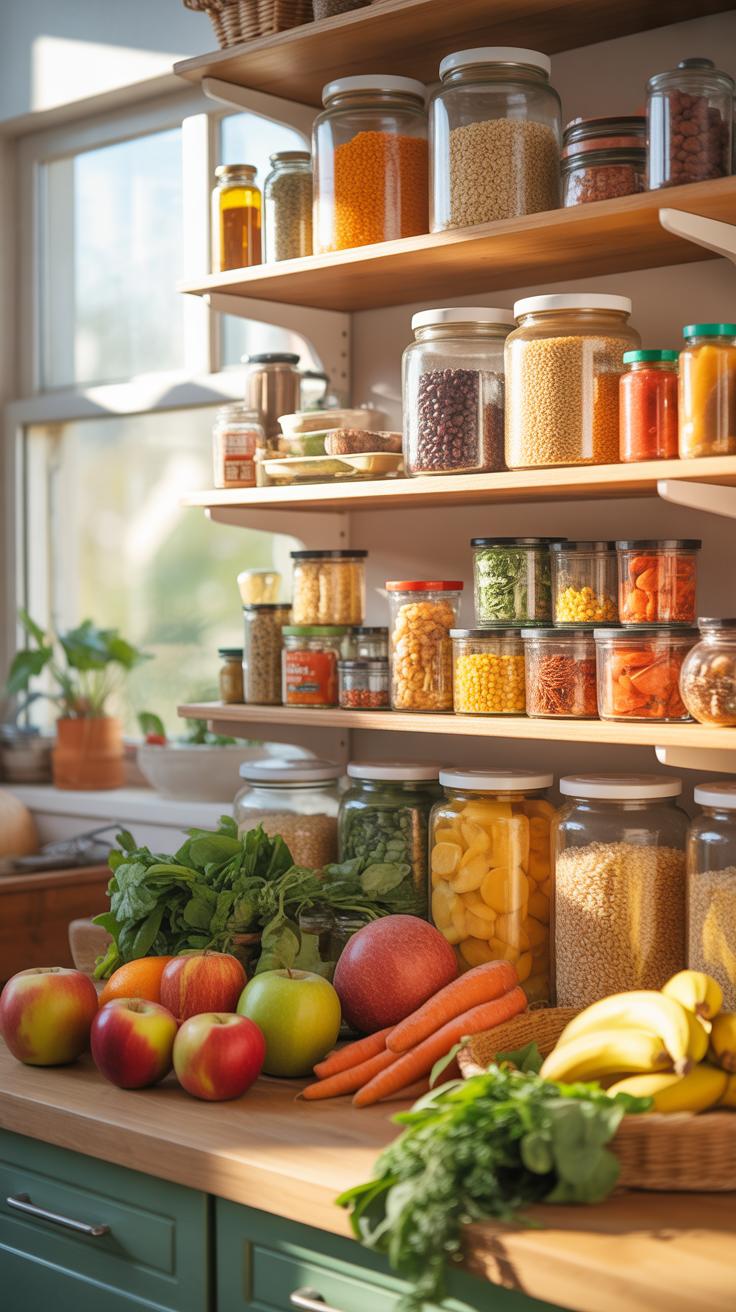
Essential Pantry Staples That Make Healthy Cooking Fast And Affordable
Speed in the kitchen depends on inventory. If you lack basic components, you will waste time at the store or money on takeout. A strategic pantry focuses on calorie-dense, long-life items that provide the foundation for any meal. These items must be versatile enough to transition between different cuisines without spoiling. Buy these goods in bulk to lower the cost per serving significantly.
- Dry Lentils and Beans: These provide a high-protein base for pennies per serving. They store for years without losing nutritional value. Unlike canned versions, dry beans lack added sodium and save on packaging weight. You can cook large batches in advance to use throughout the week in soups, salads, or tacos.
- Whole Grain Rice and Oats: Brown rice and steel-cut oats offer complex carbohydrates that keep you full longer than refined grains. They are shelf-stable and serve as a neutral canvas for any flavor profile. Purchasing large bags reduces the price-to-weight ratio and ensures you always have a filling side dish available.
- Canned Tomatoes and Tomato Paste: Tomatoes provide essential vitamins and acidity to balance savory dishes. Canned varieties are often processed at peak ripeness, making them more flavorful than out-of-season fresh produce. Use them to create instant pasta sauces, stews, or chili bases. They eliminate the need for expensive pre-made jarred sauces.
- Healthy Fats and Oils: Extra virgin olive oil and avocado oil are necessary for high-heat cooking and heart health. These fats carry flavor and facilitate the absorption of fat-soluble vitamins. Store them in a cool, dark place to prevent oxidation. Having quality oils on hand allows you to roast vegetables or sear proteins quickly and safely.
- All-Purpose Spices and Herbs: Garlic powder, onion powder, cumin, and dried oregano transform bland ingredients into meals. Spices are the most cost-effective way to vary your diet without buying new food. Buying basic spices prevents the need for salt-heavy seasoning packets. A small collection of dry herbs provides consistent flavor regardless of the season.
Organization maximizes these assets. Group your staples by category to monitor stock levels visually. This prevents overbuying or running out of critical ingredients during a 20-minute meal prep. Use clear containers to identify what you have and what you need. A disciplined pantry is the primary tool for maintaining a low-cost, high-nutrient diet. It removes the stress of daily decision-making for busy home cooks.
How A Well Stocked Pantry Cuts Your Weekly Grocery Bill
A full pantry shifts your shopping habits from buying entire meals to buying only fresh accents. You stop paying for water, packaging, and marketing found in processed foods. Instead, you purchase fresh produce and proteins to complement your existing dry goods. This strategy reduces the number of items in your cart. It lowers your total bill because bulk dry goods have the lowest price per ounce.
Financial efficiency increases when you stop making emergency trips to the store. Most consumers overspend during mid-week visits because they buy high-margin convenience items. A prepared pantry ensures you always have the components for a meal. You can skip the grocery store when prices are high or time is short. This control over your environment stabilizes your food budget and prevents expensive impulse purchases at the checkout line.
Cheap Healthy Recipes That Come Together In Under 20 Minutes
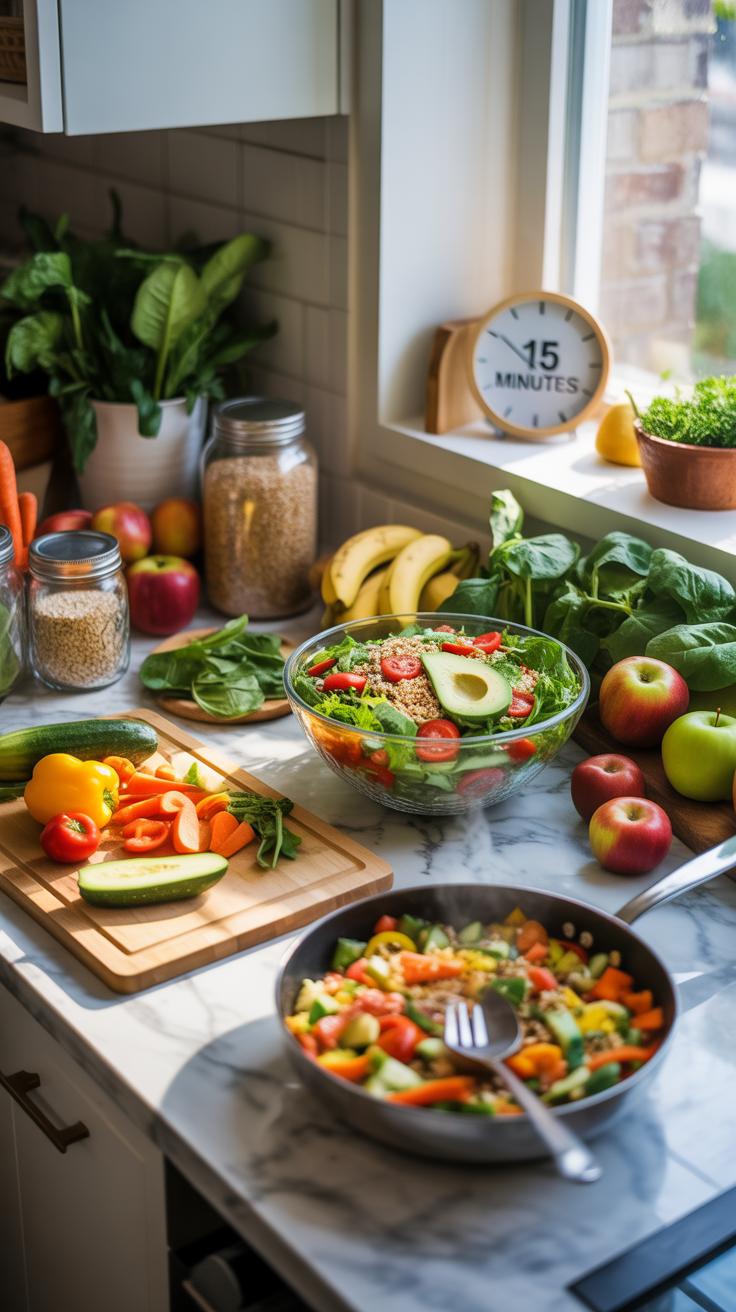
Quick Grain And Vegetable Bowls For A Balanced Weeknight Meal
Speed in grain bowls depends on prep strategy. Use parboiled brown rice or pre-cooked quinoa to slash cooking times. These grains provide fiber and complex carbohydrates for sustained energy. Combine them with canned beans or chickpeas for a low-cost protein source. Frozen vegetables work best here because they require no washing or chopping. Steam them directly in the microwave to save time.
A balanced bowl requires a healthy fat to aid nutrient absorption. Use tahini, peanut butter, or olive oil to create a fast dressing. Acid from lemon juice or vinegar cuts through the density of the grains. Keep seasonings simple with salt, pepper, and garlic powder. This method allows you to assemble a complete meal in ten minutes. It eliminates the need for expensive takeout and provides high nutritional density.
Fast Egg Based Dishes That Are Nutritious And Budget Friendly
Eggs are the most cost-effective high-quality protein available. They cook in minutes and offer essential vitamins like B12 and choline. A vegetable frittata is a tactical choice for using leftover produce. Sauté greens or peppers in a pan for three minutes before adding whisked eggs. Finish the dish under a broiler to set the top quickly. This technique ensures a healthy meal without long bake times.
Poached or fried eggs transform simple pantry staples into substantial meals. Place them over sautéed greens or whole grain toast for a fast dinner. The yolk acts as a natural sauce, removing the need for extra ingredients. This approach keeps grocery bills low while meeting daily protein requirements. Use high heat for frying to achieve crispy edges in sixty seconds. Eggs provide versatility and speed for any busy schedule.
Healthy Cheap Meals Packed With Protein And Nutrients
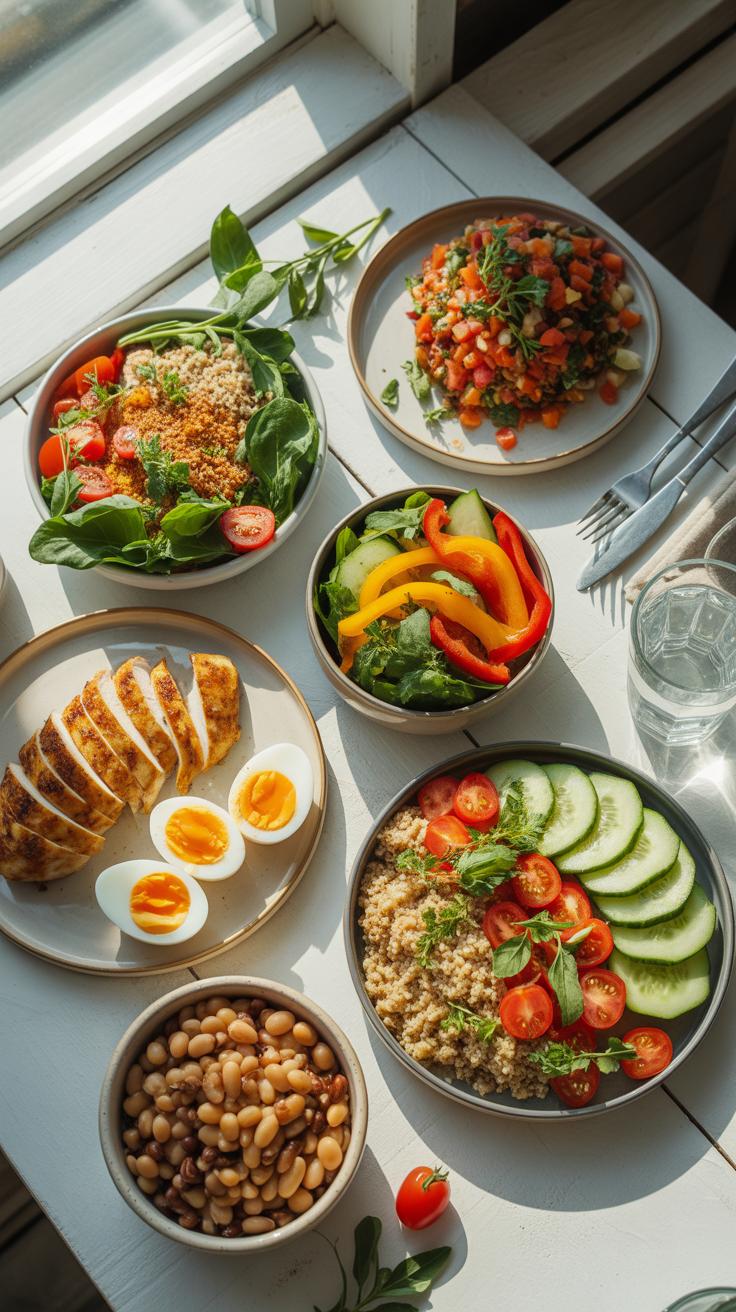
Plant Based Proteins That Cost Less And Deliver More Nutrition
Lentils and beans offer the highest nutrient density for the lowest price. One pound of dry lentils provides over 100 grams of protein for roughly two dollars. They require no soaking and cook in under twenty minutes. These legumes deliver fiber that keeps you full longer than simple carbohydrates. Use them as meat replacements in tacos or soups to cut costs instantly.
Canned chickpeas and black beans provide immediate utility for fast meals. Rinse them to remove excess sodium before use. These pantry staples contain essential minerals like iron and magnesium. Combine beans with rice to form a complete protein with all nine essential amino acids. This strategy mirrors historical diets in regions where meat was a luxury. It remains the most effective way to eat healthy on a budget.
A home-cooked meal doesn’t need to be expensive or complicated to feed the soul. It just takes twenty minutes and a little love to turn simple ingredients into a memory.
— Julia Child
Affordable Animal Proteins That Stretch Across Multiple Meals
Whole chickens and large packs of ground turkey offer the best value per ounce. Roasting a whole bird provides meat for several days. Use the remains to boil a nutrient dense bone broth for additional meals. This technique maximizes your investment and reduces waste. Look for family packs of lean ground meat to freeze in smaller portions. This prevents spoilage and locks in a low price point.
Eggs are the gold standard for low cost animal protein. They cook in minutes and offer high bioavailability. Keep canned tuna or sardines on hand for shelf stable options rich in omega 3 fatty acids. Avoid individual pre seasoned portions because they carry high markups. Buy bulk frozen fish fillets to get high quality protein without the fresh market price. Smart sourcing allows for daily protein intake without breaking your budget.
Budget Friendly Healthy Recipes For The Whole Family

Simple 20 Minute Family Dinners Everyone Will Actually Enjoy
Fast family meals require high-protein bases and quick-cooking grains. Use canned beans or eggs to keep costs low. These ingredients provide essential nutrients without the high price of fresh meat. Focus on stir-fries and pasta dishes. These methods allow you to cook everything in one pan. This reduces cleanup time and keeps the kitchen efficient. Speed depends on using pre-cut frozen vegetables and thin proteins.
Standardize your pantry with brown rice, whole wheat pasta, and lentils. These staples offer fiber and keep the family full longer. Use dry spices instead of expensive pre-made sauces. Garlic powder, onion powder, and smoked paprika add flavor for pennies. Strategic cooking means multitasking. Boil water while you chop vegetables. Sauté aromatics while protein rests. This workflow ensures dinner hits the table in exactly twenty minutes.
How To Adapt Cheap Healthy Recipes For Kids And Picky Eaters
Picky eaters often reject bitter flavors found in dark greens. Neutralize these tastes by blending spinach into tomato sauce or fruit smoothies. This preserves the nutritional value without changing the visual appeal of the meal. Familiarity also reduces resistance. Stick to recognizable shapes like cubes or strips. Serve sauces on the side to give children control over their food. This tactic reduces mealtime stress and waste.
Texture matters more than taste for many children. Roast vegetables at high heat to create a crispy exterior. This mimics the crunch of processed snacks. Avoid boiling vegetables into a mushy consistency. Use mild proteins like chicken breast or chickpeas. These absorb the flavors of the dish without being overwhelming. Always offer one safe food on the plate to ensure the child eats something healthy.
Health Meals On A Budget Smart Shopping Strategies That Work
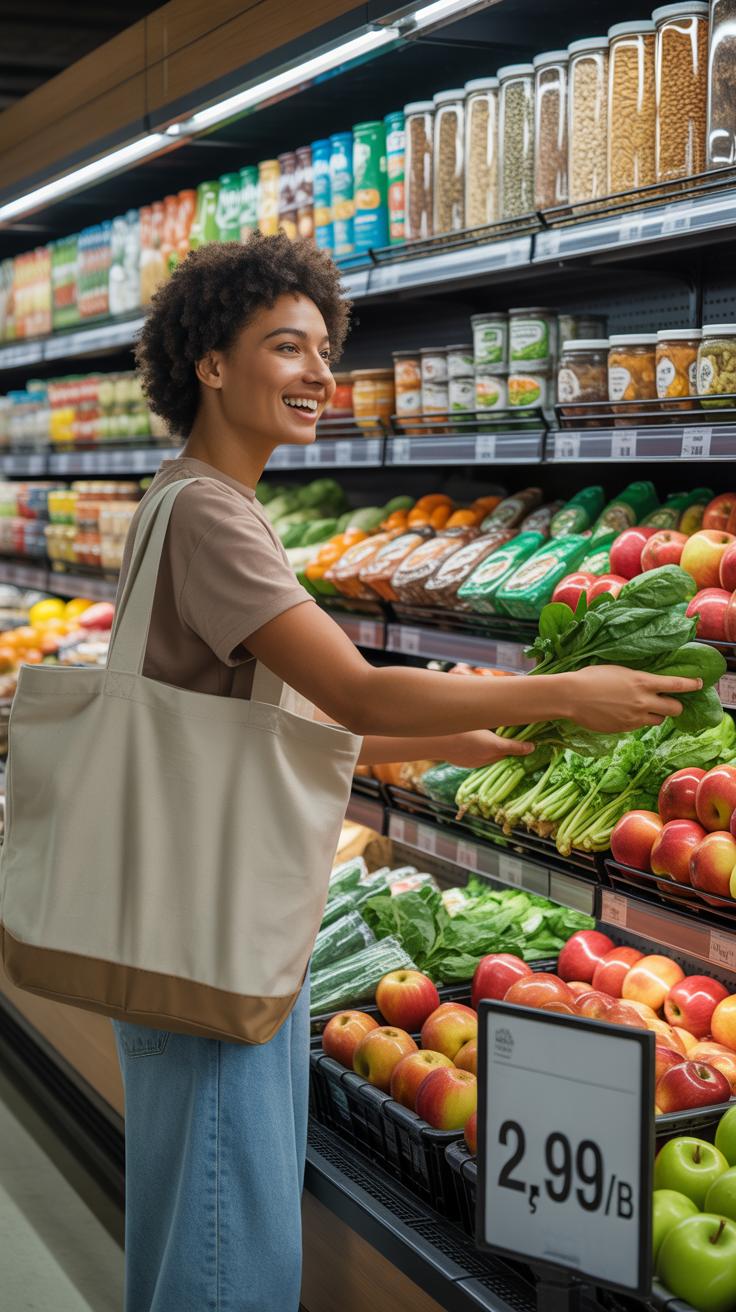
Practical Grocery Shopping Tips To Maximize Your Food Budget
Strategic grocery shopping requires a technical approach to inventory management. You must audit your pantry before leaving the house to prevent redundant purchases. Use a strict shopping list based on a weekly meal plan to avoid high-margin impulse buys. Stores place expensive brand-name items at eye level to maximize profit. Look at the bottom shelves for lower-cost generic alternatives.
- Unit Pricing Analysis: Look at the small price per ounce or pound on the shelf tag. This metric reveals the true cost of an item regardless of pack size. Use this data to determine if bulk buying actually saves money.
- Store Brand Selection: Choose private label products over national brands for staples like oats, beans, and spices. These items often come from the same processing facilities but cost forty percent less. Quality standards remain high for these basic commodities.
- Seasonal Produce Timing: Purchase fresh fruits and vegetables only when they are in season for your region. High supply drives down prices and improves nutrient density. Out-of-season produce carries heavy transportation costs that the consumer pays at the register.
- Bulk Bin Utilization: Buy dry goods like rice, lentils, and quinoa from bulk bins to avoid packaging surcharges. This method allows you to purchase the exact quantity needed for a recipe. It eliminates waste and reduces the total cost of the transaction.
- Loss Leader Awareness: Identify deeply discounted items featured on the front page of store circulars. Retailers sell these products at a loss to get you inside. Combine these specific sales with your existing pantry staples to lower your average meal cost.
Timing your shopping trips can further increase your savings. Shop during midweek evenings to access markdowns on meat and dairy nearing their sell-by dates. These items are safe for immediate use or freezing. Disciplined shoppers avoid the middle aisles where processed convenience foods reside. Stick to the perimeter for whole foods that offer the best nutritional value for your dollar.
Why Frozen And Canned Produce Can Be Just As Nutritious As Fresh
Frozen vegetables provide a superior nutritional profile compared to fresh produce that sits in transit for weeks. Processors flash-freeze these items at the peak of ripeness within hours of harvest. This technique locks in vitamins and minerals that degrade over time in fresh displays. You save money by eliminating spoilage and trash because you only use what you need from the bag.
Canned goods offer a stable shelf life and immediate availability for quick meals. Modern canning processes preserve fiber and essential minerals effectively. Choose options packed in water or natural juices to avoid added sodium and refined sugars. Canned beans and tomatoes serve as high-quality bases for affordable stews and sauces. These pantry staples ensure you always have the components for a healthy meal without frequent store visits.
Healthy Meal Ideas On A Budget For Every Day Of The Week
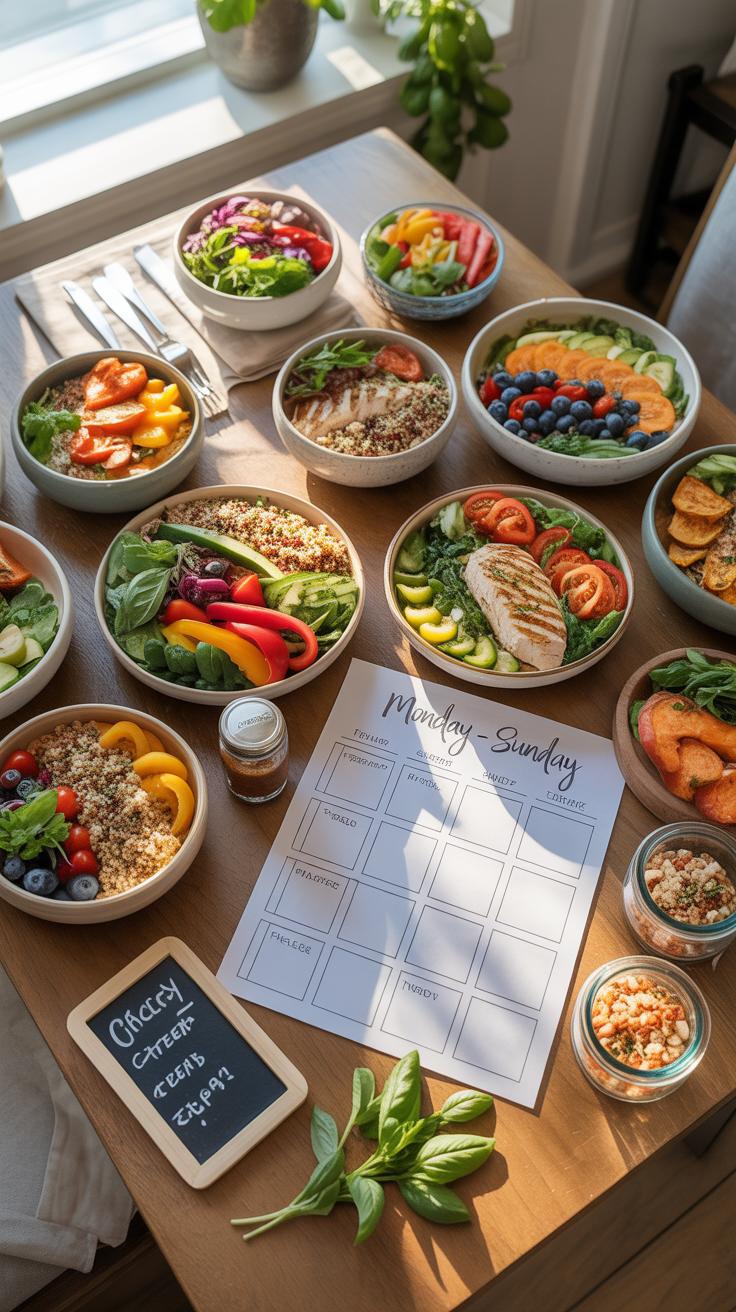
How Meal Planning Reduces Food Waste And Saves You Money Weekly
Meal planning eliminates impulse buys at the grocery store. You buy only the items required for specific recipes. This strategy prevents fresh produce from rotting in your refrigerator. Food waste represents lost capital. By mapping out your week, you treat food inventory like a business asset. Professional kitchens use this inventory control to maintain tight margins and ensure every ingredient serves a purpose.
A structured plan allows for strategic bulk purchasing. Buying dry goods like rice and beans in larger quantities lowers the unit price. You use these staples across multiple days to drive down the cost per serving. Planning also stops the need for expensive last-minute takeout orders. Consistency in your schedule ensures you always have a low-cost meal ready to cook in under twenty minutes.
Mixing And Matching Cheap Healthy Meals To Keep Your Menu Fresh
Rotating basic proteins and grains keeps your diet from becoming boring. Use a modular approach to cooking. Prepare a large batch of a neutral base like quinoa or brown rice on Sunday. Shift the flavor profile each night by changing your spice palette. One night utilizes cumin and lime for a Mexican profile. The next night uses ginger and soy sauce for an Asian influence.
Strategic leftovers reduce your total time in the kitchen. Cook double portions of roasted vegetables during your Monday dinner. Use the extra vegetables in a frittata or a grain bowl on Tuesday. This method maximizes your labor and keeps your menu dynamic without extra expense. Focus on high-nutrient density items like frozen spinach and canned chickpeas. These ingredients provide consistent texture and nutrition across various dish types.
Frequently Asked Questions

What are some basic tips for making cheap healthy meals if I am new to cooking?
Starting your culinary journey doesn’t have to be overwhelming or expensive. Focus on versatile base ingredients like brown rice, canned beans, and frozen vegetables. These staples are affordable and allow you to create nutritious dishes quickly. By mastering a few simple sautéing techniques and using dried herbs for flavor, you can consistently produce cheap healthy meals that nourish your body without requiring advanced chef skills or a massive grocery budget.
How can I prep my kitchen to ensure I can cook dinner in under 20 minutes?
Efficiency is the secret to fast weeknight cooking. Aim to spend one hour on Sunday washing and chopping hardy vegetables or portioning out proteins. Keeping a well-organized pantry stocked with quick-cooking grains like quinoa or whole-wheat couscous is also vital. When your ingredients are ready to go, assembling cheap healthy meals becomes a seamless process, allowing you to bypass the temptation of takeout and enjoy a homemade feast in record time.
Is it possible to eat nutritiously on a tight budget without access to specialty stores?
Absolutely! You do not need expensive health food boutiques to eat well. Your local discount grocer is packed with nutrient-dense options like eggs, oats, and seasonal produce. Buying store-brand frozen fruits and vegetables is a fantastic way to save money while locking in essential vitamins. By focusing on whole foods rather than processed snacks, you can easily maintain a balanced diet while strictly adhering to your weekly financial goals.