
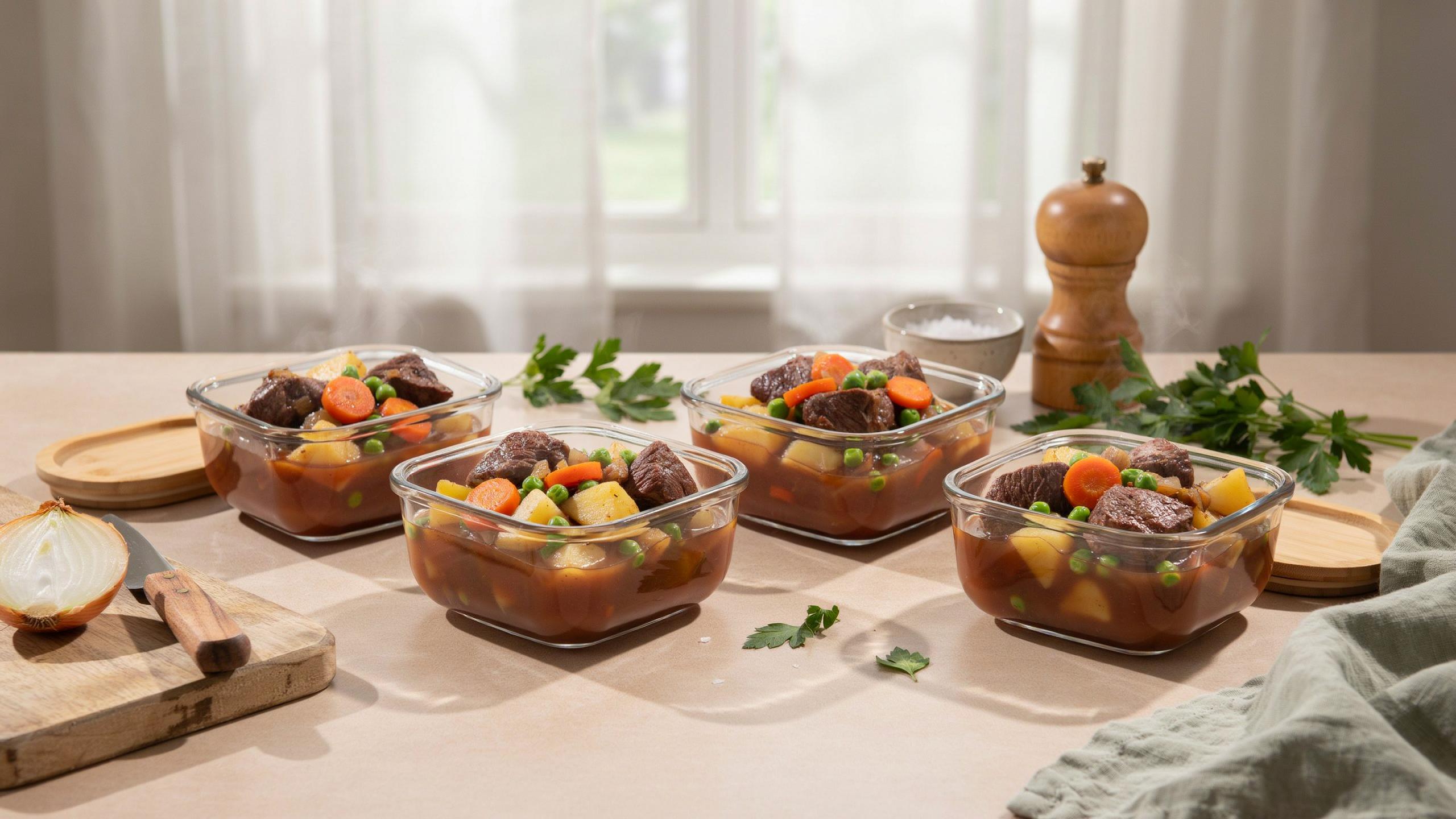
Beyond The Easy Beef Stew Recipe Deconstructing Culinary Autonomy

The Psychology Behind Meal Prep Consistency
You want meal prep to feel effortless because you’re afraid consistent execution is actually impossible for you. The real mechanic isn’t motivation or discipline. It’s removing the decision point entirely. Every time you decide whether to prep, you lose. Decision fatigue compounds. The people who succeed at beef stew meal prep don’t have more willpower. They’ve anchored the behavior to an existing routine so thoroughly that skipping it feels wrong, not hard. They prep on Sunday nights because that’s when they already exist in the kitchen. They use the same pot, same cuts, same containers. Repetition breeds automaticity, not from grinding harder, but from making the behavior cheaper to execute than the alternative.
The friction cost of beef stew prep drops to near zero when you stop treating it as a separate task. Most people frame it as an addition to their week. That’s your mistake. You’re not adding anything. You’re substituting one dinner into the five you already cook. You make stew instead of separate meals. You portion it into containers instead of plating individually. The time spent is less, not more. The barrier isn’t time or skill. It’s the mental switching cost of deciding to do it. Eliminate the decision by making it automatic, tied to an existing anchor point, and the whole system runs on its own.
Why Standard Recipes Collapse Under Real Conditions
Everyone tells you to follow a recipe and scale it up. That advice fails because recipes are written for single servings with variables that don’t translate to batch cooking. A recipe calling for browning beef in a hot pan works fine for two pounds. It falls apart at eight pounds because heat distribution changes, moisture release patterns shift, and timing becomes nonlinear. You end up with uneven browning, overcooked edges, and undercooked centers. The recipe wasn’t wrong. It was incomplete for the actual constraint you face: volume.

Basic recipes also fail because they ignore substrate. The cut of beef matters more than the spice ratio. Chuck roast, short ribs, and brisket have different connective tissue compositions, fat ratios, and breakdown rates during cooking. A recipe optimized for chuck doesn’t work for short ribs because the collagen structure is denser and requires different liquid ratios and cook times. Your prep system needs to account for the specific protein you’re using, not treat all beef stew as interchangeable. Match your beef cut to your available time, then build your liquid and vegetable strategy around that constraint. This is how you stop fighting your ingredients and start working with them.
The Protein Preservation Protocol Maximizing Muscle Flavor
Which Cuts Actually Hold Protein Through Storage
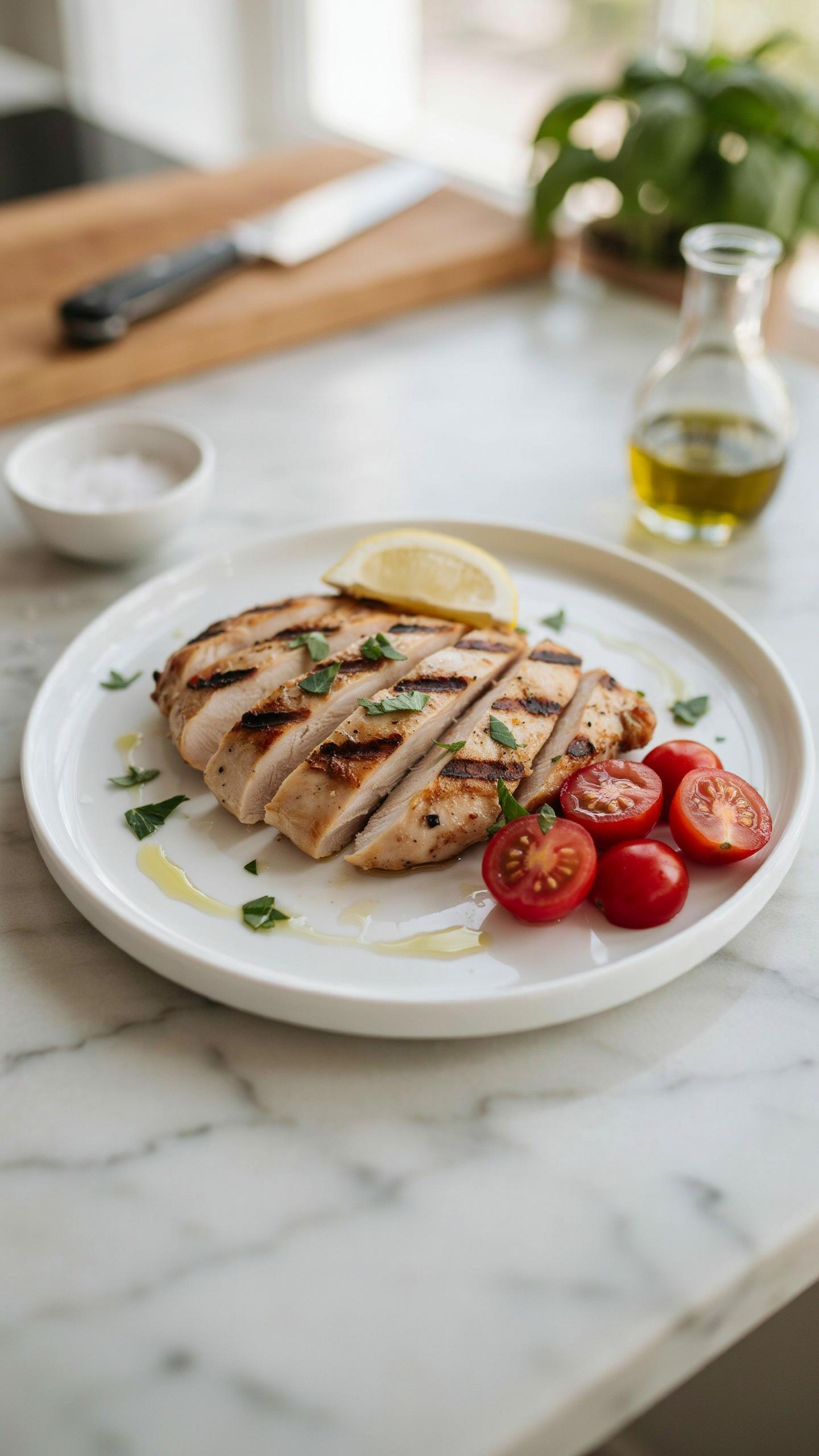
You want the cut that doesn’t fall apart by day four because you’re betting your meal prep on consistency, not hoping it works out. Collagen-rich cuts like chuck roast, brisket, and beef shank are the only play here. When you apply heat to these muscles, collagen converts to gelatin, which then reabsorbs moisture during cooling and storage. This is a collagen hydration mechanism, not a magic trick. The gelatin matrix locks protein in place and prevents oxidative breakdown that accelerates in leaner cuts.
Chuck roast wins because it balances collagen density with enough marbling to keep the meat from drying out between reheats. Avoid sirloin, eye of round, or any lean cut marketed as “healthy.” They dry fast, protein degrades quicker in stored stew, and you’ll need more salt and fat to compensate by day five. Buy chuck roast in 3 to 5 pound chunks, trim only the hard fat cap, and keep the connective tissue intact. The cut’s job is to stay intact through five days of refrigeration and multiple reheats.
How Heat Application Preserves Nutritional Density
The consensus says low-and-slow, but that advice ignores the actual breakdown threshold. Proteins denature around 160 to 180 degrees Fahrenheit. Holding beef stew at a rolling boil above 212 degrees destroys micronutrients and accelerates protein cross-linking, which makes the muscle harder to digest and extract amino acids from. Braising at 190 to 200 degrees preserves the protein structure while hydrating the collagen without scorching B vitamins.
Use your oven set to 325 degrees. Bring the stew to temperature on the stovetop, cover it, and finish cooking in the oven for 2.5 to 3 hours. This environment maintains stable heat without the harsh agitation of stovetop simmering. The beef reaches fork-tender texture while keeping the protein matrix intact. Low-temperature reheating matters too: reheat to 165 degrees for food safety, then drop it to 140 degrees for storage. Rapid cooling to below 40 degrees within two hours locks in both flavor and protein stability.
Slow Cooker Beef Stew The Unseen Variables Of Time
Heat And Protein Breakdown
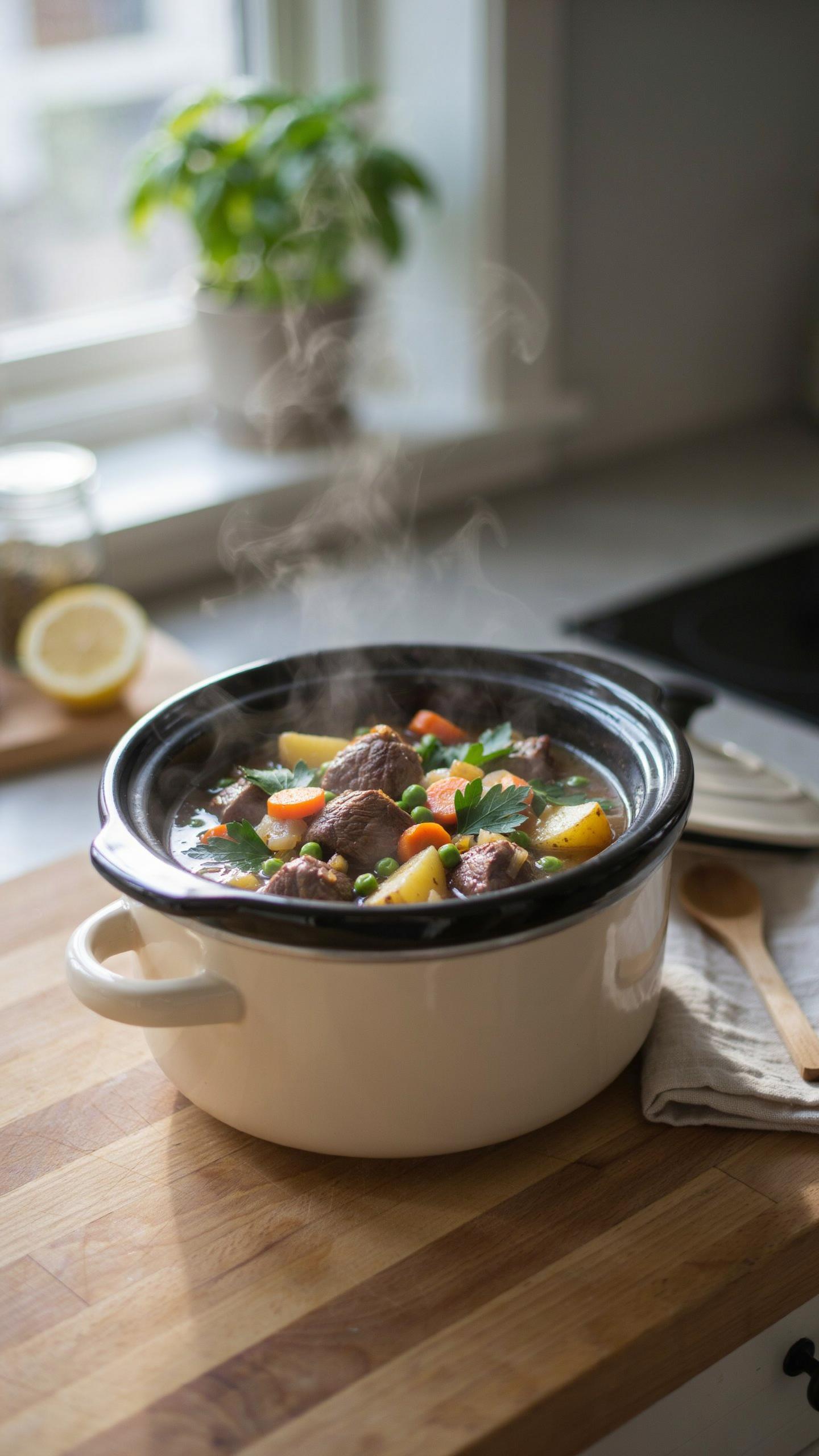
You want to believe time alone builds flavor, but what you’re really after is collagen conversion without drying out the meat. That’s the real game. Apply thermodynamics here: collagen denatures at 160°F and converts to gelatin between 160°F and 180°F. Low and slow isn’t poetry. It’s precision. A slow cooker holding 190°F for eight hours does structural work that high heat cannot replicate without destroying muscle fiber integrity.
Most people obsess over temperature but miss the actual mechanism: partial pressure equilibrium. The enclosed environment traps moisture, which allows connective tissue to break down while retaining water inside the meat. Set your slow cooker to low, which maintains roughly 190°F internally. High settings exceed 280°F and waste protein structure. The Maillard reaction that creates depth happens before the pot, not inside it. Sear your beef at 400°F first. Then braise low.
Texture And Nutrient Bioavailability
The standard advice says longer cooking extracts more nutrition. Partially true, but incomplete. Extended heat degrades some B vitamins while improving mineral absorption through collagen breakdown. The real move is managing cook time for your specific cut and chunk size, not guessing. One-inch cubes need four to six hours. Two-inch chunks need seven to nine. Overshooting creates paste. Undershooting leaves tough meat with wasted prep time.
Collagen becomes bioavailable gelatin only when you hit sustained temperature for sufficient duration. Root vegetables benefit from the gelatin-rich broth, which improves gut barrier function and joint support. Layer your vegetables strategically: hardy roots like carrots and potatoes go in early, fragile herbs and greens go in the final thirty minutes. Keep your slow cooker on low, add vegetables based on their density, and pull the stew off heat the moment collagen converts. That’s your signal to portion and freeze.
Instant Pot Beef Stew Recipe Speed Vs System Optimization
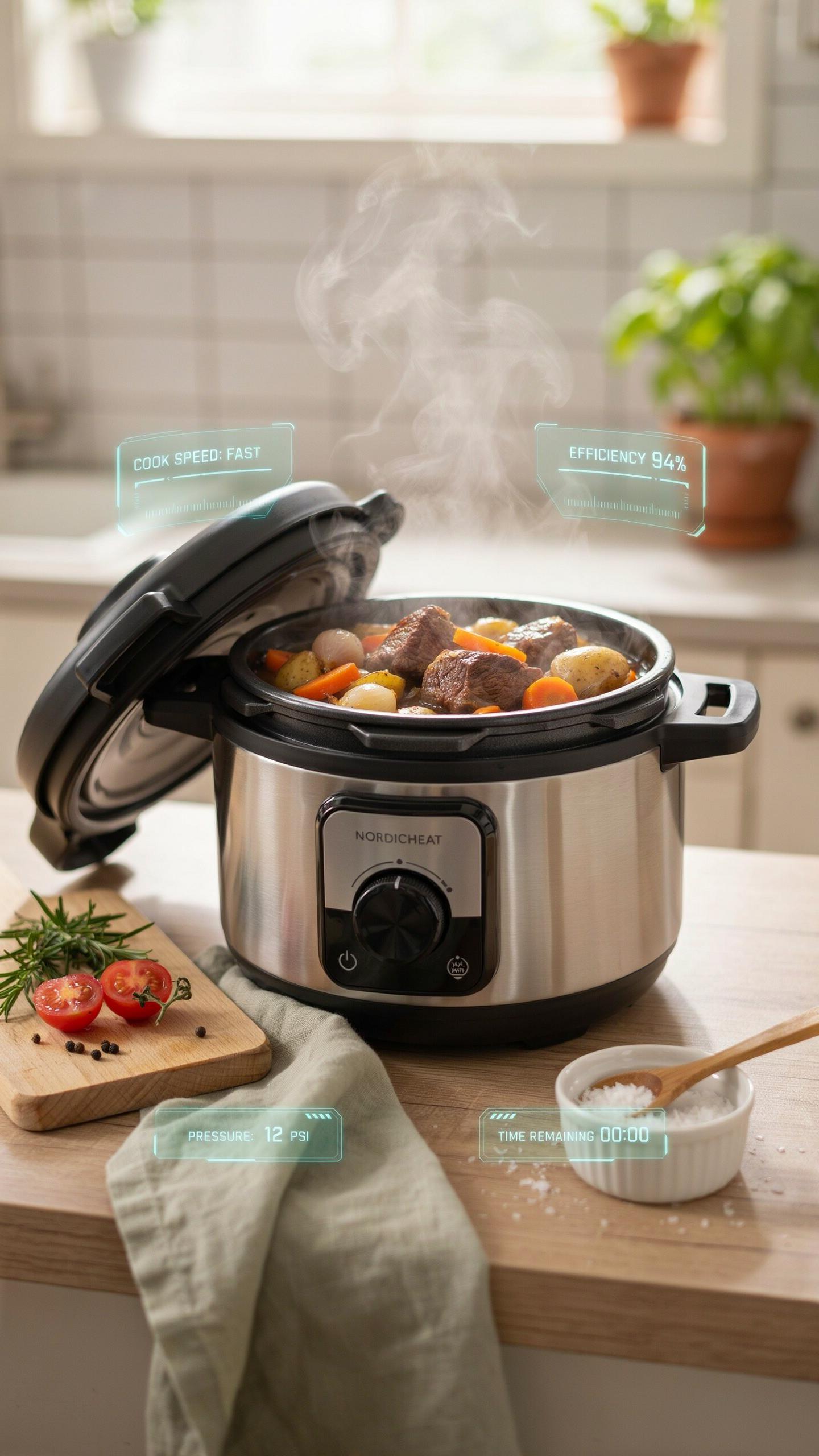
The Pressure Cooker’s Flavor Trade Off
You want the Instant Pot to save you time without admitting the real cost: pressure cooking sacrifices the browning reaction that builds actual depth. Maillard reaction is food chemistry’s term for what happens when heat transforms amino acids and sugars into complex compounds that taste like something. An Instant Pot steams meat under pressure instead of searing it, which means your stew tastes faster but flatter.
The mechanism is simple. Traditional stovetop stewing develops flavor in two phases: initial searing at high heat creates the Maillard reaction, then low heat over hours allows collagen to break into gelatin and flavors to compound. Pressure cooking skips phase one entirely and compresses phase two into 25 minutes. You gain speed. You lose the architectural depth that makes people ask for seconds.
Ingredient Breakdown Without The Collapse
The real tension isn’t speed versus flavor. It’s preventing vegetables and meat from turning into paste while still achieving enough breakdown to thicken the broth naturally. Standard advice says “add vegetables late” but that’s incomplete. Pressure cooking accelerates enzymatic breakdown and moisture loss at rates you can’t reverse.
Root vegetables need to go in whole or in large chunks because they’ll shrink 30 to 40 percent in the Instant Pot. Beef breaks down fast enough that you can use tougher cuts like chuck and get tender results in 35 minutes total, but you have to cut it into 1.5 to 2-inch cubes so they don’t disintegrate into fibers. The broth thickens from collagen conversion, not from vegetable mush. Add potatoes and carrots in the final 8 minutes of pressure time to keep them intact enough to hold their shape on the fork.
Pot Beef Stew The Craft Of Batch Cooking
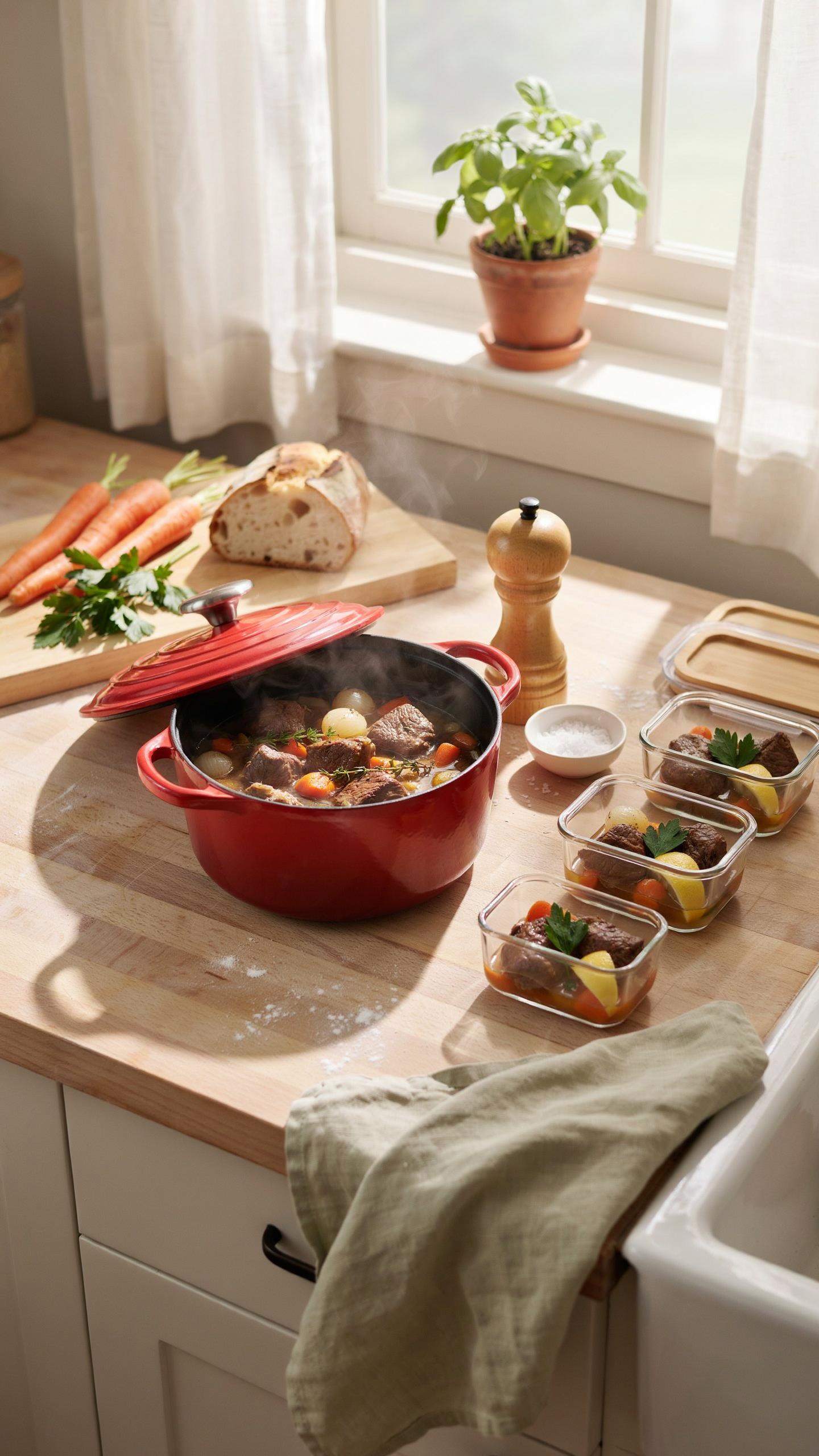
Scaling Ingredients Without Flavor Dilution
You want to believe doubling the recipe gives you twice the meal prep with half the effort. It doesn’t work that way. Scaling a beef stew demands you understand one mechanism from chemistry: the Maillard reaction doesn’t scale linearly. When you brown meat in batches, surface area contact with heat is what builds depth. Double your batch without doubling your pan and you steam instead of sear, which flattens the entire flavor profile before the braise even starts.
The fix is ruthless about proportion. Brown meat in multiple batches using the same pan. This takes longer but costs nothing. Aromatics like onion and garlic stay at the same ratio because they don’t need surface browning the way meat does. Stock, tomato paste, and seasoning scale up directly. The only variable that demands attention is cooking time. A massive pot takes longer to reach the simmer point and holds heat differently than a smaller one, so add fifteen to twenty minutes to your total cook time when you double the volume.
Consistent Nutrition Through Portioning Strategy
Economics calls this the problem of standardization across units. You’re manufacturing a product, and your units are containers. Inconsistent portions mean inconsistent macros per meal, which kills the entire point of meal prep if protein targets matter to you. Most people portion by eye and wonder why one container has twice the meat of another.
Weigh the cooled stew before portioning. Calculate total protein by multiplying beef weight by 0.26 (cooked beef is roughly twenty-six percent protein). Divide that total by your container count. Then use a scale to portion the stew so each container hits the same total weight. The broth distributes unevenly by feel, but weight doesn’t lie. This takes five minutes and removes the variance that makes tracking useless.
Beef Stew Crockpot Engineering Your Culinary Feedback Loop
The Control System You’re Actually Building
You want consistency without thinking about it every time you cook. Here’s what matters: a crockpot is a negative feedback loop. Cybernetics is the study of control systems, and your stew operates on the same principle—input variables (heat, liquid ratio, cook time) produce outputs (texture, flavor intensity, protein breakdown) that either match your target or drift away from it. The mechanism is simple: you measure results, adjust inputs, repeat until the system stabilizes at your preferred state.
Most people treat each batch as independent. They don’t. Every stew teaches you something about how that specific combination of beef cut, liquid type, and cooking duration behaves in your crockpot model. Track one variable per batch if you’re serious about this. Document the cut weight, liquid volume, cook temperature, and final texture in writing. The data becomes your calibration map. Your nervous system learns faster with external records than memory alone.
Personal Recipe Mapping Through Iteration
Forget the notion that a recipe is a fixed instruction you follow. It’s not. A recipe is a starting hypothesis that gets refined through your actual results. Data-driven iteration means you’re running small experiments: batch one establishes baseline, batch two tests one variable change, batch three tests another. This is how you move from following directions to owning the process.
The real optimization happens when you stop chasing generic “best practices” and map what works inside your specific constraints: your crockpot’s actual heat output, your freezer capacity, your protein tolerance, your schedule. Keep a simple log with date, beef cut, liquid amount, cook time, final protein per serving, and texture notes. After four to six batches, patterns emerge. You’ll spot which variables matter for your goals and which don’t. Adjust one element, cook again, measure the outcome. That’s the protocol.
Crockpot Beef Stew Recipes Slow Cooker Crockpot Easy The Illusion Of Effortless Nutrition
Why “Easy” Recipes Trap You In Mediocrity
You want the payoff without the work. That’s the real reason you’re drawn to “easy” beef stew recipes. The mechanism is this: complexity avoidance creates a competence ceiling. You delegate thinking to marketing language instead of understanding what actually happens in the pot. A slow cooker doesn’t eliminate variables. It hides them. Temperature consistency, meat selection, broth quality, timing windows, and fat rendering all still matter. They’re just invisible until your stew tastes thin, stringy, or flat. The recipe that promises effortlessness usually promises mediocrity first.
The crockpot’s actual strength is heat distribution consistency, not thinking reduction. Low-and-slow cooking works because sustained, gentle heat breaks down collagen into gelatin at a predictable rate. This takes eight to ten hours, not because the crockpot is magic, but because the mechanism requires time. People who get results don’t follow “easy” recipes. They understand the physics, then simplify their execution. That’s the inversion nobody states. You learn the rules first, then you earn the shortcut.
Where Simplified Instructions Fail You
The common advice on slow cooker beef stew is incomplete. Most recipes tell you to dump ingredients, set temperature, and leave. That approach produces inconsistent results because it ignores what happens during cooking. Moisture loss, fat separation, and flavor concentration aren’t uniform. Browning the meat before adding it changes the Maillard reaction output. Adding vegetables at different times prevents them from turning to mush. Broth type determines whether your stew gels or stays thin. None of this is optional. It’s just made optional by recipes that mistake simplification for ease.
Real complexity lives in the details, not the ingredient list. You brown beef in batches to prevent crowding and steaming. You use a mix of beef chuck and a smaller amount of short ribs for collagen and fat balance. You add root vegetables in stages based on their density and cooking time. You reduce liquid before service to concentrate flavor. These steps take thirty minutes of active work spread across twelve hours. That’s the actual cost. The hidden work is what separates a meal from a temperature-controlled accident.
Slow Cooker Recipes Beef Stew Beyond The Basic Ingredient List
Pairing Ingredients For Better Absorption
You want to believe the protein number on the label tells the whole story. It doesn’t. Bioavailability is the actual mechanism that matters—the percentage of nutrients your body can extract and use, not just consume. Think of it like supply chain logistics: having inventory isn’t useful if distribution fails.
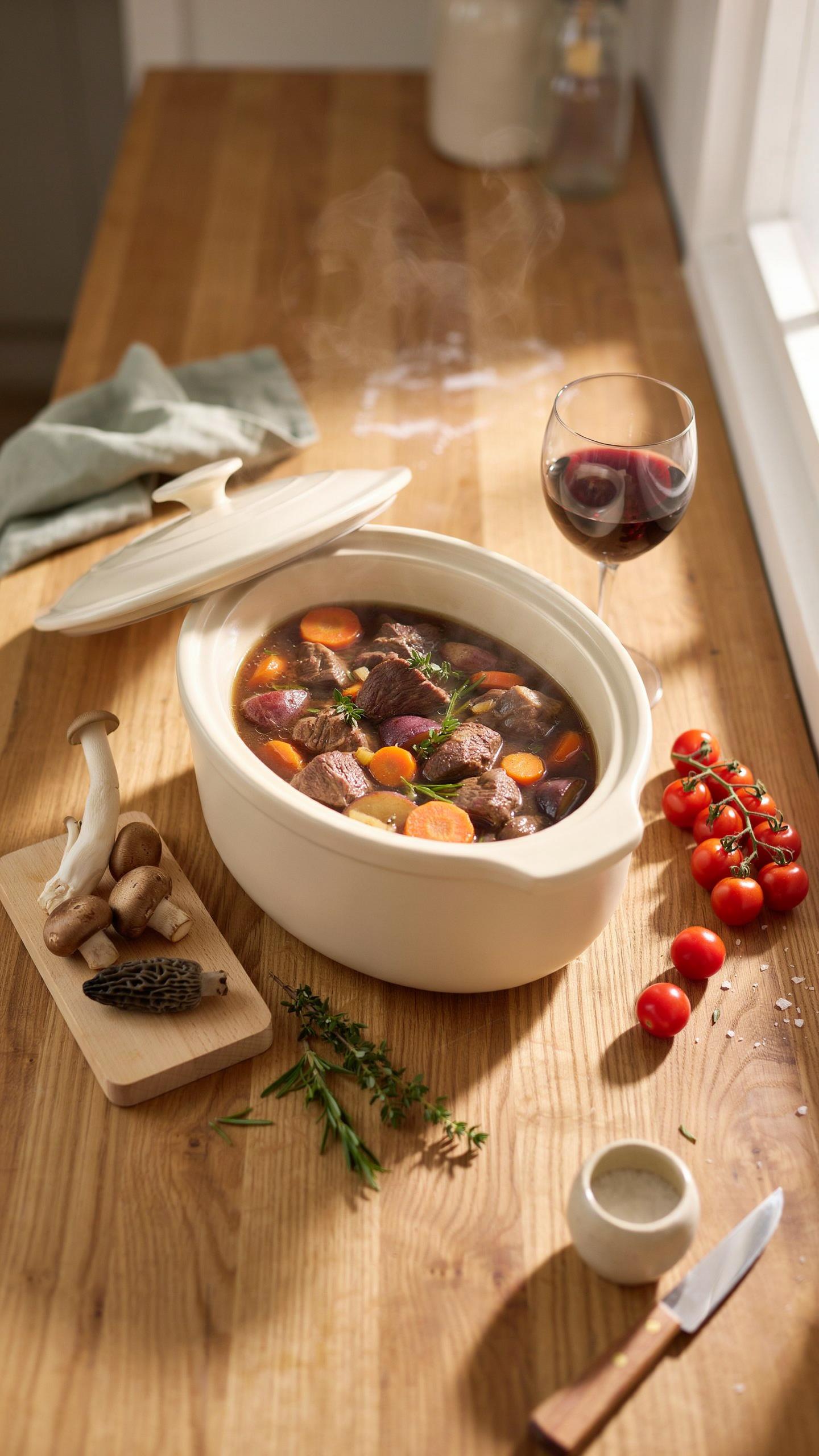
Beef stew creates a natural bioavailability stack when you layer it correctly. The collagen from chuck roast breaks down into gelatin during slow cooking, which actually improves mineral absorption from the vegetables around it. Acid from tomato paste (or red wine) increases iron uptake from the beef and root vegetables. Vitamin C from carrots and celery root works with that iron. You’re not just mixing ingredients; you’re engineering extraction efficiency.
Mineral Density Beats Protein Numbers
Most meal prep guides obsess over hitting protein targets and ignore cofactors. That’s incomplete. A 40-gram protein meal means nothing if your body can’t absorb it without magnesium, zinc, and B vitamins working in parallel.
Beef stew naturally stacks these. Chuck roast delivers bioavailable iron and B12. Root vegetables (carrots, parsnips, potatoes) provide potassium and manganese. Bone broth or stock-based cooking extracts gelatin and minerals from connective tissue. The long, low heat forces nutrient density extraction you can’t replicate in faster cooking methods. Build your stew around beef cuts with visible marbling and connective tissue, then use that cooking liquid as your base. Don’t drain it.
Beef Stew Recipe Variations Adapting To Your Environment
Where You Live Determines Your Ingredients
You want to believe your beef stew recipe works everywhere, but it doesn’t, and that’s where most people waste money on produce that doesn’t store or tastes bland. The real mechanism here is supply chain economics: your region’s climate determines what grows locally year-round, what ships in affordably, and what arrives already degraded. A stew built on ingredients that traveled three weeks tastes different than one built on what was harvested two days ago.
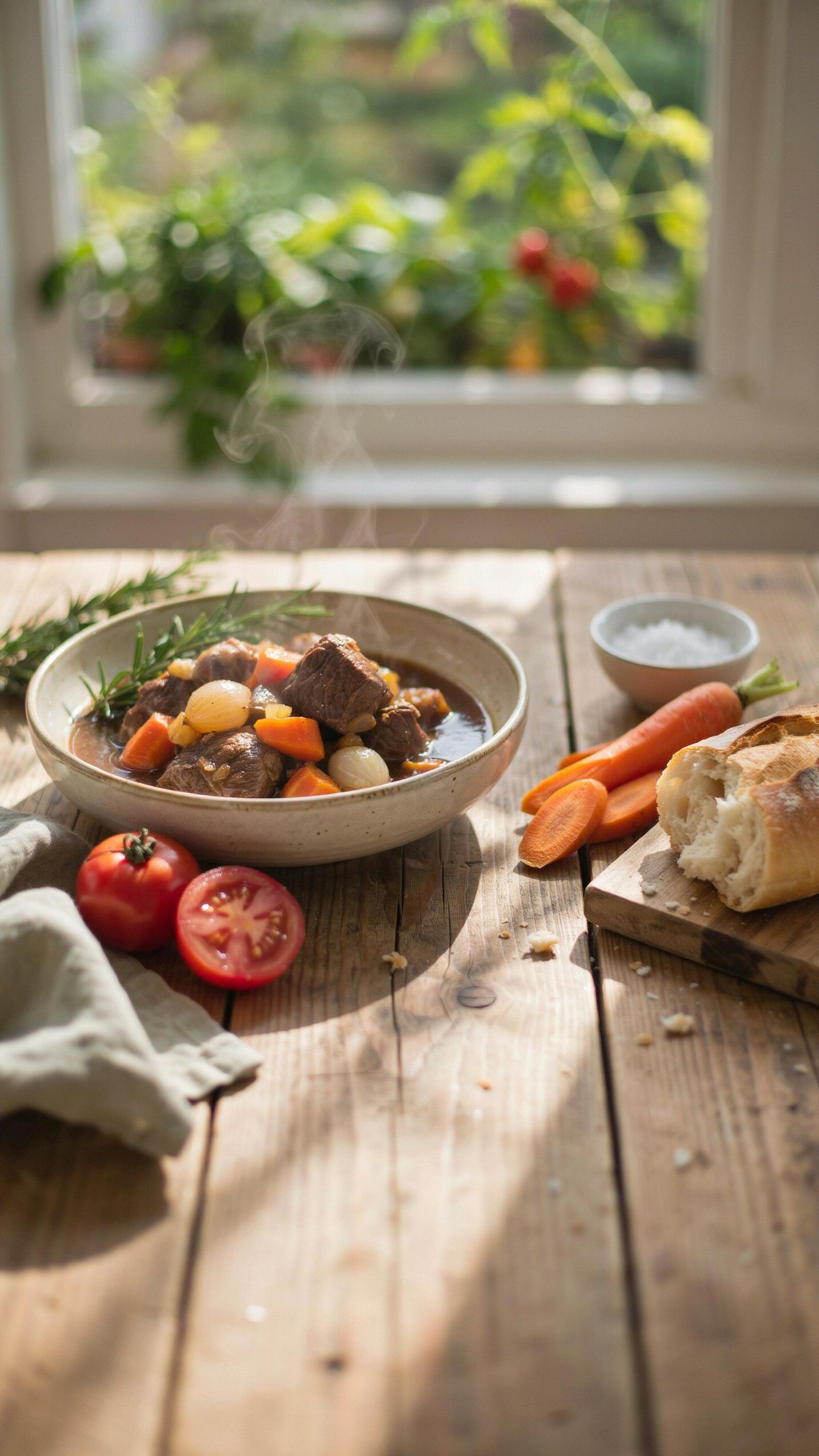
Cold climates stock root vegetables that store for months. Potatoes, carrots, onions, and parsnips thrive in storage cellars and last through winter without degradation. Warmer climates rotate faster through tomatoes, peppers, and leafy greens that demand quick turnover. If you live in the South, buying turnips in July costs more and yields inferior texture. If you live in the North, chasing fresh tomatoes in January means paying premium prices for inferior flavor. Build your base stew around what your region produces during the season you’re prepping, not around what looks good in a photo.
Nutrient Density Shifts With The Season
Seasonality isn’t marketing nonsense pushed by farmers markets. It’s biochemistry: plants allocate resources differently based on growing conditions. Carrots grown in fall accumulate more sugars as the plant prepares for dormancy, improving both flavor and the natural sweetening that happens during the long braise. Spring carrots are watery and less nutrient-dense because the plant prioritizes leaf and stem growth. Same vegetable, different nutritional profile depending on harvest timing.
The protein content of your beef stew stays consistent, but the micronutrient load shifts based on what you pair with it. Winter squash varieties contain more concentrated carotenoids than summer squash. Leafy greens like kale and chard develop deeper nutrient density in cooler months. When you prep your stew, match your vegetable additions to what’s biochemically peak in your region during that time, then store the finished product in portions that last through the weeks ahead without nutrient degradation in your freezer.
The Unspoken Truth About Beef Stew Meal Prep
The Real Cost Of Convenience
You want someone to tell you that meal prepping beef stew saves money, so you can feel smart about your choices without actually changing your behavior. The mechanism is economics: convenience always extracts a tax. Buying pre-cut beef and bagged vegetables costs 30 to 40 percent more than whole cuts and bulk produce. The time you save—roughly two hours weekly—gets priced in. Most people don’t do the math and assume they’re winning.
The actual win is different. Beef stew meal prep saves money only when you source whole chuck roasts directly and prep vegetables in volume. You trade your time for the discount. Skip this step and you’re just paying for someone else’s efficiency while feeling productive. The real leverage comes from eliminating the daily decision tax: no more choosing between fast food and cooking when tired. That’s worth something. Your system either captures this value or it doesn’t.
Build Your System, Not Just Recipes
Recipes are instruction manuals for people without pattern recognition. Your beef stew system is a repeating process that compounds: source, prep, cook, portion, store, consume. Each step either feeds into the next one smoothly or creates friction that kills consistency. Economics calls this operational efficiency. You need to map your actual constraints, not follow a template designed for someone else’s kitchen and schedule.
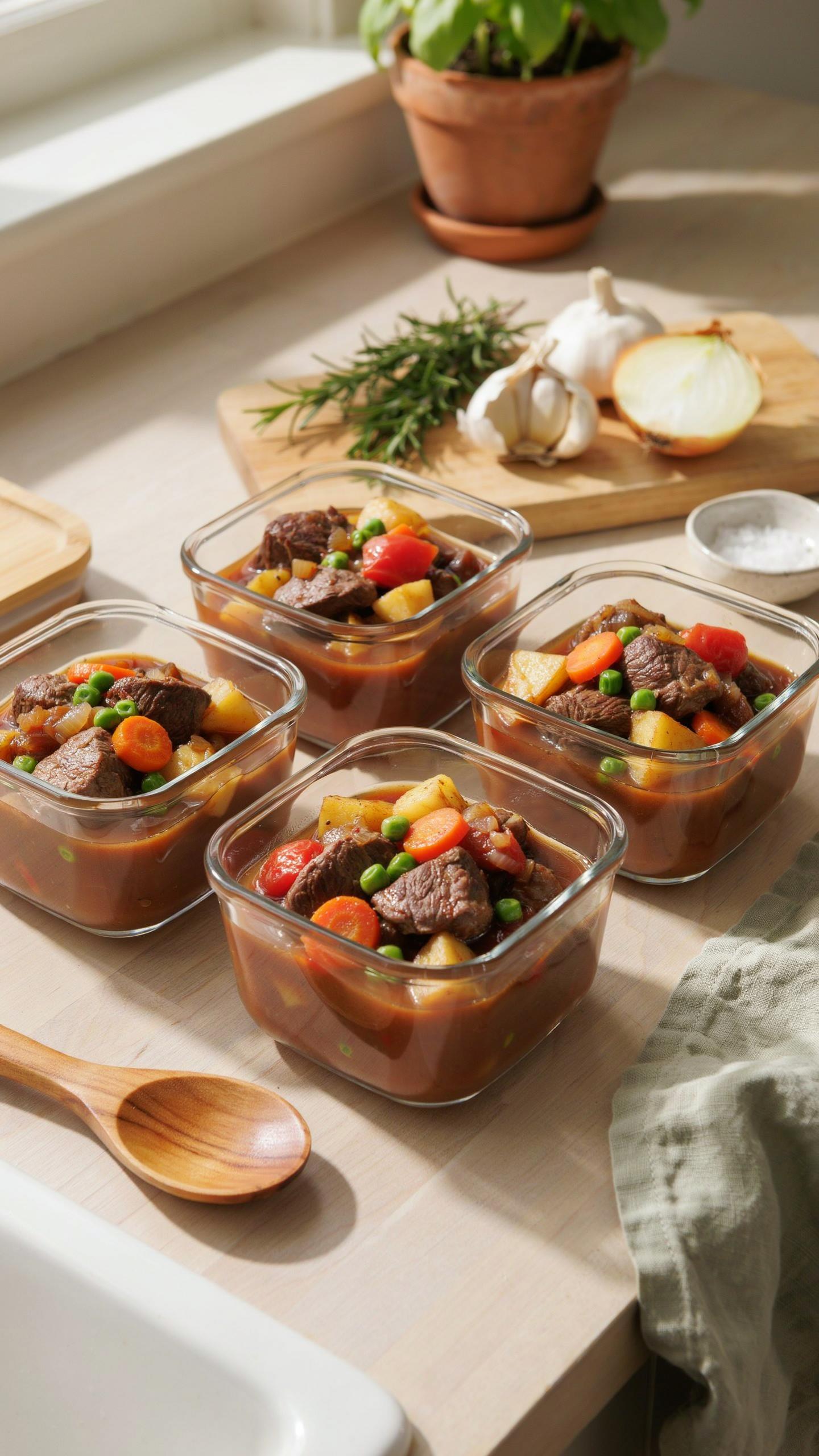
Most people fail at beef stew meal prep because they copy a recipe once, hit obstacles they didn’t anticipate, and quit. Your system documents the real bottlenecks: Do you have freezer space for five portions? Can you source chuck roast on the same day weekly? Does your stove handle long, low cooking without temperature swings? The answers determine whether you prep Sunday or Thursday, whether you freeze or refrigerate, whether you portion into glass or plastic. Write down your actual process after three successful batches. That’s your system. Follow it exactly until it breaks, then fix only what broke.
Your true obstacle isnt the recipe its your resistance to mastering the system

You already know beef stew meal prep works. You’ve read enough. The gap between knowing and doing lives in one place: you haven’t committed to the actual ritual. Pick one Sunday. Spend two hours. Make four containers. That’s it. The system compounds only when you stop treating it like optional motivation and start treating it like a non-negotiable appointment with yourself. Consistency beats perfection every single time.