
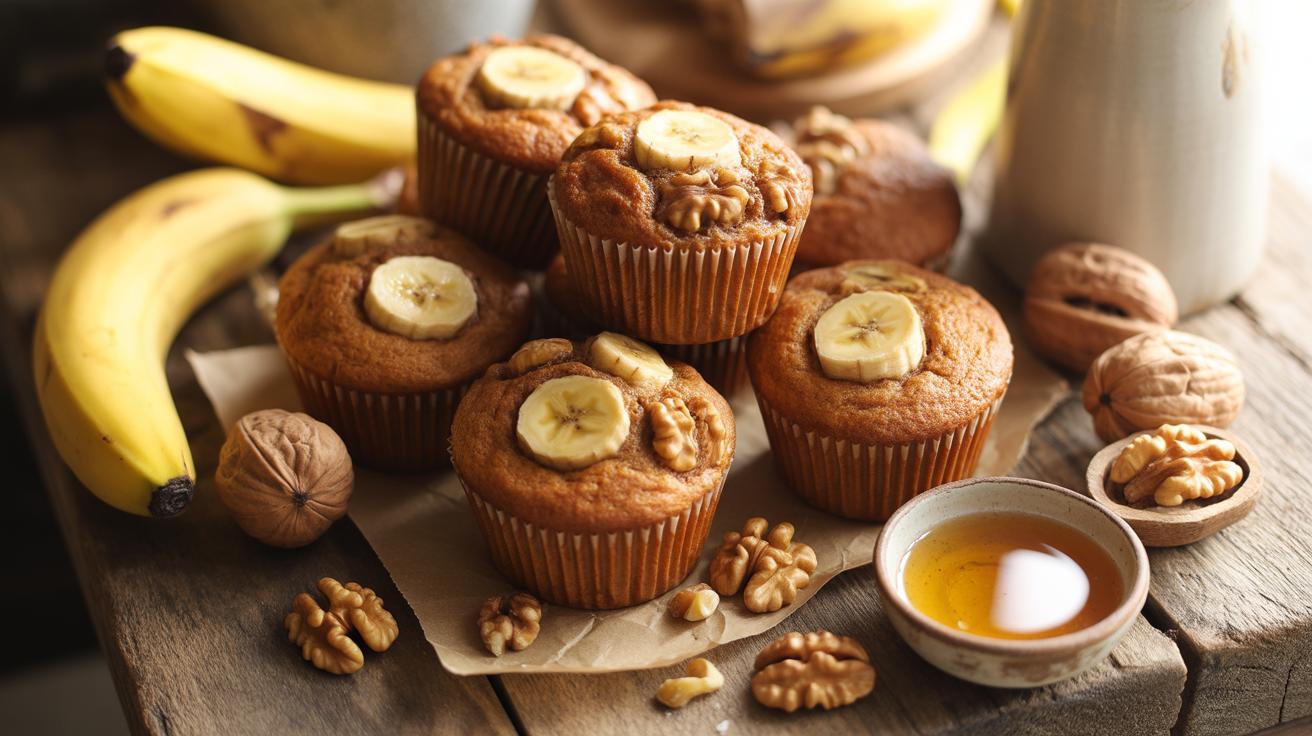
What Makes Banana Nut Muffins A Nutritious And Satisfying Snack Choice
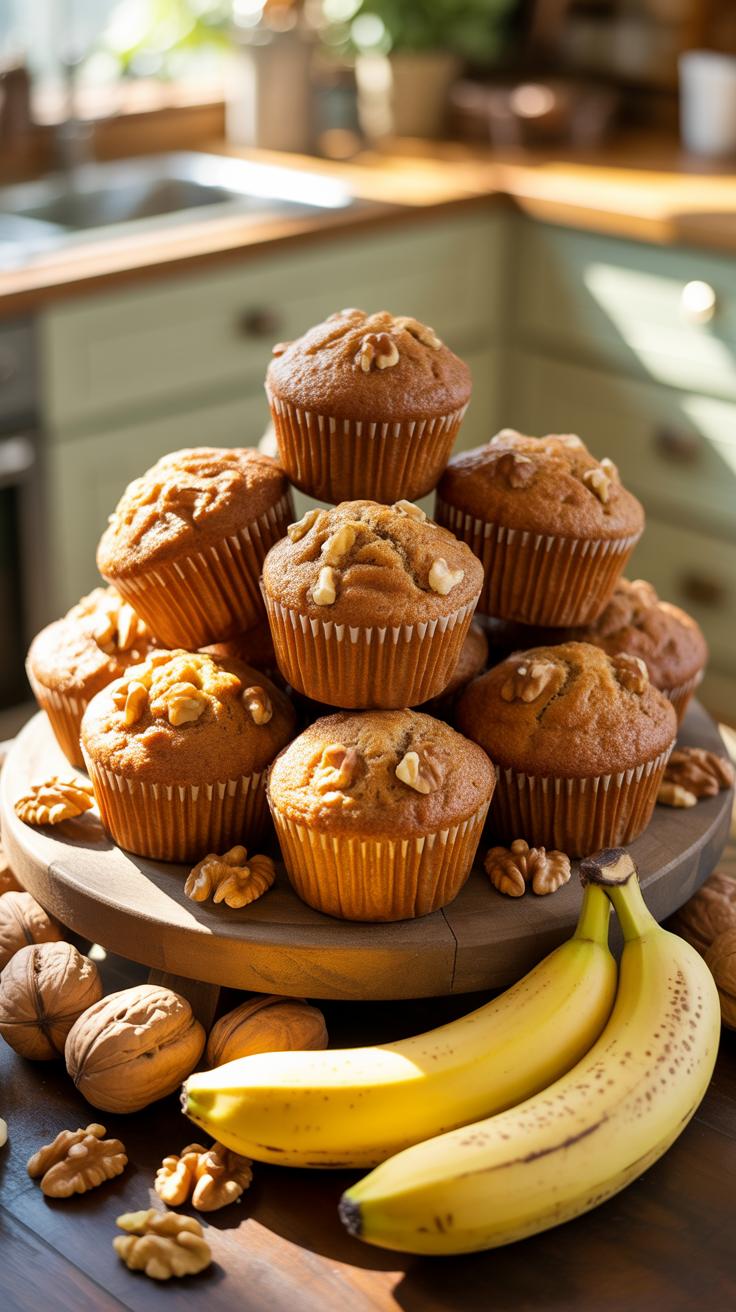
The Nutritional Benefits Of Bananas As A Baking Ingredient
Bananas function as a natural sweetener and structural binder in this banana nut muffins recipe. They contain high levels of potassium which supports nerve function and heart health. The fruit provides dietary fiber to aid digestion and regulate blood sugar levels. Overripe bananas work best because their starch converts to sugar. This natural sweetness reduces the need for heavy amounts of refined white sugar.

The moisture in mashed bananas replaces a significant portion of added fats like butter or oil. This substitution lowers the total calorie count and saturated fat content of the final product. Bananas also contribute essential vitamins such as B6 and Vitamin C. Using fruit as a primary base creates a dense texture that keeps you full. This makes the muffins a strategic choice for consistent energy.
How Nuts Add Healthy Fats And Protein To Your Muffins
Walnuts and pecans provide the necessary structural crunch and lipid profile for sustained satiety. These nuts contain alpha-linolenic acid which is a plant-based omega-3 fatty acid. Adding nuts increases the protein density of each muffin compared to basic flour-only recipes. This protein slows down the absorption of carbohydrates into your bloodstream. It prevents the rapid insulin spikes often associated with sugary baked goods.

Mechanical texture from nuts signals fullness to the brain during consumption. The healthy fats found in nuts improve the absorption of fat-soluble vitamins present in other ingredients. You gain long-term metabolic fuel rather than a short burst of energy. Incorporating nuts ensures the snack serves a functional purpose for your body. This combination of healthy fats and plant protein creates a balanced macronutrient profile for active individuals.
Essential Ingredients For The Best Easy Banana Nut Muffins Recipe
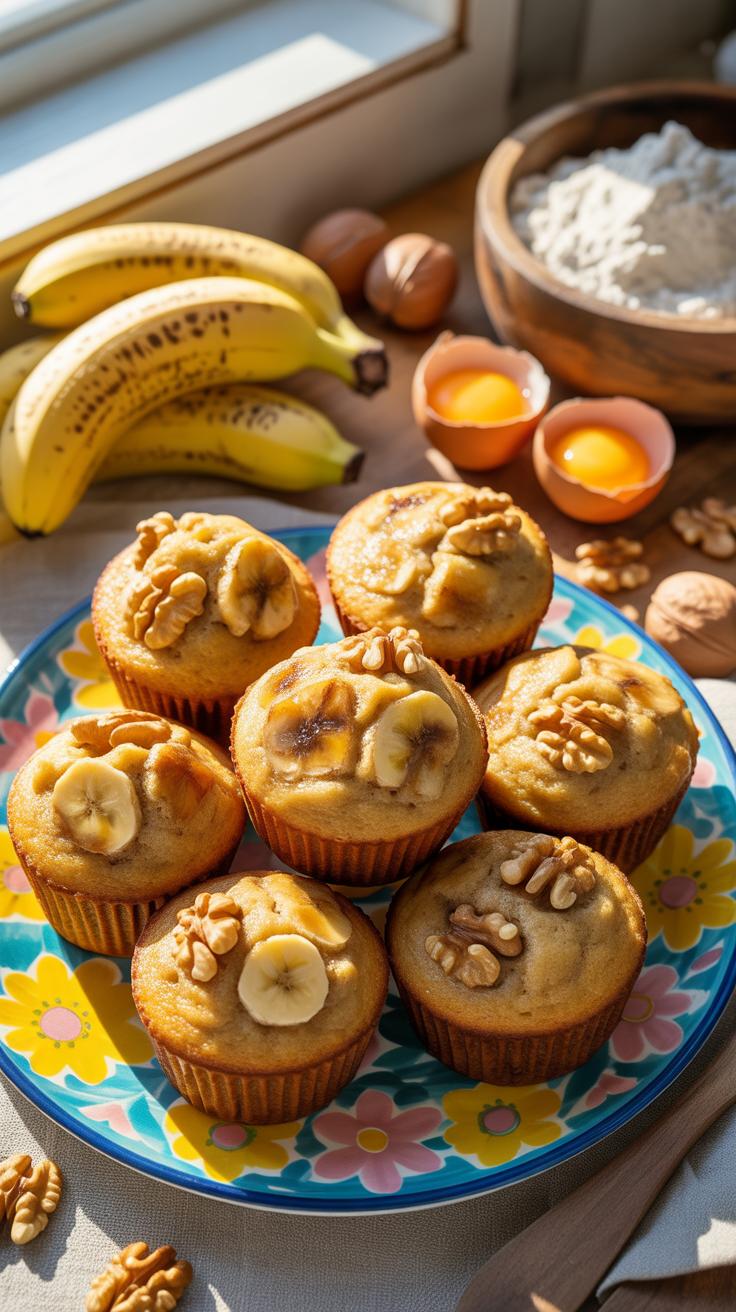
Core Pantry Staples You Need To Get Started
Successful baking requires precise chemical reactions between dry and wet components. You must use all-purpose flour to provide the necessary gluten structure for holding heavy fruit and nuts. Leavening agents like baking soda react with acids to create lift. Salt enhances the sugar profile while fats like melted butter or oil ensure a moist crumb. Measure these staples by weight to achieve consistent results every time.
- All-Purpose Flour: This wheat flour contains moderate protein levels which create a sturdy structure. It supports the weight of mashed bananas and chopped walnuts without collapsing. Using bread flour makes muffins too tough while cake flour lacks the strength to hold the dense additions.
- Leavening Agents: Baking soda is the primary leavener used in this recipe. It reacts immediately with the acidic components of the bananas to produce carbon dioxide gas. This process creates the air bubbles necessary for a light and airy texture in the dense batter.
- Granulated or Brown Sugar: Sugar does more than just add sweetness to the batter. It holds moisture through hygroscopic properties and helps the muffin edges brown through caramelization. Brown sugar adds a deeper molasses flavor and contributes to a softer and more chewy interior texture.
- Fat Source: Melted butter provides a rich flavor while vegetable oil ensures the muffins stay soft even when cold. Fats coat the flour proteins to limit gluten development. This step is critical because it prevents the muffins from becoming rubbery or overly dense during the baking process.
- Chopped Walnuts or Pecans: Nuts add essential texture and healthy fats to the final product. Raw nuts are acceptable but lightly toasting them before mixing into the batter improves the flavor profile. These inclusions provide a necessary crunch that offsets the soft texture of the baked fruit.
Organization is the key to efficiency in the kitchen. Gather all ingredients and bring eggs to room temperature before you start mixing. Cold eggs can seize melted fats and cause an uneven batter consistency. Sift your dry ingredients together to remove clumps of baking soda or flour. High quality staples ensure the final product has a professional texture and a balanced flavor.
Choosing The Right Bananas For Maximum Flavor And Natural Sweetness
The success of your banana nut muffins recipe depends on the ripeness of the fruit. Yellow bananas with green tips contain too much starch and very little sugar. As bananas age, enzymes break down starches into simple sugars like sucrose and glucose. Use bananas that have turned almost entirely black or are covered in heavy brown spots. These fruits provide the highest liquid content and deepest aroma.
Mashing the bananas into a smooth puree allows for even distribution throughout the batter. If you use firm fruit, the muffins will lack moisture and taste bland. You can ripen bananas quickly by placing them in a paper bag or warming them in a low oven. However, natural room temperature ripening produces the best chemical profile for baking. Choose fruit that feels soft to the touch through the peel.
Step By Step Guide To Making Banana Nut Muffins Recipe Moist Every Time
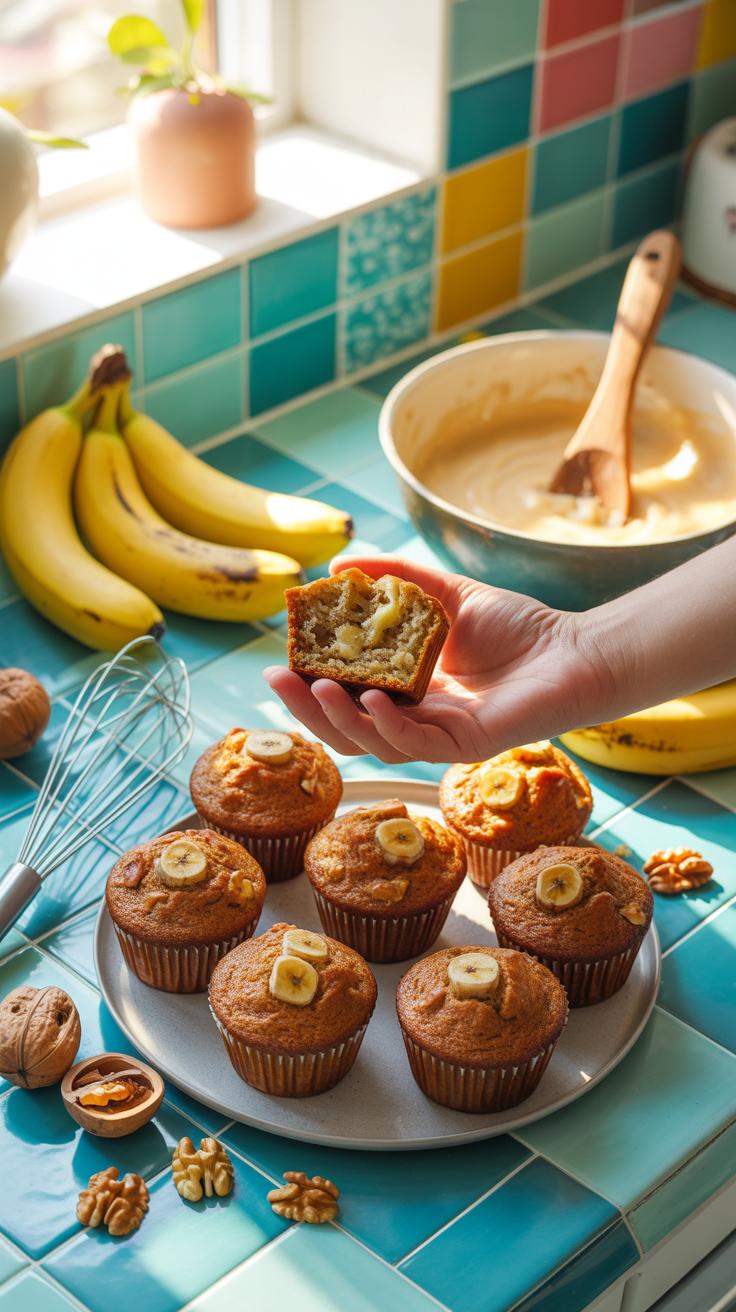
How To Properly Mix Your Batter Without Overworking The Gluten
Mixing is the most critical stage for texture control. You must combine the wet and dry ingredients using the muffin method. This process involves creating a well in the dry ingredients and pouring the liquid mixture into the center. Stir only until the flour streaks disappear. Ten to fifteen swift strokes usually suffice. Stop immediately when the batter looks lumpy and thick.
Excessive stirring develops gluten bonds within the wheat flour. These protein chains create a tough and rubbery crumb structure. You want a tender yield rather than a bread-like density. Use a wide rubber spatula to fold the components gently together. Never use an electric mixer for this specific task. Precision at this stage ensures the gases from the leavening agents expand without restriction.
A simple banana nut muffin is more than a snack; it is a warm reminder that nourishing your body can taste like home.
Baking Time And Temperature Tips For A Perfectly Moist Interior
Consistent heat determines the final moisture content of your muffins. Set your oven to 375 degrees Fahrenheit for the best lift. High heat triggers a rapid steam release from the mashed bananas. This creates a tall dome and seals the exterior quickly. Position your rack in the center to ensure even air circulation. Fluctuating temperatures will lead to uneven cooking and dry edges.
Internal temperature checks prevent overbaking which ruins the recipe. Pull the tray when a toothpick inserted into the center comes out with a few moist crumbs. Do not wait for a clean toothpick as that indicates the fruit sugars have started to dehydrate. Residual heat continues to cook the muffins for several minutes after removal. Transfer them to a wire rack within five minutes.
Banana Walnut Muffins Why Walnuts Are The Classic Nut Of Choice
The Flavor Profile And Texture Walnuts Bring To Banana Muffins
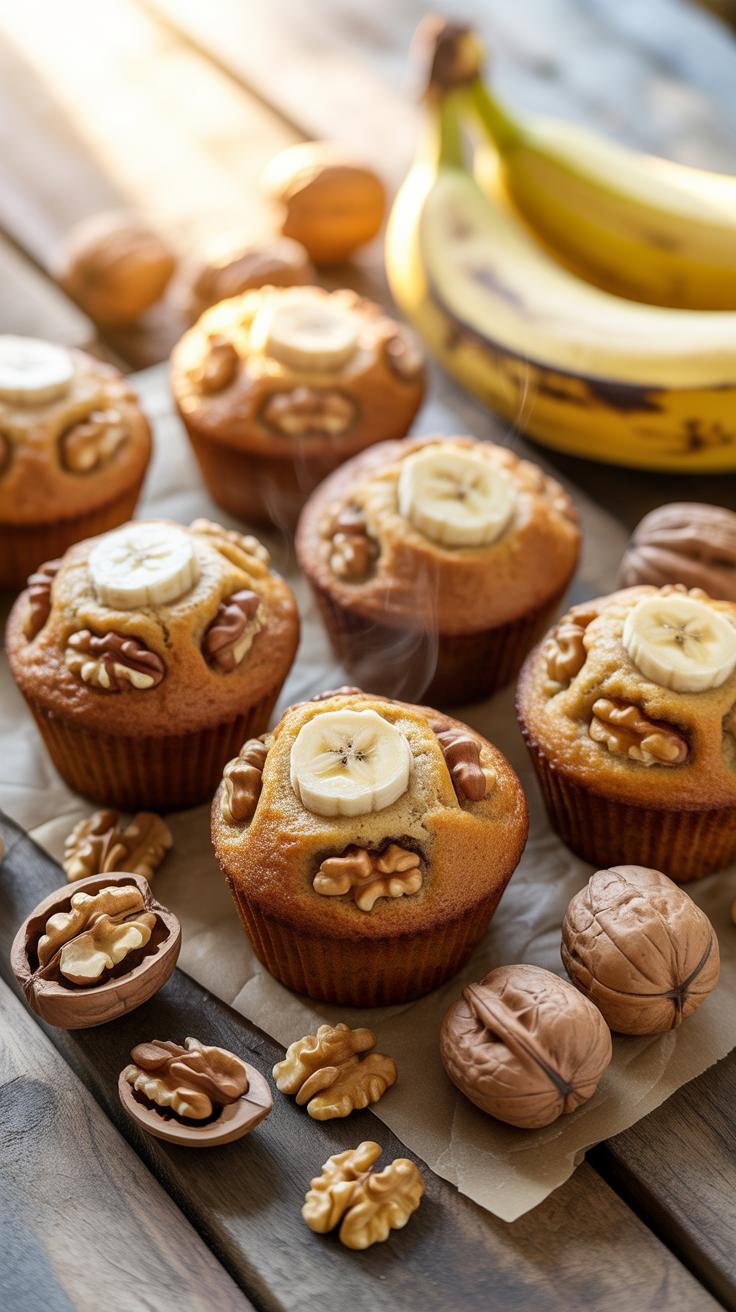
Walnuts provide a necessary contrast to the high sugar content in overripe bananas. These nuts contain specific tannins in their skin that offer a slight bitterness. This bitterness balances the cloying sweetness of the fruit. Chemically, the fats in walnuts also help carry the fat-soluble aromatic compounds found in banana mash. This interaction deepens the overall flavor profile of the muffin.
The physical structure of the walnut improves the mouthfeel of the final product. Bananas soften during the baking process and lose their structural integrity. Walnuts maintain their firm texture even after exposure to high heat and moisture. This creates a dual-texture experience that prevents the muffin from feeling mushy. Integrating chopped walnuts ensures every bite has a consistent and reliable crunch for the consumer.
Can You Substitute Walnuts With Other Nuts In Your Recipe
You can substitute walnuts with pecans or almonds if the flavor profile requires a change. Pecans offer a higher oil content and a naturally sweeter taste than walnuts. They integrate well but lack the sharp tannic edge that cuts through heavy batter. If you choose almonds, use slivered or sliced versions. Whole almonds are too dense and do not bond correctly with the soft crumb.
Replacing walnuts changes the nutritional density and fat ratios of the recipe. Each nut variety has a different moisture level that affects the bake time. Macadamia nuts add richness but increase the calorie count significantly. Standard peanuts are rarely used because their strong oil profile overwhelms the delicate banana scent. Always match the nut size to the banana chunks to ensure even distribution throughout the entire muffin tin.
Healthy Swaps To Elevate Your Easy Banana Nut Muffin Recipe
Replacing Refined Sugar With Natural Sweeteners Like Honey Or Maple Syrup
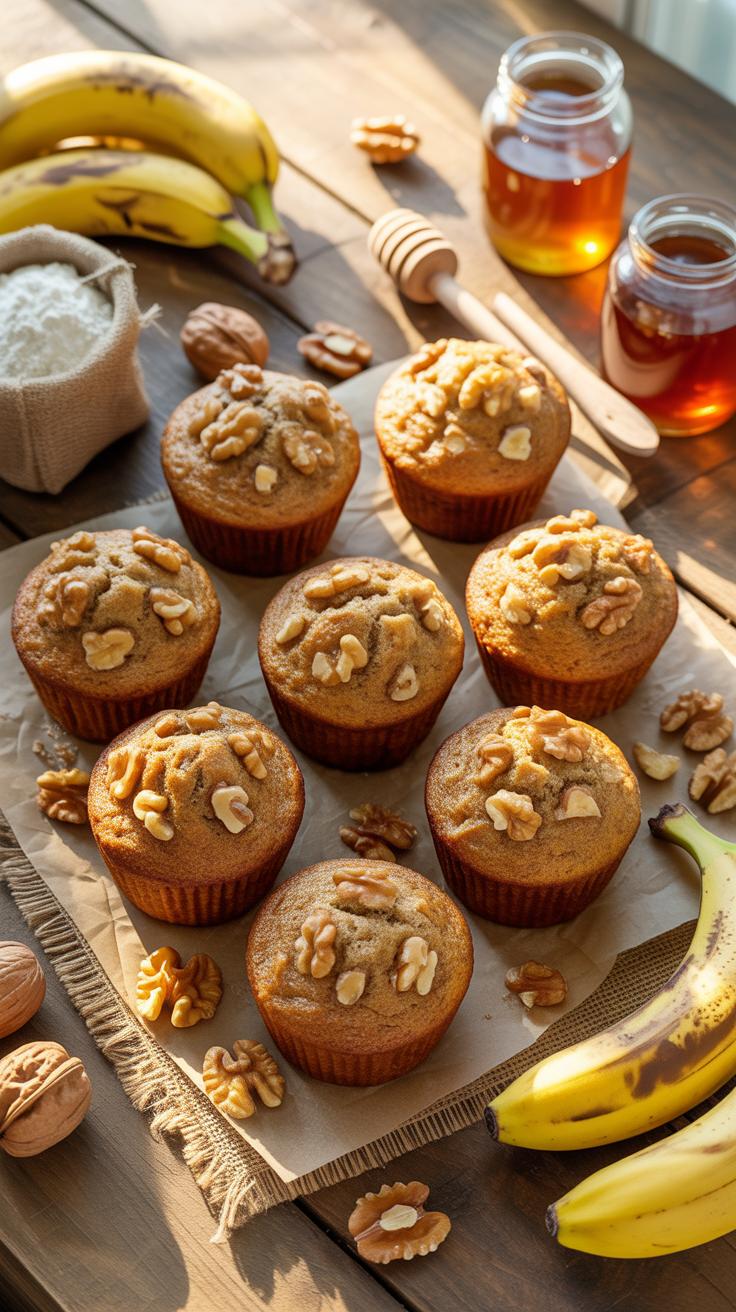
Refined white sugar provides empty calories and spikes blood glucose levels rapidly. Honey and maple syrup offer antioxidants and minerals like manganese and zinc. These natural liquids alter the moisture balance in your batter. Use a three to four ratio when replacing granulated sugar with these options. This tactical adjustment ensures the muffins remain moist without becoming overly saturated or structurally weak.
Liquid sweeteners brown faster than dry sugar due to higher fructose content. Lower your oven temperature by twenty five degrees Fahrenheit to prevent the exterior from burning. Watch the edges for a deep golden color. This technique preserves the internal crumb while developing a rich flavor profile. You gain a better nutritional baseline without sacrificing the essential sweetness that defines a standard banana nut muffin recipe.
Using Whole Wheat Or Oat Flour For Added Fiber And Nutrition
Standard white flour lacks the bran and germ found in whole grains. Switching to whole wheat flour increases the fiber content and adds a nutty flavor. This change slows down digestion and provides sustained energy levels. Do not swap the full amount immediately because whole wheat absorbs more liquid. Start by replacing half of the all purpose flour to maintain a soft and palatable texture.
Oat flour offers a gluten friendly alternative with a high protein count. You can grind rolled oats in a blender to create a fine powder for your batter. This flour creates a dense and filling muffin that satisfies hunger longer than refined versions. Always let the batter rest for ten minutes before baking. Proper hydration allows the fibers to soften and ensures the finished product does not crumble.
Banana Nut Bread Muffins Recipe Easy Enough For Beginner Bakers
How Banana Nut Bread And Muffins Share The Same Flavor Roots
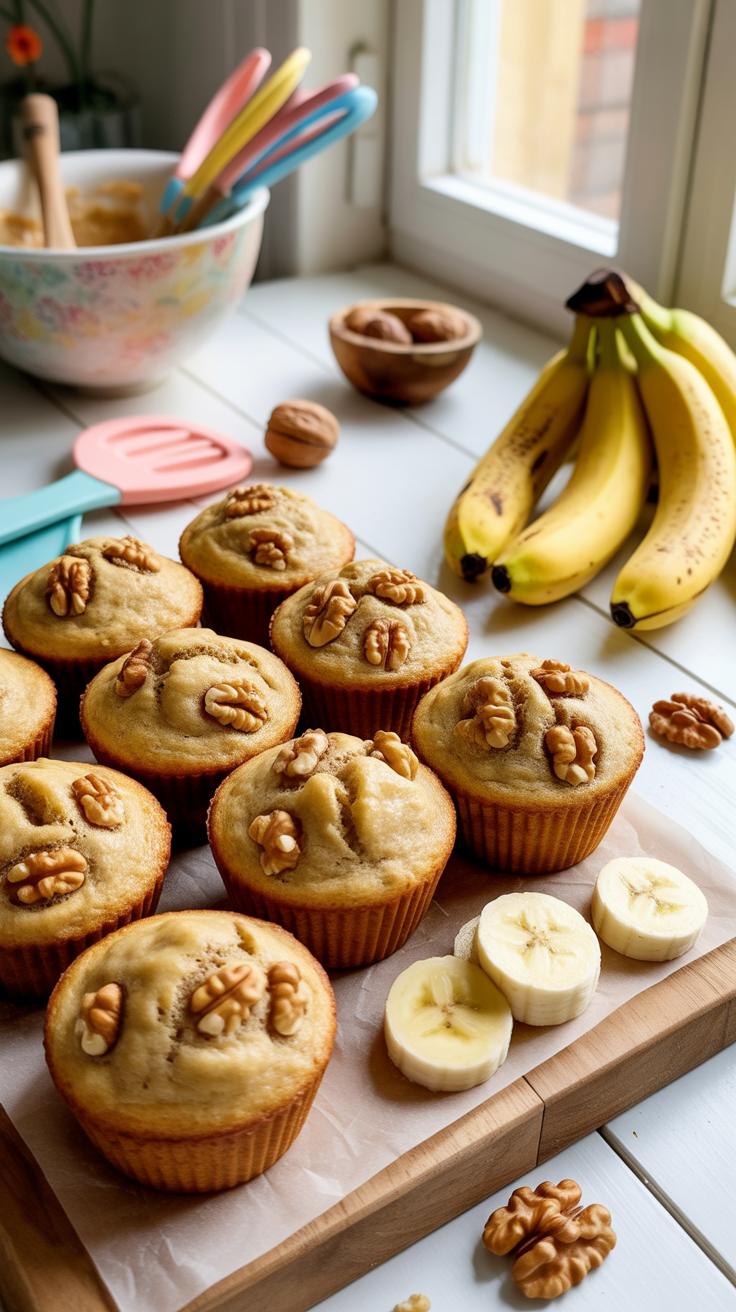
Banana nut muffins and banana bread share an identical chemical foundation. Both rely on the Maillard reaction and caramelization of fructose to create deep flavor. These recipes became popular in America during the 1930s when home cooks used chemical leaveners like baking soda to avoid wasting overripe fruit. The core ingredients remain constant across both formats. You always use mashed bananas, flour, and fat.
Muffins differ from bread primarily through heat application and surface area. A muffin tin allows the batter to cook faster than a standard loaf pan. This rapid bake creates a higher crust to crumb ratio. The flavor profile stays consistent because the base ratios of sugar to starch do not change. You get the same dense and moist interior seen in traditional quick breads but in a portable shape.
Simple Techniques That Make Banana Nut Bread Muffins Foolproof
Success in baking depends on managing gluten development and moisture levels. Beginners often fail by overworking the batter or using underripe fruit. You must use bananas with black spots to ensure high sugar content and easy mashing. Mashing the fruit thoroughly creates a uniform texture. This step prevents large pockets of fruit from making the muffin soggy. Proper mixing ensures a light and airy crumb structure.
- Mashing Consistency: Process the bananas until they reach a liquid state with few lumps. This ensures even distribution of moisture throughout the flour. Uniform batter prevents structural collapse during the rising process in the oven.
- Room Temperature Ingredients: Bring eggs and fats to room temperature before mixing. Cold ingredients prevent the batter from emulsifying properly. This step ensures the fat traps air during the mixing phase for a better rise.
- The Folding Method: Use a spatula to incorporate dry ingredients into the wet mixture. Stop as soon as the flour streaks disappear. Overmixing activates gluten and turns a tender muffin into a tough and chewy bread.
- Toasting The Nuts: Heat your walnuts or pecans in a dry pan for three minutes before adding them. This releases essential oils and improves the crunch. Untreated nuts often become soft and lose their distinct flavor profile when baked.
- Accurate Measuring: Use a kitchen scale for the flour instead of measuring cups. Packed flour adds too much weight and dries out the muffin. Measuring by grams guarantees a consistent result every time you use the recipe.
Standardize your oven temperature by using a standalone thermometer. Most built in dials are inaccurate and lead to uneven browning. Fill each muffin cup three quarters full to allow space for expansion. This prevents the batter from overflowing and sticking to the top of the pan. Let the muffins cool in the tin for five minutes before moving them to a wire rack. This helps the structure set properly.
Storing And Freezing Your Banana Nut Bread Muffins To Keep Them Fresh
Best Practices For Storing Muffins At Room Temperature And In The Refrigerator
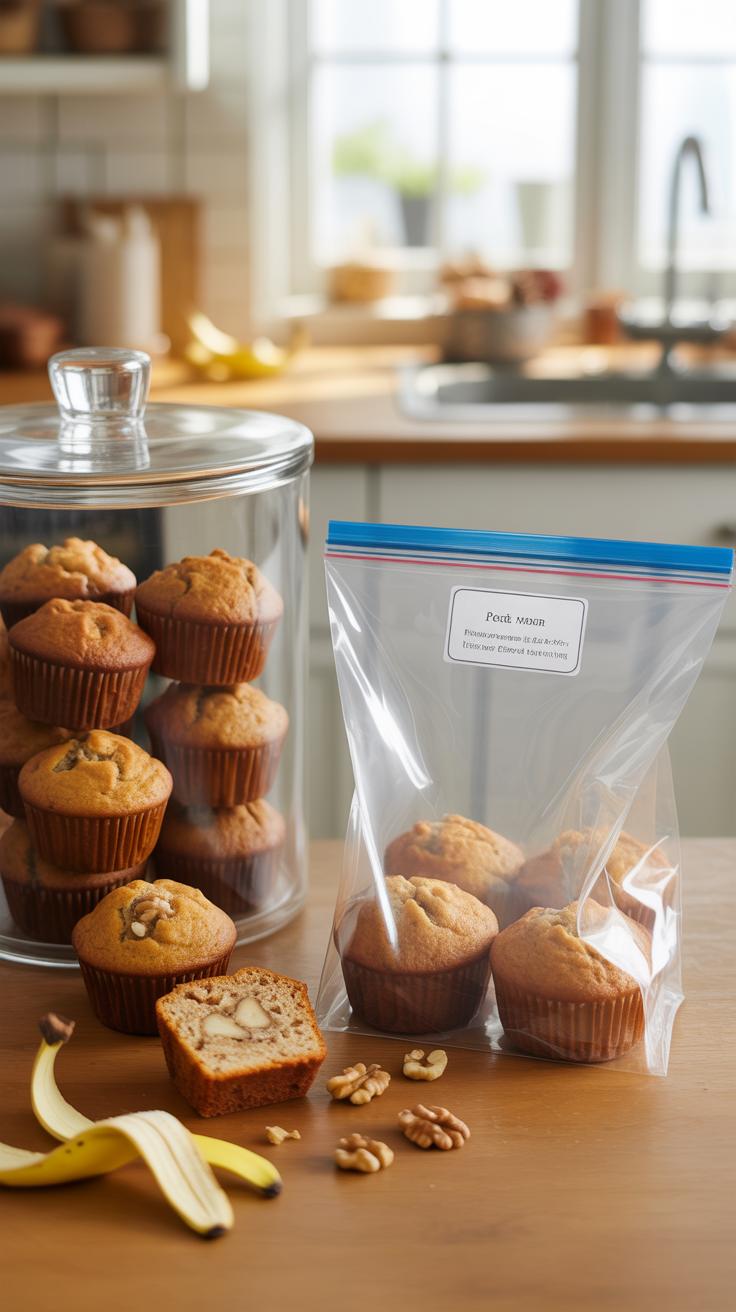
Cool your muffins completely on a wire rack before storing them. Trapped heat creates steam which makes the tops soggy and ruins the texture. Line an airtight container with a dry paper towel to absorb excess moisture. Place the muffins in a single layer on top. Cover them with another paper towel before sealing the lid to ensure the crust stays firm.
Keep the container at room temperature for up to two days for maximum flavor. Avoid the refrigerator as it accelerates starch retrogradation. This process turns your muffins dry and crumbly much faster than the counter. If you live in a high humidity climate, refrigeration may prevent mold. Wrap each muffin tightly in plastic wrap if you must use the fridge to block airflow.
How To Freeze And Reheat Banana Muffins Without Losing Moisture Or Texture
Freezing is the superior method for long term storage of this banana nut muffins recipe. Wrap each individual muffin tightly in heavy duty aluminum foil or plastic wrap. Place the wrapped muffins into a freezer bag and squeeze out all oxygen. This double layer defense prevents freezer burn and keeps the fats in the nuts from going rancid over several months of storage.
Thaw frozen muffins at room temperature for one hour while still wrapped. This allows them to reabsorb any surface moisture. To restore the fresh baked texture, heat them in a toaster oven at three hundred degrees for five minutes. Do not use a microwave for long periods as it can toughen the crumb. A quick twenty second burst on medium power works for immediate consumption.
Creative Variations On The Classic Banana Muffin Recipe For Every Taste
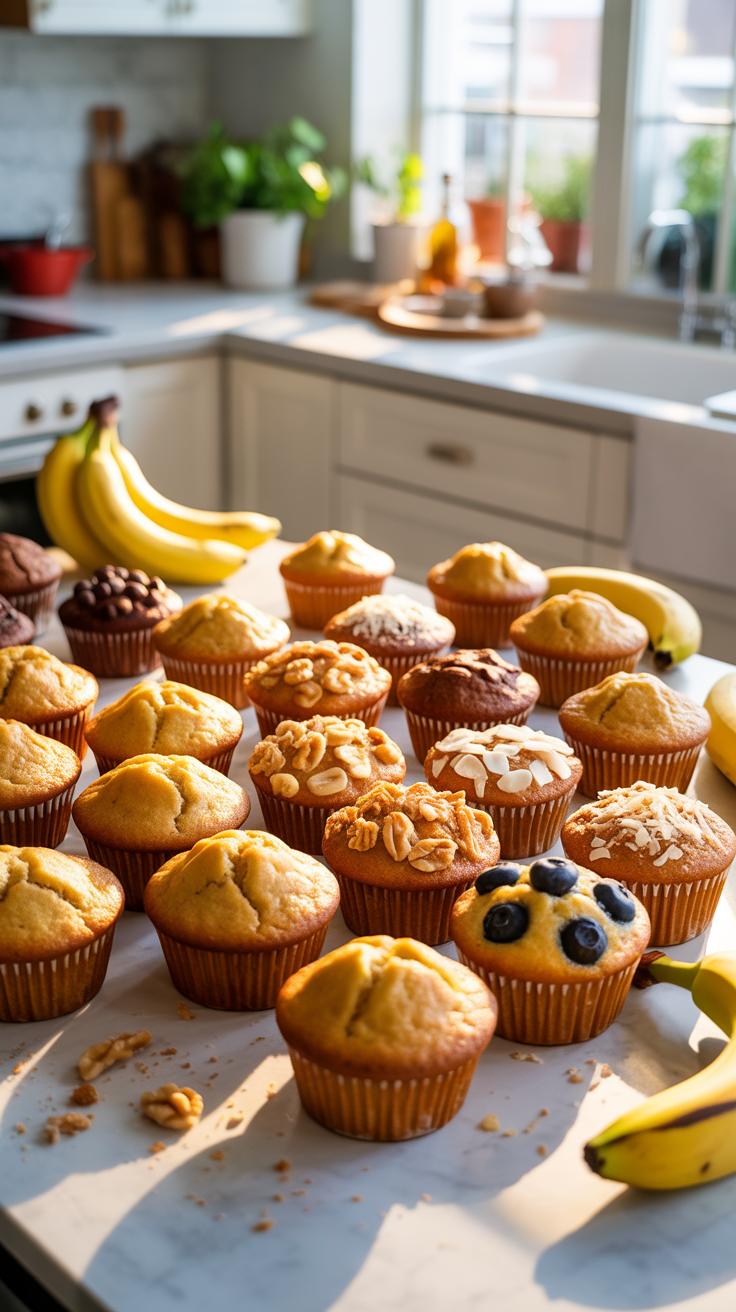
Adding Chocolate Chips, Dried Fruits, Or Spices To Customize Your Muffins
Customizing your banana nut muffins recipe requires a balance of moisture and texture. Semi-sweet chocolate chips introduce a classic profile that complements the natural sugars in ripe bananas. If you use dried fruits like cranberries or raisins, soak them in warm water for ten minutes first. This prevents the fruit from drawing moisture out of the batter during the baking process.
Spices offer a tactical way to change the flavor profile without altering the chemical structure of the recipe. Ground cinnamon and nutmeg are standard choices for warmth. For a sharper edge, add ground ginger or cardamom. Always whisk dry spices into the flour before adding wet ingredients. This ensures even distribution and prevents clumps of concentrated spice that ruin the eating experience.
Gluten Free And Vegan Adaptations That Still Deliver On Flavor
Gluten-free versions of this banana nut muffins recipe require specific starch blends to mimic wheat structure. Use a high-quality one-to-one flour replacement containing xanthan gum. Almond flour adds healthy fats and a dense crumb but needs an extra binding agent. Do not overmix these batters. Without gluten, the structure relies entirely on the protein in the eggs or substitute to hold air.
Vegan adaptations focus on replacing eggs and dairy while maintaining moisture. Flaxseed meal mixed with water creates a reliable binder known as a flax egg. For the fat component, substitute butter with coconut oil or avocado oil. These plant-based fats have high smoke points and provide a clean finish. Use unsweetened almond or soy milk to adjust the batter consistency if it appears too thick.
Frequently Asked Questions

Why are overripe bananas better for making healthy muffins?
Using overripe bananas is the secret to a perfect banana nut muffins recipe because they provide natural sweetness and a moist texture. As bananas develop dark spots, their starch converts into sugar, allowing you to reduce the amount of refined sugar in your snacks. They also mash more easily into a smooth consistency, ensuring every bite is packed with that classic, comforting tropical flavor and essential nutrients like potassium.
How can I keep my muffins from getting too dry or tough?
To ensure a light and fluffy result when using this banana nut muffins recipe, be careful not to overmix your batter. Once you combine the wet and dry ingredients, stir just until the flour streaks disappear. Overworking the flour develops too much gluten, which leads to a dense, rubbery texture. For the best healthy snacking experience, bake them until a toothpick comes out with just a few moist crumbs attached.
Can I make these muffins if I am on a tight grocery budget?
Absolutely! This snack is incredibly budget-friendly because it relies on pantry staples and affordable produce. Instead of buying expensive specialty nuts, you can use heart-healthy sunflower seeds or even crushed peanuts for crunch. If you don’t have butter, common vegetable oil or applesauce works beautifully as a cost-effective substitute. It is a fantastic way to use up aging fruit that might otherwise go to waste, saving you money.