
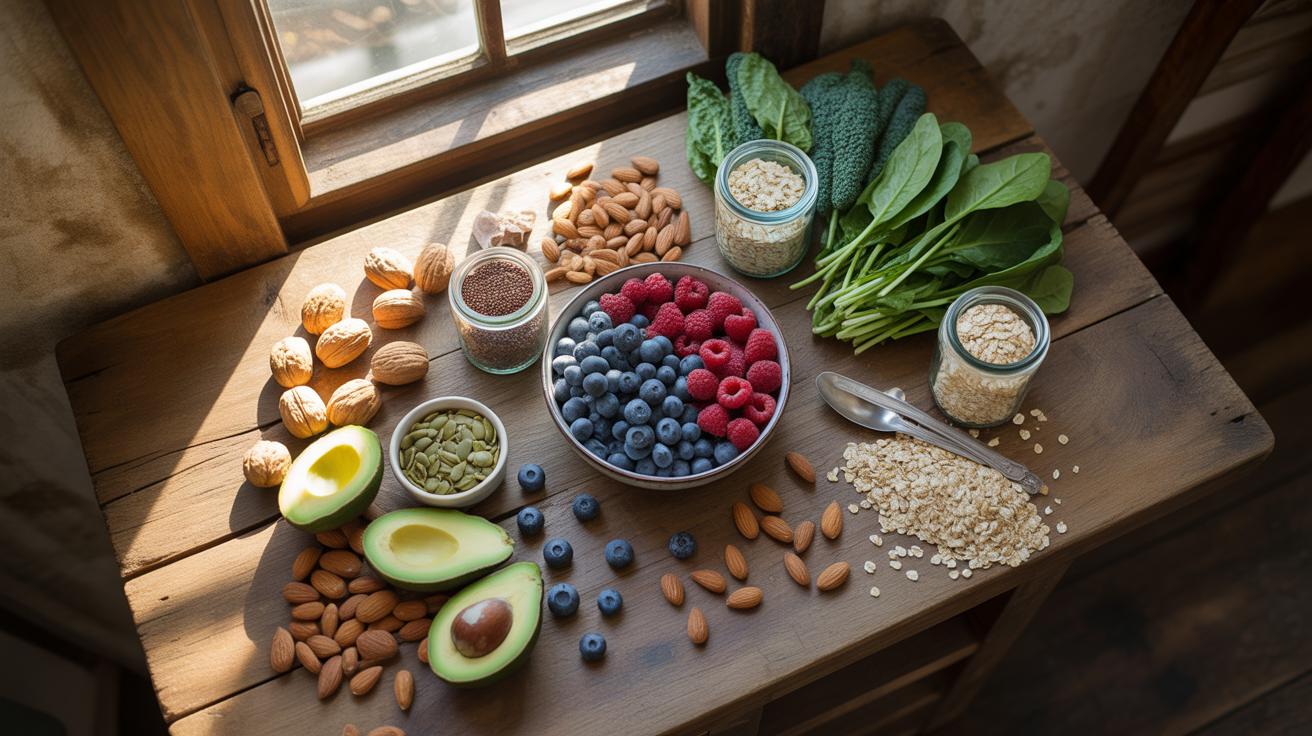
What Are Foods To Balance Hormones And Why Does Your Diet Matter

How Hormones Function In The Body And What Disrupts Them
Hormones act as chemical messengers. These signals travel through your blood to tell organs what to do. They control metabolism, mood, and sleep. Endocrine glands produce these chemicals in small amounts. Even tiny changes in levels create big effects. Your body needs a constant state of balance to function. This internal stability ensures every system runs at peak performance.

Several factors disrupt these delicate chemical signals. Chronic stress raises cortisol and blocks other functions. Poor sleep stops the body from repairing its endocrine system. Environmental toxins also mimic natural hormones and confuse your cells. Frequent sugar intake causes insulin spikes that lead to resistance. When these triggers occur often, your body loses the ability to regulate its own chemistry.
The Direct Link Between What You Eat And Hormonal Health
Diet provides the raw materials for hormone production. Your body builds hormones from fats, proteins, and minerals. If you lack specific nutrients, your glands cannot manufacture these messengers. High fiber intake helps the body remove excess hormones. Healthy fats provide the building blocks for steroid hormones like testosterone and estrogen. Food is the fuel that drives the entire endocrine engine.

Eating the wrong things causes immediate hormonal chaos. Processed sugars trigger insulin surges that store fat and create inflammation. Too much caffeine increases stress hormones and disrupts your natural rhythm. Refined carbohydrates strip away the nutrients your thyroid needs to work. Consistent poor choices lead to long term imbalances. Targeted nutrition stabilizes your blood sugar and allows your glands to return to their baseline.
Top Foods For Hormone Balance For Women At Every Life Stage

Hormone Supporting Foods For Women During The Reproductive Years
Reproductive health depends on a steady supply of micronutrients to regulate the menstrual cycle. Focus on cruciferous vegetables like broccoli and cauliflower. These contain indole-3-carbinol which helps the liver metabolize excess estrogen. Proper estrogen detoxification prevents common issues like heavy cycles and mood swings. High-fiber foods move used hormones out of the body through the digestive tract to prevent reabsorption into the bloodstream.
Healthy fats are the primary building blocks for steroid hormones. Eat avocados and walnuts to provide essential fatty acids for progesterone production. Low-fat diets often disrupt ovulation by starving the body of cholesterol needed for hormone synthesis. Add iron-rich foods like lentils or grass-fed beef to replace minerals lost during menstruation. Consistent intake of these nutrients stabilizes energy levels and supports long-term fertility and metabolic function.
Nutritional Strategies For Women Navigating Perimenopause And Menopause
Perimenopause requires dietary shifts to manage declining estrogen levels. Include phytoestrogens like organic soy and flaxseeds to mimic natural estrogen in the body. These compounds bind to estrogen receptors to reduce hot flashes and bone density loss. Magnesium-rich greens like spinach help manage the cortisol spikes common during this transition. Stable blood sugar is critical as insulin sensitivity often decreases during the menopausal shift.
Focus on calcium and vitamin D to protect skeletal health as hormonal protection wanes. High-protein intake becomes more important to fight age-related muscle loss. Switch from simple sugars to complex carbohydrates to prevent fat storage around the midsection. Salmon provides omega-3 fatty acids which reduce systemic inflammation and support brain health. These tactical food choices allow women to maintain physical strength and cognitive clarity through hormonal retirement.
Cruciferous Vegetables As Powerful Foods For Hormone Balance

How Indole 3 Carbinol In Broccoli And Cauliflower Supports Estrogen Metabolism
Cruciferous vegetables contain a compound called indole-3-carbinol. When you digest these plants, your stomach acid converts this compound into diindolylmethane. This substance helps the liver process estrogen safely. It promotes the production of helpful estrogen metabolites while reducing harmful ones. This shift prevents estrogen dominance and lowers the risk of hormone-related issues. Proper estrogen drainage depends on these specific chemical pathways.
The liver uses these vegetable compounds to neutralize excess hormones. Without enough indole-3-carbinol, the body may recirculate old estrogen. This buildup causes weight gain, mood swings, and fatigue. Eating broccoli and cauliflower provides the raw materials for phase two liver detoxification. You are not just eating fiber. You are providing the chemical signals needed to keep hormone levels stable and safe.
The Best Ways To Prepare Cruciferous Vegetables To Maximize Their Hormonal Benefits
Cooking methods change how much nutrition you get from these vegetables. Lightly steaming is the most effective way to preserve heat-sensitive enzymes. These enzymes are necessary to convert plant compounds into active hormone balancers. Boiling is the worst method because it leaches nutrients into the water. If you boil your vegetables, you lose the active compounds. Keep the crunch to ensure the medicine stays in the food.
Chopping these vegetables before cooking also improves their impact. Physical damage to the plant cell walls activates an enzyme called myrosinase. This enzyme increases the amount of sulforaphane and indole-3-carbinol available for your body to use. Let the vegetables sit for ten minutes after cutting them. This pause allows the chemical reactions to finish. You get more hormonal benefit from the same amount of food by using this timing.
Building A Hormone Balancing Diet With Healthy Fats And Proteins
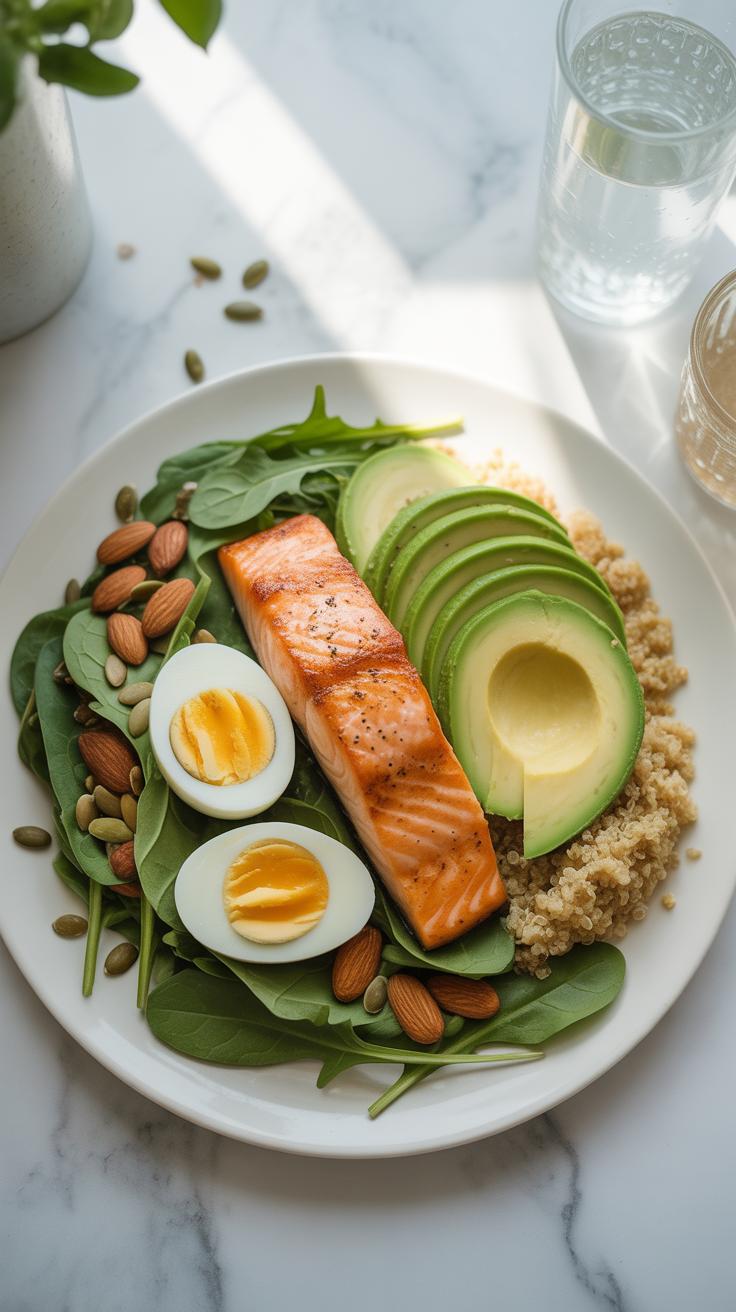
Why Omega 3 Rich Foods Like Salmon And Walnuts Are Essential For Hormone Production
Hormones rely on lipids for their basic structure. Your body uses fats to build cell membranes and chemical messengers. Omega-3 fatty acids found in salmon and walnuts provide the raw materials for steroid hormone synthesis. These fats reduce systemic inflammation that stalls hormone signals. Without high-quality fats, the endocrine system cannot transport hormones effectively. You must consume these fats to keep your cellular communication lines open and active.
Healthy fats also regulate leptin levels to control hunger and energy. Salmon provides eicosapentaenoic acid which supports thyroid function and metabolic rate. Walnuts offer alpha-linolenic acid to support brain health and mood regulation. These foods prevent the hormonal fluctuations that lead to weight gain and fatigue. Focus on wild-caught fish and raw nuts to get the best nutrient density. Consistency in fat intake ensures steady hormone production every day.
The Role Of Clean Proteins In Supporting Insulin And Cortisol Regulation
Protein intake directly influences the hormones that manage your blood sugar and stress. Amino acids from lean meats and eggs trigger the release of glucagon. This hormone opposes insulin to keep your energy stable. Eating enough protein prevents insulin spikes that lead to fat storage. It also provides the building blocks for peptide hormones. These hormones control your growth, bone health, and physical repair processes after daily stress.
Sufficient protein intake helps lower cortisol levels throughout the day. High cortisol breaks down muscle tissue and disrupts your sleep cycle. Clean proteins provide tyrosine and tryptophan to help your brain balance neurotransmitters. This balance reduces the physiological impact of stress on your endocrine glands. Choose pasture-raised poultry or wild fish for the cleanest amino acid profile. Proper protein timing keeps your metabolic hormones functioning at peak performance levels.
Seeds And Legumes Underrated Hormonal Foods With Real Science Behind Them
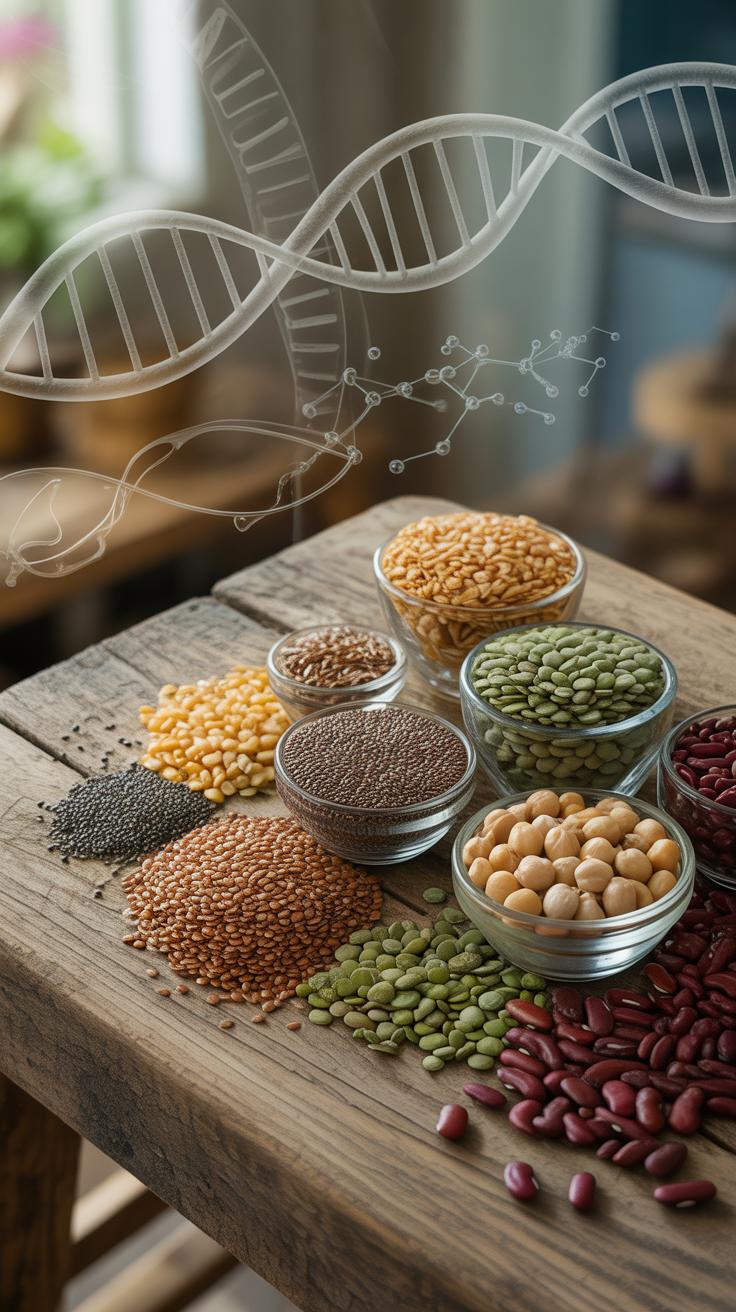
Flaxseeds, Pumpkin Seeds, And Seed Cycling For Hormonal Support
Flaxseeds contain high concentrations of lignans. These chemical compounds bind to estrogen receptors and help regulate hormone metabolism. They can mimic or block estrogen depending on your body needs. This process helps maintain a healthy balance between different estrogen types. Flaxseeds also provide omega 3 fatty acids. These fats reduce inflammation and support the structural integrity of your hormone producing cells.
Seed cycling uses specific seeds to track the menstrual cycle phases. You eat flax and pumpkin seeds during the first fourteen days. Pumpkin seeds provide high levels of zinc. Zinc supports progesterone production and maintains healthy testosterone levels. This practice aims to optimize the follicular phase. It provides the raw building blocks your endocrine system requires to manufacture and regulate essential reproductive hormones effectively.
How Phytoestrogens In Legumes Like Lentils And Chickpeas Influence Hormone Levels
Lentils and chickpeas contain powerful phytoestrogens called isoflavones. These plant based compounds have a similar structure to human estrogen. They compete for receptor sites in the body. This action can lower high estrogen levels by occupying the receptors. It can also provide a mild estrogenic effect when levels are too low. This modulation helps stabilize your overall hormonal environment and mood.
Legumes also provide high amounts of soluble fiber. Fiber is critical for the elimination of used hormones through the digestive tract. If the gut does not remove these waste products, the body reabsorbs them. This leads to hormonal dominance and toxicity. Regular consumption of chickpeas and lentils ensures the liver can process and export hormones efficiently. This mechanism prevents buildup and maintains systemic balance.
Adaptogens And Herbs Natural Hormone Boosting Foods And Botanicals

Ashwagandha, Maca Root, And Their Evidence Based Effects On Cortisol And Thyroid Hormones
Ashwagandha targets the hypothalamic-pituitary-adrenal axis to lower serum cortisol levels. High cortisol suppresses thyroid function and disrupts glucose metabolism. This root extract helps the body resist physical and mental stress. Clinical trials show it improves T4 levels in patients with subclinical hypothyroidism. Use it to stabilize your energy and prevent the catabolic effects of chronic stress on muscle tissue.
Maca root acts as a tonic for the endocrine system without containing actual hormones. It supports the pituitary gland to balance estrogen and progesterone. This improves libido and reduces symptoms of menopause in women. It also helps regulate sperm production in men. Integrate maca into your diet to improve stamina. It provides a steady energy source without the crash associated with stimulants.
The food you eat can be either the safest and most powerful form of medicine or the slowest form of poison. Let your kitchen be the sanctuary where you restore your rhythm with the simple gifts of the earth.
Spearmint Tea, Turmeric, And Other Kitchen Herbs That Support Hormonal Health
Spearmint tea effectively lowers free testosterone levels in women with polycystic ovary syndrome. Drinking two cups a day reduces hirsutism and restores regular ovulation cycles. It alters the balance of gonadotropins to favor female reproductive health. This simple herb provides a grounded way to manage androgen dominance. It is a proven tool for skin health and metabolic regularity.
Turmeric contains curcumin which acts as a potent anti-inflammatory agent. Inflammation prevents hormone receptors from receiving signals correctly. Curcumin mimics the effect of estrogen in some tissues and helps detoxify the liver. A clean liver processes excess hormones to keep your blood levels stable. Combine turmeric with black pepper to increase its absorption. This ensures your body utilizes its hormone-balancing properties efficiently.
How A Balance Hormones Diet Addresses Insulin Resistance And Blood Sugar

The Connection Between Blood Sugar Spikes, Insulin, And Hormonal Imbalance
Blood sugar spikes force the pancreas to pump out excess insulin. High insulin levels signal the ovaries to produce more testosterone. This disruption halts normal ovulation and creates a cycle of dominance. Constant glucose peaks also drive systemic inflammation. Inflammation blocks hormone receptors and slows down cellular communication. You cannot balance your sex hormones if your master metabolic hormone remains chronically elevated.
Excessive insulin also lowers the production of sex hormone binding globulin. This protein carries hormones through the blood. When levels drop, too much free estrogen circulates in the body. This imbalance leads to heavy cycles and mood swings. Managing glucose is the primary lever for fixing your endocrine system. Fasting blood sugar must remain stable to prevent these downstream effects on your reproductive health.
Low Glycemic Foods And Fiber Rich Choices That Stabilize Hormonal Output
Stable glucose requires a diet built on complex structures. Simple sugars enter the blood too fast and cause immediate insulin surges. Fiber slows down the absorption of these carbohydrates. This delay prevents the sharp peaks that disrupt thyroid and adrenal function. You should prioritize whole foods that provide steady energy. This approach protects your metabolism and keeps your hormonal baseline consistent throughout the day.
- Legumes: Beans and lentils provide significant soluble fiber. This material forms a gel in the gut to slow sugar entry. They contain resistant starch which improves insulin sensitivity over time.
- Cruciferous Vegetables: Broccoli and cauliflower contain very few sugars but high amounts of fiber. These vegetables support liver detoxification. They help the body clear out excess estrogen while keeping your blood sugar flat.
- Leafy Greens: Spinach and kale offer magnesium and low caloric density. Magnesium helps cells respond better to insulin signals. Eating these at the start of a meal reduces the glucose impact of subsequent foods.
- Berries: Raspberries and blackberries provide antioxidants with a low glycemic load. They offer a sweet taste without the massive insulin spike found in tropical fruits. This makes them safe for daily hormone support.
- Whole Grains: Steel-cut oats and quinoa contain intact grain structures. These take longer for your body to break down into glucose. They provide B vitamins necessary for energy production and healthy hormone synthesis.
Pairing fiber-rich foods with healthy fats further blunts the insulin response. This combination ensures that sugar enters the bloodstream at a manageable pace. It prevents the crash that triggers cortisol release and sugar cravings. When you control the entry of fuel, you control your hormonal output. Consistency in your food choices leads to metabolic flexibility and long-term endocrine health.
Foods Good For Hormone Balance Fermented Foods And Gut Health
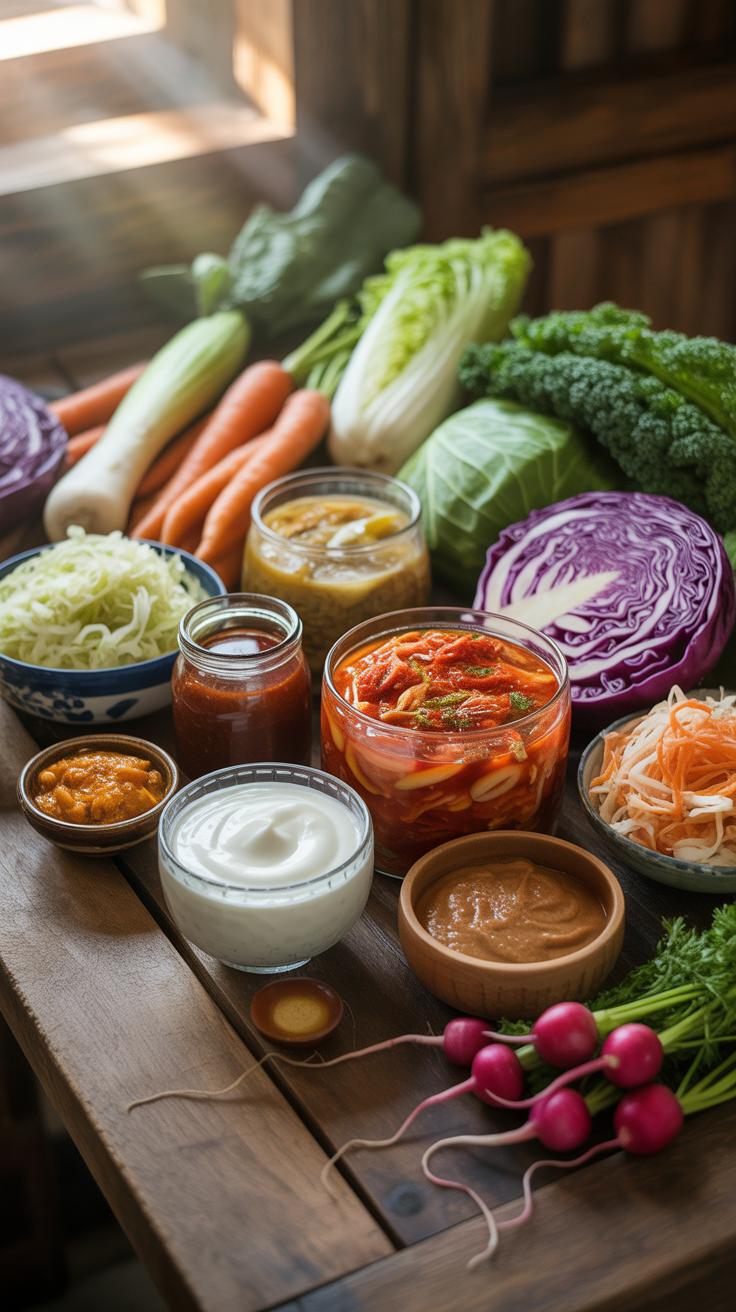
Why The Gut Microbiome Plays A Central Role In Hormone Metabolism
The gut microbiome acts as a virtual endocrine organ. It regulates the secretion of several primary hormones. Bacteria in your digestive tract influence insulin sensitivity and hunger signals. They manage the breakdown of complex carbohydrates into short chain fatty acids. These fatty acids signal the brain to control appetite. A healthy gut ensures your body processes these signals without interruption or technical error.
Weak gut health leads to systemic inflammation. Inflammation disrupts the communication between your brain and your glands. This disruption often causes a spike in cortisol levels. High cortisol blocks the production of reproductive hormones. You must maintain a diverse bacterial population to keep these pathways clear. Proper microbial balance prevents the accumulation of toxic byproducts. These byproducts otherwise interfere with your natural hormonal rhythms and metabolic speed.
Yogurt, Kefir, Kimchi, And Other Fermented Foods That Support The Estrobolome
The estrobolome is a specific collection of bacteria in the gut. These bacteria produce an enzyme called beta-glucuronidase. This enzyme determines if estrogen stays in the body or leaves through waste. Fermented foods like kimchi and kefir provide the live cultures needed for this process. They ensure the body clears used estrogen efficiently. This prevents estrogen dominance and associated hormonal imbalances in both men and women.
Daily intake of probiotic foods keeps the estrobolome functioning at peak capacity. Yogurt and sauerkraut introduce beneficial strains that crowd out harmful pathogens. These pathogens often cause the body to reabsorb old hormones. Reabsorption leads to toxic buildup and mood swings. Choosing raw and unpasteurized versions provides the highest density of active microbes. This tactical dietary shift stabilizes your internal chemistry by optimizing the elimination of metabolic waste.
Food Good For Hormonal Imbalance What To Eat And What To Avoid

Nutrient Dense Foods That Help Correct Common Hormonal Deficiencies
Cruciferous vegetables like broccoli and kale contain indole-3-carbinol. This compound helps the liver process and excrete excess estrogen. When estrogen levels stay too high, it creates dominance that disrupts the entire endocrine system. Eating these greens daily provides the fiber necessary to move these hormones out of the body through the digestive tract. This prevents the recirculation of old hormones.
Healthy fats are the literal building blocks of your hormones. Your body needs cholesterol and fatty acids from foods like avocados and walnuts to produce progesterone and testosterone. Without adequate fat intake, the body cannot maintain proper signaling between the brain and the glands. High protein sources like wild caught fish provide omega three fatty acids which reduce inflammation and support thyroid function.
Dietary Triggers That Worsen Hormonal Imbalance Including Processed Sugar And Alcohol
Refined sugar causes rapid spikes in insulin levels which forces the body to store fat. High insulin levels directly interfere with the production of sex hormones and increase cortisol. Chronic elevation of these hormones leads to insulin resistance and weight gain around the midsection. Eliminating processed sweets stabilizes blood glucose and allows your endocrine glands to rest and recover from constant overstimulation.
- Refined Sugar: High sugar intake spikes insulin and lowers protein carriers for sex hormones. This creates a state of dominance for certain hormones while suppressing others. It causes systemic inflammation that disrupts the thyroid and slows down your overall metabolic rate.
- Alcohol: The liver prioritizes breaking down alcohol over processing metabolic waste and excess estogens. This leads to a buildup of old hormones in the bloodstream. Regular consumption also increases cortisol levels and disrupts the delicate sleep cycles needed for growth hormone production.
- Processed Vegetable Oils: Oils like soybean and corn oil contain high levels of omega six fatty acids. These fats promote systemic inflammation and can damage the outer membranes of your cells. Damaged cell receptors cannot receive hormonal signals properly which leads to a functional imbalance despite normal blood levels.
- Conventional Dairy: Non organic dairy often contains synthetic growth hormones used on livestock to increase milk production. These external hormones can mimic human hormones and disrupt your natural endocrine balance. Many people also lack the enzymes to digest these proteins which triggers an immune response and adds stress.
- Excessive Caffeine: Too much caffeine overstimulates the adrenal glands to produce adrenaline and cortisol. This mimics a constant state of flight or fight stress. Over time this exhausts the glands and leads to a crash in progesterone levels and disrupted menstrual cycles or low energy.
Alcohol puts a massive strain on the liver which is your primary hormone filtration system. When the liver is busy detoxifying ethanol it cannot clear out used estrogen. This causes estrogen to accumulate and disrupt the balance of progesterone. Reducing or eliminating alcohol allows the liver to focus on maintaining chemical equilibrium. Consistent dietary discipline is the only way to ensure your glands function at peak capacity.
Building Your Weekly Meal Plan Around A Sustainable Hormone Balancing Diet

Key Principles For Structuring Hormone Friendly Meals Throughout The Day
Meal timing and composition dictate insulin response and cortisol levels. You must prioritize high protein intake at breakfast to stabilize blood sugar early. This prevents the mid afternoon glucose crash that triggers adrenal stress. Combine lean proteins with healthy fats like avocado or olive oil. These fats provide the cholesterol backbone necessary for steroid hormone production. Focus on dense nutrition over calorie restriction.
Every plate must follow a strict ratio of fiber and micronutrients. Cruciferous vegetables help the liver metabolize and clear excess estrogen from the bloodstream. This prevents estrogen dominance and supports hormonal equilibrium. Low glycemic fruits provide antioxidants without spiking insulin levels. Avoid processed sugars and seed oils that cause systemic inflammation. This inflammation disrupts the communication between your brain and endocrine glands.
How Consistency Hydration And Lifestyle Habits Amplify The Effects Of Your Diet
Consistency creates a predictable environment for your endocrine system. Hormone production follows a circadian rhythm that thrives on routine. Irregular eating patterns spike cortisol and disrupt sleep cycles. Quality sleep is when the body regulates growth hormone and testosterone. You cannot fix a bad diet with supplements if your sleep is poor. Long term success requires daily adherence to these nutritional patterns.
Hydration is a tactical requirement for cellular communication. Water transports hormones to target tissues and flushes endocrine disrupting toxins through the kidneys. Dehydration increases stress hormones and slows down your metabolic rate. Combine proper water intake with regular physical movement to improve insulin sensitivity. Movement helps your muscles use glucose effectively. This reduces the burden on your pancreas and keeps your thyroid functioning at peak levels.
Frequently Asked Questions

How can changing my diet help regulate my hormones?
Your endocrine system relies on specific nutrients to produce and transport chemical messengers throughout the body. By prioritizing foods that balance hormones, such as healthy fats and fiber-rich vegetables, you provide the raw materials necessary for stability. This approach helps stabilize insulin levels and supports the metabolism of estrogen. Eating a nutrient-dense diet acts as a natural foundation for reducing mood swings, improving energy, and supporting overall reproductive health.
What is the best way to incorporate hormone-balancing foods into a busy schedule?
Consistency is key when using foods that balance hormones to improve your wellbeing. Start by prepping simple staples like hard-boiled eggs, avocado, and leafy greens at the beginning of the week. You can easily toss flaxseeds into your morning smoothie or snack on a handful of walnuts between meetings. Focus on building “hormone-friendly plates” that combine a clean protein, a healthy fat, and plenty of fiber to keep your blood sugar steady.
Is it possible to eat for hormonal health on a tight budget?
Absolutely! You do not need expensive “superfoods” to see significant results. Affordable pantry staples like dried lentils, chickpeas, and canned sardines are incredible for hormonal regulation. Frozen broccoli and berries are often more cost-effective than fresh versions while retaining all their vital nutrients. Buying seasonal produce and focusing on whole grains like oats or brown rice allows you to support your endocrine system effectively without overspending on your weekly grocery bill.