
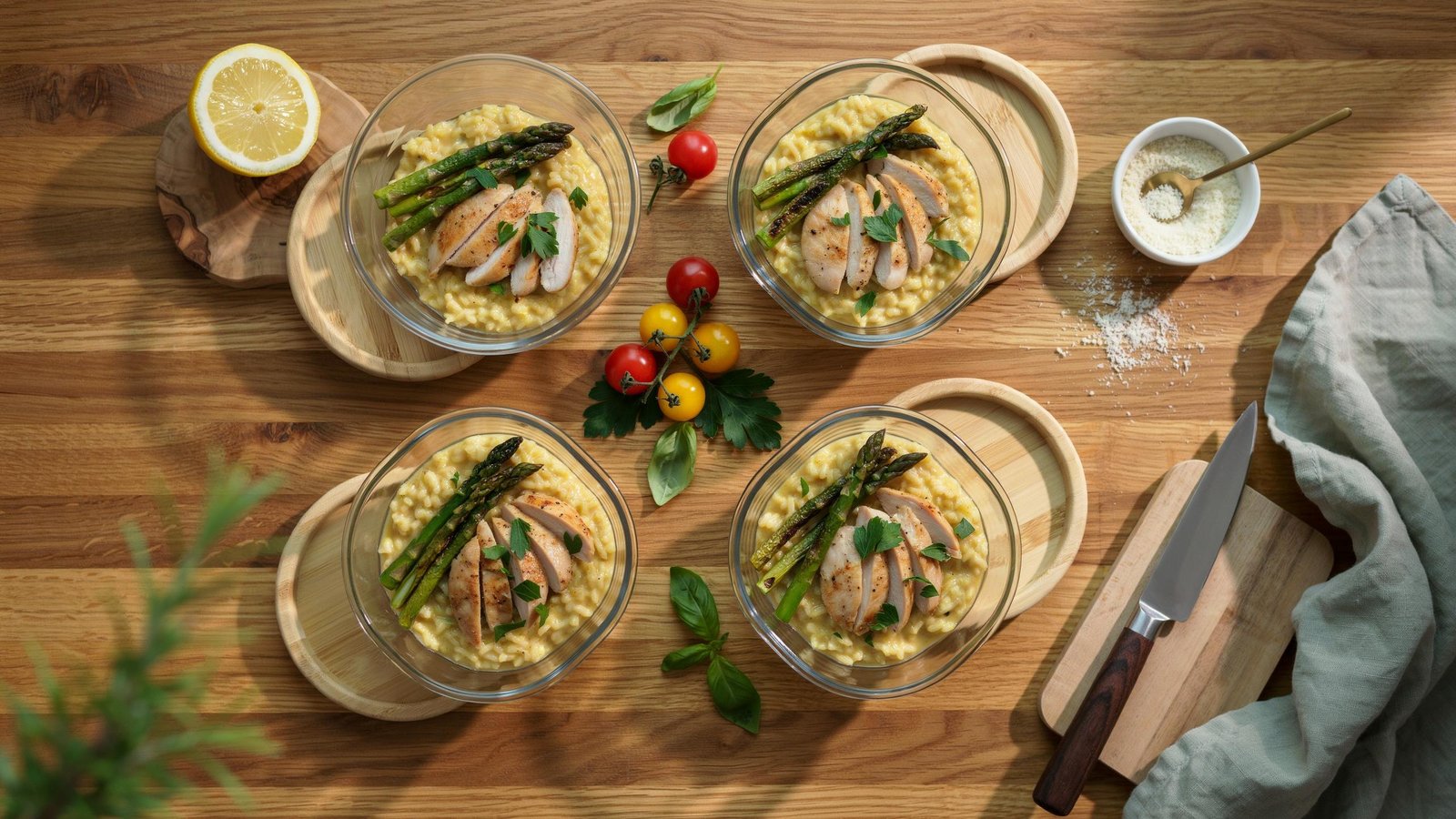
Beyond The Hype Why Most Easy Meal Prep Fails

What Meal Prep Gurus Won’t Tell You
You want to believe meal prep is simple because admitting it requires discipline feels like failure. The mechanism is thermodynamics: risotto demands constant heat, stirring, and attention to starch release. Most meal prep advice treats cooking like assembly, ignoring that risotto’s texture collapses under storage because starch continues absorbing liquid after cooking stops. The rice becomes either gluey or dry within 24 hours if you don’t account for this. Generic guides skip this detail because it requires understanding food science, not just Instagram aesthetics.

Risotto meal prep fails before it starts because people follow the “cook once, eat all week” framework that works for tougher grains. Arborio and Carnaroli rice have high amylose content that makes them absorb liquid aggressively. Pre-cooked risotto continues this process in the fridge. You can’t freeze traditional risotto and expect consistency. The real approach: prep components separately, finish risotto fresh in 8-12 minutes using prepped broth and protein, then eat immediately. This takes longer than the myth promises but delivers results consistently.
The Hidden Economics Of “Convenient” Shortcuts
Convenience foods masquerade as time-savers but destroy the math meal prep is supposed to fix. A rotisserie chicken costs double what raw chicken breast costs per pound, yet most meal prep advice treats it as interchangeable. With high protein risotto, pre-cooked proteins seem faster until you calculate protein per dollar and preparation consistency. Rotisserie chicken shreds unevenly. Ground turkey, a fraction of the cost, mixes uniformly into risotto and cooks to your texture specifications in five minutes.

Frozen risotto or risotto bases waste money and compromise taste. They cost 3-4 times more than buying rice, broth, and butter separately while delivering inferior results. The “convenience” exists only if you ignore the actual time economics. Prepping high protein risotto efficiently means: buy bulk arborio rice, portion broth into containers, cook protein in advance, then execute the final risotto step fresh. This method costs 40-60% less than convenience alternatives while producing superior texture and macros every single time.
The High Protein Risotto Blueprint A Strategic Advantage
Why Risotto Intimidates People
You avoid risotto because you think constant stirring means you’ll mess it up and look incompetent in front of people who matter. The real mechanism is simpler: risotto demands attention, not skill. The starch in arborio rice releases gradually as heat and liquid interact. You stir to expose fresh starch molecules to the liquid, which thickens the dish through a physical process, not magic. Stop treating it like a technical mystery and it stops being one.
The intimidation dissolves once you understand what’s actually happening. The rice grain has a high amylose content that gelatinizes at specific temperatures. You’re not creating something fragile. You’re triggering a predictable chemical reaction. Constant stirring just ensures even heat distribution and consistent starch release. Do it wrong and you get mushy rice or soupy risotto. Do it right and you get creamy texture without cream. The mechanism is repeatable.
Complexity As A Protein Delivery System
Economics teaches the concept of comparative advantage: focus your effort where you create unique value. In meal prep, your advantage is in the active cooking phase where you control protein integration. Most people see risotto’s constant attention requirement as a weakness. It’s actually your lever. While the rice cooks, you can introduce protein sources strategically without the nutrient degradation that happens in passive cooking methods.
High protein risotto works because you’re building the dish in layers. Parmesan adds casein protein and fat for satiety. You can fold in Greek yogurt at the end for whey protein without breaking the emulsion if you manage temperature. Ground meat or fish cooks during the stirring process and distributes evenly. Bone broth as your cooking liquid provides collagen and amino acids that absorb into the rice. The active process is where protein density happens. Stop treating it as a side effect of cooking and start treating it as the primary mechanism you’re engineering for.
Risotto With Protein The Unsung Hero Of Clean Eating
Which Proteins Actually Work In Risotto
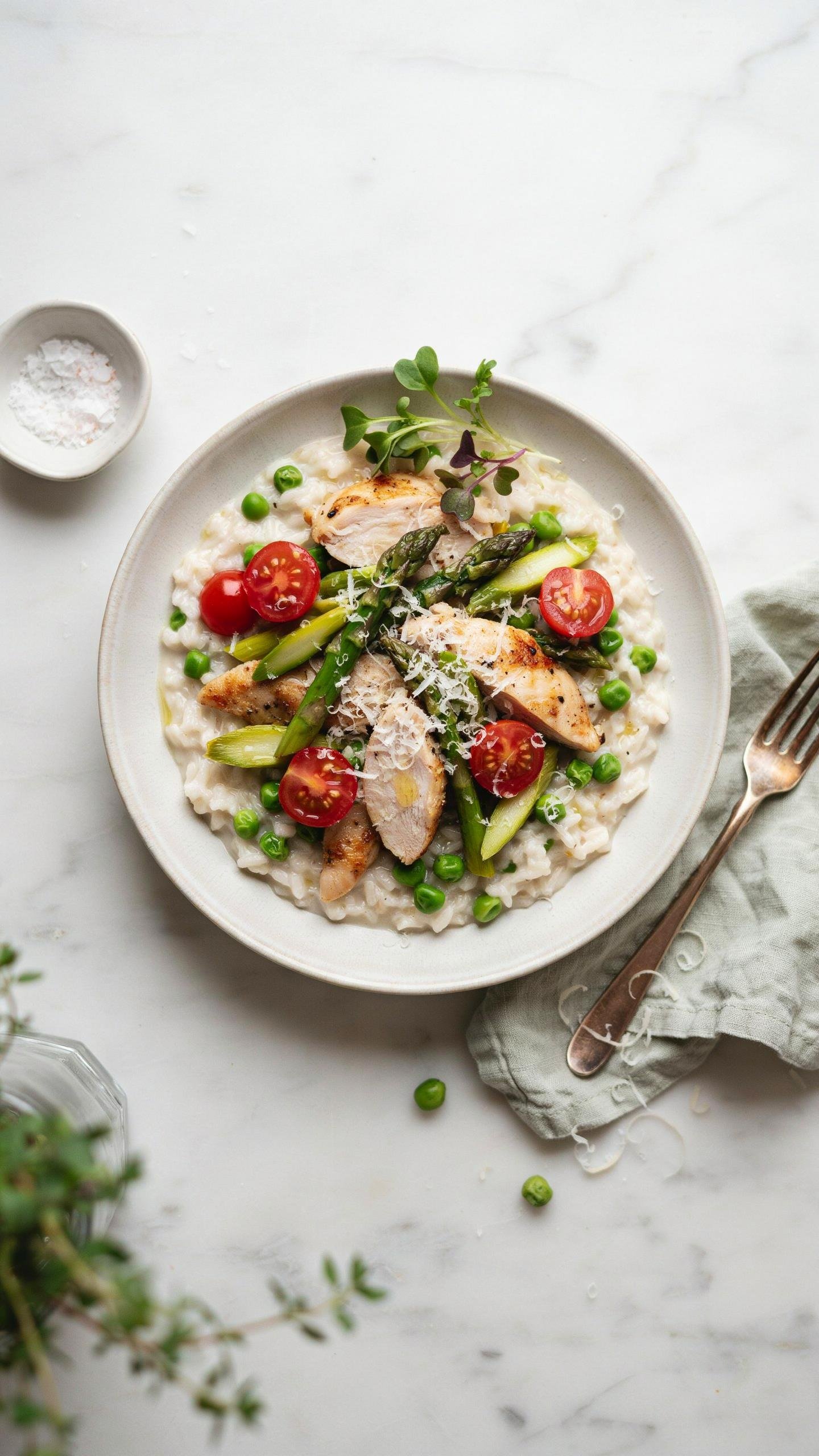
You want the muscle-building credentials without admitting you’re tired of chicken breast. Here’s what matters: risotto’s creamy starch environment creates a biological buffer that locks in moisture. Proteins with high water content don’t dry out. Proteins that compete with the rice for liquid fail.
- Greek yogurt: Adds 15-20g protein per cup while leveraging its natural creaminess. Stir in during the final minute to preserve live cultures and texture without breaking down the emulsion.
- Cottage cheese: Delivers 14g protein per half cup with casein that blends seamlessly into the risotto base. Use small curds for uniform distribution and avoid curdling by keeping heat moderate during integration.
- Ground turkey or lean ground beef: Provides 22g protein per 3.5 ounces and browns independently before mixing in. The rendered fat prevents dryness while the protein breaks into small particles that distribute throughout.
- Shrimp: Offers 24g protein per 3.5 ounces and cooks in under three minutes. Add in the final two minutes so the risotto’s heat finishes cooking without turning them rubbery.
- Parmesan: Supplies 10g protein per ounce while providing the umami that masks protein powder flavors. Stir in at the end to prevent fat separation from excessive heat breakdown.
The mistake everyone makes is treating protein as an afterthought. Risotto’s structure demands you choose your protein first, then build the cooking sequence around its moisture profile. This determines everything about texture and whether you actually want to eat it on day four.
Hitting Your Macros Without Sacrificing Taste
The tension between high protein and risotto’s signature richness isn’t real. Most people add protein but keep the butter and cream at restaurant levels. Economics says you have a fixed calorie budget. You choose whether to spend it on fat or carbs, not both at full volume.
Risotto requires fat for mouthfeel. The mechanism is emulsification: the starch releases starches that trap fat and water together. Cut the butter from three tablespoons to one. Replace the missing richness with one cup of Greek yogurt or cottage cheese stirred in at the finish. You’ve shifted macros from 45 percent fat to 28 percent fat while keeping the creaminess. The rice, stock, and cheese still deliver the carb and protein foundation. Your plate now has 38g protein instead of 12g without tasting like you’re eating a supplement. Use this exact substitution in your first batch and measure the difference against your last restaurant-style risotto.
The Mise En Place Protocol Systemizing Risotto Prep
Advance Prep Removes The Decision Tax
You want to feel like you’re executing something difficult on a Wednesday night instead of admitting you’re just reheating. That’s the real friction here. The mechanism is simple: risotto demands constant attention during cooking, so every second spent hunting for ingredients or measuring proteins is a second your rice sits unattended and sticks. Prep kills that gap entirely.
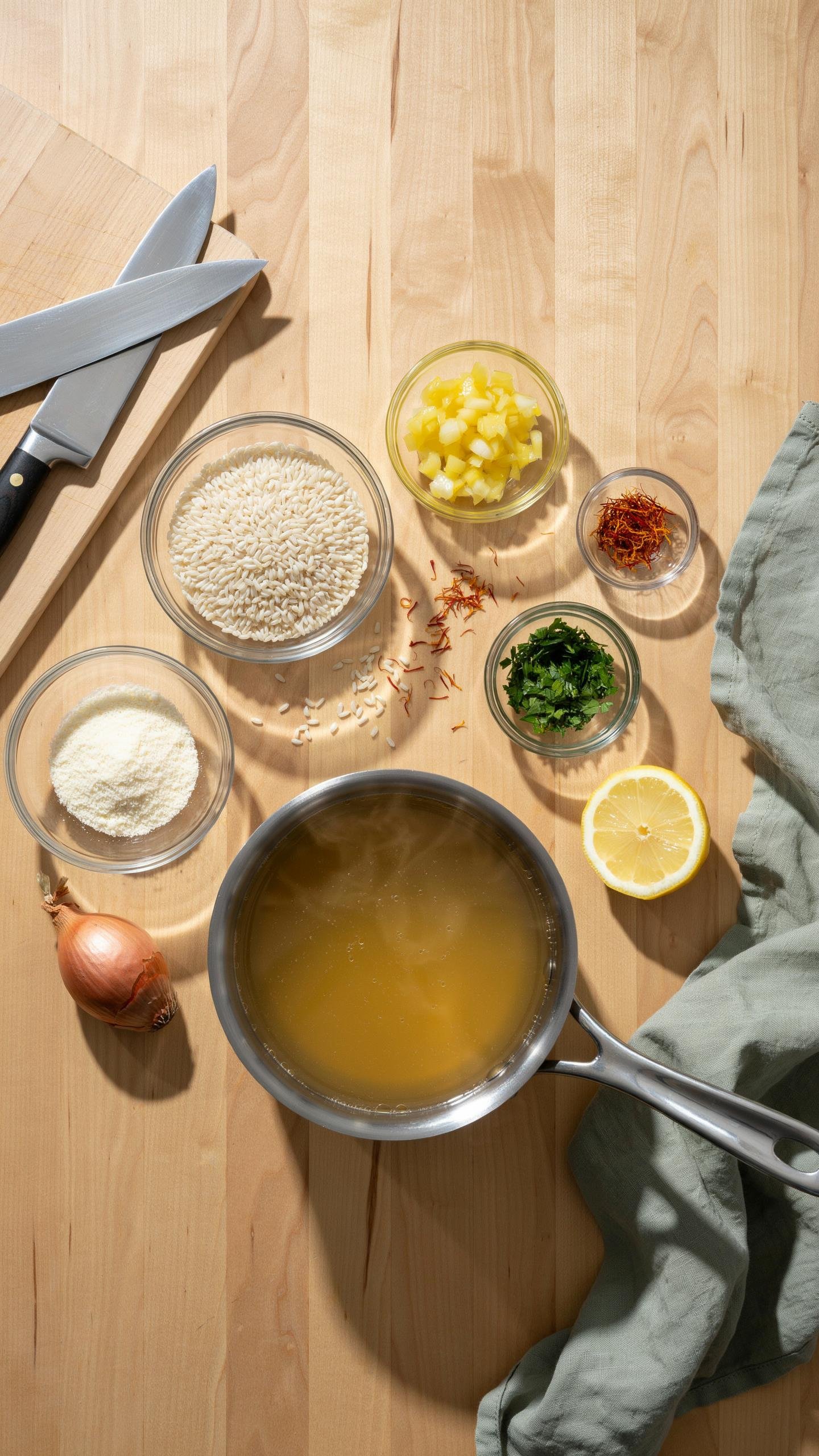
Chop your aromatics the night before. Measure your protein powder or Greek yogurt into small containers. Pour your stock into a pitcher and leave it on the counter so it reaches room temperature—cold stock shocks the rice and extends cooking time unnecessarily. Portion your arborio rice into the exact amounts you need. This isn’t about being obsessive. This is about executing the actual cook in under twenty minutes instead of thirty-five.
The Component Storage System
Risotto behaves like a supply chain problem, not a cooking one. You’re managing three parallel flows: starches, proteins, and liquids. Each needs storage logic that prevents degradation and preserves cook speed. Most meal prep fails here because people store pre-cooked risotto and wonder why it turns into paste.
Never cook the risotto ahead. Store the rice dry, the stock separate and warm-ready, and your protein sources in dedicated containers. Greek yogurt or cottage cheese goes in airtight glass. Rotisserie chicken or ground turkey goes in sealed bags with the cook date marked. Keep your grated cheese separate in a small container with a tight lid to prevent moisture loss. On cook day, your only job is combining elements that are already prepped and portion-controlled. Your mise en place isn’t preparation for cooking. It’s the infrastructure that makes cooking impossible to fail.
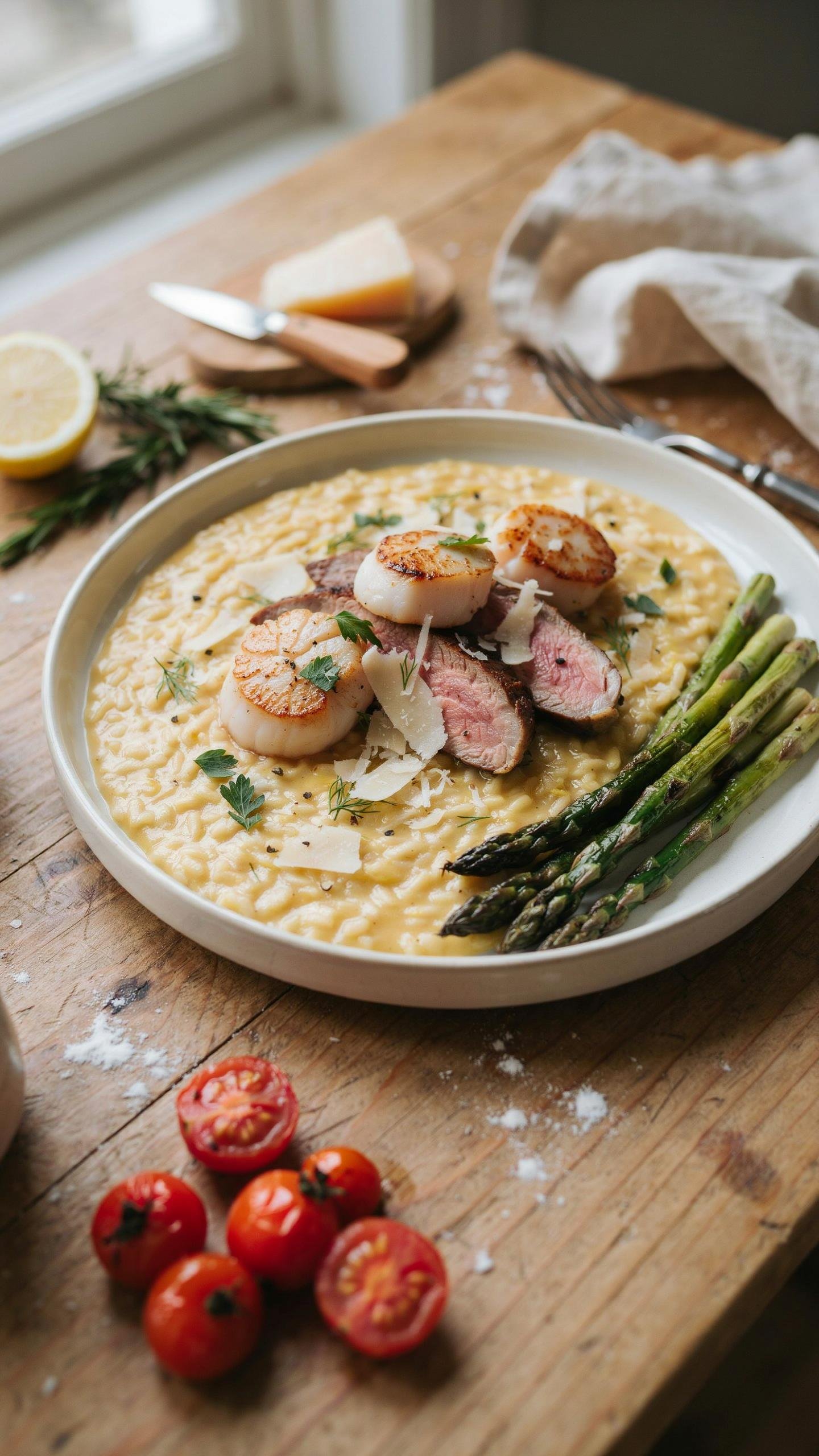
What Protein Goes With Risotto Flavor Pairings That Work
The Proteins That Actually Belong Here
You want to know which protein won’t make your risotto taste like a compromise. The real mechanism at work is fat solubility. Risotto’s creamy texture comes from emulsified starch and fat. The protein you add either complements that emulsion or fights it. You’re not choosing a protein based on what sounds good on a menu—you’re choosing based on whether its flavor compounds dissolve cleanly into the fat-starch matrix you’ve built, or whether they’ll sit on top like an afterthought.
Chicken breast and risotto work because poultry has mild, neutral flavor that doesn’t compete with the arborio rice and butter base. Seafood like shrimp or scallops works for the opposite reason: their briny umami dissolves into the sauce rather than overpowering it. Ground meat (beef, pork, lamb) works because you brown it first, rendering its fat directly into the cooking process—it becomes part of the risotto’s structure, not an addition to it. Pancetta or guanciale works the same way. You’re not adding protein after the fact. You’re building fat into the foundation. The protein choice determines whether you add it at the start to render its fat, or mid-cook after the rice has absorbed enough liquid to hold a new texture.
Beyond The Obvious Choices
Most meal prep advice stops at chicken thighs and ground beef because those are safe. That advice is incomplete. You can use high-protein, nutrient-dense alternatives that most people skip because they assume risotto has rigid rules. Cottage cheese stirred in at the end adds 28 grams of protein per half-cup and thickens the risotto without watering it down. Greek yogurt works similarly if you add it off-heat—the acidity actually brightens the dish rather than dulling it. Bone broth concentrated down and stirred in reduces the liquid volume needed while adding collagen-based protein and gelatin that reinforces the creamy structure.
Tofu and tempeh get dismissed in risotto contexts, but both work if you treat them as textural anchors rather than flavor drivers. Cube tempeh, pan-fry it until the surface crisps, then fold it in at the end. The contrast reads as intentional, not accidental. Egg yolk stirred into the residual heat adds richness and another 2.7 grams of protein per yolk while creating a silkier mouthfeel than butter alone. The key is understanding that risotto rewards proteins that either render fat into the dish early or add textural interest late. Don’t stir protein into the middle of cooking and expect it to integrate cleanly.
The Feedback Loop Iterative Improvement For Risotto Mastery

Refining Your Process Through Observation
You want to feel like you’re getting better at something without actually changing your behavior. That’s the real draw of “optimization” talk. But here’s what actually works: cybernetics, the study of control systems and feedback, maps perfectly onto risotto. A feedback loop means you measure an output, compare it to your target, then adjust the input. Your risotto either reached the right consistency or it didn’t. Your protein distribution either stayed even or it separated. You observe the actual result, not your intention.
Most cooks skip this step. They make the same risotto four times and assume repetition equals mastery. It doesn’t. You need a specific metric to track. Measure your liquid-to-rice ratio by weight, not feel. Record the final starch release at each heat level. Track how long your protein sources take to integrate without breaking down. These numbers become your control variables. Without them, you’re guessing.
Translating Results Into Better Batches
The common advice says “taste as you go” and “adjust next time.” That’s incomplete. Tasting tells you one meal was mediocre. It doesn’t tell you why. You need outcome data that points to a specific input. If your risotto broke on batch three, but your heat and stirring stayed identical to batch one, then your protein source changed. Maybe the chicken thighs were leaner. Maybe the Greek yogurt had different water content. Find what shifted.
Document three variables per batch: protein type and form (ground, diced, pureed), added liquid temperature when you introduce it, and total cook time from first ladle to finish. After six batches, patterns emerge. You’ll see which protein sources require lower heat to avoid separation, which ones need stirring intervals adjusted. This isn’t theory. This is your protocol, refined by your actual kitchen conditions and your specific equipment. Apply these changes to batch seven systematically, measure the outcome, and repeat.
One Pot Meals The Risotto Advantage Beyond The Stove
You Don’t Actually Need To Stir Constantly
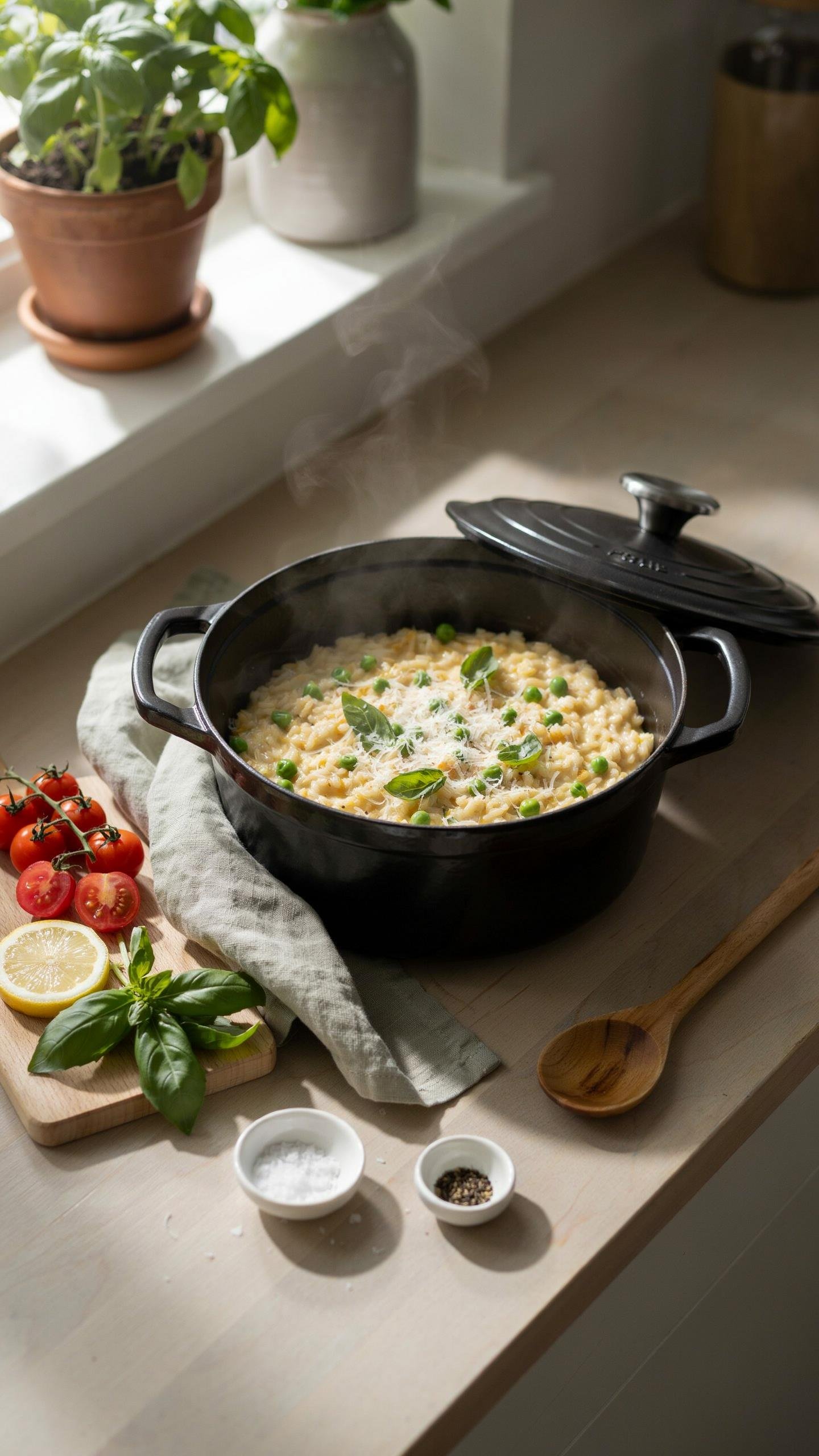
You want permission to stop looking like you’re working harder than you are. Here’s the mechanism: risotto doesn’t fail from inattention during cooking—it fails from poor stock temperature management and inadequate starch release timing. The constant stirring myth comes from Italian tradition, not from physics. You need movement to encourage starch emulsification into the cooking liquid, but you don’t need a wooden spoon in your hand every five seconds for twenty minutes.
The real protocol is heat-driven, not effort-driven. Use stock heated to 180 to 190 degrees Fahrenheit in a separate pot. Add rice to fat over medium heat, toast for two minutes, then add ladle-sized portions of hot stock at intervals. Stir for thirty seconds after each addition to activate starch, then let it sit. This cuts your active stirring time to under five minutes total while producing risotto with superior texture and protein absorption from your added sources.
Building Structure Without Extra Equipment
Risotto is a colloid system where starch molecules suspend fat and liquid in suspension. The thermodynamic advantage is that you control protein integration through sequential addition rather than competing against heat. Most people treat risotto as a single-technique dish, but it’s actually a delivery mechanism for high-protein components that would dry out or separate if cooked differently.
The one-pot structure works because risotto’s cooking process creates an emulsion that binds protein sources—Greek yogurt, cottage cheese, bone broth, ground meat—into the grain matrix without requiring separate cooking steps. Build your base with Arborio rice toasted in ghee or olive oil, introduce stock gradually to establish your emulsion, then fold in your protein ten minutes before completion. The residual heat and starch suspension hold everything together through cooling and reheating cycles across your meal prep week.
Is Risotto Healthy Redefining Healthy For Peak Performance
Nutrient Density Over Calorie Dogma
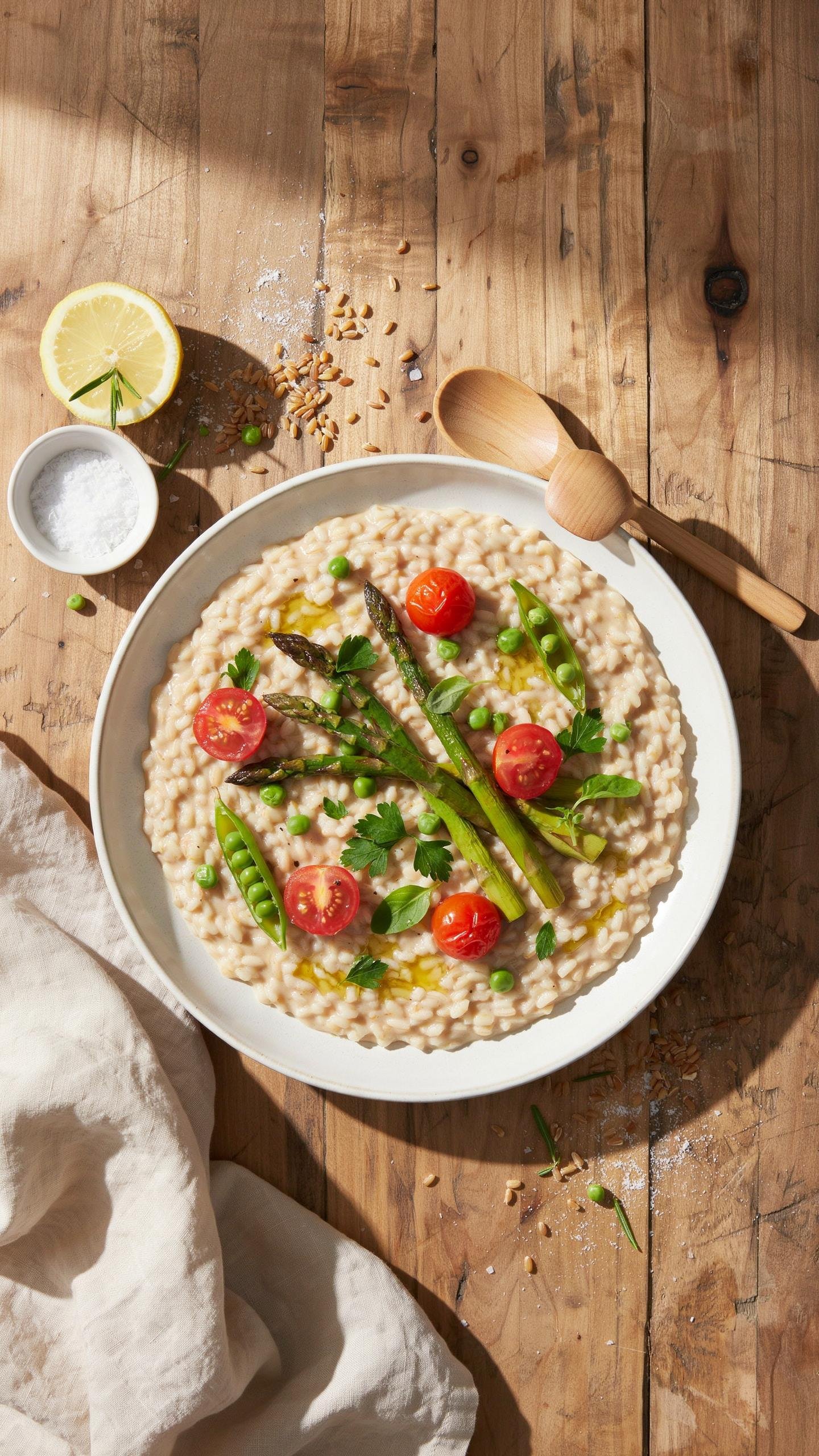
You want permission to eat risotto without feeling guilty. Here’s the mechanism nobody admits: calorie counting is a blunt instrument that ignores what your body actually does with the food. Risotto’s reputation suffers because people fixate on rice and butter, missing that high-protein versions flip the equation entirely. A 300-calorie bowl of refined carbs crashes your blood sugar. A 350-calorie bowl with 25 grams of protein stabilizes it for hours and drives muscle recovery.
The distinction matters physiologically. Nutrient density means micronutrients and macronutrient ratio per calorie consumed. Arborio rice provides starch your muscles need after training, but add chicken, parmesan, and bone broth, and you’re delivering amino acids alongside carbohydrates. Your insulin response improves. Your satiety extends. The same calorie load produces different metabolic outcomes depending on composition. Stop counting calories and start measuring protein-to-carb ratios and micronutrient completeness.
Energy Substrate And Recovery Architecture
Think of meal prep through the lens of thermodynamics: energy input, energy output, and what remains in your system. High-protein risotto is engineered recovery food. The protein provides amino acids for muscle repair. The risotto base delivers carbohydrates that replenish glycogen after depletion. The fat from cheese and butter enables fat-soluble vitamin absorption and hormonal function. Timing matters because post-workout meals trigger optimal nutrient partitioning when muscles accept glucose and amino acids most efficiently.
Sustained energy requires macro balance, not restriction. A risotto with adequate protein prevents the blood sugar spike-and-crash that leaves you depleted by 7 PM. Your body processes the meal over three to four hours instead of ninety minutes. Energy stability supports focus, mood, and workout performance the next day. The protocol: aim for 25-35 grams of protein per serving, include resistant-starch rice varieties when possible, and pair with vegetables that add fiber and micronutrients. This combination extends satiety and stabilizes glucose throughout your evening.
Healthy Mushroom Risotto Dinner Elevating The Weeknight Staple
The Umami Shortcut
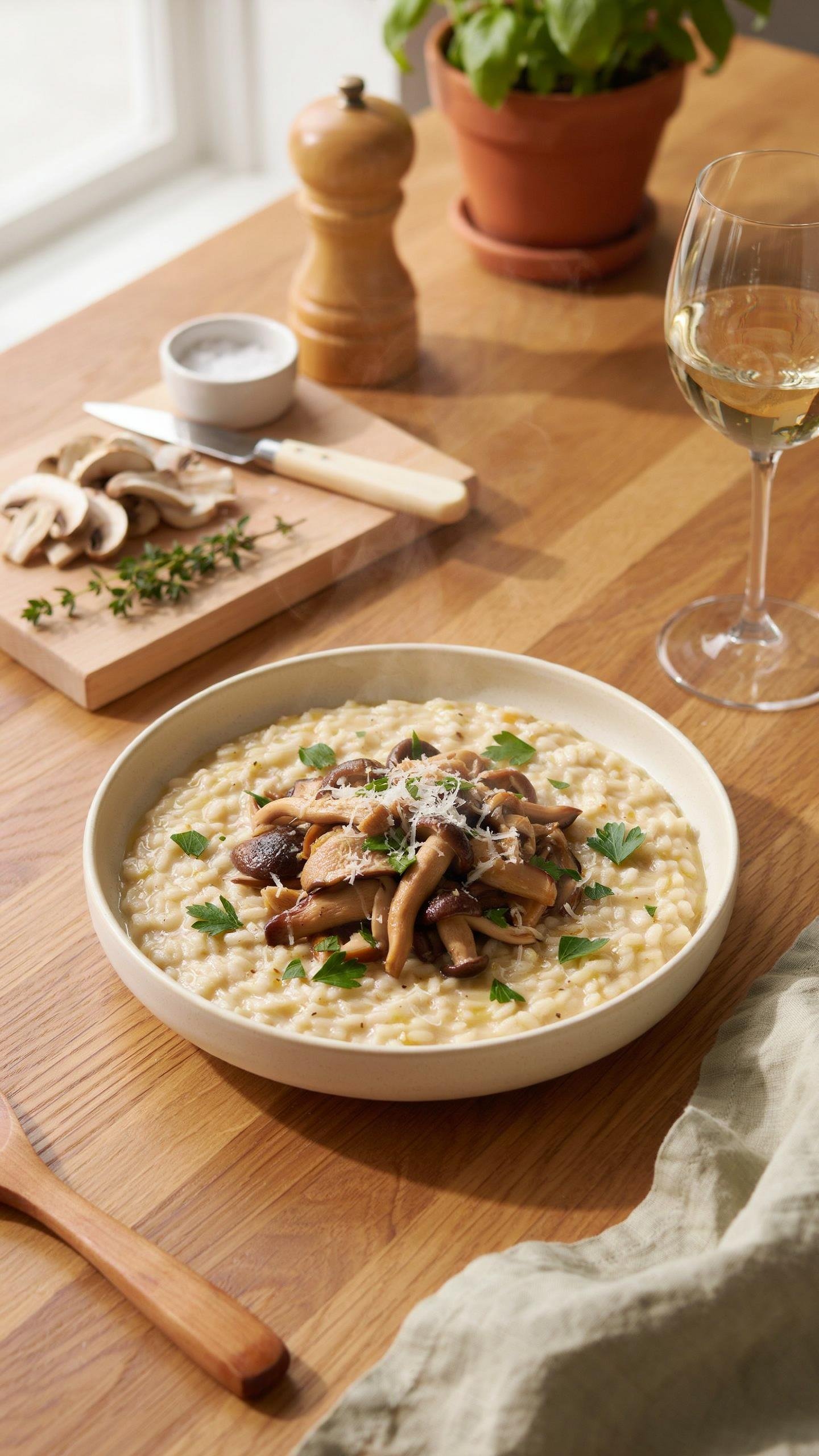
You want to feel like you’re cooking something impressive without actually spending mental energy on technique. Here’s the mechanism: umami is glutamate binding to taste receptors, and mushrooms contain free glutamate naturally. This means you’re not adding complexity—you’re adding a chemical signal your brain reads as “restaurant quality” instantly.
Dried porcini mushrooms pack three times the umami punch of fresh varieties because dehydration concentrates glutamates. Rehydrate them in your risotto liquid and you’ve solved the flavor problem before you even start stirring. The water they soak in becomes your stock base. Add parmesan during the final minute—its aged casein proteins break down into more free glutamate. This isn’t layering flavors. This is stacking the same flavor compound from different sources until your brain can’t ignore it.
Protein Density Without Recipe Bloat
The standard advice says add chicken and call it done. That’s incomplete. You need protein variety because different sources change how the risotto absorbs and releases moisture, which changes texture and how your body processes it.
Greek yogurt stirred in at the very end adds 20 grams of protein per half cup while keeping the risotto creamy without extra cream. It doesn’t break or separate because you’re adding it off heat. A poached egg cracked on top just before serving gives you another 6 grams and intact yolk that acts like a sauce. Cottage cheese mixed into the base contributes protein and a subtle tang that cuts through richness. Swap your cooking liquid partially for bone broth instead of vegetable stock—you’re getting collagen-based protein plus gelatin that thickens the risotto naturally. When you vary these sources across your meal prep cycle, you avoid palate fatigue and hit different amino acid profiles. Rotate them weekly rather than repeating the same protein source across all five containers.
The true barrier to consistent highquality weeknight meals is rarely lack of effort but rather an unexamined workflow

You don’t need motivation or a better recipe. You need a system that removes decisions. High protein risotto meal prep works because you cook once, eat four nights. Your brain stops negotiating with takeout. Pick one Sunday afternoon this week. Grab arborio rice, broth, and protein. Cook a double batch. Store it. That’s the entire game. The person who eats well isn’t disciplined. They’re just boring enough to repeat what works.