
Beyond Bland Why Your Lentil Meals Fail And How To Fix It
The Salt Problem Nobody Names
You want people to think you eat well without actually tasting bad food. That’s the real tension. Most lentil meal prep fails because people under-salt at cook time, then add salt at eating time. By then, the salt sits on the surface instead of distributing through the protein matrix. Lentils are dense. Salt needs time to penetrate.

Add your salt during the first five minutes of cooking, not after. The lentil’s starches absorb liquid and seasoning simultaneously. If you wait until the lentils are done, you’re seasoning the outside only. This is why your prepped meals taste flat on day three. The salt never made it inside.
Layers Beat Single Notes
Flavor chemistry rewards depth over intensity, not balance over contrast. One umami source tastes thin. Two or three sources stack and reinforce. Tomato paste adds glutamates. Miso adds nucleotides. Soy sauce adds both. These aren’t flavoring techniques. They’re stacking mechanisms borrowed from food chemistry, where multiple receptor pathways trigger at once.
Start with tomato paste sautéed in oil for two minutes before adding lentils. Add miso paste mixed into your cooking liquid. Finish with a small pour of soy sauce or tamari in the last minute. This sequence hits umami receptors from different angles. Your palate registers complexity, not saltiness. The meal stays interesting through reheating cycles.
The 3 Tiered Lentil Prep Protocol For Maximum Efficiency
Cook Once, Eat All Week
You want the shortcut without the thinking. That’s the real draw here. The mechanism is simple: lentils have a protein structure that stays intact through reheating cycles without breaking down into mush like other legumes. Cook a large batch on Sunday, portion it out, and the protein content doesn’t degrade by Wednesday.
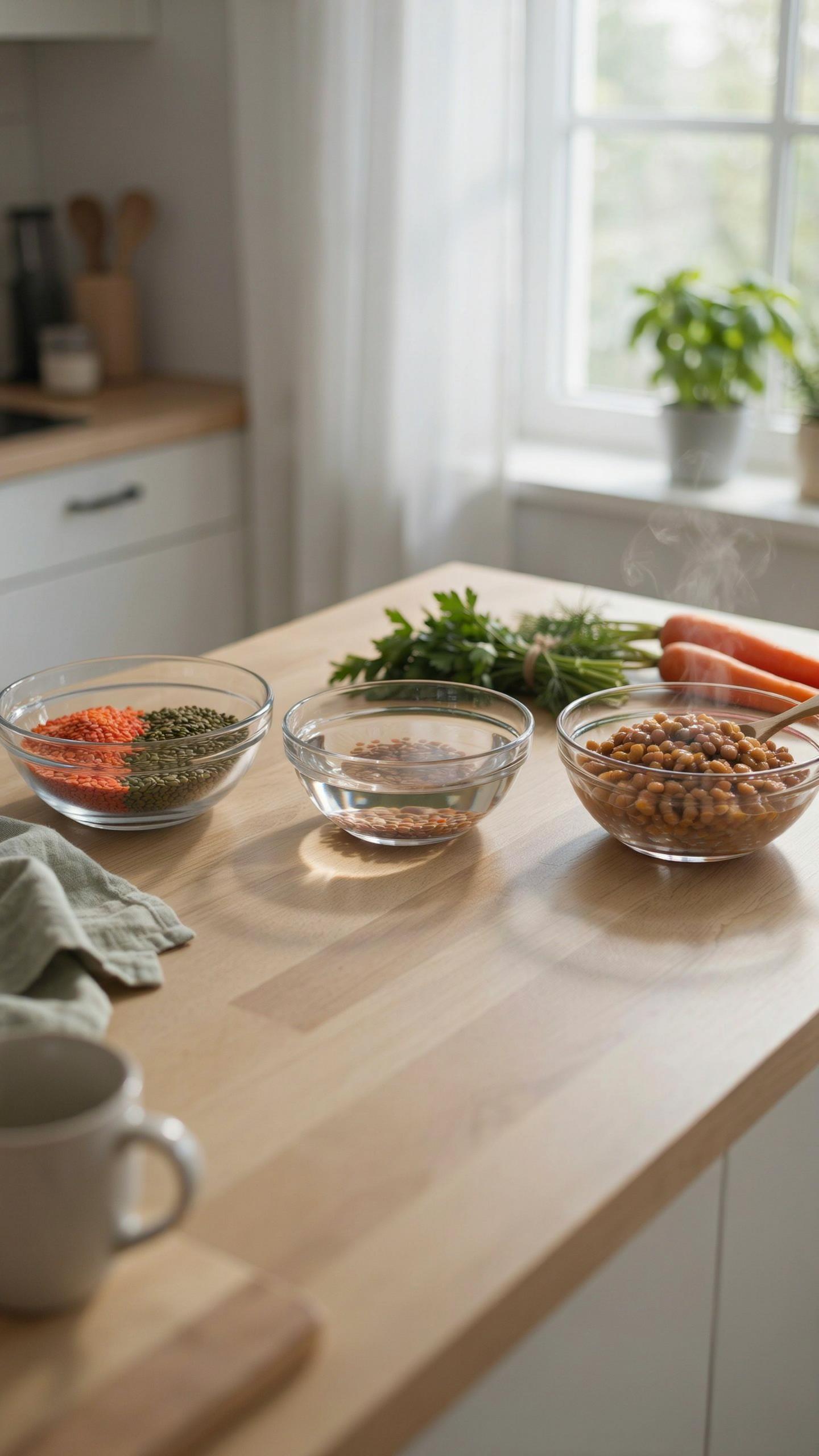
Most people sabotage themselves by cooking lentils in small batches throughout the week, burning mental energy each time. That’s friction you don’t need. Pick one day, one pot, one decisive cooking session. Use a 2-to-1 water ratio, bring to a boil, then simmer for 25 to 30 minutes depending on lentil type. Brown lentils hold shape better than red for this protocol.
Portion, Layer, Seal
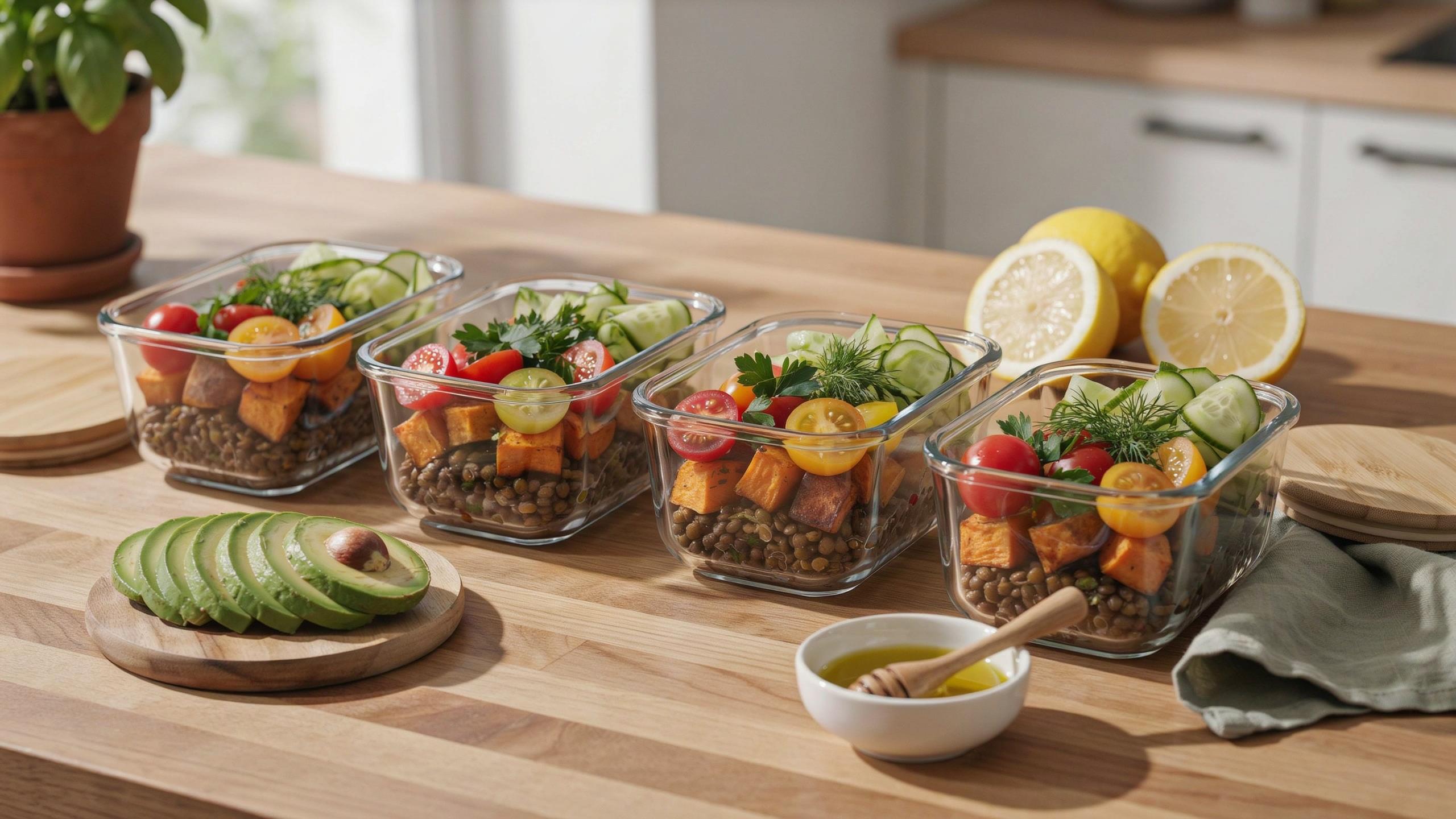
Storage design matters more than people admit. The goal isn’t just to keep lentils fresh, it’s to eliminate the decision-making friction that kills consistency. Use glass containers with airtight lids, divide your cooked batch into five equal portions, then layer each container strategically: lentils on the bottom, vegetables or grains on top, sauce or dressing last.
This layering prevents moisture from degrading texture prematurely and keeps components separate until you eat. Stack containers vertically in your fridge so you see them first thing. The visual reminder is a behavior design tactic. Grab the oldest container each day without choice. You remove the variable that causes people to skip meal prep entirely: deciding what to eat.
Lentil Recipes The Mediterranean Diet Powerhouse Youre Ignoring
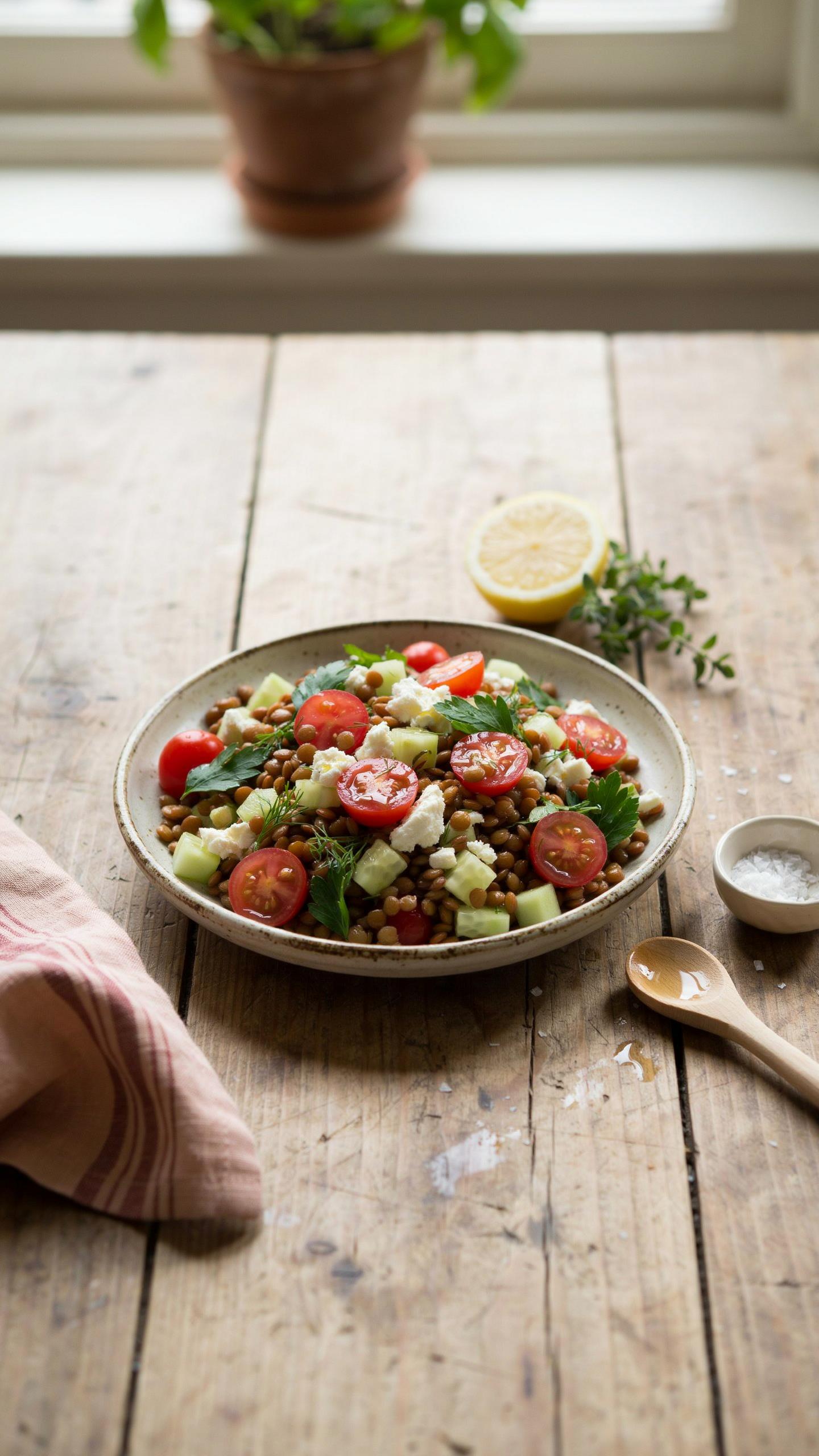
Why The Mediterranean Model Works For Lentils
You want to look like you eat clean without actually thinking about what that means. Here’s the mechanism: the Mediterranean diet works because it layers fat, acid, and plant protein together, which slows digestion and keeps you full past lunch. Lentils are the protein anchor in this system. They’re not the star. They’re the foundation that lets you add olive oil, tomatoes, and vinegar without blood sugar spikes. This is why Mediterranean populations built their calories around legumes for centuries, not because lentils taste good alone, but because they stabilize the meal.
Red lentils break down faster than browns or greens, which matters if you’re pairing them with acidic components like lemon juice or tomato paste. The acid denatures the starches slightly, making the combination even more stable for energy. Brown and green lentils hold their shape through cooking and work better in grain-like applications where you want texture separation. Mediterranean meal prep defaults to brown or green lentils because they survive reheating without becoming paste.
The Oil, Acid, And Heat Formula
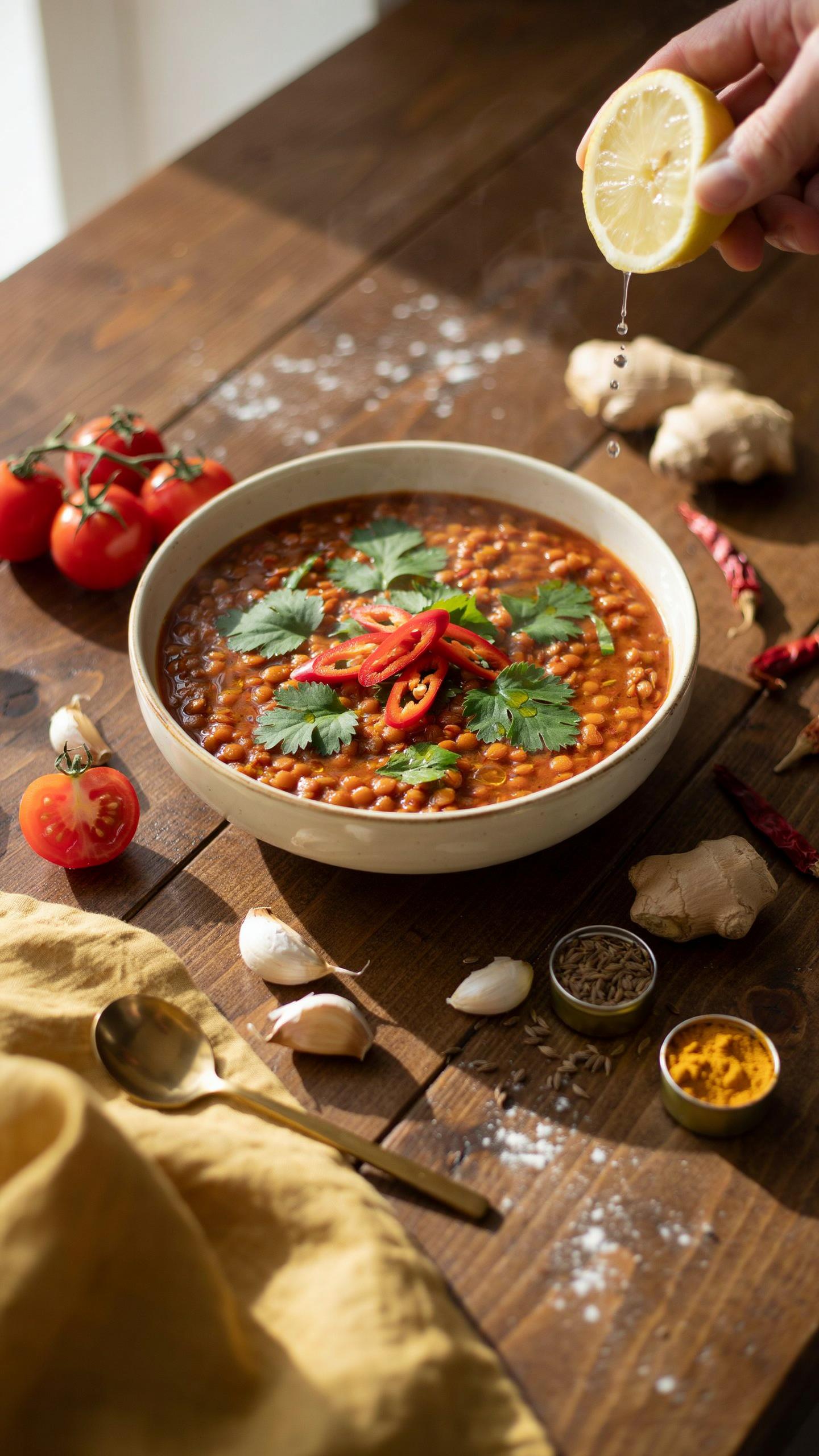
Forget generic flavor advice. The real move is understanding flavor chemistry, borrowed from cooking science: extraction. Heat extracts fat soluble compounds from spices and herbs. Cold extracts acid-soluble ones. You’re building two flavor layers that don’t compete. Toast your spices in olive oil first (cumin, coriander, dried oregano), then add tomatoes or lemon juice after the lentils cook. The toasted spices give depth. The acid gives brightness. Together they make a boring lentil batch taste intentional.
Common Mediterranean combinations work because they respect this formula. Garlic and onion soften in oil before lentils go in. Tomato paste concentrates during cooking. Lemon juice hits after. Olives and fresh herbs finish the bowl. The order isn’t tradition. It’s chemistry. When you cook lemon into lentils from the start, the acid toughens the skins and they don’t soften properly. Add it at the end, and it cuts through richness without ruining texture. That’s your protocol: toast spices in oil, cook lentils until just tender, finish with acid and fresh elements.
The Minimum Viable Delicious System For Lentil Dishes
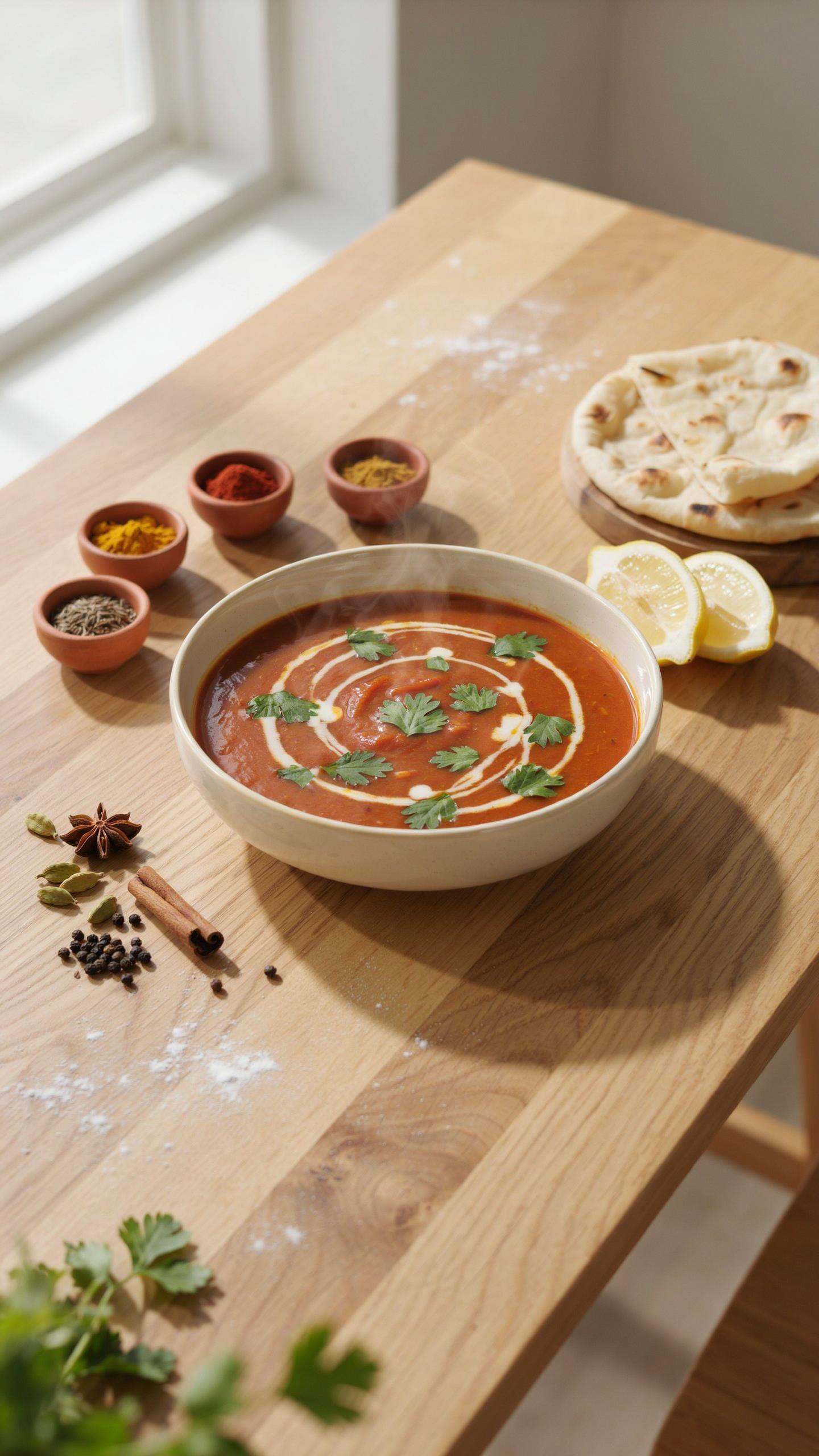
The Foundation That Actually Works
You want a formula that removes decision fatigue so you stop abandoning meal prep by Wednesday. Here’s the mechanism: lentil dishes fail because people treat them like blank canvases when they’re actually constraint-based systems. You need predictable anchors that work together, not infinite combinations that create analysis paralysis.
Build every lentil bowl around three non-negotiable layers. The base is always cooked lentils, your protein anchor. The second layer is a single acid source that cuts the earthiness and activates flavor perception on your palate. The third is texture contrast, which prevents the “paste” problem that kills consistency in meal prep. Everything else is optional.
- Lentil Base: Red, green, or brown varieties cooked to tender but firm texture. Red lentils break down into paste, so avoid them for meal prep that sits past day two.
- Acid Layer: Lemon juice, lime juice, or vinegar added directly to warm lentils. Acid penetrates the cooked legume and prevents flavor deadening as meals sit refrigerated.
- Texture Component: Toasted nuts, seeds, or raw vegetables like cucumber or carrot. This breaks the monotony that kills adherence to your meal prep schedule.
- Oil Base: Olive oil or sesame oil mixed into the warm lentils. Oil carries fat-soluble flavors and improves satiety across the meal window.
- Seasoning Layer: Salt, cumin, or smoked paprika added while lentils are warm. Temperature matters here because hot food absorbs seasoning faster than cold food.
This system collapses decision-making into assembly, not creativity. You cook one batch of lentils, add your acid immediately, then divide into portions and top with whatever texture element you have on hand. The meal tastes different across five days because you’re rotating the third layer, but the work stays constant.
Speed Assembly Without Sacrifice
The real bottleneck isn’t cooking lentils, it’s the mental overhead of combining them with complementary foods. Most advice says “prep everything separately and mix fresh,” which is honest but ignores your actual Sunday and sounds noble while you’re starving at your desk on Thursday.
Cook your base lentils in bulk, season them immediately while hot, and store them in their acidified state. Then keep three separate texture components prepped but not mixed in. On assembly days, you spoon lentils into containers, add your protein if needed, and top with texture. This takes four minutes total. The lentils stay fresh because the acid environment prevents bacterial growth that would otherwise accelerate spoilage in plain cooked legumes.
Quinoa And Lentil Recipes The Complete Protein Synergy
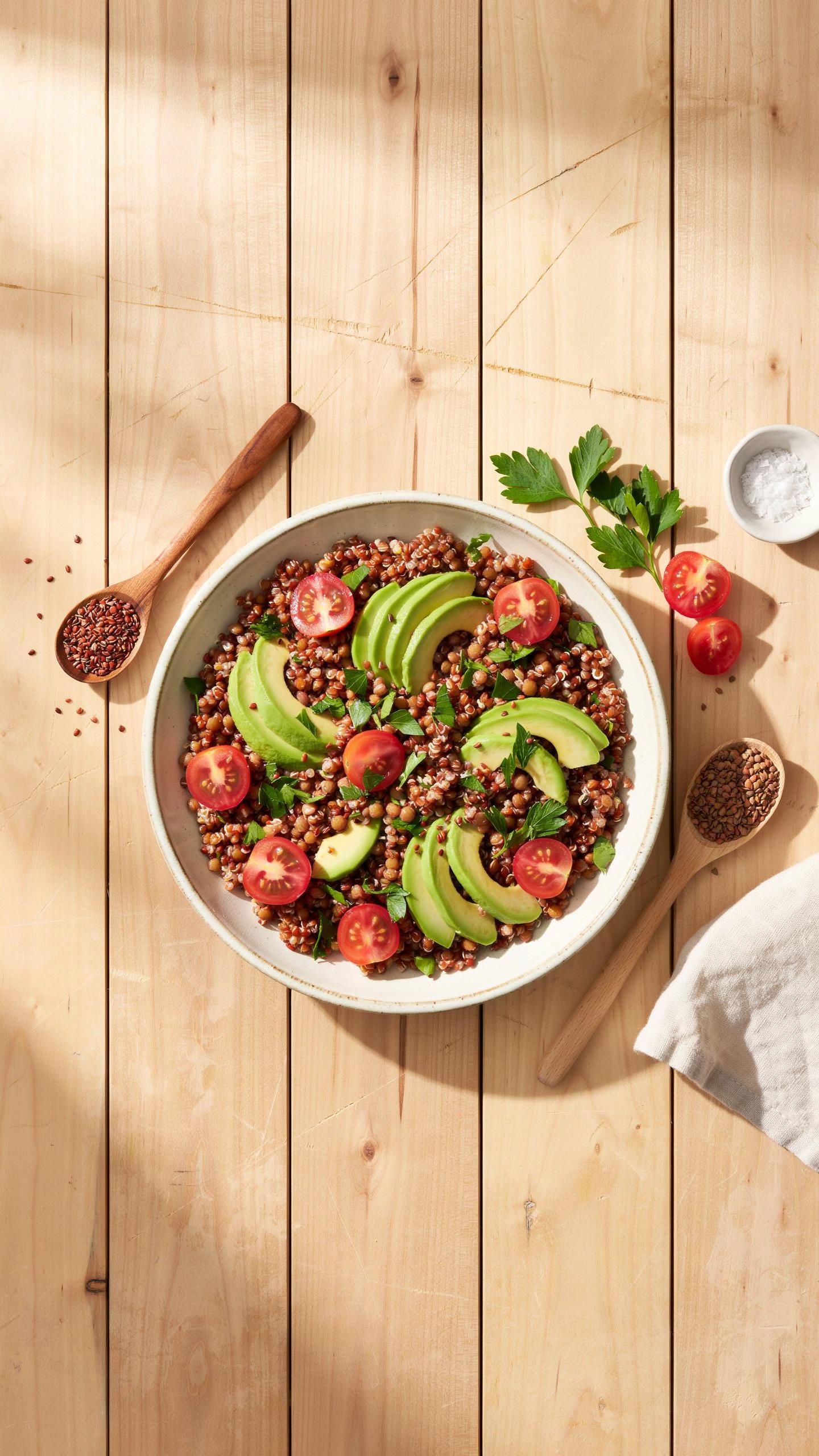
Why Complete Proteins Matter
You want the protein claim without doing the math yourself. Here’s what actually matters: quinoa contains all nine essential amino acids on its own, but in unbalanced ratios. Lentils deliver leucine, isoleucine, and valine in higher concentrations. When combined, they fill each other’s gaps. This isn’t mystical. It’s biochemistry. Your body can’t synthesize what you don’t eat, so the pairing solves a real limitation of plant protein alone.
Most plant-based meal prep ignores amino acid complementarity entirely. The real mechanism is simpler than people make it: lentils carry lysine where quinoa falls short, and quinoa carries methionine where lentils lag. You’re not creating meat-equivalent protein through magic. You’re delivering a complete amino acid profile that your muscle tissue actually uses. That’s the only reason to combine them instead of eating them separately.
Texture And Flavor Balance
Lentil meals fail because people treat texture like an afterthought instead of a structural problem. Lentils cook down to softness. Quinoa stays granular. The tension between these two states is your control mechanism. If you cook them together, you get mush. If you cook them separately and layer them, you maintain contrast. One keeps the other from becoming monotonous.
Flavor-wise, the mistake most make is overseasoning to compensate for blandness. Cook lentils in vegetable or mushroom stock instead of water. Toast the quinoa before cooking it. Season as you prep, not after. Build flavor into the structure of the cooking process itself, not as a rescue operation at the end. Store them separately in your containers, then combine at eating time. This keeps the quinoa from absorbing all the lentil liquid and turning into paste.
Lentil Side Recipes That Steal The Show Not Just A Filler
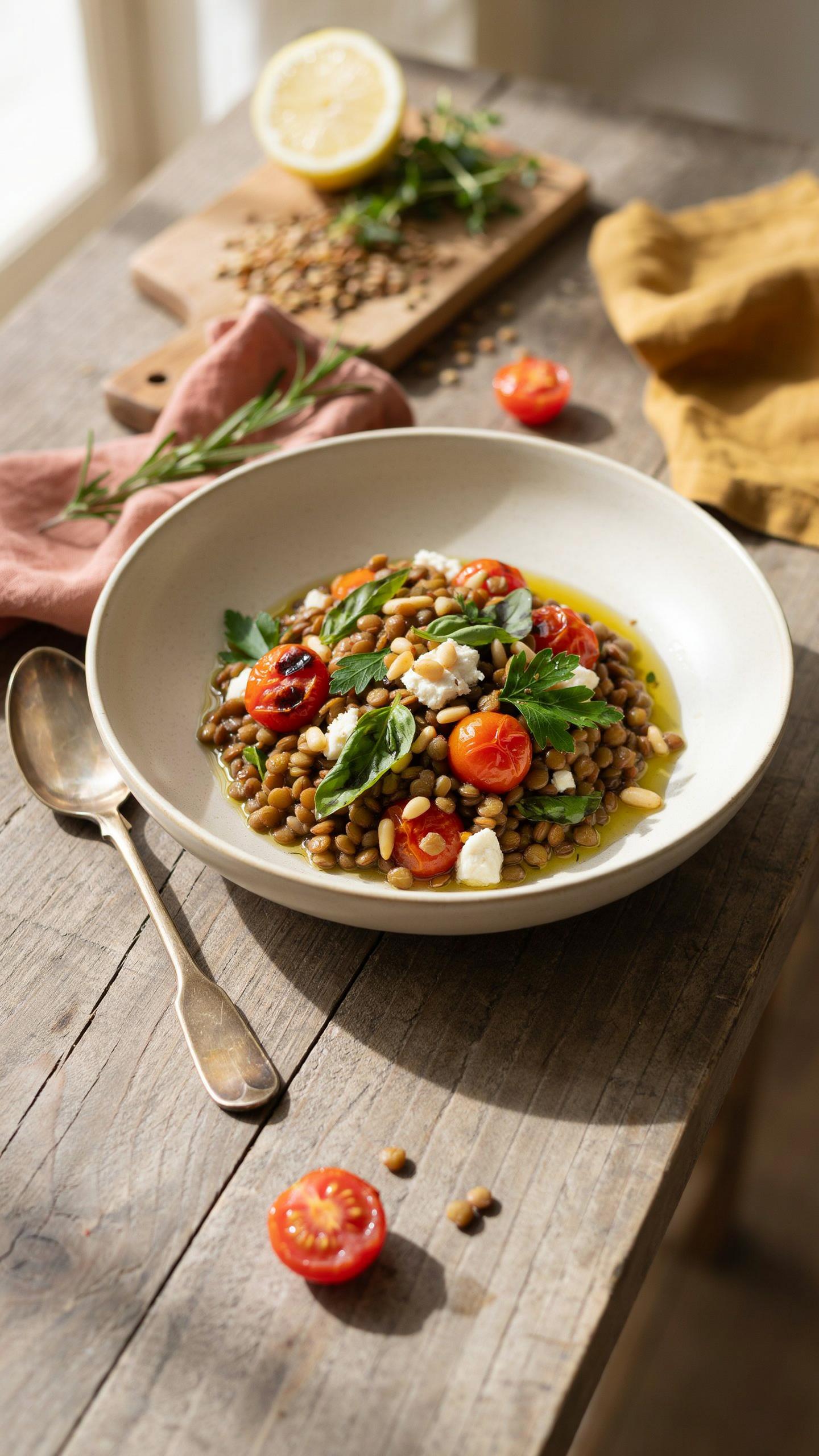
Why Your Sides Matter More Than Your Protein
You want sides that justify their container space and don’t disappear into background noise. That’s the real concern. Most people treat sides as obligation fillers, but the mechanism is simple: a side’s nutritional density and satiety impact determine whether your lunch actually sustains you or leaves you hunting for snacks at 3 PM. Lentils in sides aren’t decoration. They’re caloric ballast that keeps the whole meal functional.
The difference between a carb-heavy side and a lentil-based one comes down to fiber and resistant starch. A standard rice side spikes blood glucose and clears your system fast. Lentils slow digestion, which means steady energy and genuine fullness. When you’re meal prepping for protein-focused lunches, your sides either work with that goal or against it. Choose sides that amplify what your main dish accomplishes, not sides that undo it.
Flavor Combinations Nobody Expects
The common advice says pair lentils with “classic” sides: cumin, tomato, cilantro. Safe. Boring. Also wrong for meal prep context because repetition kills compliance. You won’t eat five containers of the same thing, no matter how nutrient-dense. The real play is using acid and heat together to make lentil sides taste different while keeping prep consistent.
Combine roasted lentils with sharp vinegars (rice vinegar, red wine), fresh aromatics added post-cooking (ginger, garlic, scallions), and heat applied at the end (crushed red pepper, jalapeño). This approach keeps lentils firm instead of mushy during reheating, which most meal preppers get wrong. The acid prevents oxidation too, so flavors don’t flatten after day three in the fridge. Build sides around this protocol: cook lentils, season base, finish with fresh elements and acid the morning you eat them.
The Energy Economy Of Easy Lentil Meals
Why Lentils Don’t Crash Your Blood Sugar
You want steady energy without the 2pm collapse because crashes kill productivity and willpower. Biology calls this glycemic response, and lentils function as a sustained-release capsule. The combination of fiber and resistant starch slows glucose absorption into your bloodstream. One cooked cup of lentils contains roughly 18 grams of fiber and 15 grams of resistant starch, both acting as biological brakes on sugar release. Your blood glucose stays elevated longer and more gradually than with refined carbs, meaning no spike and no crash.
This matters for meal prep because consistency compounds. Eat the same lentil portion daily and your body adapts to predictable fuel delivery. Energy levels stabilize. Mental clarity doesn’t vanish at 3pm. The mechanism is simple: soluble fiber in lentils forms a viscous gel in your digestive tract, physically slowing carbohydrate movement through your small intestine. Prep 5 portions of lentil and vegetable bowls on Sunday, eat one daily, and you’ve engineered your own metabolic stability for the entire week.
How Fiber Rebuilds Your Gut Economy
Everyone talks about digestive health like it’s a wellness buzzword. Actually, it’s a bacterial economy where your microbiome trades fiber for short-chain fatty acids and you get back metabolic control. Lentil fiber feeds specific bacteria that produce butyrate, a compound your colon cells use for energy and inflammation regulation. When you meal prep with lentils consistently, you’re not just eating protein—you’re funding the bacteria that improve your digestion, immune response, and even mood signaling.
Prebiotic fiber in lentils (inulin and resistant starch) selectively feeds beneficial species like Faecalibacterium and Roseburia. After two to three weeks of daily lentil consumption, your microbiota composition shifts measurably toward these species. The result: faster digestion recovery, reduced bloating, and less fermentation gas than with other legumes. Store your prepped lentil meals in airtight containers and consume one within four hours of thawing to preserve the fiber structure that your gut bacteria depends on.
Lentil Salad Your Lunchtime Weapon Against The Snack Attack
Build Texture Into Every Bite
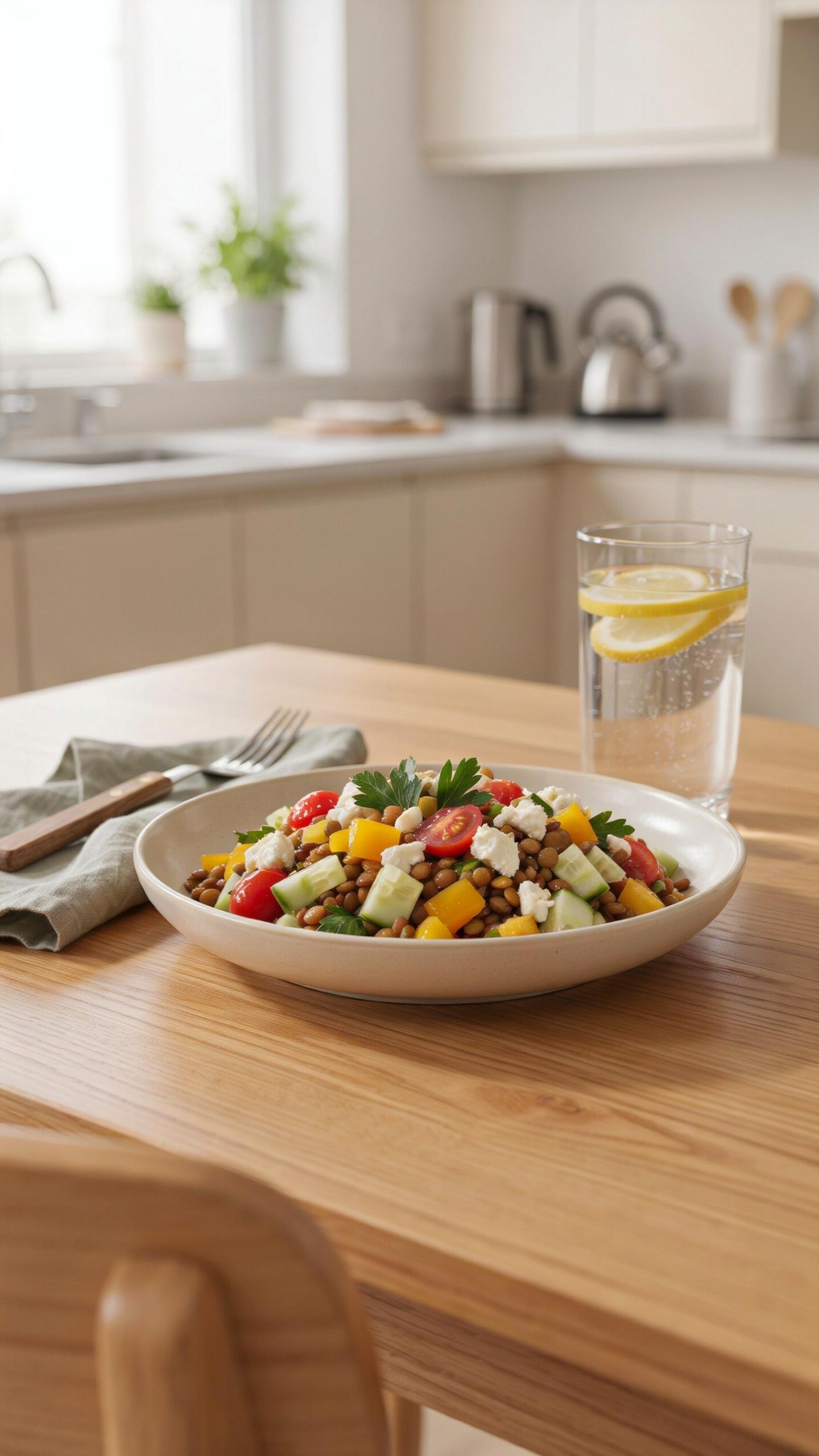
You want to feel full at 2 PM instead of ransacking the office kitchen. The mechanism is simple: your brain registers satiety through texture variation and chewing resistance, not just calories. Cooked lentils alone turn mushy and send blood sugar up fast, which means hunger returns within an hour. Add raw or roasted elements and you force your jaw to work, which extends the eating window and triggers satiety signals your body actually recognizes.
The texture contrast also masks the fact that you’re eating legumes, which matters psychologically when you’re trying to stick to a protocol. Raw vegetables add crunch without adding much calorie density. Toast chickpeas separately or buy roasted ones. Dice raw peppers, carrots, or radishes finely so they distribute throughout each bite. You’re not making a salad where lentils happen to be present. You’re engineering a bowl where lentils are the protein base, but the eating experience belongs to the crunch.
Dressing That Survives The Work Week
Most people underdress their lentil salads or use water-based dressings that separate by Wednesday. Both mistakes kill the meal. The real play is using fat and acid as preservation agents, which is food science, not preference. Oil-based dressings create a barrier that slows moisture transfer and microbial growth. Acid lowers pH, which also inhibits bacterial proliferation. This isn’t about flavor alone.
Mix one part acid (vinegar or lemon juice) with two parts oil, then add mustard or miso for emulsion. Apply the dressing to warm lentils before you add raw vegetables so the lentils absorb the flavor and the acid penetrates the cooked surface. Store dressing separately if you’re adding greens, but keep lentils and root vegetables dressed from day one. Repurpose leftover dressing throughout the week instead of making fresh batches. This cuts prep time and ensures consistency across your containers.
Recipe With Lentils Healthy Debunking The Complex Cooking Myth
The One Pot Method That Actually Works
You think lentil meal prep intimidates you because you’re worried you’ll mess it up and waste protein. The real mechanism is simpler: most recipes demand multiple pans and timing coordination you don’t need. Lentils cook predictably in one pot because they’re forgiving. You add liquid, heat, and wait. No searing proteins, no temperature management, no technique gatekeeping.
Red lentils soften in twelve minutes. Green or brown lentils take twenty to thirty. The pot does the work. You dice vegetables while it runs. Aromatics go in first: onion, garlic, maybe ginger. Then lentils and broth. Salt after they soften or they’ll resist hydration. One pot eliminates the friction that kills consistency.
Stock Your Pantry Once, Cook Forever
Inventory design matters here. Use the term from supply chain management: “just in time” delivery applies to your dry goods. You don’t stockpile randomly. You keep what creates meals without decisions. Dried lentils have a shelf life measured in years, so buy in bulk once.
Canned lentils work too, faster, though you’re paying a markup for convenience. Your pantry staples should include: lentils, canned tomatoes, vegetable broth, onions, garlic, salt, and one cooking oil. That’s it. Every combination you make comes from those six elements plus whatever fresh vegetables cost least that week. Consistency builds from constraint, not abundance. When you cook the same base repeatedly, technique becomes automatic and time per meal drops by half.
Lentil Dishes Dinners From Weeknight Rush To Gourmet Ease
Scaling Prep Without Scaling Complexity
You want dinners that look intentional without requiring you to cook twice. The real mechanism here is constraint layering—you’re not adding variety by cooking more recipes, you’re reusing the same prepped lentil base across different contexts. Red lentils break down into a sauce. Green lentils hold their shape. Brown lentils split the difference. Pick one and build everything around it instead of rotating through all three.
Most people waste energy by meal prepping different dishes. You prep one lentil foundation, then deploy it into three separate dinner structures by changing what surrounds it—grain, vegetable, sauce, protein ratio. A Sunday batch of seasoned lentils becomes a bowl base Monday, a grain blend Tuesday, and a stuffing component Wednesday. The prep work stays constant while the dinner output feels varied because the supporting cast changes.
Stacking Flavors Into Dinner Depth
Borrowed from chemistry, layering is about timing of component addition, not quantity. A single lentil base becomes gourmet when you build flavor in phases rather than dumping everything at once. Toast spices before adding lentils. Add aromatics after the lentils hit heat. Finish with acid and fresh elements. Each phase develops different flavor compounds at different temperatures.
The lazy advice says to make lentil curry and call it done. That misses the mechanism entirely. Depth requires at least three distinct flavor moments. Cook lentils with one spice set, finish with another, then add brightness last. A lentil dinner with cumin-coriander base, cardamom-clove middle phase, and lime juice final hit reads as complex even though you’re using the same ingredient three times. This works because each addition point activates different sensory registers before they combine into one cohesive taste.
The real obstacle isnt hunger or cravings its decision fatigue Automate your nutrition reclaim your mind

Most people fail at meal prep because they treat it like a chore instead of a system. You don’t need willpower. You need lentil meal prep to become your default. Pick one recipe, buy ingredients today, and cook Sunday. That’s it. Your brain stops negotiating what to eat, your body gets consistent protein, and your future self stops sabotaging you at lunch. Stop optimizing. Start automating.