
Beyond Basic Chickpeas The Protein Paradox Solved
Why Standard Prep Wastes Your Effort
You want to believe chickpea meal prep is simple because complexity feels like failure. Here’s the mechanism nobody names: canned chickpeas straight into a bowl leave half their protein useless. Your digestive system encounters phytic acid and trypsin inhibitors that block mineral absorption and stall your satiety signals. You eat the same calories but stay hungry longer, which kills consistency.

Rinsing canned chickpeas removes surface starch but leaves the anti-nutrients intact. Dry chickpeas cooked from scratch perform better, but most people skip this because it takes planning. The real move: soak dried chickpeas for eight to twelve hours, discard the water, then cook them fresh. This single step cuts anti-nutrient load by up to forty percent. Your body actually absorbs the protein instead of moving it through your system unused.
Protein Absorption Requires Deliberate Pairing
Protein bioavailability isn’t a solo metric, it’s a system with inputs. Use biology’s concept of cofactor dependence here: chickpeas need specific nutrients present at the same meal to unlock their full amino acid profile. Vitamin C and iron work together to boost absorption. Pair chickpeas with tomato-based sauces, fresh citrus, or fermented elements like miso or nutritional yeast.
Fat also matters for satiety, not just flavor. Chickpeas cooked with olive oil or tahini slow gastric emptying, which extends fullness across your day. Don’t cook them plain and add fat later. The mechanism is absorption rate, not calorie total. Oil present during cooking allows the chickpea compounds to emulsify properly in your digestive tract. Cook chickpeas in two tablespoons of olive oil per two cups of dried chickpeas for maximum satiety effect.
The Minimum Viable Effort Chickpea Protocol
What Actually Happens When You Cook Chickpeas
You want the shortcut that doesn’t exist. Here’s the mechanism: cooking chickpea meal prep works because you’re applying thermal energy to break down indigestible oligosaccharides and soften the seed coat all at once. You can’t separate these. Cook once, use all week. Most people either over-complicate the cooking or skip seasoning during it, wasting the single window where flavor actually penetrates.
Canned chickpeas save time but cost double per protein gram. Dry chickpeas require overnight soaking, then one hour simmering at a rolling boil. The non-negotiable: cook 4-5 pounds at once in a single large pot with enough water to cover by three inches. Salt the water. This single batch yields five to six containers of prepped base.
Anchoring Flavor Before Refrigeration
The chemistry here mirrors fermentation principles, though you’re not fermenting. You’re locking in flavor compounds before they oxidize away. Most advice says “season at serving,” which wastes a five-day window where seasoning actually binds to the legume surface. Apply seasoning while chickpeas cool to room temperature, not after they’re cold.
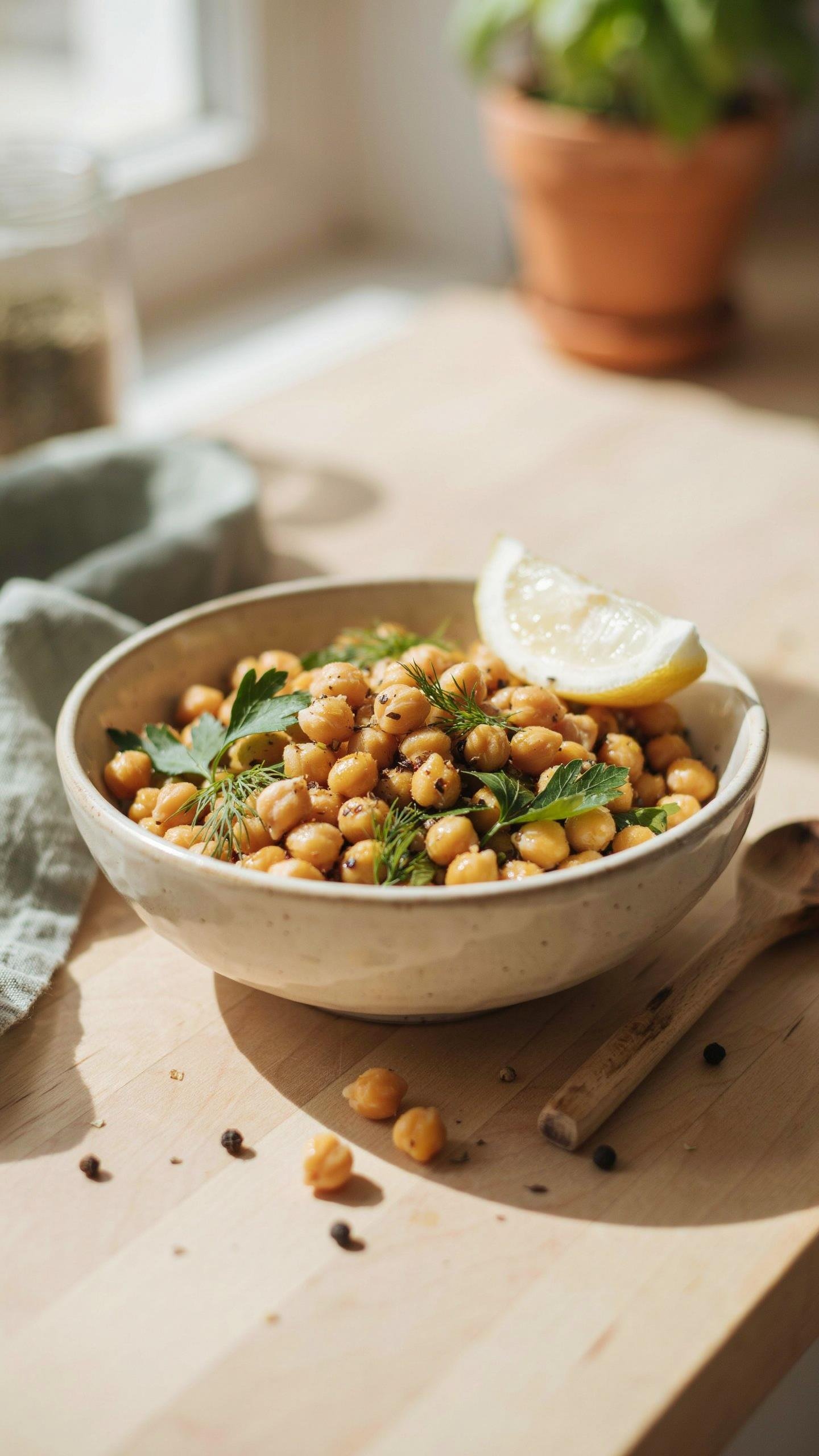
Mix warm chickpeas with olive oil, lemon juice, garlic, and salt immediately after draining. Let them sit 20 minutes before storing. The acid from lemon denatures proteins slightly, creating micro-pockets where oil and salt settle in. Refrigerate after this step. You’re not adding “flavor” later. You’re retrieving flavor you’ve already embedded.
Chickpea Curry Meal Prep Flavor Systems Not Recipes
Why Flavor Layers Matter More Than Ingredient Lists
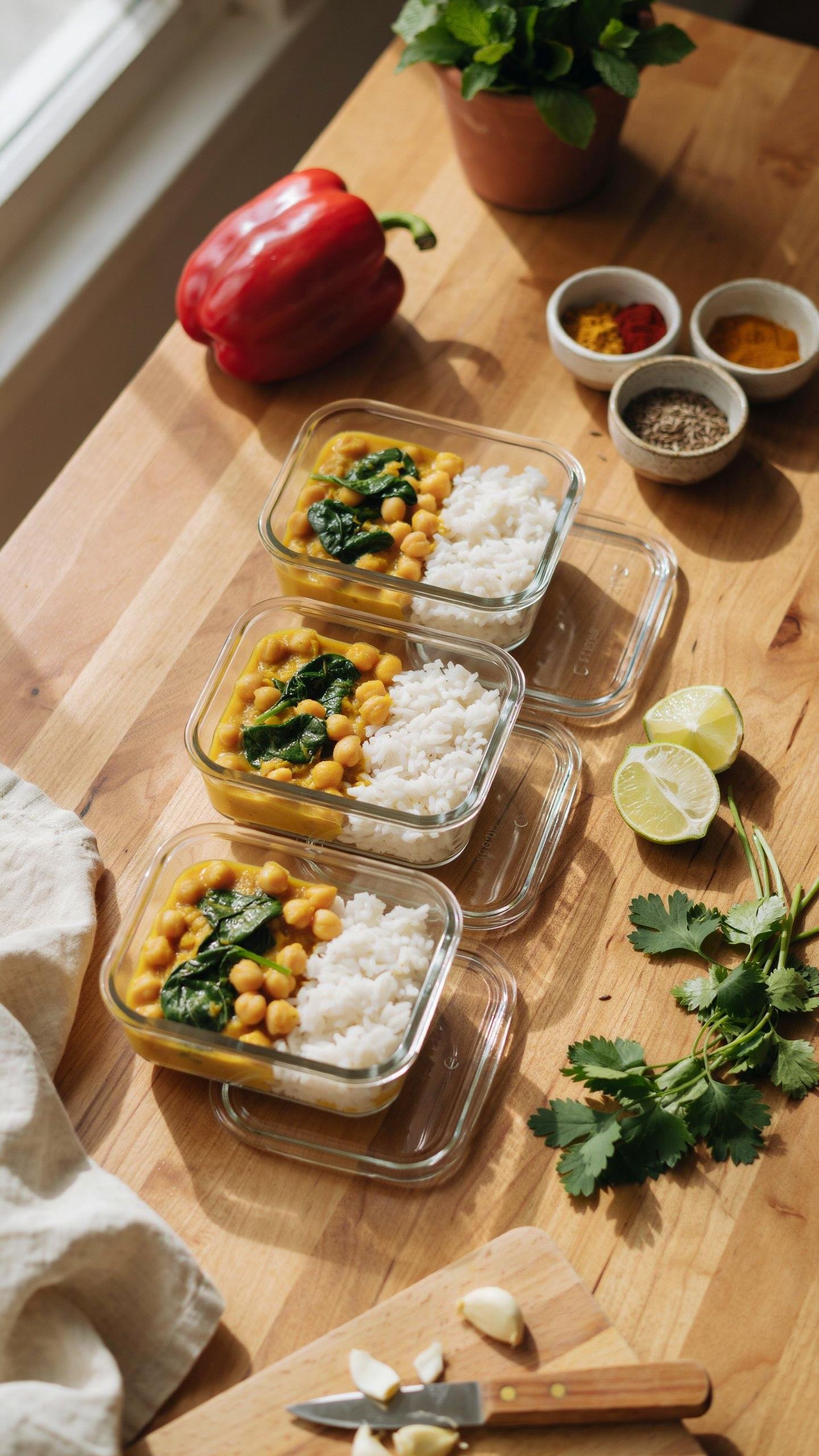
You’re reading this because you think a good recipe will save you time. It won’t. The real mechanism is flavor architecture—borrowed from chemistry, where layering compounds creates synergy rather than just addition. Each element strengthens the others. Most people dump spices into chickpeas and call it curry. That fails because they’re missing the load-bearing structure: the base fat, the aromatics timing, the acid placement, the finish.
The curry base isn’t a sauce you make once and forget. It’s a system where onions, ginger, garlic, and tomato break down into a vehicle that carries spice directly into chickpeas. Temperature matters here more than quantity. Medium heat lets aromatics release their volatile compounds without burning them into bitterness. High heat is where most meal prep curries die—they taste flat by Wednesday because the builder compounds oxidized.
Building A Foundation That Multiplies
Forget recipes that list “1 tablespoon curry powder.” That’s vendor-dependent guessing. Instead, build backwards from the three flavor dimensions: savory (cumin, coriander), heat (cayenne, chili), and brightness (lime, fresh cilantro). The base starts with neutral oil and diced onion cooked low until translucent, which develops natural sugars and mellows the sharp notes. Add ginger-garlic paste at this stage, not raw—cooked paste adds body that raw paste cannot.
Tomato paste goes in next, bloomed in oil for one minute before liquid arrives. This step concentrates tomato’s umami and prevents it from diluting the fat structure. Once you add chickpeas and stock, the curry base sets. The acid—lime or lemon—stays separate until serving day. This prevents the protein from tightening and the dish from tasting sour after three days. Store base and acid together, add acid only to the portion you’re eating.
The Second Order Consequence Principle Of Sunday Meal Prep
Where Your Week Actually Falls Apart
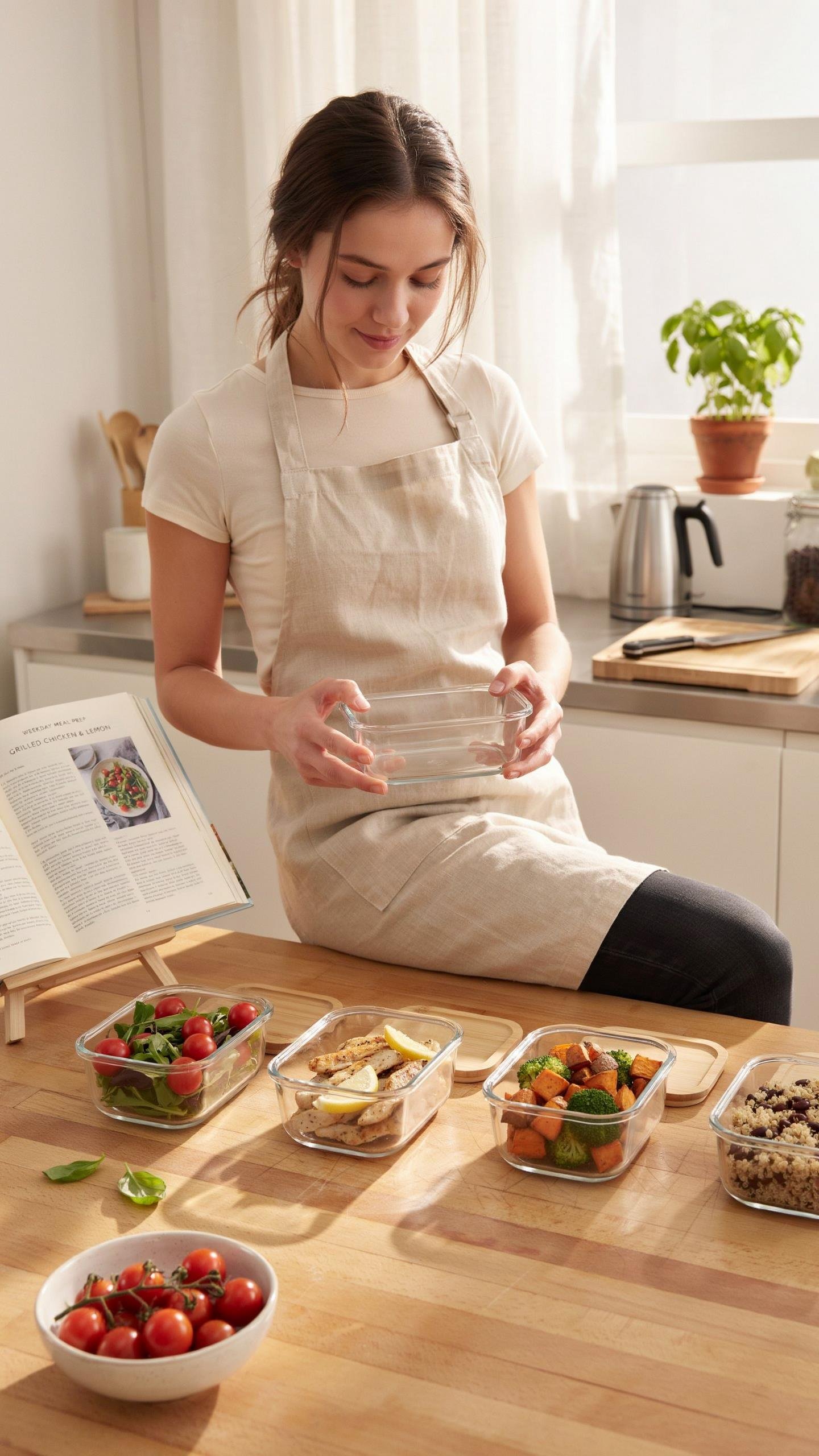
You care about this because you’re tired of the friction that kills consistency, not because meal prep itself is hard. Military logistics borrowed a concept called “constraint identification”—finding the single point where a system breaks. Your constraint isn’t cooking chickpeas. It’s the 3 PM Wednesday moment when you’re actually hungry and nothing is ready. That gap between prep and reality is where most people abandon protein targets entirely. The mechanism works backward: you don’t prep for Monday. You prep for the specific hunger state you’ll face when willpower is lowest and access is hardest. Map out your actual week. Where do you eat in transit? Which meals happen at your desk? When do you actually have time to reheat something? Those moments determine what texture, portion, and seasoning your chickpea bowls need to survive intact.
The mistake most prep guides make is generic portion sizes and flavors that assume your life is static. Your week isn’t. Wednesday lunch tastes different than Monday lunch because your blood sugar, stress, and food availability are different. Cook chickpeas once on Sunday. But build three different bowl variations from that single batch. One for hurried mornings with quick-carb additions. One for desk eating that won’t fall apart or stain clothes. One for evening hunger when you need satiety over speed. This requires you to name your actual bottlenecks first. Write down the meal you skip most often. That’s where your prep fails. Build your chickpea prep system around preventing that specific skip, not around some ideal version of your week that doesn’t exist.
The Satiety Window And Protein Timing
Anticipating hunger states means understanding when protein actually hits your system, not when you eat it. Chickpeas deliver their protein slowly because of their fiber and fat content. This is an advantage most people miss. When you eat a chickpea bowl at lunch, you’re not just eating at that moment. You’re engineering your hunger level at 3 PM and 5 PM. The calorie density matters less than the timing of nutrient absorption. If you prep a chickpea bowl and eat it at noon, the protein-fiber combination suppresses the 2 PM blood sugar crash that triggers snacking. But only if the bowl actually stays with you through the afternoon. This means sufficient oil or fat in the prep, adequate salt for palatability during storage, and portion size calibrated to your actual activity level that day.
The second-order consequence: if you prep bowls that taste worse by day three, you skip them. Then you’re hungry. Then you eat whatever’s convenient, which derails your protein target and resets your consistency. Start your prep by defining your personal satiety number. How many grams of protein actually keep you satisfied across a specific time gap? For most people, a 200-calorie chickpea portion with 8-10 grams of protein holds appetite for 2-3 hours. But test this with your own body. Then cook your Sunday batch knowing exact portion sizes and reheating protocols that preserve texture and taste. Store in glass containers with oil-based dressing already mixed. Add fresh greens and quick carbs on eating day, never during prep. This simple protocol prevents the “tastes like cardboard by Wednesday” failure that kills adherence.
Healthy Chickpea Recipe Prep The Micro Habit Multiplier
Set Your Environment, Not Your Willpower
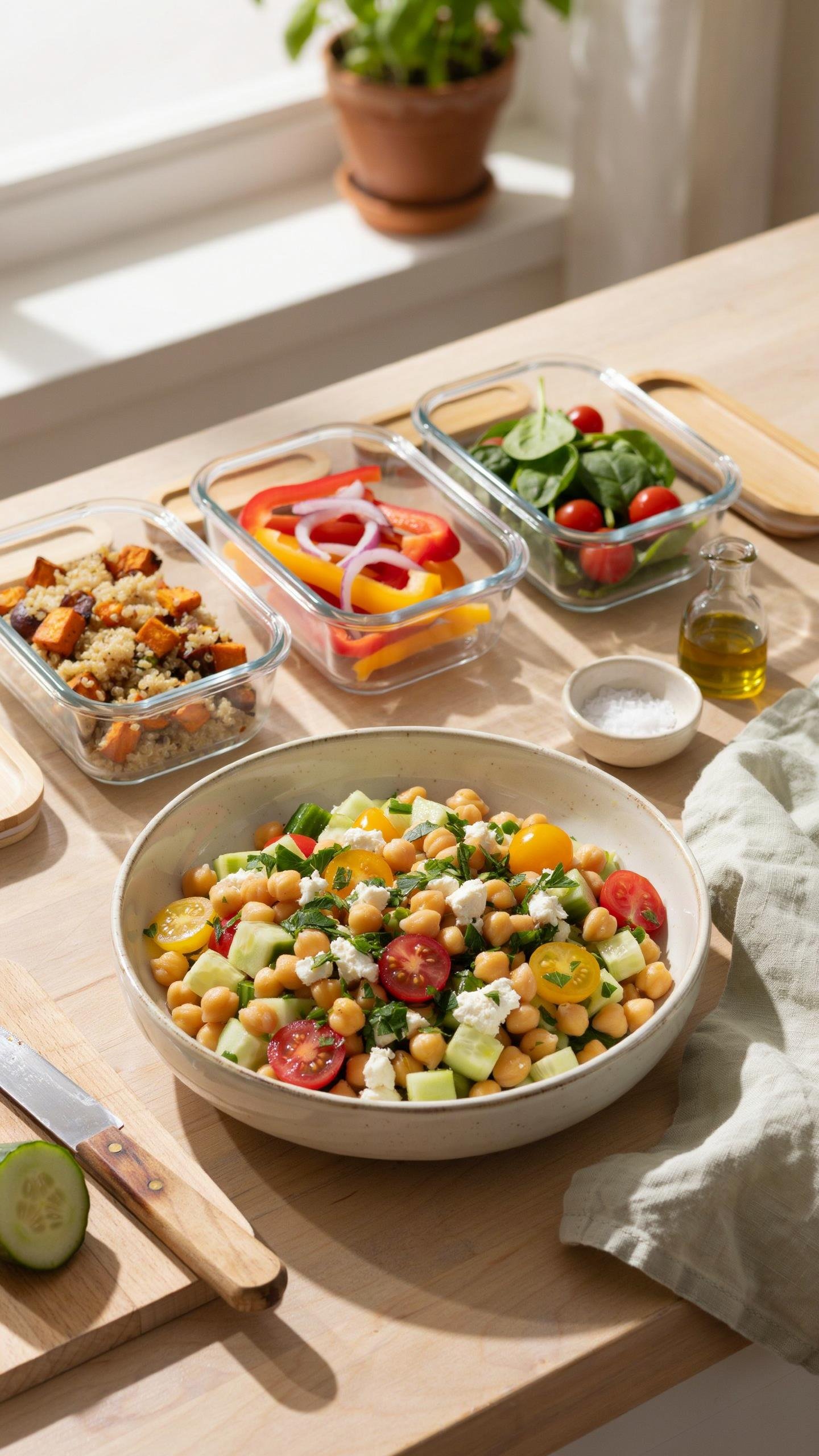
You want to believe discipline scales. It doesn’t. The real mechanism is behavioral design from environmental psychology: remove friction from the choice you want repeated, add friction to the choice you don’t. Cook chickpeas once. Store them in three containers. Suddenly your brain stops negotiating at 6 PM whether to meal prep.
The payoff compounds because one automated decision eliminates dozens of smaller ones. You’re not relying on motivation to buy chickpeas, cook chickpeas, portion chickpeas. The system does it. This is why meal prep works for people who say they “aren’t disciplined”—they aren’t. They just engineered the environment.
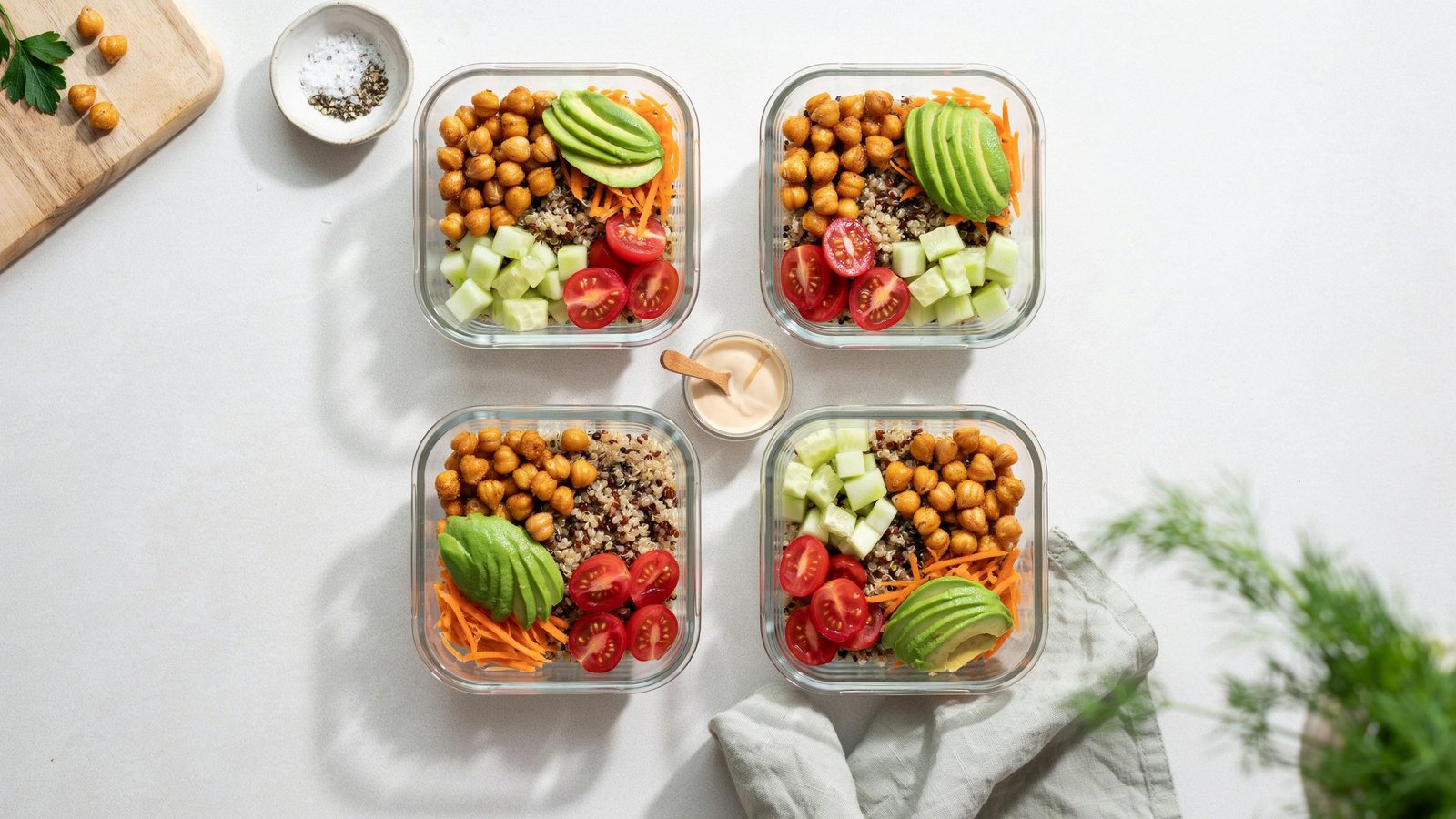
- Batch cook on Sundays: Prepare one large batch of chickpeas for the entire week. Store in glass containers in the refrigerator for up to five days, eliminating daily cooking decisions.
- Pre-portion protein bases: Divide cooked chickpeas into individual containers before storing. This removes the step of measuring at mealtime and prevents portion creep.
- Stack complementary ingredients: Keep cooked grains, raw vegetables, and sauce components in visible areas of the fridge. Proximity increases likelihood of assembly.
- Label with dates: Mark containers with the cook date. This forces accountability and prevents eating expired chickpeas, which removes guesswork about freshness.
- Use consistent containers: Same container size across all chickpea batches creates visual recognition. Your brain learns the pattern and execution becomes automatic.
The friction reduction compounds over time. After two weeks of this protocol, assembling a high protein bowl takes under three minutes because no decisions remain. You’re executing a routine, not making choices.
The Decision Tax At Dinner Time
Every mealtime decision drains cognitive resources. Hunger, fatigue, and time pressure make you default to the easiest option, which is rarely the most nutritious. This isn’t weakness. It’s how attention works. When you remove the “what should I eat” question by having one clear chickpea bowl setup, you free that mental energy for actual work.
Pre-prepped chickpeas eliminate the most expensive decision point: the moment between hunger and action. You don’t stand at the fridge running calculations about what protein source is fastest. The bowl exists. You assemble it or you don’t, but the friction is gone. This matters more than macros because consistency compounds faster than perfect nutrition followed sporadically.
Chickpea Quinoa Bowl Meal Prep The Asymmetric Advantage
The Base That Doesn’t Betray You
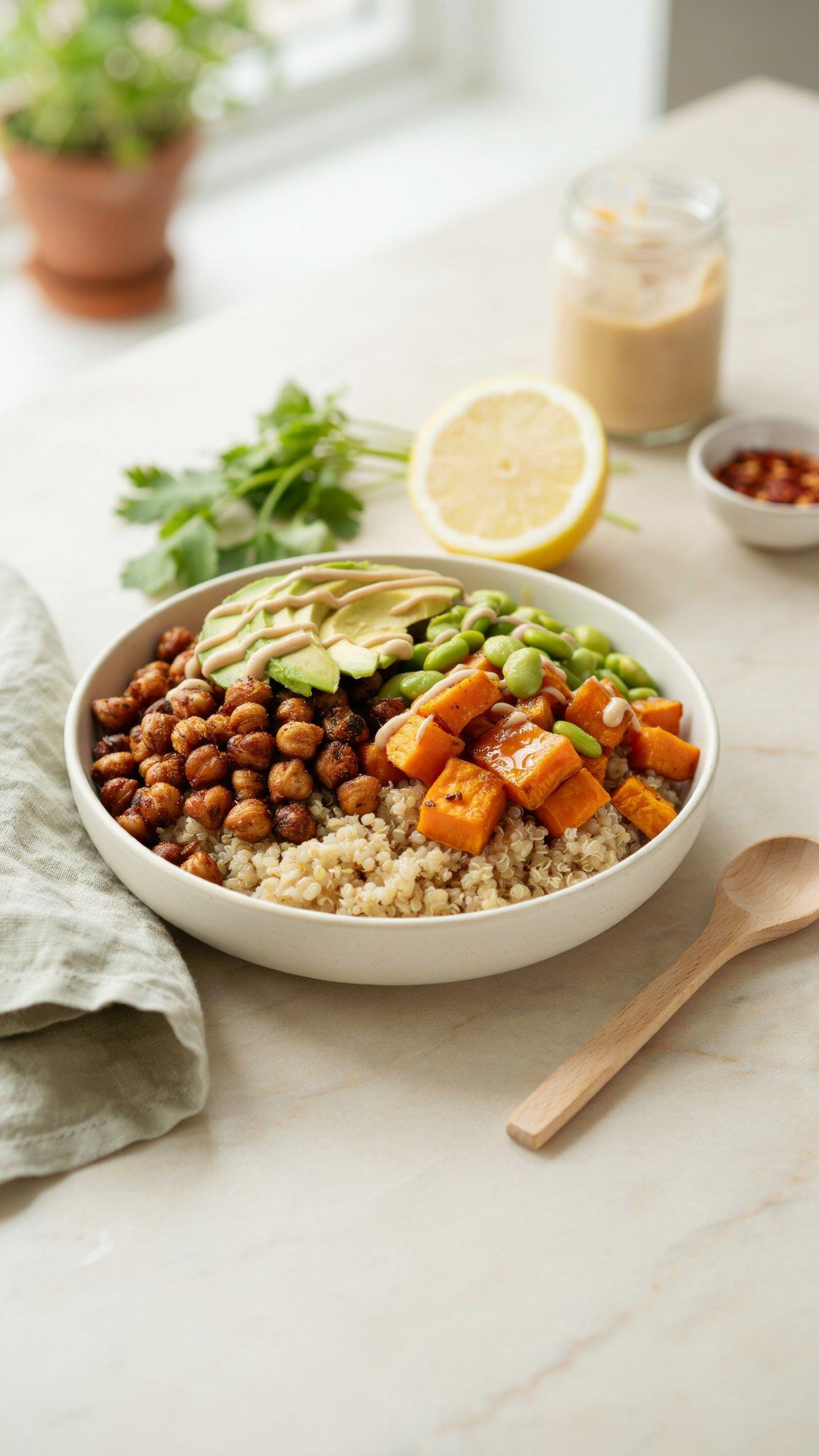
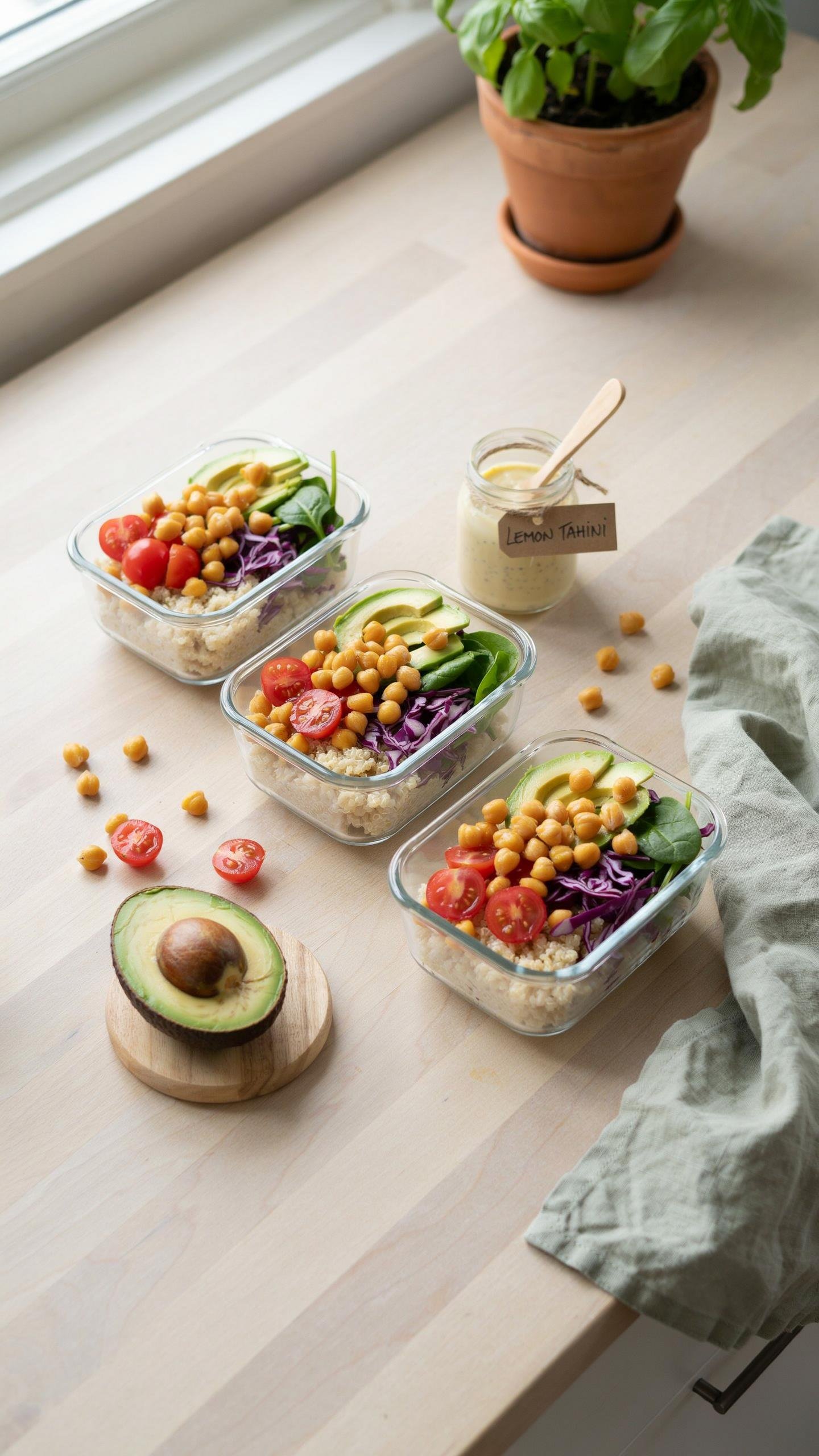
You want to believe one meal prep Sunday solves your protein problem for the week. It won’t, because monotony kills compliance faster than hunger does. The real mechanism here borrows from portfolio theory in finance: you reduce risk by distributing your components across uncorrelated assets. In chickpea bowls, your base is the asset that doesn’t spoil your optionality. Quinoa holds moisture without turning mushy. Chickpeas remain firm whether cold or reheated. Together they create a stable foundation that tolerates five days of refrigeration without textural collapse, which matters because texture signals freshness to your brain.
The reason most people fail chickpea prep is they assemble the full bowl on day one, then watch dressing seep into grains while toppings wilt. Stop doing that. Prep the base and proteins separately, then build the bowl when you eat it. This takes an extra ninety seconds but extends shelf life by three days and eliminates the decision paralysis of eating the same exact thing daily. Your base stays inert. Your toppings stay crisp. You control the ratio. Cook one large batch of quinoa and one large batch of chickpeas on Sunday. Store them in separate containers. That’s the entire protocol.
Prep The Parts, Not The Plate
Most meal prep advice conflates efficiency with assembly. It’s wrong. Component prep beats full assembly because it trades fifteen minutes of initial work for unlimited recombination. You’re not optimizing for speed on Sunday. You’re optimizing for flexibility on Tuesday through Friday. Cook chickpeas in bulk using the soak-then-simmer method: overnight soak reduces cooking time to ninety minutes and improves digestibility. Store cooked chickpeas in their cooking liquid. They stay moist and last longer than drained chickpeas sitting in olive oil.
Separate your toppings into categories: greens, crunchy elements, dressing. Store each in its own container. Your leafy greens go in a paper-towel-lined container to absorb excess moisture. Raw vegetables like cucumber and tomato stay in separate containers from cooked components. Keep dressing in a squeeze bottle at the back of the fridge. When you eat, you combine what you want in the order that prevents sogginess: base first, cooked proteins second, raw vegetables third, dressing last. This method eliminates waste because you use what’s fresh and skip what’s degraded, something premade bowls never allow.
Meals Without Meat The Strategic Substitution Framework
How Chickpeas Replace Animal Protein
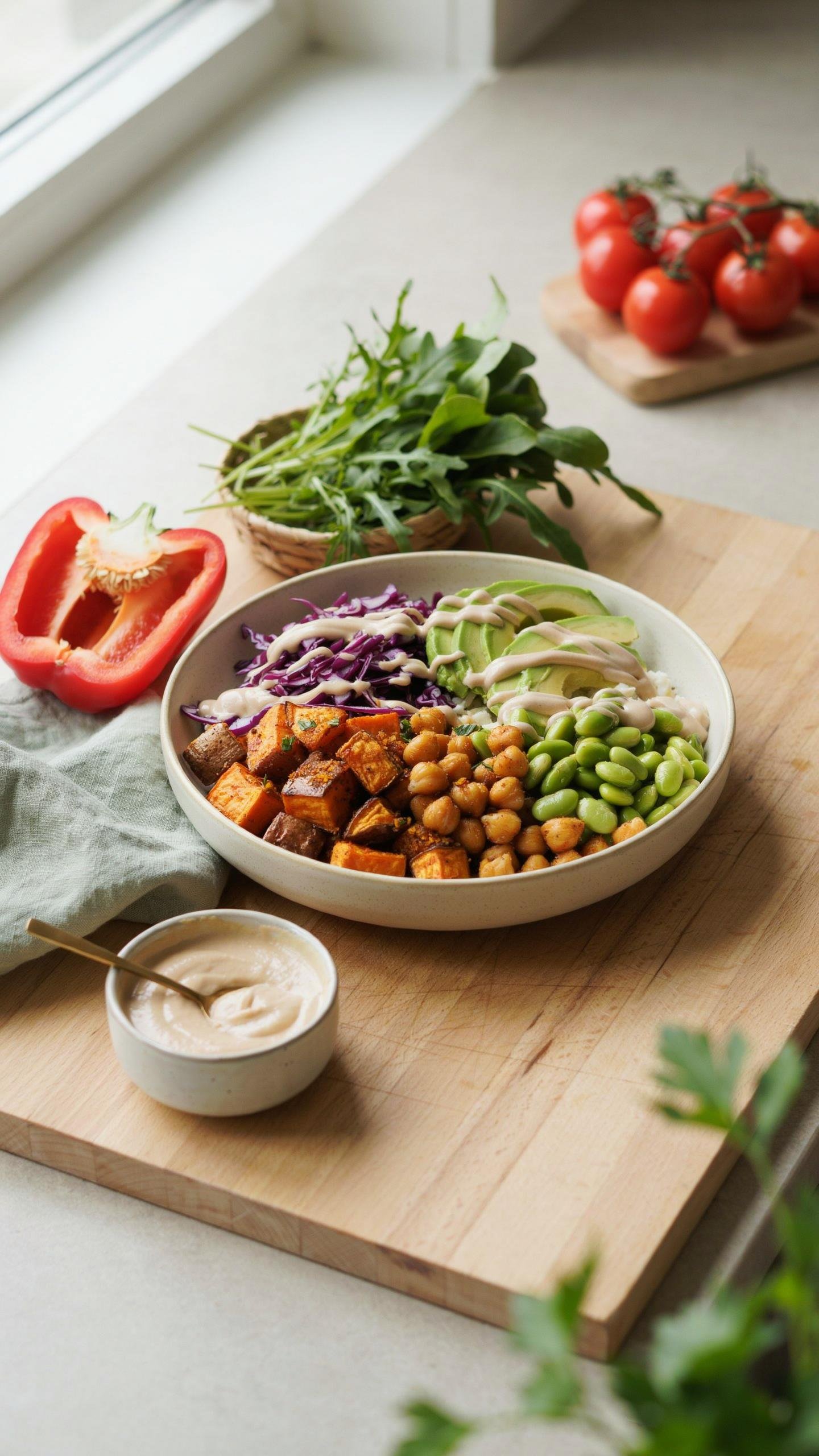
You want permission to skip the guilt about not eating meat. Here’s what actually matters: chickpeas work as a protein substitute because they contain all nine essential amino acids in meaningful amounts, though not in the same ratio as animal flesh. The mechanism is simple. A cup of cooked chickpeas delivers roughly 15 grams of protein. To match one chicken breast (31 grams), you need just over two cups, which most people can fit into a single bowl without bloating. The real difference isn’t the protein—it’s the fiber load that comes attached.
Conventional meal prep advice says “just add more chickpeas.” That’s incomplete. Chickpeas are 65 percent carbohydrate by dry weight. When you scale them up to hit protein targets, you’re actually scaling carbs and fiber simultaneously. Your digestive system processes this differently than equivalent chicken. You need fewer chickpeas per meal than you think if you combine them with a complete grain like quinoa or bulgur, which contributes the amino acids chickpeas lack in sufficient quantity. This stacking matters more than chickpea volume alone.
Energy Delivery Across Your Day
Nutrient timing in sports physiology refers to eating specific macros at specific times to influence performance and recovery. Apply this concept backward: chickpea meals should front-load your day, not cluster at dinner. A chickpea bowl at breakfast or early lunch provides steady glucose release because of the fiber-to-carb ratio. Eating them at night creates the opposite problem—slower digestion competes with sleep quality, and the carb load lingers when your body expects downtime.
Meal prep works strategically when you cook chickpeas on Sunday but portion them differently across days. Monday and Tuesday bowls get a base of two cups. Wednesday through Friday drop to one and a half cups because daily activity naturally declines midweek. This isn’t intuitive, but it’s how you maintain stable energy without the metabolic drag of over-prepping. The protocol: batch cook, then redistribute portions based on when you’ll eat them, not based on symmetrical convenience.
Vegetarian Recipes Lunch The Cognitive Load Optimization
Remove The Decision Tax From Lunch
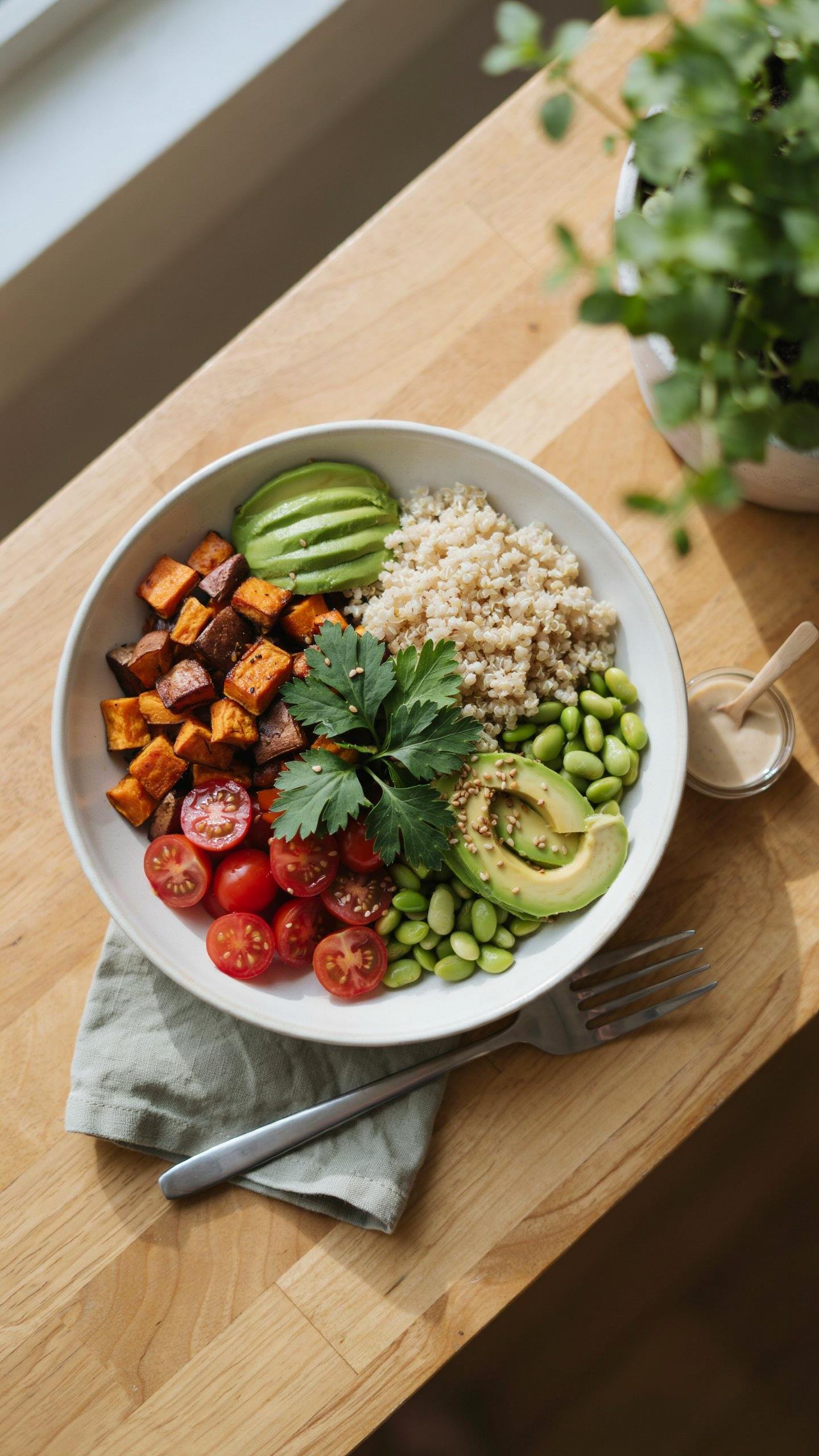
You’re not actually worried about nutrition. You’re worried that deciding what to eat will drain mental energy you need for real work. The mechanism is simple: every decision you make before noon depletes your cognitive resources for the afternoon. Chickpea meal prep eliminates this tax by removing choice. You cook once. You eat the same thing five days straight. Your brain stays sharp because lunch stops being a variable.
The common advice says “meal prep for convenience.” That’s incomplete. Meal prep works because it weaponizes constraint. When your lunch is already assembled, you don’t negotiate with yourself about whether to skip it or grab takeout. The decision vanishes. This is why people who meal prep eat better and waste less time than people who “plan to decide later.” Later never comes. Your prefrontal cortex is already exhausted.
Cook Like A Production Line
Batching borrows from manufacturing. In production, you run one process, not fifty. The setup cost happens once. For chickpea meal prep, this means: cook chickpeas in bulk, season in bulk, assemble in bulk. Don’t cook one bowl, then another, then another. That’s friction multiplied by five. Instead, spend two hours cooking everything at scale, then your week runs on autopilot.
The real efficiency comes from not switching contexts. You’re not deciding what bowl to make. You’re executing one protocol five times. Preheat oven once. Roast chickpeas with spices for thirty-five minutes. While that cooks, chop your vegetables in one session. Assemble five containers in sequence. Every repeated action gets faster. Your hands remember the motion. You stop thinking and start moving. This is why production lines exist. Apply that structure to your kitchen.
The real obstacle isnt hunger its your inability to weaponize your kitchen for consistent performance
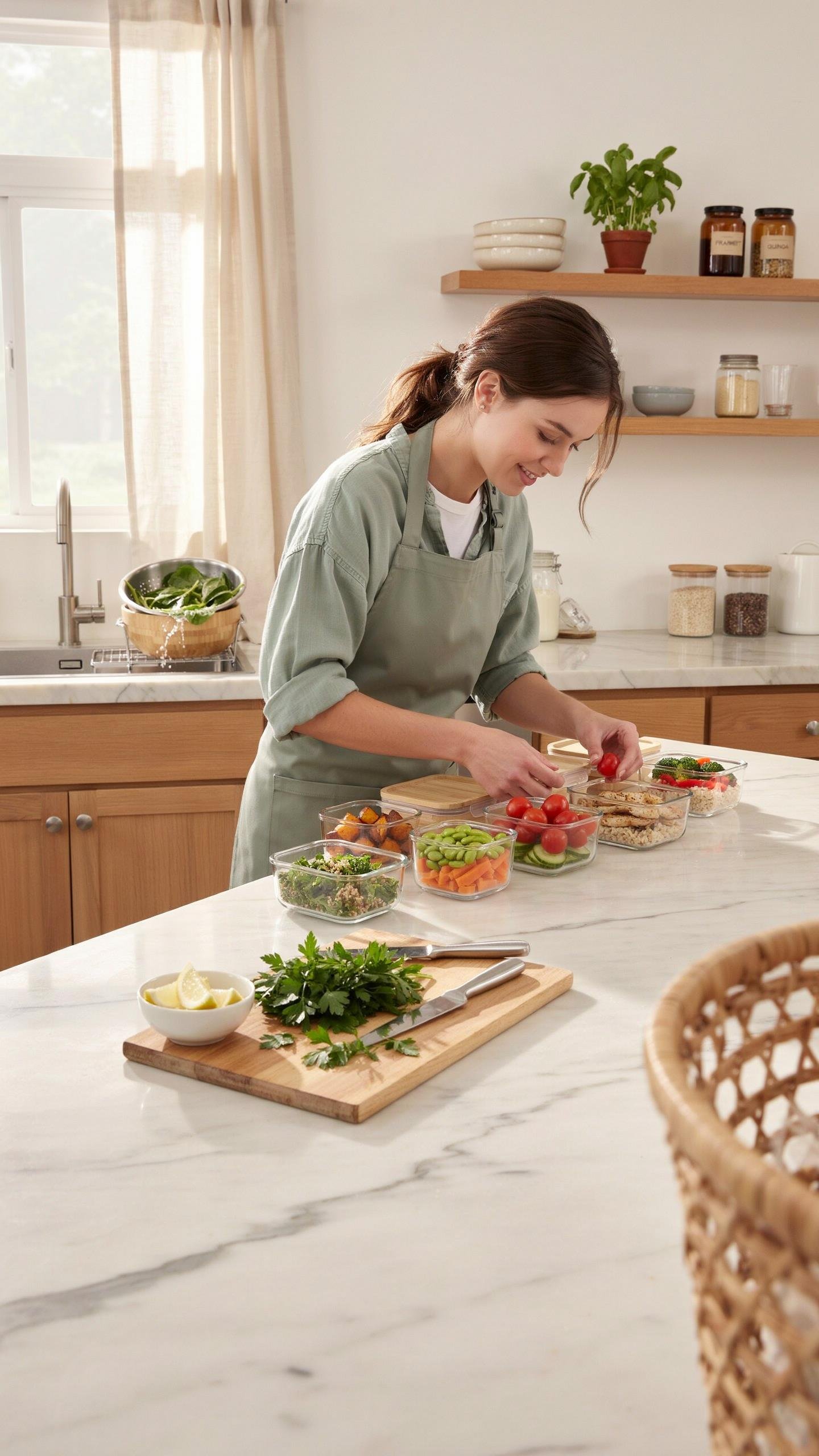
You don’t need motivation. You need systems. Chickpea meal prep works because it removes decisions. Cook a massive batch today. Portion it into five containers. Your body gets fed on autopilot for five days. Stop chasing discipline. Build a kitchen that doesn’t require it. Pick one recipe. Execute it every Sunday. Watch your performance climb as your willpower finally rests. The protein shows up because your setup demands it.