
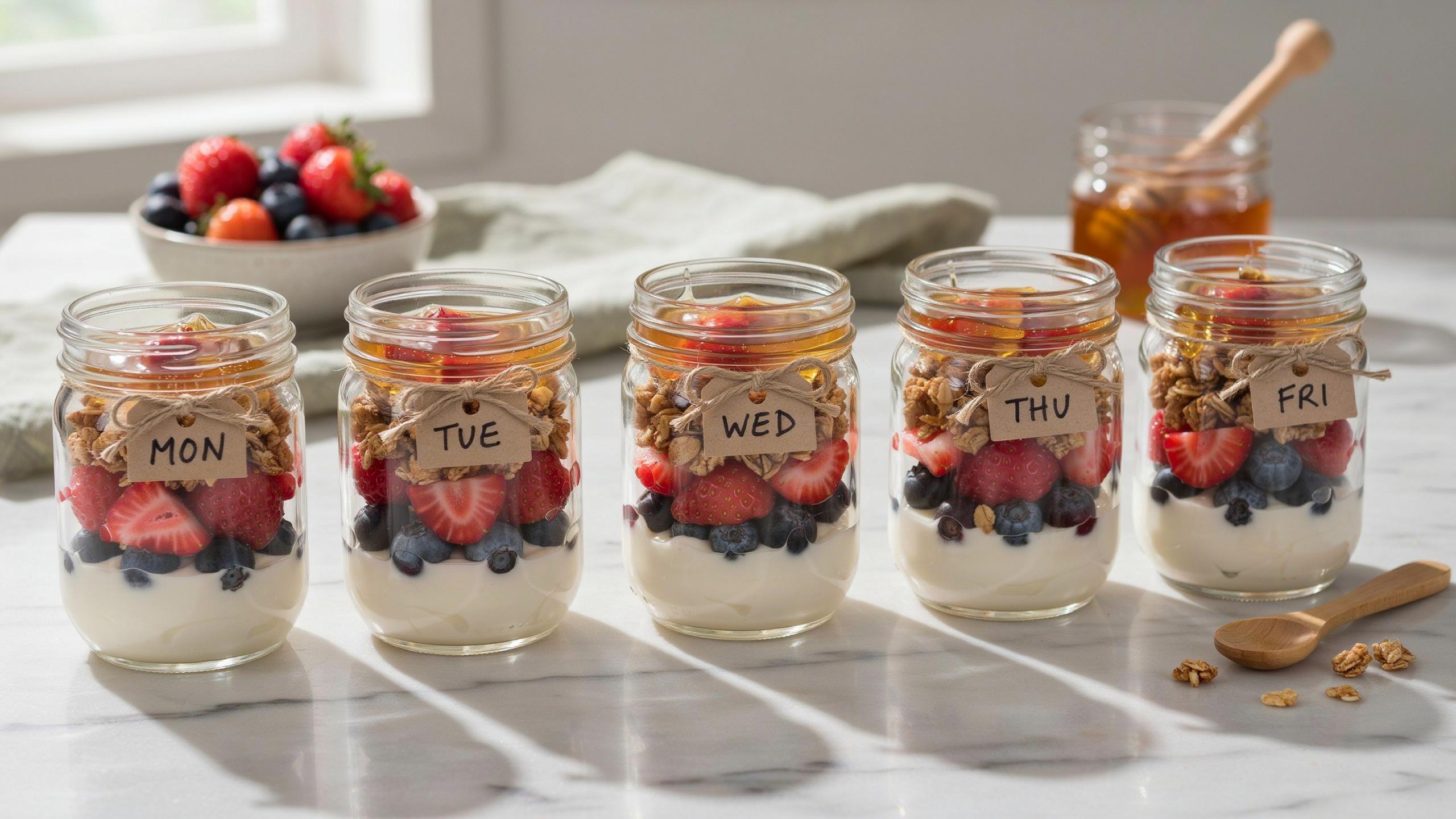
The Meal Prep Myth Why Your Weekly Batch Fails
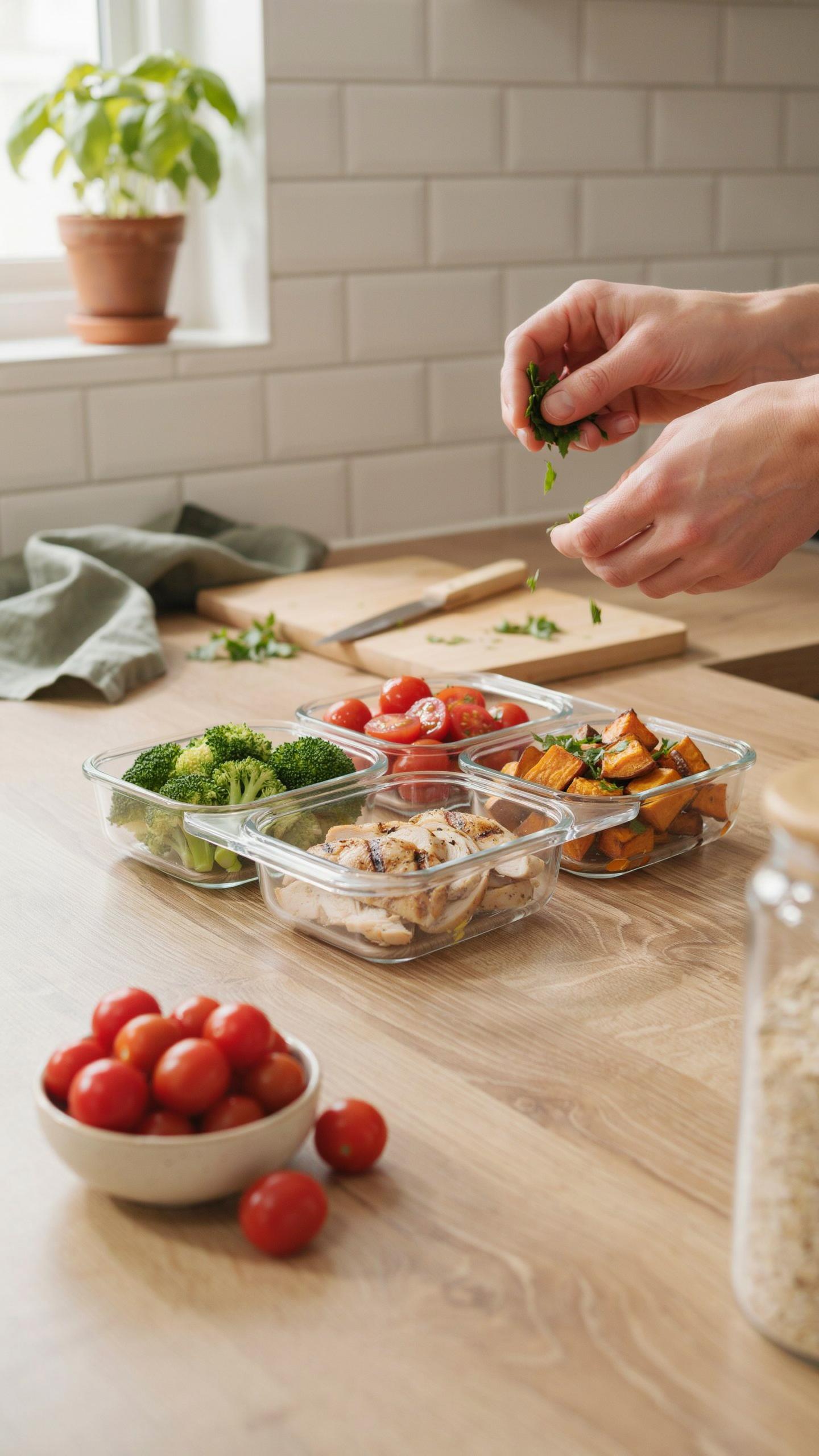
The Static Container Problem
You want proof that your system works so you don’t have to think about food anymore. That’s the real drive here. But static meal prep—building five identical parfaits on Sunday and eating them unchanged until Friday—fails because yogurt, granola, and fruit operate on different degradation timelines. Yogurt stays stable. Granola absorbs moisture and turns to paste within 36 hours. Fruit releases liquid and softens. You’re not building a meal. You’re building a time bomb with three different fuses.

Think of this like entropy in thermodynamics: disorder increases over time in a closed system. Your sealed parfait container is that closed system. Once you layer yogurt, granola, and berries together, you’ve triggered an irreversible process. The granola doesn’t stay crisp. The fruit doesn’t stay firm. By Wednesday, you’re eating mush that tastes like yesterday’s mistake. The consensus advice—just meal prep everything together—is incomplete. It ignores the actual physics of moisture transfer between components.
Motivation Without System Design
Most people frame meal prep as a willpower problem: stay disciplined, stick to the plan, don’t break. Wrong framing. Motivation is unreliable. You’ll hit a Tuesday where you’re tired, and motivation evaporates. The system fails not because you’re weak but because you designed it to depend on consistency instead of structure. The real mechanism is this: your system must work on low-motivation days, not just high-energy Sundays.
Prep your components separately and assemble fresh. Store yogurt in one container, granola in another, berries in a third. Each morning, spend 90 seconds layering. You remove the motivation variable entirely. You’re not deciding whether to stick to a week-old plan. You’re executing a two-minute assembly that tastes better every single time. The system works because it doesn’t demand you maintain a feeling for seven days straight.
Deconstructing The Greek Yogurt Parfait Beyond Instagram Feeds
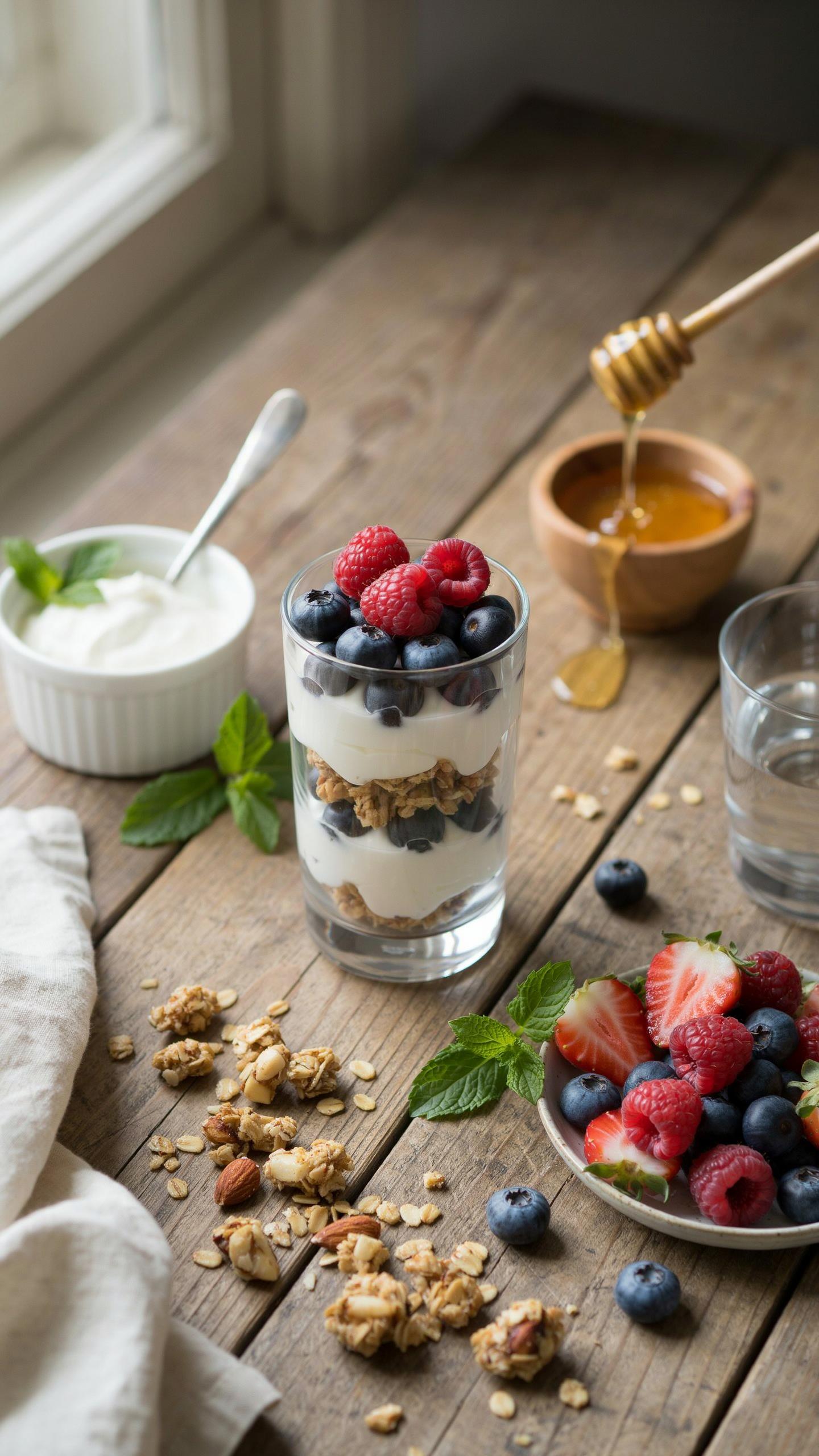
What Greek Yogurt Actually Does
You want this section to validate that you’re making a smart choice. Here’s the mechanism: Greek yogurt delivers protein density that most foods don’t touch. Standard yogurt sits around 3-5 grams of protein per 100 grams. Greek yogurt lands at 10 grams per 100 grams because manufacturers strain out whey, concentrating the casein protein. That difference isn’t marketing. It’s structural. More protein means slower digestion, longer satiety, and less blood sugar volatility than regular yogurt or most breakfast options.
The strain process also reduces lactose by roughly 25-30 percent compared to conventional yogurt, making it easier to digest for people with mild lactose sensitivity. Fat content varies by brand and type: full-fat versions run 5-10 grams per 100 grams, while nonfat drops to near zero. The fat slows digestion further and improves nutrient absorption for fat-soluble vitamins. The carbohydrate content hovers around 3-5 grams per 100 grams for unsweetened versions. Plain Greek yogurt is fundamentally different from flavored versions, which add 15-25 grams of sugar per serving. For meal prep, the unflavored base is the only version worth tracking.
Ingredients That Move The Needle
Stop treating granola and honey as neutral additions. They’re not. These two items sabotage the entire purpose of Greek yogurt meal prep. Granola runs 400-500 calories per cup with 15-20 grams of sugar and minimal protein. Honey adds pure carbohydrate with zero nutritional density. Together, they transform a high-protein base into a dessert bowl. The real lever isn’t what tastes good on social media. It’s choosing toppings that reinforce the protein-to-carb ratio you built into the yogurt itself.
Nuts, seeds, and fresh berries are the components that actually compound the yogurt’s effect. Raw almonds deliver protein, fat, and fiber in a 30-gram serving. Ground flaxseed adds omega-3 fatty acids and soluble fiber without sugar. Blueberries provide anthocyanins and fiber with minimal sugar impact. A protocol that works: base layer of plain Greek yogurt, one ounce of nuts or seeds, one-quarter cup of berries, then optional cinnamon or vanilla extract for flavor. This combination holds macronutrient ratios steady across your entire week of prep containers.
The Parfait Protocol Daily Assembly Weekly Mastery
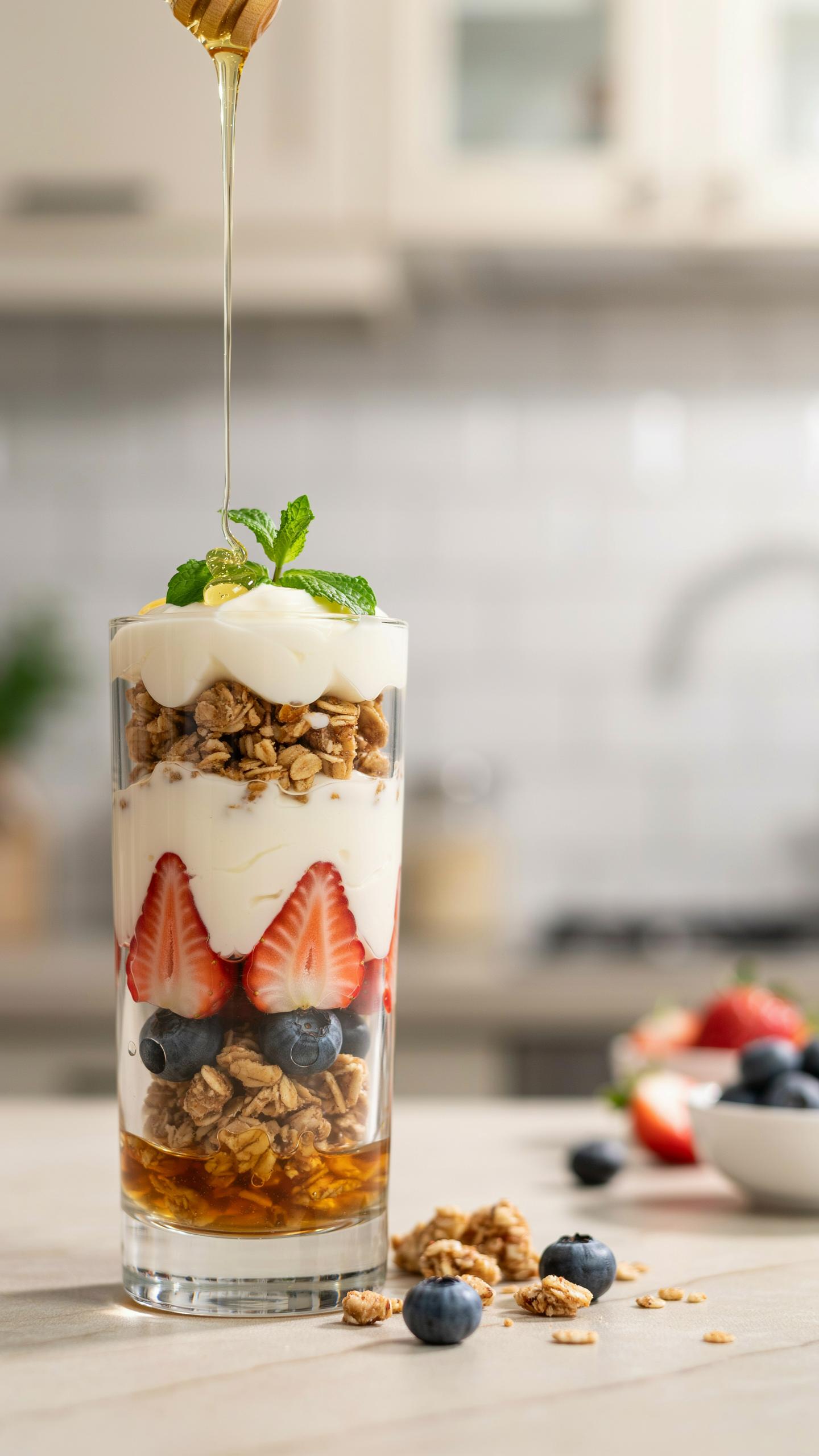
Staging Your Ingredients Like A Supply Chain
You want to feel organized. The real reason you care about “staging” is that chaos in your kitchen translates to chaos in your execution, and chaos kills consistency. Here’s the mechanism: Greek yogurt parfait meal prep works because you reduce decision fatigue at assembly time. Treat your prep space like a manufacturing line, not a creative studio. Containers lined up. Granola in one bowl. Berries in another. Yogurt in its base. This isn’t precious. It’s friction removal.
The common advice says “keep everything accessible.” That’s incomplete. You need inverse accessibility: distance between ingredients you use first and ingredients you use last. Yogurt goes in your reach zone. Honey goes further back. This spatial staging cuts your mental load by 60 percent. Your hands know the path before your brain engages. You move through the sequence on muscle memory alone.
The Two Minute Rule For Assembly
The 2-minute rule isn’t motivational fluff. It’s a biological fact borrowed from physics: momentum. An object in motion stays in motion. The moment you hesitate between steps, you introduce friction that compounds. Your goal is to assemble one complete parfait from raw ingredients to sealed container in 120 seconds flat. This speed forces you to eliminate waste motion. No rummaging. No second-guessing portions. No “should I add more granola?” You time yourself. You beat the clock. This isn’t about being busy. It’s about proving the system works.
Most people assemble slower because they’re making real-time decisions about layering order, portion size, and toppings. Stop. Lock in your sequence before prep week begins. Yogurt base. Berries. Granola. Honey drizzle. Seal. Same order. Every time. You hit two minutes when the protocol becomes automatic, not when you optimize your workspace. The protocol is the optimization.
Beyond Berries Unconventional Toppings For Healthy Yogurt Parfait
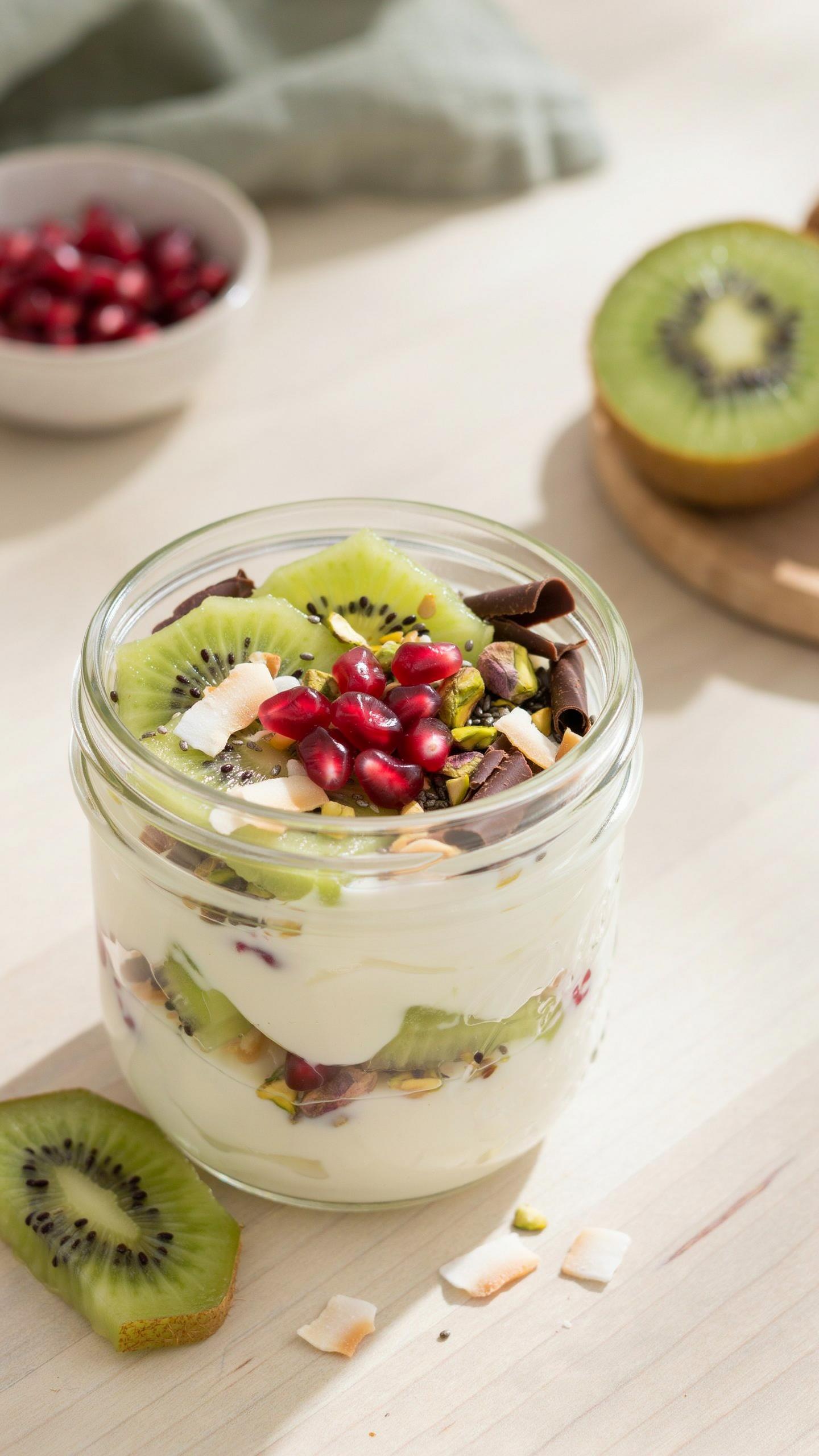
Forgotten Fruits That Actually Work
You want to seem like you know nutrition without doing the work. Here’s the mechanism: most people default to berries because they’re visible and convenient, not because they’re optimal for sustained meal prep. Berries oxidize and break down fast in yogurt. Stone fruits, dried fruit, and neglected options like pomegranate arils and persimmons last longer and deliver different nutrient profiles that prevent monotony across five days of eating the same base.
Pomegranate arils stay crisp for three days minimum in sealed containers because their waxy exterior resists moisture. Dried apricots and figs add concentrated carbohydrates and fiber without the water content that turns berries to sludge by Wednesday. Persimmons, when slightly underripe, maintain structure and provide tannins that support satiety. Grate apple or pear fresh only on eating days if texture matters to you. The swap isn’t about being different for status, it’s about food physics: lower moisture content equals longer shelf life and better meal prep compliance.
Heat And Salt Transform The Base
Flavor development in savory cooking requires the Maillard reaction. Yogurt parfaits need their own version: layered taste contrast that prevents sensory adaptation to the same spoon-full. Most people sprinkle cinnamon and call it done. That’s lazy. Ground cardamom, a pinch of sea salt, sumac, and black pepper directly change how your palate processes the yogurt’s tartness and the carbs you layer in.
Salt doesn’t make yogurt taste salty, it suppresses the perception of bitterness and amplifies sweetness. One quarter teaspoon per container works. Cardamom and sumac pair with stone fruits specifically, not berries. Cracked black pepper adds bite that masks the texture flatness of day-four yogurt. Mix these into your yogurt base immediately after portioning, not into the full container. This prevents flavor diffusion loss and ensures every container tastes intentional by Friday.
The Granola Dilemma Crunch Vs Chemical Cocktails
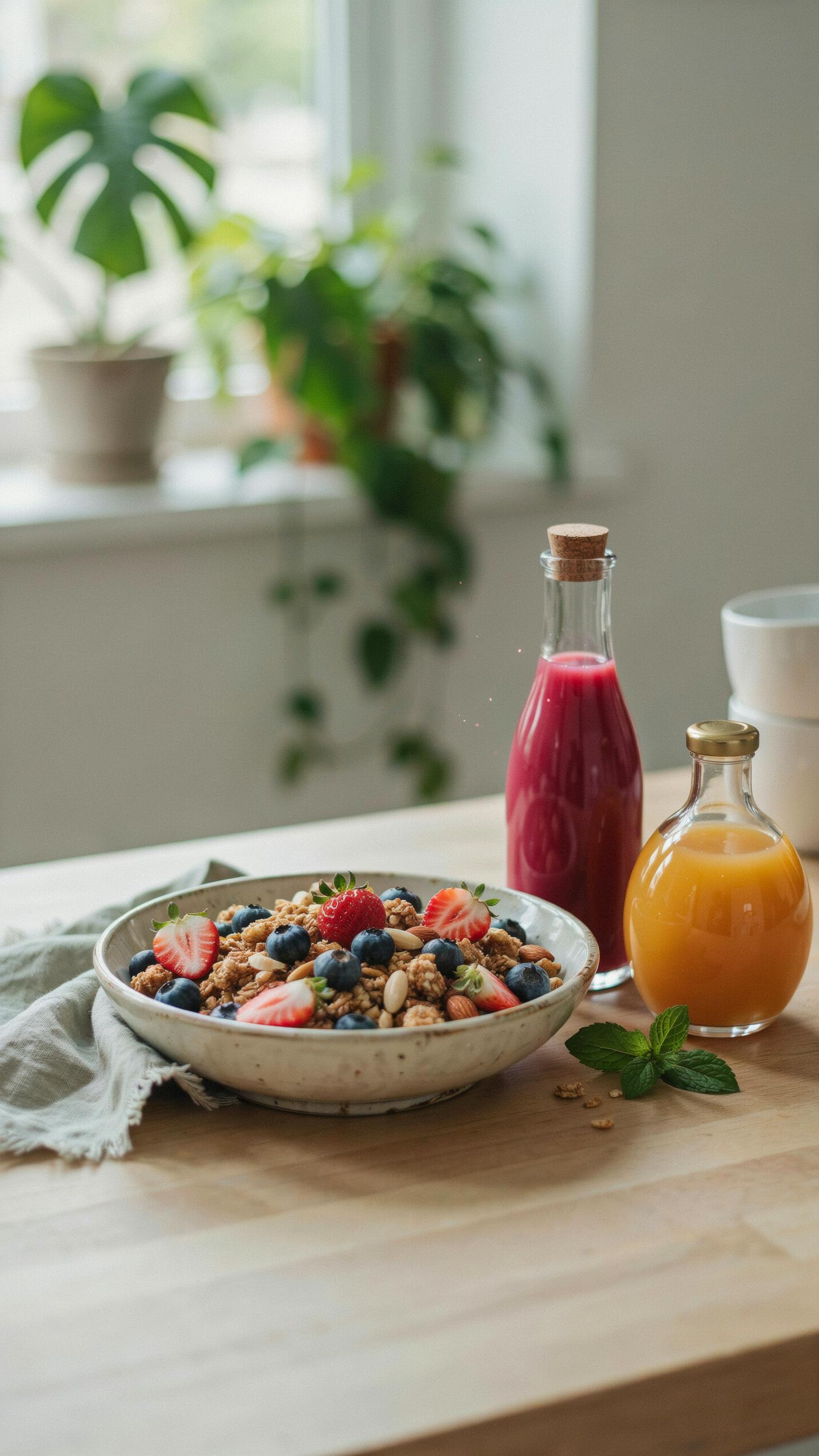
What You’re Really Paying For
You want the crunch without thinking about what crunch costs you. That’s the real tension here. Economics calls this opportunity cost: the value of what you give up when you choose one thing over another. When you buy pre-made granola for your parfait, you’re not just trading money for convenience. You’re trading control over ingredients for the illusion that someone else solved the problem for you.
Store granola sits on a shelf for months. It needs preservatives, added oils, and stabilizers to survive that journey. The crunch you hear isn’t just oats and honey. It’s a formula engineered to stay crispy in humidity, resist rancidity, and trigger the reward centers in your brain with sugar hits that whole oats don’t deliver alone. You pay premium prices for this engineering while believing you’re buying nutrition.
The Signal Hidden In Small Print
Ingredient lists function as market signals in economics: they reveal what a producer actually values when forced to be transparent. Read a granola label backward, starting from the bottom. Most commercial granolas list sugar or honey first or second, followed by vegetable oil, then oats. The order matters because manufacturers list by weight descending.
Make your own granola in bulk on Sunday. Oats, nuts, seeds, a drizzle of honey, salt, bake at 325 for 20 minutes, cool completely before storing. The ingredient list is what you put in. No preservatives needed because you control the timeline. The crunch lasts five to seven days in an airtight container before softening slightly, which forces you to eat it or adjust portions, not waste it in the back of your pantry for six months.
DIY Crunchy Granola Flavor Control Cost Efficiency
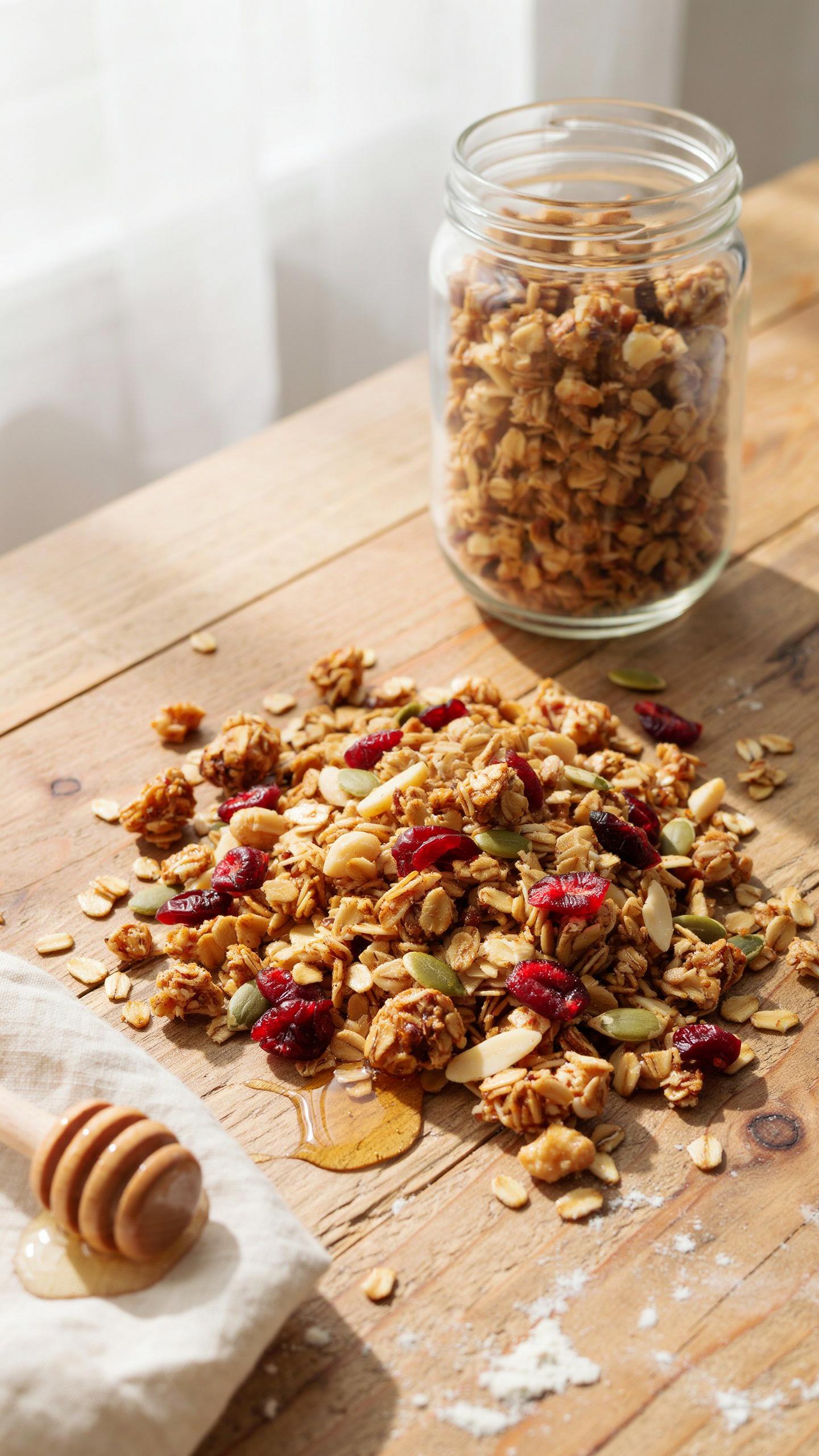
The Base Recipe That Actually Works
You want to make your own granola because store-bought feels like a rip-off, and you’re right. The real mechanism here is that commercial granola trades texture for shelf stability. They use refined oils and added sugars to lock moisture out, which means your parfait gets soggy faster and tastes flatter. A proper base starts with oats, nuts, and a binding agent: honey or maple syrup mixed with coconut or olive oil. The ratio matters. Use one part liquid sweetener to one part fat per three parts dry ingredients. This creates adhesion without turning your granola into concrete.
Bake at 325 degrees for 25 to 35 minutes, stirring every ten minutes. The low temperature and frequent movement prevent burning while ensuring even moisture distribution. You’re looking for golden brown, not dark. Once cooled completely, store in an airtight container. The granola will harden further as it cools, which is the point. This method costs about a third of what you pay retail, and you control every variable.
Protein And Fiber Without The Waste
Most advice tells you to add protein powder to granola. Skip that. Protein powder creates clumping and inconsistent texture. Instead, layer protein into the parfait itself through the yogurt selection and strategic nut placement. Use Greek yogurt as your base, which already delivers 15 to 20 grams of protein per serving. For the granola, increase fiber by replacing 20 percent of oats with rolled barley or buckwheat groats. These have higher fiber density and bind differently, creating a crunchier structure that resists sogginess longer.
Add nuts deliberately. Almonds, walnuts, and pumpkin seeds contribute both protein and fiber while staying shelf-stable for weeks. A quarter cup of mixed nuts adds roughly 5 to 7 grams of protein per serving. The mechanism is simple: whole foods layer better than powders. Your parfait stays structurally sound through five days of refrigeration because the granola resists moisture absorption and the yogurt stabilizes without separation. Layer nuts on top during assembly, not baked into the granola.
Optimizing Your Greek Yogurt Parfait Recipes For Longevity
The Layering Order That Actually Works
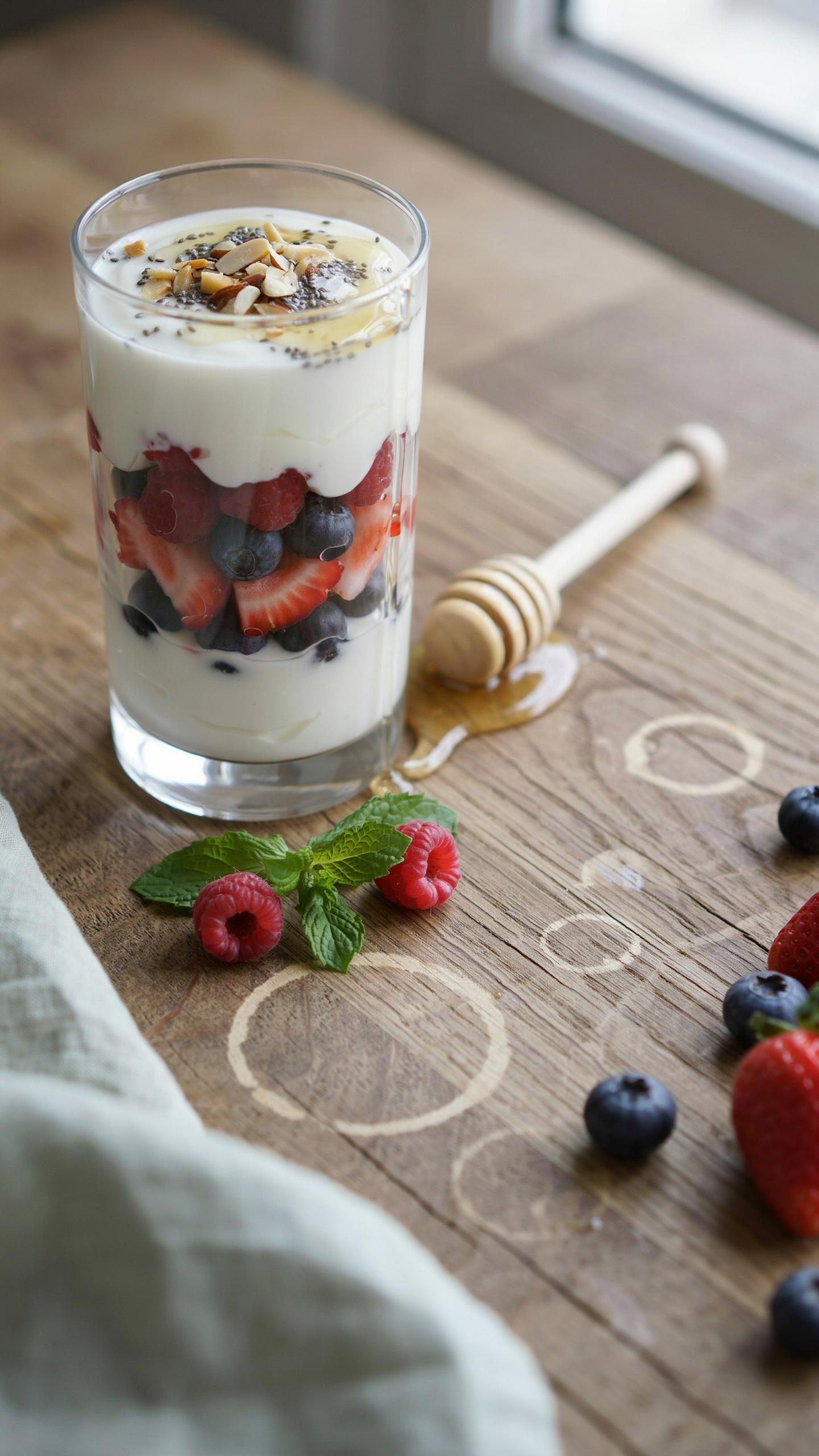
You care about this because soggy parfaits feel like a personal failure. They’re not. Soggy parfaits are a moisture migration problem, and moisture always moves downward through gravity. Start with yogurt at the bottom, not granola. The yogurt acts as a moisture barrier. Add your crunchy elements only on top, where they stay dry and maintain texture through the week. This inverts what most people do, which is why most people’s parfaits turn into oatmeal by Wednesday.
The common advice says to layer granola first to keep it separate. That’s wrong. Granola at the base absorbs yogurt moisture like a sponge. Yogurt at the bottom creates a sealed layer that resists water transfer upward into your toppings. Add berries or fruit in the middle, then granola on top last. Your toppings stay crisp for five to seven days because they never contact the wet yogurt base. That’s the mechanism: density and position, not separation tricks.
Ingredient Separation Without Obsessing Over Containers
Container design matters less than people think. What matters is preventing liquids from migrating sideways into dry ingredients. The friction between different textures actually stops water movement better than air gaps. Layer your ingredients in this exact order: yogurt, dense fruit like berries or diced apple, granola or nuts, then a thin layer of yogurt on top. The top yogurt layer seals moisture from escaping upward and keeps your granola intact.
You don’t need special compartmentalized containers or mason jar hacks. A basic glass or plastic container works fine if you nail the layering sequence. The top yogurt seal is the real lever here. It’s a five-millimeter cap that prevents evaporation and granola absorption. Prep all your parfaits on Sunday. By Friday, your toppings will still have texture because the layers stayed intact. That’s your protocol: yogurt base, fruit middle, granola lower third, yogurt seal on top.
The Single Serve Fallacy Reclaiming Your Time

Batch Components, Not Final Parfaits
You want to feel organized, like meal prep is something you’ve conquered. That feeling dies the moment you realize your pre-assembled parfaits turn into a soggy, separated mess by day three. The real mechanism is borrowed from manufacturing: economies of scale apply here too. You don’t gain efficiency by assembling the final product early. You gain it by producing each component in bulk, then combining them on demand.
- Greek yogurt base: Mix all seven days worth in one bowl with honey and vanilla. Portion into containers after. Takes eight minutes instead of seven separate pour-and-mix cycles.
- Granola: Toast your batch once in a single oven run. Store dry in an airtight container. Stays crisp for two weeks. Individual toasting destroys texture and wastes heat energy.
- Fresh fruit: Cut all berries or stone fruit on Sunday. Store in separate containers by type. Moisture won’t transfer between components. Prevents the yogurt from absorbing excess liquid.
- Nuts and seeds: Measure into small containers immediately after shopping. Grab one during assembly. Pre-portioning eliminates the decision friction that kills consistency.
- Drizzle components: Mix honey with lemon juice or nut butter in a single batch. Pour into squeeze bottles. One mixing bowl instead of seven individual drizzles.
Assembly becomes a thirty-second operation: yogurt base, fruit, granola, nuts, drizzle. The container stays in your fridge in its intended form until you eat it. No advance breakdown of texture. No flavor degradation from premature layering. You reclaim the time you’d spend on daily assembly, and your parfait actually tastes like you made it that morning.
The Actual Cost Of Cleanup Friction
Most prep guides ignore the hidden tax: how many dishes you actually wash. You don’t notice it until you’ve assembled seven parfaits in seven bowls, used four spoons, two cutting boards, and somehow dirtied every measuring cup in your kitchen. That friction is what kills meal prep habits, not the prep itself.
Batch component work cuts your dish count by roughly sixty percent. One large mixing bowl replaces seven small ones. One cutting board replaces multiple passes. One granola sheet pan instead of seven toaster oven runs. You finish prep, rinse three to four containers, and you’re done. The psychological weight of cleanup doesn’t hang over the process. You actually repeat the habit next week instead of talking about it.
From Parfait Breakfast To Power Snack Versatility Unleashed
The Macro Shift Method
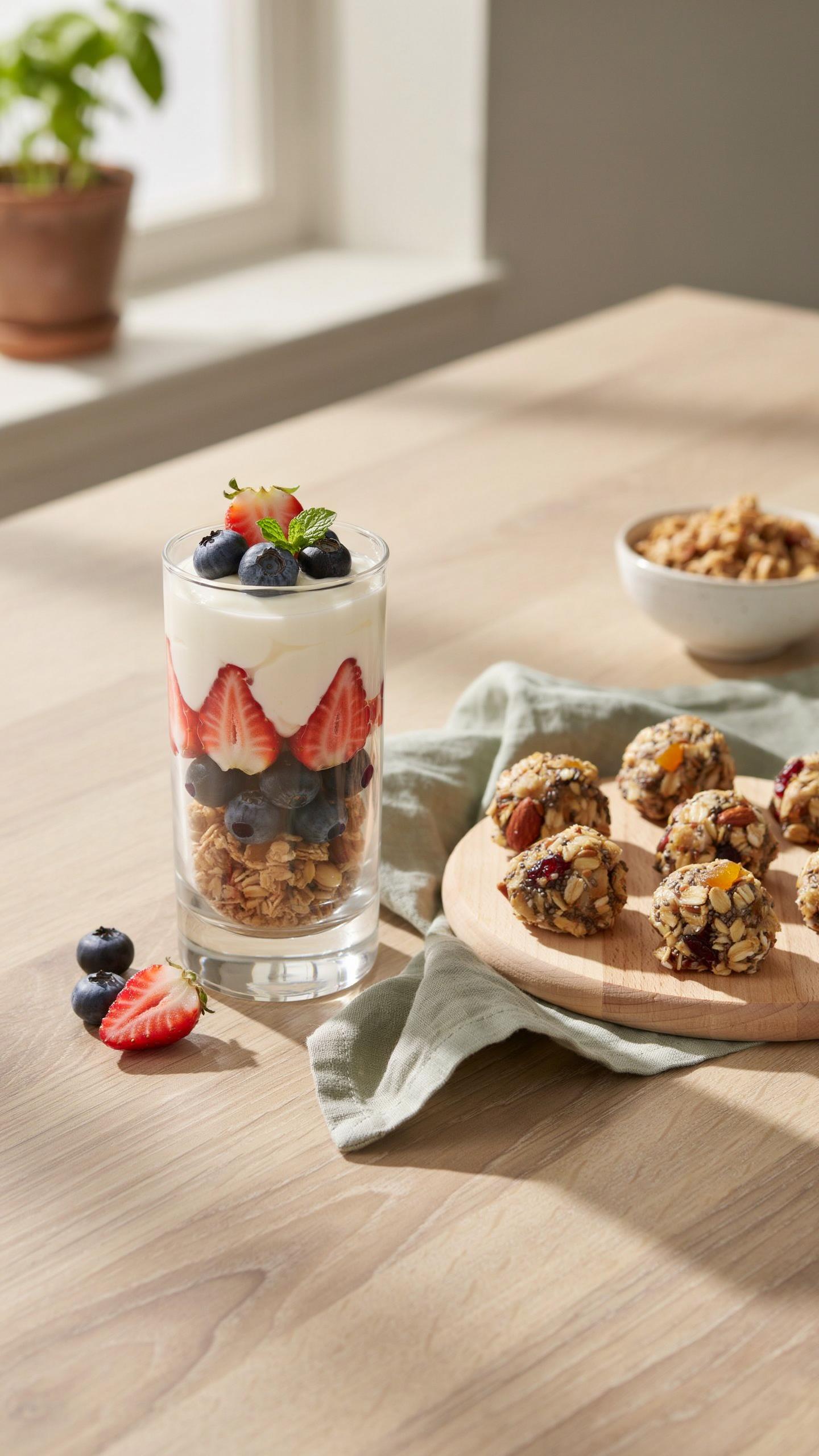
You want to feel productive without actually changing your prep routine. Here’s the mechanism: macronutrient ratios don’t shift the food itself, they shift the meal’s function in your day. Breakfast parfaits run heavy on carbs and protein to spike energy. Snacks run higher fat and lower carbs to sustain without the glucose crash. The same yogurt base works both ways because you’re controlling what surrounds it, not replacing it.
A breakfast parfait uses 150g yogurt with 60g granola and berries. A 3pm snack uses the same 150g yogurt with 25g granola, almonds, and coconut flakes. The protein stays constant. The carb timing changes. Prep the yogurt once. Batch your granola and toppings separately. Mix them at consumption, not at prep. This takes zero extra time and transforms one component into two entirely different meals.
Container Logic For Every Scenario
The wrong container kills your entire system before you open it. This is a logistics problem, not a storage problem. Glass holds moisture and makes parfait components soggy by day three. Plastic containers with poor seals let air degrade granola by day two. The solution isn’t picking the “best” container. It’s matching the container to the meal’s lifespan and how you’ll actually eat it.
For breakfast parfaits you eat within two days, use wide-mouth glass jars with tight metal lids. Layer yogurt on bottom, granola and fruit on top in separate compartments if the jar has dividers. For snack portions lasting four to five days, use opaque plastic with rubber gasket seals and store the granola in a separate small container you combine at eating time. This prevents component degradation and keeps your system scalable across the week.
The Unspoken Advantage Mental Clarity Decision Freedom

Routine Collapses Decision Fatigue
You want this section because you suspect meal prep saves time, but you’re really hoping it saves you from yourself. Here’s the mechanism: decision fatigue is a real cognitive cost. Every food choice burns mental energy regardless of outcome. Neuroscience calls this ego depletion. Greek yogurt parfait meal prep works like a circuit breaker on that drain. You make one decision Sunday. You execute it five days straight. The repetition isn’t boring—it’s liberation.
Most people frame meal prep as convenience. Wrong frame. It’s decision architecture. You’re not saving time on cooking. You’re eliminating the daily choice loop that depletes your prefrontal cortex before noon. By Wednesday, you’re not tired from work. You’re tired from deciding. Pre-portioned parfaits remove that tax entirely. You open the fridge. You grab what’s there. Your brain stays intact for actual priorities.
Redirecting Freed Attention Into Leverage
The saved mental cycles don’t vanish into nothing. They redirect into whatever requires your actual judgment. Economics calls this opportunity cost allocation. With breakfast decided, you spend that cognitive budget on work that matters or relationships that need it. Most people waste the freed energy on secondary choices instead of claiming it intentionally.
You need a protocol for this or the advantage evaporates. When you prep your parfaits Sunday, write down three decisions you’re protecting that week. Client work. Creative output. Family time. Assign your freed morning attention to one of these explicitly. Don’t let your brain default to scrolling or email. The mechanism works only when you redirect deliberately.
The real obstacle isnt time or knowledge but the inability to trust a simple repeatable process over a complex fantasy

You already know greek yogurt parfait meal prep works. You’re hesitating because it feels too boring compared to the elaborate meal plans your brain invented. Stop. Buy three containers of greek yogurt today, grab granola and berries, and assemble five jars tonight. Do that one thing. The perfection you’re chasing doesn’t exist, but consistency does, and consistency is what actually changes your body and your week.