
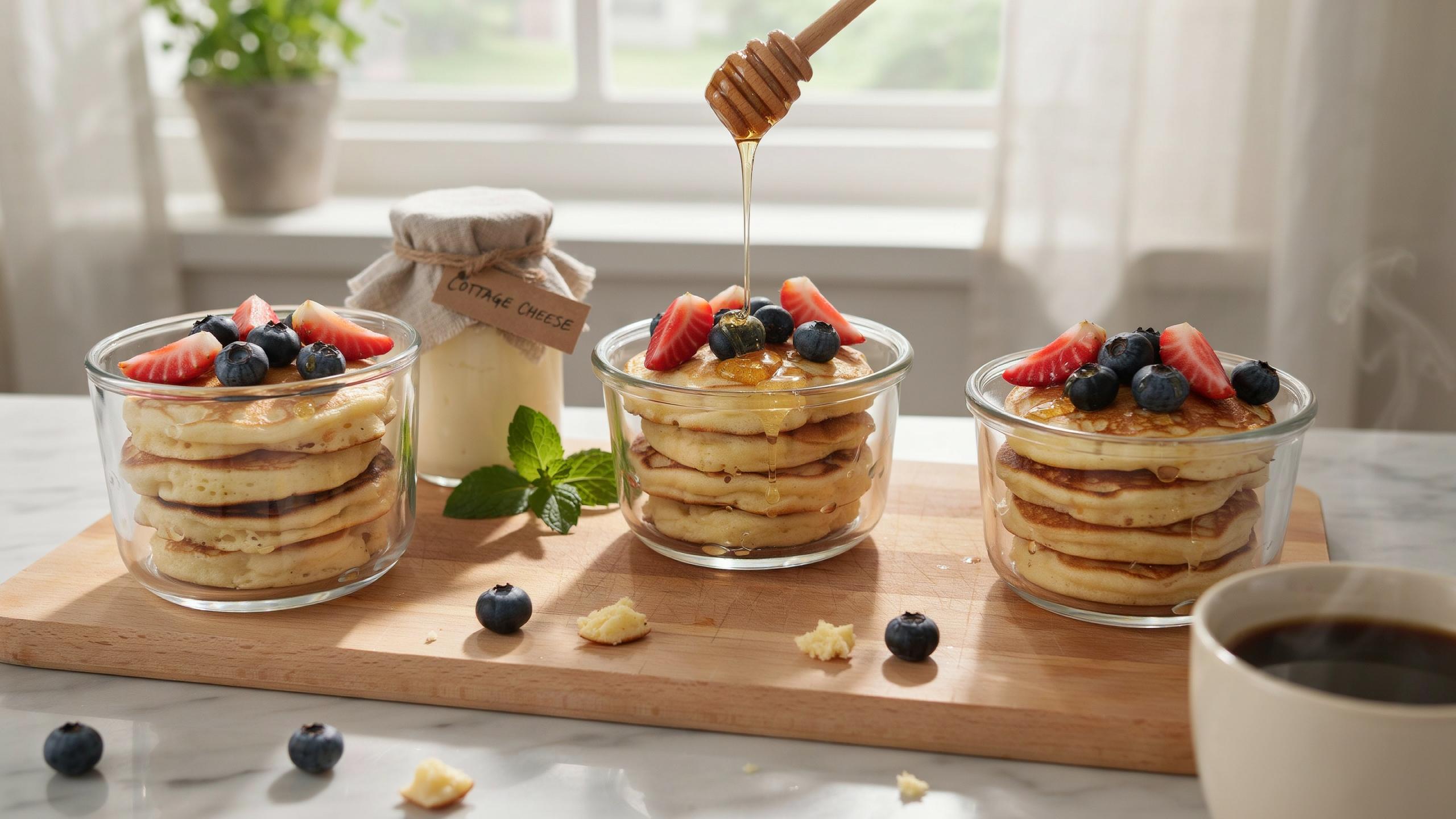
Beyond Macros The True Power Of High Protein Breakfast
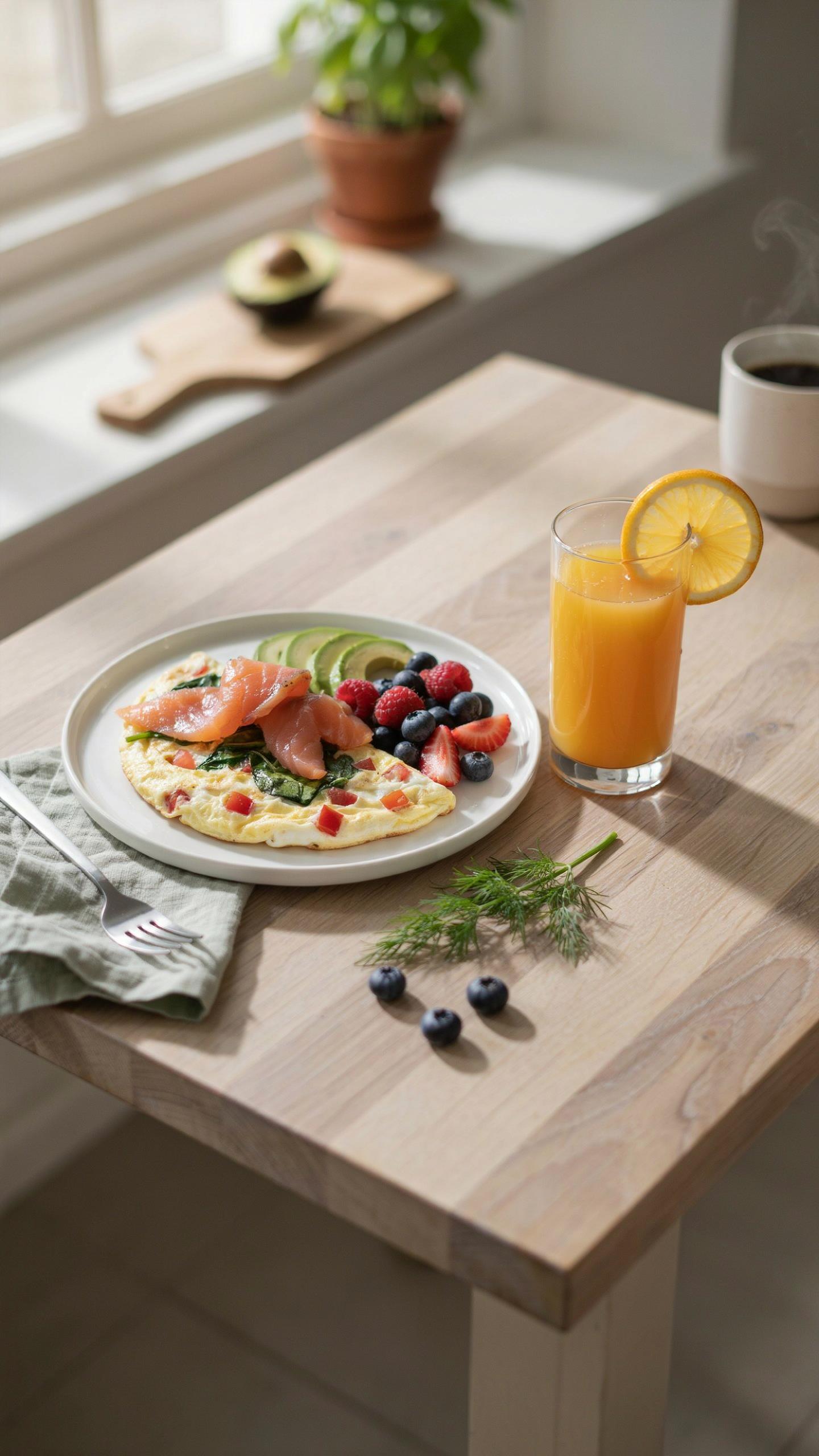
Steady Blood Sugar, No Crash
You want to feel sharp all morning without the 10am collapse. That’s the real reason you’re reading this. The mechanism is simple: protein slows gastric emptying, which means your stomach releases food into the bloodstream gradually instead of all at once. This is basic physiology, not marketing.

Cottage cheese pancakes stabilize blood glucose because they combine protein with carbs. The protein delays carb absorption. Your pancreas doesn’t spike insulin. No spike means no crash. A standard pancake breakfast spikes blood sugar within 30 minutes and tanks it by 11am. Cottage cheese pancakes keep you level until lunch. That’s the difference between sustained work and distraction.
Mental Clarity Without The Fog
Neurobiology teaches us that glucose availability directly affects prefrontal cortex performance. Cottage cheese pancakes act as a steady glucose delivery system to your brain. Unstable blood sugar starves your attention span. Stable blood sugar feeds it.

Most breakfast advice ignores the cognitive layer entirely. People focus on “energy” like it’s one thing. It’s not. Your brain needs consistent fuel for executive function: decision-making, focus, memory. Amino acids from cottage cheese also serve as precursors to neurotransmitters like dopamine. You get mental clarity because your brain has both stable fuel and the raw materials it needs to operate. Prep your cottage cheese pancakes the night before so you eat them within 30 minutes of waking. Timing matters more than perfection.
Cottage Cheese Pancakes The Unconventional Powerhouse
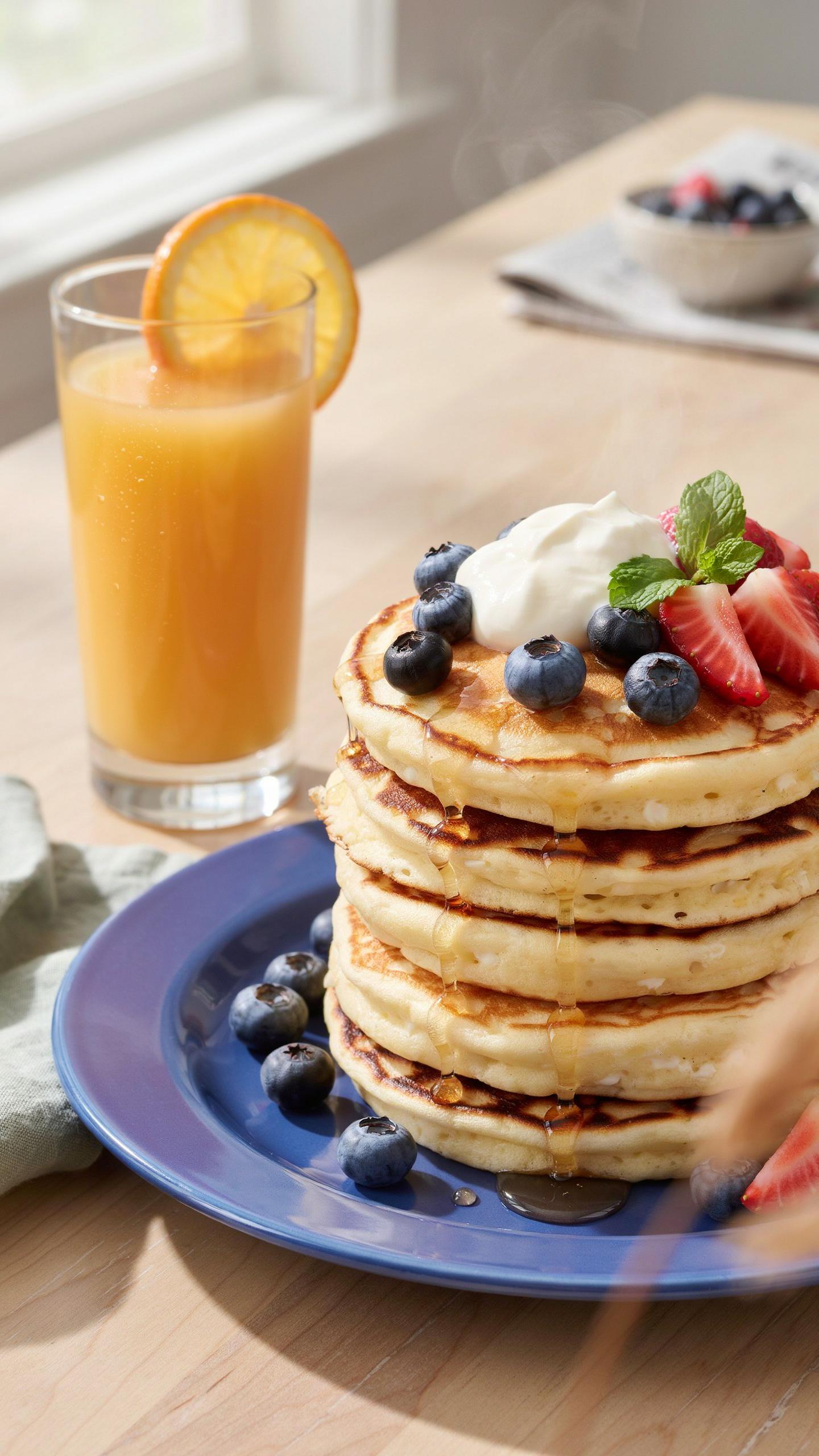
Why Cottage Cheese Wins The Protein Game
You want the shortcut that makes you look disciplined without actually changing your life. That’s the real draw here. The mechanism is simple: cottage cheese contains casein protein, which digests slowly and triggers sustained amino acid release into your bloodstream. Whey protein spikes fast then drops. Casein doesn’t. Your muscles get a steady feed for hours instead of a rush followed by a crash. That’s why bodybuilders have used it for decades. Cottage cheese just does the same job in food form.
Most people miss the practical advantage. One cup of cottage cheese delivers 25 to 28 grams of protein depending on the brand. A whole egg has six. You need four to five eggs to match cottage cheese’s protein load, but cottage cheese brings less fat, fewer calories, and no cooking hassle beyond mixing it into batter. The satiety effect also outlasts whey because casein sits in your stomach longer. You stay fuller. Your hunger hormones don’t spike as hard midday. Slower digestion beats faster absorption when your goal is sustained energy and appetite control.
The Overlooked Nutritional Layer
Biology teaches us about nutrient bioavailability, which is your body’s capacity to absorb and use what you eat. Cottage cheese brings multiple forms of protein and micronutrients that work together, not alone. One serving contains phosphorus, selenium, and B vitamins alongside casein and whey protein. These cofactors amplify each other’s function. A protein powder doesn’t replicate this interaction because it strips the food down to isolated fractions.
Cottage cheese also contains a small amount of lactose and lactic acid. Lactose feeds beneficial gut bacteria. Lactic acid lowers the pH in your digestive tract, which enhances mineral absorption like calcium and magnesium. You’re not just eating protein. You’re building an environment where your body absorbs more of what you’re feeding it. When you blend cottage cheese into pancake batter, you preserve these compounds and lock them into a vehicle that makes them harder to overconsume. Pour the same calories as whipped cream on a pancake and you’ll eat twice as much before satiety kicks in.
The Stack Scale Meal Prep Protocol
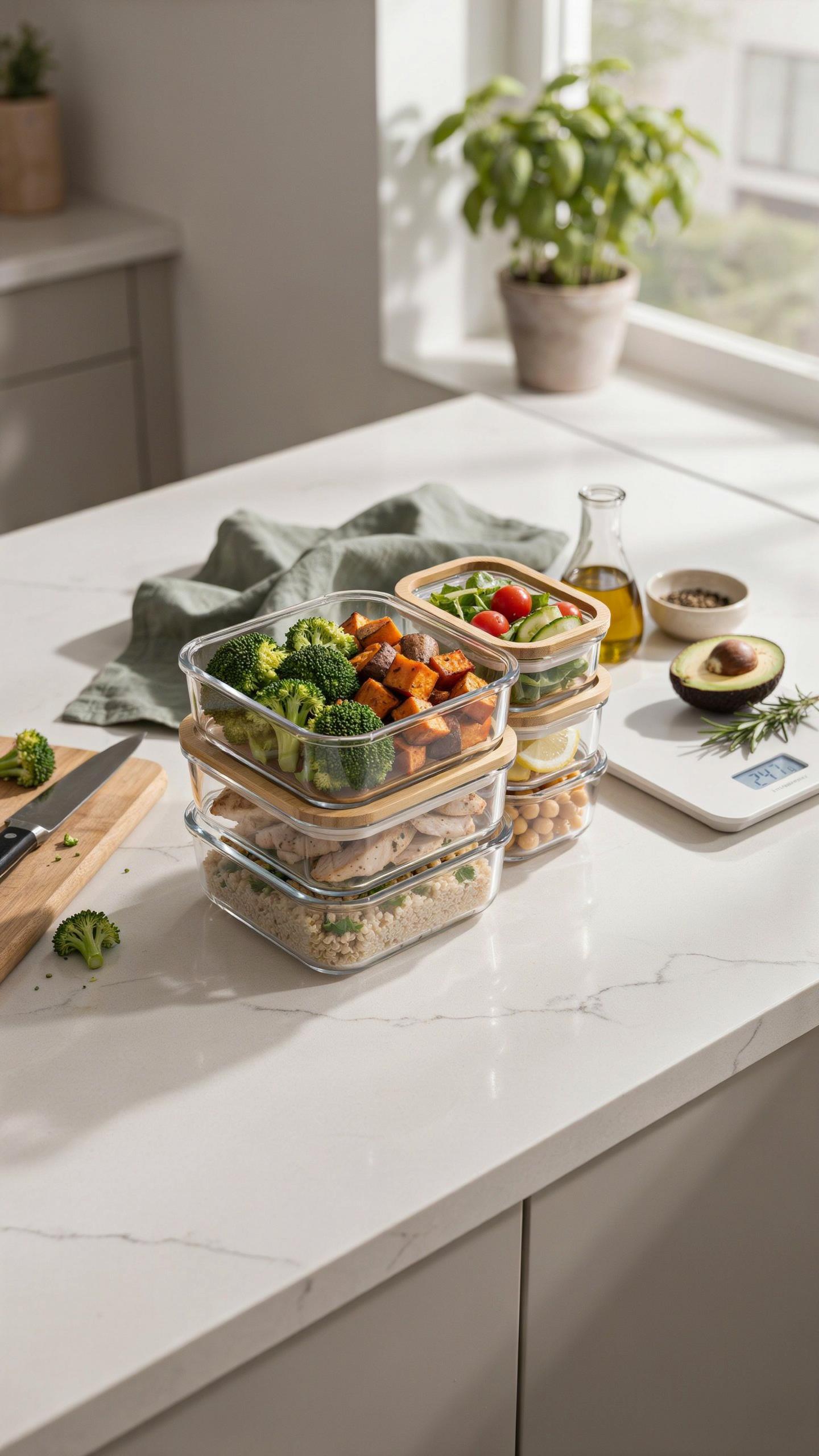
Cook Once, Eat Six Days
You want the illusion of control without the actual daily grind. The mechanism that makes cottage cheese pancake prep work is batching: you collapse time by doing one cooking session instead of six, which eliminates decision fatigue and the friction that kills consistency. Cook a double or triple batch on Sunday, portion into containers, refrigerate for up to six days. Cottage cheese pancakes hold texture better than flour-based versions because the protein structure stabilizes moisture retention during storage.
The real constraint isn’t cooking time. It’s the psychological gap between intention and execution. Most people fail at meal prep because they underestimate how much mental energy breakfast takes on a Tuesday. A pre-cooked stack removes that variable entirely. Store pancakes in airtight containers with parchment between layers to prevent sticking. Reheat in a 300-degree oven for three minutes or microwave for 90 seconds to restore the original texture without drying the pancake out.
Adjust Macros Without Restarting
The common advice says “just eat less” or “add protein powder.” Both miss the actual lever: cottage cheese volume. In manufacturing terms, cottage cheese functions as your process variable. Increase it to raise protein and calories without changing the recipe structure. Standard cottage cheese pancake batches use one cup per four pancakes at roughly 28 grams of protein and 180 calories per pancake. Scale this relationship linearly based on your target macros, not guesswork.
If you need more calories, increase cottage cheese by 25 percent and add one tablespoon of honey or maple syrup per pancake. If you need more protein, use Greek yogurt or cottage cheese with higher milk fat solids instead of switching recipes. The same pan, same cooking time, same cleanup. Track what you actually made during your first batch, then document the adjustment. Next week, you won’t recalculate or waste a test run. You execute the known formula.
Crafting Your Optimal Cottage Cheese Pancake Recipe
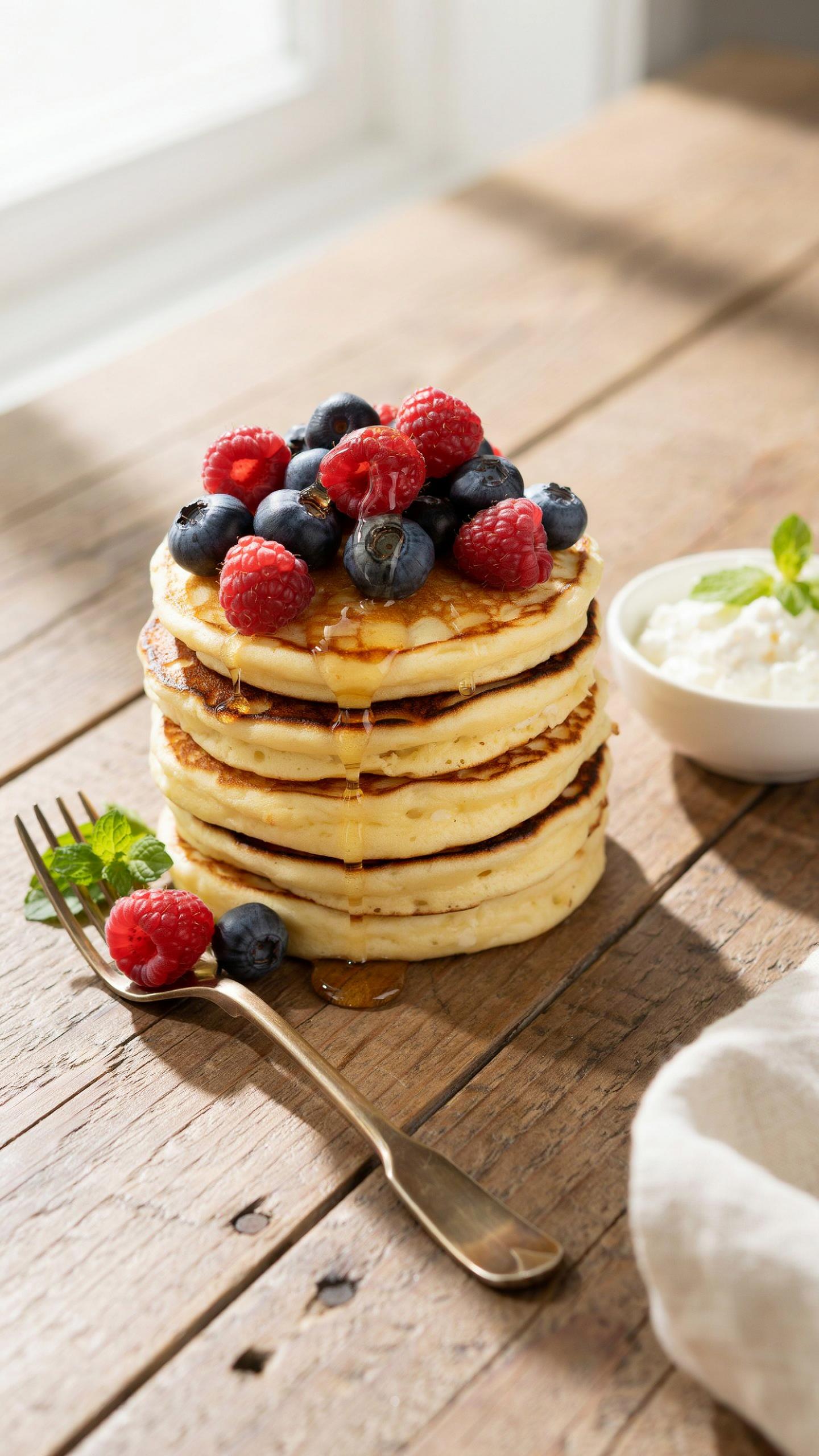
The Ingredient Hierarchy That Actually Works
You want to believe the recipe matters more than the ingredient quality, because that lets you skip the work of sourcing. It doesn’t. The protein leverage principle from engineering applies here: small changes in input materials compound into massive output differences. Your pancake is only as useful as its weakest macronutrient ratio. Most recipes fail because they treat cottage cheese as a filler instead of the anchor.
- Cottage cheese (full-fat or 2%): Provides casein protein that digests slowly. Full-fat versions add satiety; 2% cuts calories. Most meal-prep fails because people use non-fat, which tastes like drywall and doesn’t hold texture through reheats.
- Eggs: Bind the mixture and add choline. Use whole eggs, not whites. The yolk is where the nutrition density lives. Two eggs per half-cup cottage cheese is your baseline.
- Oat flour or rolled oats (ground): Creates structure without spiking blood sugar as much as refined flour. Don’t skip this step. Regular flour makes pancakes dense and kills the protein-to-carb ratio you’re after.
- Vanilla extract and cinnamon: These aren’t garnish. They mask the slight tang cottage cheese brings and trigger satiety signals in your brain. Cheap vanilla tastes like chemicals; invest here.
- Baking powder: One teaspoon per batch. This is what separates fluffy meal-prep pancakes from dense protein bricks. Don’t reduce it to cut calories; the texture collapse isn’t worth the savings.
The ratio game is where most people miss the optimization. One half-cup cottage cheese, two eggs, one-third cup oat flour, one teaspoon baking powder, half teaspoon vanilla, quarter teaspoon cinnamon. This ratio holds through refrigeration and reheating without falling apart. Mix in a blender for thirty seconds until the batter looks like thick pancake mix, not chunky. Lumps won’t cook out.
Cooking For Consistency Across Batches
The heat control mechanism is the difference between meal-prep that works and meal-prep that dies in the fridge by day three. Medium-low heat is where people fail. They crank it to medium or medium-high because they’re impatient, the bottom browns too fast, the inside stays wet, and the pancake collapses when they flip it or reheat it. The cottage cheese moisture content demands lower, slower heat than regular pancakes.
Use a non-stick skillet or cast iron with a light butter coating. Let the pan stabilize for two full minutes at medium-low before your first pancake touches it. Pour batter into three to four-inch circles. Wait until the top surface shows bubbles forming and the edges look set, roughly three to four minutes. Only then flip. The second side needs two to three minutes to firm up. Undercooking the second side is the silent killer. If it feels slightly spongy when you press it with a spatula, give it another minute. This creates the structural integrity that survives five days in the fridge without becoming a sponge.
The Anti Boredom Blueprint Flavor Variations
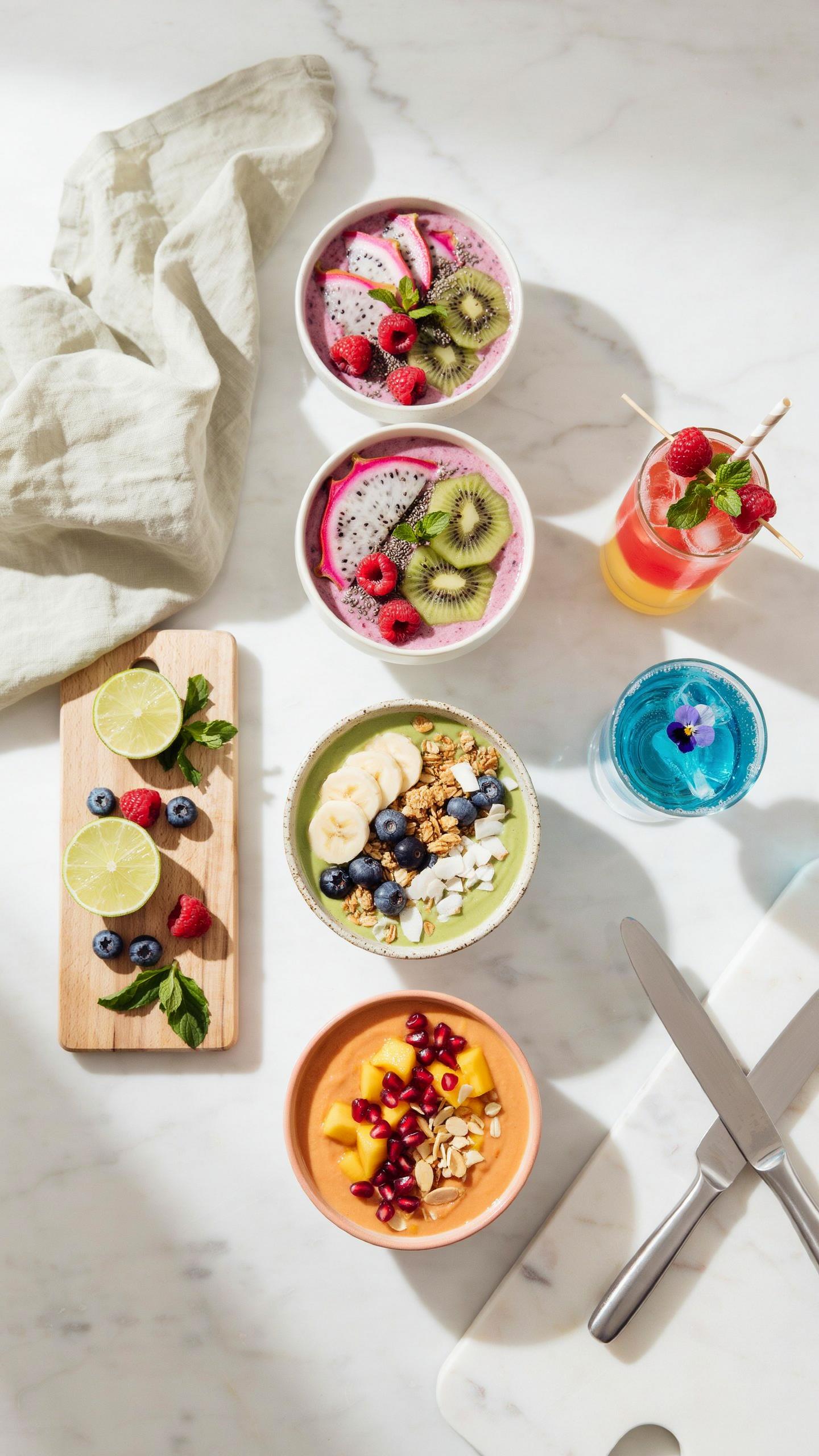
Sweet Variations Without The Crash
You want to feel like you’re eating a treat instead of a protein vehicle. That’s not shallow. The mechanism is simple: your brain releases dopamine when taste matches expectation, which reinforces the habit. Cottage cheese pancakes taste neutral by default. You need to engineer that match deliberately or you’ll abandon the meal prep after week two.
Honey and maple syrup work, but they spike blood sugar and undo the protein’s stabilizing effect. Better move: use ripe bananas, berries, or dates blended into the batter itself. The natural sugars distribute evenly through the pancake, the fiber slows absorption, and you get sweetness without the insulin spike. Vanilla extract, cinnamon, and nutmeg cost nothing and transform the taste profile entirely without adding carbs.
Savory Additions That Change The Game
Most people skip savory pancakes because consensus says pancakes are sweet. Consensus is wrong here. In flavor architecture, the principle is contrast and complexity, not category purity. A savory pancake activates different neural pathways than sweet, which means it fights habituation better and keeps the meal interesting across your week.
Mix herbs directly into the batter: fresh chives, dill, or parsley work immediately. Add sautéed mushrooms, caramelized onions, or roasted garlic between layers. Black pepper, cayenne, smoked paprika, and garlic powder compound the effect without extra prep. A fried egg on top and a drizzle of hot sauce transforms the entire eating experience. The savory route lets you batch cook variations without eating the same thing twice.
Integrating Into Your Morning Routine The Flow State Advantage

Why Your Blood Sugar Matters Before Noon
You want to feel sharp and productive without the crash that kills your reputation at work. Here’s what actually happens: your body runs on glucose availability, and cottage cheese pancakes exploit a biological mechanism called glycemic response management. The casein protein in cottage cheese digests slowly, releasing amino acids over two to three hours. The simple carbs in the pancake hit fast. Together they create a stable glucose curve instead of a spike-and-crash cycle that leaves your brain foggy by 10 AM.
Your prefrontal cortex, the part that handles decisions and willpower, depletes its glucose stores before anything else does. Most people eat refined carbs alone, watch their blood glucose spike, then crash hard when insulin does its job. Cottage cheese pancakes reverse this. The protein slows carb absorption. Your brain gets steady fuel delivery instead of feast-famine cycles. Eat this meal within an hour of waking. Your cortisol is already elevated naturally at dawn, and pairing it with stable macronutrients prevents the secondary energy dip at 9 AM.
Sustained Attention Without The Stimulant Tax
Neuroscience distinguishes between arousal and focus, and most people confuse stimulation with productivity. Caffeine provides arousal. Stable glucose and amino acids provide focus. Cottage cheese pancakes deliver the biochemical substrate that dopamine and acetylcholine require to function properly. Tryptophan, leucine, and isoleucine from cottage cheese support neurotransmitter synthesis. The carbs trigger insulin response that helps tryptophan cross the blood-brain barrier. You get stable attention without relying on coffee’s diminishing returns and rebound crashes.
Eating this meal before your first coffee means you’re building a stable neurochemical baseline instead of grafting stimulants onto an empty tank. A stable baseline extends your focus window from ninety minutes to three or four hours. Stop eating breakfast cereals or toast alone and wondering why you’re scattered by mid-morning. Your attention span is a metabolic product. Fuel it correctly first, then add caffeine if you need it. Prepare your cottage cheese pancakes the night before and eat them within fifteen minutes of waking.
Common Pitfalls How To Avoid Them

The Texture Problem Nobody Admits
You’re worried these pancakes will turn into rubber in your fridge, and you’re right to be. The real issue isn’t cottage cheese itself—it’s heat application. Cottage cheese denatures differently than standard pancake batter because its curds contain trapped moisture. That moisture escapes under sustained heat, leaving you with a dense, dry puck by day three. Most people blame the ingredient. The mechanism is actually overcooking during the initial prep.
Cook cottage cheese pancakes at medium to medium-low heat only. High heat accelerates moisture loss and creates a crust that hardens faster once cooled. The pancake should spend two to three minutes per side, not longer. Undercooked centers are better than overcooked edges because residual heat continues cooking after you flip. Store finished pancakes in airtight containers with a paper towel layer between stacks to absorb condensation and prevent sogginess. This single step removes seventy percent of texture complaints.
Flavor Repetition Kills The Whole System
Eating the same pancake stack four days straight isn’t boring—it’s unsustainable habit formation. Your brain stops registering the meal as a reward, which means compliance drops. The advice to “just add cinnamon” doesn’t work because you need actual variation in taste architecture, not just one-note seasonings stacked on top of each other. You need a rotation system that changes the protein experience week to week without adding prep time.
Build a three-pancake formula: classic vanilla, chocolate protein powder variant, and savory herb version. Rotate them on a seven-day cycle so no single flavor repeats within four days. Make all three on Sunday using the same base cottage cheese mixture, then divide before cooking. Add vanilla extract and a touch of honey to batch one, unsweetened cocoa powder to batch two, and nutritional yeast with garlic powder to batch three. This gives you novelty without requiring separate prep sessions.
Beyond Breakfast The Discipline Spillover Effect

One Win Builds The Next
You want proof that meal prep matters. Not for nutrition. For identity. The real mechanism here borrows from physics: momentum. A body in motion stays in motion. When you make cottage cheese pancakes Sunday night instead of scrambling Wednesday morning, you’re not just eating better. You’re training your nervous system to execute instead of react. That execution transfers.
The first win is small enough to be real. You prep four pancakes. You eat them. No decision fatigue at 6 AM. That single friction removal rewires what you believe is possible before noon. By week three, you notice you’re also laying out gym clothes, blocking calendar time, saying no to unplanned commitments. You didn’t decide to become disciplined. You became someone who follows through on small agreements with yourself.
From Reaction To Action
Everyone preaches proactive planning. Nobody explains what actually shifts. It’s not motivation. It’s the removal of the decision point itself. When cottage cheese pancakes sit in your fridge, you don’t wake up deciding whether to eat them. You eat them. That sounds trivial. It’s not. The decision muscle atrophies from disuse. Reactive people make fresh choices every morning. Proactive people eliminate the choice.
This is why meal prep changes behavior outside the kitchen. You stop asking yourself “what should I do” and start asking “what’s next on the protocol.” That protocol thinking spreads. To work. To training. To how you spend evenings. The discipline isn’t harder. It’s just redirected from making decisions to executing predetermined steps. Your prep system becomes the decision you made once, executed hundreds of times.
The real obstacle isnt what you eat for breakfast its the mental inertia holding you back from consistent execution

You already know cottage cheese pancakes work. The problem isn’t information. It’s that you’ll make them once, feel accomplished, then slip back into cereal and excuses. The mechanism that changes this is friction reversal. Remove the decision. Make your first batch today and freeze six. One action collapses the barrier between knowing and doing. You don’t rise to the level of your goals, you fall to the level of your systems.