
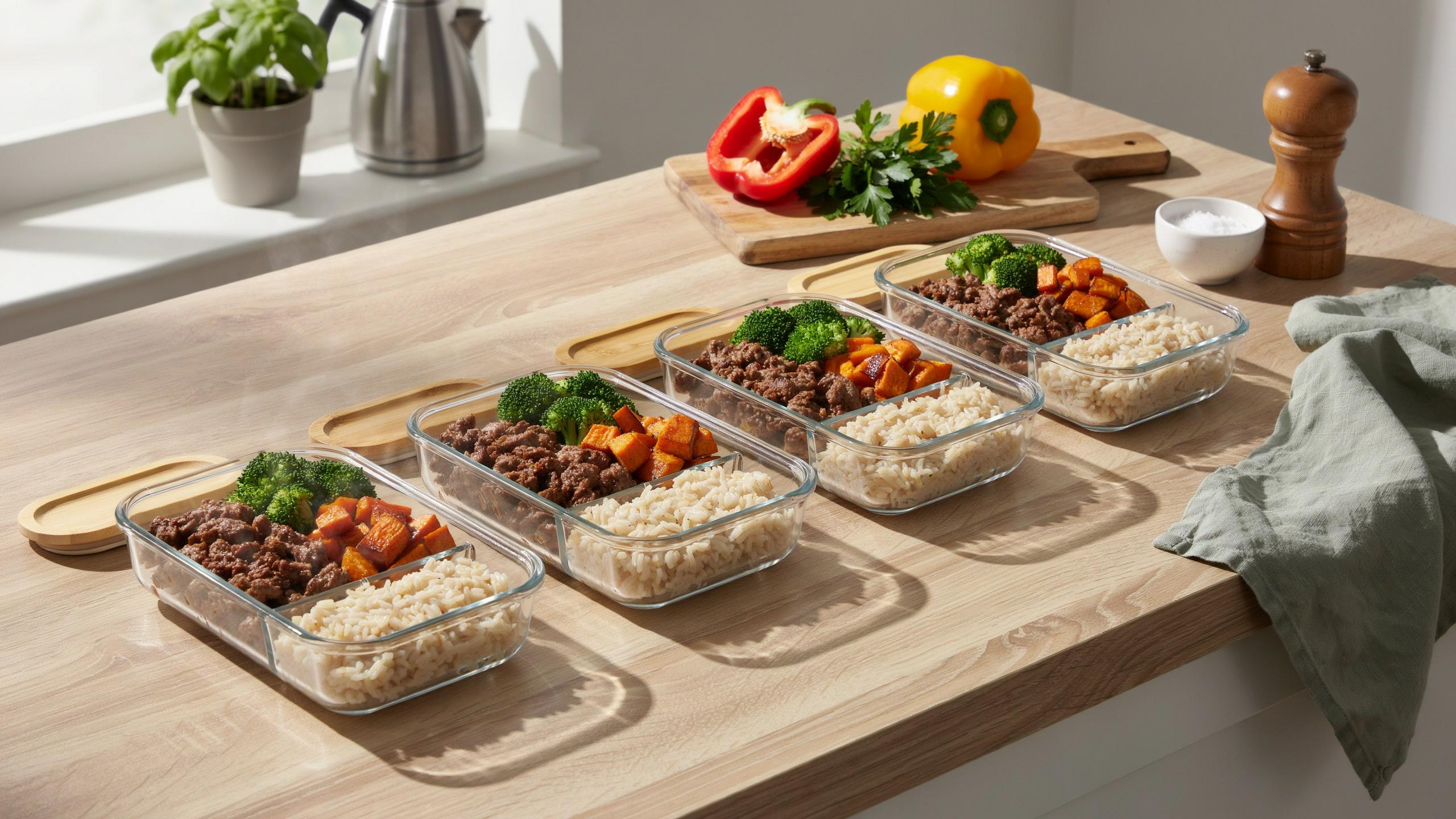
The Leverage Principle Why Ground Beef Meal Prep Matters
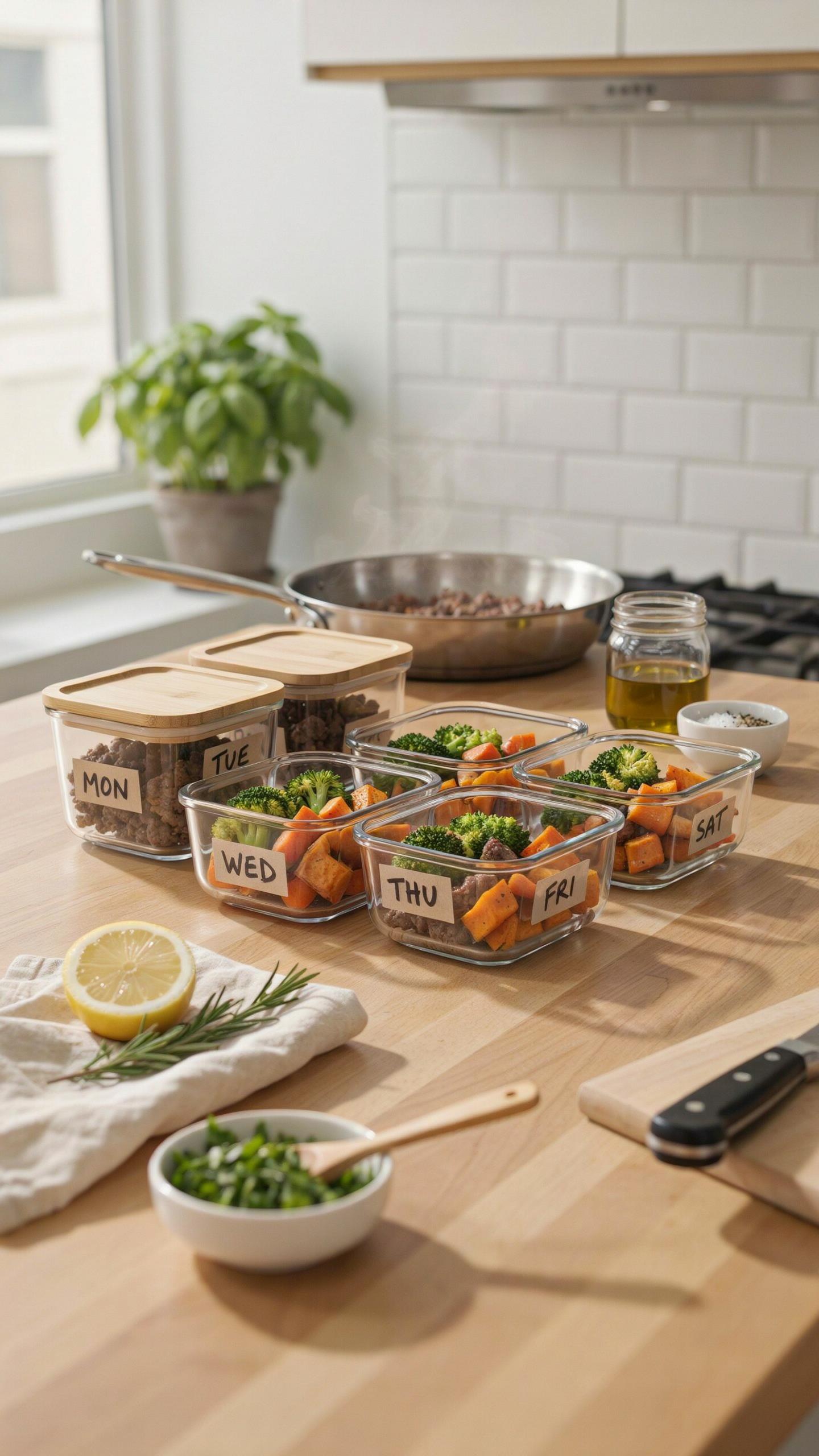
Convenience Isn’t Why You Actually Care
You want control. The fitness industry sold you convenience, but what you’re really after is a system that removes daily decision-making from protein intake. Ground beef meal prep delivers this because it’s the leverage point in meal preparation. In physics, leverage means applying force at the right spot to move something far heavier than you could alone. Here, ground beef is your fulcrum: one Sunday cook session determines your protein intake for the entire week without negotiation.
Most people frame meal prep as time-saving. That’s incomplete. The real mechanism is friction reduction. When prepared beef sits in your fridge, eating protein requires zero willpower. You open a container, reheat, and eat. No drive-thru temptation. No decision fatigue. No rationalization. The prep work happens once when you have mental energy; execution happens automatically when you don’t.
Compounding Returns On Minimal Effort
One batch of ground beef cooked properly yields five to seven meals. This means investing ninety minutes upfront generates thirty-five to forty-nine hours of solved dinner decisions. That’s a return ratio most people never calculate. Cook ground beef twice monthly and you’ve eliminated roughly twelve dinners from your cognitive load annually. That time compounds into clarity you spend on actual priorities.

The mechanism isn’t mystical. Prepared ground beef removes the friction between intention and action. You intended to hit your protein goal. Without prep, you fail. With prep, you succeed automatically. Repeat this over months and the gap between your stated goals and actual results collapses. Start with one batch cooked on Sunday. Cool it completely before storage. Portion it into four containers of one pound each.
Healthy Ground Beef Debunking The Fat Phobia
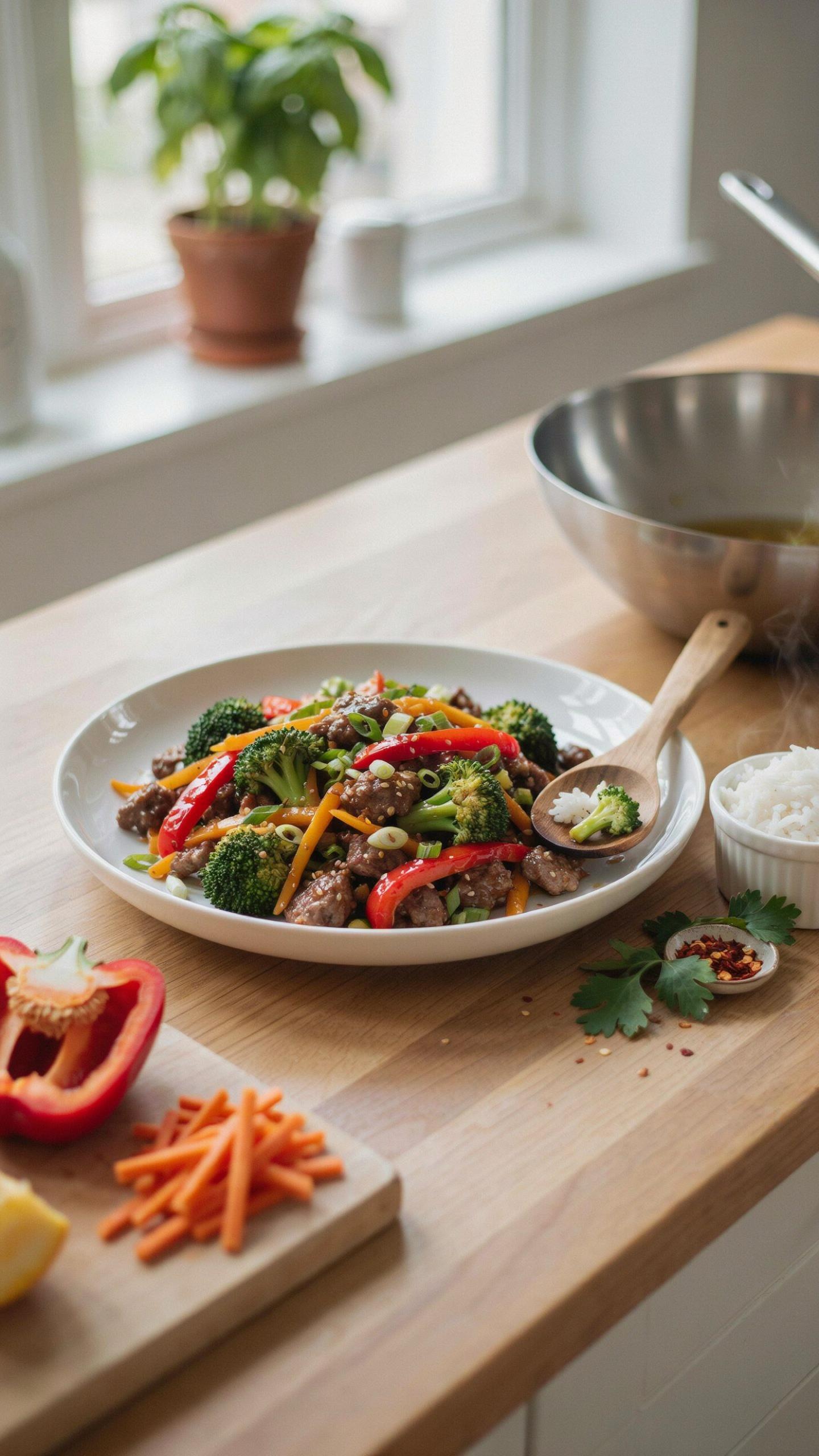
Saturated Fat Understanding Its Actual Role
You’re worried saturated fat will clog your arteries because that’s what you’ve heard for forty years, and admitting it might be wrong feels like losing ground. But biochemistry, not mythology, determines what actually happens in your body. Saturated fat raises both LDL and HDL cholesterol, not just the former. The mechanism: dietary fat triggers hepatic lipase activity, which shifts particle size toward larger, less atherogenic LDL variants. Your meals prep needs fat because your body requires it for hormone synthesis, nutrient absorption, and cellular function.
The low-fat diet era created a false choice between fat and health. Ground beef at 80/20 or 85/15 contains roughly 5 to 7 grams of saturated fat per 3.5-ounce serving. That’s not a threat; it’s a macronutrient your prep plan can handle without compromise. Saturated fat from ground beef does not independently predict cardiovascular disease when total calorie intake stays controlled and fiber intake stays adequate. Stop treating it like a poison and start treating it like a lever you can pull for satiety and meal adherence.
Choosing The Right Ground Beef Grades
Fat ratio determines satiety, texture, and flavor retention during cooking, which directly affects how many of these meals you’ll actually finish when stacked in your fridge. Most ground beef comes labeled by fat percentage: 73/27, 80/20, 85/15, 90/10, 93/7. The first number is lean meat; the second is fat. For meal prep, 80/20 holds the middle ground between palatability and macronutrient density. It browns properly, stays moist through reheating, and doesn’t separate into pools of grease in your container by day four.
90/10 and 93/7 appeal to people chasing pure protein numbers, but these grades cook drier and taste lean in ways that make repetition harder. 73/27 works if you’re cooking a single meal but creates storage problems when fat oxidizes over multiple days. Buy 80/20 from the meat counter, not the pre-packed cases where oxidation has already begun. Grind frequency matters more than most people realize: meat ground fresh the day you cook it browns faster and tastes better than frozen batches. Check the label date and ask when the butcher ground it.
The Scarcity Mindset Protocol For Meal Prep With Ground Beef
Cook Once, Multiply The Output
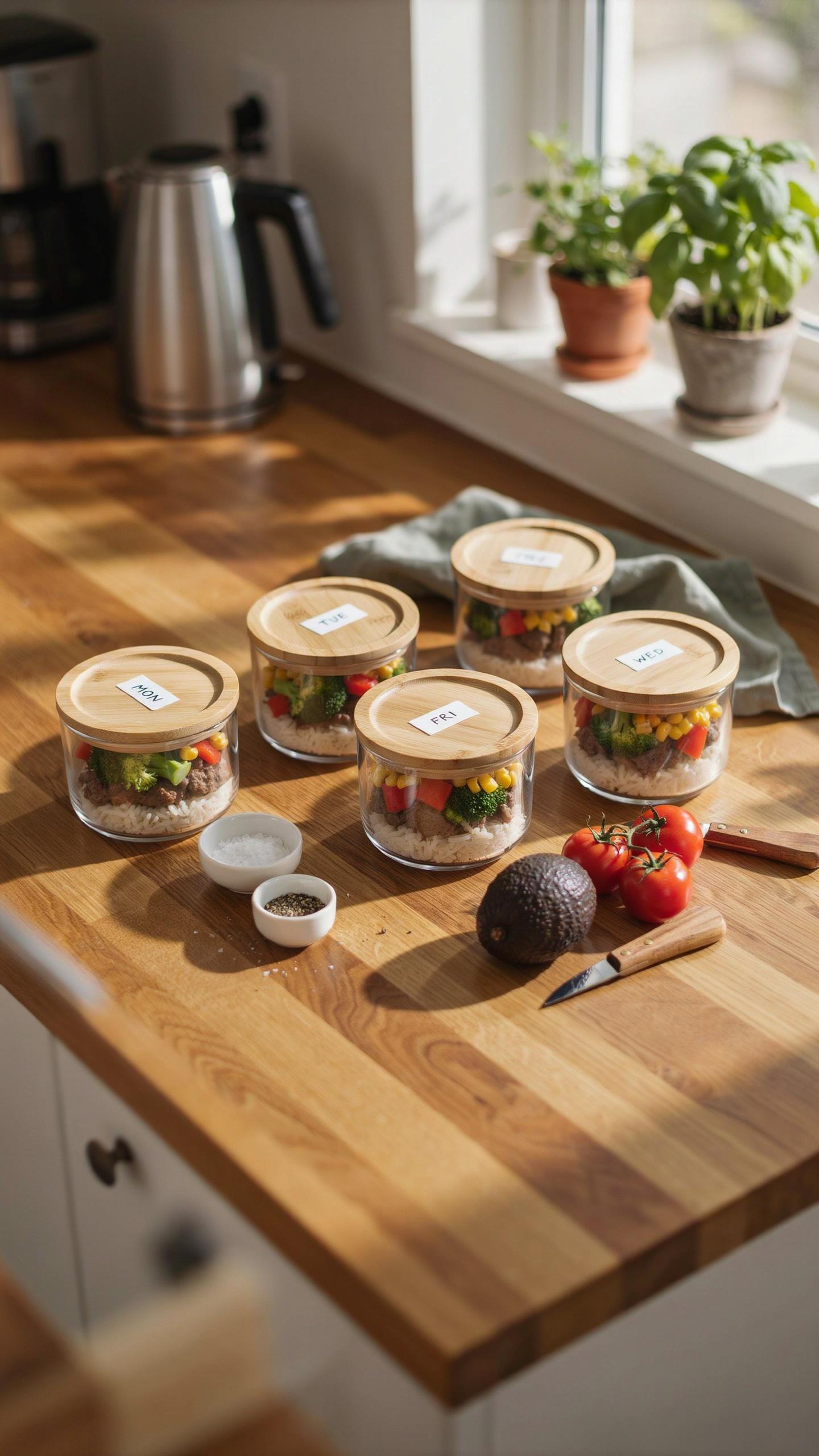
You want meal prep to feel effortless so you stop thinking about dinner and start thinking about what matters. Here’s the mechanism: constraint forces efficiency. Economics calls this the principle of scarcity, and it applies directly to your kitchen. Cook one batch of seasoned ground beef. Use it five different ways. That’s not stretching a meal. That’s extracting maximum utility from one decision.
The mistake most people make is cooking ground beef with a single dish in mind. Taco Tuesday beef stays taco beef. Bolognese beef stays Bolognese. Instead, cook unseasoned or lightly seasoned ground beef in bulk, then season portions after. Eighty-five percent lean ground beef browned at medium-high heat for 8 to 10 minutes yields a neutral base. This base accepts any flavor profile. Store it in 1-pound portions. From there, your options branch into tacos, pasta sauce, grain bowls, soups, and breakfast scrambles without additional cooking.
Evolution, Not Leftover Waste
Your leftovers don’t age poorly if you engineer them to transform. That’s not reheating yesterday’s dinner. That’s planned culinary evolution. Day one ground beef becomes one dish. Day two becomes another through intentional repositioning, not reluctance.
- Taco Bowl to Taco Salad: Shredded lettuce, tomato, and cheese convert beef portions into a cold meal without reheating or flavor degradation.
- Pasta Sauce to Soup Base: Beef bolognese mixed with broth and vegetables becomes a hearty beef stew without cooking new protein.
- Seasoned Ground Beef to Breakfast Scramble: Yesterday’s taco-seasoned beef combines with eggs and cheese for a high-protein breakfast without redundancy.
- Taco Meat to Stuffed Peppers: Same seasoned beef fills halved peppers with rice, baked for 20 minutes, creating a new structure and presentation.
- Beef Crumbles to Grain Bowl Protein: Cold seasoned beef sits atop grain, greens, and vegetables as a no-reheat protein option for office lunches.
The protocol is simple: cook ground beef once per week. Season only the portions you use that day. Store unseasoned portions for transformation later. This eliminates the flavor fatigue that kills meal prep consistency. You eat the same ingredient six different ways because the preparation changes, not the base protein.
Hamburger Meal Prep Ground Beef Beyond The Patty
The Cook Once Eat Six Ways Method
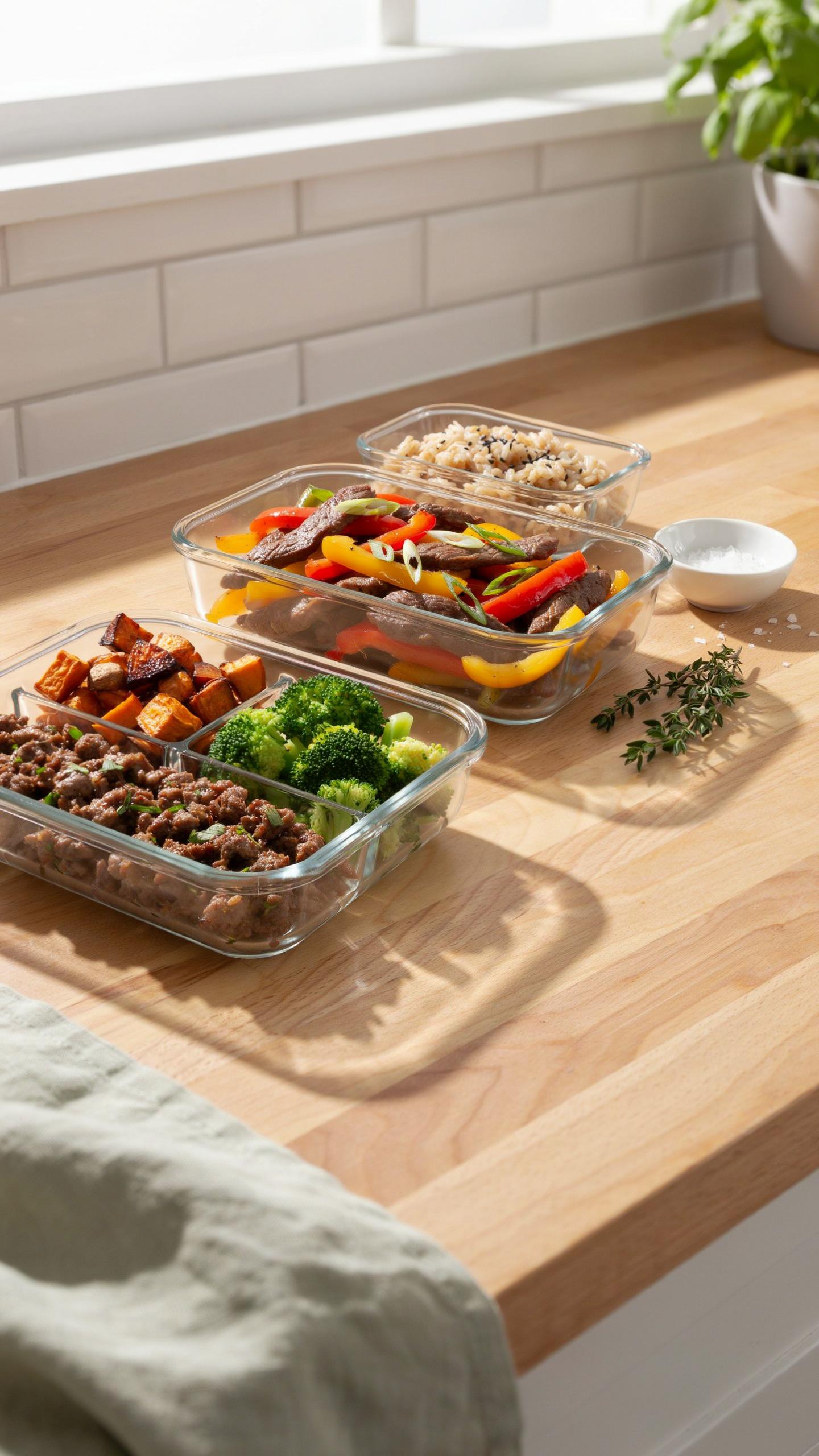
You want to feel efficient without actually thinking about what you’re eating. That’s the real draw here. The mechanism is simple: you cook a single batch of seasoned ground beef, then rebuild it into different meals by changing what you pair it with. This works because ground beef is a carrier, not a destination. Its texture and protein density remain constant. What changes is context.
Cook two to three pounds of ground beef in a single session with minimal seasoning: salt, pepper, garlic powder. Cool it completely and store it in airtight containers. This is your base layer. From here, you add sauces, grains, and vegetables at assembly time, not cook time. The separation prevents flavor contamination and gives you actual flexibility instead of eating the same thing six times.
Flavor Blocking For Strategic Rotation
Think of flavor like inventory management in a kitchen: you can’t store conflicting tastes in the same container and expect them to taste fresh three days later. Ground beef absorbs surrounding flavors aggressively. Cook your base beef plain. Store it plain. When you build meals, you choose one flavor direction per container: one toward taco, one toward Italian, one toward Asian. This prevents palate fatigue and guarantees you’ll actually eat what you prepped.
Day one through three, you pair your plain cooked beef with lime, cilantro, and salsa. Days four through six, you rebuild the same beef with marinara and Italian herbs. This isn’t variation for psychology. It’s prevention of flavor compound saturation, which is what actually makes repetitive meals taste stale. You’re not bored. Your taste receptors have stopped responding because they’ve been flooded with the same compounds. Rotate flavor families and your brain resets between meals.
The Economic Theory Of Time For Meal Prep For The Week With Ground Beef
What You’re Actually Saving
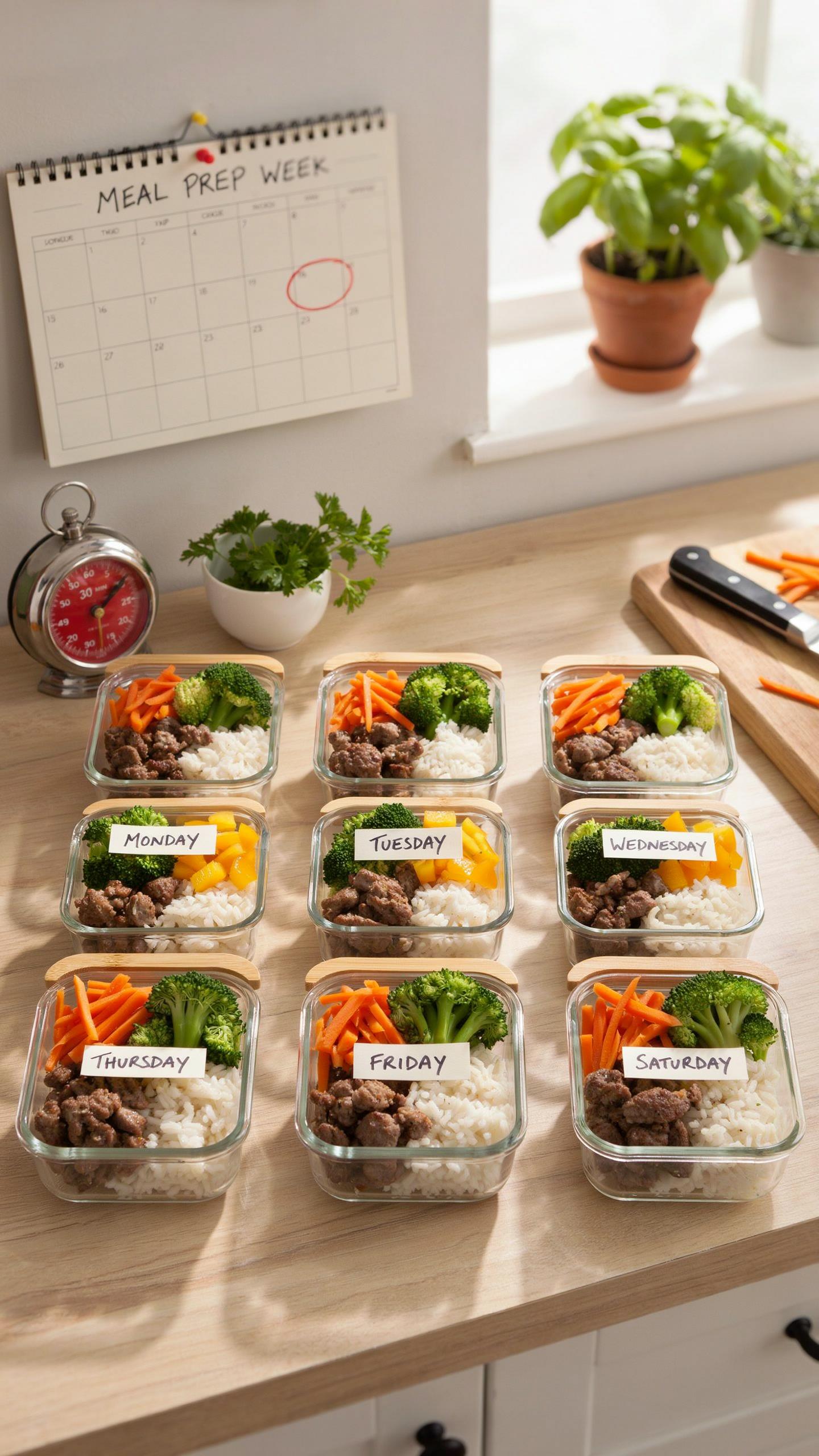
You think meal prep saves time. It doesn’t. What it actually does is trade present friction for future optionality, and you’re banking on yourself actually using those containers instead of ordering out anyway. Economics calls this opportunity cost: the real value of what you give up when you choose one thing over another. With ground beef prep, you’re sacrificing 90 minutes on Sunday to avoid the decision fatigue of cooking at 6 PM when you’re depleted. The math only works if you execute the trade.
Most people calculate meal prep savings wrong. They count only cooking time and ignore the psychological benefit: removing the daily choice of what to eat. That removal is worth more than the hours saved. When you walk to your fridge and grab a container, you’ve eliminated the moment where you default to delivery. That’s the actual mechanism. You’re not saving time—you’re automating a decision that usually costs you money and energy.
When Extra Prep Time Stops Working For You
Marginal utility is an economics term describing how each additional unit of something becomes less valuable as you get more of it. Your first hour of ground beef prep is productive. Your second hour yields diminishing returns. By hour three, you’re usually just prepping more of the same thing, which means your future self has less variety and lower compliance. The critical point arrives around the 60 to 90 minute mark, depending on your setup.
The common advice says prep everything for two weeks. Wrong. Your containers degrade after five days max if refrigerated. Ground beef texture changes, sauces separate, and you’ll skip meals you prepared out of pure sensory fatigue. Prep for exactly four days of dinners in a single session. This keeps the food quality constant and forces you to make a micro-decision every Wednesday, which actually keeps engagement high instead of creating prep-and-forget compliance failure. Cook 1.5 to 2 pounds of ground beef, season it two ways, and portion it into four containers with vegetables prepped separately.
Ground Beef Meal Prep Recipes Complexity Is The Enemy
Season With Intent, Not Habit
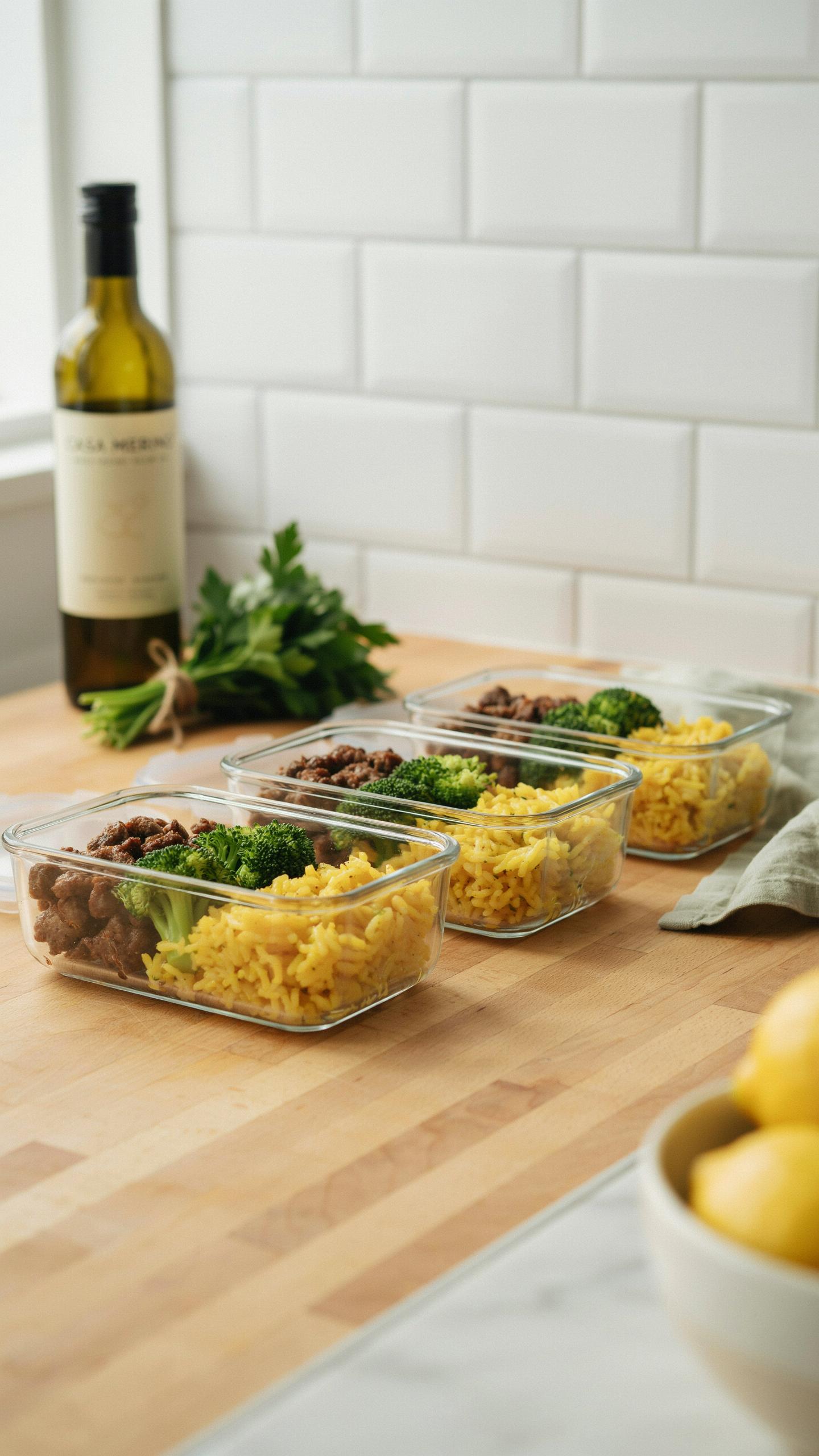
You want recipes that sound sophisticated because you think that signals you’re doing something advanced. It doesn’t. The mechanism here is signal versus noise: in cooking chemistry, every added ingredient either amplifies or dilutes the core flavor compound. Ground beef has one job—deliver protein and fat. Everything else is distraction or amplification.
The best ground beef recipes use three to four seasonings maximum. Salt, pepper, and one flavor anchor—garlic powder, cumin, or smoked paprika. That’s the ceiling. Adding oregano, thyme, cayenne, and “secret spices” doesn’t make the meal better; it makes your palate work harder to identify what it’s actually tasting. You lose efficiency. Cook ground beef with aggressive seasoning heat, brown it hard, then stop. The Maillard reaction happens at temperature, not ingredient count.
Cook In Single, Massive Batches
Meal prep fails because people treat it like cooking. They brown a pound, set it aside, brown another pound. They’re reheating the pan five times when they could heat it once and process five pounds in parallel. This is batch processing from manufacturing: one setup, one variable condition, maximum throughput.
Brown ten to twenty pounds of ground beef in a single session using your largest pot or a commercial-grade skillet if you have access. Don’t stir constantly—let it sit for three to four minutes per side to develop crust. Season after browning, not before. This prevents moisture from pooling and steaming the meat. Cool the batch completely before portioning and storing. One cook day replaces five, and the quality stays identical because you’re not reheating equipment between rounds.
Healthy Meal Prep For The Week Ground Beef Avoiding The Diet Trap
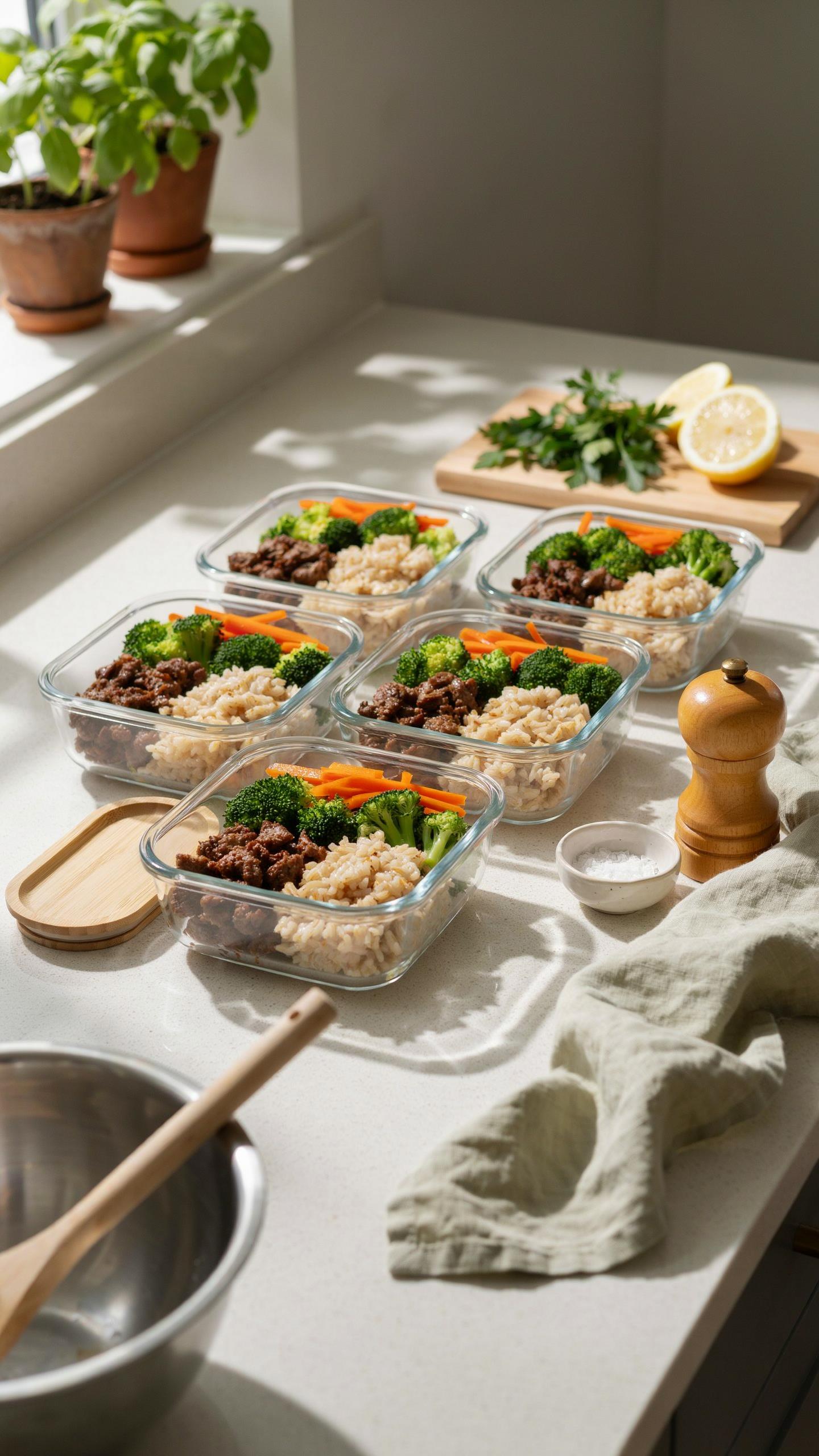
Build Systems That Survive Reality
You want to know how to meal prep without quitting in week three. The real issue is that you’re optimizing for willpower instead of design. Dieting fails not because people lack discipline but because they build systems that require constant friction. Borrowing from systems engineering, your meal prep needs negative feedback loops, not positive ones. Most people structure their prep to punish deviation. Instead, structure it so the easiest path is the correct one.
Ground beef sits at the intersection of cost, satiety, and compliance. Cook it once, eat it five ways. The mechanism is removal of decision points. When ground beef is already cooked and portioned, eating it requires zero activation energy. When it isn’t, you activate the excuse machine. Prep on one day, eat on five others. That’s the whole protocol.
Eat For Function, Not Scarcity
The calorie counting framework misses what actually happens to your body. Nutrition works like an economy, not a calculator. You can’t simply add and subtract numbers and predict output. Your body responds to nutrient density and hormonal signals, not totals. Ground beef provides complete protein, iron, and B12 in concentrated form. These nutrients trigger satiety and stable energy. A 200-calorie serving of ground beef behaves entirely differently than 200 calories of refined carbs.
Stop counting. Start measuring protein grams and whole food portions instead. Aim for 25 to 35 grams of protein per dinner with ground beef as the anchor. Add fibrous vegetables. Add a fat source. That’s nutrient density. Your hunger signals regulate down. Your energy stays flat. You don’t need to monitor calories because the nutrient composition does the work for you. Prep ground beef in bulk, portion it by weight, and build meals around protein first.
Meal Prep Ground Beef Recipes The 8020 Rule In Action
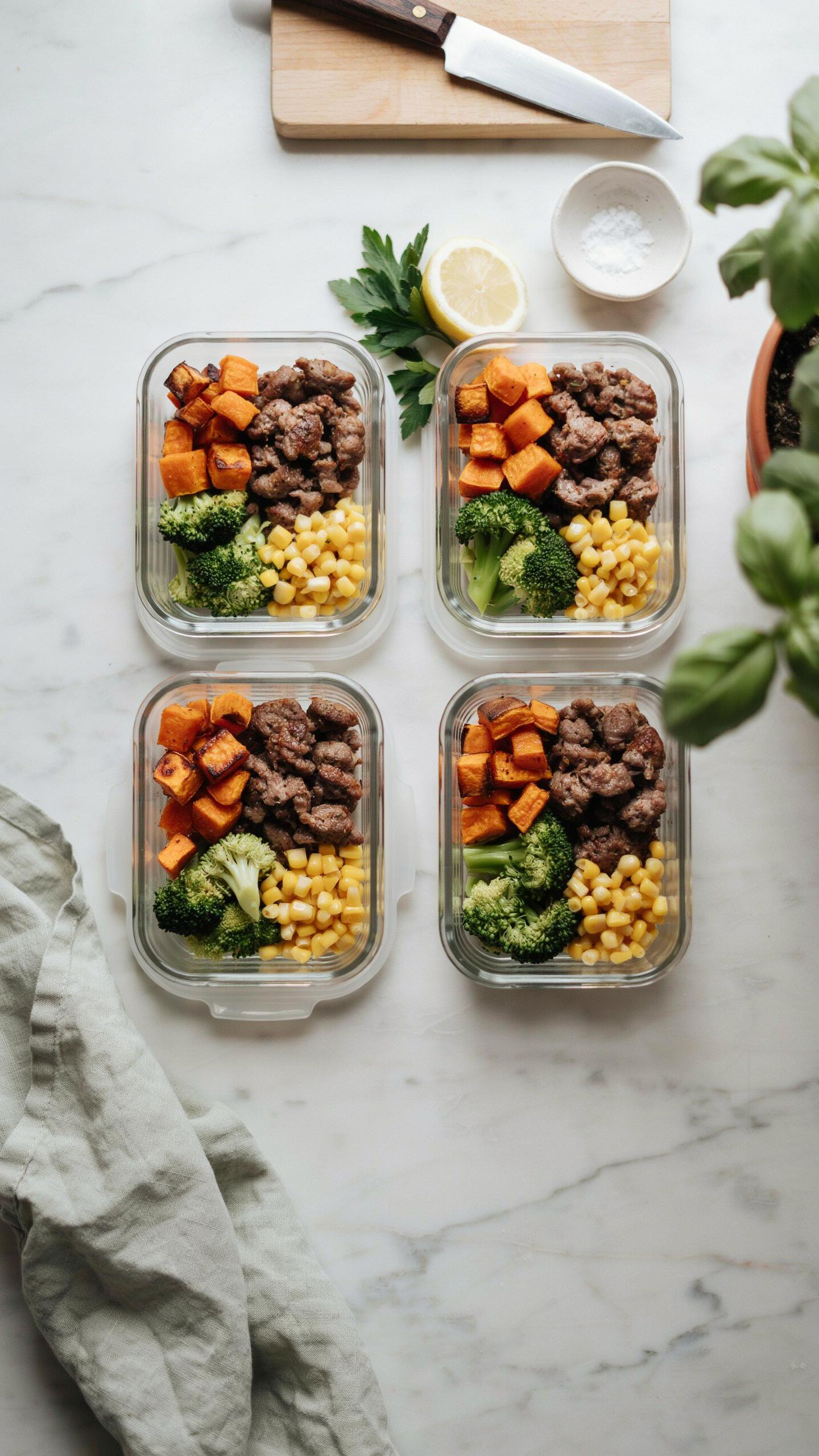
Cook Methods That Move The Needle
You want to believe technique matters more than it does. It doesn’t. Economics calls this “diminishing returns,” and ground beef meal prep obeys it strictly: the first cooking method you pick delivers 80 percent of your results, then every refinement after that gives you five percent more effort for one percent more outcome. Most people waste time chasing that final five percent.
Three methods handle virtually all high-protein ground beef meal prep: browning in a skillet, slow cooking in a pot or Dutch oven, and baking on a sheet pan. Browning builds flavor through the Maillard reaction in twelve to fifteen minutes and works at scale. Slow cooking maximizes tenderness over four to eight hours with minimal attention. Sheet pan baking lets you cook portions uniformly while freeing your stovetop. Pick one based on your schedule, not your recipe collection, and lock in that choice.
Eliminate The Prep Theater
The advice to “prep vegetables separately and store them in compartments” is incomplete. Nobody mentions that pre-cut vegetables absorb oxygen and lose moisture, degrading texture in forty-eight hours. Your actual move: cook the ground beef with vegetables in the same vessel to minimize oxidation and cross-contamination, cut your active prep time by half, and ensure your protein and produce finish cooking at the same point.
Brown your ground beef on high heat for five minutes to render fat and develop crust. Add diced onion, garlic, and any hard vegetables like carrots or peppers directly into the pan while the beef still releases moisture. This prevents sticking and keeps everything in one cleanup step. Cook vegetables until they soften, then portion into containers. The beef’s residual heat finishes cooking everything evenly while keeping prep work below thirty minutes total.
The Antifragile Kitchen Ground Beef Storage And Longevity
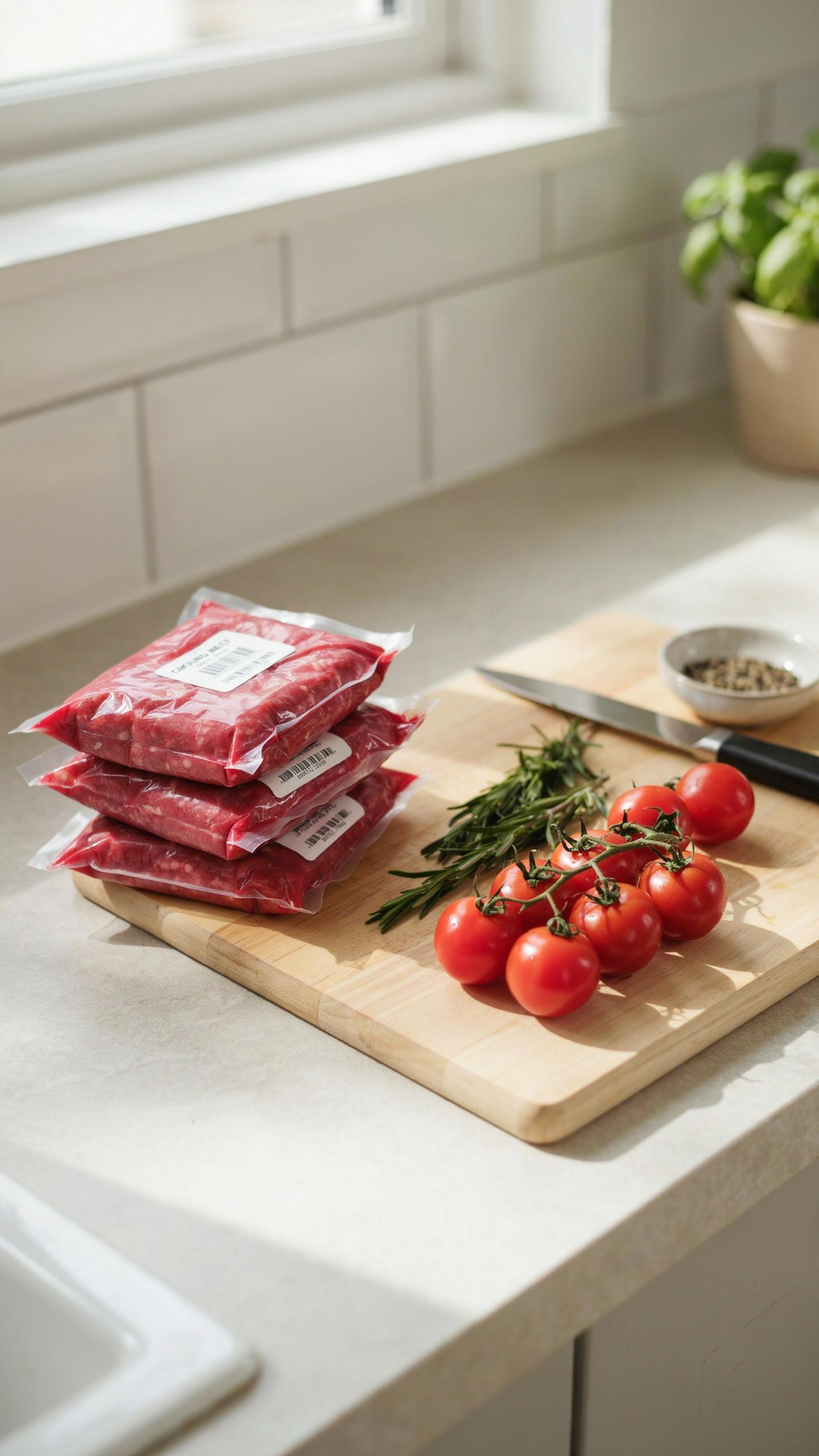
Freezing Beyond Standard Refrigeration
You want your meal prep to survive neglect without spoiling, which means you need a system that improves with time rather than degrades against it. Borrow the concept from systems design: antifragility. Your ground beef freezer strategy should use that same principle. Freezing halts bacterial growth completely, but the mechanism matters. Freeze ground beef at zero degrees Fahrenheit or below within two days of purchase. This window closes fast because bacteria multiply exponentially in the danger zone between forty and one-hundred-forty degrees.
Most advice stops at “just freeze it,” which leaves you with freezer burn and texture collapse. The real move is portion control before freezing. Divide cooked ground beef into meal-sized amounts in shallow containers or vacuum-sealed bags. Thin portions freeze faster and thaw more evenly, preserving moisture and structure. Frozen cooked ground beef stays safe for three to four months. Track the date you froze it, not the sell-by date on the original package. Thaw in the refrigerator overnight or reheat directly from frozen if you’re short on time.
Container Selection Determines Freshness Duration
Your storage container is your defensive perimeter. Glass locks out oxygen better than plastic. Airtight seals prevent freezer burn and cross-contamination of flavors. Freezer burn happens when ice crystals form on the meat surface from moisture loss, which degrades texture and taste even though the meat stays safe to eat.
Use borosilicate glass containers with airtight silicone lids for refrigerated cooked ground beef. For freezing, vacuum-sealed bags outperform anything else because they remove air entirely. If you lack a vacuum sealer, use freezer bags with as much air pressed out as possible before sealing. Label every container with the prep date and contents. Refrigerated cooked ground beef lasts three to four days in airtight glass. The container determines whether your meal prep becomes a resource or waste.
The real obstacle is not lack of time or knowledge but the constant negotiation with your own undisciplined impulses

You already know ground beef meal prep works. You’re not missing a strategy. You’re missing the one Sunday where you actually cook instead of scroll. Pick a day this week. Buy two pounds of ground beef. Brown it all at once. Split it into containers. That’s it. You won’t find motivation. You build it by doing the thing when you don’t feel like it. Discipline is just deciding your future self matters more than your present comfort.