
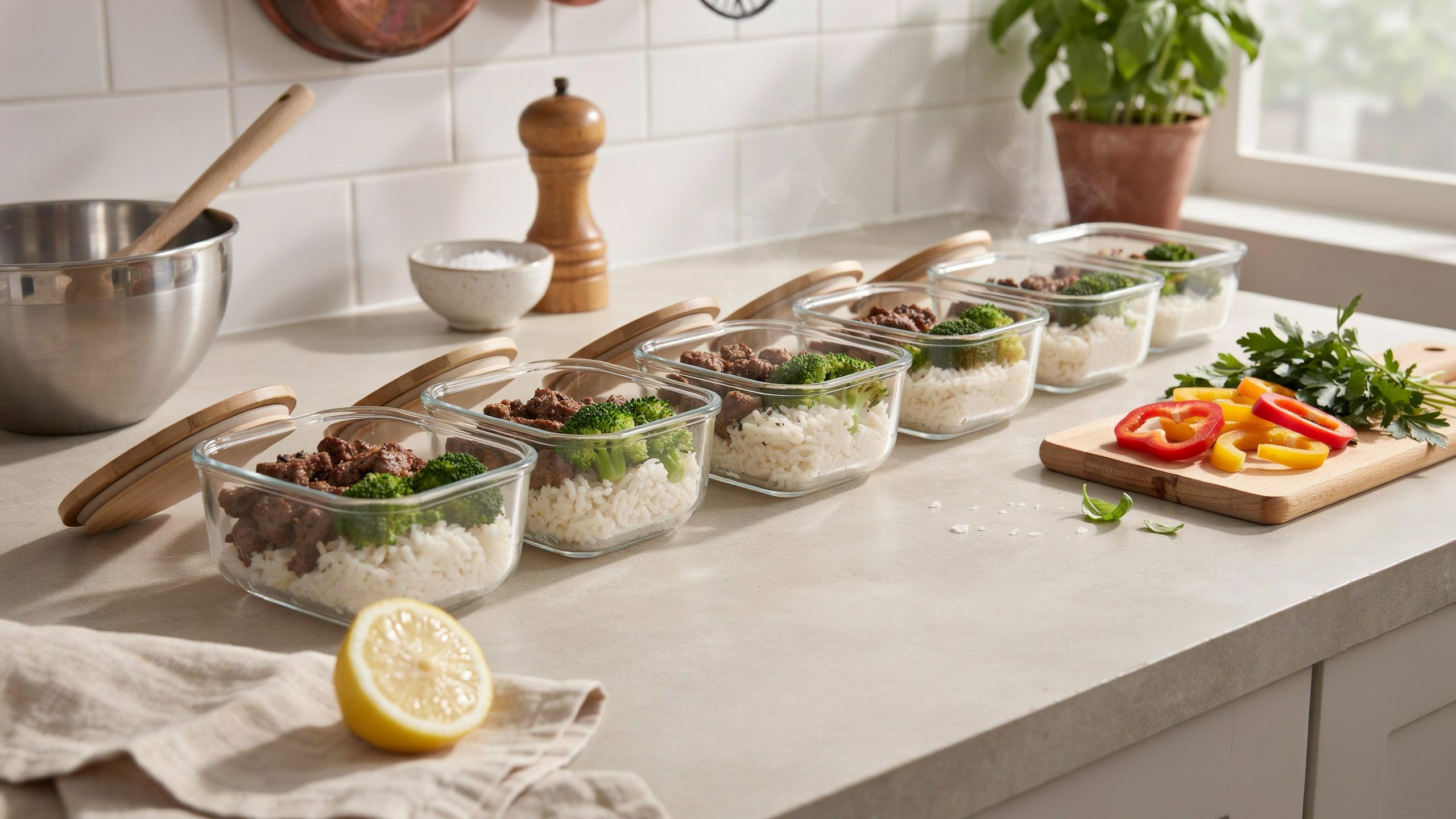
The High Protein Mirage Why Youre Still Hungry

Satiety Signals Beyond Calorie Counting
You want to believe protein alone solves hunger because it lets you eat less and feel superior about it. That’s not how your body works. Satiety is a neurological signal, not a math problem. Your gut sends hormonal messages through cholecystokinin, peptide YY, and GLP-1 when it detects specific nutrient patterns, not calorie totals. Beef and rice trigger these signals differently than beef alone, which is why the combination matters more than the macros.

Most meal prep advice treats satiety as solved once protein hits a threshold. It’s incomplete. Rice adds volume and resistant starch that delays gastric emptying. Beef provides the amino acid profile that extends the satiety window. Together they create sustained fullness that 200 grams of chicken breast cannot match, even at identical calories. The mechanism isn’t protein percentage. It’s nutrient composition timing and how your digestive tract sequences their absorption.
Nutrient Density Over Sheer Volume
The conventional take: eat more protein, period. The real mechanism is different. Beef delivers bioavailable iron, B12, creatine, and carnosine that rice cannot. Rice provides micronutrients beef lacks, plus the carbohydrate matrix that allows beef’s amino acids to be utilized efficiently rather than oxidized for energy. Nutrient density means you extract more signal per bite, which means your satiety hormones fire faster and stay elevated longer.

A plate of lean beef and white rice generates less satiety than the same calories split between grass-fed beef and jasmine rice with the micronutrient profiles intact. Your body recognizes nutrient completeness. It stops searching for missing cofactors. You stop craving additional food two hours later. The prep protocol that matters: source beef with visible marbling and cook rice with its bran layer intact when possible. This isn’t optimization theater. It’s the difference between feeling full and actually being full.
Ground Beef The Unsung Hero Of Micronutrients
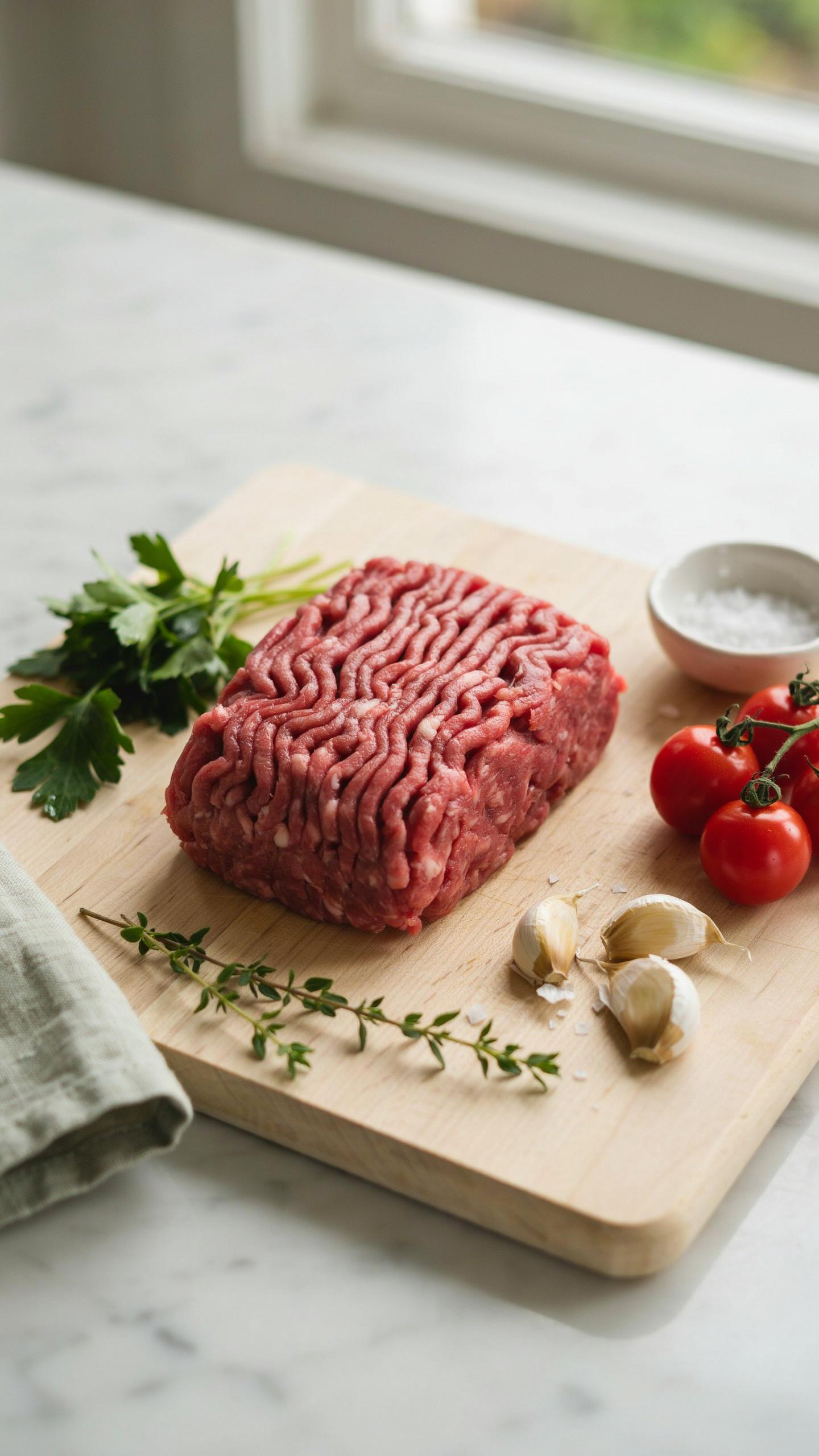
Iron, Zinc, And B Vitamins Do The Real Work
You want beef and rice to feel like a complete meal because you’re tired of taking supplements and worrying you’re missing something. Here’s the mechanism: ground beef contains heme iron, the form your body absorbs at 15-35% efficiency, versus the 2-20% from plant sources. Your body recognizes heme iron as prioritized cargo and processes it without the absorption blockers that plague non-meat iron. One 4-ounce serving of ground beef delivers 2-3 milligrams of heme iron plus zinc and B12 in quantities rice cannot touch.
The common advice treats protein as the only reason to eat beef. Wrong. A 93/7 lean ground beef serving contains more usable zinc than most supplement tablets, plus all nine B vitamins in bioavailable form. Rice adds carbohydrates and some B vitamins but lacks the mineral density to stand alone. When you combine them in your meal prep, you’re not just hitting a macro target. You’re building a complete micronutrient delivery system that costs less than buying these nutrients separately and requires zero additional supplementation for basic athletic function.
Grass Fed Versus Grain Fed Changes Your Fat Profile
Biochemistry teaches us about substrate preference, the principle that cells use whatever fuel source you consistently provide. Ground beef’s fat composition shifts based on what the animal ate, and this alters how your body metabolizes the meal. Grass-fed beef contains higher levels of conjugated linoleic acid and omega-3 fatty acids relative to grain-fed beef, which skews toward omega-6. This difference matters less than people claim, but it’s not zero.
Grain-fed beef is cheaper and more practical for meal prep at scale. A pound of conventional ground beef costs 30-50% less than grass-fed, and the protein micronutrient profile remains identical. The fat quality argument favors grass-fed only if you’re already eating excessive seed oils elsewhere. In a beef and rice meal prep routine, buy whatever ground beef fits your budget. The consistency of eating beef four times weekly outweighs the marginal difference between grass-fed and conventional. Source from the same supplier each week to ensure consistent macros in your tracking.
The Glycemic Index Gambit Rice Beyond A Carb
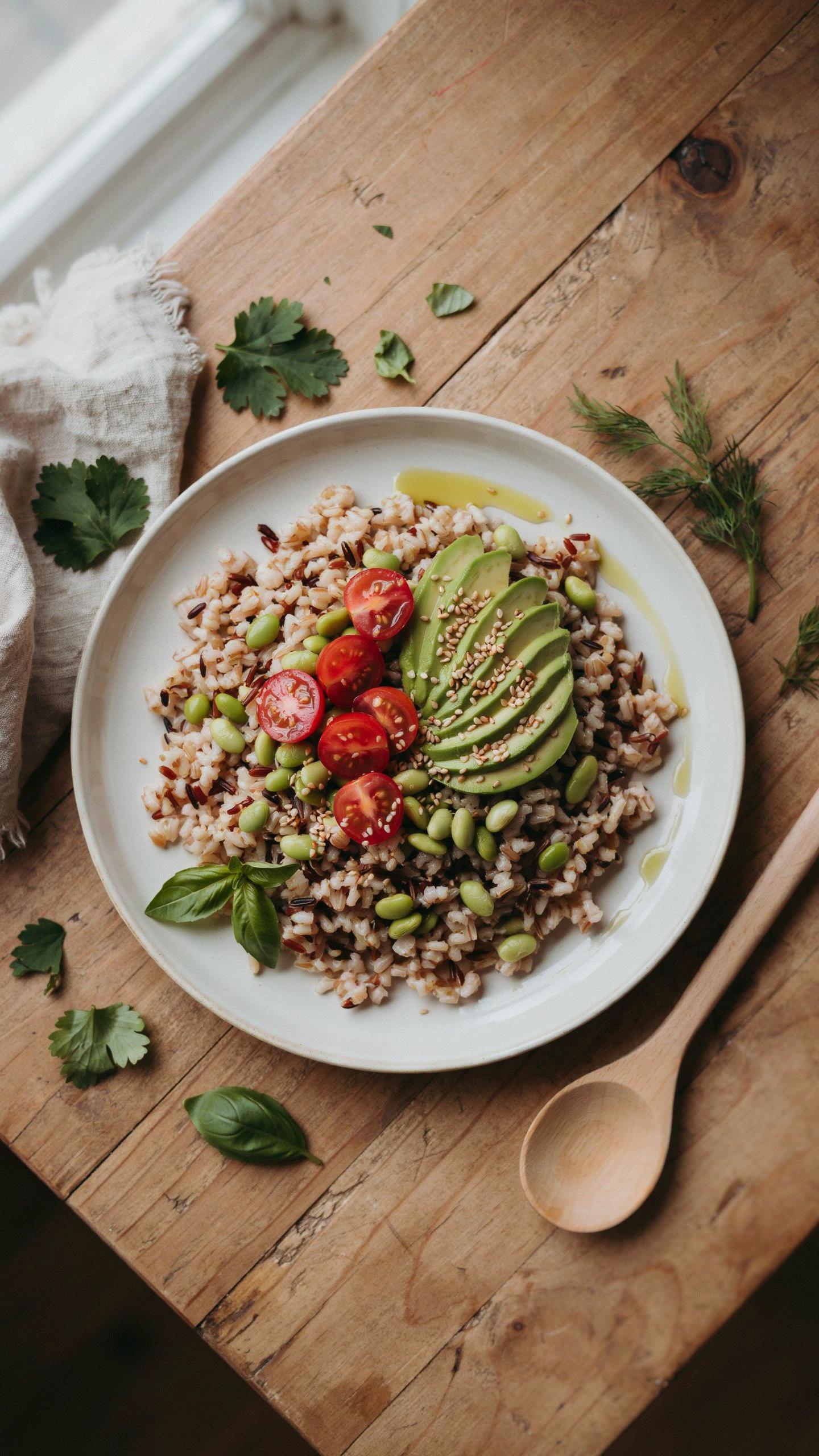
White Vs. Brown: Digestibility And Energy Curves
You want to believe brown rice is superior because it sounds more virtuous. Here’s the mechanism: white rice has had its bran and germ removed, which means faster starch breakdown and a sharper glucose spike. Brown rice keeps those layers intact, which slows digestion. But slower digestion isn’t automatically better for a high-protein dinner. The real variable is how your body partitions that glucose when protein is present.
When you eat white rice with beef, the protein blunts the blood sugar response that white rice alone would create. Biochemistry compounds effects, not adds them in isolation. Brown rice offers marginally more fiber and micronutrients, but the practical difference in a meal prep context is minimal if your total carb intake is controlled. White rice is cheaper, cooks faster, and tastes neutral enough to reheat without quality loss. Choose based on your budget and reheating tolerance, not on glycemic purity.
Resistant Starch: Cooking And Cooling Tricks
Resistant starch is carbohydrate that your small intestine cannot digest, behaving more like fiber than fuel. This matters for meal prep because cooking method and cooling temperature change the starch structure. When you cook rice and then cool it, some starch crystallizes back into a resistant form, reducing its available calories and glycemic impact. This is a real physical change, not marketing language.
The protocol is simple: cook your rice normally, spread it on a sheet to cool to room temperature, then refrigerate. Reheating doesn’t undo this conversion, so your meal prep batches actually improve their metabolic profile over time. If you prep on Sunday and eat Wednesday, you’ve gained more resistant starch than if you’d eaten the rice fresh. This is the only legitimate reason to plan meal prep timing around rice: not for flavor, but for carb quality.
The One Pan Protocol For Quick Ground Beef Recipes Healthy
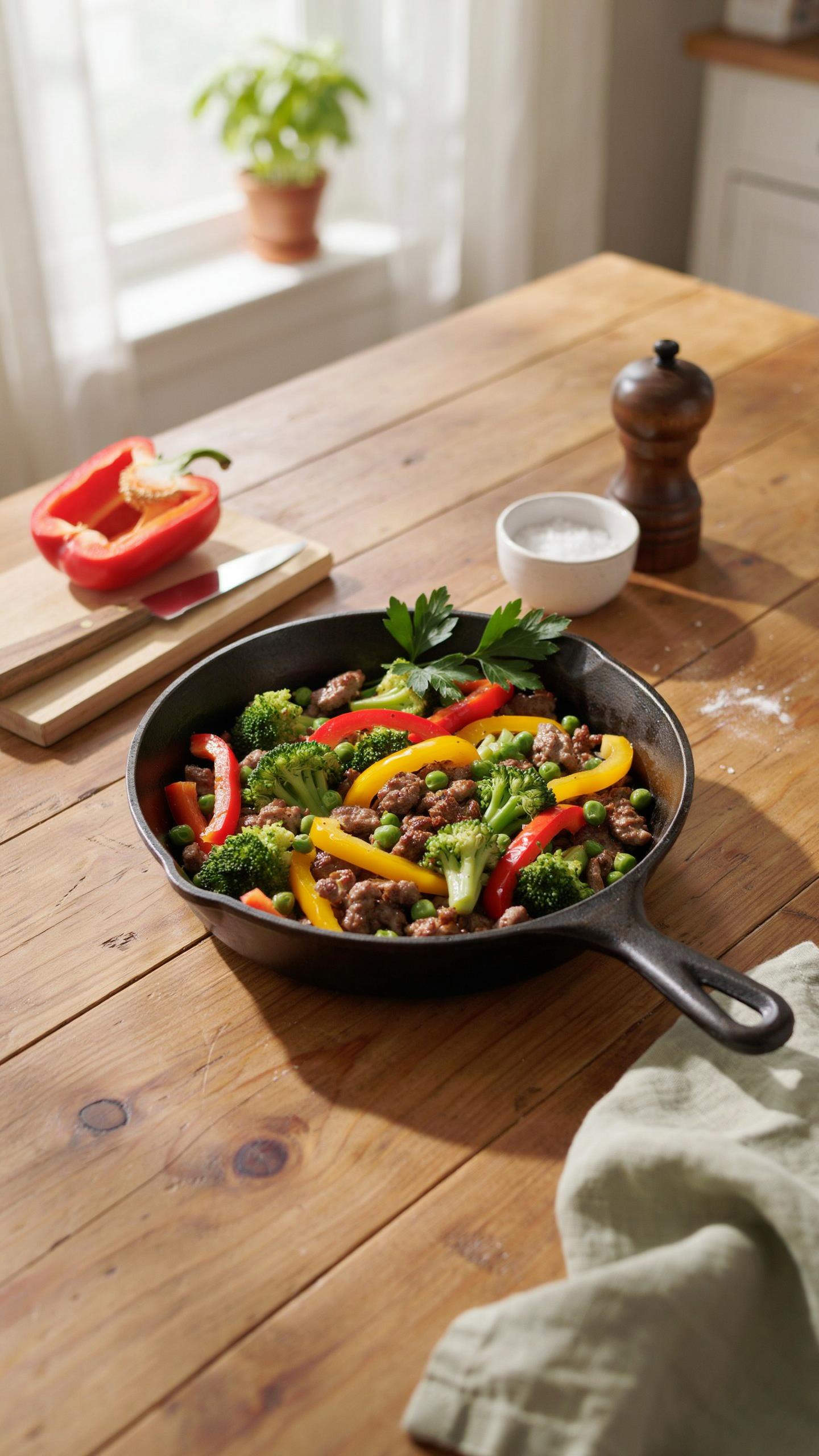
Minimize Friction, Maximize Flavor Output
You want this because you’re afraid meal prep will consume your evening. The real mechanism is thermal efficiency: ground beef releases fat that becomes your cooking medium, eliminating the need for added oil and the cleanup that follows. One pan means one temperature zone, one surface to manage, one vessel to wash.
Brown the beef first over medium-high heat in a heavy-bottomed pan, breaking it into small pieces as it cooks. This takes five to seven minutes and renders the fat you need. Once the meat is no longer pink, add diced onion and garlic directly to the rendered fat, stirring for two minutes. The beef’s fat now cooks your aromatics instead of sitting unused. This sequence isn’t arbitrary: it’s the difference between a sticky pan and a naturally lubricated cooking surface.
Stack Operations, Not Time
The discipline here comes from manufacturing, not cooking. Batch cooking means running parallel processes in sequence, not serial steps one at a time. You’re not making five separate meals; you’re running one assembly line where every step feeds the next without waiting.
Cook all your ground beef at once in the largest pan you own, using the residual heat to start your rice separately while meat cools slightly. Pour the rice into the same pan after the beef comes out, using the beef fat to toast the grains before adding water. This overlaps your cook time instead of stacking it. The rice absorbs beef flavor from the pan’s residue while you prep vegetables for the next batch. Store everything in individual containers, labeled by date. You prep once, eat six times.
The Flavor Amplification Loop Recipes With Chili Paste More
Umami Bombs: Fermented Foods And Spices
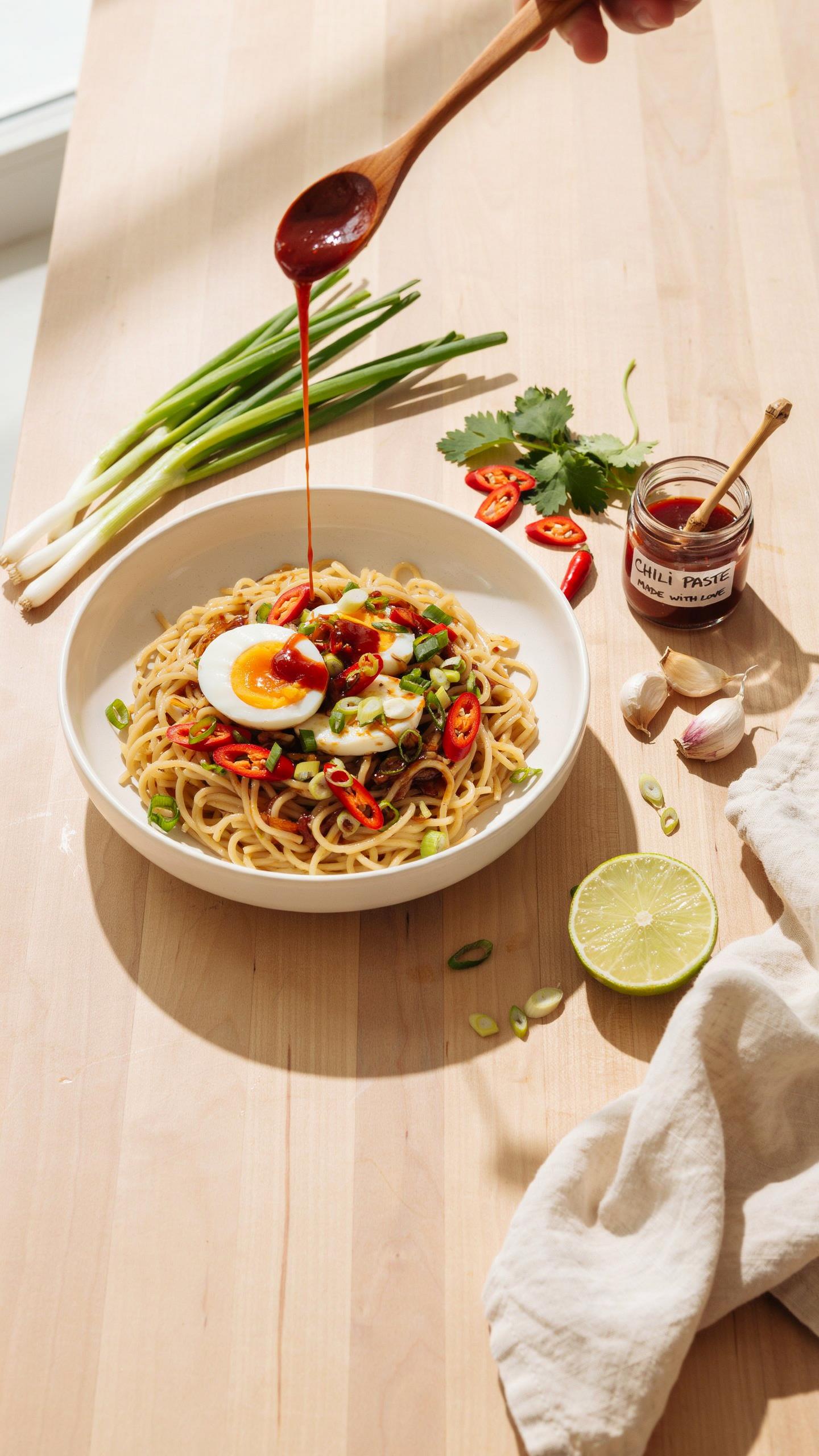
You want your beef and rice to taste expensive without spending more money. The mechanism is umami saturation, borrowed from chemistry, where you stack compounds that trigger the same taste receptor simultaneously. Fermented foods contain glutamates and nucleotides that your palate reads as “protein-rich and satisfying.” Chili paste, soy sauce, miso, and fish sauce all share this property. Layer them and your brain stops hunting for more flavor halfway through the meal.
Most people treat fermented ingredients as seasonings. Wrong. They’re flavor multipliers that lower your salt dependency and make cheaper beef cuts taste developed. Miso paste in your cooking liquid breaks down collagen into gelatin while adding umami depth. A tablespoon of fermented chili paste mixed into your rice liquid before cooking changes the entire eating experience. The paste distributes evenly, seasons from inside the grain, and costs pennies per meal. This is how you make repetitive meals feel intentional instead of monotonous.
Spice Blending: Crafting Unique Flavor Profiles
Spice blending works like signal engineering, where you combine frequencies to create a sound that didn’t exist before. Most meal preppers buy pre-mixed seasoning packets, which means they taste like everyone else’s dinner. The real move is building three or four base blends you rotate so no single meal repeats within two weeks. Cumin, coriander, smoked paprika, and cayenne create one profile. Ginger, turmeric, black pepper, and fenugreek create another. Dried oregano, thyme, garlic powder, and mustard seed create a third.
Toast your spices dry in a pan for 90 seconds before grinding them. Heat releases volatile oils that dissolve into your cooking fat when you sear the beef. A spice blend hits differently when it’s been heated versus sprinkled cold over finished food. Store your blends in airtight containers and use them within six weeks. Your beef and rice prep becomes a rotating system instead of a punishment you repeat. This practice costs $15 to build out four or five unique blends that last three months of meal prep.
Beyond The Bowl Coconut Beef Broth Bowl Other Formats
Why Deconstructed Meals Win
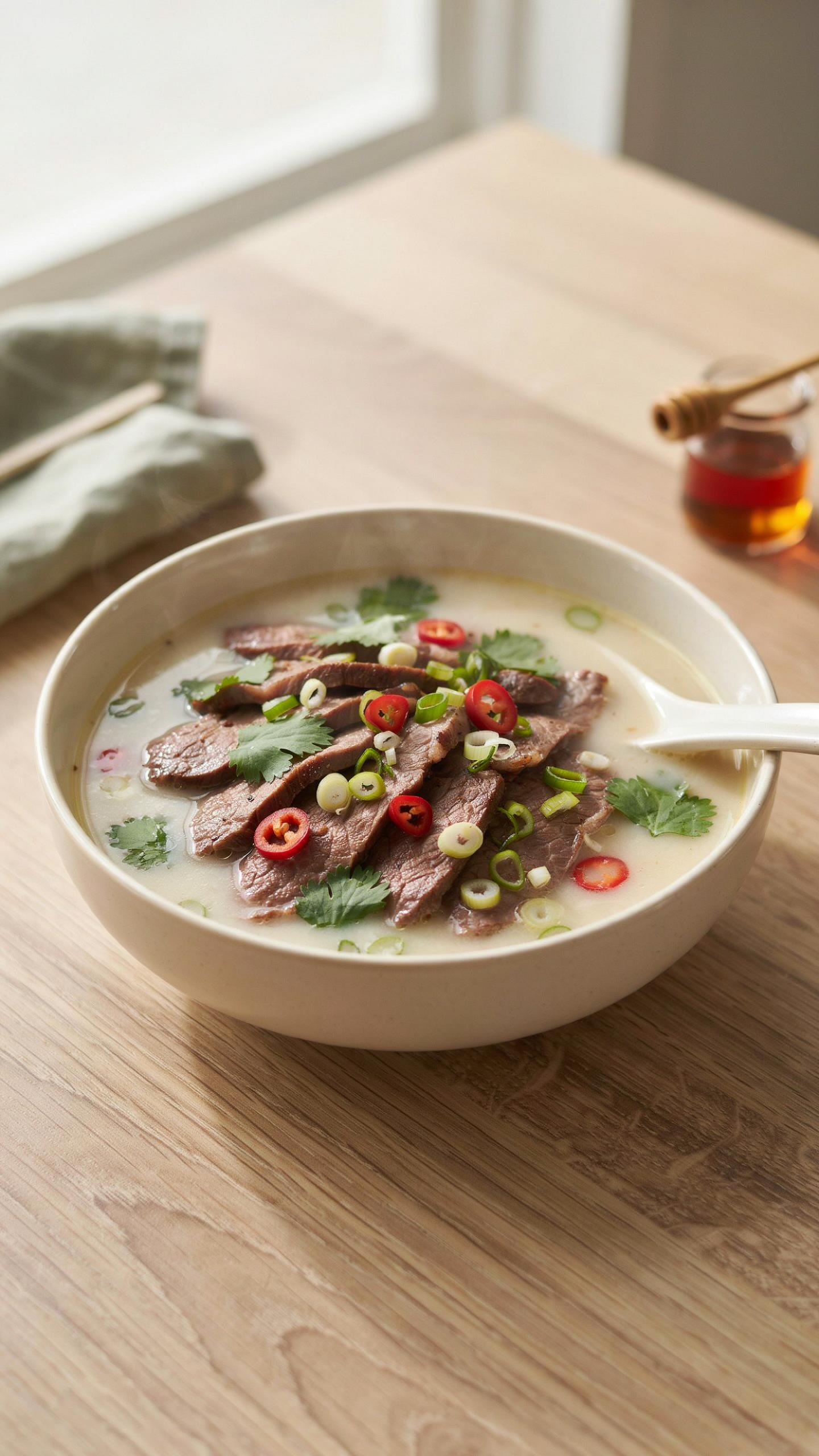
You want people to think you’re disciplined. The real mechanism: a deconstructed bowl removes the friction between appetite and execution. When beef, rice, and broth sit separate, you control portion size in real time instead of committing to a fixed container. This matters because hunger varies day to day, but meal prep culture demands uniformity. The bowl format solves this by letting you assemble only what you need.
Texture differentiation drives repeat consumption. Soft rice, firm beef, and liquid broth in one vessel create three distinct sensations. Your palate doesn’t fatigue on repetition the way it does with homogenous mixes. Separate components also allow temperature management: beef stays warm longer when not submerged, broth stays hot when kept in its own container. This extends the eating window and prevents the soggy-rice problem that kills meal prep compliance.
Stacking Flavors Through Component Separation
The common advice says add more spices to fight boredom. That’s incomplete. Layering works through sensory sequencing, borrowed from how chefs build tasting menus. Each component gets its own flavor profile so you taste them in succession, not simultaneously. Beef takes garlic and cracked pepper. Rice takes coconut aminos and sesame oil. Broth takes ginger and turmeric. Your brain registers three distinct experiences instead of one muddy flavor.
Container strategy matters more than ingredient novelty here. Store broth in a separate vacuum-seal pouch, rice in its standard container, beef in an airtight box. On eating day, you warm broth first, add rice, then top with beef. This sequencing prevents osmosis that flattens flavor. The beef stays seasoned on its surface instead of leaching salt into the rice. Meal fatigue drops because texture and temperature stay intact through the week.
The Metabolic Adaptation Method Fueling Performance

When Energy Systems Matter More Than Calories
You want to know the timing trick that separates people who feel strong all week from people who crash by Thursday. Most advice stops at “eat protein and carbs.” That’s incomplete. Bioenergetics, the study of energy flow in living systems, reveals that beef and rice meal prep works because you’re sequencing fuel sources, not just counting macros. Beef provides amino acids and creatine for sustained ATP production. Rice delivers glucose that replenishes glycogen depleted during work. The order and timing of these macronutrients determines whether your cells stay in an energy surplus or deficit.
When you eat beef and rice together, your body doesn’t treat them identically based on timing alone. Beef digestion takes four to six hours. Rice digests faster, releasing glucose within ninety minutes. This staggered energy release prevents the blood sugar spike and crash that derails afternoon focus. Your muscles access steady amino acid availability for repair while your brain gets consistent glucose fuel. This is why prep matters: pre-portioning forces you to eat both components instead of skipping rice when hungry or doubling meat and forgetting carbs. The metabolic adaptation happens when your system knows fuel is coming predictably, not when it panics that calories might run out.
Building Cellular Power Through Food Choice
Mitochondrial density determines how much energy your cells can produce from the same food. The mechanism isn’t mysterious: dense physical training creates demand for ATP, which signals your body to build more mitochondria. Beef and rice meal prep accelerates this adaptation because you’re giving mitochondria the exact substrates they prefer. Beef supplies iron and B vitamins that mitochondria require for electron transport. Rice provides glucose that feeds the Krebs cycle directly. Without consistent macronutrient availability, your cells stay at baseline power output instead of scaling up.
Muscle cells perform mitochondrial biogenesis only when they receive adequate amino acids during recovery and glucose during the next training block. Most people sabotage this by eating randomly, forcing mitochondria to operate in scarcity mode. Consistent beef and rice prep sends a signal: fuel is reliable, so invest in building more power plants. This adaptation takes weeks, not days. Your prep schedule becomes the operating system your cells respond to. Eat the same portions at the same time windows for three weeks straight. Your energy on week four becomes measurably higher than week one because you’ve built the infrastructure to process it.
The Entropy Reduction System Meal Prep For Long Term Adherence

Build Your Prep Flow Around Biology
You want this to feel effortless so you’ll actually stick to it, which is why most advice about “just discipline harder” fails immediately. Borrow from systems biology: entropy is the natural decay of order over time. Your beef and rice prep fights entropy by establishing a flow that reduces decision points, not willpower. Biology doesn’t care about motivation. It cares about friction.
Design your prep around your body’s actual rhythms, not some generic template. Buy beef on the same day each week. Cook rice in one batch. Store portions in the exact containers you’ll grab during dinner. The system wins when the path of least resistance leads to eating your meal, not ordering out. Make the prepared meal easier to eat than the alternative.
Adjust Based On Energy And Cravings
The common mistake is treating meal prep like a static plan you execute once and follow forever. That’s mechanical thinking. Real adherence requires feedback loops: you measure what actually happens, then calibrate. Cook a batch. Eat it for three days. Notice if you hit a energy crash at 4 PM or crave something sweet after dinner. Adjust the beef to rice ratio or add a simple carb source next week.
Track one variable per cycle: portion size, cooking method, seasoning profile, or prep day timing. Change one thing, observe for seven days, then decide. If you’re always leaving rice on the plate, you made too much. If you’re hungry two hours later, your protein or fat ratio drifted. The protocol is simple: prep, eat, measure compliance, modify, repeat. Stop guessing. Let results guide the next batch.
Dinner Ideas Ground Beef Healthy What To Make With Ground Beef And Rice
The Two Ingredient Foundation
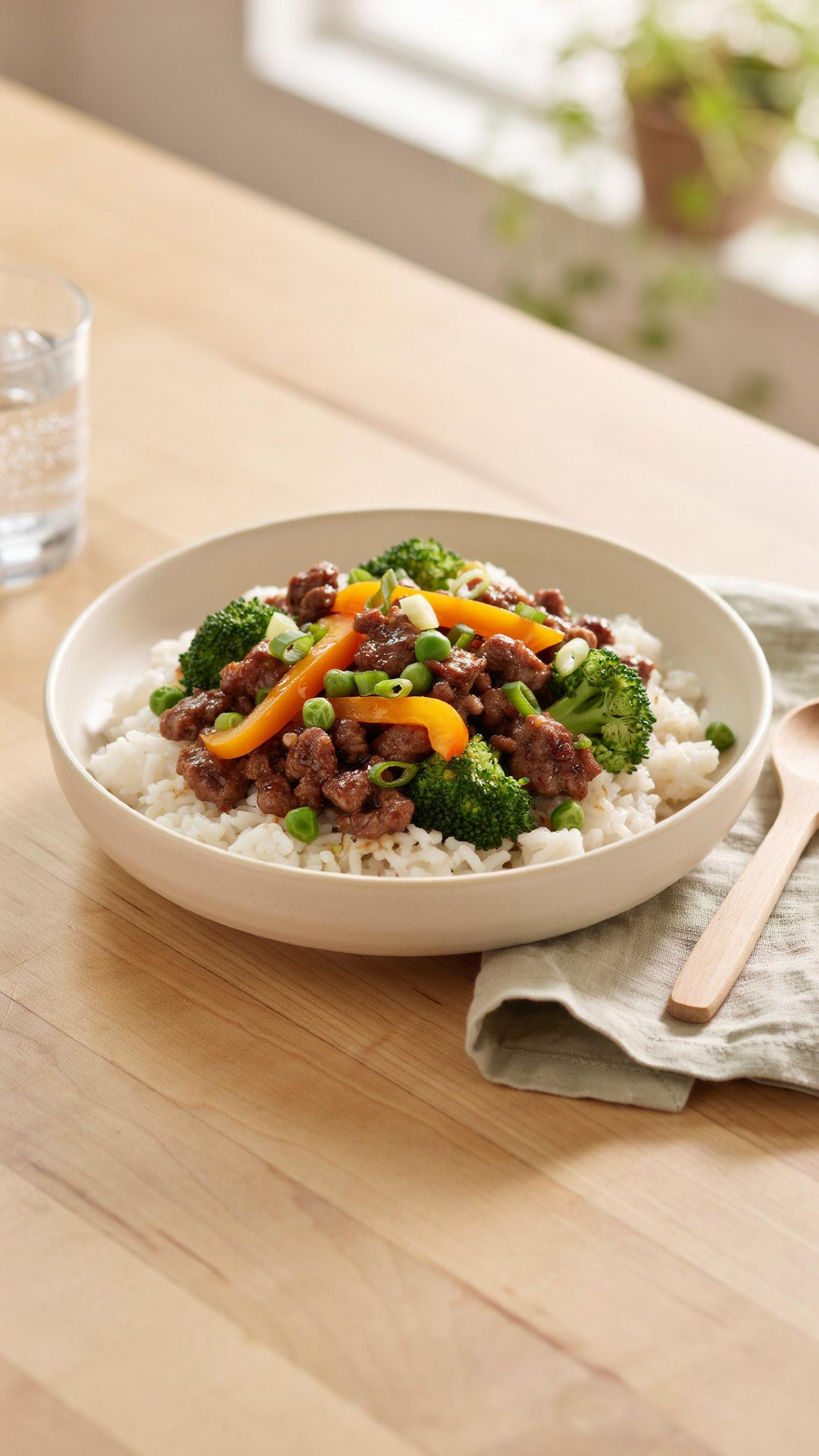
You want permission to eat the same thing every night without feeling like you’re settling. The mechanism is simple: constraint breeds consistency, and consistency beats perfection. Ground beef and rice work because they’re nutritionally complete, require no improvisation, and scale without thought. Protein lands. Carbs refuel. Fat satisfies. Nothing else matters. This is the operative model for 80 percent of high-protein dinners that actually get eaten instead of planned.
The ratio is non-negotiable. One pound of ground beef feeds three to four people when paired with two cups of cooked rice. Cook both separately to control texture. Ground beef browns in a wide pan over medium-high heat in eight to ten minutes. Rice cooks in a pot with a 1:2 rice-to-water ratio, covered, for eighteen minutes. Do not skip the rest period on rice. The carryover cooking matters.
- Ground Beef Plus Soy Sauce and Garlic: Brown the meat, add minced garlic in the last minute, finish with soy sauce and serve over rice. Umami does the work your palate expects from complexity.
- Ground Beef Plus Tomato Paste and Oregano: Stir in tomato paste after browning, add oregano, simmer three minutes. This is the scaffold for anything Mediterranean-adjacent without the work.
- Ground Beef Plus Cumin and Lime: Brown the meat, dust with cumin, finish with lime juice and a pinch of salt. The acid cuts through the fat and makes rice taste intentional.
- Ground Beef Plus Black Pepper and Fish Sauce: This reads harsh on paper. It tastes like depth. One teaspoon of fish sauce transforms ground beef into something your brain registers as cooked with intent.
- Ground Beef Plus Ginger and Soy Sauce: Mince fresh ginger, brown the beef with it, add soy sauce at the end. Ginger adds a chemical brightness that makes the meal feel less repetitive after two weeks.
The pairing principle is this: one dominant flavoring agent, one supporting agent, salt, heat. Add nothing beyond that. Your job is not to create novelty. Your job is to make the same meal taste deliberate enough that you eat it instead of ordering takeout.
Recycled Components Into New Meals
Leftover beef and rice do not stay leftover because you have secondary meals built in. Economics borrowed the concept of velocity from physics. In meal prep, velocity is how quickly cooked components cycle into new forms. A batch of ground beef does not sit in your fridge unused if you’ve planned three different applications.
Crumble yesterday’s beef and rice into eggs tomorrow morning. Add diced peppers, cheese, and black pepper to make a breakfast scramble with protein and carbs in one pan. This is not breakfast innovation. This is the exact mechanism of meal prep: one base, three expressions. Take that same beef and rice batch. Mix it with mayo and hot sauce to fill a tortilla as lunch. The third form: stir it into broth with frozen vegetables for soup. Each costs five minutes and produces a completely different eating experience from the same Sunday cook.
The real obstacle isnt finding the perfect meal its mastering your own biological inertia

You already know beef and rice works. Your body knows it works. The gap between knowing and doing lives in your kitchen on Sunday night. Pick one day this week. Buy two pounds of ground beef and a bag of rice. Cook it. Portion it. Stop waiting for motivation to strike when discipline gets the job done. The only person stopping you from eating like you have a plan is you.