
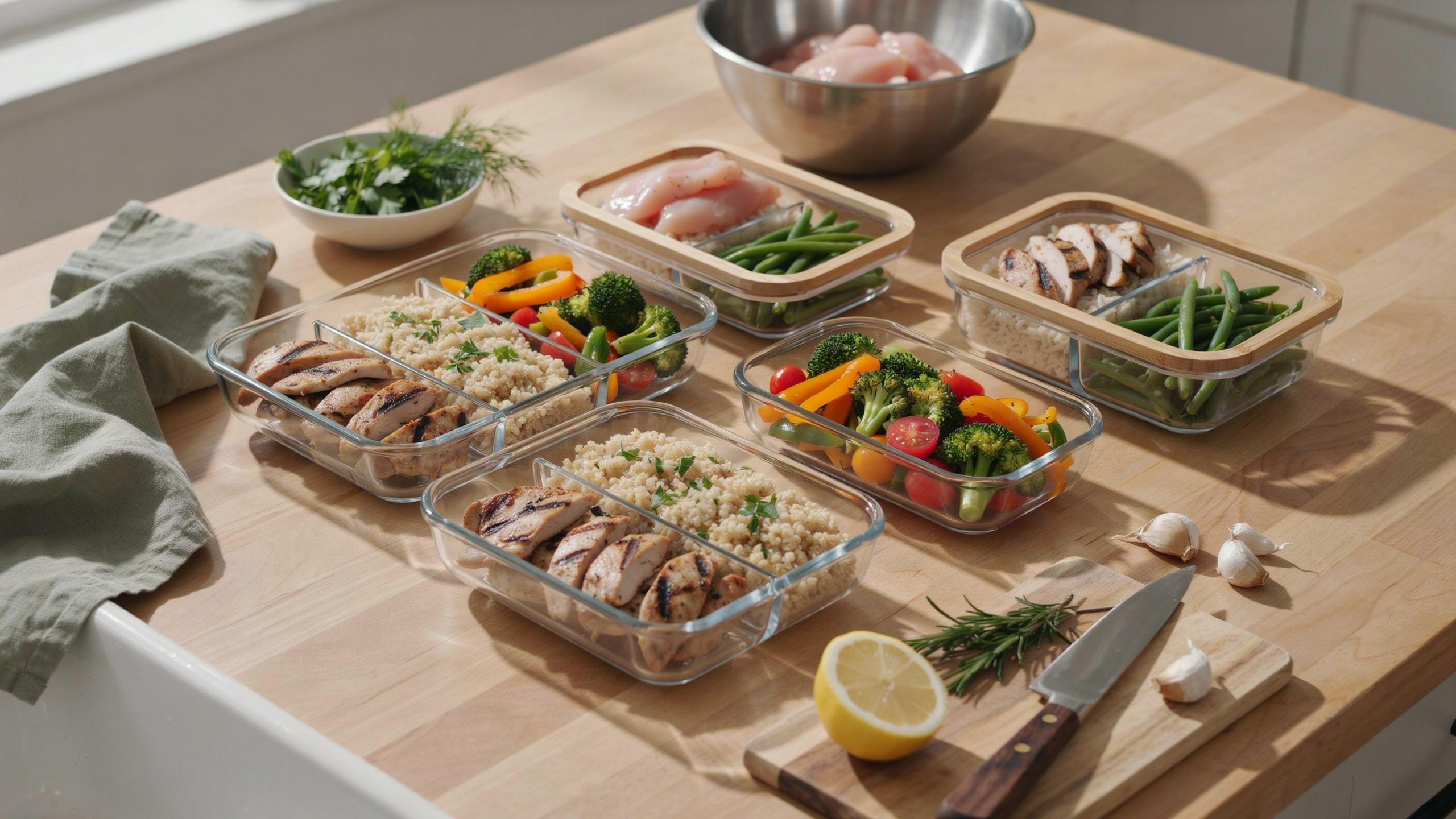
Why Your Current Meal Prep Fails The Illusion Of Variety
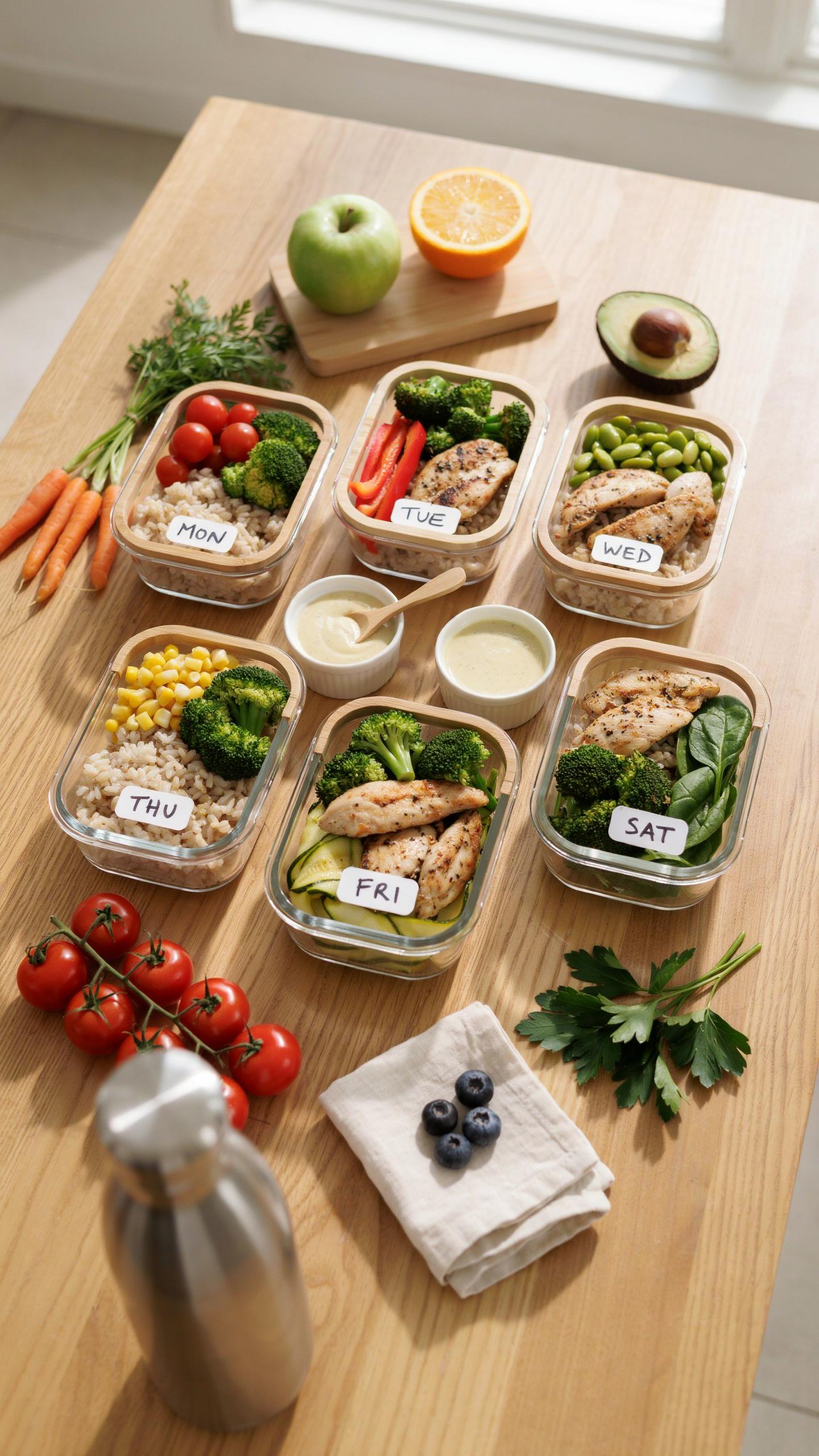
You’re Buying Failure, Not Food
You want meal prep to feel effortless so you don’t have to think about eating. That’s the real motive. The mechanism that kills most people’s prep is simple: they optimize for volume without considering decay. They make eight containers of chicken on Sunday, store them wrong, and by Wednesday they’re eating oxidized protein that tastes like wet cardboard. Quantity means nothing if the food degrades before you eat it.
Proper storage changes the math entirely. Raw chicken in airtight containers lasts three to four days in a standard refrigerator set to 40 degrees Fahrenheit or below. Cooked chicken lasts the same window. Most people either don’t know this or ignore it, prepping five days of food at once and pretending the last two containers taste the same as the first two. They don’t. The fat oxidizes, the texture breaks down, and you lose both nutrition and palatability. Cook in two batches, three days apart, or accept that you’re eating diminishing returns.
The Real Cost Of Chasing New Recipes Every Week
The advice to “rotate recipes for motivation” is incomplete garbage. What actually happens is you spend Sunday researching five different chicken recipes, buy ingredients you’ve never worked with, make mistakes on execution, waste food, and end up eating takeout Wednesday because prep fatigue set in. Economics calls this decision fatigue. You have a finite number of decisions per day, and spending them on novel seasoning combinations instead of consistent execution drains your ability to follow through.
The mechanism is stupidly straightforward: master three to four chicken recipes cold, execute them flawlessly, then rotate them on a monthly cycle if boredom hits. Not weekly. Not daily. This removes the decision load and lets your hands move on autopilot, which means you actually finish the prep instead of abandoning it halfway through. Your brain needs predictability to maintain compliance. Give it that, and you’ll prep consistently. Chase novelty, and you’ll quit by week three.
The Minimalist Protocol Essential Chicken Prep
One Ingredient, Infinite Outputs
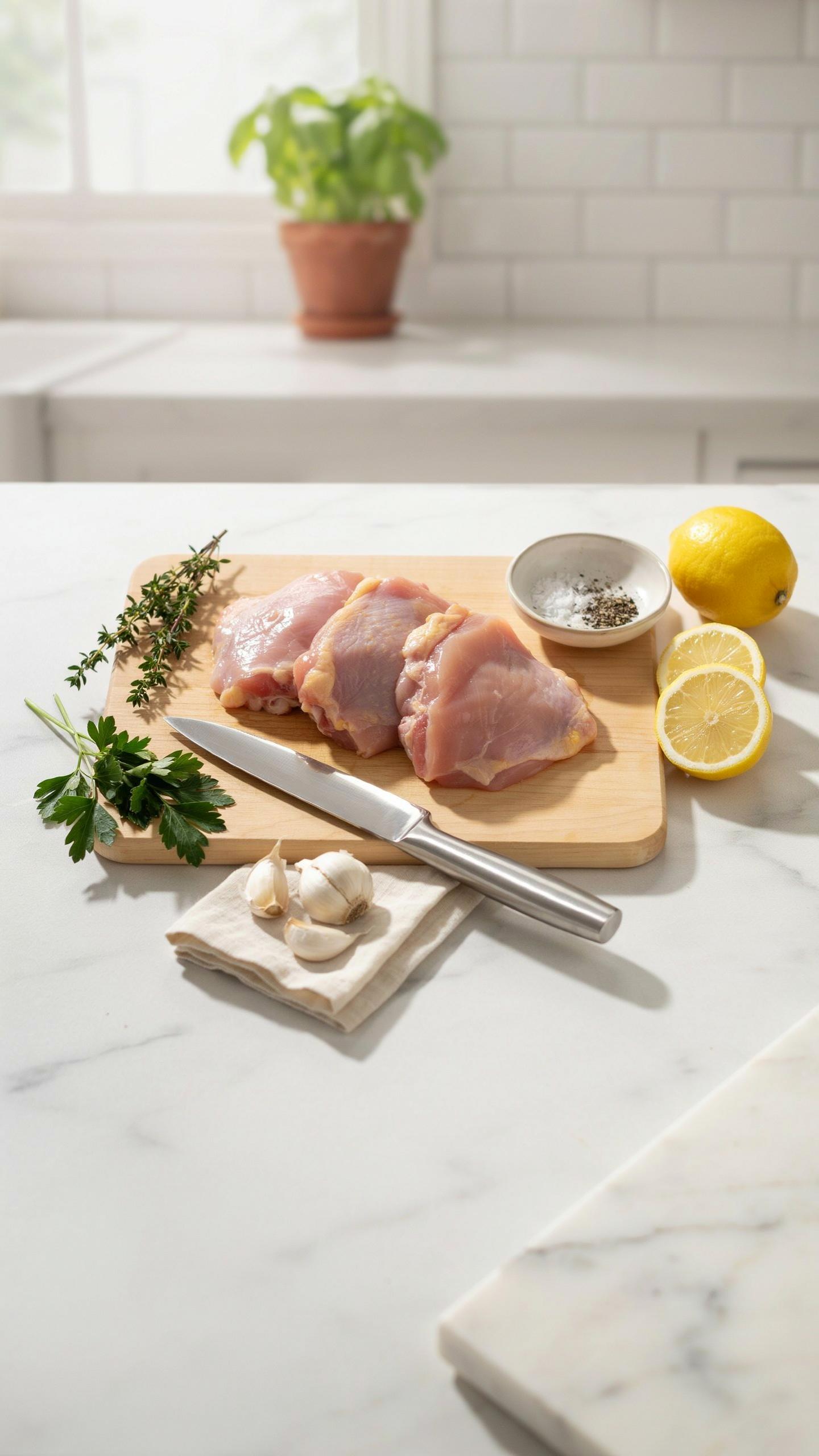
You want meal prep to feel effortless so you don’t have to think about food decisions. The mechanism is constraint. Buy one whole chicken or bulk chicken breasts, cook them once using a single method, then change nothing but seasoning and pairing. This collapses decision fatigue and setup time.
A roasted chicken yields shredded meat for tacos, grain bowls, salads, and soups without reheating or reprocessing. Poached chicken breasts stay tender and absorb flavors from marinades applied after cooking. The cook-once-eat-many model eliminates the trap of cooking different proteins on different days, which devours motivation by Wednesday.
Batch One Method, Stack The Variations
Most advice says rotate cooking techniques. Wrong. Pick one method per protein batch and own it. Roasting at 425°F for thirty-five to forty minutes yields consistent results across multiple chickens simultaneously.
The real leverage lives in post-cook treatment. Store plain cooked chicken in airtight containers for five days. On serving day, add acid (lime juice, vinegar), fat (olive oil, tahini), and seasoning (cumin, garlic, salt). This separation of cooking from flavoring means you cook zero times per week instead of four or five, and you respond to what you actually want to eat rather than committing to a flavor profile days prior.
High Protein Meal Prep Ideas For The Week Beyond The Breast
Thighs Vs. Breast: Nutritional Truths
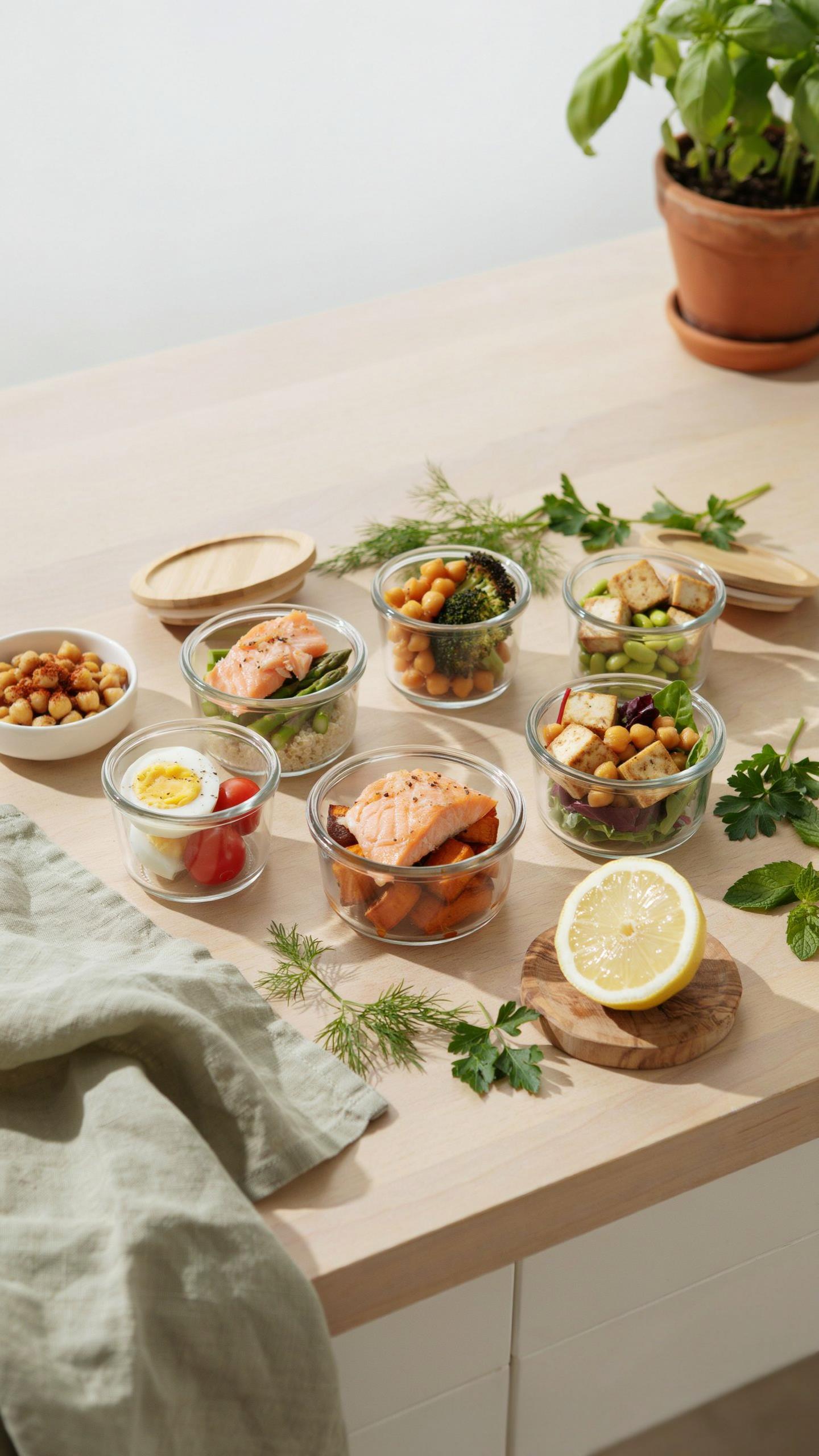
You want chicken breast because you think it’s the only lean option, but you’re actually buying into marketing from the 1980s diet industry. The real mechanism: thighs contain marginally more fat but deliver superior nutrient density. Thighs carry more iron, zinc, and B vitamins than breast meat. The fat difference amounts to roughly 5 grams per 100 grams cooked. That’s not a problem for meal prep. It’s irrelevant for body composition.
Breast meat wins only on protein per calorie: about 31 grams protein per 100 grams versus 26 grams in thighs. If you’re in a steep deficit and every calorie counts, breast makes sense. Otherwise, thighs cook faster, stay moist during reheating, and cost less. They also absorb marinades and seasonings better because fat carries flavor compounds. Most people choose breast out of habit, not evidence.
Overlooked Cuts That Actually Taste Better
Chicken thighs aren’t overlooked because they’re inferior. They’re overlooked because nobody taught you to cook them. Drumsticks and thighs contain collagen that converts to gelatin during slow cooking, creating texture that reheats without drying out. This matters for meal prep because your Monday chicken tastes like Friday chicken. Breast meat turns into cardboard after three days regardless of storage method.
Ground chicken from thighs is the real leverage point. It browns faster than lean ground, renders its own fat for cooking, and requires zero added oil. One batch yields tacos, meatballs, and pasta sauce without changing your prep method. Store in 2-pound portions. Use within four days or freeze. The mechanism is simple: fat prevents oxidation during storage.
The Scarcity Mindset Method Maximizing Limited Ingredients

What Your Grocery Budget Actually Costs
You want to feel smart about stretching your dollar, but the real issue is time. Opportunity cost from economics applies directly here: every ingredient you buy has a hidden price beyond its shelf tag. That price is the meals you can’t make, the prep hours you waste on decision fatigue, and the spoilage tax when you overbuy. Most people ignore this entirely and buy “variety” they never use. The mechanism is simple: limit your ingredient pool to five core proteins and eight supporting vegetables, then build every meal from those constraints.
When you reduce choice, execution accelerates and waste drops. A narrow ingredient list means you buy chicken thighs, ground chicken, and chicken breasts only. You rotate between rice, sweet potato, and oats as carbs. You pick broccoli, bell peppers, carrots, green beans, and one dark leafy green. This isn’t deprivation. This is leverage. You master three cooking methods for those nine items and never think about what to prep again. The financial math works because you buy in bulk at better per-unit cost and eliminate the premium you pay for decision paralysis.
Nutrients Before Novelty Seeking
The common advice says “meal prep should be interesting or you’ll quit.” That’s incomplete. You quit because tracking macros across twelve recipes burns mental energy, not because chicken tastes the same twice. Nutrient density matters more than variation because your body doesn’t need novelty. It needs calories, protein, carbohydrates, and micronutrients at predictable levels. Chicken thighs give you more iron and fat than breasts. Broccoli delivers more micronutrients per calorie than spinach. Sweet potatoes pack more potassium than white rice.
Build three templates instead of twelve unique recipes. Template one: chicken thigh with rice and roasted broccoli. Template two: ground chicken with sweet potato and sautéed carrots. Template three: chicken breast with oats and steamed green beans. Each template hits your protein and carb targets. You cook all three in parallel on Sunday, portion them into containers, and eat them throughout the week. No recipe scrolling. No macro confusion. You gain predictability and lose the decision load that kills most meal prep attempts.
Easy Meals Prep The Assembly Line Advantage

Pre Chop Everything On One Day
You want to believe meal prep saves time during the week. The real mechanism is friction reduction: every decision point and setup task you eliminate on prep day compounds into actual time savings later. Pre-chopping works because it removes the cognitive load and physical setup cost from eating well when you’re tired.
Dedicate two hours on Sunday to chopping all vegetables for the week. Onions, peppers, broccoli, carrots, green beans go into separate containers. Store them in airtight containers with paper towels to absorb excess moisture, which extends shelf life to five days. The containers sit ready. When you cook chicken, the vegetables are already there waiting.
Batch Cook Proteins And Starches Separately
Cooking proteins and starches together creates a timing problem: rice finishes before chicken, or vice versa, so something sits around losing quality. Cook them independently on the same day in the same oven using different sheet pans. Season chicken breasts with salt, pepper, and oil. Roast at 425°F for twenty-two minutes. Simultaneously, roast sweet potatoes or rice in another pan with identical timing discipline.
This parallel processing approach comes directly from manufacturing logistics: inventory sits idle when production stages don’t align. Cooked chicken and cooked starches store separately for five to six days. You combine them fresh into containers during the week based on your actual hunger level, not what you prepped. This solves the staleness problem that kills meal prep compliance.
Mix And Match Building Blocks
Create four to five protein options, three starch options, and four vegetable options in bulk. Don’t make the same meal six times. Make grilled chicken breast, slow-cooked chicken thighs, and ground chicken seasoned three different ways. Rice, sweet potato, and quinoa go in separate containers. Roasted broccoli, sautéed spinach, and raw salad greens fill the vegetable slots.
You now own a modular system, not a meal plan. Grab one protein, one starch, one vegetable, combine them based on what your body needs that day. Storage complexity drops because you’re tracking components, not finished meals. This flexibility is what keeps people coming back to meal prep instead of abandoning it after two weeks.
Best Protein Meal Prep Flavor Profiles Not Complex Recipes
Seasoning Blends That Actually Work
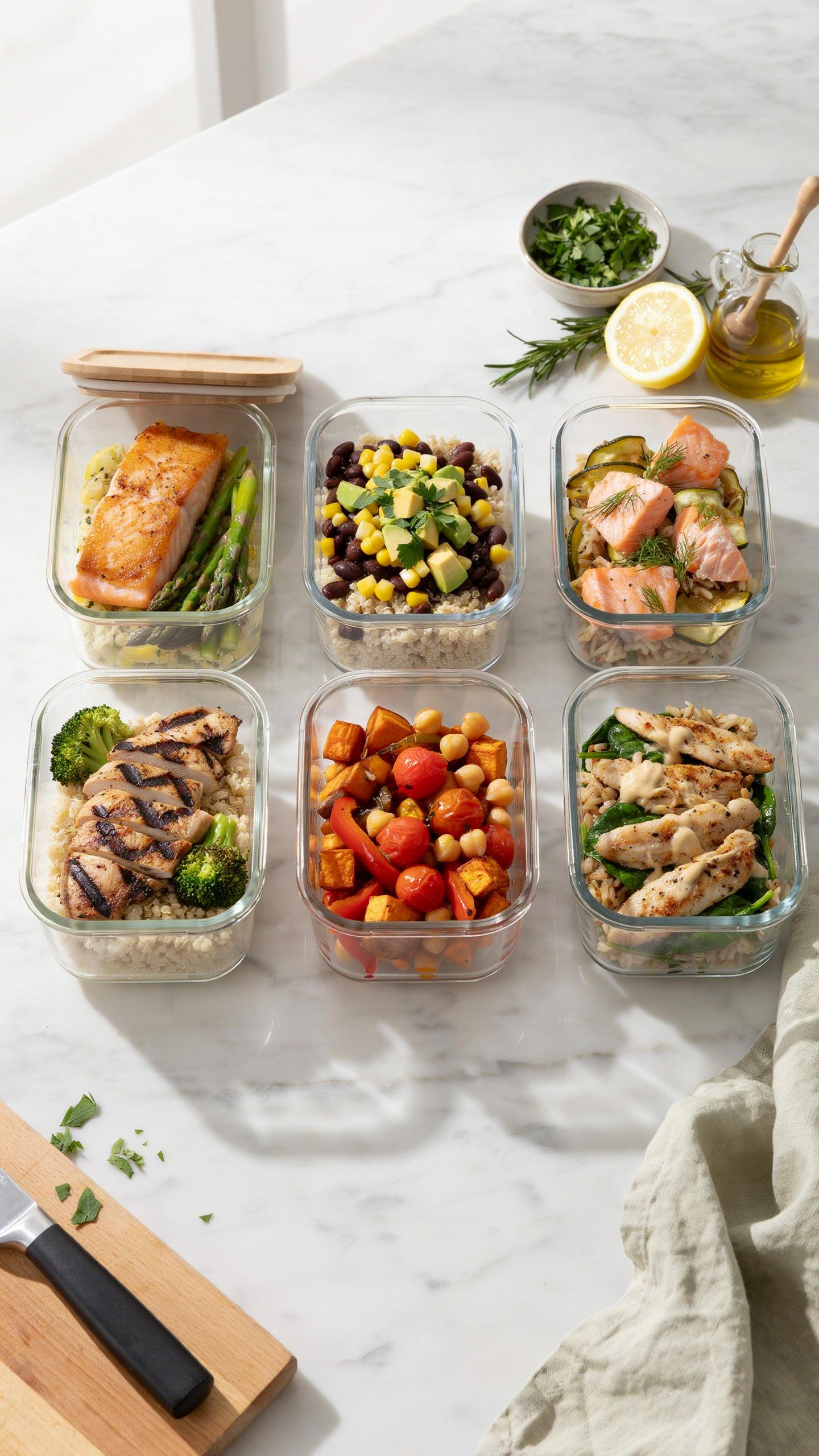
You want people to think you’re disciplined because you meal prep, but the real fear is eating the same bland chicken five days straight. The mechanism is this: flavor lives in salt ratios and acid balance, not ingredient count. Most people add too many spices and confuse complexity with taste. You need three elements—salt, heat, acid—applied correctly.
The difference between restaurant chicken and yours isn’t technique. It’s seasoning strategy. Professional kitchens build flavor through layered salt application and acid timing. You apply salt to raw chicken before cooking, which begins osmosis and tenderizes the meat while enhancing seasoning penetration. Then you add acid after cooking to brighten flavors that dulled during heat exposure.
- Salt and pepper base: Apply kosher salt to raw chicken 12-24 hours before cooking. The sodium chloride breaks down muscle proteins and seasons from inside out. Finish with cracked black pepper after cooking for texture and fresh heat.
- Garlic and onion powder: Mix 2 parts garlic powder with 1 part onion powder into your salt. These compounds caramelize during cooking and provide umami depth that single-ingredient seasonings cannot match.
- Paprika for color and mild smoke: Hungarian paprika or smoked paprika adds visual appeal and layered flavor without overpowering. Use 1 teaspoon per 2 pounds of chicken to avoid bitterness from over-application.
- Cayenne for controlled heat: Start with 1/4 teaspoon per 2 pounds. Cayenne’s Scoville rating sits between bell pepper and habanero, giving perceptible heat without destroying other flavors or causing sweating.
- Citrus or vinegar finish: Squeeze fresh lemon or lime over cooked chicken, or mist with white vinegar. Acid cuts through fat and salt, making flavors pop. Apply after cooking so heat doesn’t destroy volatile compounds.
Build your baseline blend and use it for five days. Repetition trains your palate to accept the flavor, which sounds boring until you realize this removes decision fatigue from meal prep. You’re not chasing novelty. You’re building neural pathways that make eating the same meal feel automatic instead of painful.
Building Sauces That Store Without Separating
The common advice says simmer your sauce with chicken to lock in flavor. That’s how you end up with separated, grainy sauce by day three in your fridge. The real move is to make sauce separately and store it apart from cooked protein, then combine portions at eating time.
Oil-based sauces separate because fat molecules reject water molecules. Emulsifiers like mustard, egg yolk, or starch-based slurries hold them together temporarily, but temperature fluctuations in your fridge break the bond. The fix is a cold emulsion protocol: whisk your acid first, add oil drop by drop while whisking, and store at consistent temperature. For chicken meal prep specifically, combine your sauce with chicken only when you’re ready to eat, not when you’re prepping. This keeps your chicken moist and your sauce stable for five days instead of three.
Vinaigrette-based sauces store longer than cream-based ones because they lack the protein breakdown that causes separation in dairy. Mix one part acid (vinegar or lemon juice) with three parts oil, add your seasonings, and shake before use. If you need creamier texture, make a separate yogurt or tahini sauce that you drizzle on top rather than mix in. The separation happens on the surface, not throughout the meal, so you notice it less and fix it by stirring.
Healthy Chicken Recipes Meal Prep Fueling Performance Not Trends
Macronutrient Balance For Sustained Energy
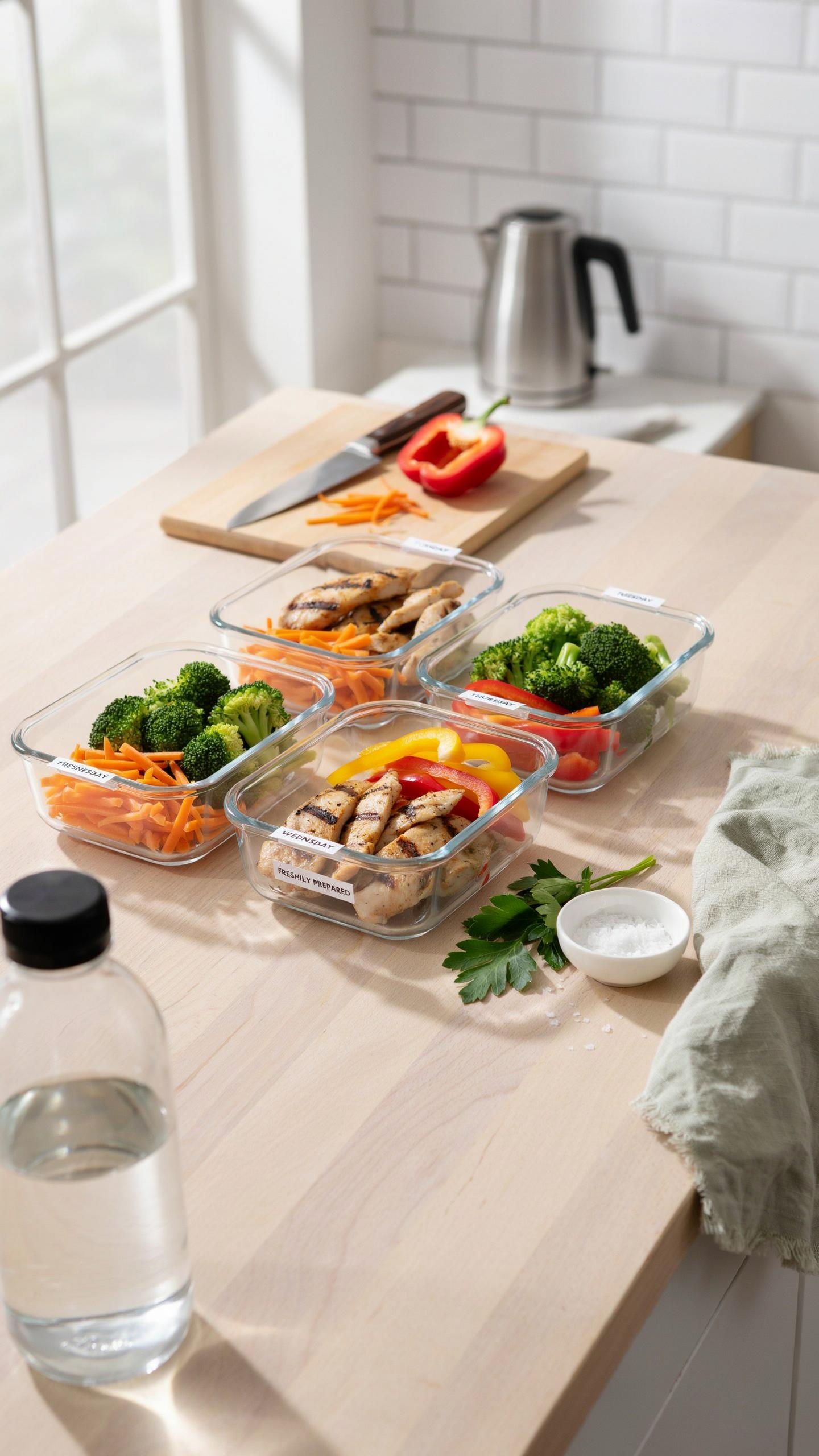
You want to believe one macro matters more than the others because it’s simpler to execute. The mechanism is basic biochemistry: your body needs protein for tissue repair, carbs for immediate energy and glycogen storage, and fat for hormone production and nutrient absorption. Chicken meal prep works because it delivers high protein density while you control carb and fat ratios around your actual activity level, not some influencer’s arbitrary split.
Most people underfuel on carbs around their training, then wonder why they plateau. Protein alone doesn’t drive performance. A 200-pound person doing serious resistance work needs roughly 0.8 to 1 gram of protein per pound of bodyweight daily, paired with carbs timed before or after training windows. Your chicken breast base stays constant. The sides and cooking fat shift based on whether that day is a training day or not. Track intake for two weeks to establish your real baseline, then adjust portions, not foods.
The Clean Eating Claim Is Marketing
The “clean eating” narrative is incomplete because it ignores caloric context and personal tolerance. You see lean chicken, steamed broccoli, and brown rice sold as the holy trinity, but eating 3,000 calories of that combination won’t transform your body any differently than 3,000 calories of less “optimized” food if you’re sedentary. The mechanism is energy balance, not food purity. Chicken meal prep succeeds because it’s predictable and easy to portion, not because chicken is morally superior.
What actually matters: does the food digest well for you, does it fit your calorie target, and can you prepare it consistently? Some people bloat on raw broccoli and brown rice. Others thrive on it. Your chicken base works either way. Add the carb and vegetable sides that don’t cause digestive stress, keep protein high, and hit your calorie number. Everything else is noise. Weigh and log for one week to verify your portions match your stated macros, then cook that same recipe every time.
Chicken Meal Prep Lunch Ideas The Cold Hard Truth About Leftovers
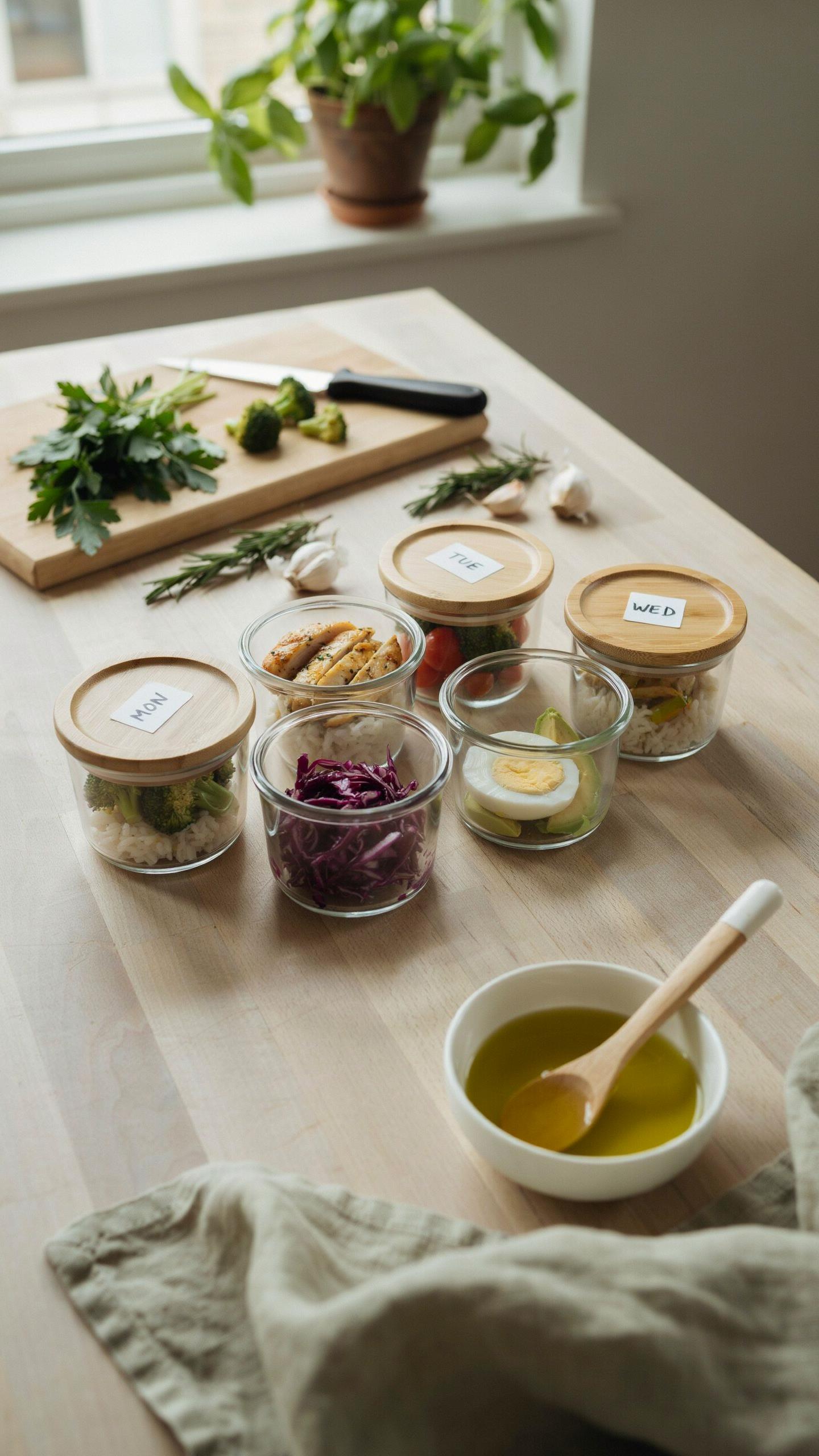
How Long Cooked Chicken Actually Lasts
You’re worried about food poisoning because nobody wants to be that person at work, but the real issue is bacterial growth follows predictable exponential math. Cooked chicken stored at 40°F or below stays safe for three to four days. This isn’t negotiable. USDA food safety data confirms this window. After day four, pathogenic bacteria multiply past the safety threshold regardless of how the chicken looks or smells.
Temperature control matters more than anything else. A refrigerator that drifts to 45°F cuts your window short. Store chicken on the bottom shelf so it can’t drip onto other food. Use airtight containers. Shallow containers cool faster than deep ones. The chicken reaches safe temperature quicker this way, which actually extends storage life because bacteria had less time to multiply during the cooling phase.
The Reheating Protocol That Stops Boredom Before It Starts
Most people reheat chicken the same way every time, which is why meal prep fails by Wednesday. The mechanism here is sensory adaptation: your palate stops registering flavors once the temperature and texture stay constant. Rotate your reheating method to reset how the chicken tastes.
Day one, eat it cold in a grain bowl with vinegar based dressing. Day two, reheat gently in a skillet with fresh herbs and butter at medium heat for five minutes. Day three, shred the chicken and add it to broth based soup. Day four, dice it and toss with mayonnaise and fresh vegetables. Each method changes the texture and thermal profile enough that your brain perceives novelty. The chicken is identical. Your experience isn’t.
The real obstacle isnt finding the perfect recipe its your addiction to unnecessary complexity

You don’t need a seventeen-step marinade or three different cooking methods. You need chicken, salt, heat, and containers. Pick one protein, one seasoning approach, one cooking method. Make it Sunday. Eat it all week. Most people fail at meal prep because they design a system so elaborate they abandon it by Wednesday. Simplicity isn’t boring. Simplicity is the only thing that actually sticks.