The Metabolic Mismatch Why Your Snacks Sabotage You

Sugar Spikes: The Real Enemy
You want to believe a granola bar counts as healthy so you can stop thinking about what you eat. The mechanism is simpler than marketing wants you to know. Most commercial snacks dump refined carbs into your bloodstream fast. Your pancreas floods your system with insulin. Blood sugar crashes ninety minutes later. You’re hungry again. You eat again. Nothing changes.

High carb snacks create a glycemic spike, borrowed from endocrinology, where insulin acts like a bouncer who shuts the door on fat burning the moment glucose enters the room. Your body prioritizes storing energy instead of using it. This isn’t a character flaw. It’s biochemistry. Cheese-based snacks avoid this trap entirely because they contain virtually no sugar and minimal digestible carbs. Fat and protein digest slower. Your blood sugar stays flat. No crash. No phantom hunger two hours later.
Protein As The Performance Stabilizer
Protein is the only macronutrient that increases satiety signaling directly to your brain. You eat cheese and protein, your body sends a “full” message fast. You stop eating sooner. You feel it longer. The common advice to “include protein in every snack” is correct but incomplete. Most people add protein powder to carb-heavy snacks and wonder why they’re still hungry. The carbs spike insulin, which tells your brain to ignore the satiety signal.

Cheese solves this because it’s already protein and fat in one form. You get twenty to thirty grams of protein per ounce of hard cheese. No processing needed. No need to mix anything. This combination of high protein and high fat with zero sugar creates stable energy for hours. Your energy doesn’t spike or crater. Your brain stays sharp. Your hunger hormones stay quiet. Meal prep cheese packs ahead so you grab them instead of the vending machine. That’s the entire mechanism: remove friction from the better choice.
The High Protein Snack Ideas Deception Beyond Basic Bites
The Protein Threshold Nobody Admits
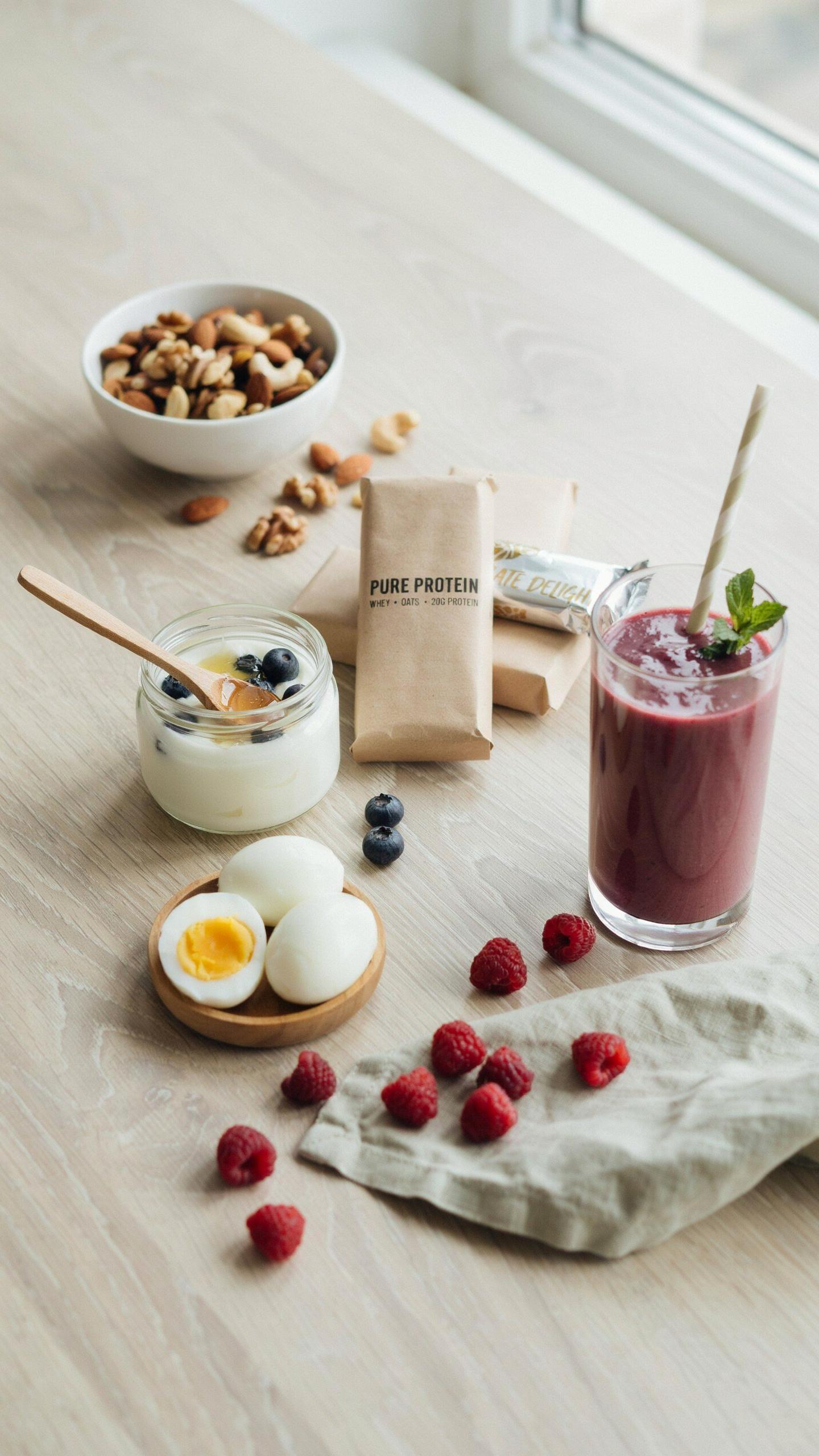
You want permission to eat snacks without guilt. Here’s the mechanism that matters: protein quantity alone doesn’t sustain energy or satiety. The fitness industry sells a number (20g, 30g, whatever) because numbers are easy to market. But your body doesn’t stop feeling hungry because you hit an arbitrary gram target. It stops when you trigger specific satiety signals through amino acid composition, fat content, and meal timing. A 20g protein snack with zero fat and high simple carbs leaves you depleted in two hours. The same 20g paired with fat and fiber rewires your hunger for four to six hours.
Satiety in biology works like resistance in electrical circuits. Protein is one conductor, but fat density and nutrient density are equally critical. Most meal prep guides treat protein as a standalone variable when it’s actually part of a three-factor system. You need adequate protein, lipid presence for hormone signaling, and micronutrient density for metabolic stability. Cheese snacks win because aged cheese stacks all three without requiring assembly. Your prep protocol should measure success by hunger absence at hour four, not gram count at meal one.
Pairings That Actually Extend Energy
Energy stability requires you to interrupt glucose absorption, not just add protein. That’s applied biochemistry in a snack pack. Pairing high protein cheese with specific foods doesn’t create synergy through magic, it creates it through opposing digestion rates. Rapid-absorbing components spike blood sugar and trigger crash. Slow-absorbing components flatten the curve. Cheese (slow digestion), nuts (fat plus protein), and certain vegetables (fiber plus micronutrients) create a staggered energy release that sustains cognition and suppresses appetite.
The real pairing isn’t about flavor balance or visual appeal. It’s about macronutrient sequencing. When you combine aged cheddar with almonds and sliced bell pepper, the fiber from pepper slows cheese fat absorption, the cheese protein prevents nut fat from spiking insulin, and the pepper provides chromium for glucose regulation. That’s the mechanism. Your meal prep container should contain one protein anchor (cheese), one fat source (nuts or seeds), and one fiber carrier (vegetables or structured carbs like whole grain crackers). Assemble batches in this three-component structure, not as random combinations.
The Cheese Bites Protocol Engineered For Output
Pick Your Protein Sources First
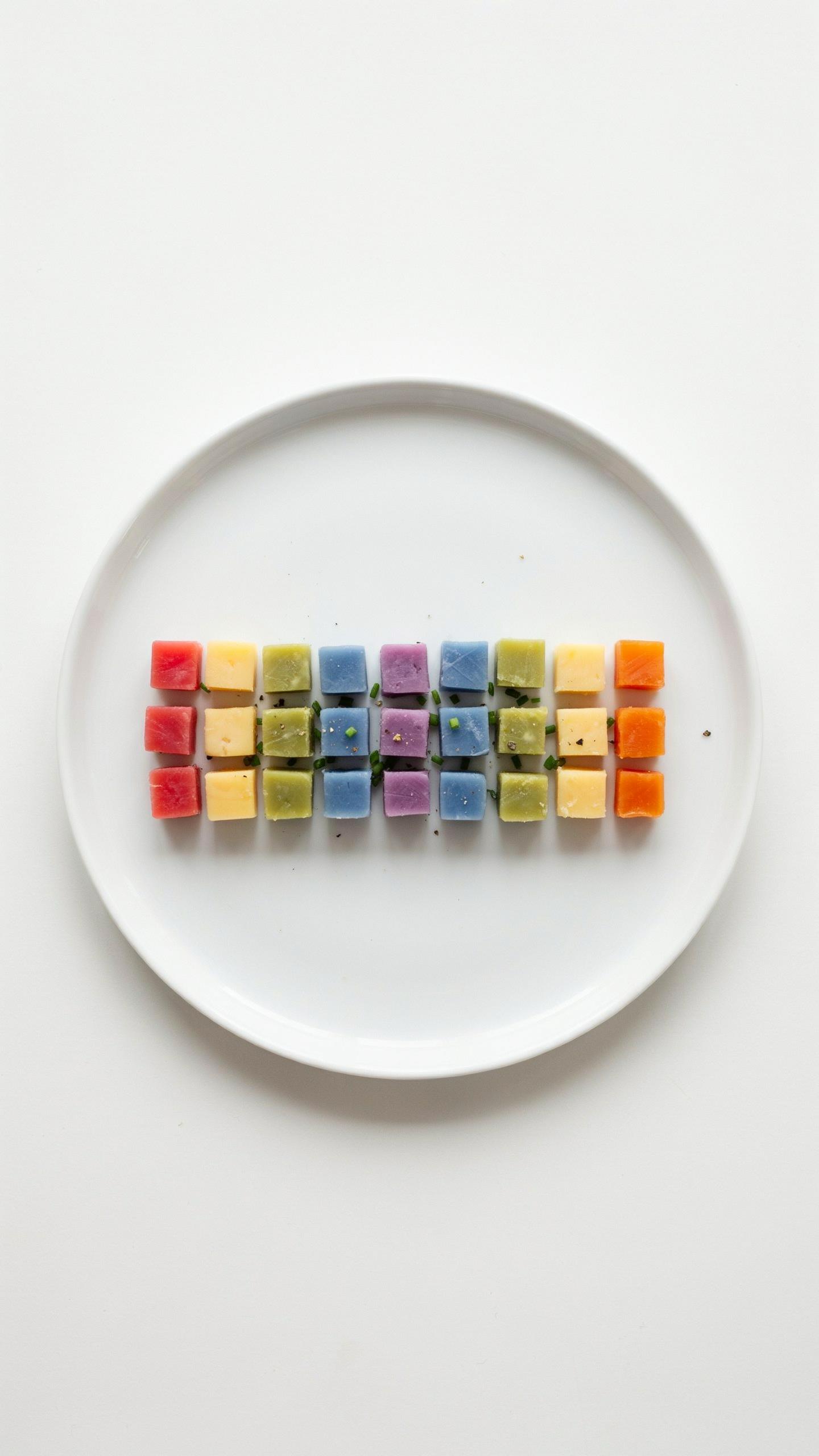
You want to believe that any cheese works equally. It doesn’t. The real constraint isn’t flavor preference—it’s protein density per gram of fat, because excess fat oxidizes in storage and kills shelf life. Borrowing from materials science, think of cheese selection as stress testing: you need components that maintain structural integrity under real storage conditions, not ideal ones.
- Greek-style cheese (like feta or halloumi): High protein relative to fat content. Holds texture for seven days minimum. The pressed moisture removal is the mechanism that prevents spoilage.
- Sharp cheddar blocks: Aged varieties have less lactose and more casein protein. Buy blocks, not pre-shredded. Anti-caking agents in shredded cheese absorb moisture and accelerate mold.
- Cottage cheese (full-fat): 14 grams protein per half cup. Store separately in airtight containers. The whey separation is normal and doesn’t indicate spoilage if liquid stays clear.
- Mozzarella (low-moisture, full-fat): 8 grams protein per ounce. Melts predictably in portioned cups. The lower water content compared to fresh mozzarella extends pack shelf life to ten days.
- Smoked Gouda: High protein density with natural antimicrobial properties from smoking. Slices hold shape better than softer varieties during handling and transport.
Most meal-prep guides tell you to “choose quality cheese” and move on. That’s incomplete. The selection mechanism is this: protein-to-fat ratio determines oxidation rate, moisture content determines mold risk, and aging level determines how long the pack survives repeated temperature exposure. Measure these factors first, then taste becomes secondary.
Stack Components In Layers
Forget the assumption that assembly order doesn’t matter. In practice, it controls whether your pack stays fresh and whether you actually eat it instead of abandoning it halfway through the week. You’re building a compact stack that prevents moisture migration, compression, and flavor degradation over five to seven days.
Layer structure works like this: place your highest-density items on the bottom—hard cheeses or cheese cubes first. Add complementary proteins second: cured meats, nuts, or seeds. Position softer components on top—cottage cheese cups or cream cheese if you use them. This compression hierarchy prevents the bottom items from absorbing moisture from above. Store everything in five-ounce mason jars or stackable polypropylene containers with airtight seals. Label each pack with the date and intended consumption day. Prep four to five identical packs on the same day in one uninterrupted session. The repetition builds speed. Your first pack takes twelve minutes. By the fifth pack, you hit five minutes. That efficiency compounds over weeks. Batch this into Sunday afternoons. Spend ninety minutes once weekly instead of deciding what to eat four times during the work week—that’s the real output gain.
Beyond Cottage Cheese Recipes The Unsung Heroes
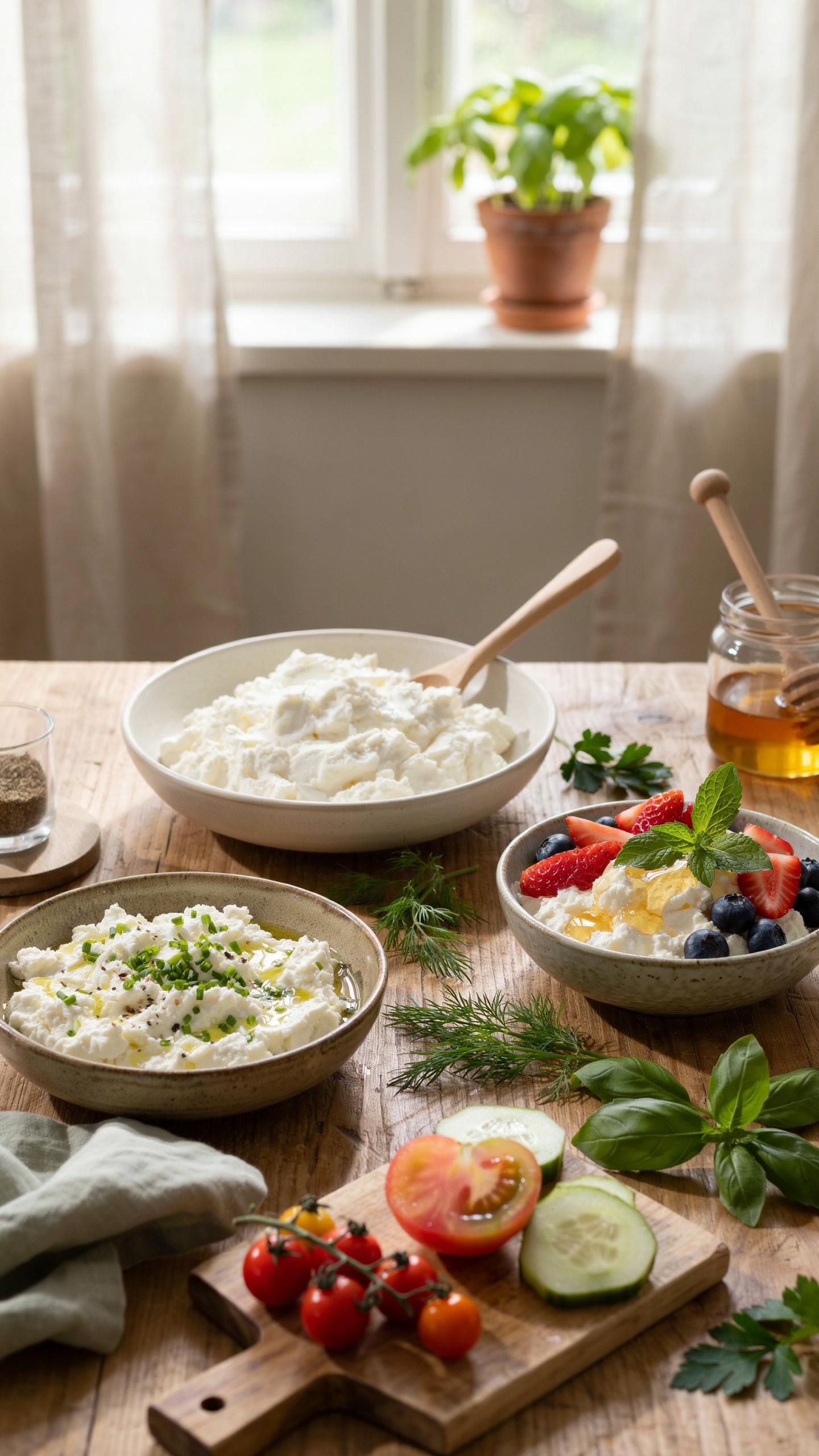
Fermented Cheeses: Gut Brain Axis Activation
You want fermented cheese in your snack pack because you’re hoping it solves the energy crash problem nobody admits they have. Here’s the mechanism: fermented cheeses contain bioactive peptides and live cultures that cross the intestinal barrier and trigger vagal signaling directly to your central nervous system. This isn’t metaphorical. The gut-brain axis is a documented bidirectional communication system, and fermented cheese metabolites activate it faster than fresh cheese can.
Aged cheddar, gruyere, and gouda contain higher concentrations of tyramine and histamine than cottage cheese or ricotta. These compounds modulate dopamine and serotonin pathways. You prep these ahead because the fermentation process is already complete—the protein is partially broken down into amino acids and peptides your body absorbs in minutes, not hours. Stack aged cheese with a vegetable at meal prep time and you remove the digestion lag that triggers afternoon crashes.
The Fat Factor: Satiety And Nutrient Absorption
Everyone tells you protein matters. They’re incomplete. Fat in cheese is where satiety actually lives, and where fat-soluble vitamins A, D, E, and K get absorbed into your bloodstream. Skip the fat and you get hollow fullness—your body registers calories but doesn’t register completion. You prep full-fat cheese because the mechanism is absorption kinetics, not just calorie density.
Cheeses above 30 percent fat content slow gastric emptying by triggering cholecystokinin release. This extends satiety signals for 3 to 4 hours minimum. When you assemble snack packs with full-fat cheese, salted nuts, and fibrous vegetables, you stack three satiety triggers at once. The fat delays stomach emptying, fiber adds volume, protein triggers amino acid sensing. Prep these combinations and store them at 40 degrees Fahrenheit to preserve both fat stability and microbial safety across five days.
The Easy Protein Snacks For Work Fallacy Its A System Not A Snack
Timing Beats Willpower Every Time
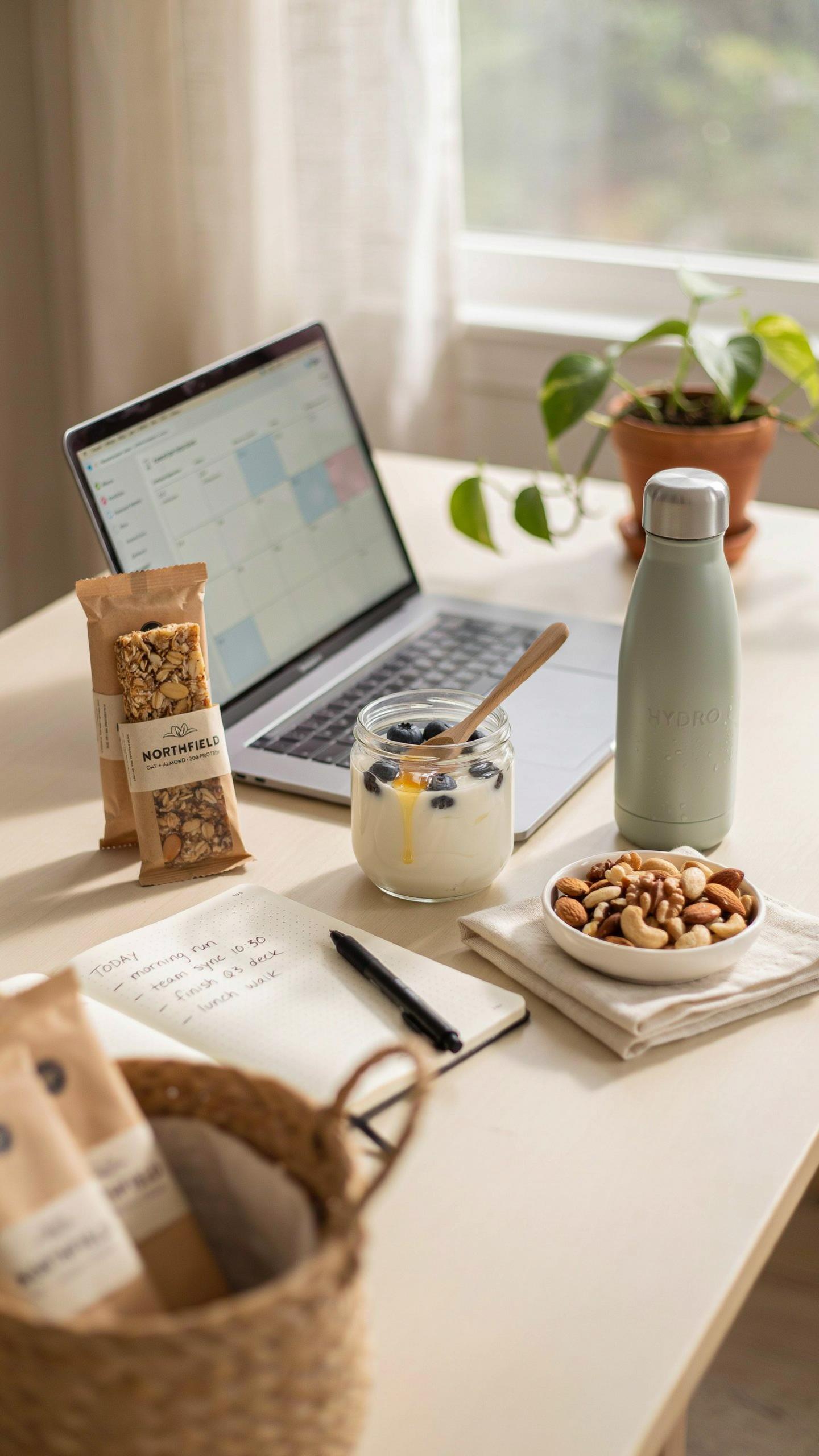
You want to believe a snack is just a snack, that grabbing cheese when hunger hits is a personal choice. It’s not. Economics calls this opportunity cost: the real price of one decision is what you give up by not choosing something else. When you’re starving at 3 PM without a prepped pack, the vending machine doesn’t feel like a choice anymore. It feels like relief. You can’t willpower your way past biology. Prep timing converts hunger into a non-event. Pre-portioned cheese packs at specific intervals eliminate the decision window where worse options become attractive. The mechanism is simple: make the good choice the path of least resistance by removing time gaps where alternatives emerge.
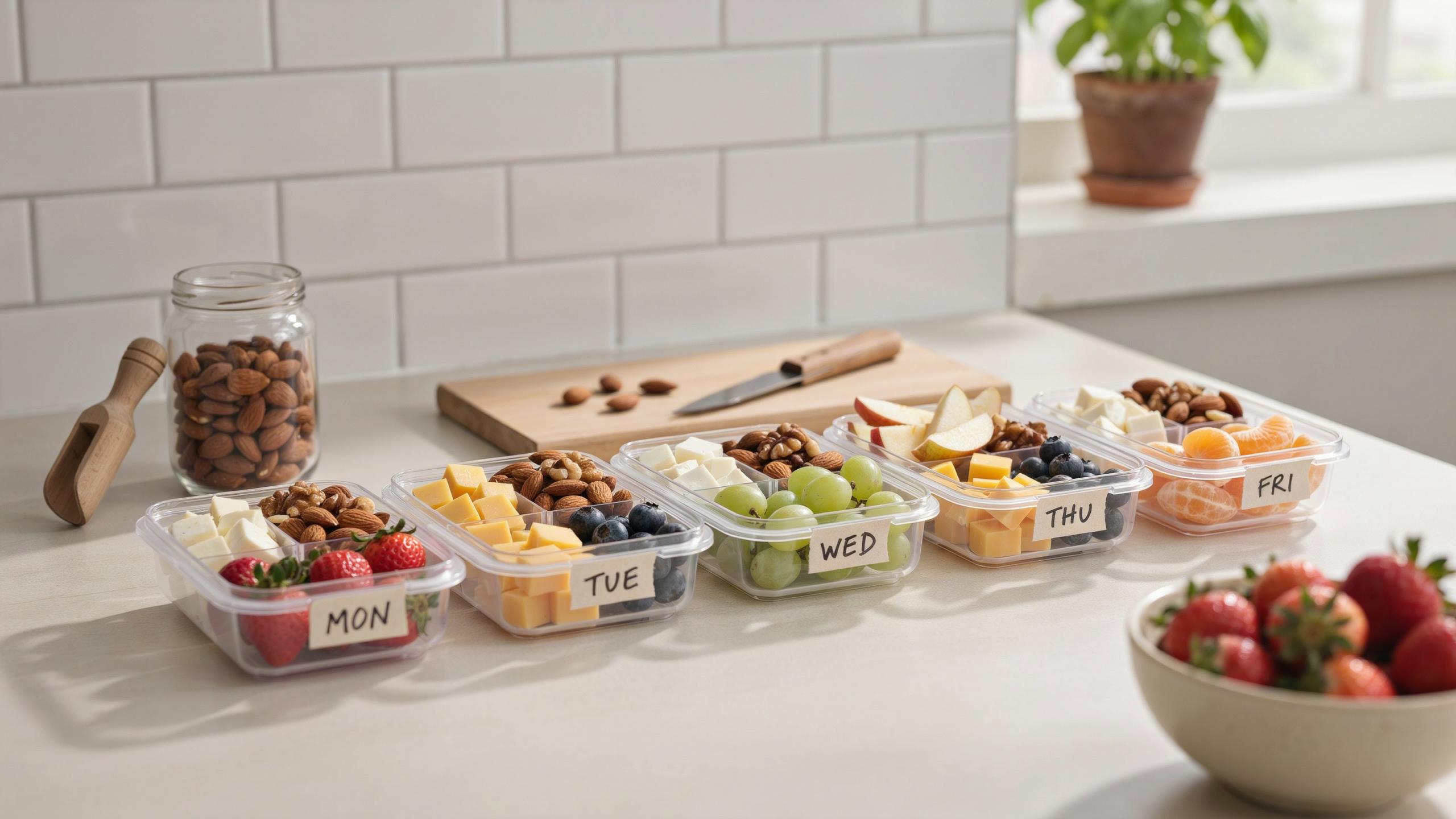
Prep your packs on Sunday for Monday through Wednesday, then Thursday for Friday through the following Tuesday. This staggered approach prevents cheese from sitting too long while maintaining the behavioral lever you need. Portion into containers you’ll actually grab without thinking. The snack succeeds not because cheese is magical, but because you’ve removed the moment when your brain would negotiate with hunger and lose.
The Architecture Of Inevitable Choices
Most advice says build better habits. That’s backwards. You don’t build habits around weak systems. You build systems so tight that habits become irrelevant. Behavioral architecture means designing your environment so the correct action requires zero motivation. This applies here directly: if prepped cheese packs are visible in your fridge at eye level and junk food isn’t in your home at all, you’ve already won. You’re not choosing the cheese. You’re just reaching for what’s there.
Stack your containers in one dedicated zone. Label them with days so friction increases for anything outside the system. Place them before other foods in the visual hierarchy. Your brain processes about 11 million bits of information per second but only consciously handles 40 to 50. Control what appears in those 40 to 50 bits. When the cheese pack is what you see first, it becomes the default. The system works because it doesn’t ask you to be disciplined. It asks you to be organized once.
Mastering Healthy Quick Snacks For Work Speed Without Sacrifice
The Assembly Line Principle
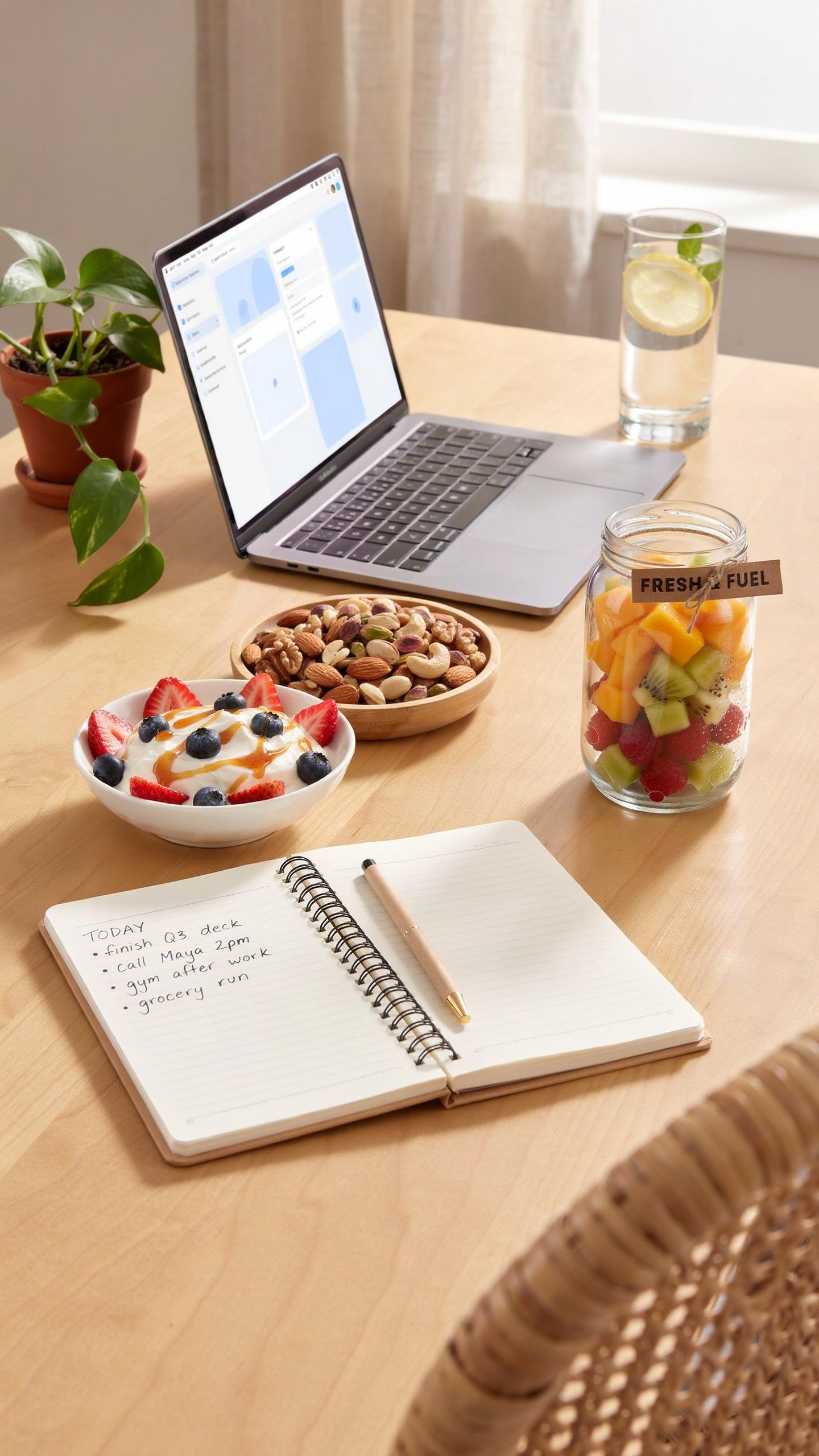
You want to feel productive without actually doing the work. That’s the real barrier here. The mechanism is borrowed from manufacturing: batch processing eliminates decision fatigue and setup time. With cheese snack packs, you’re not cooking six times. You’re assembling one system once, then executing it. This cuts prep time from thirty minutes spread across the week to ninety minutes on Sunday.
Treat your workspace like a production floor. Lay out all proteins, cheeses, and supporting ingredients in sequence. String them in order: cube the cheese, portion the nuts, pack the containers. Move linearly. No jumping between tasks. You’ll notice the actual work shrinks when your environment stops forcing you to think about what comes next.
Source Your Ingredients Like Procurement
The standard advice is “buy good cheese.” That’s incomplete. Real advantage comes from understanding price cycles and supplier constraints. Cheese prices fluctuate by region and season. Hard cheeses like aged cheddar and parmesan cost less per ounce than soft varieties and store longer without spoiling, which matters when you’re prepping seven days ahead.
Buy from restaurant supply stores instead of retail. They sell five-pound blocks of quality cheese at wholesale rates, and the cost per ounce drops forty percent compared to pre-sliced packages. You’ll spend an hour slicing once instead of buying convenience packaging ten times. The margin compounds across twelve weeks of meal prep. This is where the real efficiency lives, not in the assembly.
The High Protein Snack On The Go Imperative Uninterrupted Flow

Damage Control Through Design
You care about this because you’re tired of your snacks arriving at your desk destroyed, which tanks the entire operation before you even eat. Portability engineering borrows from logistics: the goal is reducing variance in product state between origin and consumption. High protein cheese snacks fail on the go because most people don’t engineer for compression, temperature swing, and moisture migration.
Hard cheeses outperform soft ones during transport because their crystalline structure resists deformation. Pair aged cheddar or manchego with nuts in rigid containers, not ziplock bags. The container choice matters more than the snack choice. Rigid clamshells with proper gaskets preserve structural integrity across eight hours of backpack abuse. Use 4-6 ounce portions max to prevent pressure damage at the bottom of the stack.
Micro Nutrient Leverage Beyond Macronutrients
Protein obsession blinds people to the actual reason cheese snacks work as sustained fuel: bioavailable fat and mineral density. Most high protein cheese snack prep advice stops at grams, missing the mechanism that keeps your energy stable. Aged cheeses concentrate calcium, phosphorus, and fat soluble vitamins while condensing protein. A two ounce serving of aged cheddar delivers 14g protein, 8g fat, 200mg calcium, and negligible carbs in one compact form.
Pair cheese with foods that contain polyphenols and vitamin C to amplify mineral absorption. Dried cranberries, raw almonds, or cured olives shift the snack from protein delivery to metabolic stability. The fat in cheese slows gastric emptying, which prevents the blood sugar spike that kills afternoon focus. This combination holds your energy line flat for four to six hours without the crash that carb driven snacks create.
Unlocking Protein Packed Snacks Your Performance Multiplier
Your Brain Runs On Fuel, Not Willpower
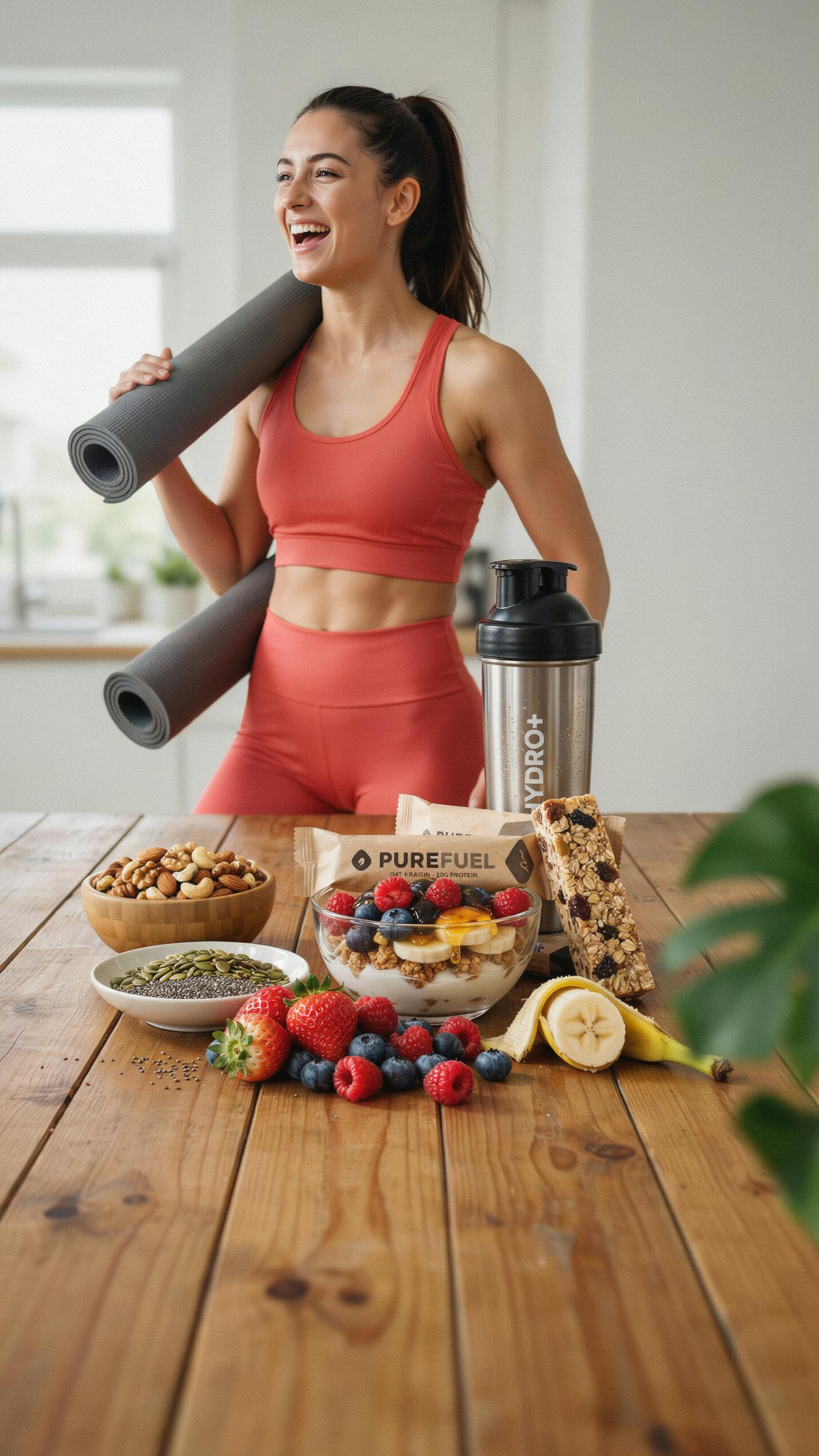
You want to feel sharp at 3pm because feeling sharp signals competence. That’s the real driver here. Your brain consumes 20 percent of your body’s energy despite being 2 percent of your weight. Protein stabilizes blood glucose, which stabilizes neurotransmitter production. Skip protein between meals and your prefrontal cortex starves while your amygdala floods with cortisol. This isn’t motivation. This is biology.
High protein cheese snacks interrupt the glucose crash cycle that kills focus. Casein and whey in cheese digest slowly, creating a stable amino acid baseline for hours. Your dopamine production doesn’t spike and crater. Your working memory stays accessible. You process information faster because your brain isn’t rationing resources. Meal prep these snacks ahead so you never face the choice between convenience and cognition at 2:47pm when the decision fatigue hits hardest.
Muscle Recovery Doesn’t Pause Outside The Gym
The common advice treats protein as a post-workout thing. Wrong. Your muscles repair during rest and between sessions through a process called muscle protein synthesis. Cheese delivers leucine, the amino acid that actually triggers this mechanism. A 30-gram portion of cheddar contains roughly 7 grams of protein and 0.3 grams of leucine per ounce. Distribute protein across your day in 20 to 40 gram blocks and you maintain a constant anabolic state instead of creating feast-famine cycles.
Prepped cheese snacks ensure you hit this threshold consistently without thinking. Your connective tissue, your tendons, your joint stability all respond to sustained amino acid availability, not heroic single meals. You gain resilience instead of just muscle. The mechanism is straightforward: casein in cheese releases amino acids slowly over 6 to 8 hours, creating sustained protein synthesis between formal meals. Pack cheese cubes with almonds or pepperoni strips on Sunday and you’ve eliminated the variable that derails recovery all week.
Your energy isnt crashing because youre tired its crashing because your fuel strategy is amateur hour

Most people blame willpower when they’re reaching for trash at 3pm. They don’t blame the void. Pre-made cheese packs eliminate the void. You remove the decision. You remove the hunger. You remove the excuse. Spend 90 minutes on Sunday. Stack your wins all week. Your body doesn’t care about your intentions, only what you actually eat. Build the system that makes the right choice the easy choice.