Beyond The Snack Reclaiming Your Cognitive Output With High Protein Hummus
The Energy Drain You Don’t Track
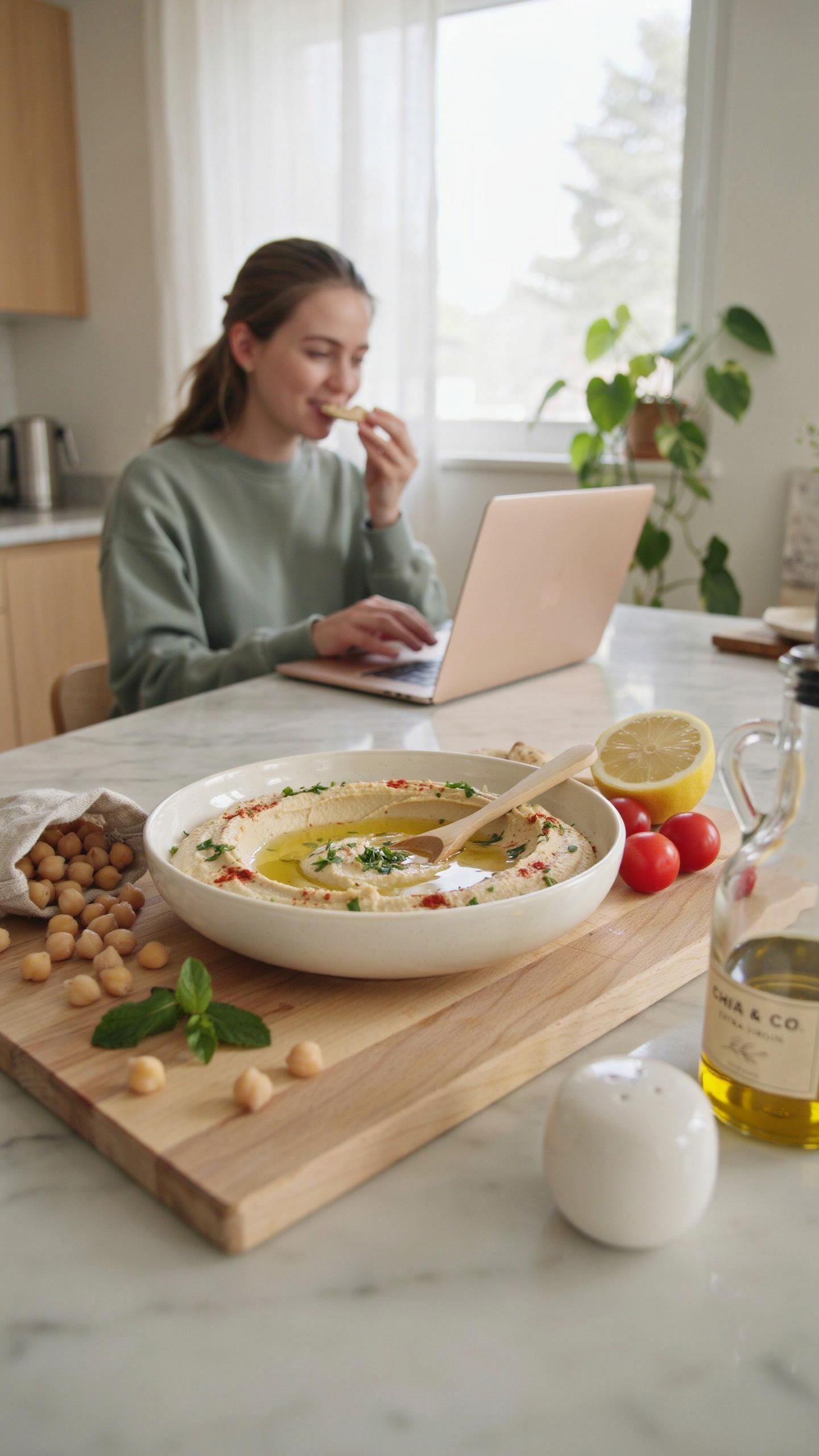
You want to believe snacking doesn’t matter. That’s the real motive here—denial that small decisions compound. But here’s the mechanism: reactive eating creates decision fatigue before noon. Every time you open the fridge without a plan, your brain runs a cost-benefit analysis on empty. That costs glucose and willpower. High protein hummus snack packs eliminate this friction. You’ve already decided. Your brain conserves energy for work that actually matters.
Blood sugar crashes drive the cycle. You grab whatever’s visible when hunger hits, blood sugar spikes, then crashes two hours later. You’re now running on fumes, grinding through afternoon meetings on vapors. Protein stabilizes glucose. Hummus contains both legume protein and fiber, which slow digestion. Pre-portioned packs mean you don’t negotiate with hunger. You eat before the crash hits.
Strategic Fueling Replaces Random Grazing
Most snacking advice focuses on willpower. That’s wrong. Willpower is a symptom of bad planning. The real work happens before hunger arrives. Think in terms of fuel systems, not treats. Your body doesn’t distinguish between fuel you grabbed from a drawer and fuel you planned. It only recognizes whether protein, fat, and fiber are present. Strategic fueling means removing the choice variable entirely.

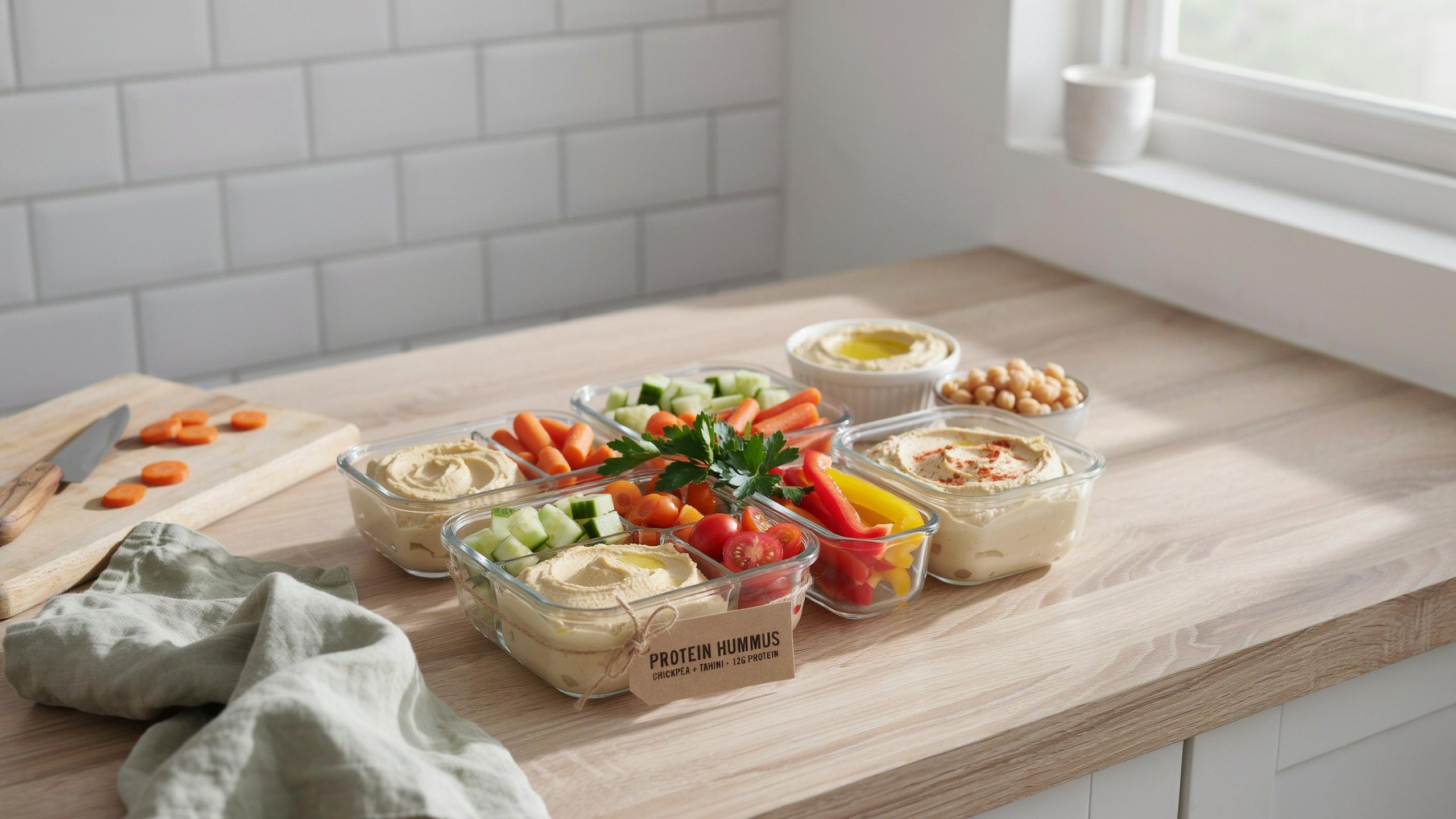
Prep high protein hummus packs on Sunday. Portion hummus into containers. Pair with raw vegetables or whole grain crackers. Store in your work bag. When 3 PM hits and energy dips, the pack is there. No negotiation. No trip to the vending machine. No blood sugar spike from processed carbs. Your afternoon output stays consistent because your fuel strategy was decided days ago.
The Energy Arbitrage Protocol Why Protein Packed Hummus Dominates Glycemic Spikes
Sustained Release Beats The Crash
You want steady energy so you don’t look weak in front of your peers. That’s the real reason you’re reading this. Here’s what actually happens: carbs alone spike blood glucose fast, then crash hard. Your brain misfires. Your body signals hunger again. You eat more. Protein in hummus changes this equation. Chickpeas contain both carbs and plant protein. When combined, protein slows carb digestion and blunts the glucose spike. Your energy stays flat instead of spiking and crashing.
Standard snack advice tells you to “pair carbs with protein.” That’s incomplete. The mechanism that matters is digestion rate. Chickpeas have resistant starch and fiber that slow stomach emptying. Add extra protein powder to your hummus prep and you extend that window further. Your blood sugar stays stable for four to six hours instead of two. Stable blood sugar means stable cognition, stable mood, stable hunger cues.
Macronutrient Ratios For Constant Focus
The economics term is diminishing returns. Apply it here: your hummus snack pack returns optimal focus only when macros align correctly. The standard ratio most people miss is this: aim for 10-15 grams of protein per serving, keep fat between 8-12 grams, and hold carbs at 20-25 grams. This ratio minimizes insulin response while maintaining satiety. Most store-bought hummus skips the protein step entirely. Your meal prep fixes that from day one.
One gram of protein per 100 calories is the practical floor. Below that, you get carb-driven energy swings. Above 20 grams per snack pack and you’re overcalculating for a two-hour window. Add protein powder directly into your hummus base during prep. Mix by weight, not feel. Store in single-serve containers. Label the macros on each pack. Consistency in ratios is what builds consistent focus.
Beyond Easy High Protein Hummus The Microbiomes Underrated Influence Biology
How Fiber And Protein Rewire Your Clarity
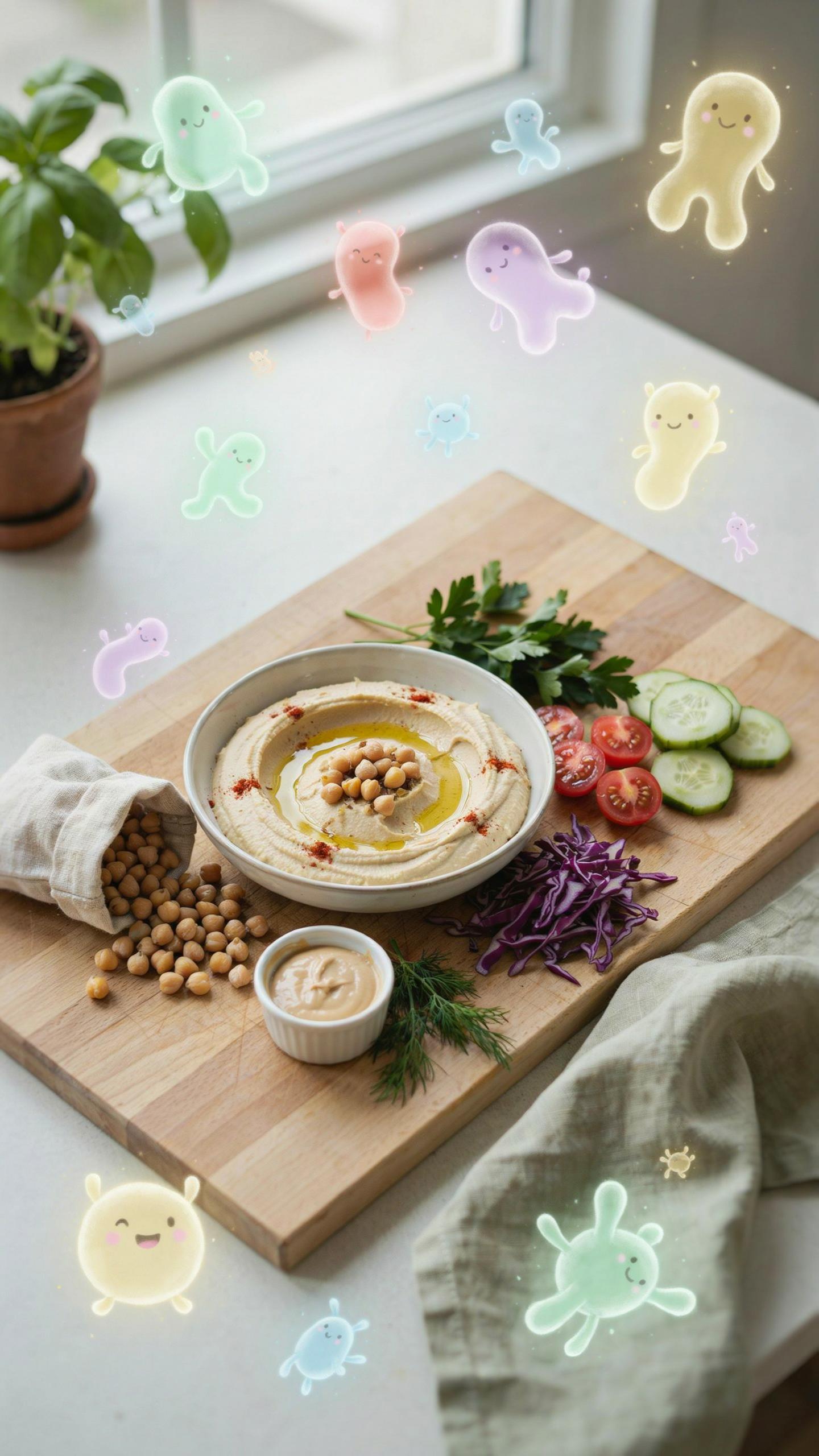
You care about this section because you want to believe nutrition is simple, and it isn’t. Biology—the study of living systems—has a term called “feedback loops.” Your gut microbiome operates as a feedback loop. When you prep high protein hummus snack packs with legumes, seeds, and olive oil, you’re not just hitting macros. You’re feeding bacteria that produce neurotransmitters your brain depends on for focus and decision-making.
The common advice stops at calories and protein grams. Wrong. Chickpeas in hummus contain both soluble and insoluble fiber. Your gut bacteria ferment this fiber into short-chain fatty acids, primarily butyrate. Butyrate crosses the blood-brain barrier and strengthens the vagus nerve—your direct line between gut and brain. Without adequate fiber alongside protein in your prep, you get amino acids without the bacterial signaling that makes them useful. The mechanism is metabolic, not motivational.
Microbial Diversity Shapes Mood Before Thought
Your mood state determines which decisions you actually make, not your willpower. High protein hummus snack packs with varied ingredients—different legumes, tahini sources, spice blends—directly increase microbial species count in your system. Research shows people with restricted microbial diversity score higher on depression and anxiety measures. This isn’t causation you can feel immediately. It’s a slow architectural shift in how your brain weights risk and reward.
When you prep packs with chickpeas, white beans, and lentils rotated weekly, you’re cultivating different bacterial populations each time. Each species produces distinct neurotransmitter precursors. GABA-producing bacteria respond to certain fiber types. Serotonin-producing strains thrive on others. The prep discipline itself becomes irrelevant if you’re rotating the same hummus base repeatedly. Microbial diversity demands ingredient variation. Rotate your legume base monthly to maintain bacterial species richness.
Is Hummus High In Protein Quantifying Your Performance Multiplier
What Standard Hummus Actually Delivers
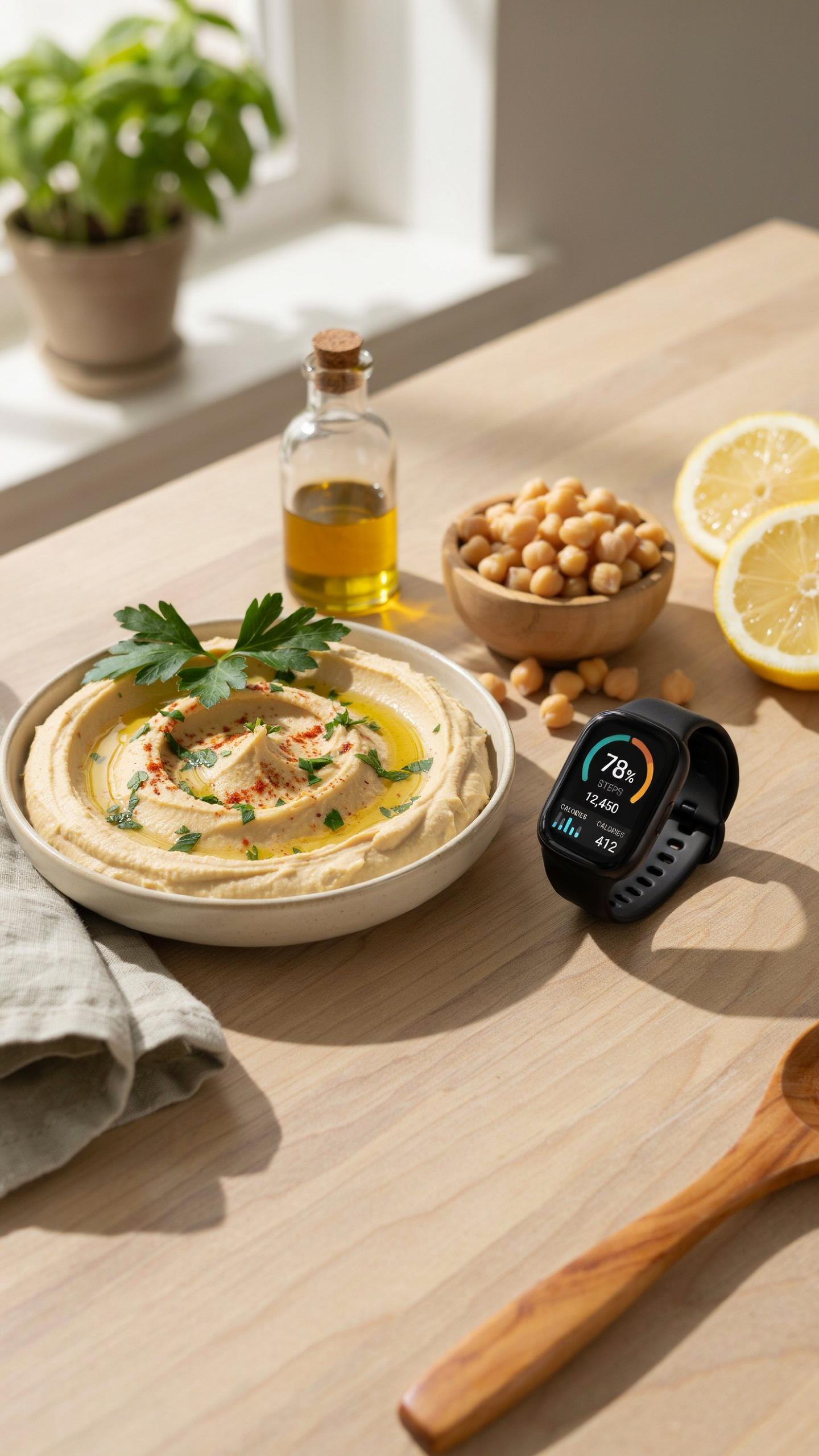
You want to believe hummus is a protein source because it comes from chickpeas, and chickpeas sound healthy. That’s the trap. Standard hummus delivers roughly 3 to 4 grams of protein per 100-gram serving, which is not high by any useful definition. Compare that to Greek yogurt at 10 grams per 100 grams or cottage cheese at 11 grams. The mechanism is simple: hummus is mostly tahini and oil, which dilute the chickpea protein concentration by half.
Most hummus recipes run 40 to 50 percent chickpeas by weight. The rest is tahini (sesame paste), olive oil, lemon juice, and garlic. Tahini adds fat and flavor but zero protein. Oil adds calories and nothing else. This is why commercial hummus won’t move the needle on your daily protein target. Standard hummus functions as a vehicle for calories and palatability, not protein density.
Amino Acid Completion Through Strategic Stacking
Biology teaches us about protein complementarity: incomplete proteins gain full amino acid profiles when paired correctly. Hummus is incomplete on its own, weak in methionine and tryptophan. When you pair hummus with seeds or Greek yogurt, you’re not just adding protein grams, you’re completing the amino acid matrix your cells need for repair and synthesis. One strategic pairing solves the limitation.
Chickpea-based hummus contains all nine essential amino acids, but in imbalanced ratios. Your muscle tissue cannot rebuild efficiently on imbalanced amino acids. Adding pumpkin seeds to your hummus pack delivers the methionine gap. Adding a Greek yogurt layer or mixing Greek yogurt into the hummus base itself creates a complete, high-bioavailability protein source. The protocol: blend Greek yogurt directly into hummus at a 1:1 ratio before portioning into containers.
The Anti Decision Fatigue Lever Why Pre Prep Unlocks Peak Mental Bandwidth

Food Choices Stop Draining Your Willpower
You care about this because decision fatigue is real, and you’re losing hours each week to food logistics that feel invisible. Here’s the mechanism: every food choice you make burns glucose and depletes your prefrontal cortex’s ability to execute high-leverage work. Cognitive science calls this ego depletion. With high protein hummus snack packs prepped and ready, you remove the daily negotiation between hunger and productivity. No decision equals no depletion.
When you prepare hummus packs in advance, you’re not just storing food. You’re storing decisions. The choice already happened. You grab the container, eat, recover mental bandwidth for work that actually moves the needle. Most people underestimate how much cognitive real estate their snack strategy occupies throughout the day. Pre-prep collapses that tax to a single afternoon activity instead of fragmenting it across ten daily moments of uncertainty.
Redirect Freed Cognitive Resources To Revenue Drivers
The common productivity advice says time blocking prevents decision fatigue. That’s incomplete. You need to first eliminate the decisions, then redirect what you’ve freed. With hummus packs prepped, you reclaim the mental cycles that usually go to “what should I eat,” “when should I eat,” and “should I skip this and crash later.” Economics calls this opportunity cost. Your freed bandwidth now channels toward deep work, client calls, or skill development instead of evaporating into snack logistics.
High protein hummus maintains stable blood glucose, which means no afternoon energy collapse that forces you to spend mental energy fighting fatigue. Prep your packs on Sunday with chickpea hummus, add nuts or veggies, portion into five containers. Tuesday through Saturday, you grab and execute. The protocol removes the decision loop entirely. Your peak cognitive hours stay allocated to what generates income or builds leverage, not to figuring out what your body needs at 3 PM.
The High Protein Hummus Ingredient Matrix Dissecting Optimal Components
Protein And Fiber Density Building Blocks
You want this section to work because you’re tired of snacks that don’t stick with you until lunch. The mechanism is simple: protein slows gastric emptying while fiber adds bulk without calories, so the combination extends satiety far longer than either alone. Chickpeas deliver both, but most people stop there and leave gains on the table.
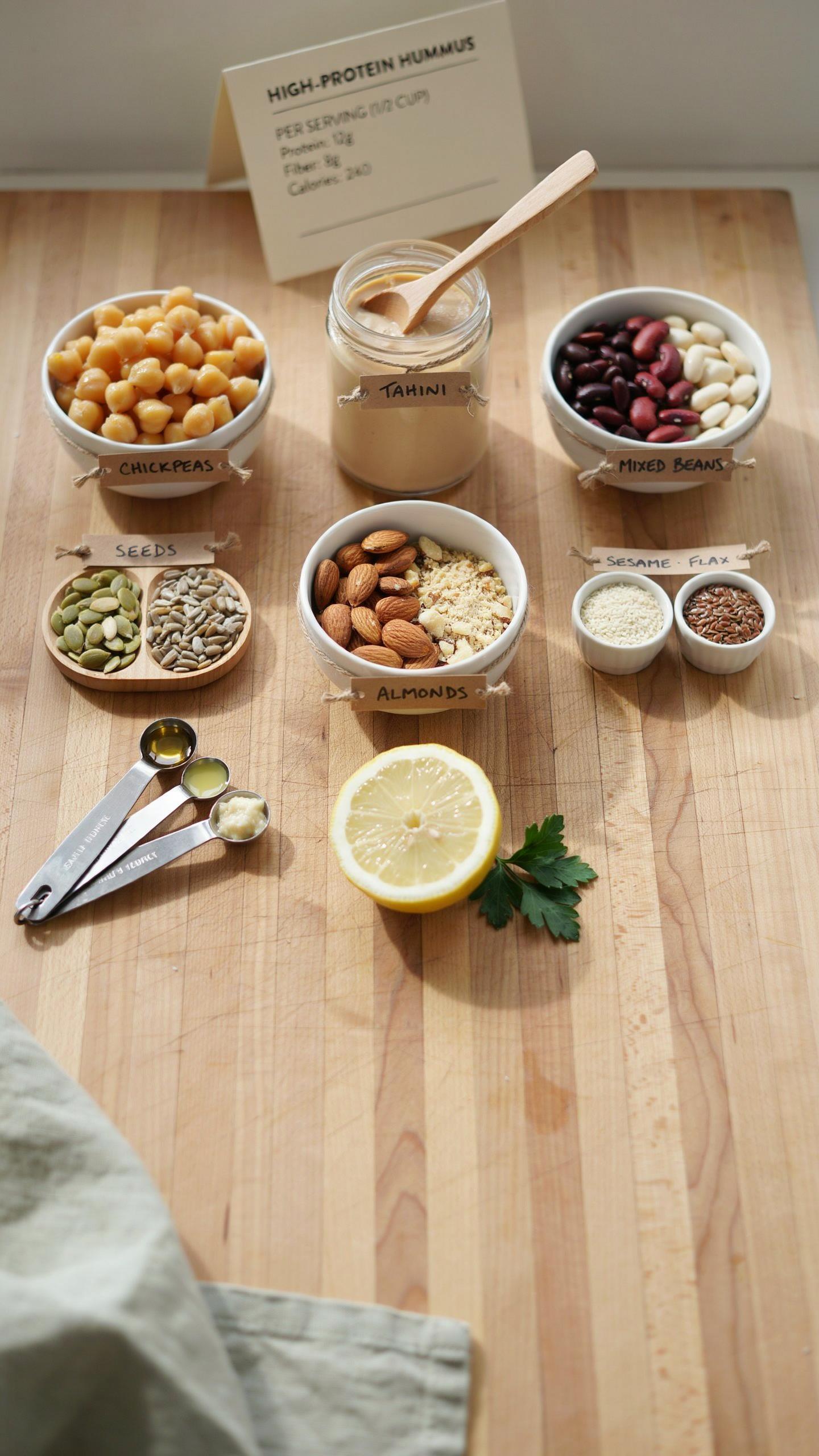
- Chickpeas (canned or cooked): The base legume providing 15g protein per cooked cup and 12g fiber. Use them as your hummus foundation, not a side component.
- Greek yogurt: Adds 10g protein per 100g serving with minimal volume. Blend directly into hummus to increase density without changing texture drastically.
- Tahini (sesame seed butter): Contributes 8g protein per 3 tablespoons while providing fat for satiety. The fat slows digestion further than carbs alone.
- Hemp seeds: 10g protein per 3 tablespoons with complete amino acid profiles. Sprinkle on top of packs for texture and nutritional completion.
- Nutritional yeast: 8g protein per 2 tablespoons with B vitamins. Whisk into hummus base to boost protein without adding liquid.
Layering these five ingredients compounds the effect exponentially rather than additively. A standard hummus snack pack hits 20-25g protein when you stack chickpeas, yogurt, tahini, hemp, and nutritional yeast deliberately. Most commercial options max out at 6-8g because manufacturers optimize for taste, not function.
Cutting Through The Marketing Of Empty Fillers
Every hummus brand markets “natural” and “clean” ingredients, which is code for cheaper formulations that pad volume without nutrition. Starch thickeners, gums, and extra oil increase shelf stability and mouthfeel while contributing nothing to satiety or muscle building. You taste the difference immediately: thinner texture, greasier coating, hunger returning in two hours.
The real cost trap is buying pre-made snack packs labeled “high protein” that rely on whey powder instead of whole food sources. Whey digests too fast and lacks the fiber matrix that slows absorption. Skip anything with modified corn starch, xanthan gum above 1 percent, or seed oils beyond the tahini. Your prep takes 15 minutes per week. Their formulation takes seconds and saves them dollars.
The 8020 Rule Of Protein Hummus Recipe Design Maximizing Density Minimizing Effort
Where Protein Actually Comes From In Hummus
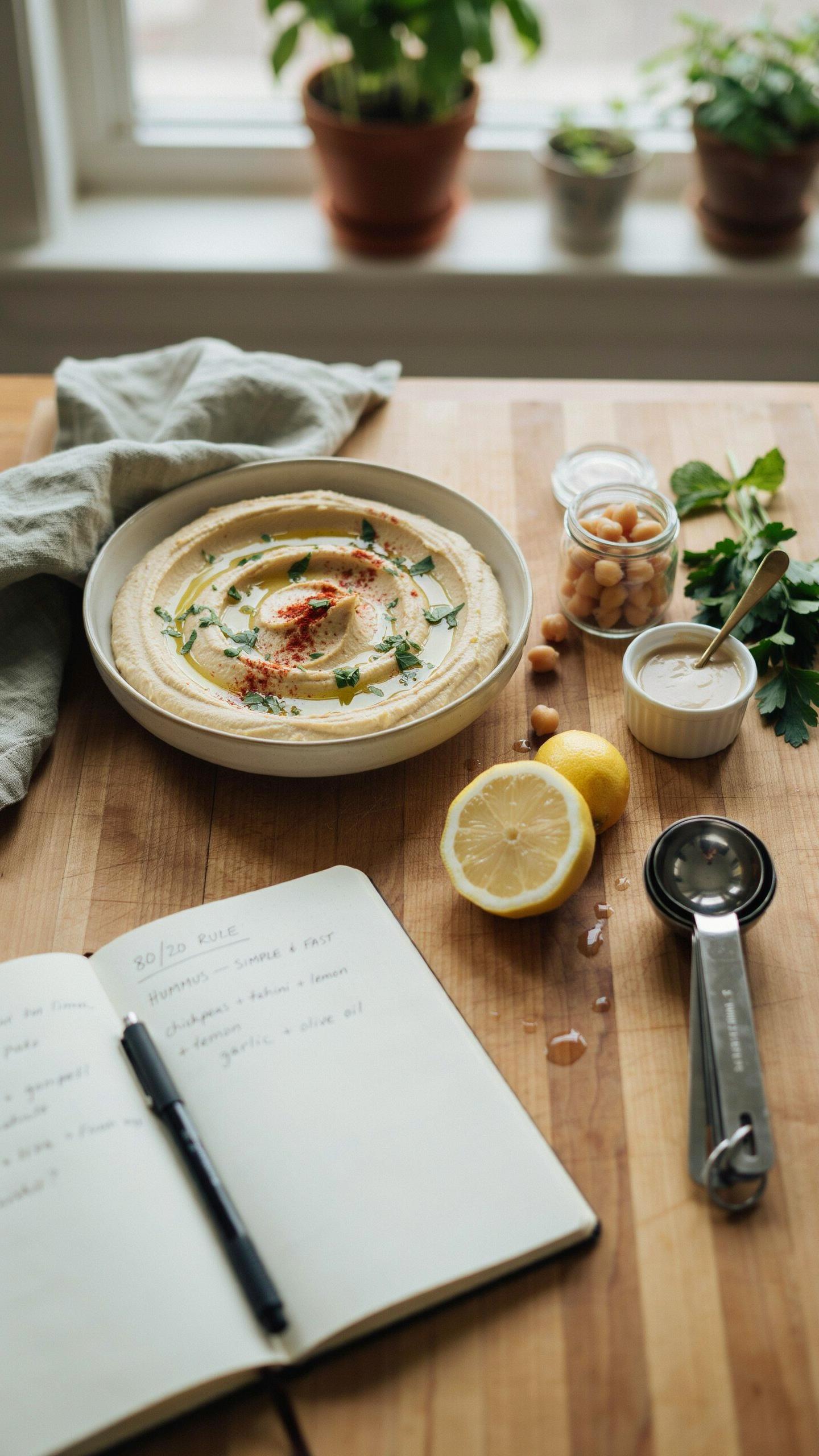
You want to believe a secret ingredient exists. It doesn’t. Protein density in hummus comes from one source: the chickpea-to-oil ratio, and most recipes get this backwards by drowning legumes in tahini and olive oil. In manufacturing terms, you’re managing solids concentration. Higher solids mean higher protein per spoonful. Lower oil means the protein stays dense instead of dispersed through fat.
Most hummus recipes use a 1:1 chickpea-to-tahini ratio. This kills density. Switch to 2:1 or 3:1 chickpea-to-tahini, then compensate with Greek yogurt or cottage cheese for creaminess. Greek yogurt adds 10 grams of protein per 100 grams. Cottage cheese adds even more. The oil volume drops, the protein concentration rises, and you maintain texture without sacrificing spreadability.
The Batch Protocol That Scales
Prep happens once. Execution happens six times. Write a single recipe that produces six identical packs, then execute it the same way every week. The difference between people who maintain this and people who quit is not willpower. It’s having a documented step sequence you follow without decision-making.
Your protocol: cook and cool chickpeas on Sunday morning. Blend base (chickpeas, tahini, lemon juice, garlic) into one batch. Divide into six containers. Add yogurt or cottage cheese to each. Seal and refrigerate. Portion vegetables and crackers into separate small containers. Pair one hummus container with one vegetable container each time you eat. No improvisation. No variation. Same sequence every week prevents decision fatigue and guarantees consistency.
Debunking The Bland Health Food Myth Crafting Palatable High Protein Hummus
Flavor Profiles That Work
You’re worried these snack packs will taste like penance. Here’s the mechanism: flavor perception operates on contrast and familiarity, not calories or macros. Your brain expects high-protein foods to taste flat because most do. Break that expectation and you’ve solved the retention problem before it starts.
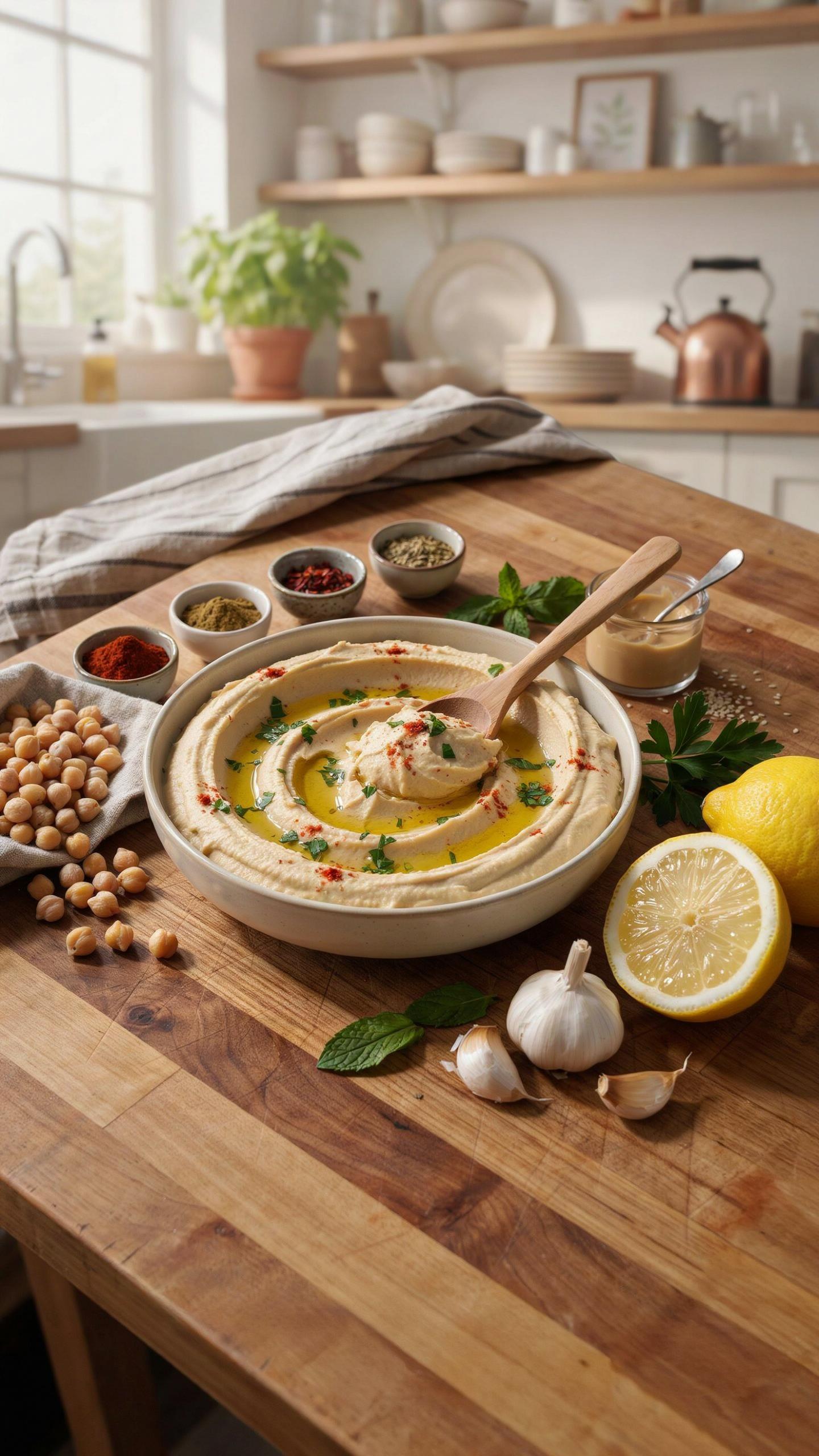
High protein hummus needs acidic and savory anchors, not vanilla sweetness. Lemon juice, tahini, and garlic aren’t additions—they’re the foundation that makes protein powder disappear into the mix instead of announcing itself. Roasted red peppers add umami depth without added sugar. These aren’t gimmicks. They’re the difference between a snack you eat twice and one you actually prep for.
Seasoning Strategies For Consistent Results
Most people undersalt their hummus and blame the protein powder. Wrong target. Salt amplifies existing flavors and suppresses bitterness—the exact problem high-protein hummus creates without it. Season in layers during prep, taste after each addition, then lock it down with a final salt adjustment before packaging.
- Za’atar blend: Ground sumac, thyme, and sesame deliver Middle Eastern complexity without relying on salt alone. Mix into hummus at 1 teaspoon per cup.
- Roasted garlic powder: Creates savory depth that raw garlic can’t match when hummus sits for days. Use half the amount of fresh garlic you’d normally add.
- Smoked paprika: Adds warmth and perceived richness without heat. One-quarter teaspoon per cup changes the entire profile without dominance.
- Nutritional yeast: Contributes umami and B vitamins while masking any chalky protein texture. Toast it lightly before mixing for better flavor integration.
- Black cumin seeds: Subtle nuttiness that complements tahini. Toast whole seeds and sprinkle on top of packed servings for textural contrast.
Consistency matters because your palate adapts. If every pack tastes identical for seven days, by day four you’re not tasting it anymore. Rotate seasoning combinations weekly—keep the base the same, swap the top note. This prevents the habituation that kills most meal prep before week two ends.
The Performance Pre Load Why Protein Hummus Outperforms Empty Calories
Sustained Fullness Without The Crash
You want the metabolic edge without admitting you’re tired of feeling depleted by 3pm. Here’s the mechanism: protein triggers satiety signals through cholecystokinin and peptide YY release in your gut, while refined carbs spike blood glucose then abandon you. A chickpea base in hummus delivers both fiber and plant protein, creating a dual brake on hunger that simple carbs cannot replicate. That tahini and olive oil add fat density, which slows gastric emptying further. The result is a 4 to 6 hour satiety window instead of the 90-minute collapse that follows a granola bar or pretzel snack.
Carbohydrate alone never filled anyone durably. When you combine 8 to 10 grams of protein per two tablespoon serving with legume fiber, blood sugar rises gradually and stays stable. Your brain stops demanding more food an hour after eating because the satiety hormones remain elevated. This is why high protein hummus snack prep outperforms the conventional “healthy” snack rotation most people rotate through and abandon.
Energy Stability Shapes Decision Making
Mood and productivity are not philosophical states. They are downstream outputs of blood glucose stability and neurotransmitter availability. Protein stabilizes serotonin and dopamine precursor levels, while erratic blood sugar crashes deplete both, triggering decision fatigue and the false urgency that drives distraction. A prepped hummus snack with vegetables removes the decision point entirely when your glucose dips in the afternoon.
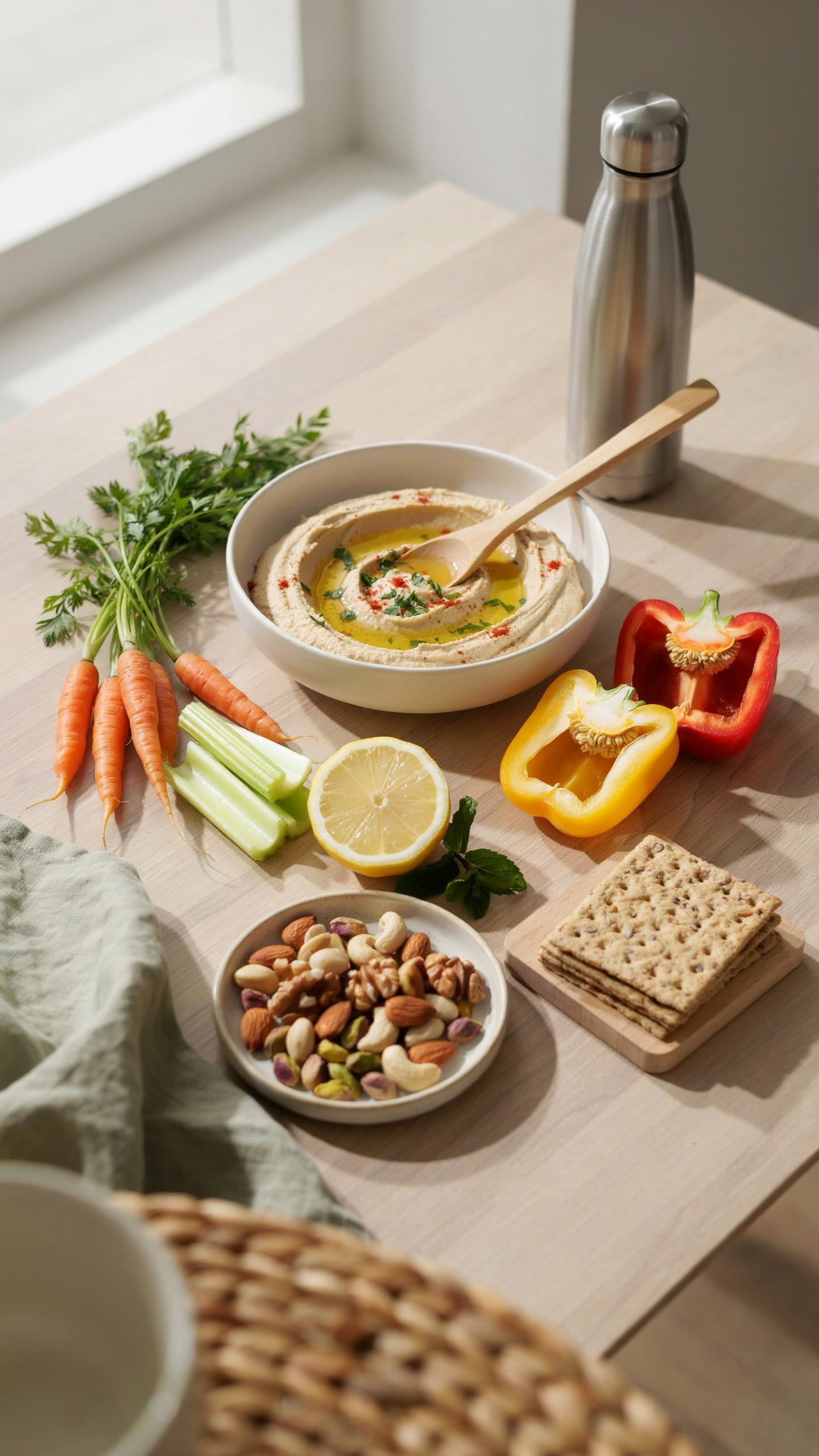
The common advice about “balanced snacking” is incomplete because it ignores timing and prep friction. When the snack is already portioned and accessible, you eat it before desperation sets in. When it requires assembly or shopping, you default to whatever is fastest, which is rarely protein. High protein hummus snack packs eliminate that friction window where poor choices accumulate. Pack your hummus with raw carrots, celery, or bell pepper strips in individual containers Sunday evening so the snack decision becomes automatic during your week.
The Unsexy Truth Of Consistent Healthy Eating Inspiration Its Not Motivation Its System Design
Your Environment Decides For You
You want to believe willpower gets you there. It doesn’t. The real hidden motive is hoping discipline alone lets you skip the hard part of design. Borrowing from systems engineering, your snack prep setup functions like a load-bearing wall: remove it and the entire structure fails. Your kitchen either makes high protein hummus snacks frictionless or it doesn’t. If your containers sit in a back cabinet while junk food dominates eye level, your brain defaults to the visible option every time.
The mechanism is simple: proximity and visibility rewire your decision-making. Place prepped hummus packs on the middle shelf at arm height. Stack the containers so you see them first when opening the fridge. Remove competing snacks from that same line of sight. You’re not building motivation. You’re architecting a choice architecture where the healthy option requires zero activation energy.
Automation Removes The Daily Negotiation
Common advice says “just stay consistent.” That’s incomplete. Consistency fails because you negotiate with yourself daily, and you’re not a reliable negotiator when tired or stressed. Automate your high protein hummus snack prep into a fixed ritual every Sunday evening, same two-hour block, same containers, same recipe. This transfer of decision-making from your prefrontal cortex to your environment is the actual freedom.
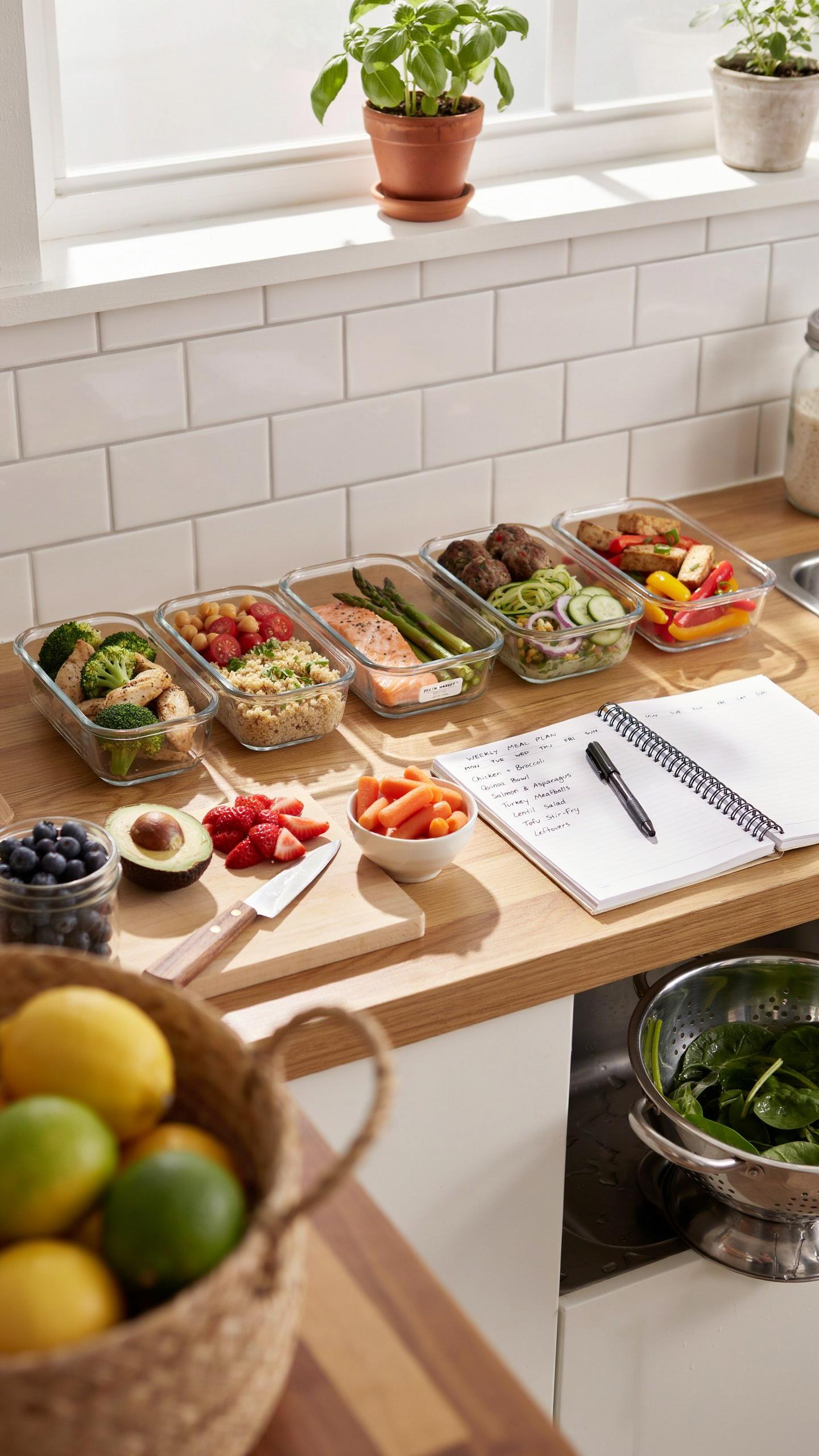
The protocol is mechanical: prep five identical packs in one session rather than grabbing snacks ad hoc throughout the week. Buy ingredients in bulk the Friday before. Portion them into your containers on a set day. Store them in the same spot. Your brain stops asking “what should I eat” because the question already has an answer sitting in front of you. That’s not restriction. That’s sovereignty.
The real obstacle isnt knowing what to eat its the failure to implement a system that makes optimal choices inevitable

Most people buy the ingredients for high protein hummus snack prep. Then they don’t make them. The gap between intention and action kills every diet. Build the system instead. Spend two hours on Sunday. Make eight containers. Put them on the shelf where you actually eat. You stop fighting willpower. You stop choosing junk. The real win isn’t the snack itself. It’s removing the decision entirely.