
Beyond The Bland The Anti Diet Rice Cake
Why Rice Cakes Fail Before You Assemble Them
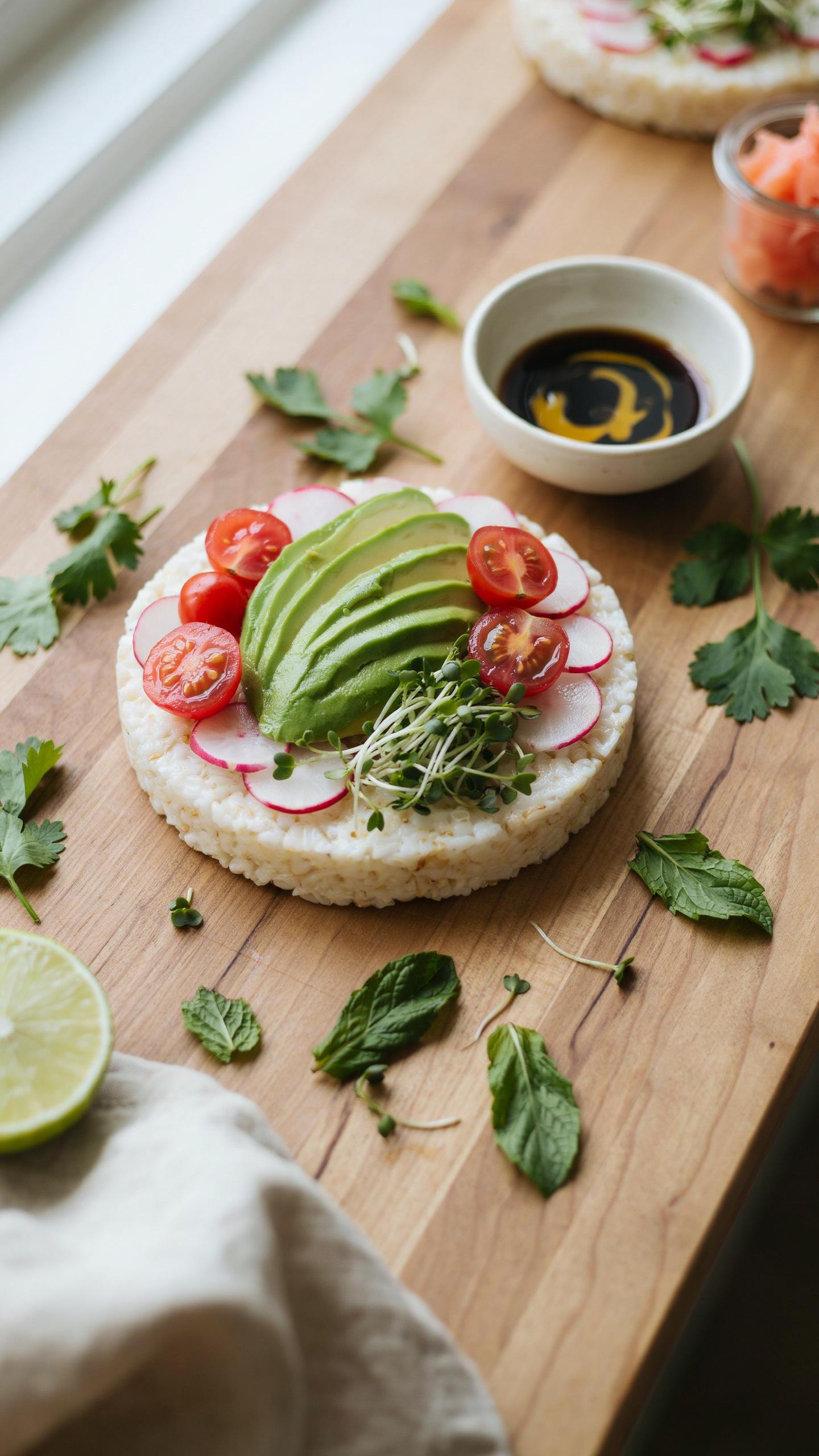
You want the rice cake to work because it feels like the responsible choice, but you’re actually afraid it’ll taste like cardboard and waste your meal prep time. Here’s the mechanism: rice cakes are a delivery system with zero flavor of their own, so they amplify whatever sits on top. Most people treat them like a blank canvas and pile on random toppings. That’s backwards. The rice cake itself demands respect as an ingredient first.

The grain quality matters more than people admit. A dense, slightly sweet rice cake holds toppings better than a puffy, hollow one. Density changes how quickly moisture moves through the cake and how structural integrity holds during transport and storage. Test your rice cakes by pressing the center with your thumb. If it compresses and stays compressed, the gluten network is weak. You want slight resistance. This determines whether your prep stays intact in a container for three days or turns to mush by day two.
Flavor Profiles: Strategic Pairing, Not Random Assembly
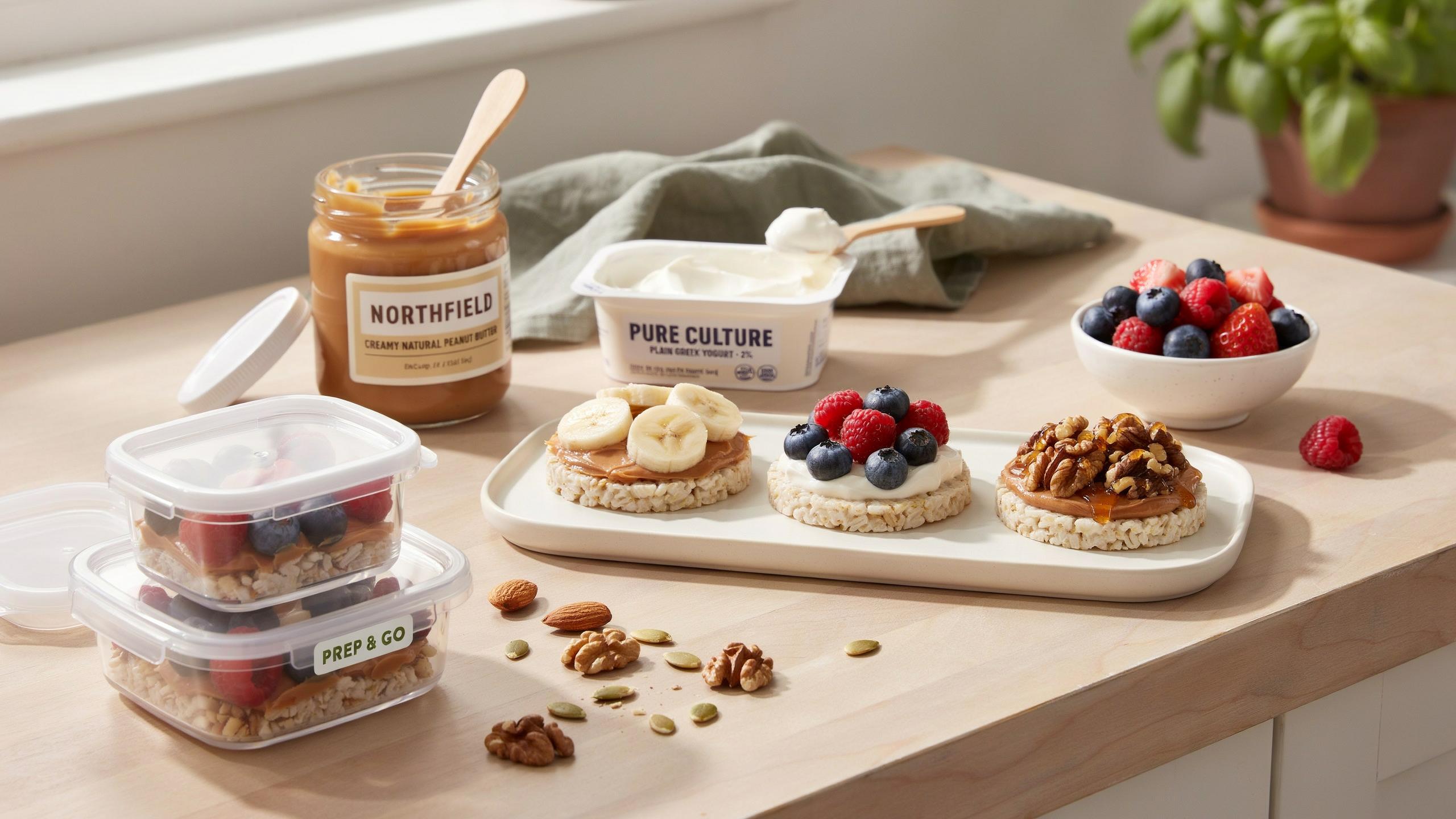
Flavor pairing in food chemistry relies on shared volatile compounds, not intuition. A rice cake topped with almond butter and banana works because both contain similar aldehydes and esters that create coherence on the palate. Random assembly produces cognitive dissonance. Your brain rejects it as “off” before you even taste it. Intentional pairings train your nervous system to expect the next flavor, creating satisfaction instead of confusion.
Build around one anchor flavor, then layer one complementary flavor and one textural contrast. Anchor: almond butter. Complement: honey or maple for sweetness and cohesion. Contrast: sea salt flakes or crushed pistachios for break and interest. This three-part structure repeats across successful prep. When you store these combinations in airtight containers, the moisture equilibrium stabilizes after two hours, locking the flavors together instead of letting them drift. Assemble all components separately, then stack them on the rice cake only when you eat.
The Protein Payload Maximize Your Macro Hit
Which Proteins Actually Stick
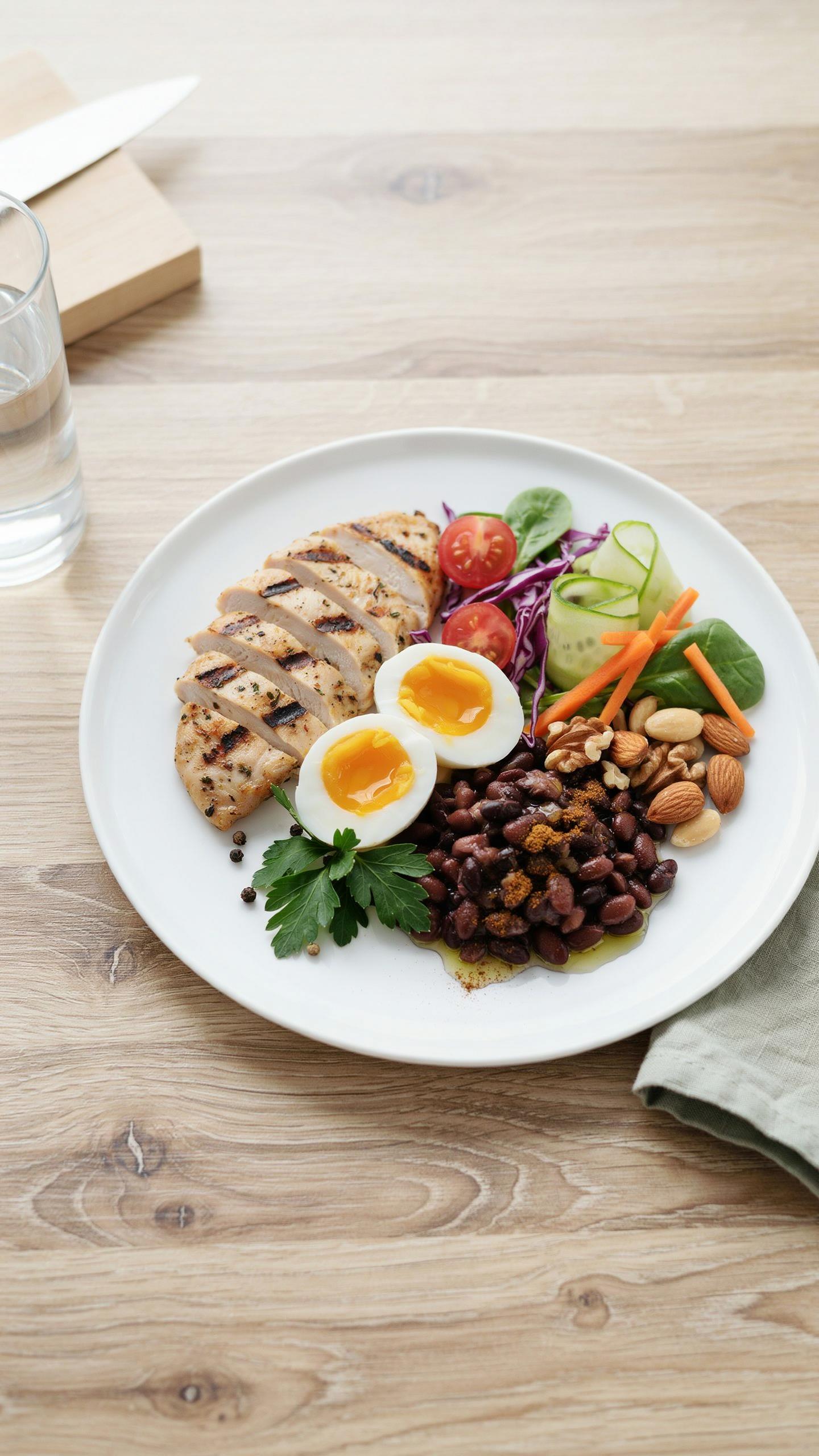
You want the number on the label to look impressive. But protein that doesn’t adhere to the rice cake is just expensive air you’re paying for. The mechanism here mirrors adhesion in materials science: surface energy determines what bonds to what. Wet proteins stick. Dry ones don’t.
Greek yogurt and cottage cheese work because their moisture content creates a binding layer between the rice cake and whatever you layer on top. Protein powder alone fails because it’s hydrophobic until mixed with liquid. Nut butters and tahini grip through fat content, not protein content, which is why they’re reliable even though they’re not protein-dominant foods. The texture stays firm under refrigeration, not crumbly or separated.
Protein Beyond The Label Game
Most people chase grams and ignore the sabotage happening to texture. More protein powder doesn’t mean a better snack. At a certain threshold, you’re adding chalk that dries out the rice cake and makes the whole thing gritty or dense. The real win is layering sources, not stacking one to absurdity.
Two tablespoons of Greek yogurt plus one tablespoon of almond butter hits harder than four tablespoons of protein powder mixed with water. The yogurt provides adhesion and moisture. The nut butter adds staying power and fat for satiety. Together they’re stable for four days refrigerated without weeping or hardening. Stop at two protein sources per rice cake to maintain palatability.
The Minimalists Meal Prep Manifesto For Rice Cakes
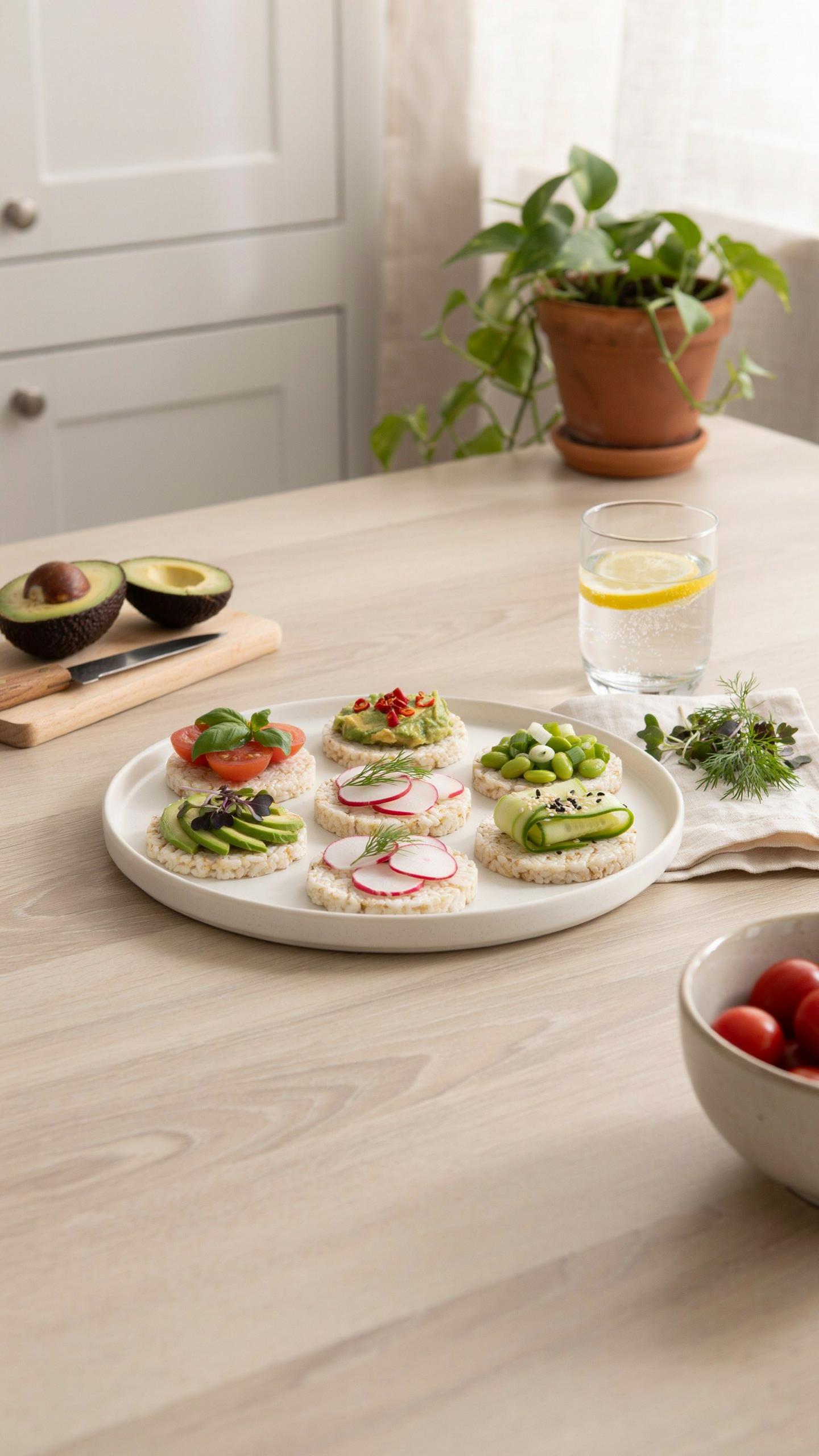
Prep Components, Not Finished Products
You want to feel productive without actually doing the work twice. The real mechanism here is supply chain thinking: you batch the inputs, not the outputs. Restaurants prep mise en place because plating to order is faster than cooking to order. Same logic applies. You prep protein powder blends, nut butter bases, and topping combinations separately, then assemble cakes in sixty seconds when hunger hits.
Most people reverse this. They make twenty finished cakes, stack them, watch them go stale or separate, then throw half away. That’s waste disguised as efficiency. Instead, keep your rice cakes in an airtight container untouched. Store your protein spread base in one container. Keep your topping mix in another. Assembly becomes the only variable. You control freshness by controlling timing, not by fighting entropy with plastic wrap.
Humidity Control And Structural Integrity
Rice cakes absorb moisture like a sponge in a humid kitchen. This kills their crunch in forty-eight hours, even sealed. The mechanism: rice cake structure depends on low moisture content. Once humidity penetrates, starch gelatinizes and you lose texture. Silica gel packets work because they’re not decoration. They actively pull water vapor from the container’s air.
Use food-grade silica gel packs in your storage container. Replace them every three to five days depending on your kitchen’s humidity level. For protein spreads, glass containers outperform plastic because they don’t leach moisture back into the food. Store spreads at room temperature unless you added fresh ingredients like nut butters with oil that can oxidize. Cold storage extends shelf life to ten days. Room temperature works for five to seven days before separation becomes visible.
Deception Of Healthy Sweets Rice Cake Edition
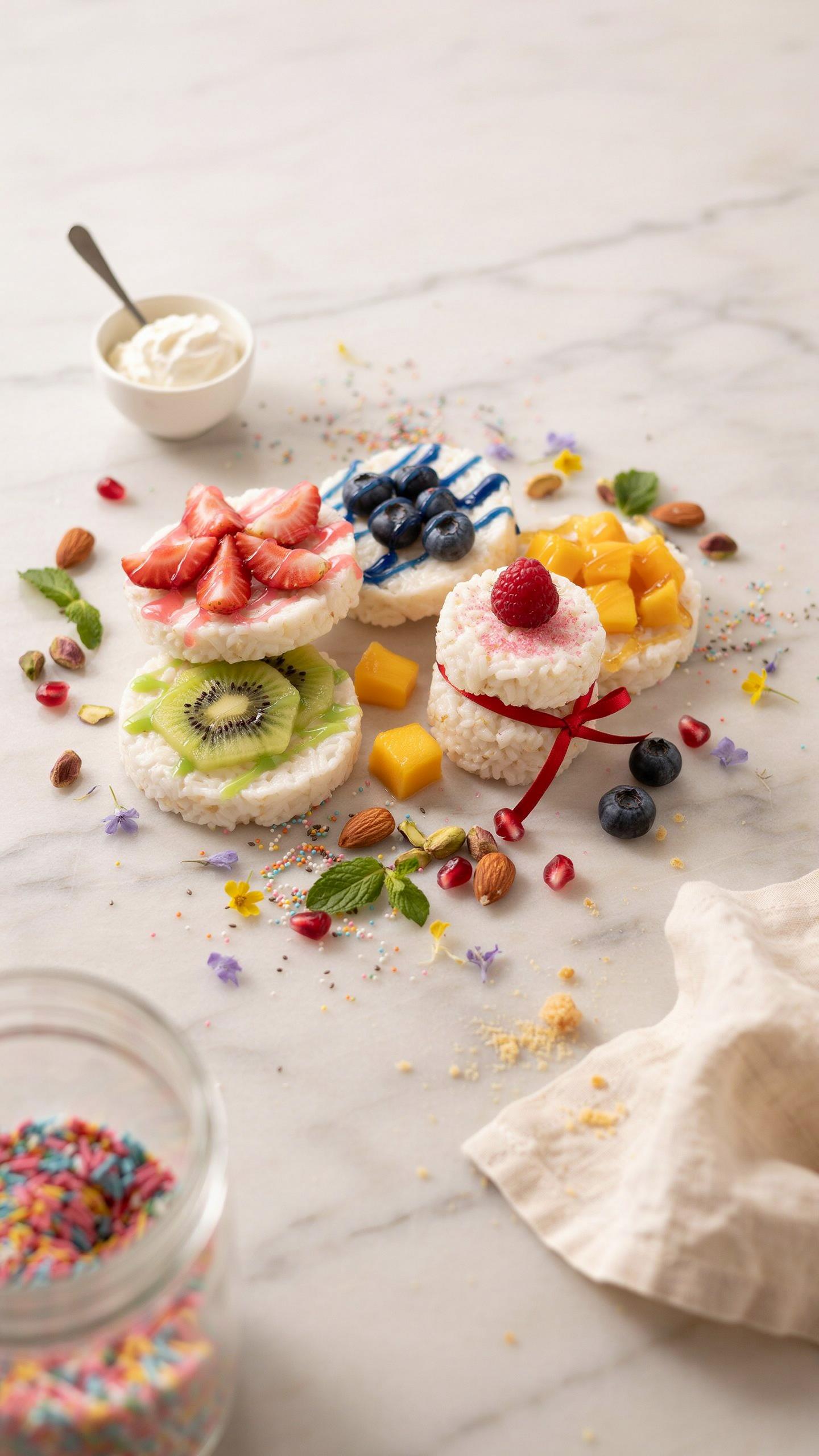
Where Your Guard Goes Down
You want permission to eat something that tastes good and still call it healthy. That’s the real mechanism at work here. Rice cakes already carry the halo of being “light” and “whole grain,” which means you stop questioning what goes on top of them. The moment you add a sweet topping, your brain files it under “snack” instead of “dessert,” and suddenly portion control evaporates.
Most people assume toppings like honey, almond butter with brown sugar, or “natural” jams are fine because they’re not Nutella. That’s incomplete thinking. The blood sugar spike from two tablespoons of honey on a rice cake is identical to the spike from two tablespoons of table sugar. Your body doesn’t care about the marketing label. It only cares about the glucose hit and the insulin response that follows.
The Real Cost Of Sticky Toppings
Forget the wellness narrative around “natural sweeteners.” Biochemistry doesn’t recognize marketing categories. Honey, maple syrup, coconut sugar, and agave all convert to glucose and fructose in your bloodstream at nearly identical rates. The difference in glycemic response between these options is negligible enough that optimizing for one over another wastes your decision-making capital. What actually matters is quantity and timing relative to protein intake.
When you prep rice cakes with sweet toppings ahead of time, the topping often migrates into the rice cake itself, making the whole thing absorb faster and spike blood sugar harder. This is a texture and speed problem disguised as a freshness problem. Your solution is simple: store toppings separately and assemble within two hours of eating, or choose toppings that don’t migrate, like nut butters that set firm or whole nuts that stay discrete.
The Stack Go Protocol Engineered For Speed

Dry And Wet Split Strategy
You want this to feel effortless because effort kills consistency. Here’s the mechanism: moisture migrates. Rice cakes absorb liquid. Protein toppings clump when wet. Separate prep means your snacks stay edible for days instead of turning into paste by day three. The principle comes from food engineering: water activity. Control it, and shelf life extends. Ignore it, and your entire batch spoils.
Prep dry components first. Toast your rice cakes lightly to lock in structure. Mix protein powder, salt, and any dry spices in a separate container. Store them in airtight containers in cool conditions. Wet components go into their own sealed vessels: nut butters, honey, Greek yogurt, whatever binder you use. Keep these refrigerated. This separation is not a suggestion. It’s the difference between snacks that last five days and snacks that last five hours.
Assembly Line Before The Week Begins
Most people make this harder than it is. They grab one rice cake, add toppings, eat it. Then repeat tomorrow. That’s theater, not strategy. Real speed comes from batching: make twenty at once, store them, grab one daily. Set up your workspace with dry components on the left, wet on the right, finished snacks in the center.
Grab a rice cake. Apply wet component with a spreader or spoon. Sprinkle dry mix over top. Press lightly so it adheres. Move to storage container. One snack takes fifteen seconds once your rhythm locks. Twenty snacks take five minutes of active work. Do this once per week, not seven times. Your only daily action becomes opening the container and eating.
Beyond Butter Revolutionary Rice Cake Ideas
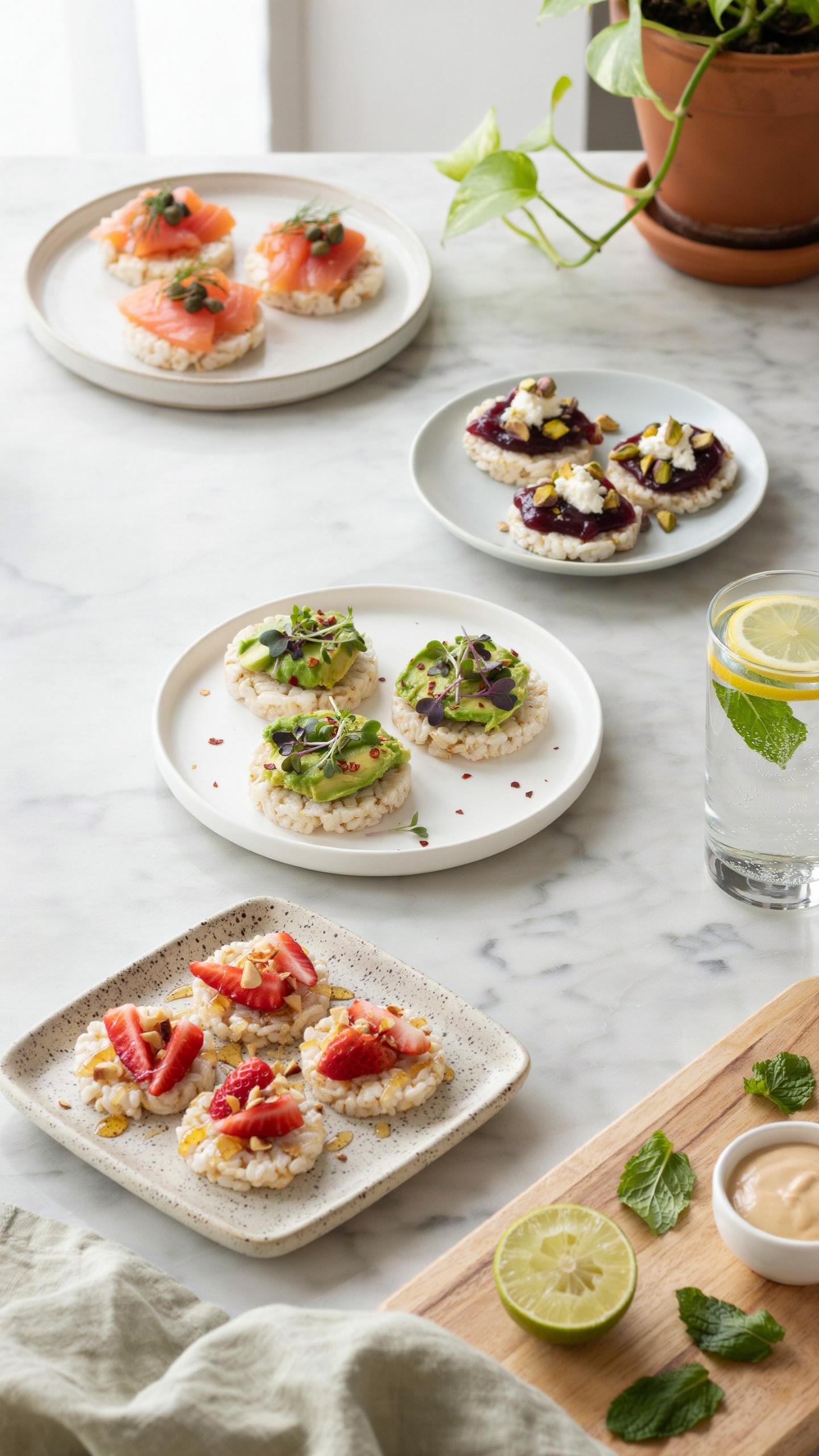
Savory Innovations That Actually Work
You want these to taste good enough that you’ll eat them instead of whatever processed snack is closer. That’s the real mechanism: palatability determines compliance. Borrowed from flavor chemistry, we’re talking about balancing umami, acid, and salt the way manufacturers do, except you’re using whole proteins instead of MSG derivatives.
The common advice stops at “add cheese and protein powder.” That’s incomplete. You need a delivery system that makes the protein stick to the rice cake and tastes like food, not supplementation.
- Sardine and caramelized onion: Layer canned sardines on rice cakes with slow-cooked onions and a pinch of salt. Sardines deliver 25g protein per can while the umami from both ingredients masks the fishiness most people expect. Prepare the onions in bulk and portion into containers.
- Cottage cheese and Everything bagel seasoning: Spread cottage cheese thick on rice cakes and dust with Everything bagel mix. Cottage cheese provides 14g protein per half cup and the seasoning covers its mild flavor profile. Make this your grab option on mornings when prep feels like too much.
- Rotisserie chicken with herb vinegar: Shred rotisserie chicken and toss with red wine vinegar and dried oregano before topping rice cakes. Chicken delivers 30g protein per 100g and acid from vinegar cuts through richness, making the snack less monotonous than plain poultry. Prep five rice cakes at once for your work week.
- Tuna salad with minimal mayo: Mix canned tuna with Greek yogurt instead of mayo, add celery and lemon juice. This cuts calories by half compared to traditional tuna salad while keeping 20g protein per can. The texture difference matters for mouthfeel during eating.
- Egg salad with mustard: Hard boil eggs, chop fine, and mix with whole grain mustard and a small amount of mayo. Each large egg delivers 6g protein and mustard adds acidity that prevents the mixture from tasting flat. This stays stable in the fridge for four days.
Prep your protein component separate from the rice cakes. Assemble only what you’ll eat within three days because moisture migration degrades texture. Store assembled cakes in the coldest part of your fridge in a sealed container with a paper towel underneath to absorb condensation.
Sweet But Smart Nutrient Stacking
Most people hit this section looking for permission to eat chocolate on rice cakes and call it healthy. The real mechanism is different: you’re using protein to blunt blood sugar spikes, which means the carbs in rice cakes actually get utilized instead of stored as fat.
Skip the “healthy dessert” angle entirely. You’re building a snack that stabilizes energy, not a replacement for actual dessert. Greek yogurt, cottage cheese, and nut butters deliver the protein while toppings provide taste. Honey, berries, and cocoa powder work because they’re calorie-dense enough to matter but won’t turn into a sugar crash forty minutes later.
Almond butter on a rice cake with sliced banana and a dusting of cocoa powder delivers 8g protein from the nut butter and keeps hunger locked down for two hours. Prepare the rice cakes bare and add toppings fresh to prevent sogginess, which destroys the textural contrast that makes you want to eat it. Cottage cheese mixed with a small amount of vanilla extract and topped with frozen blueberries works the same way: the cold blueberries add texture and the cottage cheese brings 14g protein per half cup. Make your base layers during meal prep, but reserve the topping layer for assembly within six hours of eating.
The Inefficiency Trap Of Perfect Rice Cake Recipes
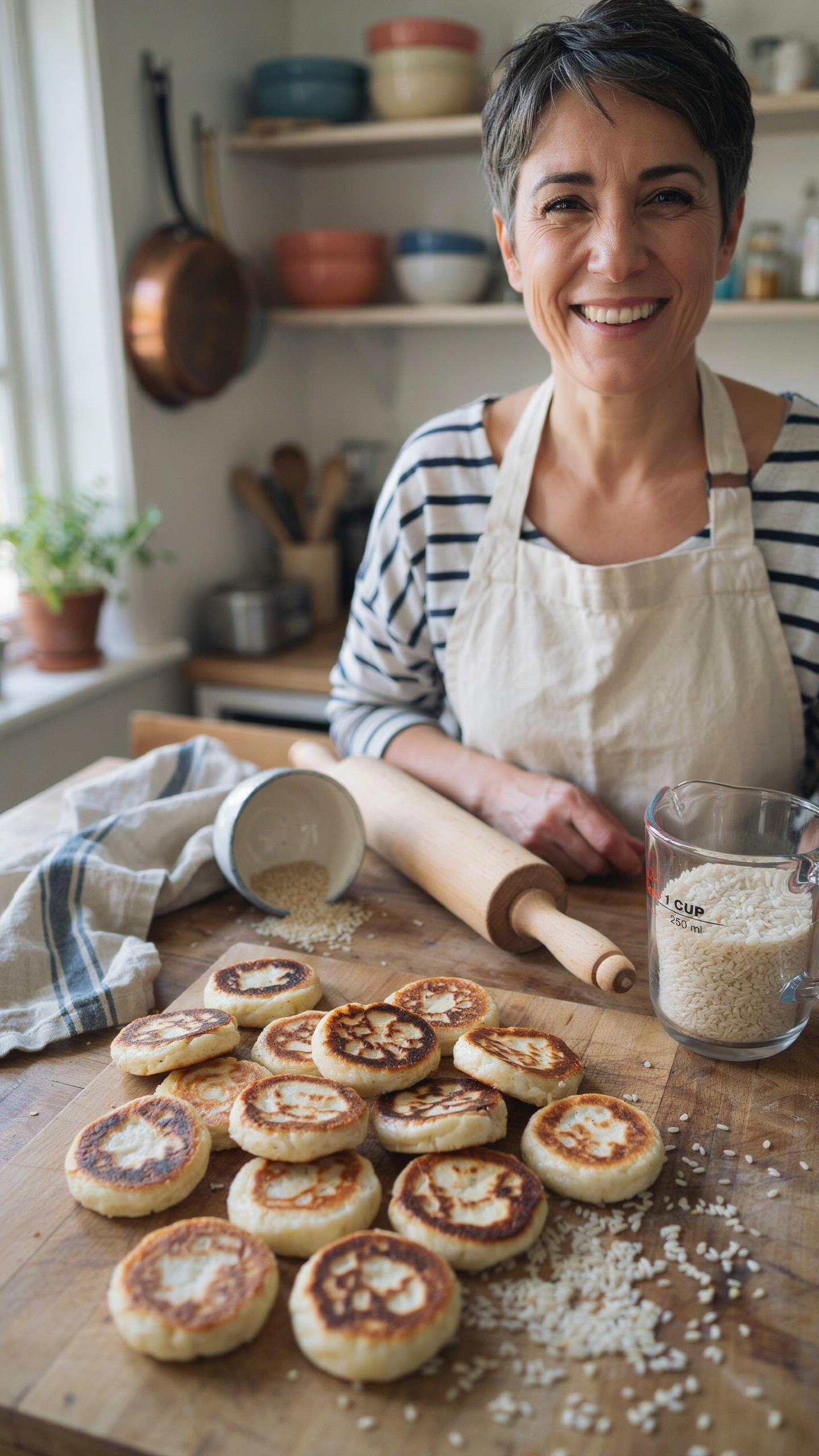
Templates Eliminate The Wrong Problem
You want a system that feels customized because generic advice makes you feel like you’re not special. That’s not your real problem. The real problem is that you’re treating rice cake prep like it needs infinite variation when it actually needs the opposite. Borrowing from systems engineering, you’re adding unnecessary degrees of freedom when you should be constraining them. Every new topping combination you consider is a decision node that delays execution.
The most functional rice cake prep doesn’t come from recipe variety. It comes from locking in three to four template combinations and rotating them weekly. A template is a fixed structure: base grain, protein source, binding element, topping. You pick one option per slot each week and prep twenty or thirty cakes at once. This removes the cognitive load of asking what you should make every time hunger hits. You follow the template, not your mood.
Fewer Options Accelerate The Actual Work
The advice to have choices is incomplete. More choices don’t increase adherence. They increase the time between deciding and executing. You already know the data: decision fatigue is real, and it compounds when you’re hungry or tired. The person who has three rice cake options in their meal prep container will eat them. The person trying to decide between twelve recipes at eleven PM will order takeout instead.
Set a constraint. Two protein sources maximum per week. One binding agent per prep session. This isn’t limitation. It’s leverage. You prep faster because your hands know the pattern. You purchase more efficiently because you buy in volume for one formula. You stick to the protocol because there’s nothing to negotiate. The decision happened once on Sunday. Now execution is automatic.
Bio Optimized Bites Rice Cakes For Real Results
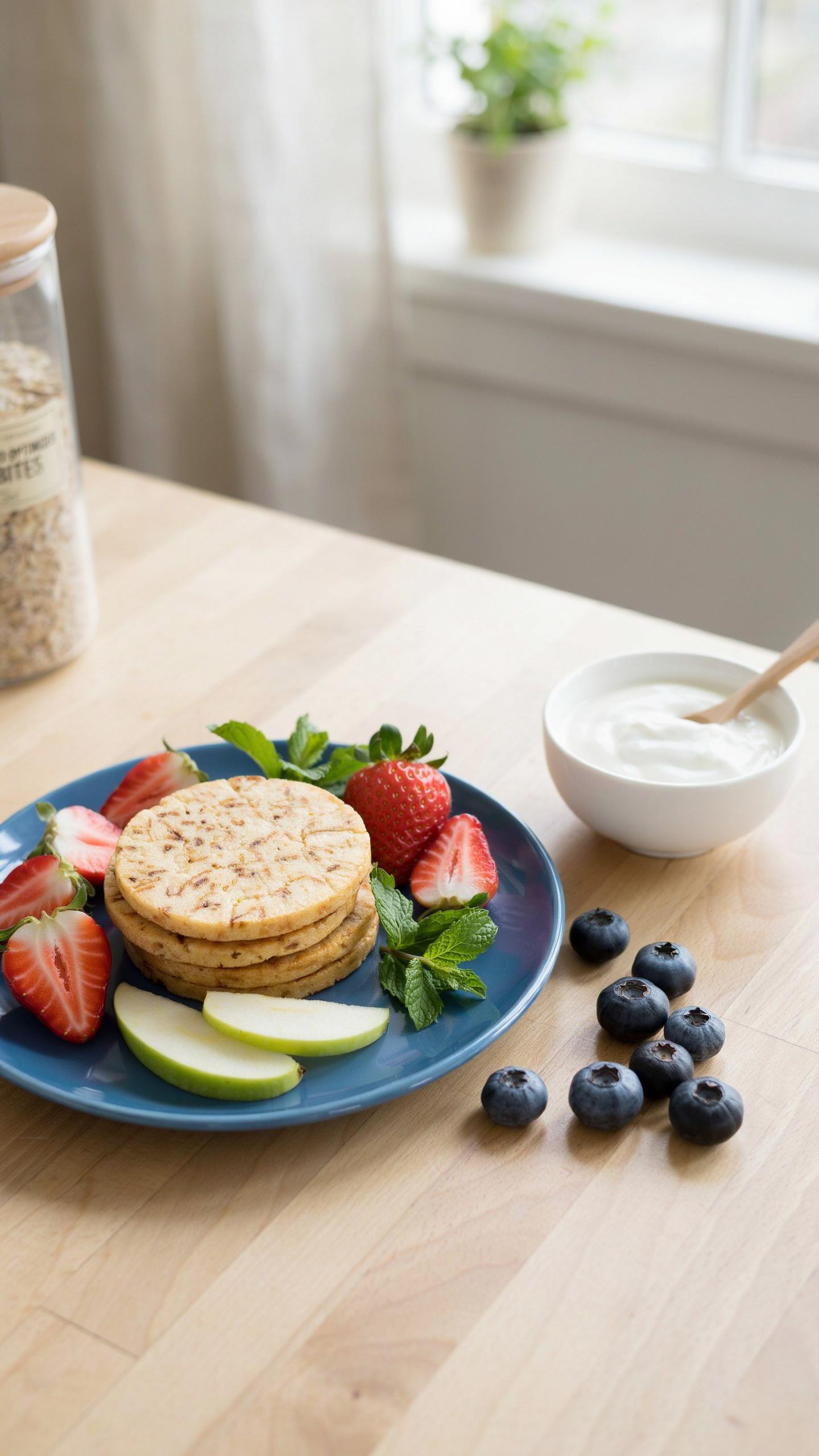
When To Eat Protein Rice Cakes
You want to feel sharp and productive without the crash. That requires understanding nutrient timing as a delivery system, not just calorie counting. Timing protein and carbs together matters because rice cakes alone spike blood glucose fast, then drop you. Add protein and fat beforehand, and you flatten the curve. The real mechanism: glucose enters bloodstream slower when competing for absorption space with amino acids and lipids.
Post-workout is the obvious window, but the smarter play happens mid-afternoon when focus tanks. That’s when a rice cake with 15 to 20 grams of protein from almond butter, cottage cheese, or whey hits hardest. Your brain runs on glucose. Steady glucose means steady cognition. Meal prep these ahead so you grab instead of reaching for refined carbs. The consistency beats the timing perfection every time.
Protein And Carbs Work Like Opposing Forces
Common advice says balance your macros. That’s incomplete. Use endocrinology’s framework of hormonal opposition: insulin and glucagon control energy mobilization. Rice cakes trigger insulin. Protein slows that spike and triggers glucagon slightly, which tells your body to stabilize blood sugar instead of crashing. The synergy isn’t about balance. It’s about antagonism that prevents the hormone from spiking alone.
Protein-carb pairing also extends satiety. Carbs trigger quick serotonin. Protein extends the signal. Together they reduce next-meal hunger more than either alone. This matters for prep work because you’re not just eating a snack; you’re engineering your appetite for hours ahead. Build your rice cakes with at least 10 grams of protein minimum. This is the difference between a snack and a strategic tool.
The Antifragile Snack System
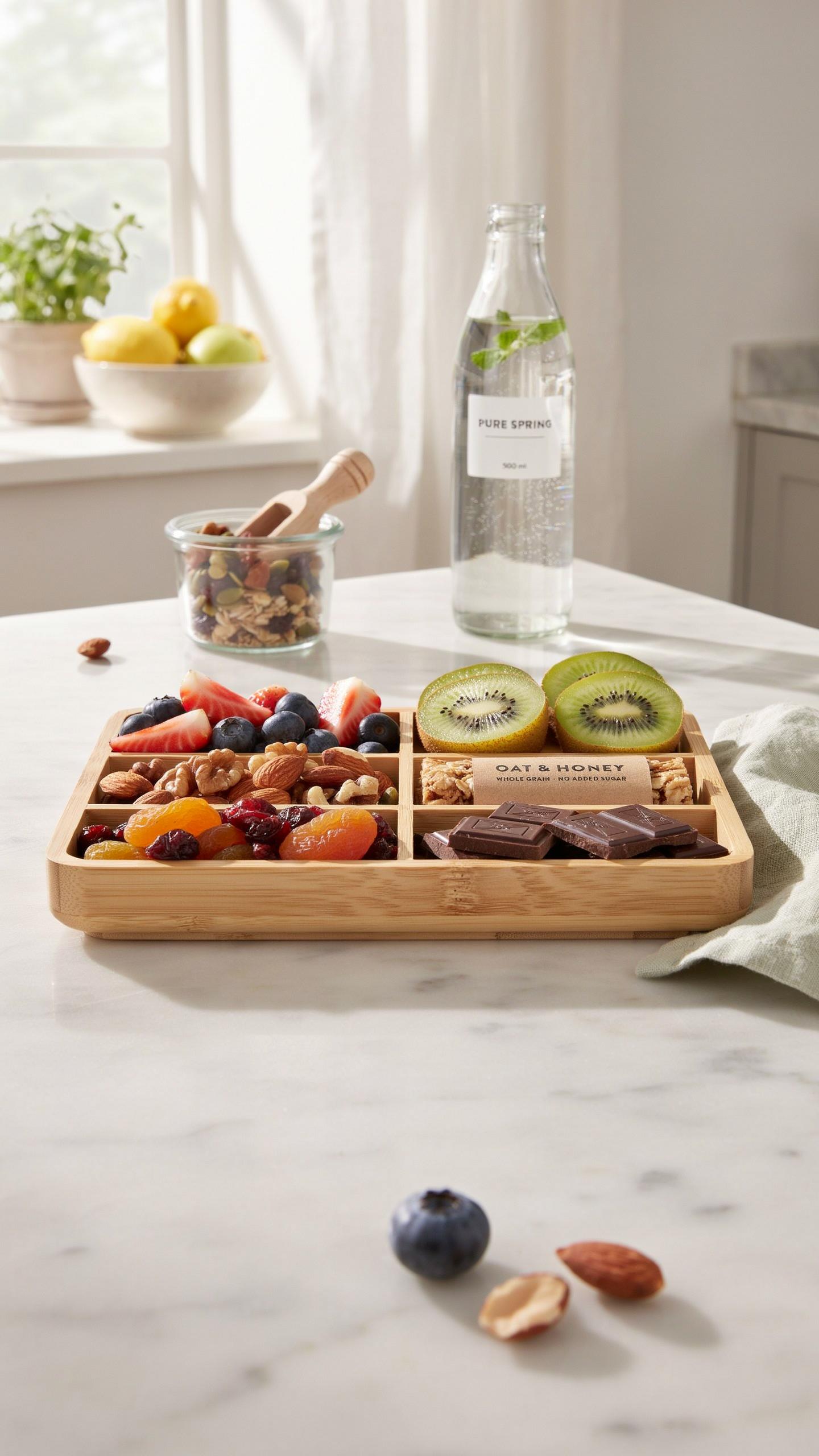
Your Snack Plan Should Break In Predictable Ways
You want a system that won’t collapse when life does. That’s the real reason you’re reading this. Evolutionary biology teaches us that successful foragers don’t rely on one food source or one strategy. They build optionality. Your rice cake snack prep works the same way. The mechanism is redundancy in protein delivery. If your go-to topping runs out, the system survives. If your schedule breaks, you still eat.
Most people treat meal prep like a rigid schedule. They make Sunday’s batch, eat it Monday through Wednesday, panic when Thursday arrives with nothing ready. That’s fragility. Instead, build overlapping prep cycles. Make small batches twice weekly instead of one large batch once. Stagger your toppings so you rotate between high-protein peanut butter one week, cottage cheese the next, almond butter the following. When one supply chain breaks, you shift to the next without thinking.
Redundancy Isn’t Extra Work
Engineering calls this “fail-safe design.” Apply it to your prep: have backup protein sources on hand. Your primary rice cakes might use Greek yogurt mixed with honey and nuts. Your secondary option uses cottage cheese with seeds and a drizzle of almond butter. Your tertiary uses tuna salad or egg salad spread across the same base. The rice cakes stay constant. The proteins rotate. This costs almost nothing extra because you’re buying the same volume of protein, just in different forms.
The redundancy operates on timing too. Prep one batch of plain rice cakes Monday evening. Prep another batch Thursday afternoon. Each batch stays good for three to four days refrigerated. You never face the choice between eating old snacks or buying convenience food. You also never waste protein because something spoiled before you touched it. The system self-corrects.
Your real obstacle isnt hunger its the illusion of complexity masking a lack of decisive action

You don’t need a perfect system. You need to buy rice cakes and almond butter tomorrow. Stack them in a container. Eat them when you’re hungry. The people who actually build this habit don’t overthink macros or timing or which brand tastes better. They remove the friction between wanting protein and eating it. Everything else is noise you’re using to avoid starting. Stop preparing to prepare and actually prepare.