
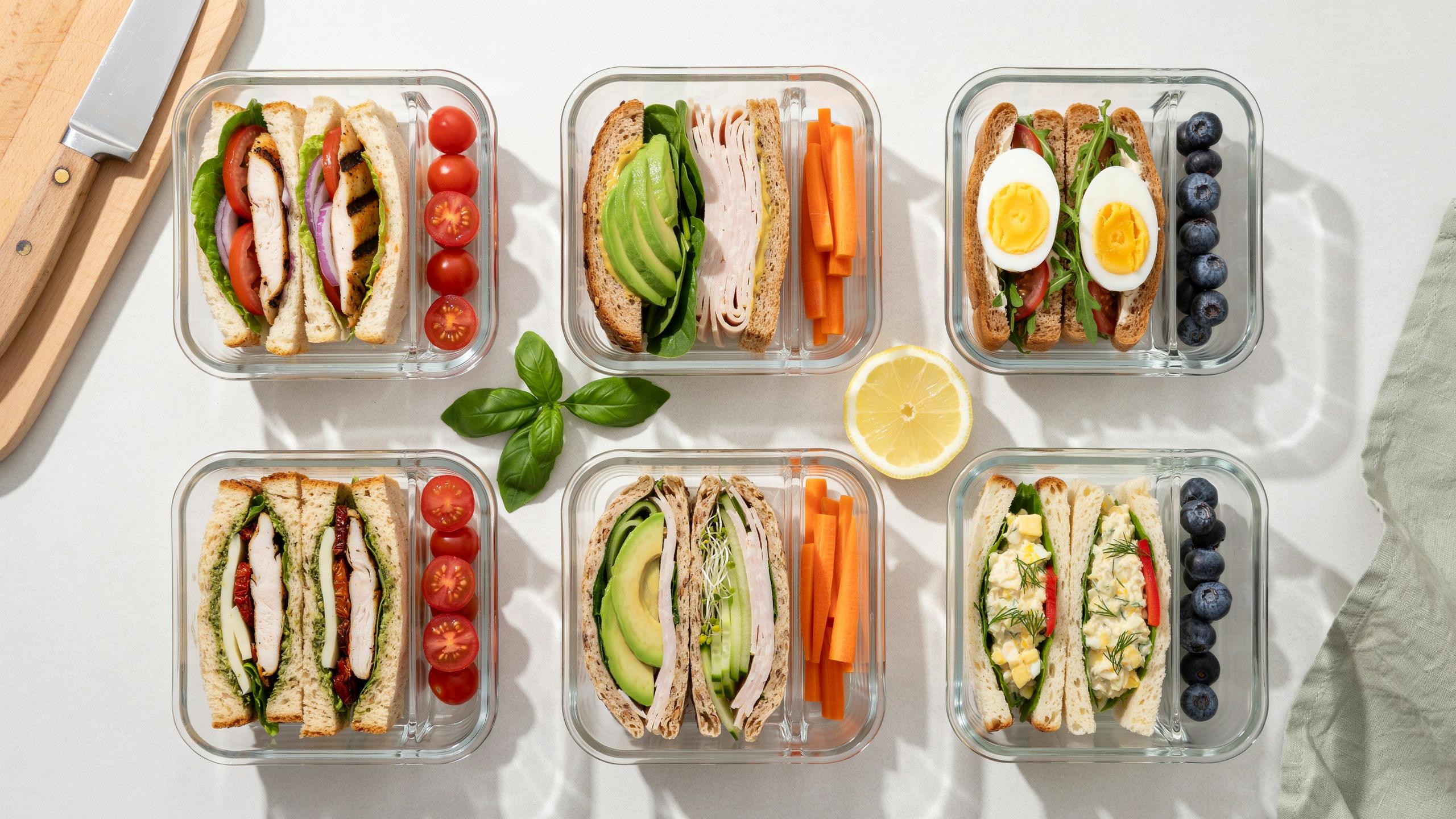
The Protein Paradox Why Your Healthy Sandwiches Fail
What You Think Is Protein Actually Isn’t
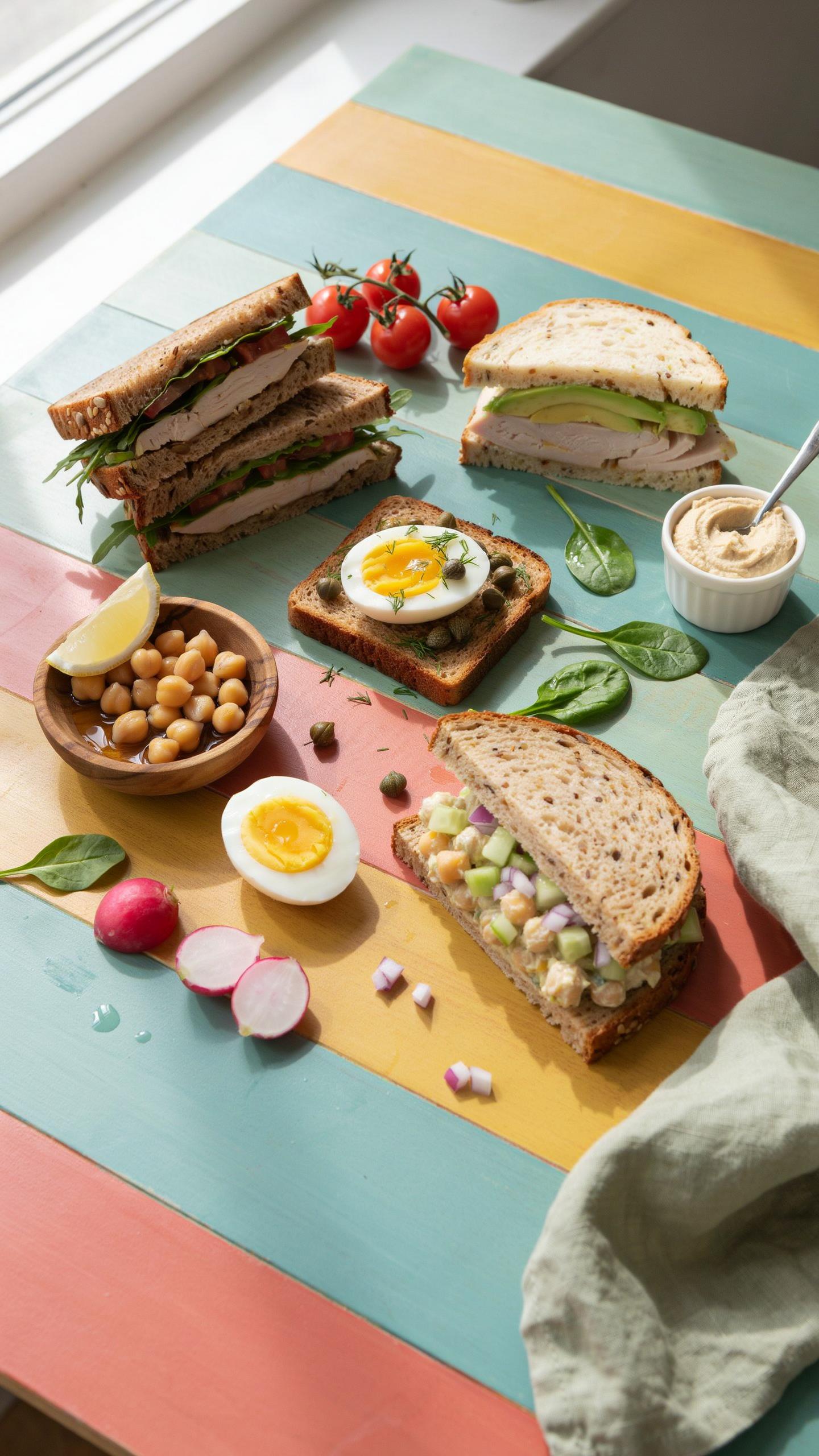
You want to believe a turkey sandwich counts as high protein because the label says 25 grams and it makes you feel disciplined. Here’s the mechanism: protein density matters more than total grams. Deli turkey is 60 to 70 percent water by weight. You’re eating volume, not concentrated amino acids. A sandwich with six ounces of deli meat contains significant protein, but the bread, condiments, and structural filler dilute the actual protein-to-calorie ratio so badly that you’re essentially eating a carb vehicle with protein scattered through it.
The real issue surfaces during meal prep. Deli turkey oxidizes and degrades faster than whole protein sources. By Wednesday, the proteins denature from air exposure and temperature cycling in your fridge. Your sandwich doesn’t just lose freshness—it loses bioavailability. Canned tuna, rotisserie chicken thighs, and hard-boiled eggs maintain structural integrity and protein quality for five to seven days. These aren’t preferences. They’re material science applied to your lunch.
The Carb Trap Nobody Names
Economics has a principle called “revealed preference”—what you actually choose reveals what you truly value, regardless of what you claim. Your sandwich filling is your revealed preference, and it’s almost always carbs masquerading as protein support. Two slices of bread contain 30 to 40 grams of carbs. Add a spread. Add cheese. Add tomato and lettuce for water weight. The protein becomes a seasoning for a carb delivery system.
This matters for meal prep because carbs spoil your satiety curve. High-carb sandwiches spike blood glucose, trigger insulin response, then crash—leaving you hungry three hours later. You then prep more sandwiches next week. The cycle perpetuates because the mechanism is metabolic, not motivational. To interrupt it: use lettuce wraps or cloud bread instead of traditional bread, or stack protein so densely that bread becomes optional. The math is direct—reduce bread volume by 50 percent and you’ve already shifted the sandwich from a carb meal to an actual protein meal.
Deconstructing The Dreaded Dryness Moisture Mechanics For Protein Sandwiches
Pick Your Protein Based On Water Content
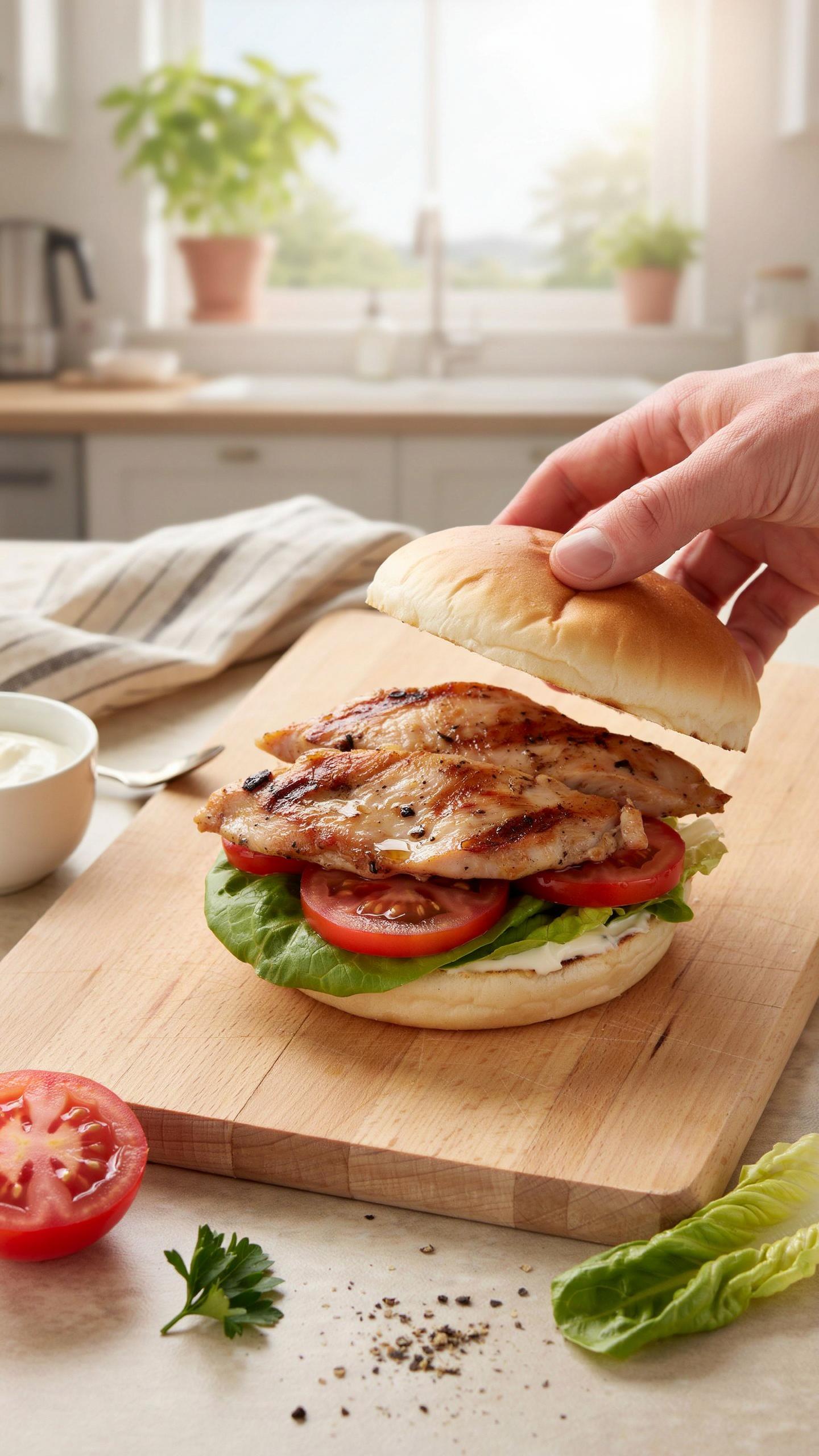
You’re afraid a prepped sandwich will turn into cardboard by Wednesday. The actual problem isn’t dryness—it’s osmotic pressure. Think of sandwich architecture like fluid dynamics: water moves from high concentration to low concentration across a membrane. Your bread is the membrane. Most people grab chicken breast because it’s lean. That’s the mistake. Lean protein pulls moisture from bread faster than high-fat protein does. Ground beef at 80/20, canned tuna in oil, or egg salad made with mayo all retain their moisture longer and donate less to the surrounding environment.
Protein choice determines your prep window directly. Chicken breast prepped on Monday will be noticeably drier by Thursday than ground beef prepared the same day. The fat in the protein acts as a barrier against water migration. This isn’t philosophy—it’s mechanics. If you want sandwiches that don’t degrade over five days, your protein selection dictates the viability before you even touch bread or condiments. Mayo-based proteins like tuna or egg salad give you the longest functional window because the oil matrix is already hostile to water loss.
The Order Of Assembly Matters More Than The Ingredients
Everyone says “put mayo on the bread as a barrier.” That’s incomplete advice. The barrier only works if you prevent water from moving through the bread before it reaches the protein layer. This requires a specific sequence. Spread mayo on both bread slices first. Then add a thin layer of deli meat or protein. Then your high-moisture ingredients like tomato or lettuce. Then your second protein layer. Then close it.
The mechanism: you create a fat barrier on the outside surfaces of the bread, then stack wet ingredients on the protein rather than directly on bread. Protein absorbs moisture without losing structural integrity the way bread does. Moisture that reaches the bread from below has already been filtered through protein first. Bread never contacts raw tomato or wet lettuce. Assemble in this exact order every time you prep: mayo, protein, vegetables, protein, close. Consistency in layering reduces variables and extends freshness by 24 to 48 hours across the week.
The Macronutrient Matrix Optimizing Your High Protein Sandwich Ideas
Protein To Fat Balance For Real Satiety
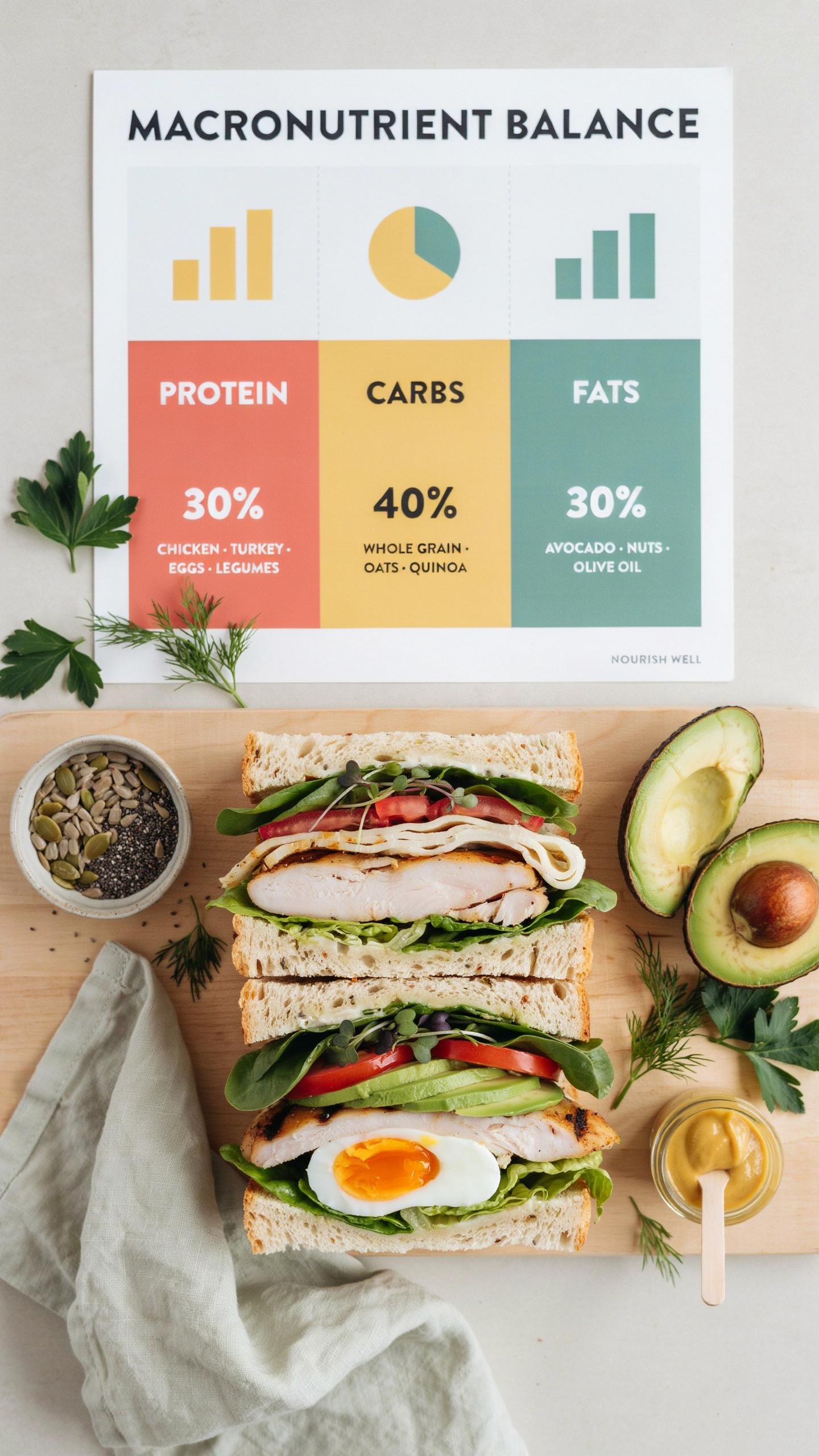
You want to believe hitting a number solves the satiety problem. It doesn’t. The mechanism is biochemical signaling, not calorie math. Protein triggers cholecystokinin and peptide YY release in your gut. Fat slows gastric emptying. Together they extend the window before hunger returns. But ratio matters because excess fat without adequate protein creates caloric density that backfires during meal prep storage and reheating.
Aim for a 2:1 protein-to-fat ratio on your sandwich. A 6-ounce chicken breast with 1 ounce of mayo hits that target. Greek yogurt based spreads beat traditional mayo for this reason: same fat content, higher protein. Skip the philosophy about “clean eating.” This ratio is purely mechanical. You’re extending satiety duration without bloating yourself with volume. That’s the only promise worth making.
Carbohydrate Fiber Coupling For Energy Stability
Fiber isn’t decoration. It’s a glycemic regulator borrowed from endocrinology: fiber reduces the rate of glucose absorption into your bloodstream, which flattens your insulin response and prevents energy crashes. Most high protein sandwich advice skips this entirely because it’s less visible than protein math. Bread choice determines whether your sandwich sustains energy or creates a crash cycle.
Whole grain bread with at least 3 grams of fiber per slice becomes your baseline. Add vegetables with fiber density: spinach, tomato, bell pepper, cucumber. These add volume and nutrients without caloric waste. The practical protocol is simple. Choose bread first, then build vegetables around it, then add protein and fat. This order ensures you hit your fiber threshold before you’re tempted to reduce it for convenience. Fiber + protein + fat together create the sustained energy state you actually want from meal prep.
The Anti Boredom Protocol Flavor Systems For Easy Sandwich Recipes
The Flavor Wheel: Intentional Pairings
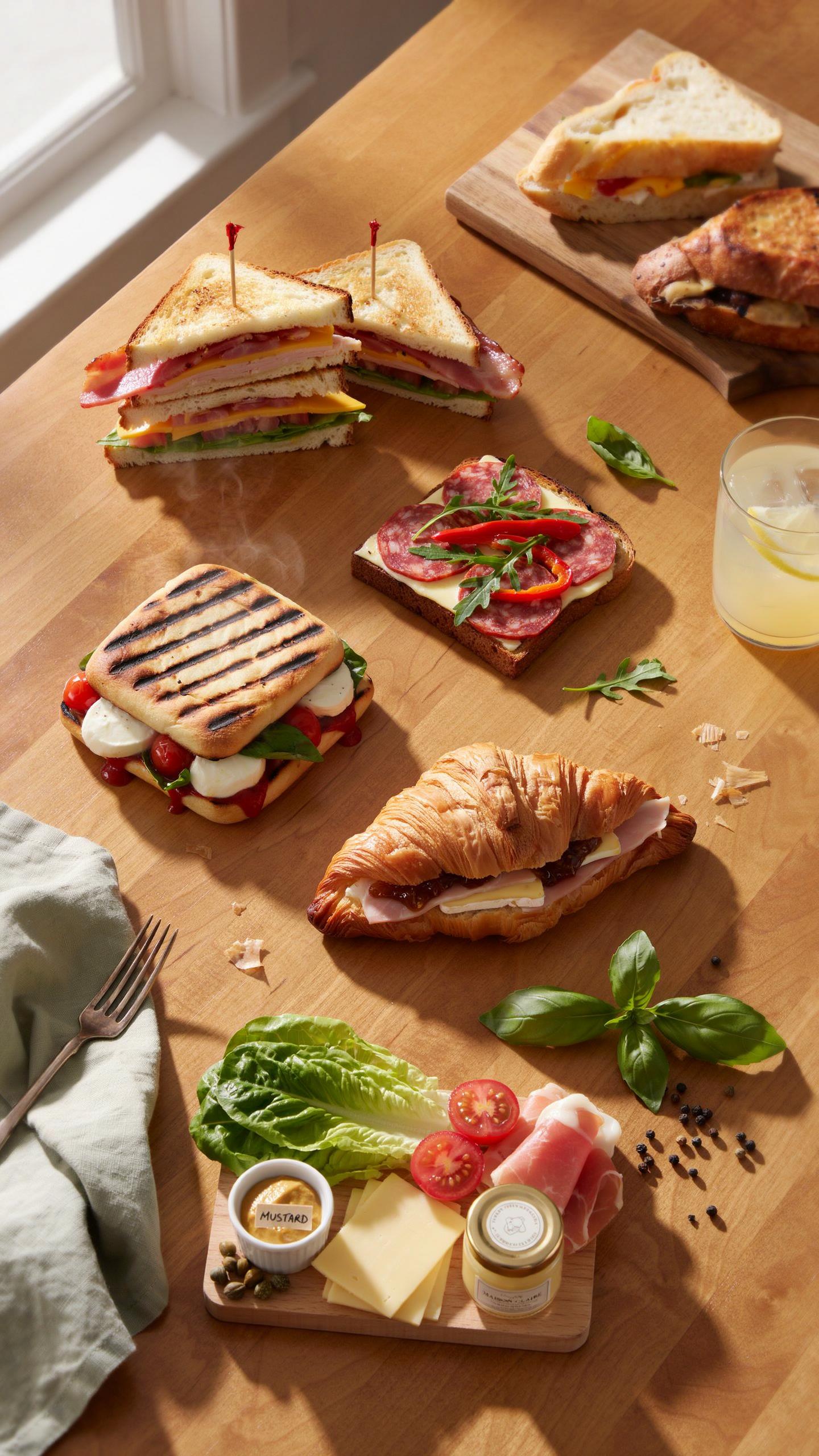
You’re afraid meal prep means eating the same thing five days straight. Here’s what actually happens: your taste receptors adapt to repetition and stop firing, so the sandwich becomes invisible to your brain. The mechanism is sensory habituation, borrowed from neurobiology. You need contrast mapped across specific flavor categories, not variety scattered randomly. Each sandwich should contain one dominant flavor anchor, one textural opposition, and one bridging element that connects them. This prevents habituation while keeping prep simple.
The dominant anchor is your protein source’s natural flavor profile. Roasted turkey carries umami and savory notes. Greek yogurt-based chicken salad carries tang and richness. Tuna packed in oil carries marine funk and fat-based depth. Build around what the protein already does instead of fighting it. Add texture opposition through something crisp: pickled vegetables, raw radish, toasted nuts. The bridge is your condiment layer, which we’ll address next. This structure repeats across five sandwiches without feeling repetitive because you’re rotating which flavor sits in the dominant position.
Condiment Compounding For Complexity
Most people throw mayonnaise on a sandwich and call it done. That’s laziness labeled as simplicity. Condiments are your complexity lever because they require zero additional prep time but multiply perceived flavor depth. Layer two to three condiments that don’t compete but instead amplify each other through different taste mechanisms: fat, acid, salt, heat, umami. Mayonnaise provides fat-based mouthfeel. Mustard provides acid and pungency. Hot sauce provides heat and capsaicin burn that triggers salivation. A pickle brine drizzle provides vinegar-based acid and salt that sharpens everything around it.
Stack condiments intentionally rather than using one thick layer of one thing. Spread mustard as a thin base on one bread slice to hit your taste receptors first. Layer mayo on the other slice to carry fat and mute aggressive flavors. Add a hot sauce or vinegar component on the protein itself so it seasons the protein rather than diluting into the bread. A single teaspoon of fish sauce or soy sauce mixed into the mayo creates an umami foundation that makes every other flavor taste more defined. This compounding approach means you can build five distinct sandwiches using the same proteins and produce but different condiment combinations.
The Tactical Prep Method Military Strategy For Easy Healthy Lunches
Forward Deployment Of Ingredients
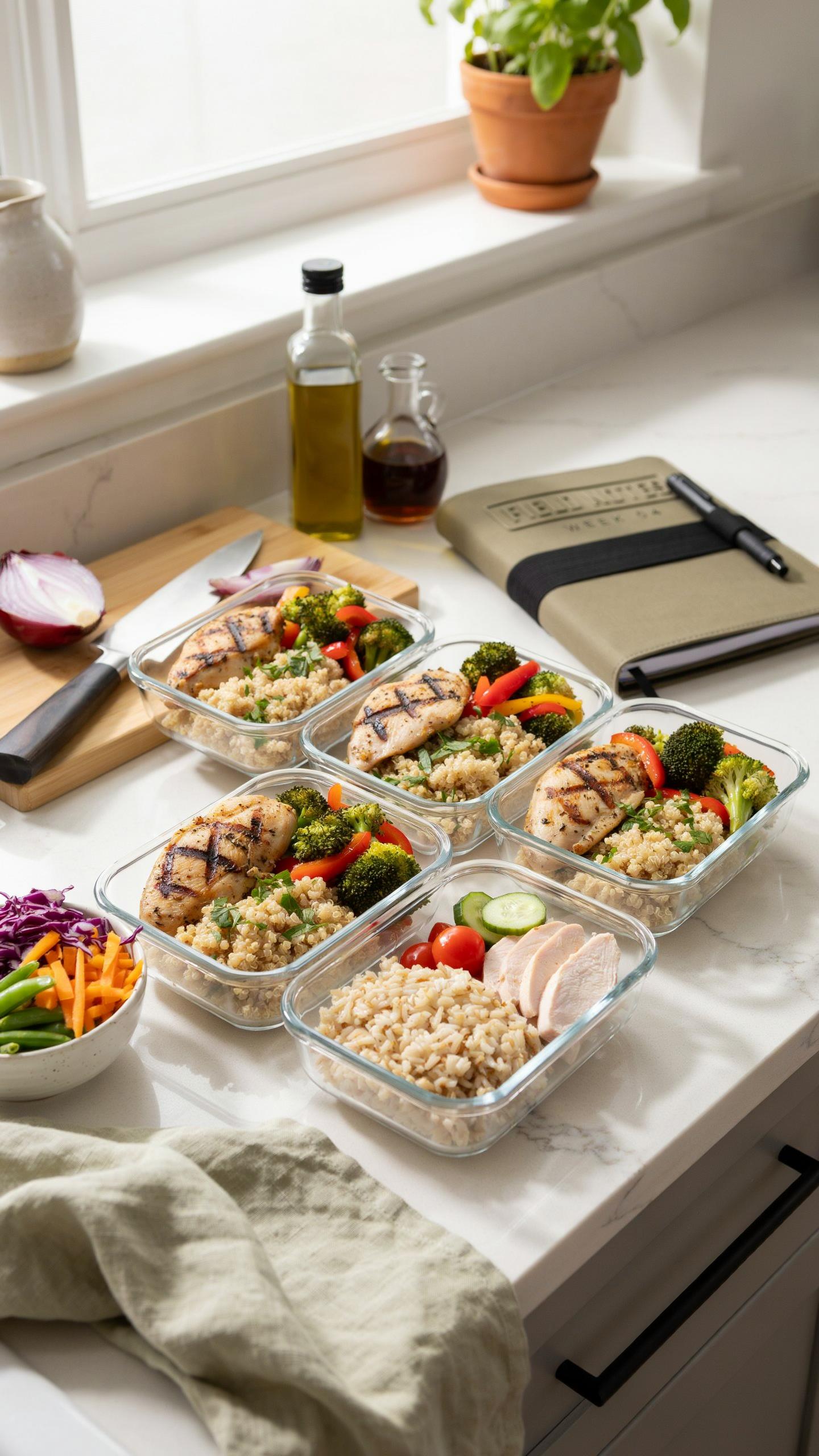
You want this to feel effortless because you’re afraid consistency will break you. The real mechanism is constraint. Military logistics calls it “forward positioning”—staging supplies before the operation starts so execution becomes automatic. You apply this by placing protein, bread, and spreads in dedicated zones before assembly begins, not hunting for items mid-prep.
Gather all proteins first: rotisserie chicken, deli turkey, canned tuna, hard-boiled eggs, Greek yogurt. Stack them in the same spot. Do bread next. Then condiments. Then vegetables. This isn’t organization theater. You’re cutting decision fatigue and dead time. When your hands know where everything lives, assembly speed doubles and mistakes vanish.
Assembly Line Approach
Most prep advice says “make sandwiches one at a time.” That’s backwards. You’re not building individual meals, you’re running a production system. Lay out all bread in rows. Spread condiments on every slice at once. Layer protein on half the bread, vegetables on the other half. Stack and wrap. You move through stations instead of repeating the same five steps five times.
The speed difference is significant. One person running five sequential sandwich builds takes roughly 40 minutes. The same person running parallel assembly takes 18. Your brain doesn’t reload between identical tasks. You finish faster, storage stays consistent, and protein distribution stays equal across all meals.
The Kinetic Energy Kitchen Thermodynamics Of High Protein Sandwiches
Storage Wins The War Against Protein Decay
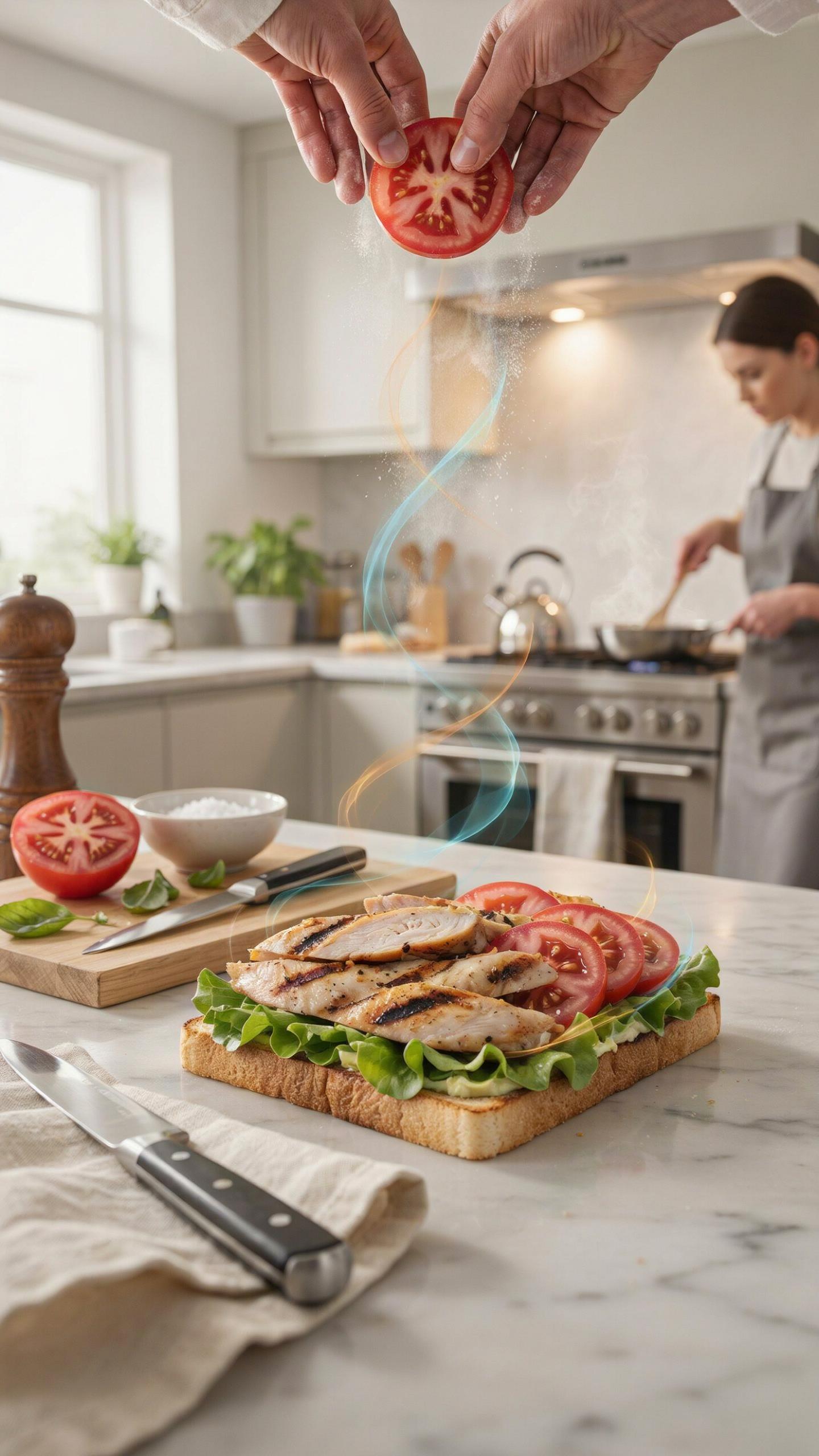
You want your meal prep sandwiches to survive the week without turning into a biology experiment. That’s not vanity, it’s math. Thermodynamics governs food storage the same way it governs energy systems: heat transfer accelerates molecular breakdown. Your sandwich loses quality through three mechanisms—bacterial growth, lipid oxidation, and water migration—and temperature control stops all three. Room temperature accelerates each process. Refrigeration slows them to survivable rates.
Protein itself doesn’t degrade in the fridge, but the fats in your sandwich fillings do. Oxidation happens faster above 40°F. Store sandwiches in airtight containers, not plastic wrap. Wrap components separately until assembly if you’re prepping more than three days out. Moisture control matters: toast bread lightly before assembly to create a vapor barrier, preventing sogginess from lettuce or tomato. This single step extends sandwich integrity from three days to five.
Reheating Protein Without Destroying Structure
The common advice is wrong: microwave reheating damages protein texture more than oven work. Microwaves heat through molecular vibration, which scrambles protein structure. Your sandwich doesn’t need dramatic temperature change anyway. The goal is reaching 165°F for food safety if you used deli meat, but most prepped protein sandwiches sit well below that risk threshold if stored cold.
Toast the sandwich in a standard oven or toaster oven at 325°F for four to six minutes. This approach remelts cheese, warms bread, and leaves protein intact. Don’t reheat past this point. Protein toughens under sustained high heat. The actual mechanism: gentle, radiant heat allows protein to warm without denaturing further. One protocol works: pull sandwich from fridge, place on sheet, heat to 325°F for five minutes maximum, then eat immediately.
Post Workout Fuel Tailoring Your Protein Sandwich For Recovery
Glycogen Replenishment Within Two Hours
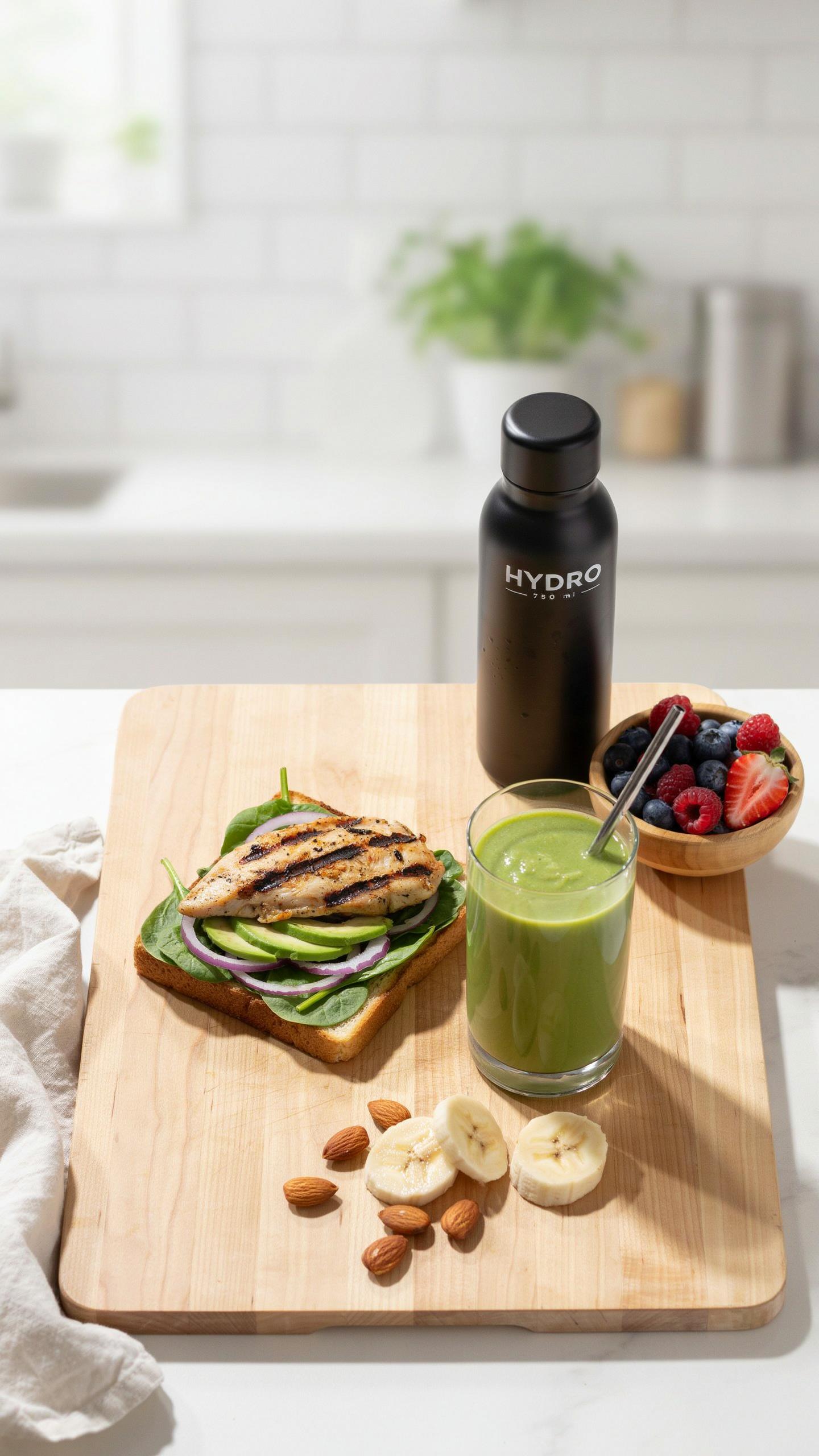
You want the performance metric without admitting you’re chasing the status of visible recovery. Here’s the mechanism: glycogen resynthesis (borrowing from exercise physiology) works like a bank account with a narrow deposit window. Your muscles absorb glucose fastest in the two hours after training when insulin sensitivity spikes and GLUT4 transporters flood the cell membrane. Miss this window and your body still refills the tank, just slower and less efficiently.
Your sandwich’s carbohydrate source matters more than total calories. White bread, potato roll, or even regular pasta fills glycogen faster than whole grain because simple carbs spike insulin without requiring digestion overhead. Pair 40-60 grams of carbs with your protein hit immediately post-workout. The sandwich structure itself handles timing: prep it the night before, grab it within 30 minutes of finishing your session, consume within the window. Whole grains taste morally superior but they delay glycogen restoration by making your digestive system work harder.
Sodium Addition For Cellular Retention
Most meal prep guides skip this entirely because sodium sounds like the enemy. It’s not. Sodium drives water retention into cells and amplifies the anabolic window’s effectiveness. After sweating, your electrolyte concentration drops. Adding salt to your sandwich filling or the surrounding condiments creates an osmotic gradient that pulls fluid into muscle tissue where protein synthesis happens.
Use 500-700 mg of sodium per sandwich in post-workout scenarios. This means salted deli meat (already contains 300-400 mg per 3 ounces), plus a pinch more in the mayo or mustard base. You’re not building a sports drink replacement. You’re stacking a small mechanism onto an existing meal structure. This addition costs nothing, changes nothing about prep, and actually improves water retention during the recovery phase when it matters most.
Beyond The Bread Innovative Wraps Healthy Sandwich Ideas
Lettuce Wraps And Collard Green Alternatives
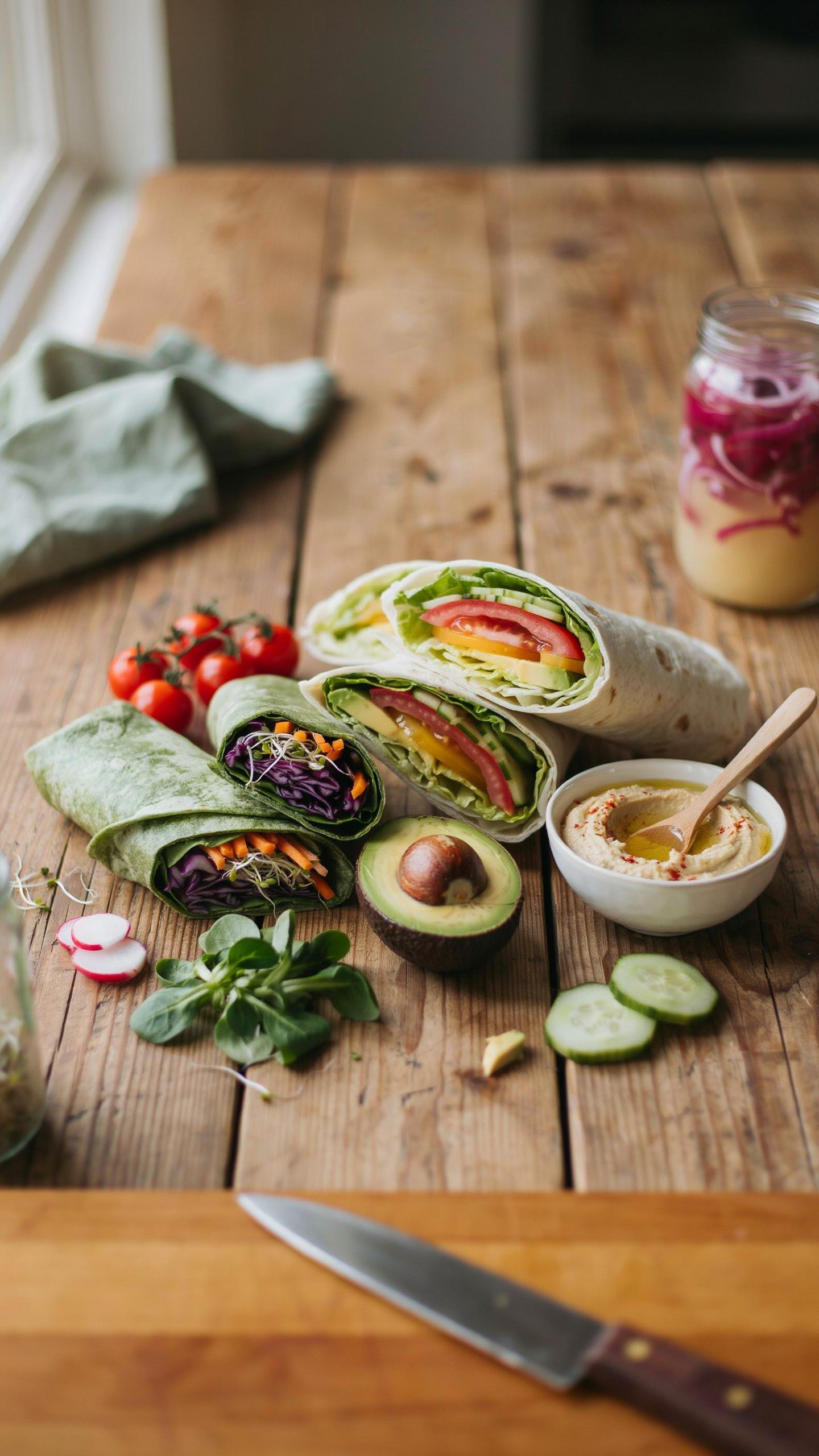
You want to feel virtuous about ditching bread without actually changing your protein intake strategy. Here’s the real mechanism: bread adds volume and shelf stability to a meal prep system, but it also adds carbs that don’t contribute to satiety the way protein does. Remove the bread, keep the protein, and you’ve solved the actual problem you were chasing.
- Butter Lettuce: Large, pliable leaves that hold fillings without tearing. Stays crisp for five days when stored in airtight containers with paper towels to absorb excess moisture.
- Collard Greens: Blanch for two minutes, then shock in ice water. Thicker structure than lettuce means it won’t wilt under wet fillings like deli meat or tuna salad.
- Romaine Hearts: Inner leaves are thick enough to handle heavy fillings. Less water content than iceberg, which extends shelf life to six days when prepped correctly.
- Napa Cabbage: Holds shape better than most leafy options. The natural sweetness pairs well with Asian-inspired fillings and aged proteins like rotisserie chicken.
- Swiss Chard Leaves: Blanch first to remove bitterness and reduce water content. Sturdy enough for dense fillings and stores well when separated and dried thoroughly before packing.
The wrap format works only if you solve the moisture problem first. Prep your protein fillings on day one, assemble wraps on day three or four, and eat them within two days after assembly. This timing prevents the leaves from becoming translucent and falling apart when you bite into them.
Creative Fillings Without The Bun
Most people think removing bread means you’re limited to salad-adjacent fillings. That’s incomplete. The real constraint isn’t flavor or texture—it’s structural integrity. Without bread to absorb and contain moisture, your filling needs to be either drier than sandwich spread or packed into something that won’t disintegrate.
Tuna salad, egg salad, and chicken salad lose their appeal without bread because mayonnaise-based fillings depend on bread’s absorbency. Instead, use drier proteins: sliced rotisserie chicken with mustard, cured meats like prosciutto or turkey breast, shredded cheese mixed with protein powder, or ground turkey cooked with spices. Layer these with firm vegetables like bell peppers, cucumber, or radishes. The goal is textural contrast and no liquid seeping into your wrap base by day five.
The real obstacle isnt time or ingredients its your failure to demand more from your food

Most people eat like they’re fueling a machine they don’t care about. They grab whatever’s convenient and wonder why they feel like garbage. High protein sandwich meal prep forces a choice: you either design your nutrition or default to mediocrity. Stop treating food as fuel and start treating it as a tool. Make one sandwich today. Stack real protein, real vegetables, real intention into bread. That single act rewires how you think about eating for the entire week.