
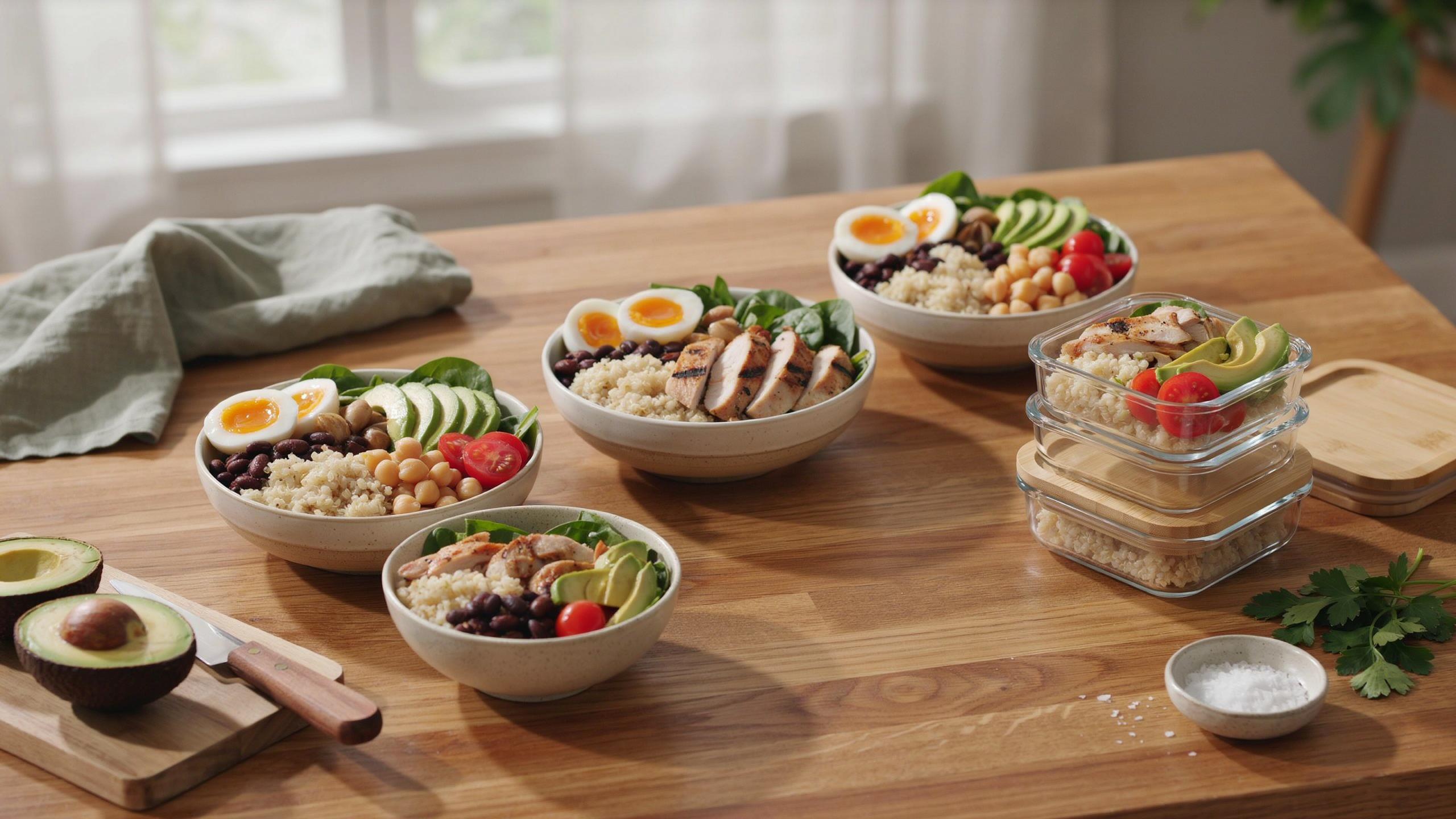
The Faux Convenience Fallacy Why Your Easy Bowls Fail High Protein Meal Prep

What Convenience Actually Costs
You want meal prep to feel effortless because you’re afraid you’ll quit if it doesn’t, and quitting means admitting discipline isn’t your default. Here’s the mechanism: convenience is an economics term describing the reduction of friction before consumption. With grain bowls, perceived convenience masks the real friction points you haven’t eliminated. You’ve optimized the eating part, not the preparation. That’s backwards.
Most people focus on final assembly speed, which is the last 5% of work. They ignore ingredient prep complexity, which compounds across batches. A bowl with hand-shredded chicken, roasted vegetables, and grain cooking takes twice the actual time of a bowl with canned protein, raw vegetables, and microwaved grain. You don’t save time by picking the wrong inputs.
The Nutrition Equation Nobody Mentions
The lie is that nutrition becomes automatic once you stack the right foods together. In reality, nutrient density degrades on a predictable schedule, and you’re not accounting for it. Cooked grains maintain macronutrient integrity for five days. Cooked proteins stay stable longer, but fat oxidation accelerates around day four. Raw vegetables maintain micronutrient content better than cooked ones, but they wilt and absorb moisture from other components. Mixed bowls create a compression environment that speeds degradation across all components.
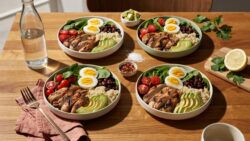
You can’t solve this by “just eating faster.” You solve it by reverse-engineering storage: prep components separately, assemble two to three days before consumption, and keep dressings in a separate sealed container. This adds one minute per bowl during eating, but extends nutritional value by a full day. Most people accept five-day meal prep despite obvious degradation. Start with three-day cycles instead, and you eliminate the nutrition-versus-convenience debate entirely.
Beyond Macros Engineering Your Internal Engine

Your Protein Source Matters More Than The Protein Count
You want the number to look good on the label. Here’s the mechanism nobody states: bioavailability is the real variable. Your body absorbs different protein sources at different rates and with different efficiency. Chicken breast and lentils both contain protein, but your digestive system extracts and utilizes them differently. This isn’t marketing. It’s biochemistry.
Animal proteins contain all nine essential amino acids in ratios your body recognizes immediately. Plant proteins often lack one or more amino acids in meaningful quantities, requiring strategic combination to achieve complete protein profiles. When meal prepping, pairing incomplete proteins intentionally compounds their value. A grain bowl with quinoa and beans delivers more usable protein than either ingredient alone.
The Micronutrient Arbitrage Everyone Skips
Common meal prep advice is incomplete here. People count protein grams and call it done. But vitamin and mineral density determines whether your body actually absorbs and uses that protein. Iron, magnesium, B vitamins, and zinc all directly influence protein synthesis and muscle adaptation. Your expensive chicken breast does nothing without the cofactors that activate it.
Dark leafy greens added to your grain bowl aren’t filler. They deliver chelated minerals your body processes efficiently alongside your protein. Roasted seeds provide selenium and copper. Fermented grains improve mineral bioavailability compared to standard preparations. When bulk prepping, dedicate one component of your bowl specifically to micronutrient density, not flavor padding. This shifts the entire metabolic outcome of your meal.
The Fuel Matrix Protocol Strategic Ingredient Stacking Meal Prep Bowls
Macronutrient Ratios That Actually Stick
You want the formula because you think it’ll solve the adherence problem. It won’t. The real mechanism is satiety density, borrowed straight from nutritional science: the amount of fullness per calorie consumed. Protein amplifies this effect more than carbs or fat, which is why high protein grain bowls sidestep the constant hunger that kills most meal prep routines. The goal isn’t hitting a number on your macro tracker. It’s engineering a meal that keeps you full for four to six hours without excess calories.
Most advice stops at “eat more protein” like that’s insight. Here’s what actually matters: the ratio between protein, complex carbs, and fat determines how long your blood sugar stays stable and how long you stay satisfied. For grain bowl meal prep, aim for 30 to 40 grams of protein per bowl, 40 to 50 grams of carbs from grains or starchy vegetables, and 8 to 12 grams of fat from oils, nuts, or seeds. This ratio keeps you in the satiety sweet spot without requiring portion control willpower.
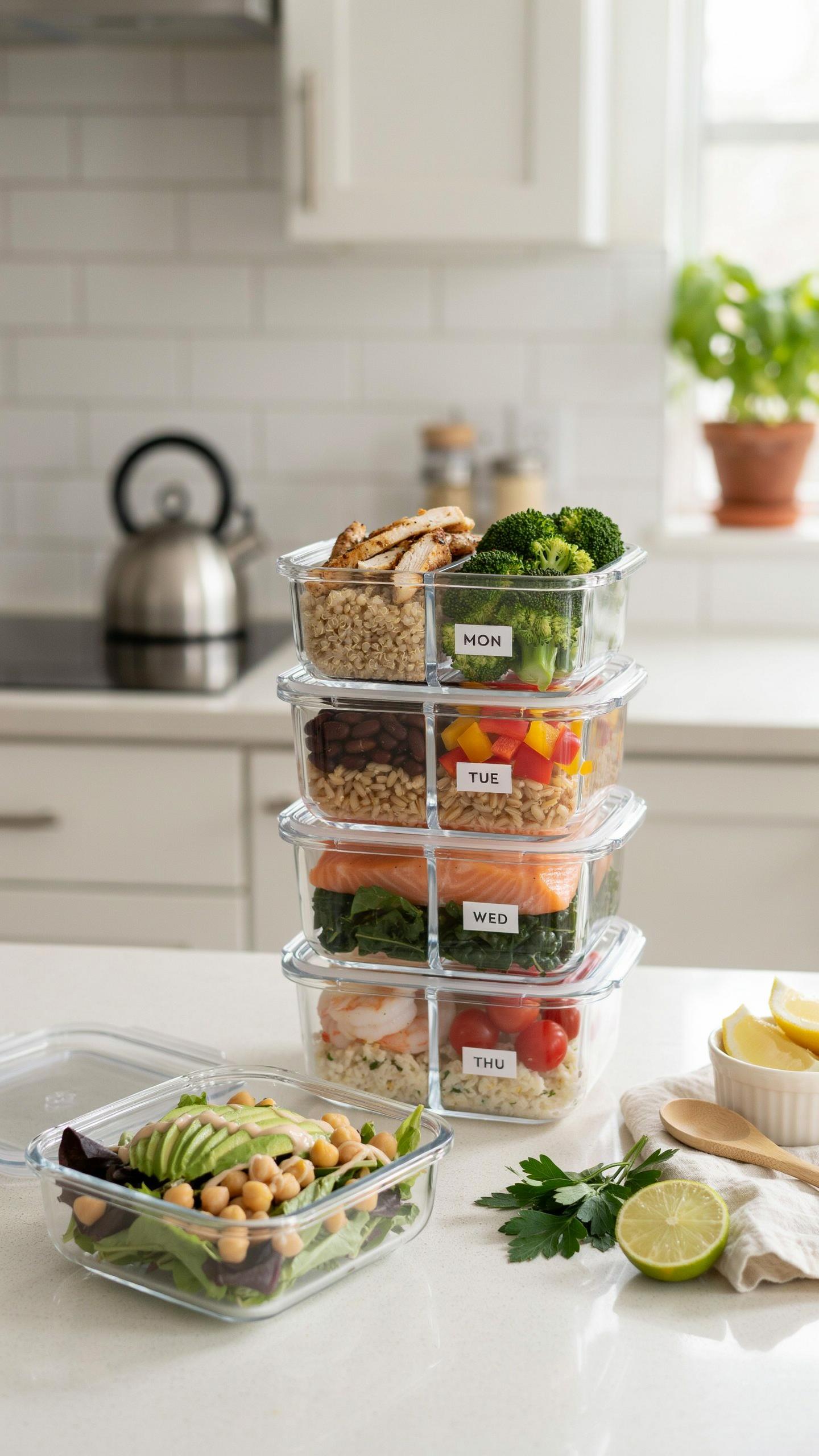
- Protein Base (30-40g): Grilled chicken breast, lean ground turkey, Greek yogurt, cottage cheese, or canned tuna. Choose one primary source per bowl batch to simplify prep and cost.
- Whole Grain (40-50g carbs): Brown rice, quinoa, farro, or barley provide sustained energy and fiber. Cook a large batch once and portion into containers immediately while warm.
- Starchy Vegetable (optional carb boost): Sweet potato, roasted chickpeas, or lentils add volume and nutrients. Use if your grain portion feels insufficient for satiety based on your activity level.
- Fat Source (8-12g): Olive oil drizzle, tahini, hemp seeds, or almonds improve nutrient absorption and flavor. Add just before eating to prevent sogginess during storage.
- Vegetables (unlimited): Leafy greens, broccoli, bell peppers, and cucumbers add fiber and micronutrients with minimal calories. Pre-chop and store separately to maintain texture and prevent wilting.
The math is simple. Protein increases thermic effect, meaning your body burns more calories digesting it. Whole grains provide fiber that slows glucose absorption. Together, they create a meal that stabilizes energy without triggering the three-hour blood sugar crash that makes you raid the vending machine. Stack these three components intentionally in your prep, and adherence stops being about discipline.
Taste Consistency Across Five Days
People fail meal prep because boredom compounds faster than discipline decays. The fix isn’t varying every ingredient. It’s understanding which flavor combinations actually survive refrigeration and four days of storage without becoming cardboard. This isn’t about creativity. It’s about the chemistry of how salt, acid, and fat preserve perceived freshness in prepared food.
Build each bowl around a single flavor anchor: sesame ginger, lemon herb, or chipotle lime. Use that anchor across your protein seasoning, your oil-based dressing, and your vegetable selection. Acid kills boredom. Add a squeeze of lemon juice or rice vinegar to every bowl just before eating, not during prep. Store dressings separately from grains and vegetables. This prevents osmotic breakdown of texture and keeps flavors distinct instead of homogenized into mush. The proteins you choose should have enough surface area to absorb seasoning, which is why ground turkey and diced chicken outperform whole breasts that dry out in storage. Cook your protein with salt and your chosen spice base, then cool completely before containerizing. This creates a flavor foundation that doesn’t degrade over time. Test one batch for taste on day one, day three, and day five. Adjust seasoning intensity based on what actually survives cold storage in your specific containers, not on what tastes good fresh.
Deconstructing The Protein Myth Sources Absorption Healthy Bowls
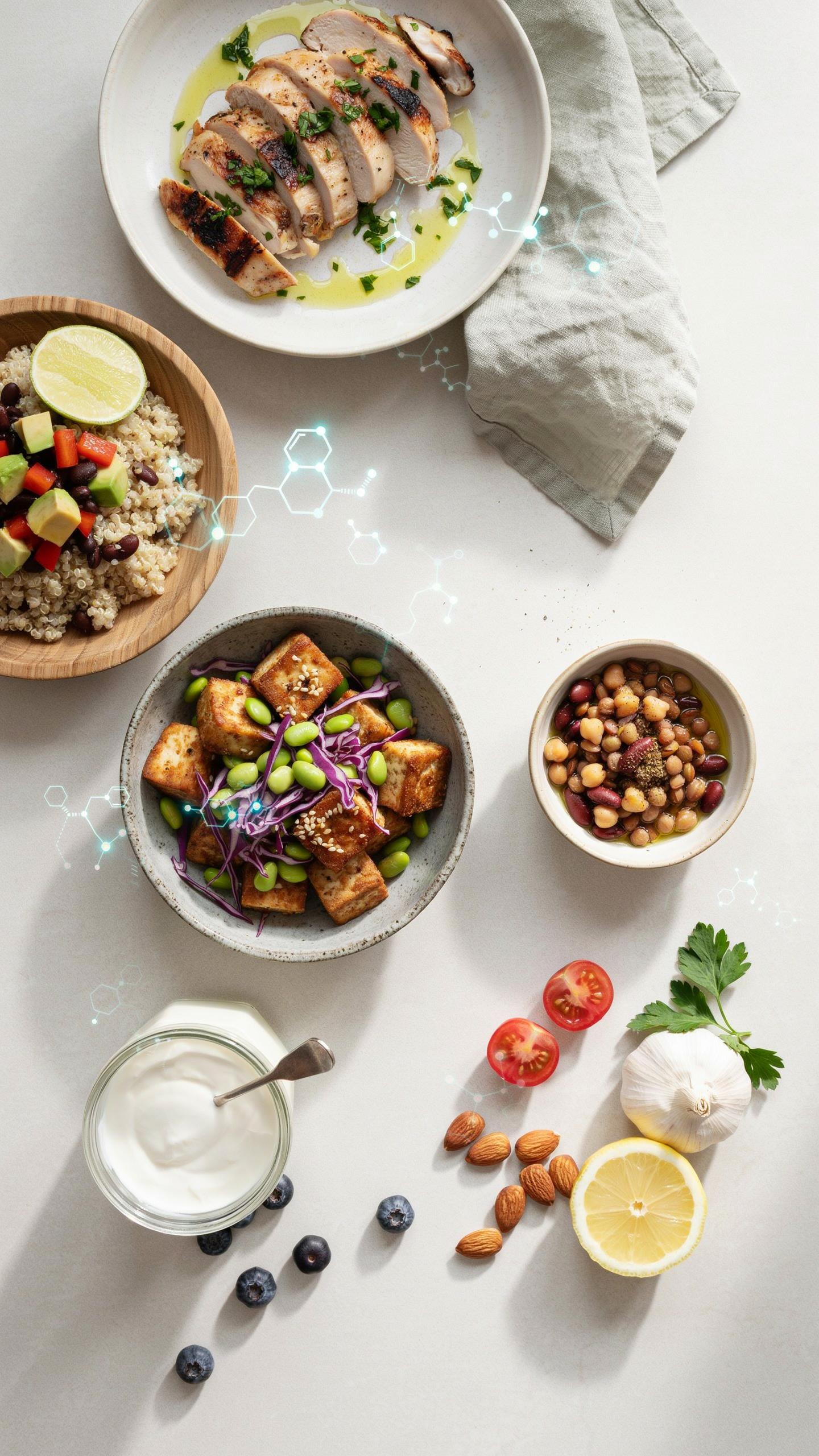
Which Protein Sources Actually Work
You want to believe that all protein is equal because that makes meal prep easier. It isn’t. Protein quality hinges on amino acid profile and bioavailability, not marketing claims about “clean” or “plant-based.” Your body breaks down protein into amino acids. Nine of them are essential, meaning you can’t synthesize them. Animal proteins contain all nine in ratios that match human needs. Most plant proteins miss one or more amino acids entirely, forcing your body to work around the deficit.
Chicken breast and ground turkey deliver 26 grams of protein per 100 grams with complete amino acid profiles. Lentils deliver 9 grams per 100 grams cooked and lack methionine. Canned fish adds omega-3 fatty acids on top of complete protein. If you use plant-based protein in your bowl, you must combine sources strategically or accept lower net protein availability. Single-source plant bowls create the illusion of hitting your target while delivering incomplete nutrition.
Absorption Rate Determines Real Protein Yield
Digestibility isn’t marketing jargon, it’s biology. Your stomach acid and enzymes extract amino acids at different rates depending on source and preparation method. Collagen and gelatin have digestibility rates below 90 percent. Whey isolate exceeds 97 percent. When you cook chicken, you denature proteins and make them easier to break down. Raw chicken absorbs worse and carries pathogenic risk. Cooking time matters: overcooked meat becomes stringy and actually harder to digest than properly cooked meat because the protein matrix compacts.
Combine your protein source with fat or fiber in the same meal and absorption slows slightly but becomes more sustained, preventing amino acid waste through rapid excretion. This is why adding olive oil to your grain bowl or pairing chicken with beans works mechanically, not just for flavor. Cook your proteins thoroughly, portion them consistently at 30 to 40 grams per meal, and eat them with at least 15 grams of carbs to trigger the insulin response that shuttles amino acids into muscle tissue.
The Grain Conundrum More Than Just Carbs
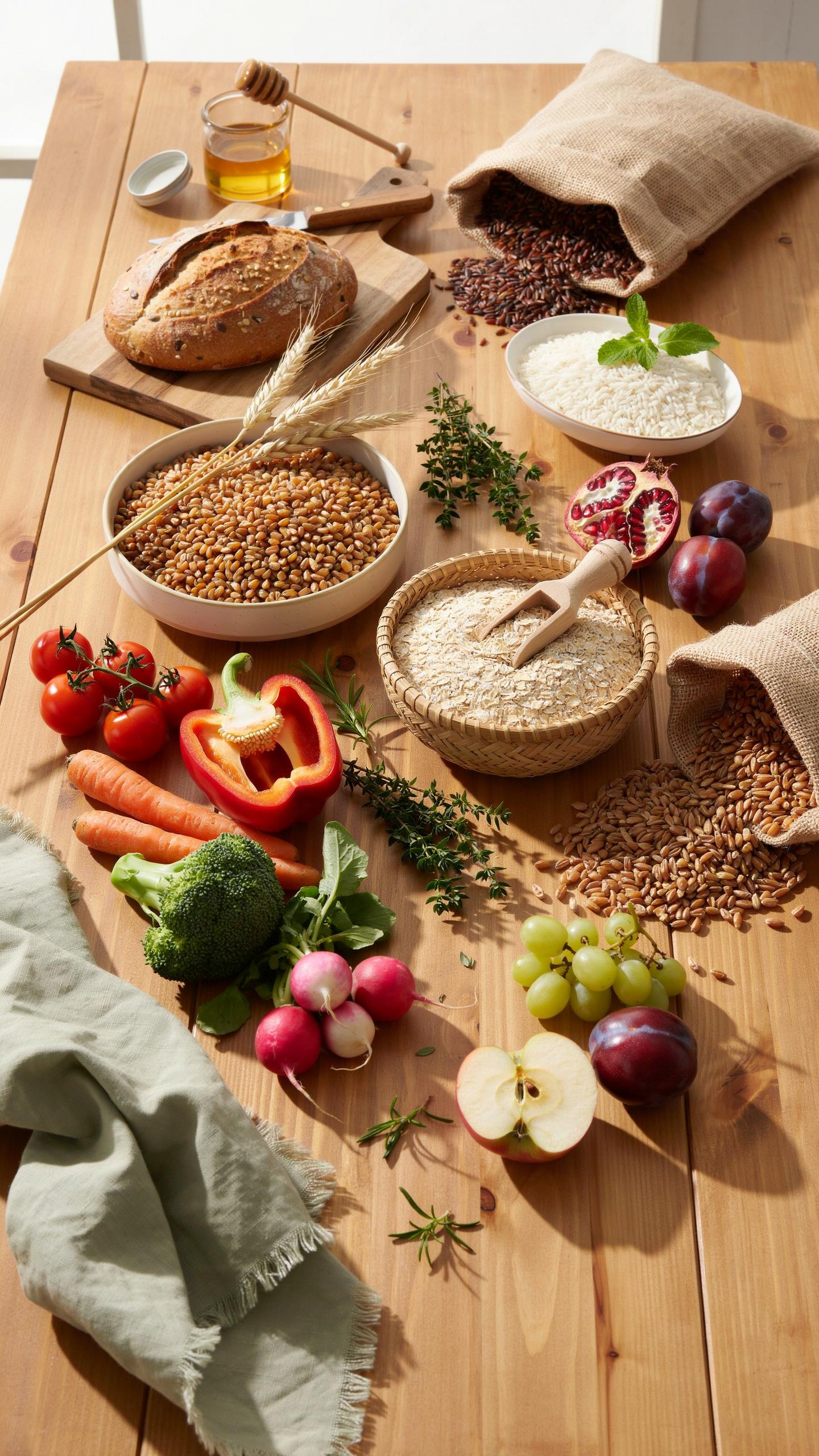
Why Your Grain Choice Actually Matters For Energy
You want to feel full and productive without the 3pm crash. That’s the real reason you’re reading this. The mechanism is glycemic load, borrowed from biochemistry: how fast a carbohydrate enters your bloodstream determines your insulin response and subsequent energy stability. Most people treat all grains as interchangeable. They’re not. White rice spikes blood sugar fast. Steel-cut oats don’t. This difference compounds across your week when meal prepping.
Your grain selection directly controls energy durability in your bowl. Choose grains with lower glycemic impact: steel-cut oats, farro, barley, or brown rice. These deliver carbohydrates steadily rather than in a spike-and-crash pattern. Pair them with your protein source and you’ve locked in sustained fuel. The prep advantage: batch cook these grains once weekly. They hold for five days refrigerated, so your energy consistency becomes automatic rather than something you manage daily.
Satiety Isn’t About Volume, It’s About Structure
Fiber gets dismissed as “roughage” by people who don’t understand how digestion actually works. Fiber slows gastric emptying and triggers mechanoreceptors in your stomach lining. This means your brain gets satiety signals before your body absorbs calories. That’s the lever. Most meal prep guides bury this. They talk around it.
The grains that support satiety longest are those with intact structure: whole grain varieties, legume-based grains like teff or quinoa, and steel-cut oats. Refined grains have had their structure stripped away during processing, removing the fiber matrix that creates satiation. When you meal prep, the fiber stays intact. You eat the same volume but feel fuller longer. Cook your grains with their bran layer intact and you engineer compliance into your system.
The Time Leverage Model Batch Cooking For Dominance Protein Bowls
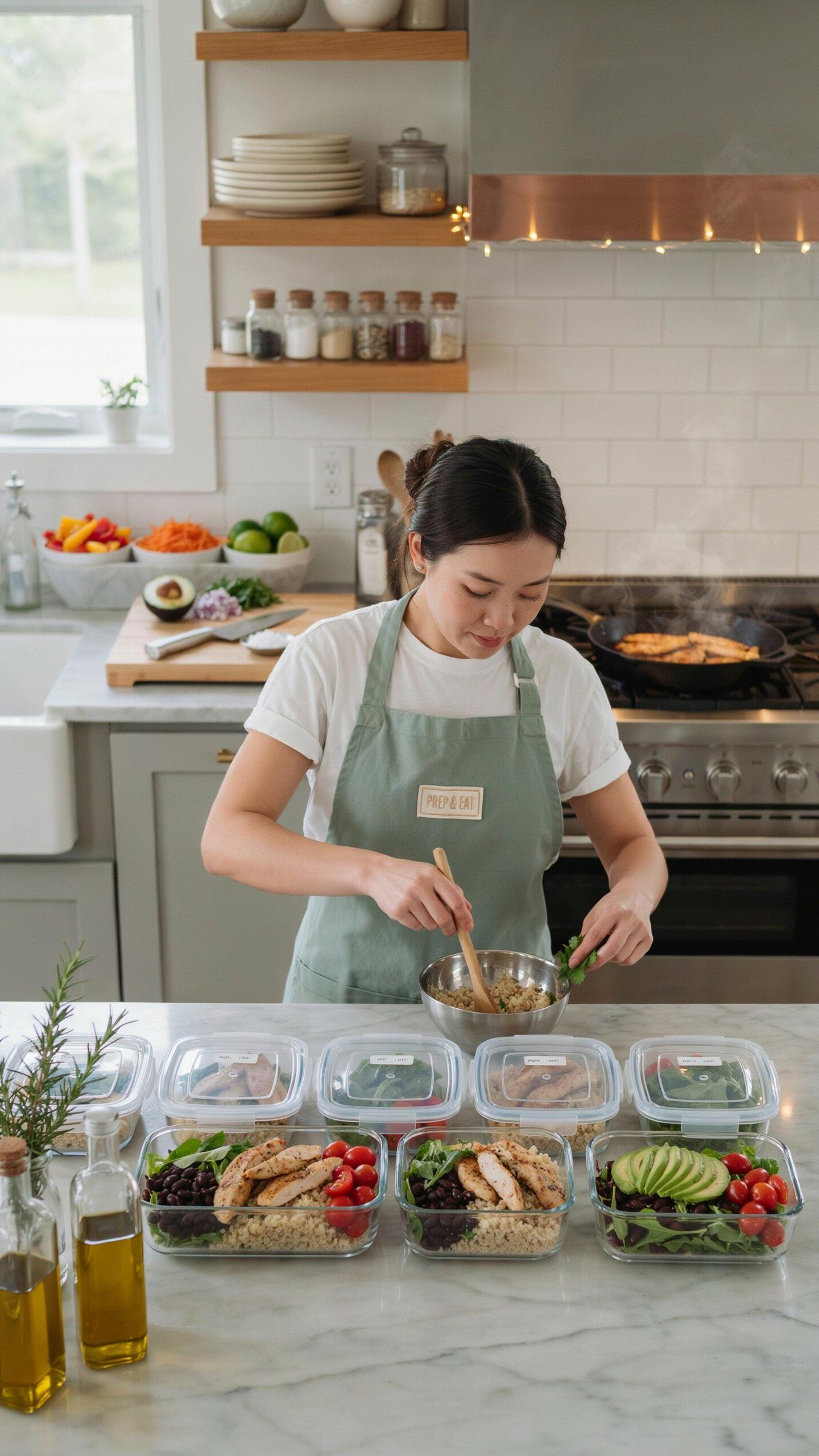
What Daily Cooking Actually Costs You
You think you’re saving time by cooking fresh every day. You’re not. You’re hemorrhaging 45 minutes to an hour per day on repetitive decision-making, ingredient prep, and cleanup. That’s 5+ hours weekly vanishing into a process that could compress into two focused sessions. Economics calls this opportunity cost, and in meal prep, it’s the hidden tax on every “I’ll cook tonight” promise you make to yourself.
Batch cooking protein grain bowls flips the equation. You spend three hours on Sunday, two hours Wednesday, and you’re done for the week. The mechanism is simple: fixed costs split across volume. One pot of quinoa feeds four bowls, not one. One sheet pan of roasted vegetables stocks an entire rotation. One seasoning strategy scales across twelve meals. You’re not cooking more efficiently; you’re eliminating the setup, breakdown, and decision overhead that kills your week.
Compounding Returns On Your Prep Sessions
Everyone talks about “time savings.” That’s incomplete. The real payoff isn’t the hours you reclaim—it’s what those hours enable. Each prep session you nail trains your system to execute the next one faster. Your knife work improves. You learn which proteins cook at the same temperature. You stop second-guessing portion sizes. By month two, your three-hour session shrinks to ninety minutes, and your meal quality stays constant.
This compounds in another dimension: consistency. When you remove friction from eating well, you stop relying on willpower. Your brain stops calculating whether to prep or order takeout. The decision is already made. This removes the energy drain of repeated choice, which means you actually stick with the protocol. Most people quit because willpower depletes daily, not because the method fails. Batch prep eliminates willpower from the equation entirely. Cook your proteins and grains on a fixed schedule, portion them immediately into containers, and your adherence rate climbs by an order of magnitude.
The Anti Boredom Algorithm Sustaining Adherence

Flavor Rotation Without The Prep Tax
You think you want variety because you’re afraid of quitting. The real mechanism is this: your brain stops registering repeated sensory input after three to five exposures. That’s habituation. Once a bowl becomes invisible to your taste receptors, you stop eating it, adherence collapses, and you’re back to takeout.
The solution isn’t reinventing bowls every day. It’s strategic seasoning swaps that don’t require extra ingredients or cooking steps. Keep your base constant (grain, protein, vegetables) but rotate three flavor profiles through the week: Asian umami, Mediterranean herb, and Tex Mex spice. A single bottle of soy sauce, za’atar, and cumin cover all three. You prep once, flavor variation happens at the container level, not the stove.
Textural Stacking For Real Engagement
Most meal prep advice says “add crunch.” That’s incomplete. Texture contrast works through sensory gating: your mouth needs at least three distinct textural experiences in a single bowl to stay engaged. Soft, crispy, and chewy activate different nerve pathways.
Your protein is soft. Your grain is chewy. Your vegetable component must provide the crisp. Raw nuts, seeds, or fried chickpeas don’t get added the day you prep. They’re stored separately in small containers, then added at eating time. This single protocol step solves two problems: crispness doesn’t fade into sogginess, and you have the sensory trigger that makes your brain register the bowl as fresh every time you eat it.
The Storage Imperative Preserving Potency

Why Your Seal Fails Before Your Protein Does
You’re worried your meal prep will spoil before you eat it because you’ve already wasted food and money before. Here’s what actually matters: oxygen exposure degrades both the protein structure and the grain’s lipid content through oxidation. An airtight seal isn’t about mystique. It’s about stopping oxygen from entering the container at all.
Plastic containers with snap lids don’t cut it. The rubber gasket degrades over days, and air seeps in through microgaps you can’t see. Glass containers with silicone or rubber seals work because the seal compresses consistently and doesn’t break down as fast. The mechanism is simple: no oxygen means no lipid rancidity, no bacterial multiplication, no protein denaturation. Freeze your bowls in airtight glass or invest in vacuum-seal bags if you’re prepping more than four days out.
Temperature Zones Are Not All Cold Equally
Thermodynamics governs how fast chemical reactions proceed, and your freezer’s temperature directly controls the reaction rate of protein breakdown. The common advice says refrigerate for three to four days or freeze for a month. That’s incomplete. Your refrigerator typically holds 35 to 40 degrees Fahrenheit. At that temperature, bacterial growth slows but doesn’t stop. Freezing at 0 degrees Fahrenheit halts most microbial activity, but enzyme activity in the protein continues at a crawl.
The real protocol: freeze your grain bowls immediately after they cool to room temperature if you’re prepping beyond four days. If you’re eating within 48 hours, refrigerate. Thaw in the refrigerator, not on the counter. The difference between thawing at room temperature versus cold thawing is bacterial bloom—room temperature lets dormant microbes activate quickly across the entire bowl. Cold thawing keeps them suppressed until you’re ready to reheat. This single step prevents protein degradation and foodborne illness.
The Reset Refine Loop Iterative Improvement Protein Bowl
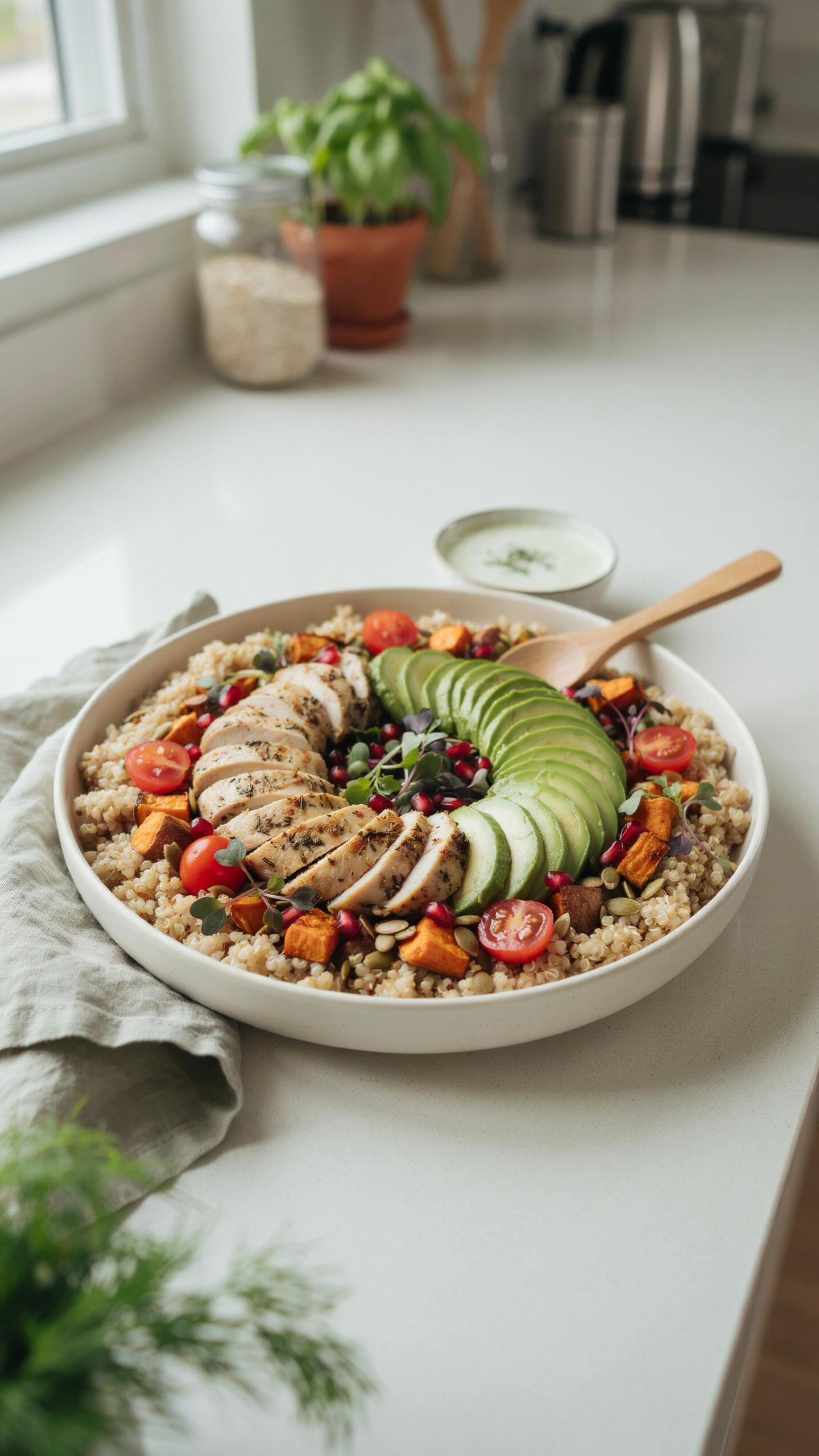
Track What Actually Matters
You want proof that your system works so you can stop second-guessing yourself. The mechanism is simple: what you measure shapes what you optimize for. Borrowed from manufacturing, this is called the feedback loop. Apply it to grain bowls by tracking three specific metrics weekly: protein intake hit rate (percentage of bowls hitting your target grams), cost per bowl (food waste destroys margins), and prep time per batch. Nothing else. These numbers tell you whether your formula is working or failing, no feelings required.
Most people track the wrong metrics. They monitor calories or “balanced macros” instead of the one variable that drives satiety and muscle retention: actual protein grams consumed. Track whether you’re hitting 25 to 35 grams of protein per bowl by logging your weekly bowls in a simple spreadsheet. Measure prep time in minutes per bowl, not total session time. Cost per bowl reveals whether you’re buying expensive proteins or overstocking grains that expire. These three data points replace every vague notion of “doing good with meal prep.”
Iterate Based On Friction Points
Most advice says “listen to your body.” That’s useless. Your body lies through habit and preference. Listen to your data instead. If prep time climbs above 12 minutes per bowl, your protein source or grain combo is slowing you down. Switch the protein or pre-cook the grain differently. If cost per bowl drifts above your budget, you’re either buying premium cuts unnecessarily or throwing away spoiled vegetables. Tighten your vegetable window to 3 to 4 days max. If you miss your protein target 3 weeks running, your portion sizes or protein choice was wrong from the start.
Refinement happens through monthly adjustment cycles. Week one to three: collect baseline data. Week four: identify the single friction point causing the biggest miss. Make one change only. Track for two weeks. If the metric improves, keep it. If not, revert and test a different variable. Never change multiple inputs at once. This eliminates guesswork and turns meal prep from a motivation problem into a engineering problem. Document what worked. When you nail the formula, your weekly bowl cost stays flat, prep time shrinks, and protein hits land consistently.
Your Personal Fuel Architecture Customizing For Peak State

Stop Copying Generic Macros
You want permission to eat differently than the internet says you should. Here’s the mechanism: your metabolic rate, digestion speed, and nutrient partitioning are individual variables, not universal constants. Generic 30-40-30 macro splits fail because they ignore your actual body composition, age, activity pattern, and genetic predisposition to insulin sensitivity. The real move is reverse engineering from performance data, not following a template.
Start tracking how your body responds to specific grain bowl compositions over two weeks. Note energy levels two to four hours post-meal, hunger timing, and workout quality. If you crash hard on a chickpea-heavy bowl with white rice, your carb timing is wrong for your system. If you stay satiated on 25 grams of protein per bowl when the standard says 40, trust the signal. The data tells you what your body actually needs.
Fuel Type Matches Output Demand
Activity level isn’t binary. Most people eat static macros while their training varies wildly week to week, which creates a mismatch. On heavy lift days, your protein and carb demand spikes. On rest days or light cardio, it drops. High protein grain bowl meal prep works because you control portion scaling without recipe changes.
If you train hard five days weekly, your bowls support that with 35-45 grams of protein and 50-70 grams of carbs. On low-activity weeks, drop to 25-30 grams protein and 35-45 grams carbs using the same base recipe and smaller portions. The mechanism is simple: match fuel to actual expenditure, not assumed routine. Build your prep system to scale portions up or down in fifteen-minute intervals, not hours.
Your biggest obstacle isnt the recipe its your resistance to disciplined execution

You already know high protein grain bowls work. You’ve read enough. The gap between knowing and doing is where most people die. Pick one recipe today. Buy the ingredients this week. Cook Sunday. Stop waiting for the perfect moment because it doesn’t exist. The person who executes an 80% plan beats the person still researching the perfect one. Consistency beats optimization every single time.