
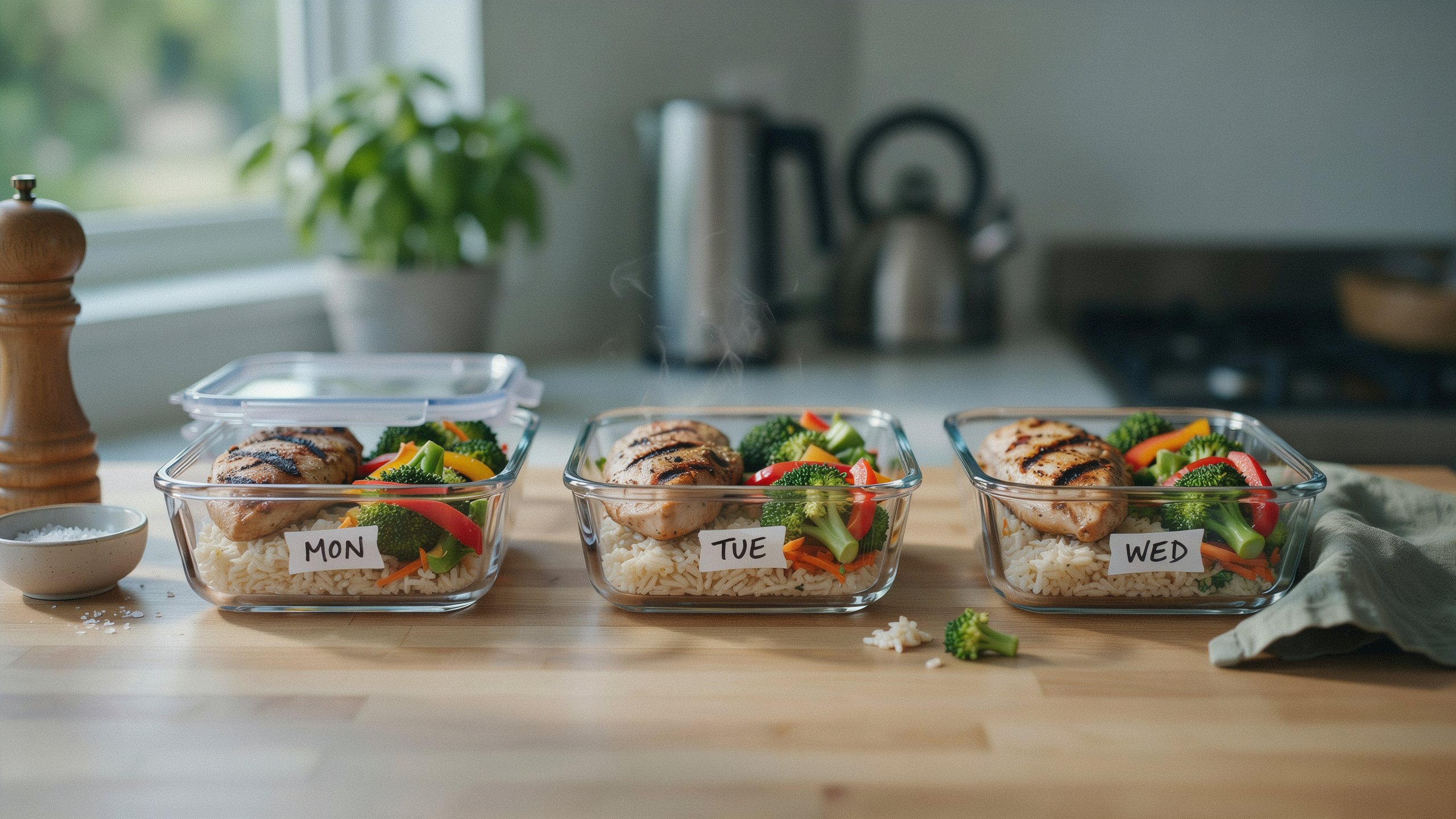
The Caloric Density Imperative: Why Most High Protein Meal Prep Fails
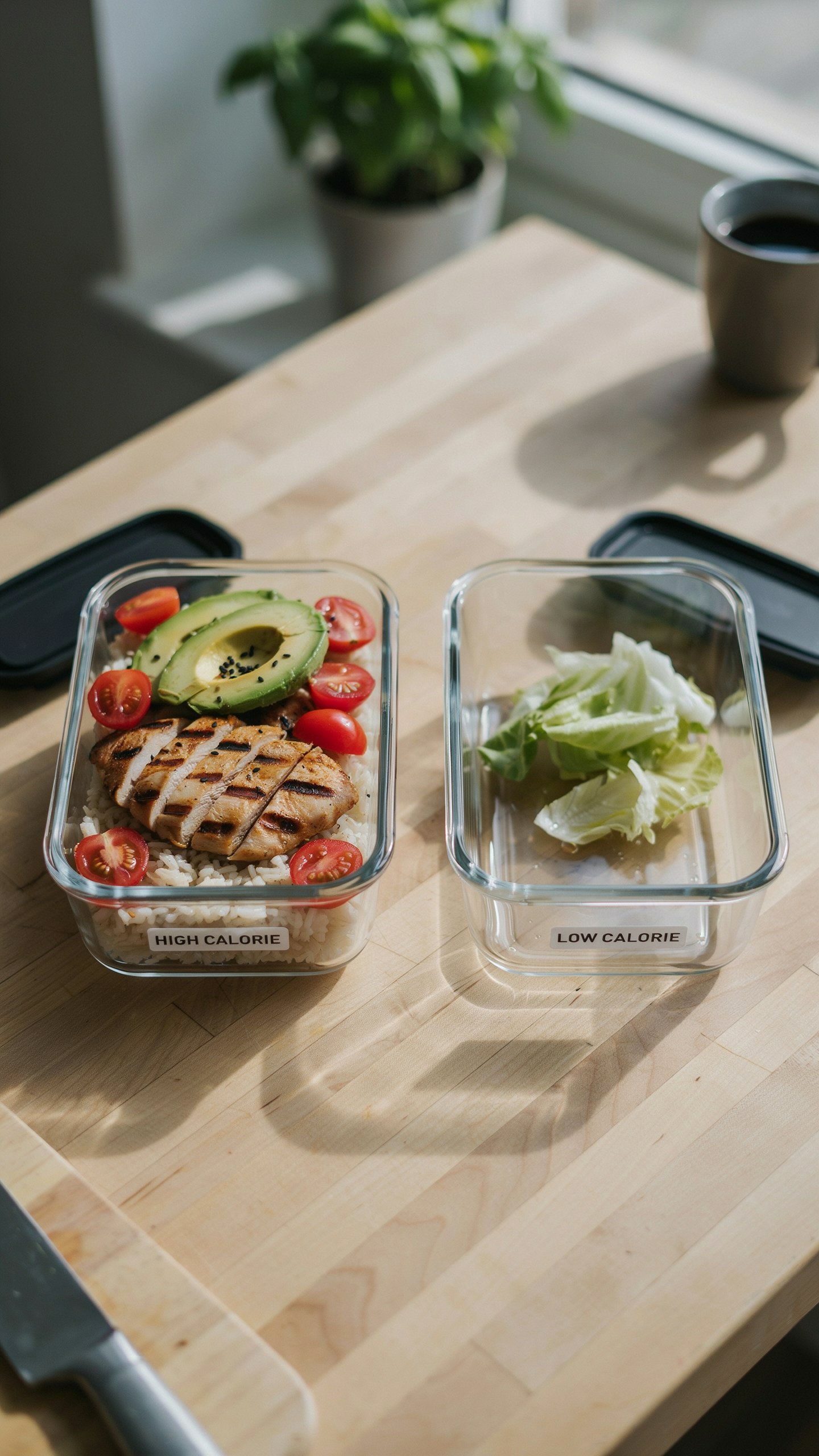
Where Your Effort Actually Disappears
You’re worried you’ll waste Sunday cooking food nobody will eat. The real problem isn’t spoilage or boredom. It’s that you’re prepping low-density meals that demand constant reheating, restocking, and mental overhead across three days. Think of caloric density as your return on invested time. Physics teaches us that energy concentration matters. In meal prep, you’re concentrating protein and calories into containers, not spreading them thin across bulky, low-impact meals that collapse your system halfway through day two.
Most meal prep advice tells you to “eat balanced” or “include vegetables.” That’s incomplete. You need maximum calories and protein per minute spent cooking. A chicken breast with broccoli looks virtuous. It’s also 80 percent water weight and requires reheating, seasoning adjustments, and mental recalculation every time you open the fridge. You’re solving a logistics problem, not a nutrition problem. The fix is building meals where protein and fat dominate the volume, not meals where vegetables steal space from what actually keeps you full and recovering.
Density Over Volume
Your current meal prep probably fails because you’re cooking high-volume, low-concentration food. A three-day prep of grilled chicken and rice takes up fridge real estate and dries out faster than you’d expect. Swap the framework. Cook ground beef with added fat, eggs, and calorie-dense carbs like pasta or potatoes. These meals maintain texture through reheating cycles and pack more calories into fewer containers. You eat less total food, spend less time prepping, and hit your protein targets without opening four different containers per meal.
The mechanism is simple: dense meals survive temperature cycling. When you reheat a container of ground beef bolognese or egg-based casserole, the fat and protein matrix stays intact. Lean protein with filler vegetables separates, dries, and becomes unappetizing by day two. Choose proteins with natural fat content or add fat deliberately. Cook into complete meals, not components. On day one of your prep, your containers should look like finished meals, not ingredients waiting for assembly.
The Protein Meal Prep Efficiency Matrix
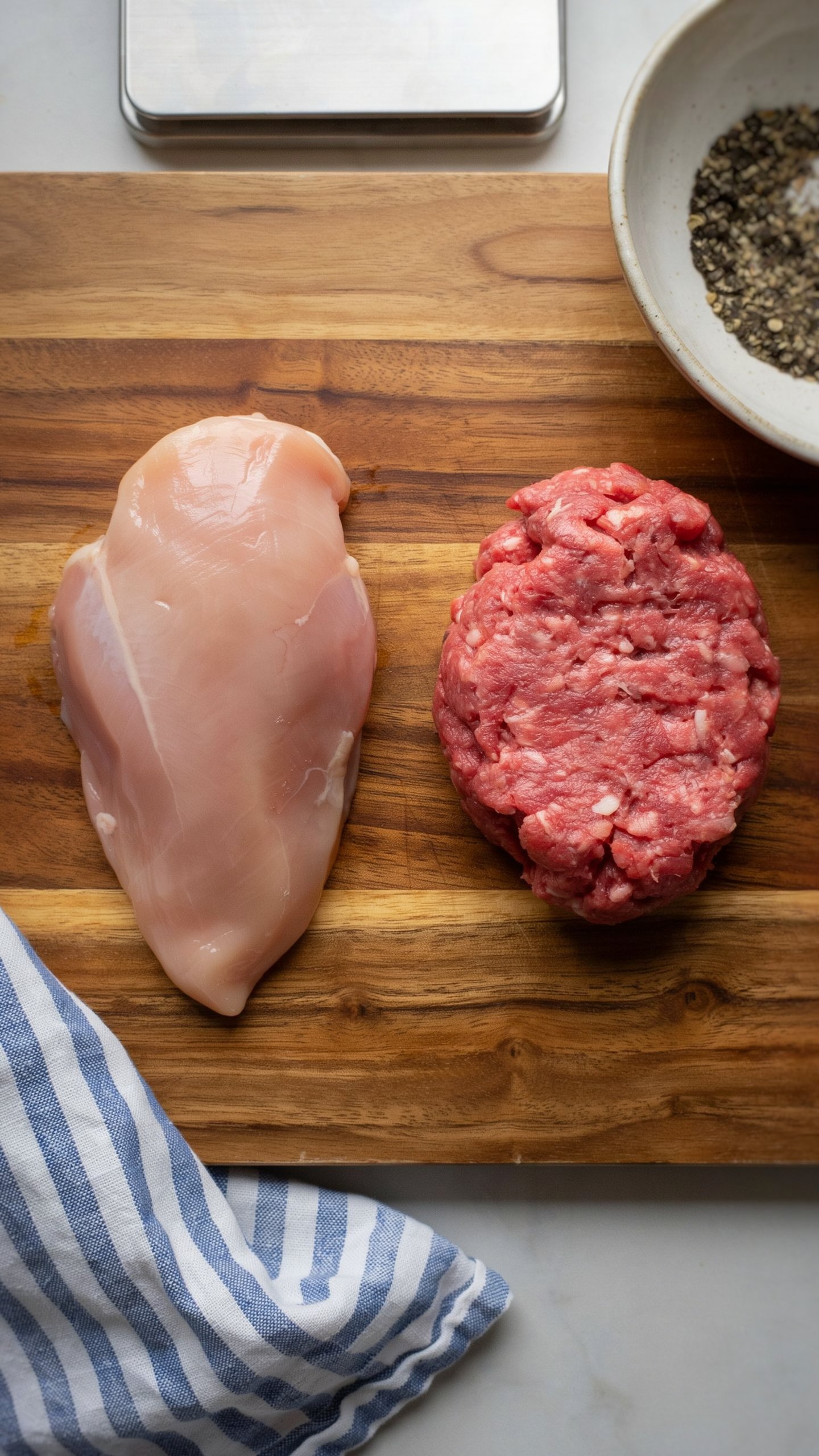
Which Proteins Actually Deliver
You want to believe all proteins are equal so you can just buy whatever’s on sale. They’re not. The mechanism is bioavailability paired with caloric density. A chicken breast gives you 31 grams of protein per 100 calories. Ground beef at 80/20 gives you 22 grams per 100 calories. Eggs sit at 17 grams per 100 calories. The math compounds over three days when you’re eating the same meals repeatedly.
Chicken breast dominates meal prep for one reason: it tolerates reheating without texture collapse. Ground turkey works the same way. Canned tuna costs less and requires zero cooking but adds sodium load to track. Cottage cheese and Greek yogurt work for day one, degrade by day three. The play is picking proteins that survive temperature cycling without becoming sawdust or separating into water and solids.
Cook Method Determines Everything
Most advice says batch cook all your proteins at once. That’s incomplete. The real lever is cooking method selection based on storage duration. Baking chicken at 375 degrees Fahrenheit for 25 minutes produces a drier finished product that reheats better on day three than pan seared or poached. Ground turkey responds better to slow cooking in bulk, which renders fat evenly and keeps moisture distributed through the batch.
The protocol: bake all chicken on day one, divided into three portions. Cook ground turkey low and slow in a Dutch oven Sunday evening. Let both cool to room temperature before containers seal. Store coldest section of your fridge in airtight glass. This single step removes the variable that kills most prep attempts: condensation breakdown on day two and three. Moisture control is the forgotten mechanism that separates three day prep success from three day waste.
Minimalist Meats: Strategic Protein Foods For 3 Days
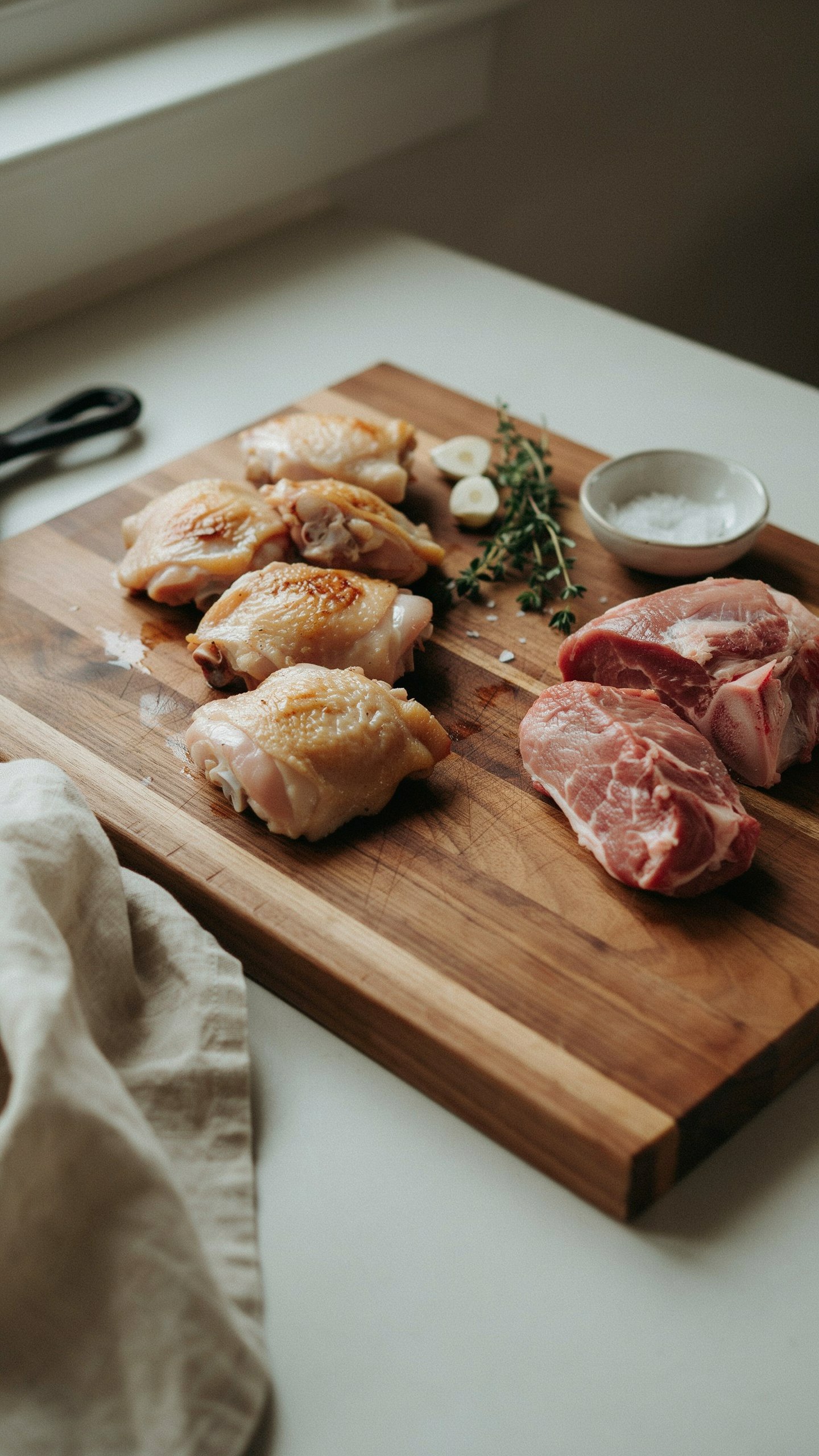
Cuts That Reheat Without Falling Apart
You want protein sources that won’t embarrass you when you eat them cold from a container on day three. That’s the real motive here—you’re not buying into meal prep for virtue. You want to avoid the mechanism that kills most three-day preps: moisture loss and texture collapse.
Ground meats, chicken thighs, and beef chuck all retain moisture better than lean cuts because fat is a preservative. Ground beef at 80/20 stays tender when reheated; chicken breast dries into jerky. Thighs have connective tissue that holds water. Cook these cuts to medium doneness, not hard, because carryover cooking during storage continues the process. Pack them with a thin layer of oil or broth on top to seal in moisture.
Temperature And Time: The Storage Equation
Spoilage follows the bacterial growth curve from microbiology—the real factor that determines how long your protein lasts safely. Room temperature bacteria doubles every 20 to 40 minutes. Refrigeration slows this to once per week, but only if you start with cooked protein that cools properly.
Cool cooked meat to 40 degrees Fahrenheit within two hours of cooking. Use shallow containers to speed cooling, not stacked deep ones. Protein prepared Sunday for Wednesday use works. Protein prepared Sunday for Friday does not. The math is simple: cooked protein stored below 40 degrees lasts three to four days safely. After day three, botulism risk rises even if the meat looks and smells fine.
The “Set And Forget” Protein Meal Plan
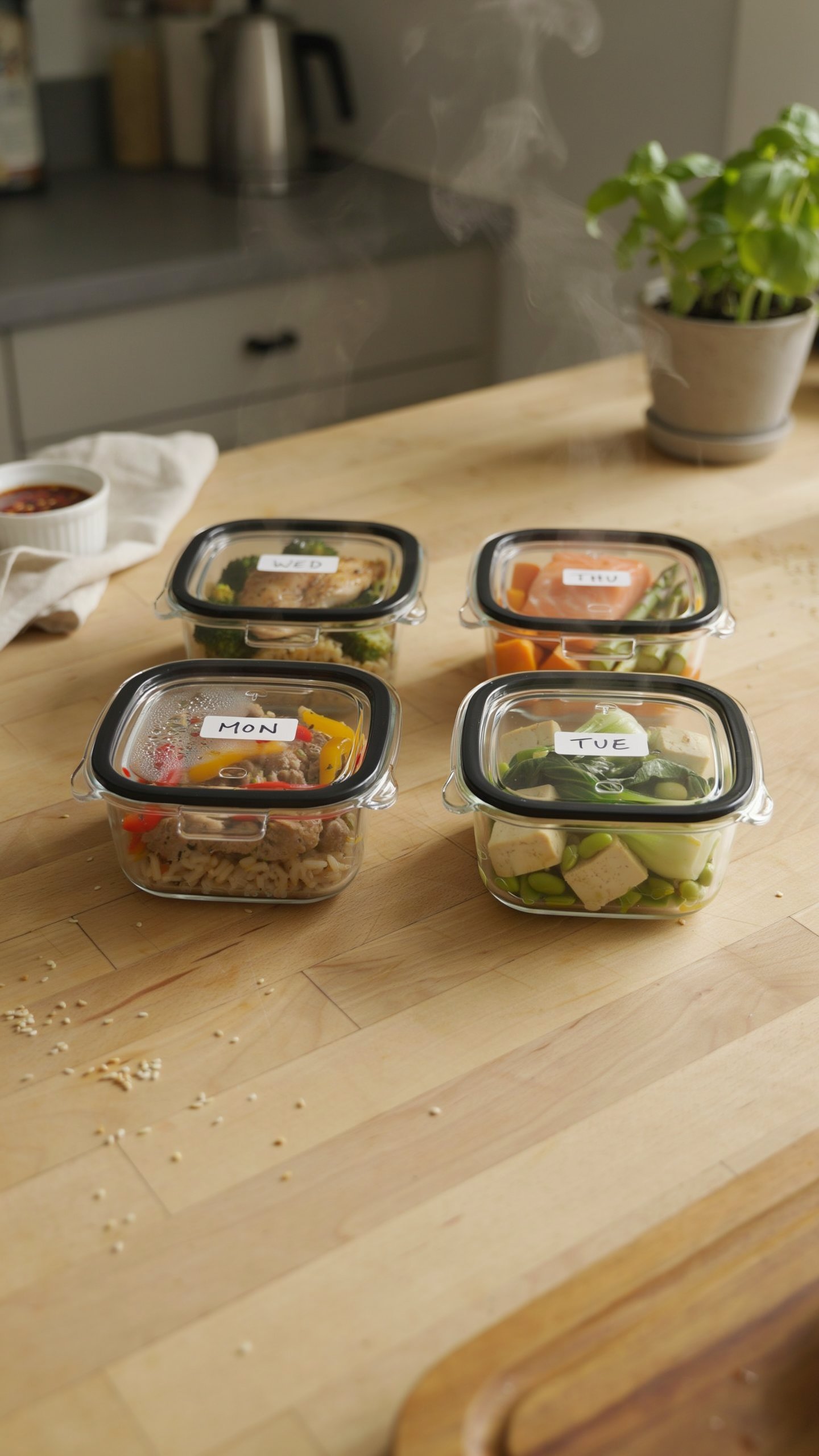
How Heat Retention Preserves Protein Structure
You want to believe meal prep is passive once containers hit the fridge. It isn’t. Physics governs whether your protein stays intact or degrades into mush. In thermodynamics, residual heat is energy that lingers after cooking stops—and it’s what ruins most three-day preps. Hot food continues cooking inside sealed containers, breaking down protein fibers and creating a soggy, oxidized mess by day three.
Cool your cooked protein to room temperature before sealing containers. This halts the residual heat cycle that accelerates degradation. A simple protocol: cook your protein, spread it on a sheet pan for fifteen minutes, then portion and refrigerate. The delay costs nothing and preserves texture through day three because you’ve interrupted the thermal momentum that destroys structure.
Managing Ingredient Breakdown Across Three Days
Entropy in physics describes decay and disorder in closed systems. High protein meal prep in a sealed container is exactly that—a closed system where moisture, oxygen interaction, and temperature fluctuation accelerate breakdown of fats and amino acid chains. Most advice says “just eat it fresh”—lazy guidance that ignores the real variable: how you arrange your containers and what you pair together.
Store proteins and vegetables separately until you’re ready to eat. This prevents cross-moisture transfer that speeds degradation. Keep sauces in small containers on the side instead of soaking the meal. On day one eat the most delicate proteins like fish. On days two and three use tougher proteins like ground beef or chicken thighs. Temperature stability matters more than freshness alone: keep your fridge at exactly 35-38 degrees Fahrenheit and you extend viability by controlling the entropy rate itself.
Beyond Chicken Breast: Protein Rich Meal Prep Recipes That Deliver
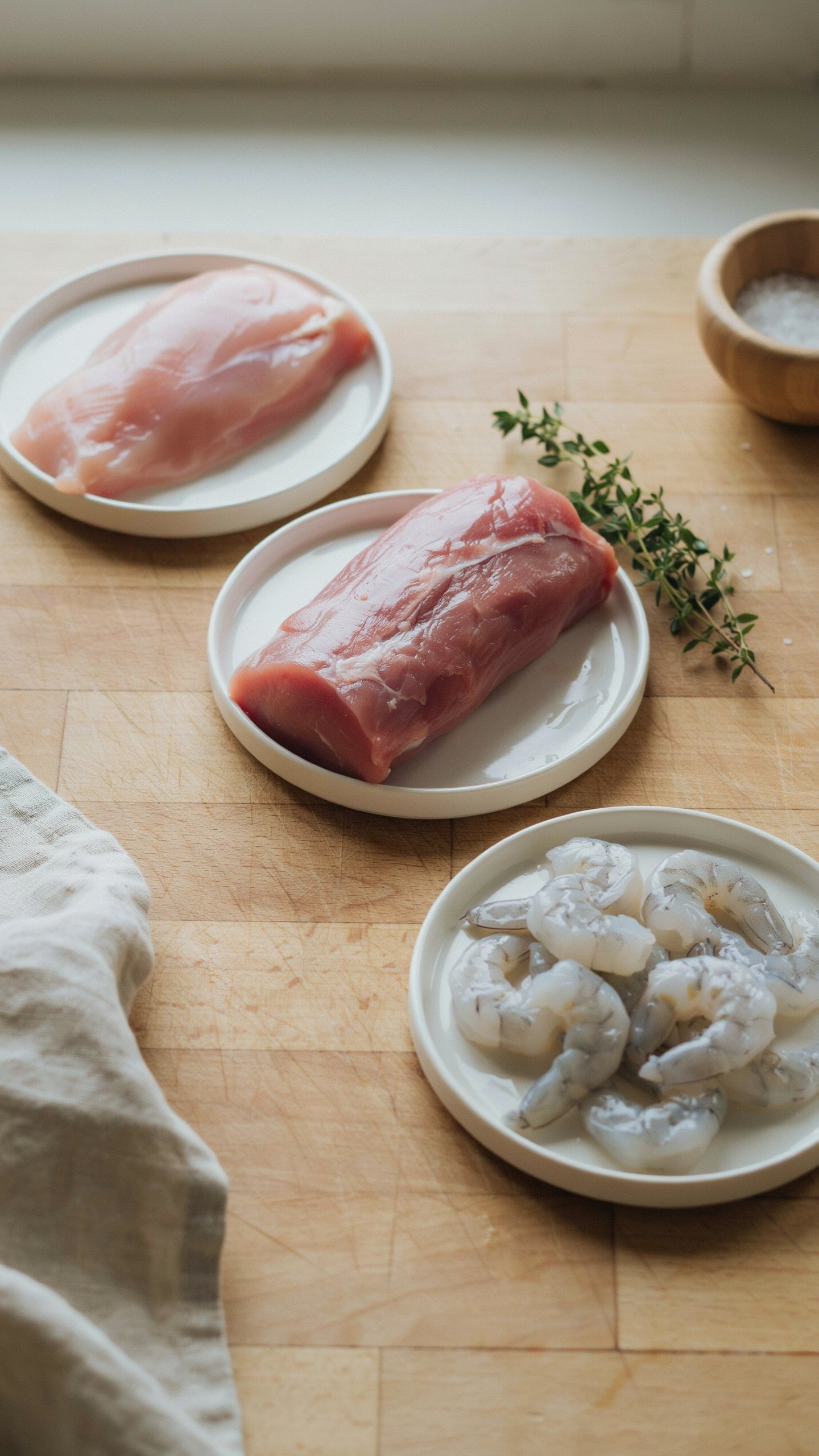
The Proteins Nobody Talks About
You want chicken breast because it’s what everyone says works. That’s the real reason. But consensus protein sources create consensus results, and you’ll spend three days eating the same bland thing while missing better options that actually taste different and hold up longer in the fridge.
Ground beef at 80/20 lasts longer than chicken due to fat content stabilizing oxidation. A chemistry principle applies here: fat acts as a preservative. Cook a five-pound batch seasoned simply with salt and pepper on Sunday. It stays firm through Wednesday without drying out. Add it to rice, wrap it in lettuce, or eat it cold on day three without the textural collapse chicken suffers.
Flavor Without Filler Ingredients
The common advice says use marinades and sauces to fix bland protein. Wrong. You’re masking the problem instead of solving it. The real mechanism is salt penetration and Maillard reaction development during cooking, not what you pour on afterward.
Toast your seasoning spices in a dry pan for ninety seconds before adding them to your protein. This activates volatile oils and deepens flavor intensity immediately. For a three-day beef or turkey batch, use garlic powder, onion powder, and black pepper in that order. The heat cracks open the compounds. You need three minutes of high-temperature searing per batch side to build crust. This single step makes day-three portions taste intentional instead of salvaged.
The 3 Day Rotation: A High Protein Meal Prep Guide
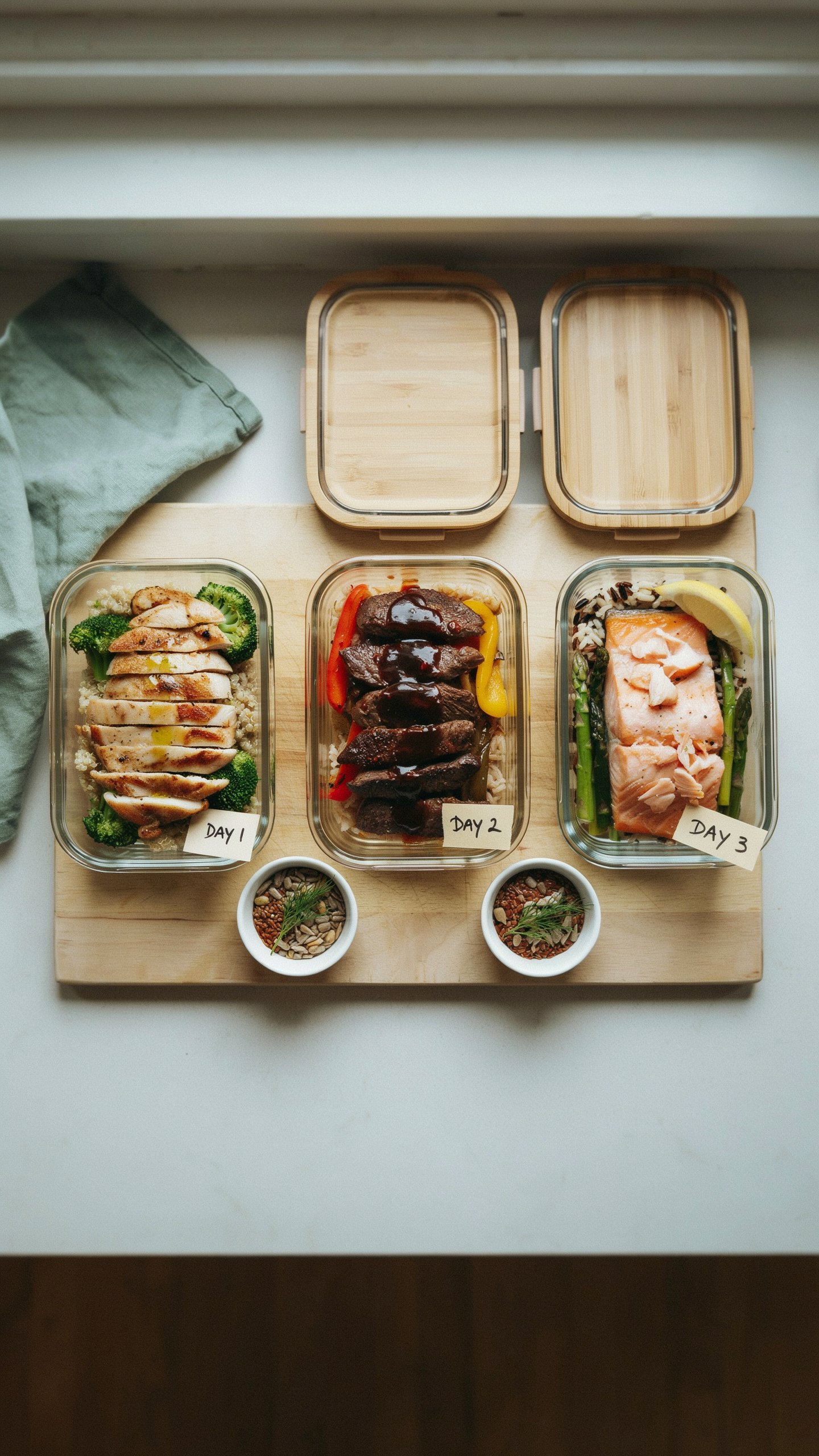
Build Around Three Proteins, Not Ten
You want to feel like you have options without the paralysis that comes with too many choices. The real mechanism here is cognitive load. Every extra decision drains decision-making capacity for the work that actually matters. Pick three proteins. Rotate them. Done.
Chicken breast, ground beef, and either salmon or eggs covers 80% of your protein needs across those three days. Each has different micronutrient density and satiety profiles. Chicken is lean and cheap. Beef adds iron and B12. Salmon or eggs provide omega-3s. The rotation prevents palate fatigue while keeping your shopping list short enough to execute without friction.
Map Your Prep Day To Your Eating Pattern
Military logistics calls this “supply chain synchronization”—the idea that your supply timing must match your demand timing. Your prep day should mirror when you actually eat. If you eat four meals daily and meal prep three days, you’re covering twelve meals total. Cook on Sunday or Wednesday, depending on which three-day window you’re targeting.
The actual flow: Day one uses fresh-cooked protein. Day two uses the same protein but stored cold. Day three uses frozen protein thawed overnight or cooked on day two and consumed on day three. This isn’t theory. It’s the only sequence that prevents food waste and maintains texture. Store proteins in shallow containers, not deep ones. Shallow containers cool faster and reheat evenly.
Advanced Storage: Maximizing Your Meal Prep For The Week
Containers That Actually Keep Food Fresh
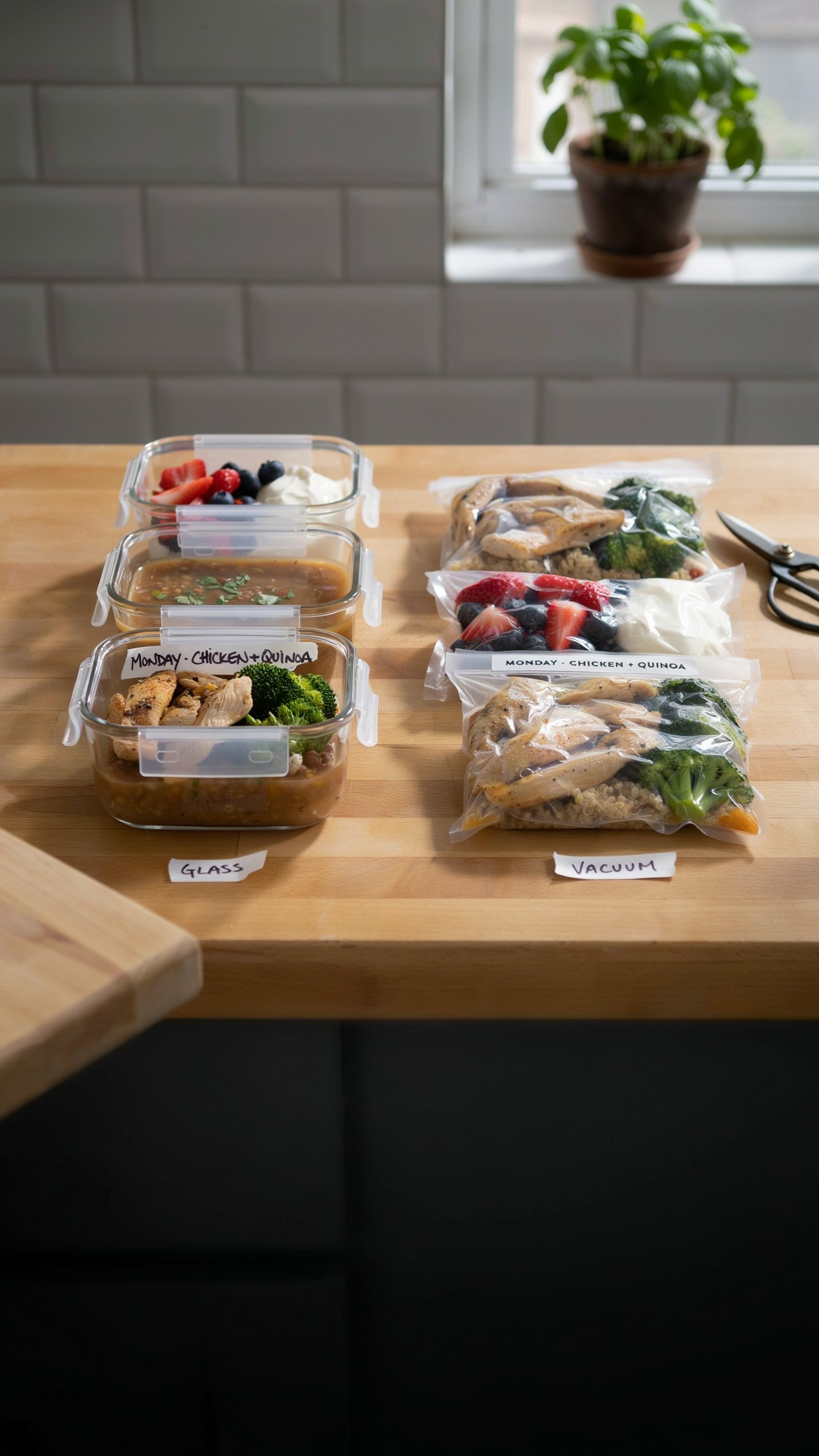
You want to believe a mason jar looks intentional and hashtag-worthy. The real reason you care is you don’t want your protein investment rotting before Wednesday. Container choice determines oxygen exposure, which accelerates protein oxidation and bacterial growth. Use airtight rigid containers, not soft plastic bags that crack and leak.
- Glass containers with silicone lids: Airtight seal, non-porous surface prevents bacterial colonization, survives repeated heating without leaching compounds into food.
- BPA-free polypropylene (PP5 or PP6): Rigid plastic resists warping, maintains seal integrity across 50+ reuse cycles, microwave and dishwasher safe.
- Vacuum-seal bags with hand pump: Removes 80% of oxygen when sealed properly, extends shelf life of cooked protein by 2-3 days compared to standard containers.
- Stainless steel compartment containers: Non-reactive with acidic marinades or sauces, prevents flavor transfer between proteins and sides, maintains structural integrity indefinitely.
- Portion-controlled bento-style boxes: Separate compartments prevent moisture migration between protein and carbs, keeps textures distinct until consumption.
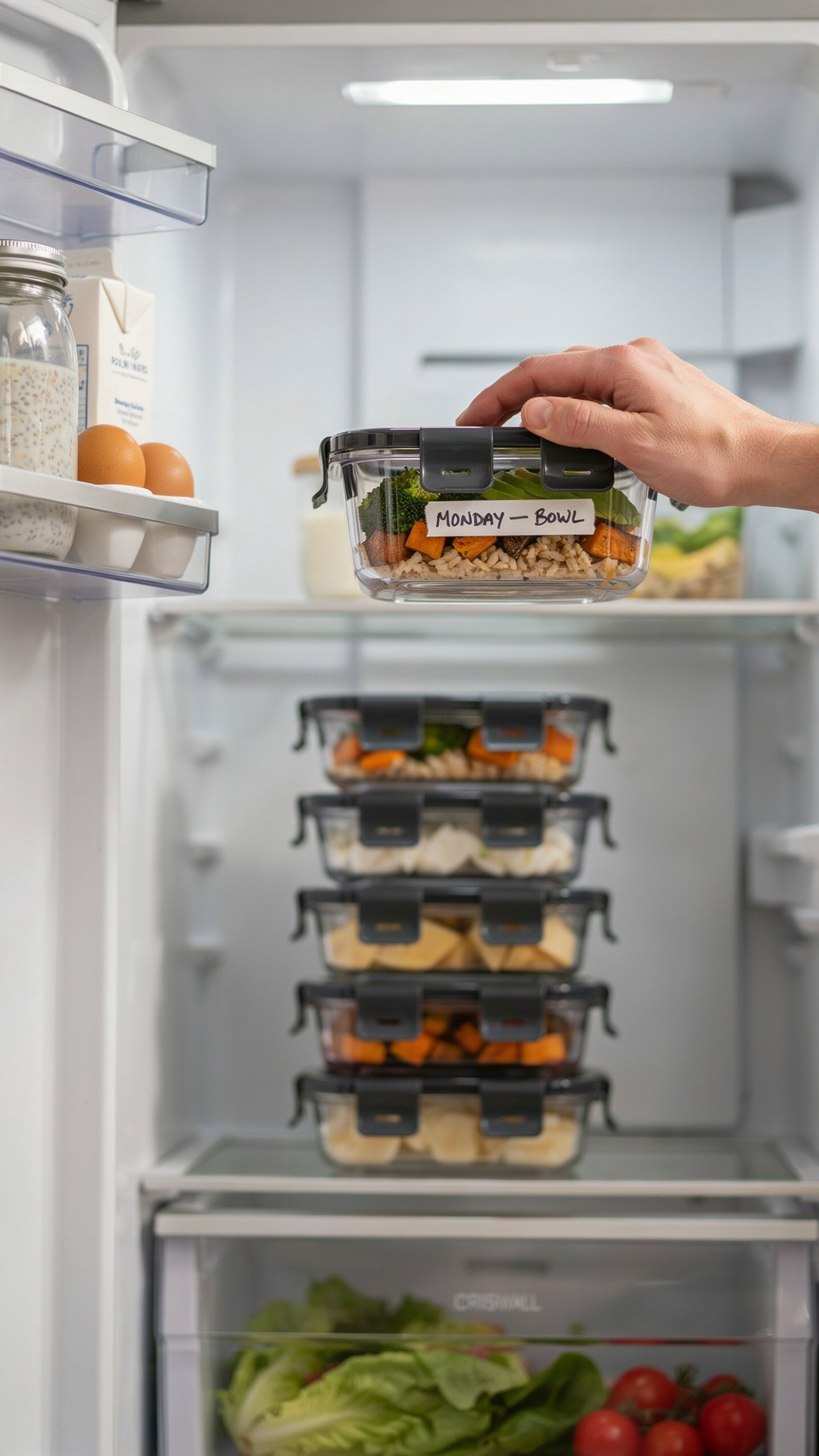
Stack containers on shelves with proteins on bottom, denser items below lighter ones. This prevents crushing and maintains structural integrity of grilled chicken or ground beef. Label with prep date and day number using waterproof tape. Rotation matters less than knowing exactly what you’re pulling out.
Reheating Without Destroying Texture
The conventional advice says microwave everything. That’s wrong. Microwaves heat unevenly and create hot spots that dry muscle fibers. Use temperature and time as your real variables. Protein texture survives reheating when you add back moisture and control the heating rate.
Stovetop reheating at low-to-medium heat with a splash of water or broth works. Heat for 3-5 minutes, stirring occasionally, until the internal temperature hits 165 degrees Fahrenheit. This maintains moisture and prevents the rubber texture microwaving creates. For ground meat, break it into chunks before heating and stir frequently. Oven reheating at 325 degrees for 10-15 minutes in a covered dish also works for larger portions. The lower temperature prevents the outer layers from drying while inner portions catch up. Never reheat the same protein twice. Bacteria counts spike with each temperature cycle, and texture degrades progressively.
From Plan To Plate: The Healthy High Protein Meal Prep Payoff
Time Collapse And Decision Removal
You want this because you’re tired of wasting mental energy on what to eat. The real mechanism is decision fatigue. Every meal choice depletes your cognitive resources, leaving less willpower for work, relationships, and actual priorities. Three-day protein meal prep removes the question entirely. You cook once. You eat from containers. Your brain stays focused on things that matter.
The math is brutal. A person making three meals daily faces 21 food decisions per week. Add snacks and beverages, and you’re at 30 plus decisions. Each one burns glucose and depletes your prefrontal cortex. High protein meal prep cuts that to one decision per day: grab the container. You reclaim roughly four to six hours weekly that would have gone to shopping, deciding, and cooking scattered meals. That’s not time management. That’s time liberation.
The Metabolic And Compliance Edge
Biology doesn’t care about your intentions. High protein meal prep creates compliance through friction removal, not willpower. When the meal exists, portioned and ready, your body’s hunger signaling shifts from driving you toward any available food to consuming what’s already prepared. This leverages what behavioral economists call choice architecture. You build an environment where the right choice requires zero resistance.
Real benefits extend past macronutrient totals. Consistent protein intake stabilizes blood glucose, which prevents the afternoon energy crash that makes you reach for processed carbs. Your digestion runs on schedule instead of chaos. Muscle protein synthesis stays elevated throughout the week because you’re hitting your target consistently, not accidentally undereating on Tuesday and overcompensating Wednesday. The payoff compounds when you actually stick with it for weeks, not days. Prepare your containers Sunday night with measured portions of chicken, rice, and vegetables, then execute the same meal four times before restocking.
The real obstacle isn’t the food; it’s your internal resistance to mechanical, repeatable systems.
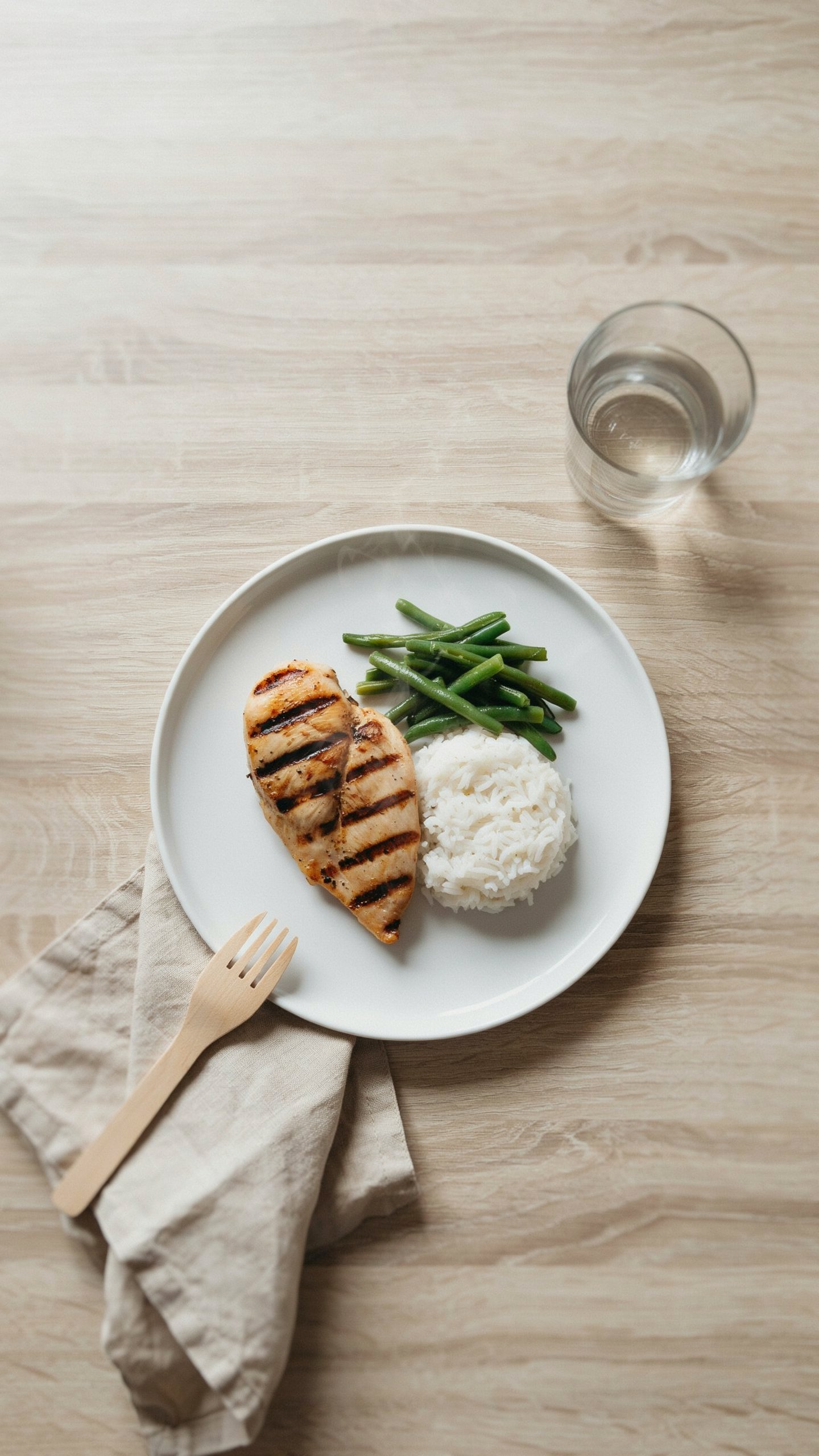
You don’t need motivation. You need friction removal. Pick one protein, one carb, one vegetable today. Cook it. Eat it three days straight. Your brain will fight this because boring feels like failure, but boring is exactly what wins. The people with the best bodies aren’t the ones chasing novelty. They’re the ones who automated the decision nobody actually cares about making.