

The Illusion Of The “Perfect” High Protein Meal Plan

Static Plans Fail Because Bodies Aren’t Static
You want a printable plan because it feels like certainty. You think a plan solves the problem. Here’s the mechanism: static meal plans treat your body like a machine with fixed inputs and outputs, when biology is actually a feedback system that adapts. This is systems thinking applied to nutrition. Your metabolism, activity level, digestion capacity, and hormonal state all shift week to week. A printable high protein meal prep plan printable that worked in month one becomes obsolete by month three because your body has already adapted to it.

The common advice says “just follow the plan and stay consistent.” That’s incomplete. Consistency matters, but so does recalibration. Your protein targets, meal frequency, and macros should shift based on results you track, not based on what looked good when you printed it. If you’re not gaining or losing at the rate you planned, the plan failed you, not the other way around. You need a system that lets you adjust variables without throwing out the whole framework.
Individual Protein Needs Aren’t An Average
Everyone tells you to hit 0.8 to 1 gram of protein per pound of bodyweight. That’s a starting point, not a prescription. The actual variable that determines your protein need is your training intensity, recovery capacity, and body composition goal, not your body weight alone. A 200-pound sedentary person needs less protein than a 180-pound person training hard six days a week. The printable plan that assumes one protein target for everyone wastes your money and your time.

Your real protein need comes from your specific output: how much muscle you’re trying to build, how much weight you’re trying to lose, and how your body actually responds to different amounts. Start with a baseline, track your results for two to three weeks, then adjust. If you’re not seeing the outcome you want, the protein amount is wrong for you specifically. Don’t adjust your plan. Adjust your numbers and track whether the new numbers work.
Deconstructing High Protein: What Your Body Actually Uses
Bioavailability And Protein Sources Beyond Grams
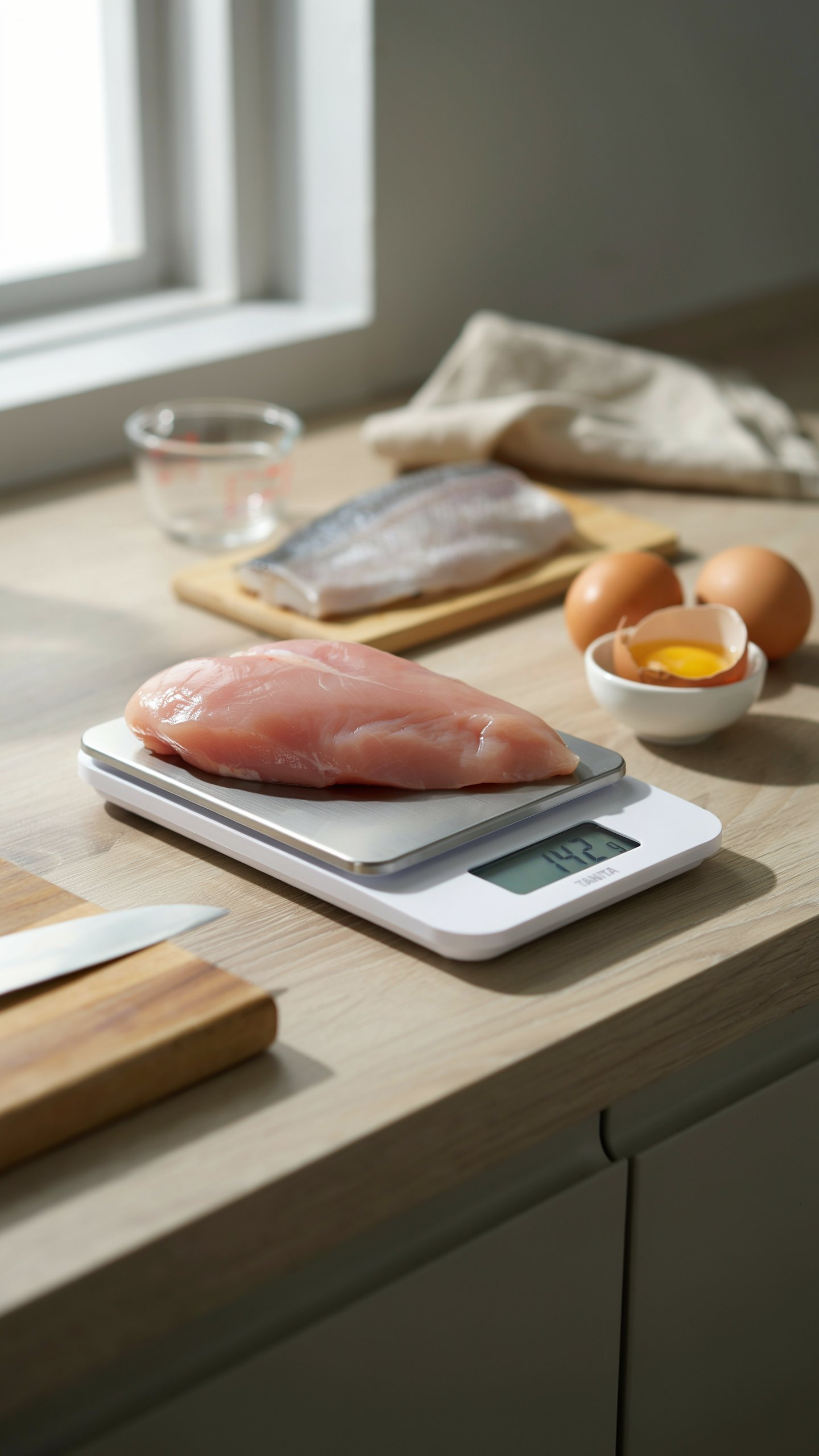
You want the number because numbers feel like control. But 200 grams of protein means nothing if your body can’t use it. Bioavailability is the absorption rate, borrowed from pharmacology, where it measures how much of a substance enters your bloodstream. For protein, it’s the percentage your digestive system actually breaks down and converts to amino acids. Whey isolate sits at 90-100 percent. Whole eggs at 97 percent. Plant proteins often drop to 60-80 percent depending on anti-nutrients present. Your meal prep plan printable only works if you account for this gap.
Most meal prep guides ignore source quality entirely. They count chicken breast and lentils as equivalent because both hit 25 grams per serving. They’re not. Chicken delivers usable amino acids faster and more completely. Lentils require your body to work harder and still leave some protein unabsorbed. If your goal is muscle building, this difference compounds over months. If your goal is fat loss on lower calories, wasted protein in your digestive tract means hunger returns sooner. Source matters more than total grams on your printable.
Protein Timing For Optimal Synthesis
The window myth persists because it sounds scientific and sells supplements. You don’t need protein within 30 minutes of training to build muscle. But meal spacing does control muscle protein synthesis, the actual mechanism that builds tissue. Your body synthesizes muscle continuously, not in response to isolated meals. What matters is total daily intake spread across 4-6 meals, not the precise minute you consume each one. Most people undershoot by eating too little at breakfast or lunch, then overload dinner. The pattern breaks synthesis efficiency.
Space protein intake 3-4 hours apart throughout your day. This keeps amino acid availability steady in your blood and prevents the dip that signals muscle breakdown. A morning meal with 30-40 grams, midday snack with 25 grams, lunch with 40 grams, afternoon shake with 25 grams, and dinner with 50 grams creates constant synthesis stimulus. On your printable, calculate total daily protein first, then divide it into 5 portions. Schedule those portions at fixed times. Consistency of spacing matters more than proximity to training.
The Adapt & Optimize Protocol For High Protein Meal Prep
Track, Adjust, Repeat
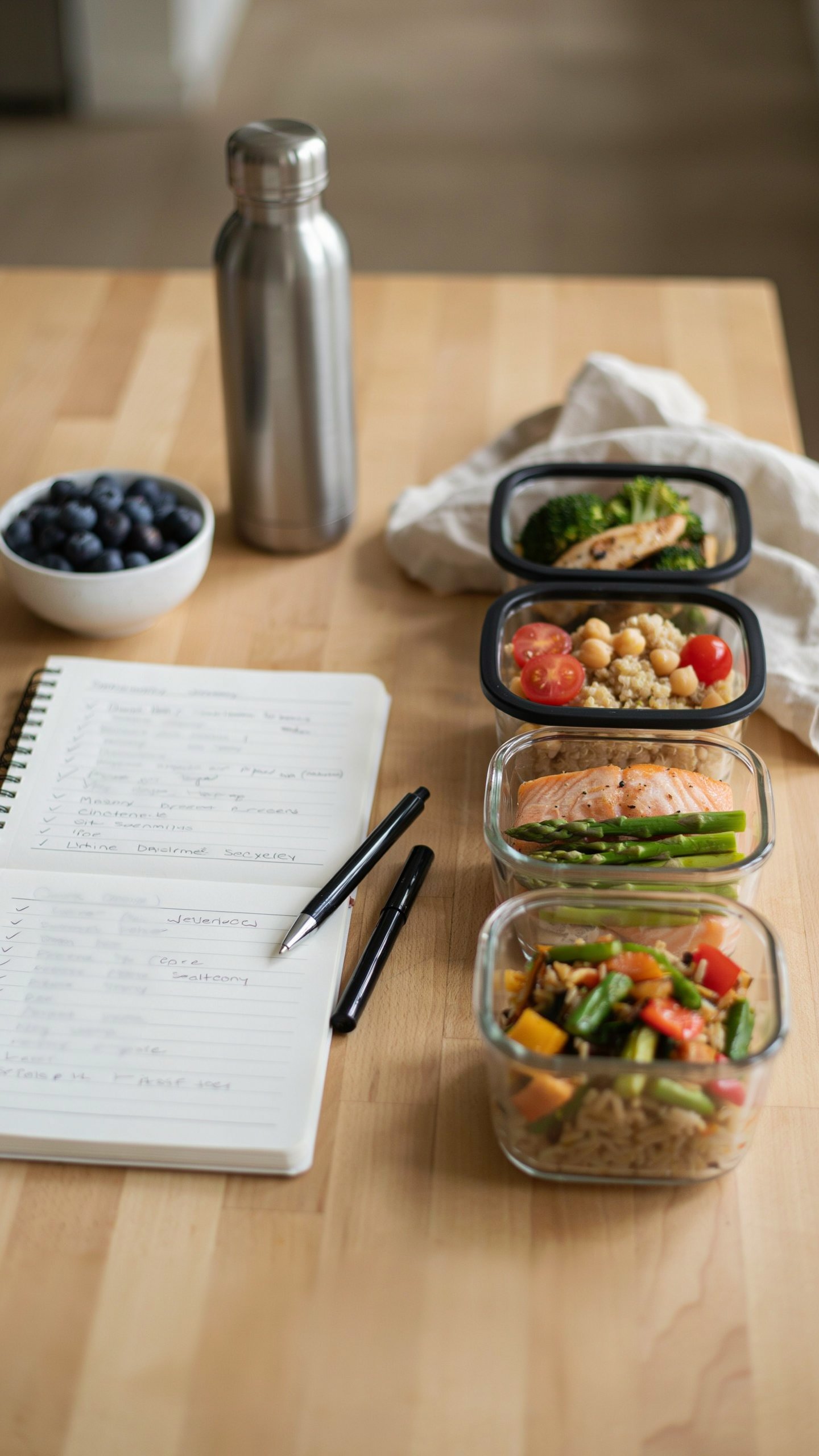
You want to believe one meal plan works forever. It doesn’t. The real mechanism here is feedback loops from biology: your body adapts to stimulus, so static plans produce diminishing returns. High protein meal prep plan printable sheets only work when you treat them as baselines, not gospel.
Track three variables for two weeks: total protein intake, energy levels mid-afternoon, and scale weight. Record these on your printable or a simple spreadsheet. Then adjust one variable at a time. If energy drops, add 10 grams of carbs to one meal. If weight stalls, reduce calories by 100. Change only one thing per adjustment cycle so you know what caused the result.
Anticipate Shifts Before They Break Adherence
Most people fail meal prep when their schedule changes, not when the diet is wrong. A printable high protein meal prep plan survives only if you account for the friction points you know are coming: travel, seasonal schedule changes, work intensity spikes. Map these six months ahead.
If you travel monthly, pre-decide which three meals from your printable transfer to restaurant orders or simplified versions. If winters get busier, batch cook and freeze extra protein sources in October. If your gym access changes, adjust meal timing on the printable before the shift happens, not after. The plan that anticipates obstacles beats the one that reacts to them.
Beyond The Basic High Protein Meal Prep: The Culinary Cheat Codes

How To Cook Multiple Proteins Without Losing Your Mind
You want a printable high protein meal prep plan to work because you’re afraid it won’t stick. The mechanism that breaks most plans isn’t willpower—it’s cognitive load. Your brain gets tired making decisions mid-week, so you bail. Batch cooking uses the same principle as an assembly line: you reduce decision points by doing one thing at full scale, then moving to the next. Cook all chicken on Sunday. All ground beef Monday. All fish Tuesday. This isn’t about efficiency—it’s about removing friction at the exact moment you’re weakest.
Different proteins require different temperatures, times, and equipment, so mixing them wastes energy and invites mistakes. A printable high protein meal prep plan works because it pre-decides your protein rotation. Season your chicken thighs in bulk, roast them all at once on sheet pans at 425 degrees for 28 minutes. Let them cool. Vacuum seal or container them. Same with ground beef: brown it in a large skillet with minimal seasoning, portion it, store it. The repetition actually strengthens your process each cycle, not because you’re getting better, but because you’re reducing variables.
The Real Reason Your Prep Meals Taste Like Punishment
Generic meal prep advice says “just add hot sauce”—that’s lazy and wrong. Flavor fatigue isn’t about the food being bland. It’s about your palate adapting to the same taste profile. Neuroscience calls this sensory adaptation. You eat the same seasoning pattern three days straight, your taste receptors stop firing as hard, and suddenly the meal tastes worse even though nothing changed. A printable high protein meal prep plan solves this by building in flavor variation before you cook, not after.
Use different cooking methods on the same protein base. Roast chicken thighs with paprika and garlic one batch. Poach them with lemon and herbs another batch. Pan-sear a third batch with Italian seasoning. Same protein. Different flavor profiles. Store each separately. When you eat, you’re cycling through sensations that keep your palate engaged. Pair this with rotating your carbs and fats—brown rice one week, sweet potato the next, white rice after that—and you’re no longer eating the same meal six times. You’re eating variation within structure. Cook your proteins in different vessels too: oven, skillet, slow cooker. The Maillard reaction differs between methods, changing taste without adding complexity to your plan.
Balanced Breakfast & Beyond: Building A Protein Dense Day

First Meal Protein Load Sets Everything
You want breakfast to feel easy, which is why you’re looking at a printable plan. The real mechanism here is biochemical: protein at your first meal anchors your amino acid availability for the next 12 hours. In nutritional biology, we call this the “postabsorptive state” management. Your body doesn’t store amino acids like it stores carbs or fat. Eat 30 to 40 grams of protein within two hours of waking and you suppress ghrelin (hunger hormone) while stabilizing blood glucose. This isn’t motivational. This is structural.
The common advice says breakfast doesn’t matter. That’s incomplete. What matters is timing and quantity, not whether you eat at 6 AM or noon. A high protein meal prep plan printable gives you the exact portions because eyeballing fails. Your first meal protein load determines whether you’re fighting hunger all day or coasting. Eggs, Greek yogurt, cottage cheese, ground turkey, or canned fish work because they’re shelf stable, portion-controlled in print, and hit 8 to 15 grams per serving. Print the plan, measure once during prep day, then replicate. This removes the daily negotiation that kills consistency.
The Snacking Gap Nobody Addresses
Most people treat snacks as optional add-ons. They’re not. Snacks are where your protein goal collapses between meals because you underestimate the gap. Between breakfast and lunch is typically 4 to 5 hours. Between lunch and dinner is another 5 to 6 hours. Your muscle doesn’t care about meal frequency, but your brain does care about satiety. A 15 to 20 gram protein snack at the 3 hour mark prevents the blood sugar drop that triggers junk food decisions.
Your printable plan works only if you print the snacking protocol too. That means two to three strategic snacks per day with protein thresholds: beef jerky (10 grams per ounce), string cheese (7 grams), hard boiled eggs (6 grams), or protein powder mixed into Greek yogurt (20 grams). Don’t print vague options. Print specific portions and times. The mechanism is simple: eliminate the decision point, eliminate the failure point.
The Feedback Loop: Cybernetics Of Your Protein Meal Plan

Protein As Your Control Variable
You want to believe meal prep is about discipline. It’s not. It’s about signal detection. Cybernetics, the study of systems that self-correct through feedback, treats protein intake as your control variable: the single input you adjust to keep the entire system stable. Your printable meal plan isn’t a static document. It’s a measurement device. Track protein intake daily. Measure body composition weekly. The gap between planned protein and actual protein consumed reveals where your system breaks down.
Most meal prep advice ignores this entirely. People print a plan, follow it for three days, then abandon it because nobody told them what to measure or how to know if it’s working. You need actual numbers. Weigh your protein sources. Log intake. Compare output against target. When your printed plan says 180 grams of protein daily but you’re only hitting 140, that’s not failure. That’s data. It tells you which meals are too small, which tracking method doesn’t work, which recipes take too long to prepare.
When The Plan Deviates From Reality
The system corrects itself only when you see deviation. Your printable meal prep plan includes recipes and portion sizes. Stick to it for two weeks. Then measure how you actually feel, how your lifts perform, and how your body looks. If protein intake stayed consistent but energy dropped, the plan needs adjustment. Lower carbs. Add fat. Change meal timing. If body composition stalled, protein stayed the same, but your appetite increased, you’re adding volume without caloric intention. Edit the plan before the next week starts.
The adjustment protocol is simple: one variable at a time. Change only protein grams or only portion size, not both. Run it for seven to ten days. Then assess. This is how your printed template becomes a living tool instead of clutter in a drawer. Keep a side note on your plan that says “what changed this week and why.” Six weeks of these notes show you the actual mechanisms your body responds to, not what some internet stranger claims works universally.
Printable Power: Customizing Your Meal Prep For The Week
When Your Goals Shift Mid Week
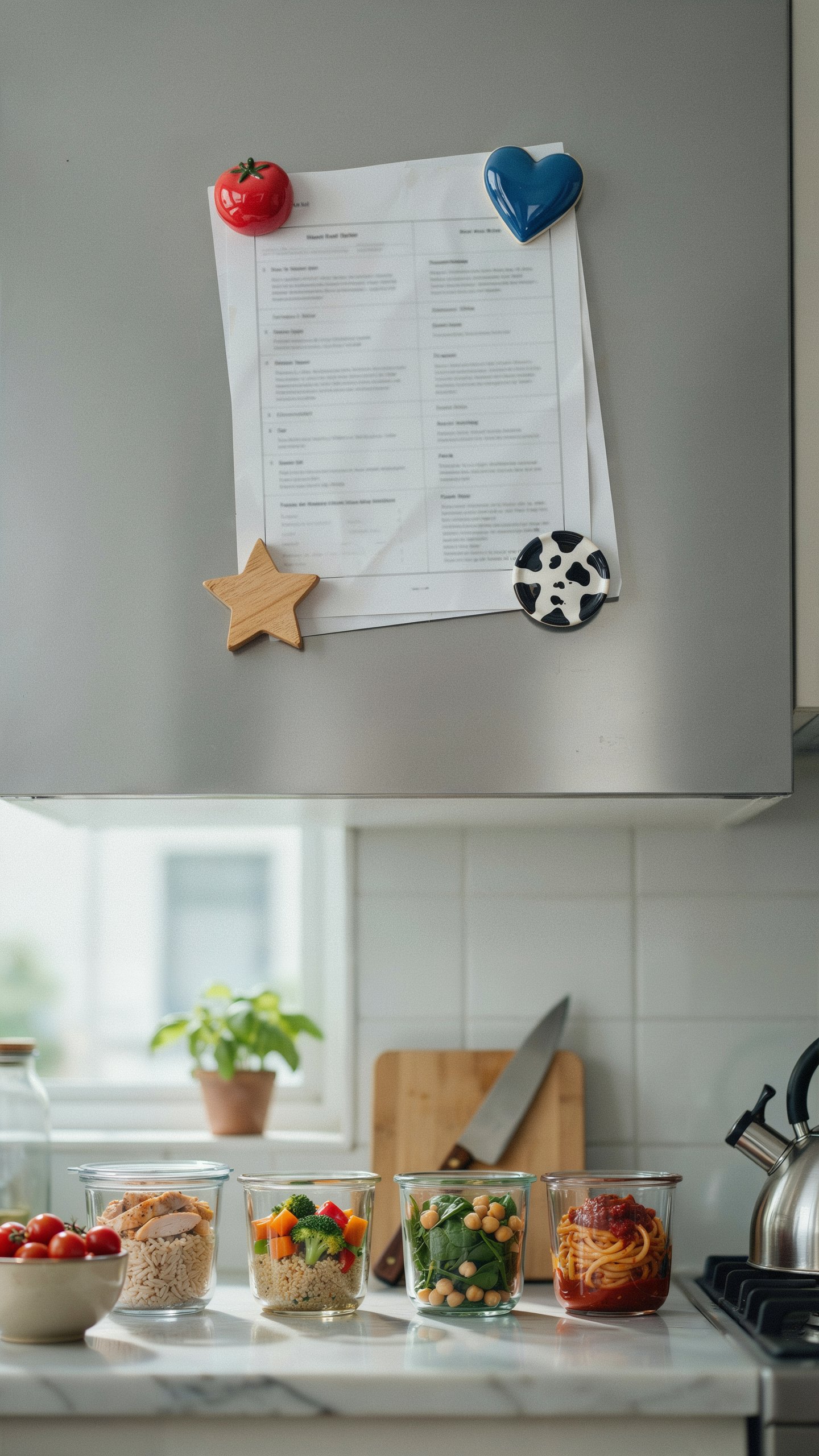
You want a printable plan because you’re afraid committing to paper makes you look indecisive if you change your mind. The real mechanism is this: static templates fail because your body’s needs aren’t static. Protein targets shift based on training volume, recovery status, and caloric surplus or deficit. A printable system only works if you design it modular. Each protein source, carb timing, and portion size lives as a discrete unit you swap, not a locked-in week you follow religiously.
The difference between professionals and amateurs isn’t willpower. It’s treating your meal prep plan like a living system, not a finished document. Print your base template, but print it with blank rows for adjustments. Keep a master list of interchangeable meals indexed by protein grams, calories, and prep time. When your deadlift volume doubles or a metabolic shift occurs, you update the specific rows without reprinting the entire week. This is how you stay consistent without being rigid.
- Protein Source Swap Sheet: List 8-10 lean proteins ranked by grams per serving and cost. Include chicken breast, ground turkey, Greek yogurt, cottage cheese, whey isolate, and canned fish. Print once, reference always.
- Carb Timing Grid: Map carb portions to training days versus rest days. Print with dates left blank so you adjust based on actual workout schedule shifts week to week.
- Calorie Adjustment Column: Include a calculated range, not a fixed number. Print 2000-2300 instead of 2150 so you land in the zone without reprinting when hunger or performance signals change.
- Meal Repetition Tracker: Print which meals repeat which days. Tracks compliance and prevents decision fatigue by showing exactly when to prep identical batches versus new recipes.
- Macro Flexibility Buffer: Dedicate one meal slot per day as a swap option. Print this meal with multiple alternatives preapproved so you adjust without breaking your macros.
Your printed plan becomes a decision framework, not a prison sentence. The printable format forces you to think through the system before execution. Digital clouds are convenient but encourage vague thinking. Paper demands precision because changing paper is friction. That friction is your feature, not your bug.
Converting Digital Spreadsheets To Usable Paper
Printing a spreadsheet directly produces an unreadable wall of numbers that wastes ink and ruins your week before Monday starts. Most meal prep printables fail because they’re designed for screens, not kitchen counters. Design your digital template around what your eyes need to see in 3 seconds while your hands are cold or wet. This means typography hierarchy, not data density. Use larger fonts for protein targets than for micronutrients. Use bold for meal names and regular for instructions. Organize vertically by meal, not horizontally by macro.
The technical step is simpler than the design work. Export your spreadsheet as a PDF rather than printing directly from the application. PDFs preserve formatting across devices and printers. Set your document to landscape orientation if you have more than four meals per day. Use a margin of 0.5 inches on all sides to avoid cutoff. Then print only the days you’re actually prepping, not the entire template with empty weeks. Each printed page should show one complete day with all three or four meals visible without scrolling or flipping paper. Tape printed pages side by side on your prep space so you never lose sight of your targets while cooking.
The 80/20 Rule Of Protein Dense Recipes: Maximizing Impact
Which Proteins Actually Move The Needle
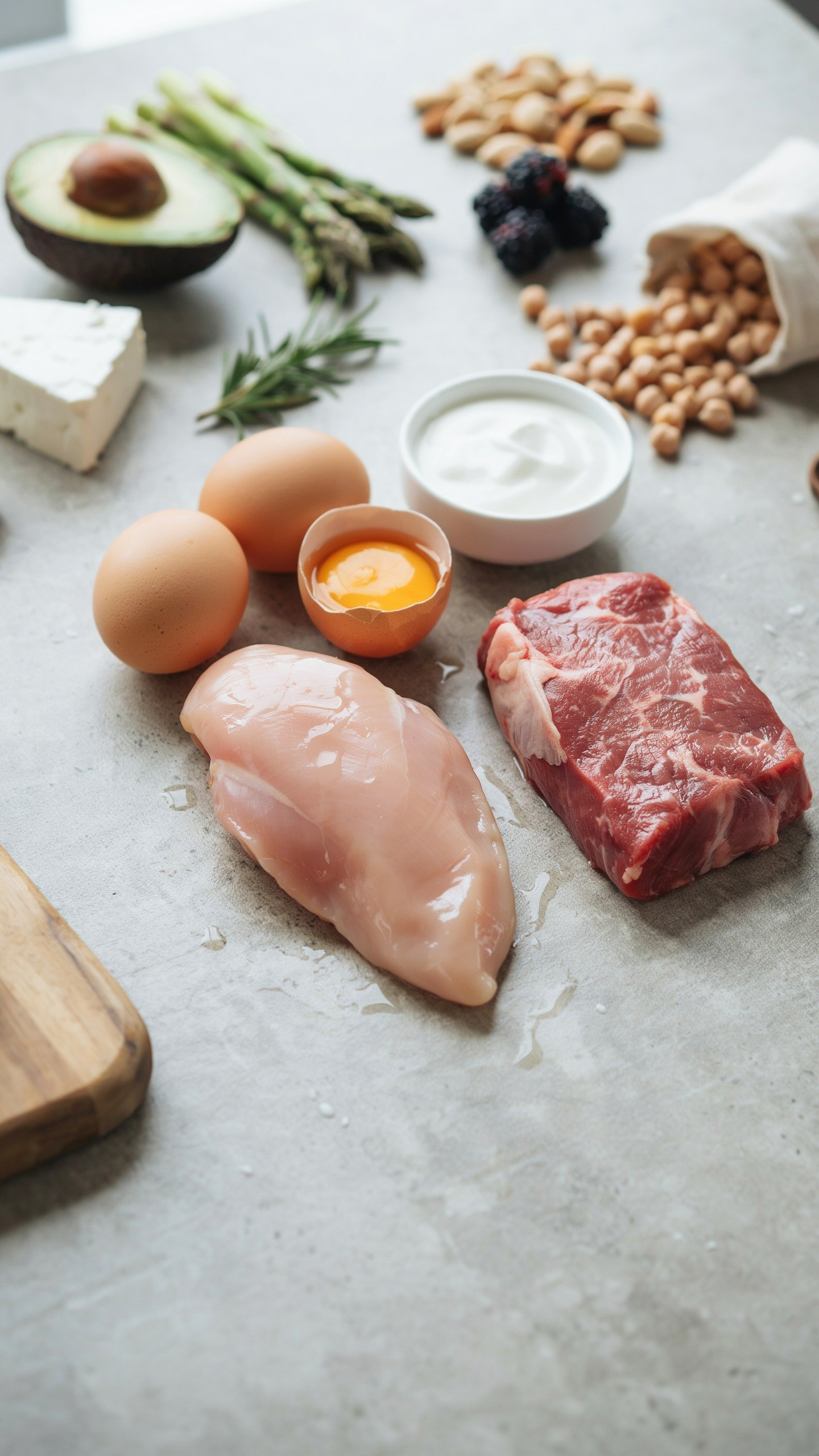
You want permission to believe that meal prep is about variety. It’s not. You want five recipes so you feel like you’re not eating the same thing. The real mechanism comes from economics: scarcity of inputs drives efficiency of output. Your constraint is time, not novelty. Four protein sources handle 80% of your macro needs: chicken breast, ground beef, eggs, and Greek yogurt. Everything else is optimization theater.
Chicken breast delivers 31g protein per 100g cooked. Ground beef at 80/20 lean gives you 20g per 100g plus fat for satiety. Eggs provide 6g per whole egg plus micronutrients most supplements can’t match. Greek yogurt offers 10g per 100g with minimal prep. These four collapse your decision-making. Your printable meal prep plan stops being a document of options and becomes a system of constraints. Constraints breed execution.
Stop Cooking What Doesn’t Scale
Everyone tells you to rotate your recipes. That’s advice from people who don’t meal prep consistently. Rotation creates decision fatigue on Sunday when you’re tired and the actual work hasn’t started. The real problem: you’re spending prep time on recipes that demand technique or monitoring. Roasting vegetables takes attention. Pan-searing proteins requires temperature management. Both are friction.
Batch cooking works because it removes decisions from the equation. Boil chicken in bulk. Brown ground beef in one batch. Scramble eggs in volume. These methods don’t require skill progression or active monitoring once the heat is set. Your printed plan should list only cooking methods that run hands-off or demand minimal intervention. The time you save compounds across the week. Every recipe that survives your plan must justify itself against a simpler version of the same outcome.
The real obstacle isn’t the plan; it’s your unwillingness to treat your body as a complex, evolving system.

Most people download a printable meal prep plan and expect it to work like a magic spell. It won’t. Your body adapts. Your goals shift. Your schedule changes. The winners aren’t the ones with the perfect plan. They’re the ones who adjust weekly and actually execute. Download that printable today. But commit to tweaking it in 30 days based on what your body tells you. Everything else is just noise masquerading as progress.