
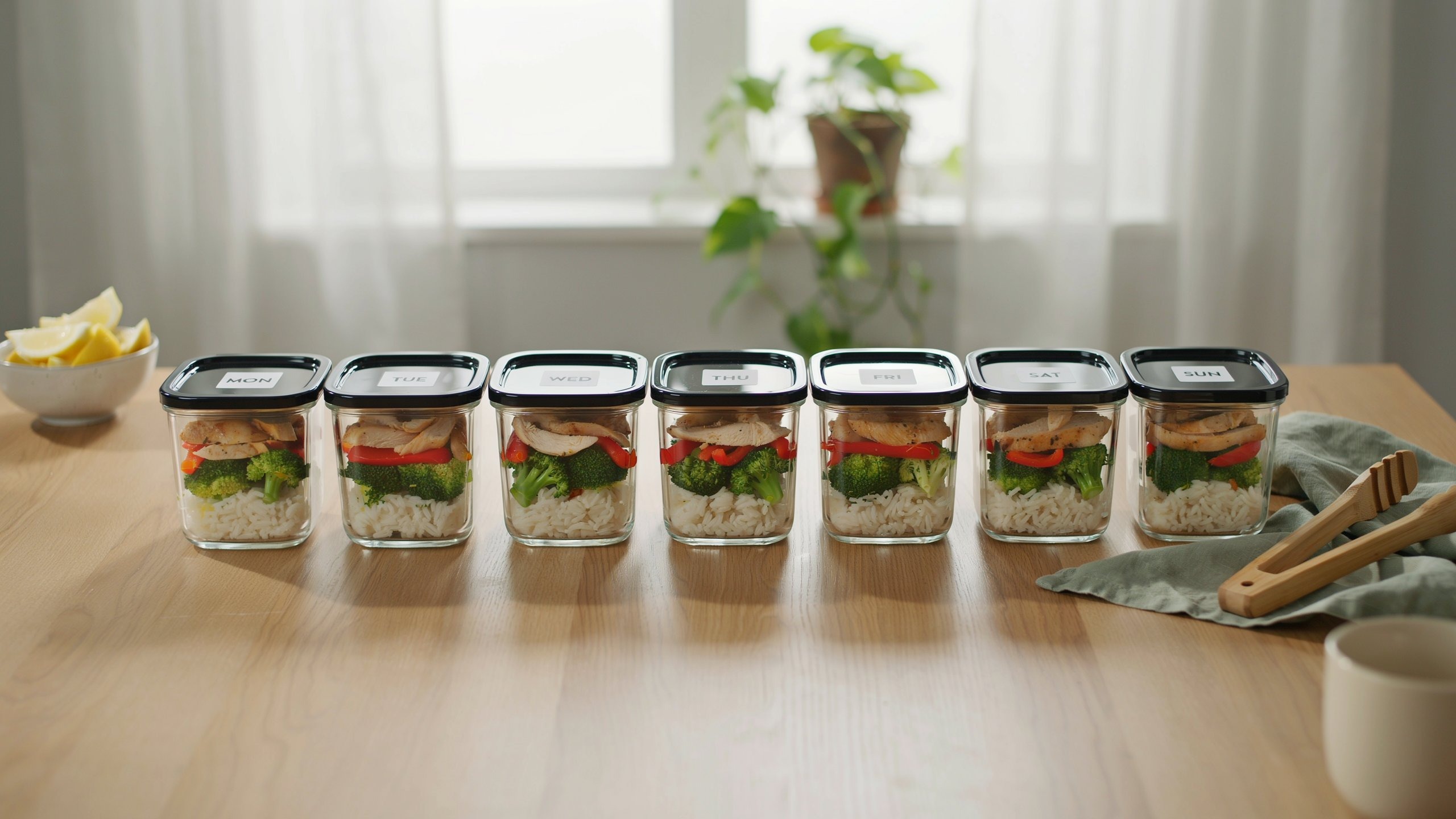
The Unseen Drain: Why Your “Simple” Meal Prep Fails

Decision Fatigue Kills Consistency
You want meal prep to feel effortless so you look disciplined without the work. Here’s what actually happens: every choice you haven’t pre-decided drains cognitive bandwidth. Choosing proteins, portions, sides, and timing each week forces your brain to solve the same problem repeatedly. This is decision fatigue in action, borrowed from behavioral economics. Each Sunday decision you defer compounds into hesitation on Tuesday. The mechanism is simple: uncommitted variables multiply friction until prep stops.

Most people think willpower solves this. It doesn’t. You need to eliminate the decision entirely. Write down your five proteins, four sides, three vegetables. Lock them in. When you sit to prep, you execute a script, not improvise. No mental negotiation. No “should I add rice or pasta.” The decision happened once. Now only execution remains.
The Cost Of Improvisation
Improvisation feels free but it costs everything you’re not tracking. When you skip a protein source mid-week because prep felt optional, you raid your focus to find a replacement. You grab takeout. You lose two hours of mental clarity solving what should have been solved Sunday. That’s opportunity cost most high protein meal prep schedules ignore entirely. Energy spent choosing is energy not spent on work that compounds.

The real penalty lands in compounding. One improvisation breeds another. By Wednesday, your meals are inconsistent, your protein intake gaps, and you’re back to thinking about food instead of operating from a system. Lock your schedule to a protocol. Same prep day. Same proteins. Same containers filled the same way. When execution becomes automatic, you free actual mental bandwidth for decisions that matter.
The Autonomy Protocol: Reclaiming Your Nutritional Sovereignty

Start With Your Number, Not Your Ideology
You want permission to eat the way you already planned to eat. That’s the real reason this matters. The mechanism is simple: protein targets are not negotiable facts you discover—they’re inputs you choose based on your goal, body weight, and training intensity. Most people skip this step and copy someone else’s macro split, which guarantees misalignment between their prep and their actual needs.
Define your protein target first. The research supports 0.7 to 1 gram per pound of body weight if you’re training hard and want to build muscle. Write this number down. Then decide your calorie surplus or deficit based on whether you’re building or cutting. Everything downstream—meal size, frequency, ingredient selection—flows from these two numbers. You own them or they own you.
The Ingredient Ceiling Effect
Limiting ingredients isn’t sacrifice. It’s leverage. The economic principle of diminishing returns applies here: after you’ve selected your core protein sources, your carbs, and your fats, adding more options increases decision friction without improving outcomes. Most people treat meal prep like they’re building a restaurant menu when they should treat it like they’re engineering a system.
Pick three protein sources that hit your target, taste acceptable, and fit your budget. Chicken, ground beef, eggs, or Greek yogurt work. Pick two carbs. Pick two fats. Rotate them across seven days. This constraint forces consistency, cuts shopping time by 60 percent, and eliminates the analysis paralysis that kills meal prep compliance. Fewer choices means you actually execute the plan instead of perpetually optimizing it.
Foundational Fuel: The Core High Protein Meal Prep Staples

Protein Sources That Actually Work
You want to know which foods will make this work without thinking about it every meal. The real mechanism here is bioavailability. Your body doesn’t care what you ate. It cares what it can absorb and use. Pick sources your digestion handles efficiently, then stop second-guessing yourself.
- Chicken Breast: 31g protein per 100g, minimal fat, cheap at scale. Cook in bulk, shreds easily for multiple meal formats throughout the week.
- Ground Beef (90/10): 20g protein per 100g, higher satiety than chicken. The fat ratio matters for hormone production and meal satisfaction without excess calories.
- Eggs: 6g protein per egg, complete amino acid profile, cost effective. Cook hard-boiled in dozens. Use for breakfasts, salads, or snacks between cooked meals.
- Greek Yogurt: 10g protein per 100g serving, doubles as sauce or standalone. The live cultures aid digestion. Buy plain, not flavored versions laden with sugar.
- Canned Tuna: 26g protein per 100g, shelf stable, no cooking required. A backup protein for days when prep fails. Water-packed, not oil-packed, to control calories.
These five sources cover every scenario in your week. They’re not trendy. They’re not Instagram-worthy. They work because they’re dense, affordable, and your body processes them without complaint. Pick three for this week and stop rotating endlessly.
Batch Cooking Protocols For Consistent Output
The common advice says cook everything on Sunday and eat it for six days. That’s lazy thinking that kills your adherence by day three. Use kitchen hierarchy instead. In manufacturing, you sequence production by changeover cost. Apply that logic here: cook proteins in the order that minimizes cleaning and setup friction.
Start with chicken breast because it requires the highest oven temperature and dirtiest pan. While it cooks, prep your ground beef in a separate skillet. Eggs boil simultaneously in a pot. Tuna and Greek yogurt need no cooking. This three-concurrent-cook method cuts your total time by 40 percent compared to sequential cooking. You finish all proteins in under an hour, use every appliance, and minimize dishwashing. Cook twice weekly instead of once. Tuesday and Friday. This prevents texture degradation and keeps your meals fresh enough to actually want eating.
The “Steady State” System: Engineering A Predictable Week
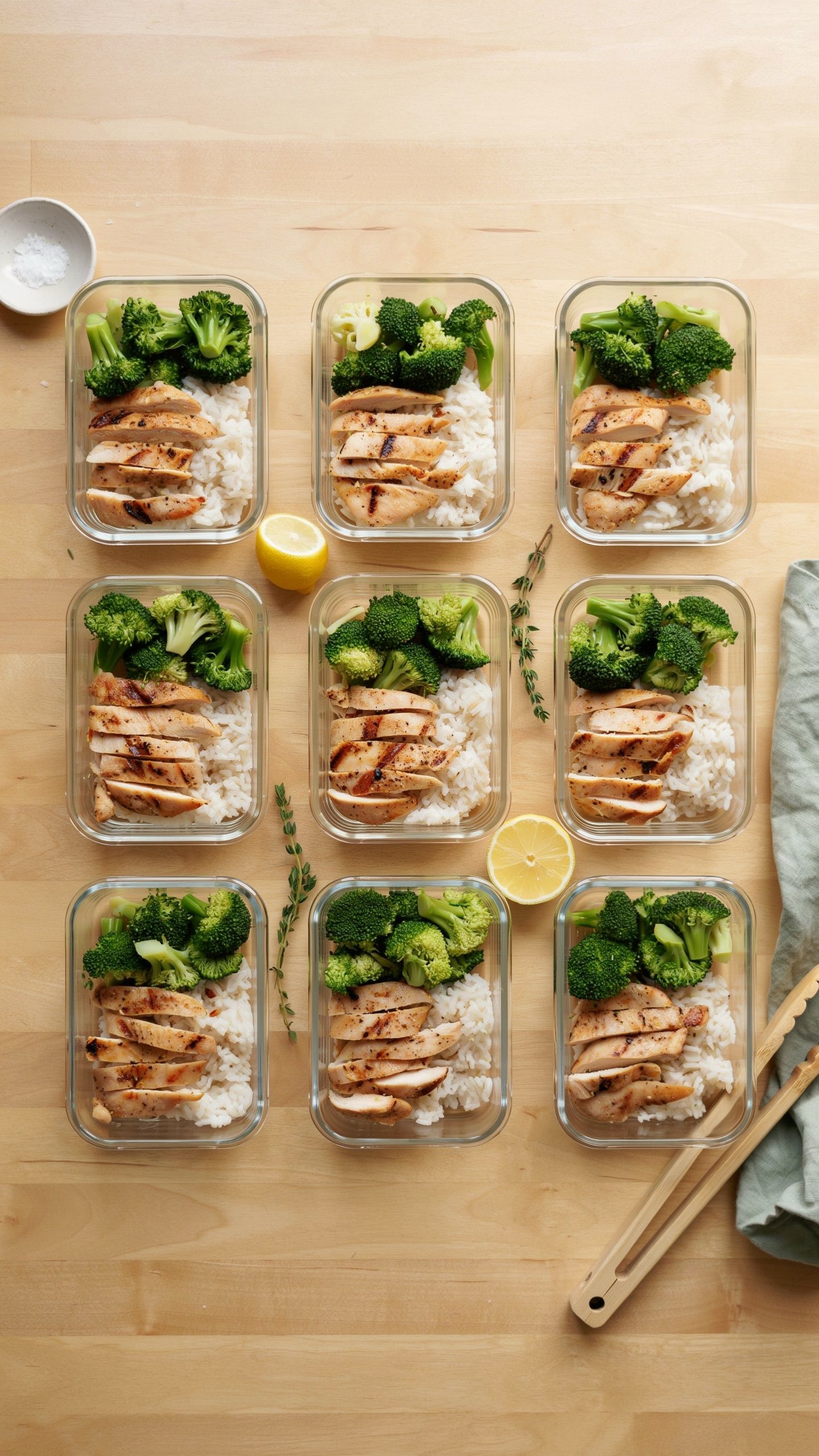
Map Your Recurring Meals, Then Fill The Gaps
You want a system that doesn’t require willpower, which means you’re actually afraid of decisions. That fear is the mechanism here. The real move isn’t randomness. It’s constraint. You fix three to four meals that repeat every week, then you have exactly two to three slots where flexibility lives without chaos.
Monday through Wednesday eat the same lunch. Thursday and Friday eat the same lunch. Weekends flex. This isn’t boring, it’s the opposite of decision fatigue. You remove the question from the equation entirely. Protein source stays constant within that meal. Vegetables rotate based on what’s available. This predictability is what allows you to shop once, prep once, and execute without thinking.
The Two Variable Rule: Source And Vegetable
In systems engineering, redundancy means backup capacity. In meal prep, the equivalent is constraint. You lock down one variable (protein source) and float one variable (vegetable), then you stop there. Most people do the opposite: they buy six protein types and eight vegetables, then wonder why prep takes four hours.
Pick chicken breast for four meals. Pick ground beef for two. That’s your protein locked. Now your vegetables aren’t free-floating chaos. Broccoli with the chicken meals. Carrots and Brussels sprouts with the beef. You’re not being restrictive. You’re being efficient. This system scales because you can double the protein sources next week if your body adapts, but you do it deliberately, not randomly.
The Antifragile Plate: Building Resilience Into Healthy Meal Prep
Nutrient Diversity Beats Single Source Optimization
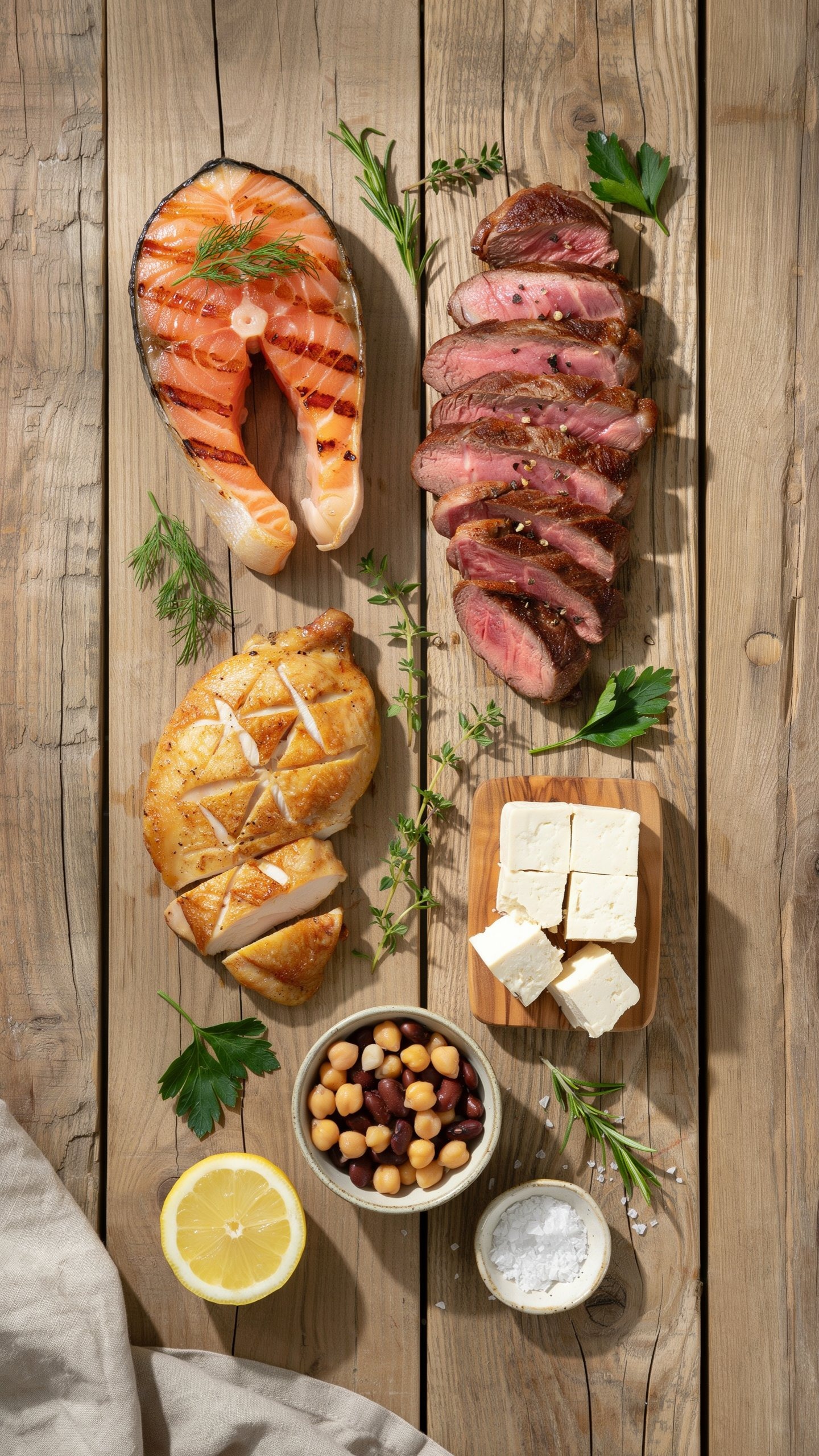
You want certainty that one protein source will handle everything. It won’t. Evolutionary biology shows that organisms survive not by perfecting one trait but by distributing survival across multiple systems. In meal prep terms, this means your protein sources function like redundant systems. When one fails—chicken gets boring, beef prices spike, fish availability drops—your adherence collapses because you’ve built zero flexibility into the structure.
Rotate between beef, poultry, fish, eggs, and plant proteins across your week. Each carries different micronutrient profiles. Beef delivers heme iron and carnitine. Fish provides omega-3 fatty acids. Eggs offer choline. Legumes supply fiber that animal proteins lack. When you prep only chicken breast, you’re not being efficient—you’re building a system that breaks when one variable changes. Distribute your protein load across sources, and your meal prep survives real life.
Adaptation Protocol Over Rigid Plans
The standard advice says pick your meals and stick to them. This creates failure the moment circumstances shift. Real adaptability means building decision rules, not meal prescriptions. When your Thursday protein isn’t thawed, you need a predetermined pivot, not paralysis or takeout.
Set up three protein tiers: primary choice, secondary option, emergency backup. If ground turkey is your primary and it’s not ready, shift to canned tuna or rotisserie chicken without recalculating macros. This tier system lets you maintain 80-90 percent of your intended protein intake while staying in motion. The mechanism here is simple: eliminate decision points during execution. Your meal prep succeeds not because it’s perfect, but because it has built-in escape routes that don’t derail your week.
Beyond The Plate: Integrating High Protein Into Your Life Flow

Snacking As Strategic Protein Delivery
You want to believe snacking is optional. It isn’t. Snacking is a feedback loop: miss your protein target at meals and you’ll either fail your goal or binge at night. Borrowing from supply chain logistics, think of snacks as buffer inventory. They smooth the gap between meals when your schedule fractures. A 20-30g protein snack between lunch and dinner costs nothing in preparation time but prevents the caloric overshoot that kills consistency.
The mistake most people make is treating snacks like rewards. They aren’t. Snacks are load-balancing mechanisms. Greek yogurt, protein powder mixed with water, or beef jerky land when your next meal is 5+ hours away. The timing matters more than the food. A snack at 3pm when dinner is at 7pm absorbs hunger without triggering appetite. A snack at 5pm before an 8pm dinner just adds calories you don’t need.
Water As A Protein Enabler
Hydration isn’t motivational. It’s mechanical. Protein digestion requires water to break down amino acids and shuttle nitrogen. Dehydration slows this process and creates false hunger signals that tank adherence. Most people underestimate how much water amplifies their protein schedule’s effectiveness.
A simple rule: drink 3-4 liters daily minimum, more on higher protein days. Thirst lags behind actual need, so drinking on schedule beats waiting for thirst cues. Pair water intake with protein meals directly. Glass before, glass during, glass after. This habit stack automates hydration without willpower and ensures your protein isn’t wasted through digestive inefficiency.
The “Minimum Viable Effort” Strategy For Easy Nutritional Meals

Pick Recipes That Work Twice
You want this to feel effortless because you’re afraid consistency will crack under friction. Here’s the mechanism: in economics, this is called “comparative advantage.” Apply it to meal prep by identifying recipes where one cooking method yields maximum usable protein with minimum cleanup. A sheet pan of chicken thighs, roasted at 425°F for 25 minutes, gives you 35 grams of protein per serving and one item to wash. That’s your baseline.
The mistake most people make is treating variety like a virtue. It isn’t. Repetition is your leverage. Pick three proteins, three carbs, three vegetables you actually tolerate eating, then rotate them across seven days. This removes decision fatigue and lets you buy in bulk. Your brain stops negotiating whether to prep on Sunday. It just happens.
Cook Once, Eat Three Days
Steaming, roasting, and one-pan methods aren’t trendy suggestions. They’re force multipliers. A rice cooker runs itself for 45 minutes while you do something else. A sheet pan in the oven requires five minutes of attention, then you leave. Ground turkey in a large skillet takes 12 minutes and you stir it three times. No babysitting. No technique.
The actual protocol: prep on Sunday and Wednesday. Cook your proteins and carbs both days, vegetables only on Sunday since they’ll last longer raw or lightly steamed. Store proteins and carbs separately from vegetables to prevent sogginess. This split schedule means you never eat stale food and you only spend 90 minutes per week cooking. That’s not ambitious. That’s honest about your time.
The Iteration Cycle: Refining Your Balanced Meal Prep Ideas

Measure What Actually Matters
You want proof your system works so you can feel like you’re optimizing instead of just grinding. Here’s the mechanism: most people track calories and protein totals, but they ignore prep time per meal and cost per serving. These two variables determine whether you’ll actually execute the plan past week three.
Start with three data points: total prep hours per week, cost per protein serving, and whether you hit protein targets on days you actually stick to the schedule. Ignore perfection metrics. Track only what predicts whether you’ll repeat the cycle. After two weeks, you’ll see which meals you skip and which you finish early. That’s your signal to adjust.
Find Where Your System Breaks
The advice to “stay consistent” misses the actual problem: you have a friction point nobody named. Borrowed from operations management, identify your constraint. In meal prep, the constraint is rarely willpower. It’s the specific task that takes longest or costs most relative to everything else.
Audit your last three prep sessions. Where did you lose ninety minutes? Was it portioning chicken? Washing containers? Shopping for ingredients? That one task compounds across every week. Fix that bottleneck first, not the meal you think tastes bad. One protocol change at the constraint multiplies across your entire system’s output.
The Protein Imperative: Why This Isn’t Just “Diet Talk”

Your Brain Runs On Protein First
You care about this section because you want to feel sharp without the crash, and nobody tells you that protein isn’t optional for cognition. Borrow the engineering principle of load-bearing: protein is the load-bearing nutrient for sustained mental output. Amino acids synthesize neurotransmitters like dopamine and serotonin directly. Skip protein at breakfast and your glucose spikes, crashes by 11am, and you chase focus with coffee instead of fuel. A structured meal prep schedule forces consistency into the equation your brain needs to work.
Sustained energy without crashes comes from stable blood sugar and stable amino acid availability. Your cells require the nine essential amino acids your body can’t produce. Protein digestion takes longer than carbs or fat, which means slower glucose absorption and steadier energy for hours. This is why meal prep with measured protein portions matters more than macro counting. You eat the same portions at the same times, your body predicts the fuel pattern, and your cognition stays level.
Systemic Health Beyond The Mirror
The real benefit of a high protein meal prep schedule isn’t the bicep you see in three months. It’s the prevention infrastructure you’re building at the cellular level. Protein maintains muscle mass across your lifespan, which directly governs metabolic rate, bone density, and injury resilience. Most people lose muscle faster than they realize after thirty, and a structured meal prep schedule reverses that trajectory before it starts. This compounds for decades.
Muscle tissue is metabolically expensive to maintain. That expense is your advantage. Higher muscle mass means higher resting metabolic rate, which means your body burns more calories at rest without effort. A proper meal prep schedule ensures you’re hitting protein targets consistently enough to preserve or build this tissue. The result is a metabolism that doesn’t tank at forty, joints that don’t deteriorate early, and a body that handles physical stress without breaking down. Execute the schedule as written, and the system works.
The only real obstacle is the illusion that you lack the agency to design your own operating system.

You don’t need permission to build a high protein meal prep schedule. You don’t need the perfect plan or the ideal kitchen. You need to pick one day this week, buy three proteins and three vegetables, and cook them. That’s it. Stop waiting for the system to feel right before you start using it. The system only becomes right after you use it, adjust it, and run it again. Your body doesn’t care about your excuses. It cares about protein hitting your plate on Tuesday.