
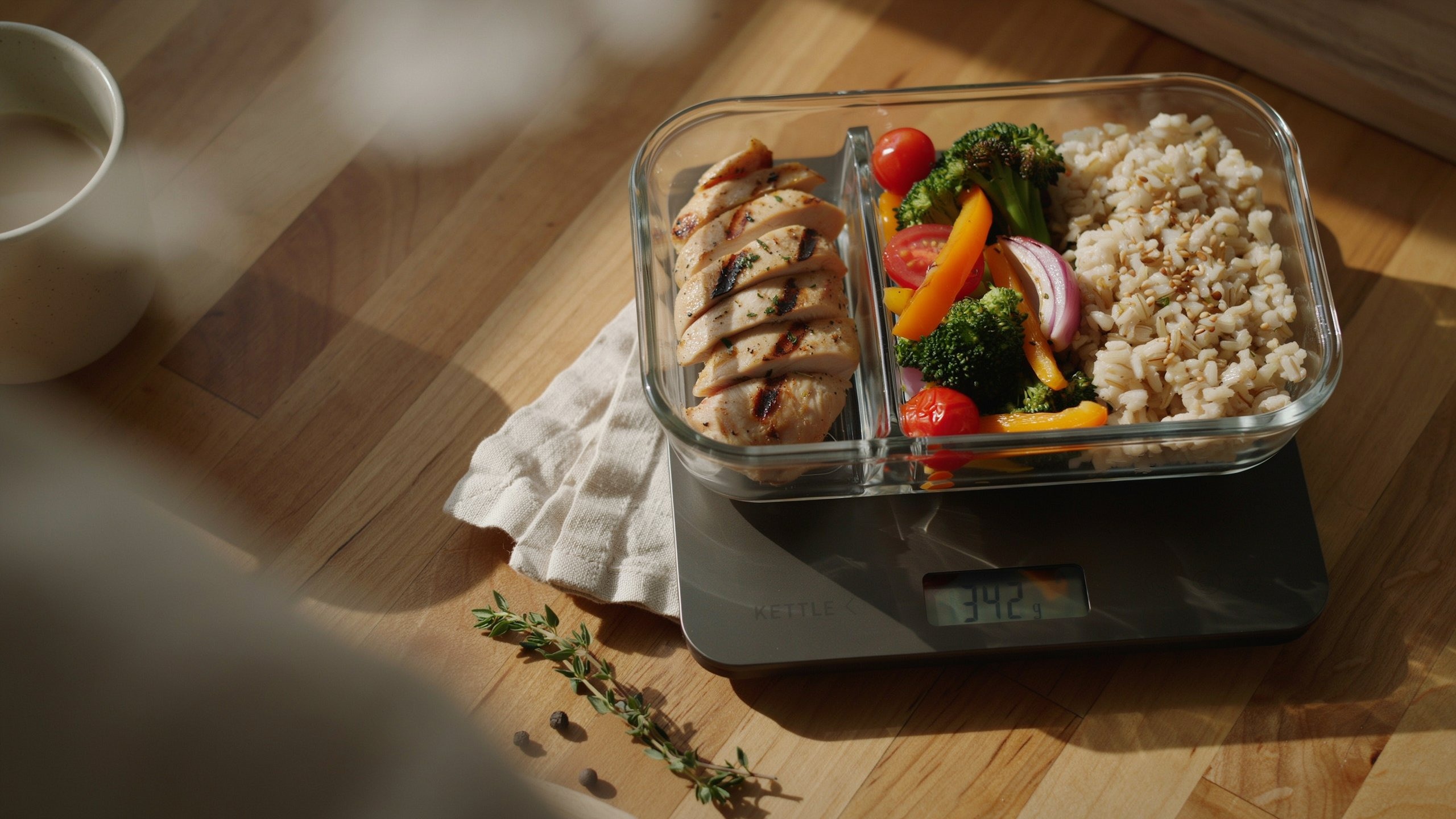
The Protein Paradox: Why More Isn’t Always Better
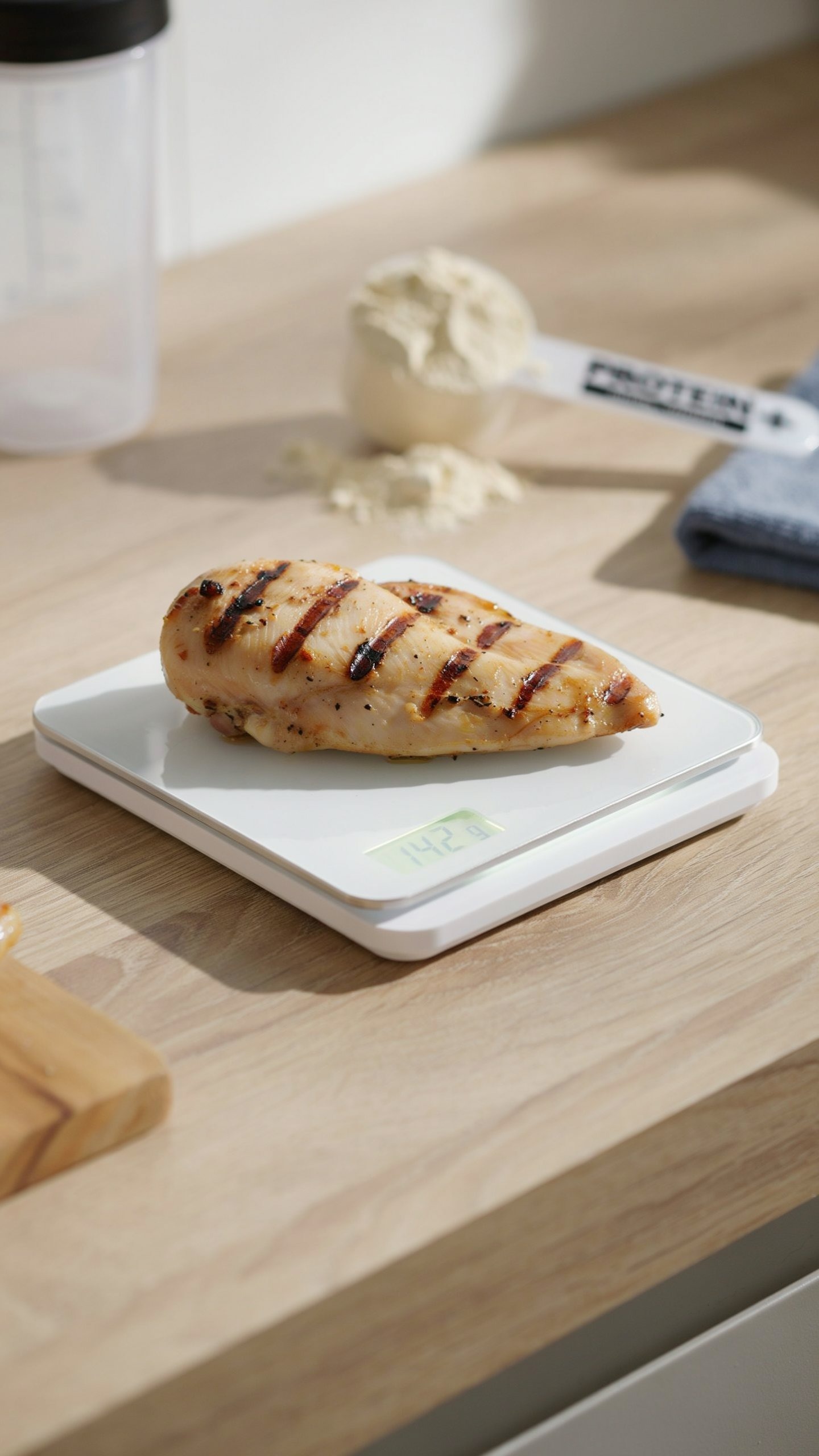
Your Body Has A Ceiling
You want more protein because you believe it signals discipline and optimization. The mechanism is simple: protein synthesis plateaus. Beyond 0.7 to 1 gram per pound of body weight daily, your muscles stop building faster. Using economics terms, you hit diminishing returns where each additional gram produces less muscle growth per unit invested. Your body cannot absorb unlimited amino acids into new tissue. The extra protein converts to energy or waste.

Most people ignore this ceiling and pack 50+ grams into a single meal. Science shows muscle protein synthesis maxes out around 20 to 40 grams per meal depending on age and training status. Stacking 200 grams of protein into one container wastes amino acids your body cannot use. Your meal prep container should match your actual absorption capacity, not your aspirational identity.
Economics Of Excess Protein
Protein costs more than carbs or fat per calorie. Buying premium chicken breast, Greek yogurt, or whey adds up fast. The financial math breaks when you overshoot your needs. Economics teaches us diminishing marginal utility: each extra unit of consumption provides less satisfaction. Buying expensive protein beyond your ceiling wastes money with zero additional muscle gain.

Metabolically, excess protein increases thermic effect but marginally. Your body burns 20 to 30 percent of protein calories during digestion compared to 5 to 10 percent for carbs. The difference sounds significant until you calculate actual calories. Thirty grams of excess protein daily equals roughly 90 calories burned through digestion. Spending 40 percent more per meal for unmeasurable metabolic benefit is a poor trade. Right-size your protein to your bodyweight and training intensity, then redirect savings toward volume and consistency.
The “Anabolic Cascade” Protocol: Timing Your Protein Intake (Best High Protein Meal Prep)

Pre Workout And Post Workout Protein
You want the performance edge without actually changing behavior. Here’s the mechanism: your body doesn’t care about arbitrary “windows.” It cares about amino acid availability when muscle protein breakdown peaks. Pre-workout protein prevents catabolism during training. Post-workout protein supplies amino acids when your muscle fibers are primed to accept them, not because of mystical timing but because protein synthesis rates stay elevated for hours after resistance work ends.
Consume 20-40 grams of protein 90 to 120 minutes before lifting. This delays gastric emptying enough to feed muscles during training without causing cramping. Post-workout, 20-40 grams within two hours after training completes the window. The total daily protein intake matters far more than hitting exact minute markers, but these two meals create structural advantage by bookending the training stimulus itself.
Protein Pacing Throughout The Day
Muscle protein synthesis operates like compound interest in finance: small, consistent deposits outperform lump sum investments. Biology doesn’t reward hoarding protein in one meal. Distributed intake triggers more frequent synthesis events across your day, multiplying total muscle building stimulus compared to eating protein once or twice daily.
- 25-35 grams per meal: Stimulates measurable muscle protein synthesis. Below 20 grams, the stimulus flattens. Above 35, excess amino acids oxidize rather than integrate into muscle tissue.
- Four to five meal containers daily: Spaces protein intake evenly. Three meals cluster too much intake into short windows, leaving long gaps where synthesis drops to baseline.
- Consistent spacing between meals: Eating every 4-5 hours maintains elevated synthesis rates. Wider gaps allow the anabolic window to close before the next stimulus arrives.
- Whole protein sources per container: Eggs, chicken, beef, Greek yogurt, and fish deliver complete amino acid profiles. Incomplete proteins require combining foods to achieve all nine essential amino acids your muscles need.
- 40-50 grams post-training only: This is your exception to the 25-35 rule. Higher intake immediately after training maximizes the enhanced absorption window created by training-induced blood flow to muscle.
Build your meal prep containers around 25-35 grams of protein at breakfast, lunch, and dinner, with additional pre and post-workout doses if you train. This pacing beats eating 80 grams at one sitting because your muscles can only synthesize so much protein per meal regardless of intake volume. Divide your daily target across containers spaced 4-5 hours apart to maximize total muscle protein synthesis events throughout the day.
The Lean Mass Economy: Understanding Protein As Capital
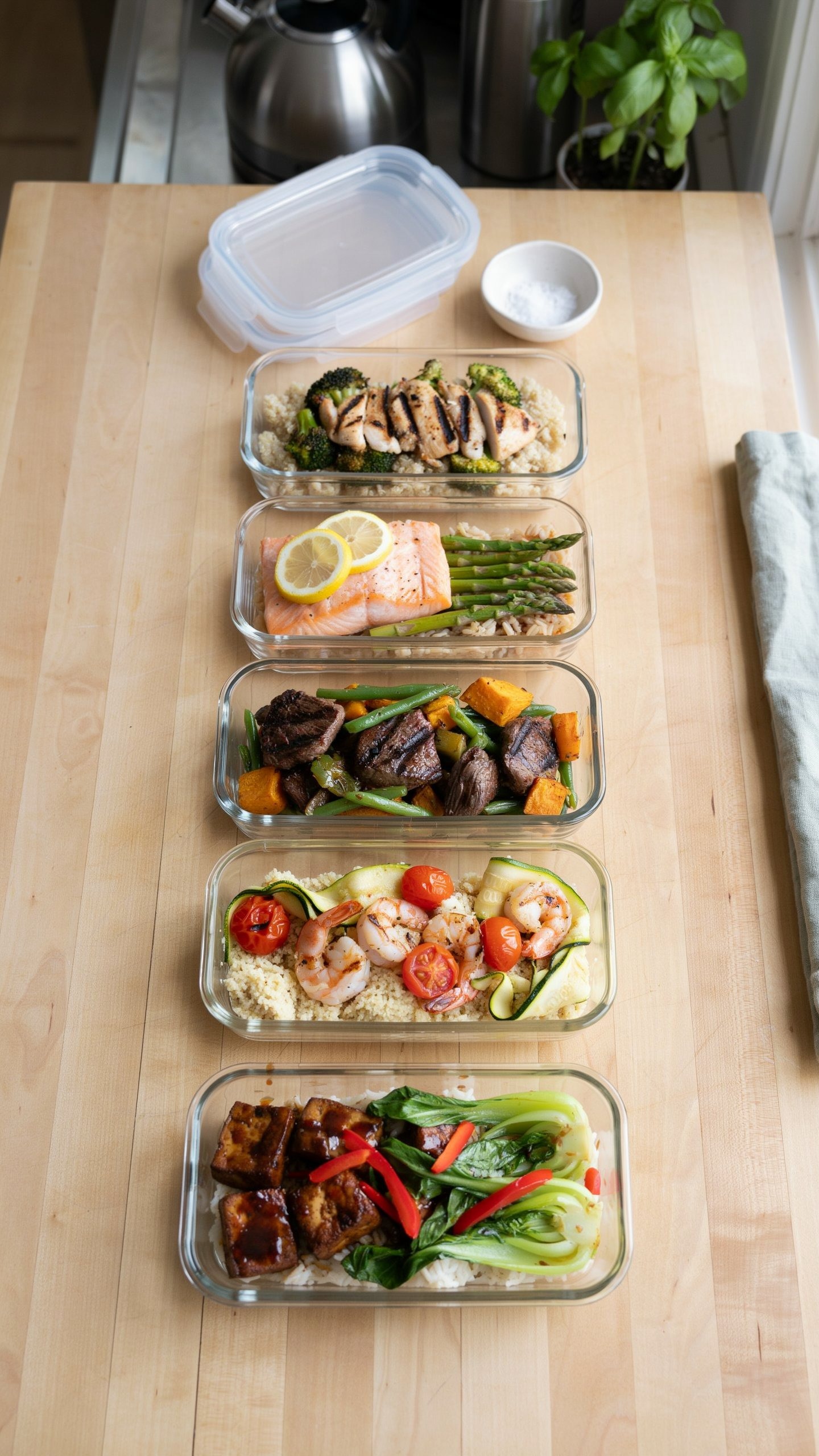
Protein Allocation As Resource Management
You care about this because you want to optimize without thinking about it every meal. Here’s what actually matters: economics treats resources as finite and competing for allocation. In meal prep, protein is your capital. You have a daily budget—roughly 0.7 to 1 gram per pound of body weight for muscle maintenance and growth. How you distribute that protein across meals determines your return on investment, not the total alone.
Most people spread protein evenly across meals because it sounds balanced. That’s incomplete thinking. Your body doesn’t care about symmetry. What matters is hitting a minimum protein threshold per meal to trigger muscle protein synthesis, then allocating surplus protein where it provides the highest return. A 120-pound person eating 100 grams daily gets a different outcome spreading it as 25g per meal versus concentrating it as 35g at one meal and 20g at others.
Prioritizing Repair Over Energy
Protein does two jobs, and you’re likely prioritizing the wrong one. The common advice says protein is for energy. That’s lazy. Protein’s primary role in your body is tissue repair and maintenance. Energy is a side effect. Carbs and fats are your energy substrates. When you treat protein as fuel first, you undersupply your muscles and oversupply your calorie count, wasting both space in your meal prep container and money on redundant carbs.
Each meal prep container should prioritize protein for repair first, then balance remaining calories with carbs and fats based on activity level that day. A lifting day demands more protein-forward meals because you’ve created tissue damage that requires raw material. A rest day needs the same total protein but can distribute it differently because repair demand is lower. The mechanism: consume enough protein at each meal to exceed the threshold for muscle protein synthesis activation, usually 20 to 40 grams depending on age and training status, then adjust portions based on whether repair or endurance is the priority.
Beyond The Grams: Bioavailability And Absorption
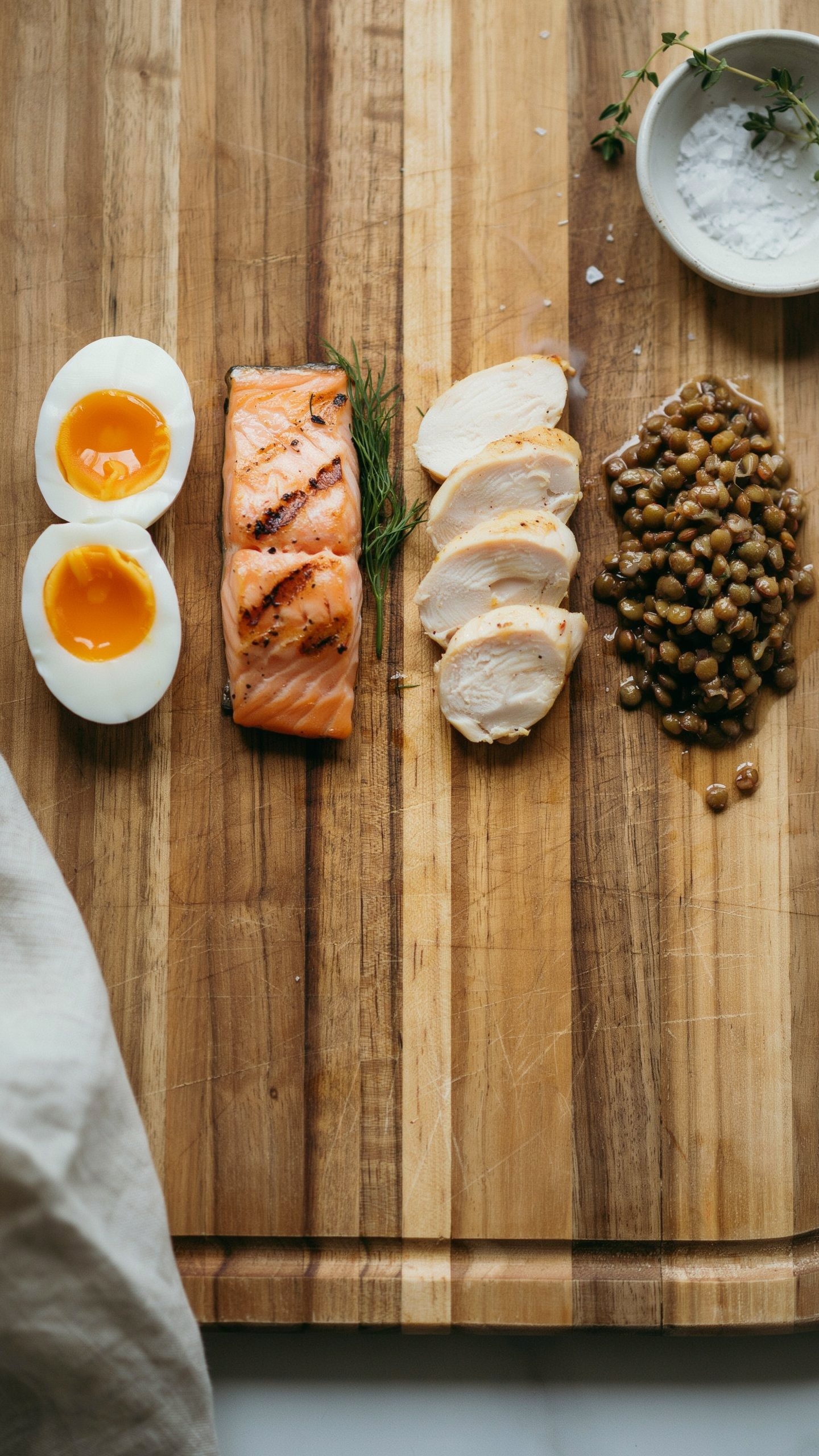
Complete Proteins Build Muscle Faster
You want the number that means you’re doing it right. Here’s the mechanism: your body doesn’t absorb protein. It absorbs amino acids. The difference determines whether your meal prep container actually builds muscle or just sits heavy in your stomach.
Complete proteins contain all nine essential amino acids your body cannot make. Incomplete proteins lack one or more. Animal sources—chicken, beef, fish, eggs, dairy—are complete. Most plant sources are incomplete, though quinoa and soy are exceptions. This distinction matters because muscle protein synthesis requires all nine essentials present simultaneously. Eating incomplete proteins forces your body to wait for other amino acids from other meals before it can build anything.
Pairing And Timing Lock In The Gain
The biology here mirrors how a lock requires the right key: amino acid ratios determine absorption efficiency. Leucine specifically triggers muscle protein synthesis, but it needs its companions to work. Rice and beans together create a complete protein; eaten separately at different times, they’re just separate meals.
Your meal prep timing compounds this. Spacing protein intake across the day (roughly every four to six hours) maintains consistent amino acid availability for muscle tissue. Consuming all your protein in one meal floods your system, but your body can only synthesize muscle at a set rate regardless. The rest becomes excess calories. Distribute protein evenly across containers to match your actual protein synthesis capacity throughout the day.
Satiety Signal: Protein For Hunger Control (Keto Meal Prep)

How Protein Triggers Fullness Hormones
You want to know about protein satiety because you’re tired of feeling hungry while dieting. The mechanism is biological, not willpower. Protein activates GLP-1 and peptide YY release in your gut, signals your brain registers as “full.” This happens faster and stronger with protein than carbs or fat. More protein per meal container means fewer calories eaten later because your hunger hormones actually shut off instead of pretending to.
The dose matters more than the source. Thirty grams of protein triggers measurable satiety signals. Sixty grams extends that signal for hours. Below thirty grams, the effect flattens. Keto meal prep containers sitting at twenty grams of protein waste their space. You’ll eat another snack in two hours regardless. The common advice to “just eat more fat” is incomplete. Fat slows digestion, which feels full, but doesn’t activate the same hormone cascade protein does.
Protein Timing Flattens Fat Loss Resistance
Endocrinology teaches us that hormonal density matters more than volume. Apply this principle: protein distribution across meals creates sustained CCK and GLP-1 pressure, not spikes. One massive protein meal per day leaves you vulnerable to hunger crashes between meals. Keto meal prep containers with forty to fifty grams of protein spaced five to six hours apart maintain steady satiety hormones while your body stays in fat mobilization mode.
Protein’s thermic effect also compounds when distributed. Your body burns five to thirty percent of protein calories during digestion, depending on meal size. Smaller protein portions across containers add up to more cumulative heat production than one large dose. This effect is real but subtle. The primary mechanism for fat loss on keto remains calorie deficit, but protein timing removes the friction that makes people quit. Space protein evenly: if you eat twice daily, aim for forty to fifty grams per container; if three times, thirty to forty grams per container maintains the signal without overshooting calorie targets.
Engineered Meals: Optimizing Your Protein Rich Meal Prep Recipes
Stacking Protein Sources For Real Results
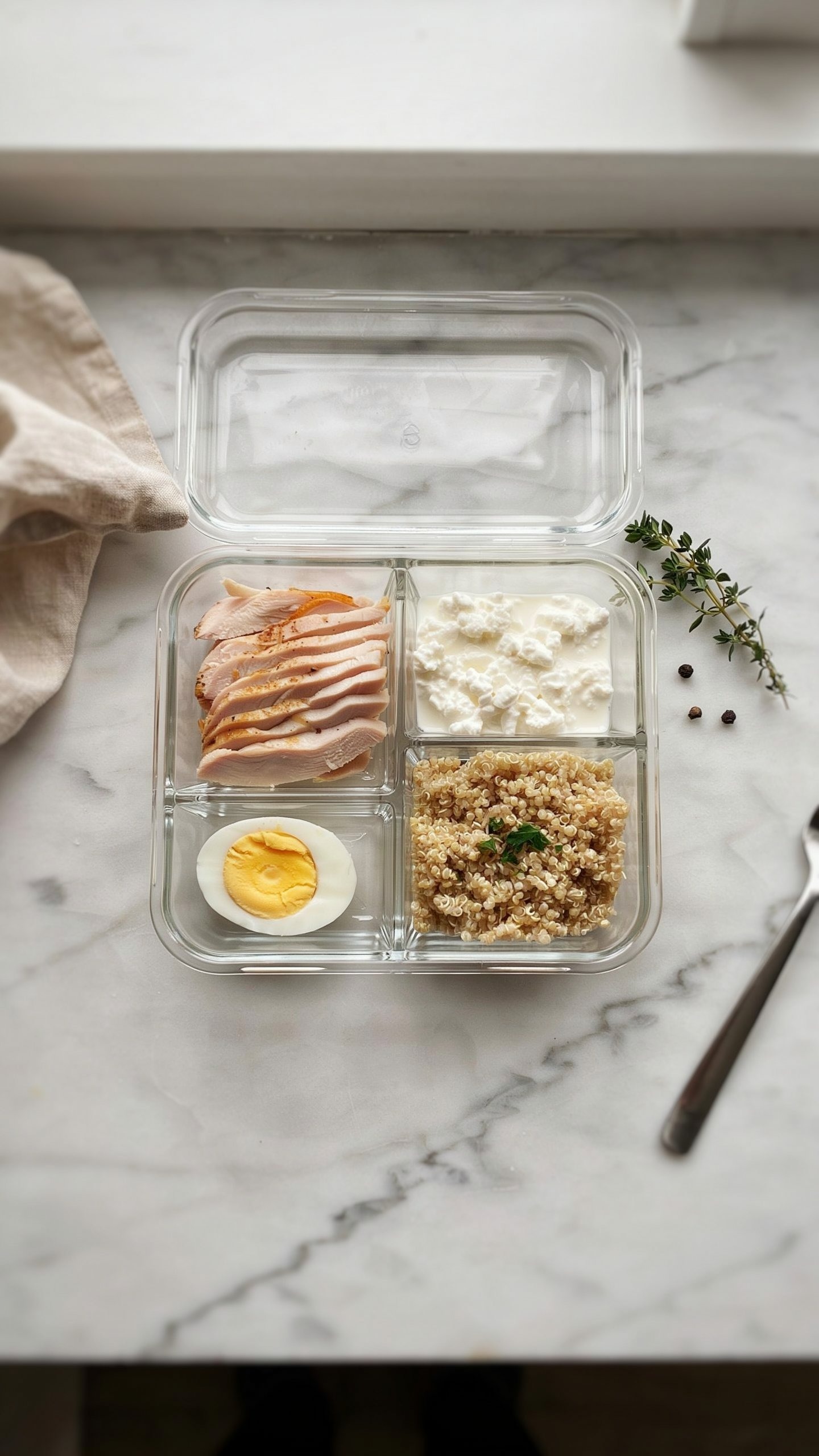
You want to know the “perfect” combination because you think it’ll unlock some hidden advantage. It won’t. What actually matters is amino acid density and digestibility timing. Think of protein combining like supply chain logistics: you’re not trying to create something new, you’re trying to move the same amino acids through your system faster and more completely. Mixing sources doesn’t create synergy. It creates redundancy or coverage gaps depending on what you choose.
- Animal plus plant proteins: Meat lacks certain minerals that legumes provide. Combining beef with lentils covers mineral gaps without needing supplements. This is coverage, not synergy.
- Complete proteins within one meal: Chicken plus rice or eggs plus oats deliver all nine essential amino acids at once. Your body doesn’t store amino acids between foods, so this matters.
- High leucine pairing: Whey protein or beef paired with dairy creates elevated leucine concentration per meal. Leucine triggers muscle protein synthesis more efficiently than other amino acids.
- Digestive enzyme matching: Fish plus ginger or chicken plus papaya enzyme isn’t magic. It’s basic enzymatic support. Your stomach handles it fine alone, but stomach acid and pepsin work faster with food enzymes present.
- Absorption spacing: Protein from bone broth absorbs slower than whey. Mixing them in one meal means whey hits your bloodstream first while broth still digests. This extends amino acid availability across two distinct windows.
Stop looking for the combination that “maximizes” protein. Just hit your target protein amount and vary sources across the week. Chicken, beef, fish, eggs, and plant sources all deliver amino acids. The difference between mixing them poorly and mixing them well is about five to ten percent of total amino acid utilization. The difference between eating enough protein and eating too little is thirty to forty percent of muscle retention.
Cooking Methods That Preserve Amino Acids
The common advice says “don’t overcook protein” as if heat destroys amino acids. It doesn’t. Heat denatures protein structure, which actually makes amino acids easier to access. What matters is moisture and temperature extremes. Boiling at 212 degrees Fahrenheit in water pulls some amino acids into the liquid, but you can drink the broth and recapture them. Dry heat above 350 degrees can create cross-links between amino acids that your digestive enzymes can’t break apart as efficiently, but this effect is minor for meal prep timelines.
Low temperature cooking under 160 degrees preserves texture and moisture, which helps you eat larger portions without satiation walls. Sous vide at 140 to 160 degrees holds protein in a tighter muscle structure, meaning you extract amino acids over a longer digestive window. This extends satiety. High heat searing above 300 degrees creates a crust that slows digestion slightly, also extending satiety. Your goal isn’t to preserve amino acids intact—it’s to control how fast your body absorbs them. Choose your cooking method based on whether you need fast amino acid delivery for post-workout meals or sustained delivery for lunch containers.
Debunking The Myths: What Your Gym Bro Got Wrong
Protein Overload Dangers: The Real Risks
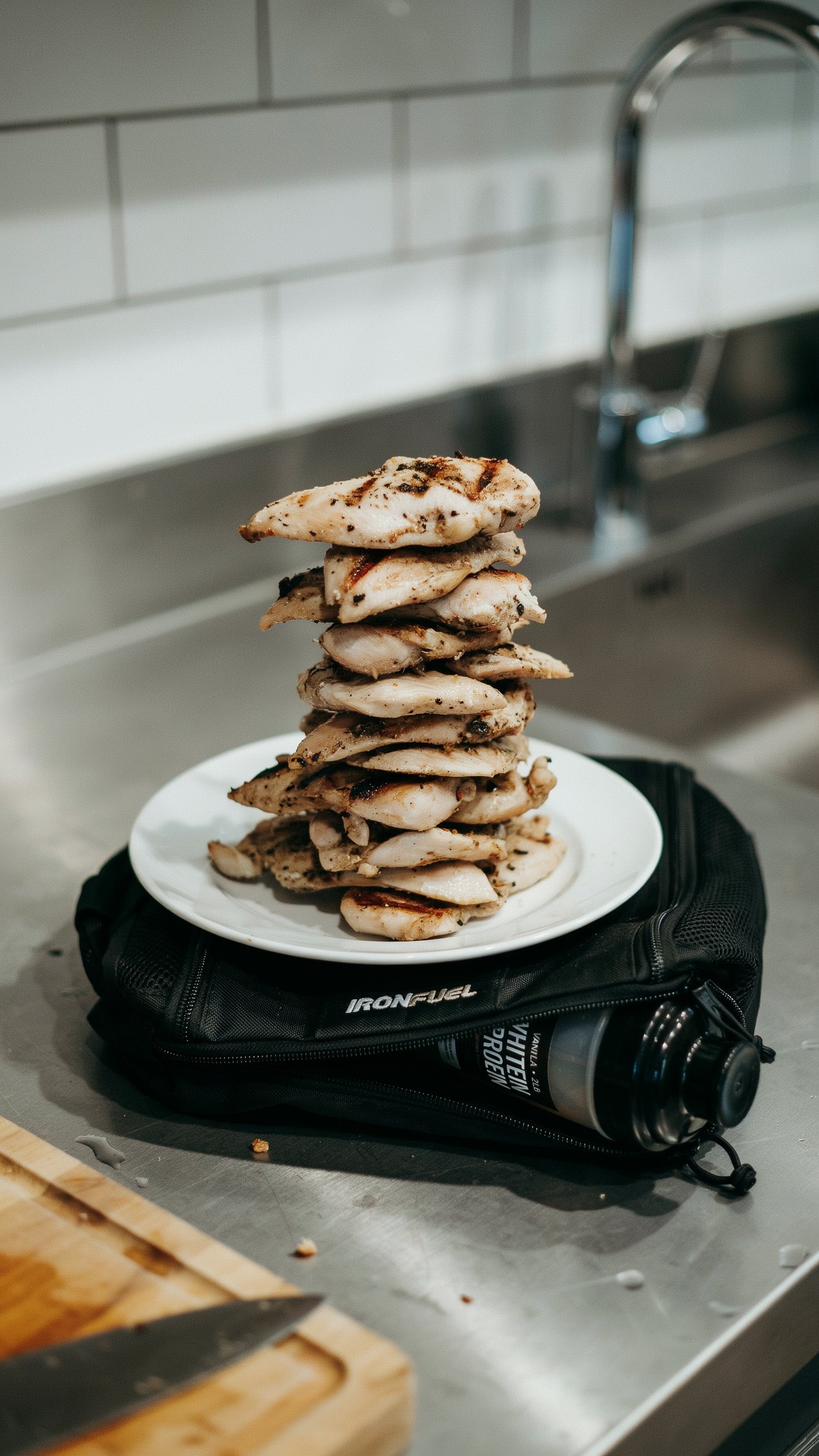
You’re reading this because you want permission to eat massive amounts of protein without consequences. Here’s the mechanism: your body has a ceiling for protein synthesis per meal, and past that point, excess nitrogen becomes metabolic waste your liver and kidneys process. Dumping 100 grams of protein into a single meal prep container doesn’t build more muscle than 40 grams does. The surplus just increases your body’s detoxification load for zero benefit.
The fitness industry profits from maximalist thinking. More is always positioned as better. But muscle protein synthesis plateaus around 0.8 to 1 gram per pound of bodyweight distributed across your daily meals, not consumed in one sitting. A 180-pound person hits maximum MPS with roughly 30 to 40 grams per meal. Anything beyond that taxes digestion and forces your kidneys to filter extra urea without adding muscle tissue.
Kidney Health: What Actually Happens
Biology calls this nitrogen balance, and it’s the governing constraint most people ignore when they ask about protein quantity per meal. Your kidneys filter metabolic waste, primarily urea from protein breakdown. High protein intake increases urea concentration in your bloodstream, forcing your kidneys to work harder. This doesn’t destroy healthy kidneys, but it matters if you already have kidney disease or are severely dehydrated during meal prep execution.
The consensus claim that high protein damages kidneys in healthy people is incomplete. What matters is total daily protein divided properly, hydration status, and meal frequency. Someone eating 200 grams split across five meals with consistent water intake stresses their system far less than 200 grams crammed into two meals while dehydrated. The real risk isn’t protein itself but the idiot move of overloading single containers without considering your kidneys’ actual capacity to clear nitrogen waste efficiently.
The Protein Multiplier: Leveraging Other Macros
Carbs And Fat Create Protein Efficiency
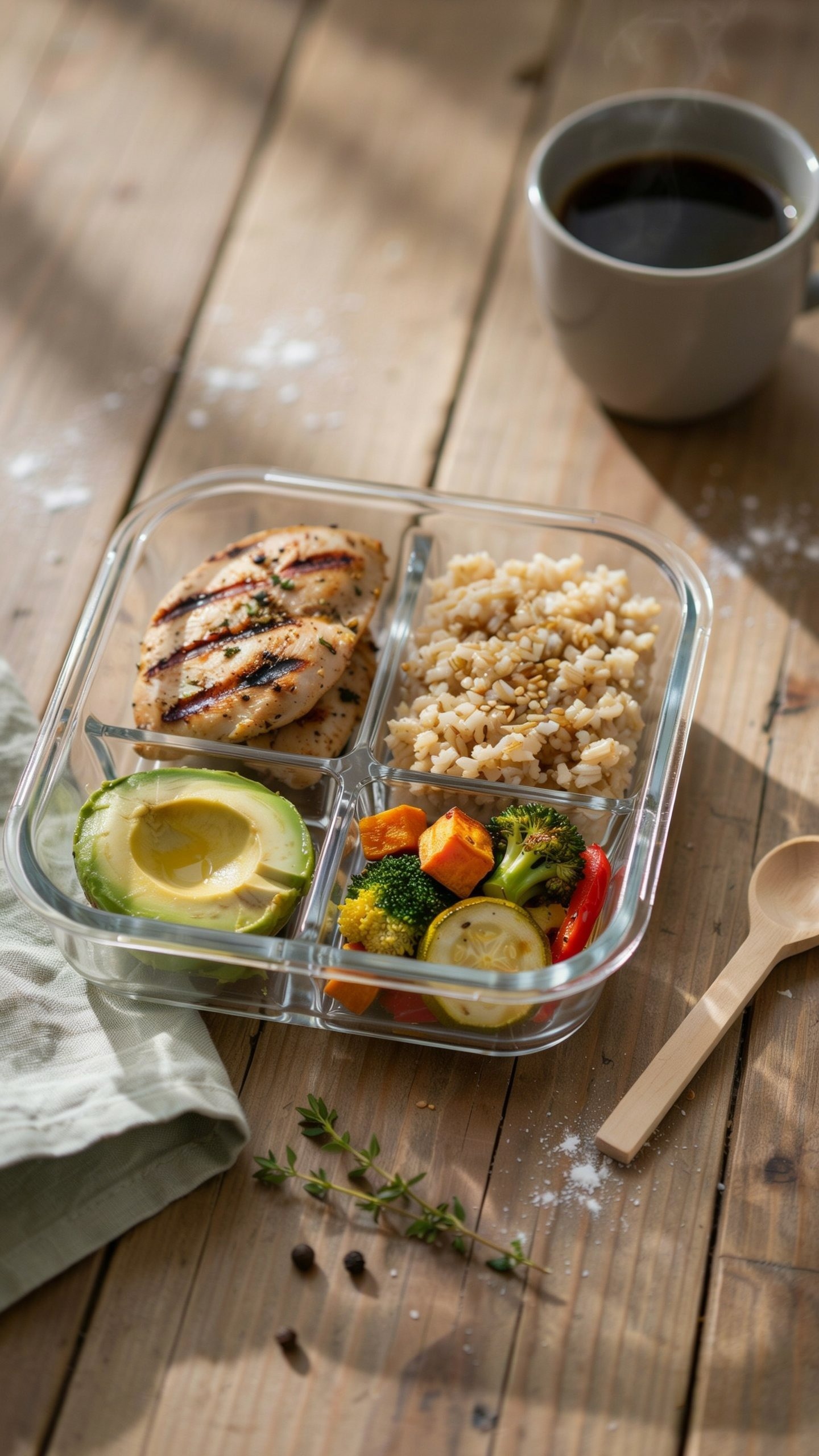
You want protein to do more work with less volume in your container. That’s the real ask here. In biochemistry terms, carbohydrates and fat act as protein-sparing agents, meaning they reduce the amount of amino acids your body burns for energy. When you eat carbs and fat alongside protein, your body preferentially oxidizes those macros for fuel instead of breaking down the amino acids you consumed. This shifts protein’s job from energy production to tissue repair and adaptation.
The practical mechanic: eat adequate carbs and fat in each container, and you lower the effective protein requirement for the same physiological outcome. A meal with 25g protein, 40g carbs, and 12g fat spares more amino acids than a meal with 35g protein, 10g carbs, and 4g fat. Most meal prep advice ignores this and just stacks protein arbitrarily. Pair your protein with slow carbs and dietary fat. This compounds over time and reduces total daily protein intake without sacrificing performance or satiation.
Fiber Shapes How Your Gut Uses Protein
Fiber doesn’t directly contain amino acids, but it controls the speed and completeness of protein absorption in your digestive tract. High fiber slows gastric emptying and extends the window of protein digestion. This means your intestines have more time to extract and utilize the amino acids you consumed, reducing waste and improving bioavailability. Low fiber meals cause faster transit, which can mean incomplete protein breakdown and amino acid malabsorption.
Add 5 to 8 grams of fiber to each meal prep container through vegetables, legumes, or whole grains. This stabilizes blood glucose, extends satiation, and ensures your protein actually converts into usable amino acids instead of passing through partially digested. When fiber is present, you extract more value from fewer grams of protein. Measure the fiber content of your prep ingredients, then adjust total protein downward by 3 to 5 grams per meal without losing results.
The real obstacle isn’t protein intake; it’s your flawed understanding of biological efficiency.
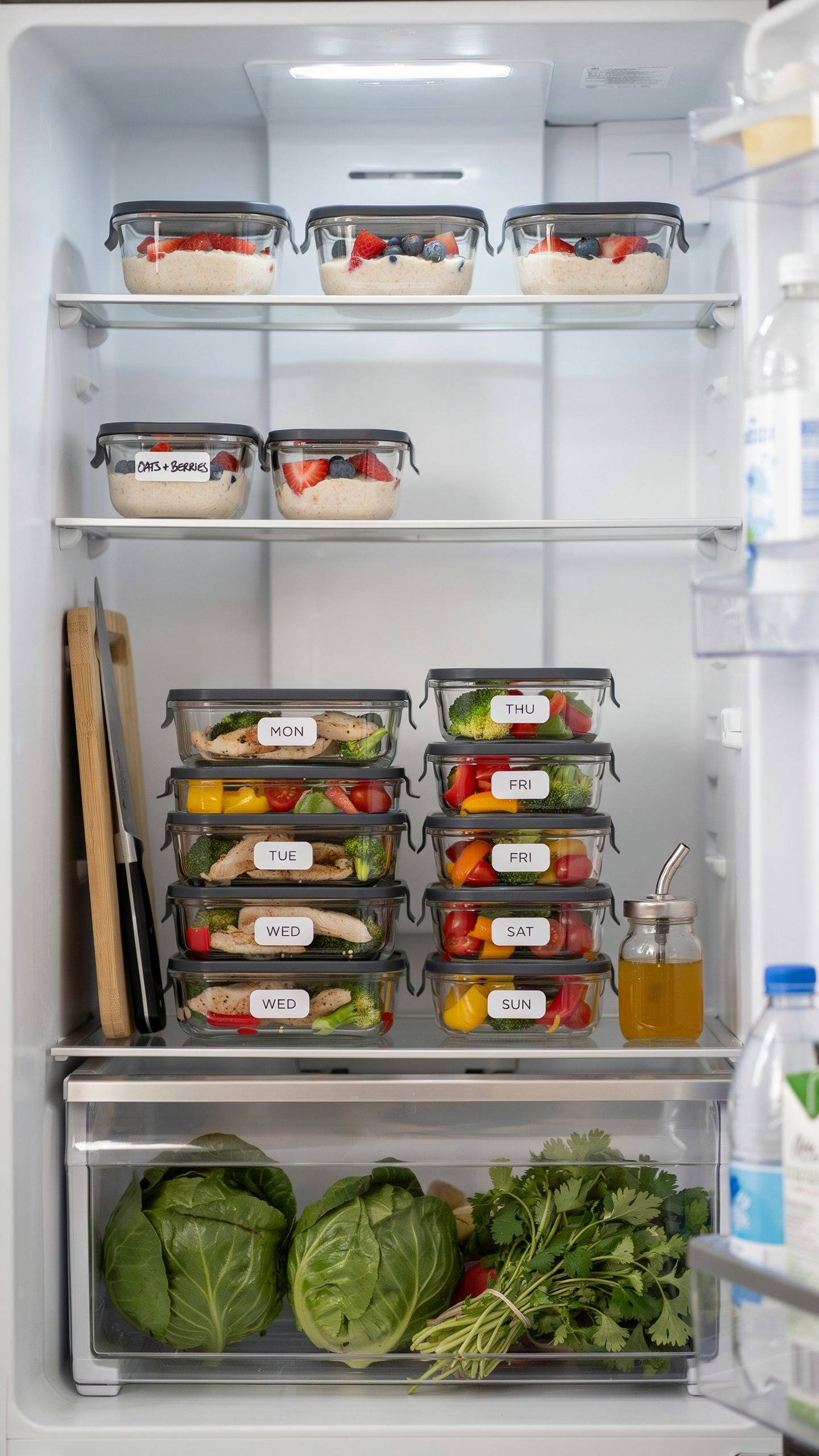
Most people obsess over hitting arbitrary protein targets and miss the actual game. Your body doesn’t care if you eat 30 grams or 40 grams per meal. It cares if you’re consistent enough to build muscle, recover fast enough to train hard, and disciplined enough to stick with it for months. Stop calculating percentages. Pick a number you’ll actually follow, then track it for eight weeks. Your results will tell you everything your spreadsheet can’t.