
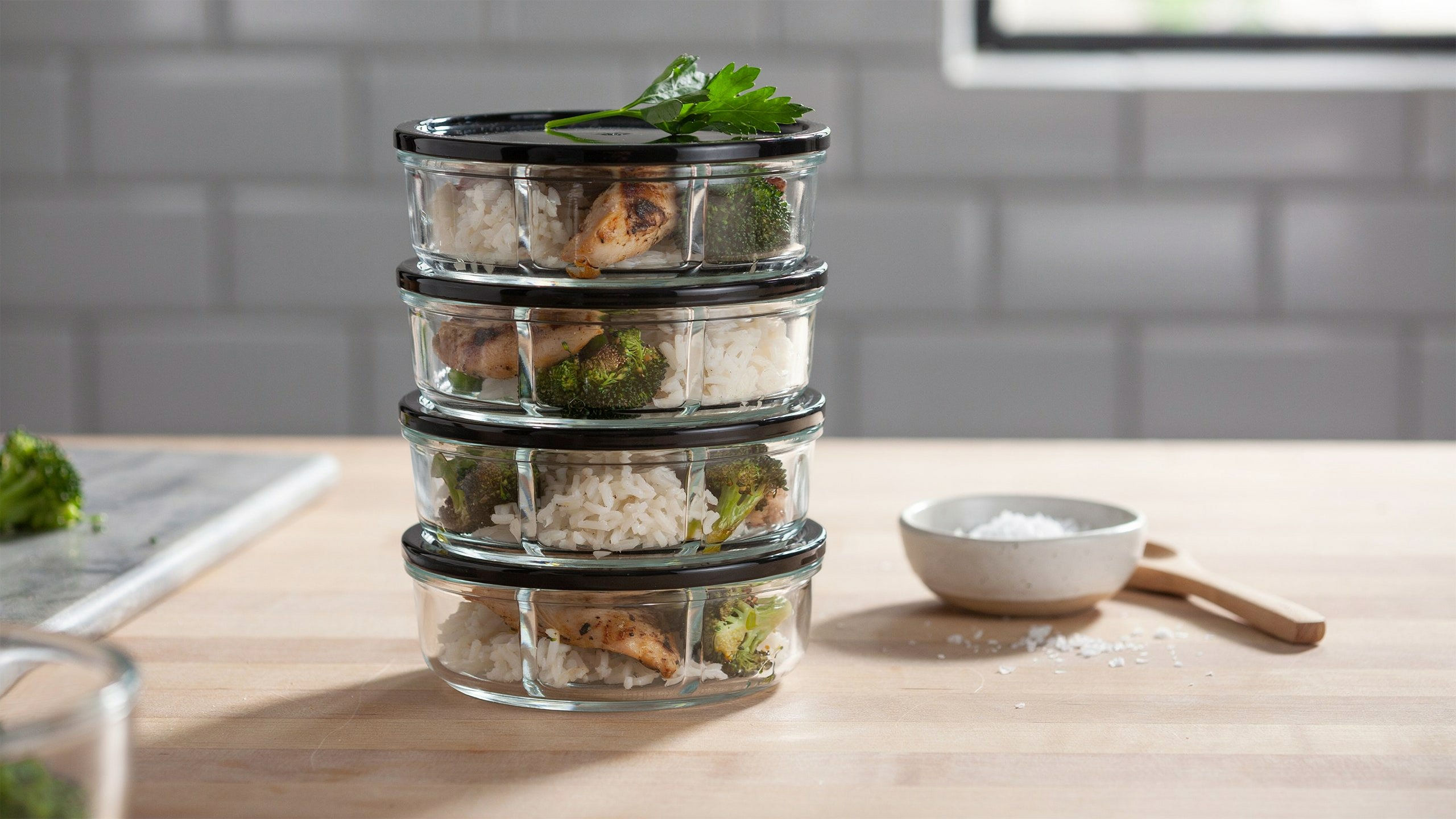
The Minimalist’s Manifesto: Why Less Prep Is More Protein

Pick One Protein And Repeat It
You want to feel like you’re doing something sophisticated, but complexity is the enemy of consistency. Most beginners fail meal prep because they treat it like cooking, not manufacturing. Chicken breast works. Ground beef works. Canned tuna works. Pick one. Master it for two weeks before adding a second option. Repetition builds speed and removes decision fatigue from the process.

The mechanism is simple: your body adapts to repeated movements, your kitchen rhythm tightens, and your shopping list shrinks to three items. You stop optimizing and start executing. A single protein source eliminates the mental overhead that kills momentum. You’re not choosing between four proteins each Sunday. You’re making the same thing twice, measuring results, then moving on.
Cook One Way Until It’s Automatic
Common advice tells you to bake, grill, and slow cook to keep things “interesting.” That’s wrong. Baking chicken breasts in bulk is faster than grilling them individually. Boiling ground beef is faster than browning it in a pan. Speed is the constraint you’re optimizing for, not novelty. Use industrial-scale methods from commercial kitchens, not home cooking techniques.

Pick the fastest cooking method for your chosen protein and run it on repeat. A sheet pan in the oven or a large pot on the stove beats any other approach for volume. You reduce the number of pans, timers, and variables. The first week feels mechanical. By week three, you’re on autopilot. That autopilot state is where real consistency lives. Set your oven to 375 degrees, lay out seasoned chicken on a sheet pan for 25 minutes, and do nothing else until it’s done.
The 80/20 Rule For Easy Nutritional Meals
Stop Optimizing The Wrong Variables
You want meal prep to feel effortless because you’re afraid it won’t stick. Here’s the mechanism: most beginners obsess over meal timing, macro ratios down to the gram, and rotating five proteins. That’s optimization theater. You’re solving the wrong problem. Economics calls this principle “diminishing returns”—the first 20% of effort compounds into 80% of results, but everything after that requires exponential work for marginal gains. In meal prep, those first variables are ingredient selection and batch cooking discipline, not spreadsheet perfection.
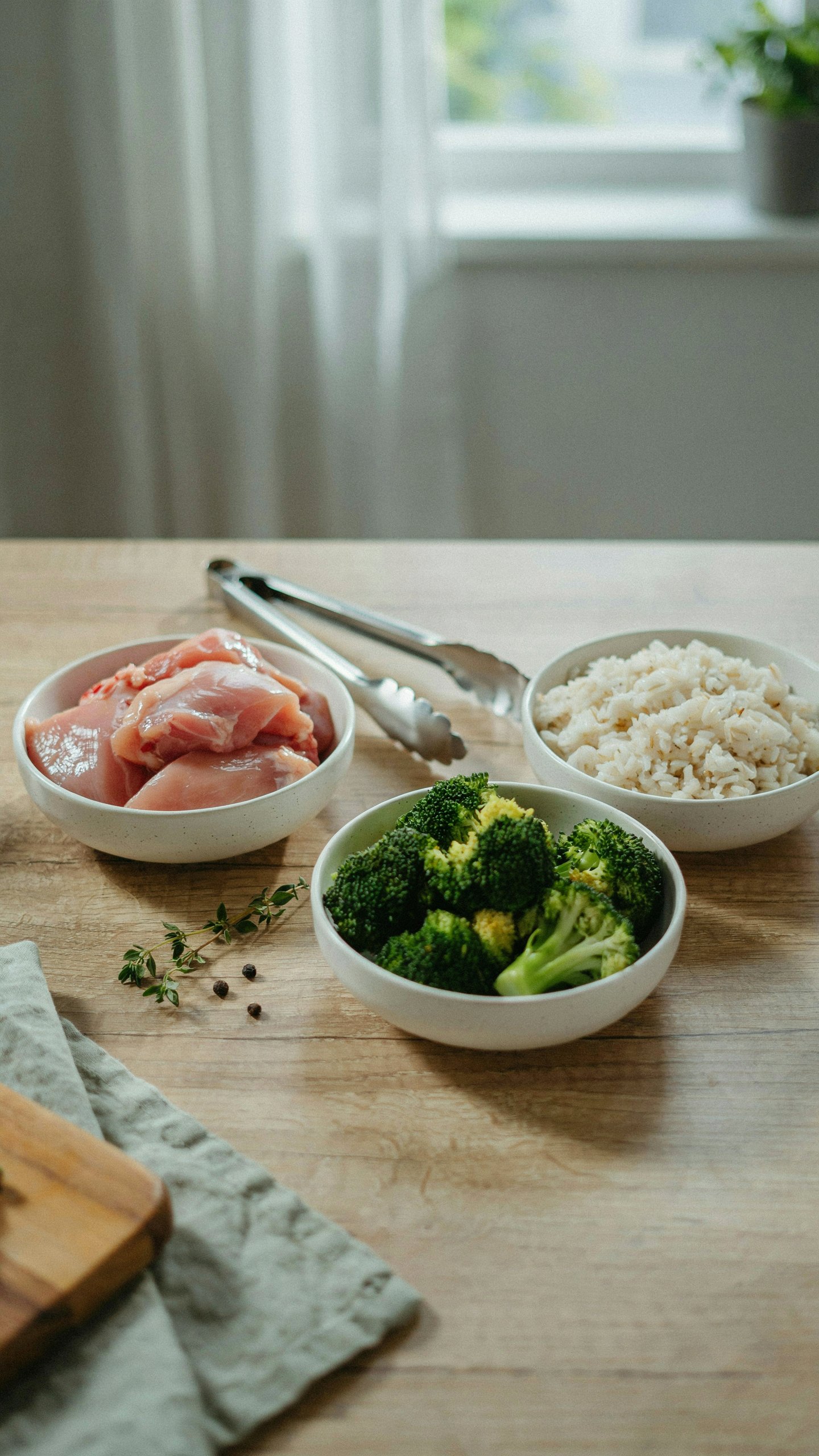
The common advice tells you to “find balance” and “track everything.” Wrong. Stop tracking. Pick three proteins, three carbs, and three vegetables. Cook them in volume. Eat them across the week. That system removes decision fatigue, cuts prep time, and delivers protein consistently. You don’t need optimization; you need a repeatable protocol that requires no willpower.
The Ingredients That Do 80% Of The Work
High-impact ingredients aren’t trendy or expensive. They’re chosen by density and ease, not marketing. Chicken thighs, ground beef, and canned tuna demand minimal technique and deliver protein reliably. Rice, oats, and potatoes are carb anchors that don’t require precision cooking. Frozen broccoli, canned beans, and spinach skip the prep work that kills momentum. These aren’t the only options, but they’re the ones beginners should start with because they tolerate slight mistakes and cook in predictable timeframes.
The mechanism here is friction removal. You prep what’s easy to prep. Easy ingredients mean you actually finish the task instead of abandoning it halfway through the week. Pick one protein, one carb, and one vegetable. Buy enough for eight meals. Cook it all on Sunday. That single protocol compounds into thirty to forty meals monthly without decision-making. Consistency beats complexity every time.
Batch Cooking Like A Boss: Protein Dense Recipes

One Pan Protein Foundations
You want this section to work because you’re afraid batch cooking will trap you in a kitchen for six hours on Sunday. Here’s the real mechanism: constraint breeds efficiency. In systems design, this principle states that removing variables accelerates output. One-pan and slow-cooker meals do exactly that—they collapse your decision tree from ten cooking methods down to one, which eliminates the friction that kills consistency.
A sheet pan with chicken thighs, root vegetables, and olive oil at 425 degrees for thirty minutes requires one cleanup. A slow cooker with ground beef, beans, and tomato sauce needs five minutes of prep and eight hours of nothing. Both deliver four to six servings of complete protein without technique complexity. Pick one method. Master it for two weeks before adding a second. This isn’t about variety—it’s about automation.
Strategic Leftover Architecture
Everyone says “plan your leftovers.” That’s useless advice because it assumes you know what you’ll want to eat in four days. Build instead around protein conversion: the same base protein transforms into different meals based on minor modifications. Shredded chicken becomes a burrito bowl base on day two and chicken salad on day four. Ground beef becomes taco meat, then bolognese, then cottage pie filling. You’re not planning leftovers—you’re architecting repurposing chains.
Track what actually gets thrown away for one week before your next prep session. Document the meal, portion size, and why it went uneaten. The pattern reveals whether you’re prepping too much volume, too narrow a flavor profile, or meals that don’t align with your actual eating windows. Adjust your next batch based on this data, not on guessing. Most waste happens because prep yields too many identical meals, not because leftovers spoil.
The “Stacking” Method: High Protein Meal Prep Ideas
Prep Components, Not Finished Meals
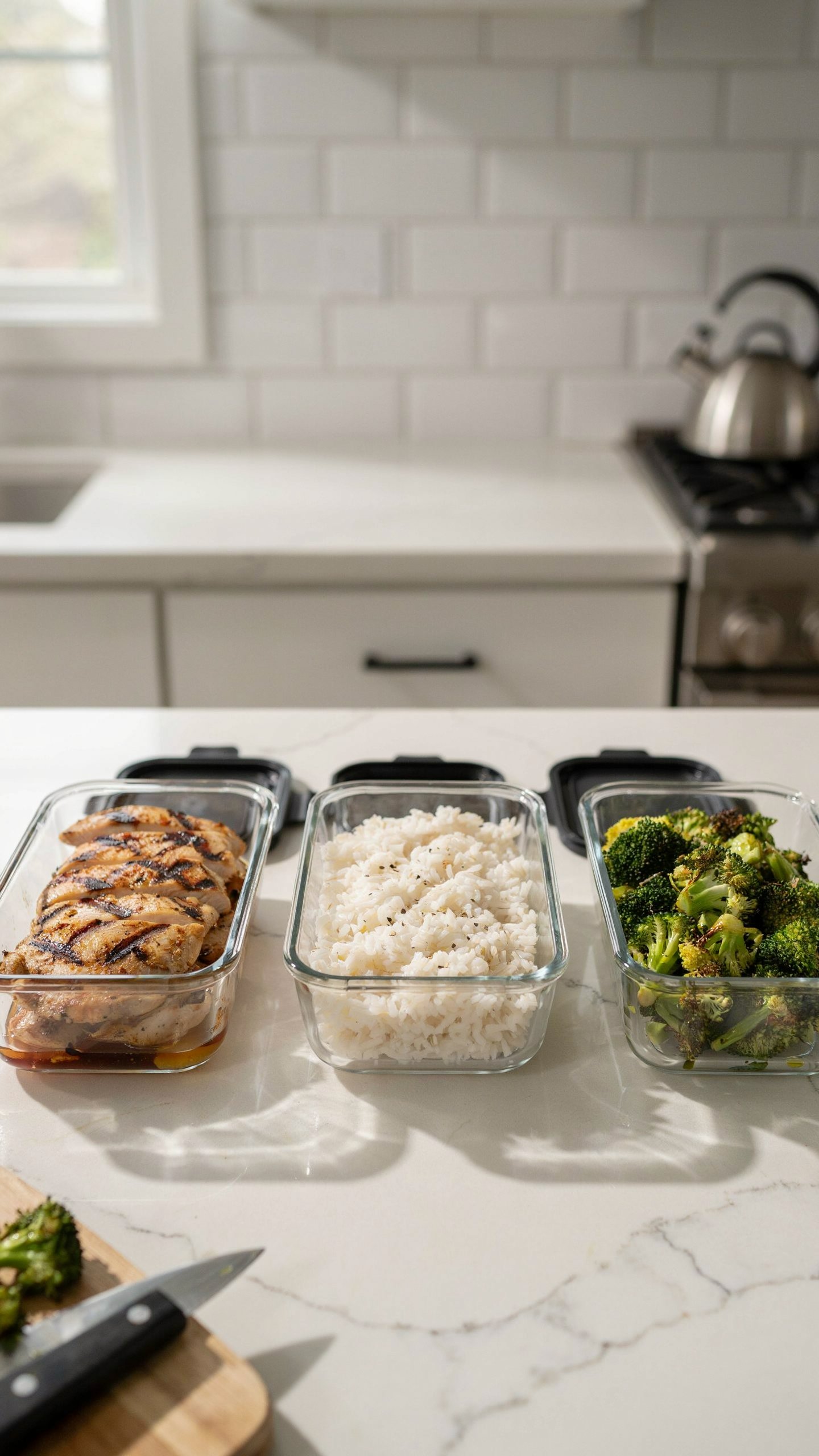
You want the shortcut to looking like you have your life together without actually doing the work twice. Here’s what nobody says plainly: the reason meal prep fails is because you’re treating it like cooking. You’re not. You’re manufacturing. This is an assembly line problem, not a recipe problem. Batch one protein source. Batch one carb source. Batch one fat source. Cook them separately, store them separately, combine them differently each day.
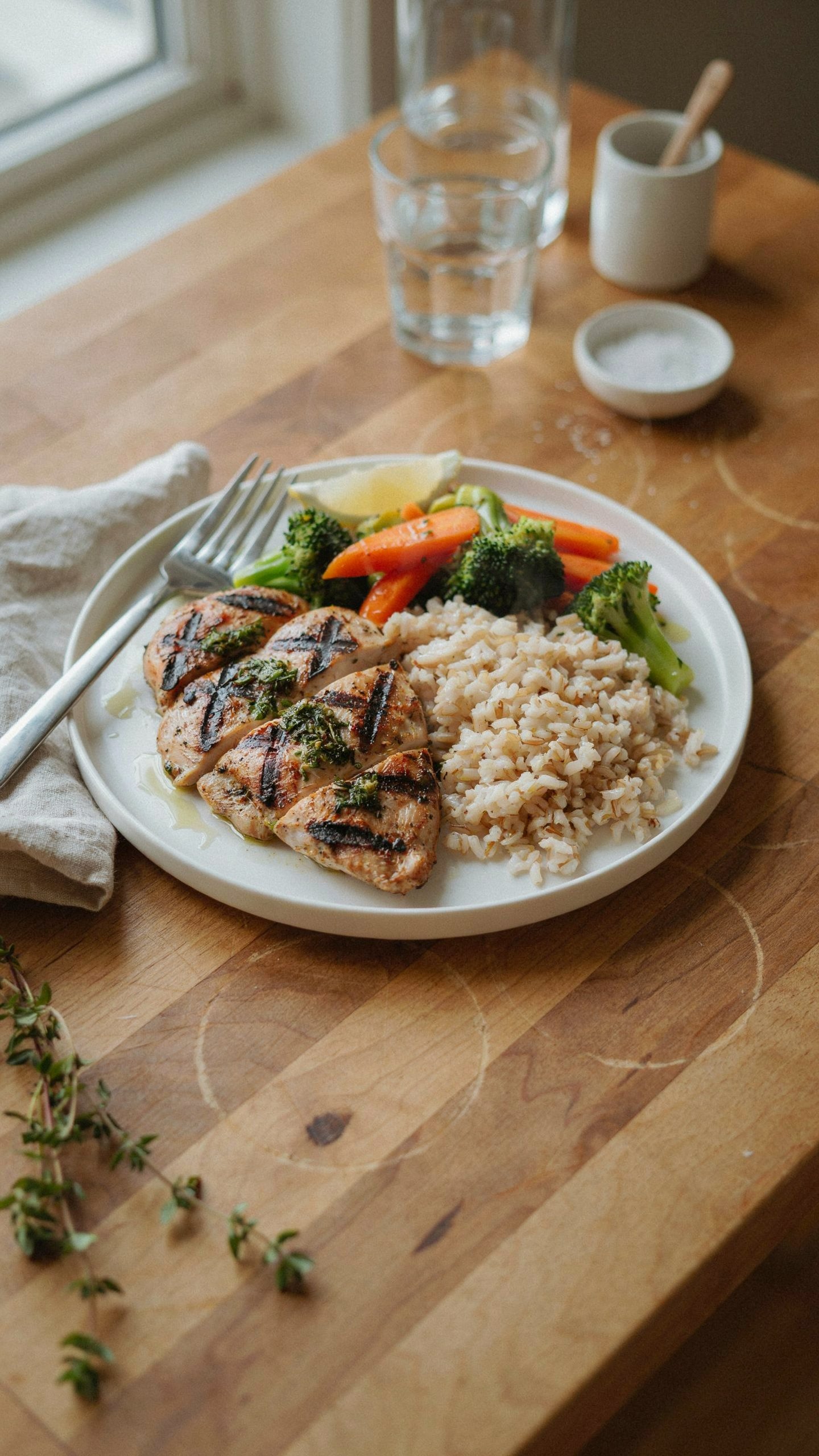
The mechanism is simple. Separate cooking reduces variables. Chicken breast cooked alone reaches target temperature faster and more consistently than chicken mixed with rice and vegetables. You control doneness, seasoning, and storage independently. A single batch of grilled chicken breast lasts five days in an airtight container. A single batch of white rice lasts six. A single batch of roasted broccoli lasts four. You prep once, build seven different meals. Most people cook everything together and wonder why half of it is mushy by Thursday.
Build Variety From Limited Inventory
Combine the same three components in different ratios and you’ve erased the biggest complaint about meal prep: eating the same thing every day. This isn’t a new idea. It’s how restaurant kitchens work. They cook proteins, starches, and vegetables as standalone components, then plate them differently based on the order. You’re doing exactly that.
Take chicken, rice, and broccoli. Monday is a 1:1:2 ratio (protein to carbs to vegetables). Tuesday is 1:2:1. Wednesday is 2:1:1. Your palate perceives variation. Your prep stays identical. Add a different sauce each day, rotate your fat source between olive oil and butter, swap the vegetable while keeping the same cooking method. You’re solving for boredom with logistics, not with recipe complexity. The action: prep five proteins, three carbs, four vegetables this week. Track which combinations you actually ate.
The “Energy Economy” Protocol: Maximizing Output, Minimizing Input
Stop Optimizing The Wrong Variable
You want meal prep to feel effortless because you’re secretly terrified it won’t stick, and effortless things stick. Here’s what actually matters: Economics teaches diminishing returns—the principle that each additional unit of effort produces less benefit than the last. In meal prep, this means cooking for seven days returns more value than cooking for fourteen. Most beginners cook too much, spend too long, then quit. The mechanism is simple. You have a finite energy budget per week. Spend it all on prep, and you have nothing left for consistency.
The real question isn’t how to make prep faster. It’s how to identify the exact point where additional prep time stops paying dividends and starts burning you out. That threshold exists for everyone, and it’s lower than you think. Find it by starting with three days of meals, not seven. Assess how you feel after the session. If you’re drained, you’ve gone too far. If you still have energy, you can add one more day. This calibration takes two weeks. Do it once, and you’ll never waste prep time again.
The Return On Energy Investment
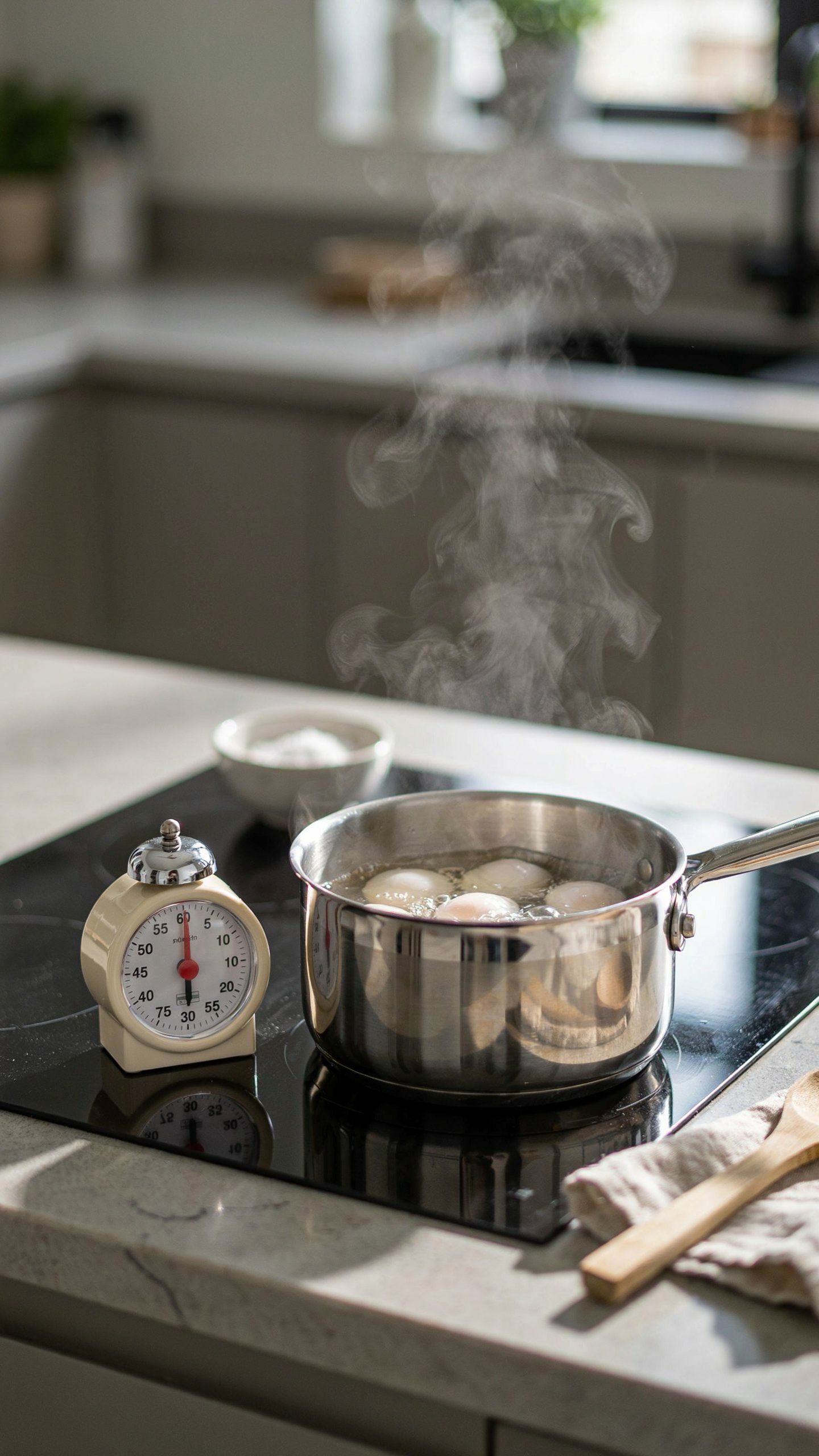
Protein sources vary wildly in prep difficulty, and most advice treats them equally. That’s wrong. Chicken breast demands more active time than ground turkey. Eggs demand less than either. Canned fish demands almost nothing. Economics calls this efficiency—output divided by input. In meal prep terms, you’re measuring protein grams per minute of your actual hands-on time, not cooking time. Ground turkey wins here because it cooks fast, portions easily, and requires zero knife work. Eggs win harder because you literally just boil water. Canned fish wins hardest because you open a can.
Build your prep around these high-efficiency proteins first. This isn’t about cost or taste—it’s about protecting your energy for the one variable that determines long-term success: whether you actually do it again next week. Choose two proteins that require minimal active time. Rotate them weekly. The moment prep stops feeling like a chore, you’ve hit the threshold. Your prep session should take forty-five minutes to ninety minutes total, start to finish, for three days of meals. If it takes longer, you’ve chosen the wrong proteins or the wrong quantities.
Beyond The Myth: Debunking “Perfect” Balanced Meal Prep Ideas
Stop Chasing The Macro Formula
You want the perfect ratio because it feels like control. Here’s what actually matters: consistency beats precision. Most beginners obsess over hitting exact macros—70 grams of protein, 40 grams of fat, 120 grams of carbs—when the real mechanism is adherence. A meal you’ll actually eat at 65 grams of protein beats a “perfect” one you skip. Your brain remembers convenience, not nutritional purity. Start with meals you can repeat without thinking, then adjust protein upward incrementally once the habit sticks.
The macro targets floating around online come from bodybuilders and athletes operating under specific conditions you probably don’t have. Your starting point is simpler: pick a protein target for the week, hit it roughly four days out of seven, and track what happens to your body. Precision compounds later. Right now you need evidence that the system works, not a spreadsheet that collapses under its own complexity.
Balance Emerges From Repetition
Biology teaches us that homeostasis is not a fixed state but a process of constant adjustment. The same principle applies to your meal prep: nutritional balance happens through cumulative choices over weeks, not individual meals. One prep day where you nail perfect balance means nothing. Ten prep days where you consistently include protein, vegetables, and a carb source means everything.
Build your first month around one repeatable template. Chicken or beef, one vegetable, one carb source, one fat. Make the same four meals for two weeks. In week three, add variety by swapping one ingredient. This approach lets your body and preferences adapt without overwhelming decision fatigue. Your second month’s meals will be better informed because you have data from repetition, not guesswork from theory.
Your First Week: A Protein Packed Meals Playbook

Pick Three Protein Sources And Stop
You want to feel like you’re doing something sophisticated, but constraint is what makes this work. Here’s the mechanism from decision theory: every choice you add creates friction. You’ll freeze at the store, second-guess yourself, and abandon the system. Three sources means you rotate them, build repetition, and actually execute. Repetition is how you move from “trying” to “doing.”
- Chicken Breast: Leanest option, versatile across cuisines, costs less per gram of protein than most alternatives. Cook a batch Sunday, use it across five days of meals.
- Ground Beef 93/7: More satiating than chicken, higher micronutrient density, worth the slightly higher cost. Brown two pounds at once, portion into containers immediately.
- Eggs: Cheapest protein per serving, cooks in minutes, no waste. Hard boil a dozen on Sunday and grab them for snacks or breakfast prep.
- Greek Yogurt: Dual purpose as a protein source and a base ingredient for sauces and sides. Buy plain, not flavored, to avoid sugar creep into your totals.
- Canned Tuna: Shelf stable, requires zero cooking, high protein density. Underrated because it feels boring, but boring is the point when you’re building consistency.
The specificity matters because you’re not building a gourmet system yet. You’re building a data point. Cook these three sources once, measure how much protein each yields, write it down. That number becomes your reference point for every future prep session. Guessing kills compliance.
Sixty Minutes Is Your Entire Operation
Most advice says “prep all seven days.” That’s incomplete because it ignores the real constraint: human attention span during a single session. Sixty minutes is the window before your motivation collapses and you start cutting corners. Work within it.
Here’s what actually happens in that hour: fifteen minutes for setup and washing, thirty-five minutes for active cooking, ten minutes for cooling and containerization. You’re not meal prepping for the entire week. You’re doing a Sunday cook that covers three to four days. Then you repeat Wednesday night. This rhythm means fresher food, higher compliance, and no decision fatigue. Split the work instead of frontloading it all at once.
Sustaining The Machine: A Meal Plan For Protein Mastery

Build Once, Execute Forever
You want this to feel effortless because you’re tired of motivation failing you. The mechanism is simple: willpower depletes. Decision fatigue is real biochemistry, not weakness. You combat it by removing decisions entirely. Pick three proteins, three carbs, three vegetables. Repeat them weekly without variation. Same prep day, same containers, same portions. The repetition isn’t boring—it’s the point. Boredom is freedom from choice.
Your first month looks identical to your second. This isn’t laziness. This is how you train your nervous system to stop treating meal prep as a problem to solve. You cook on Sunday. You portion on Sunday. You eat the same four meals across seven days. The routine becomes automatic. Automation is where consistency lives.
Measure, Then Adjust
Everyone says “listen to your body” and then wonder why they plateau. That’s incomplete advice masking a real action: you need baseline data before you change anything. Weigh your protein portions for two weeks. Track what you eat. Notice your energy, digestion, and body composition response. Only then do you adjust. Guessing is how people waste months.
The iteration loop works like this: one variable changes per week. More protein? Track results for five days minimum. Less carbs? Same window. You’re not reinventing the system every Monday. You’re testing one hypothesis at a time and measuring the outcome. Write down what works. Delete what doesn’t. Your meal plan becomes a living document that actually reflects your biology instead of internet theory.
Your biggest obstacle isn’t the kitchen; it’s your resistance to disciplined simplicity.
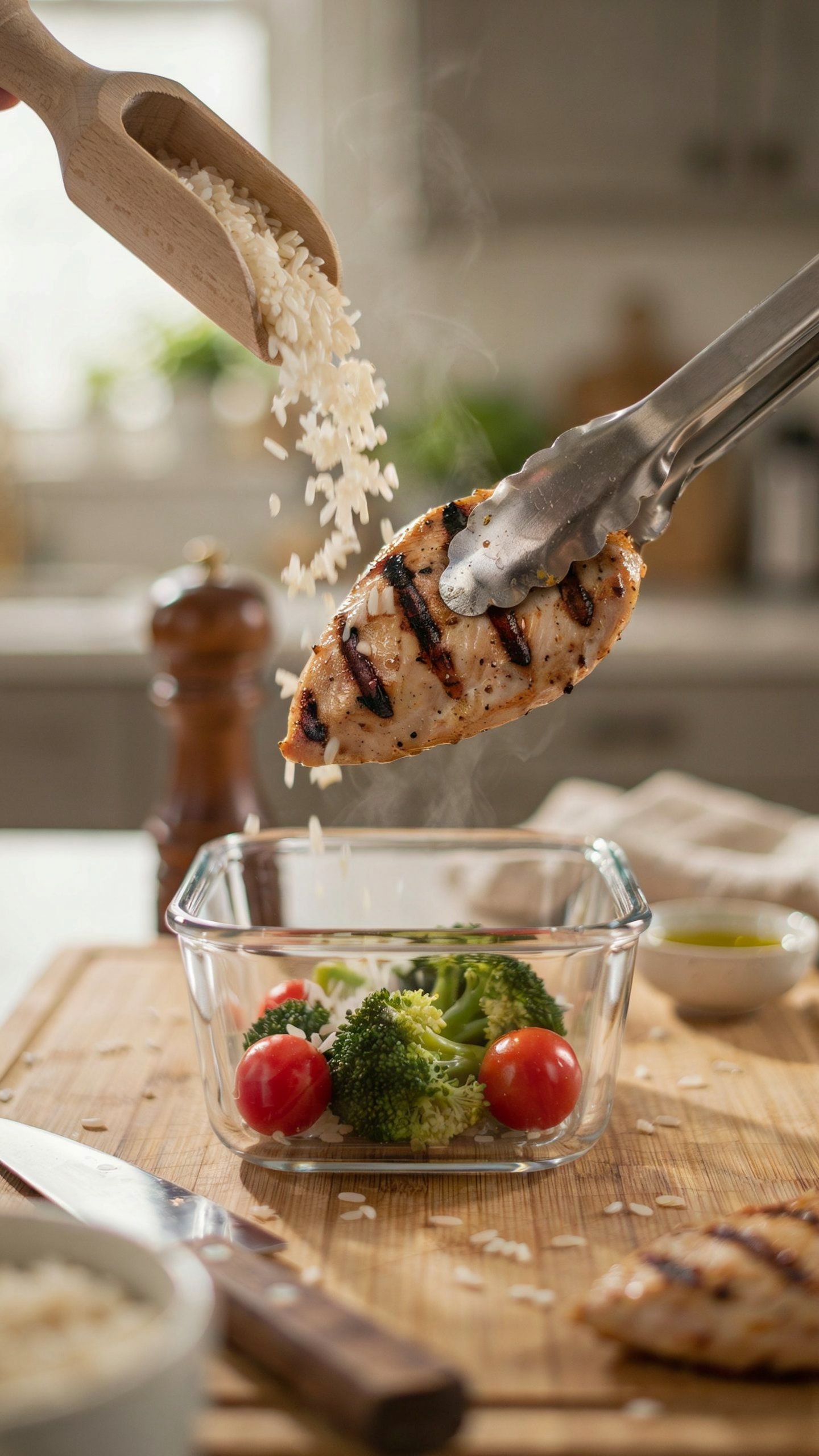
Most people fail at meal prep because they chase perfection instead of consistency. You don’t need fancy recipes or expensive equipment. You need to cook the same three proteins and two carbs every Sunday for the next eight weeks without question. Pick your proteins now. Buy them tomorrow. Cook them Sunday. The gap between wanting results and accepting boredom is where transformation happens.