

What Is A 28 Day Healthy Eating Plan And Why 28 Days Works
The Science Behind 28 Days Of Habit Formation
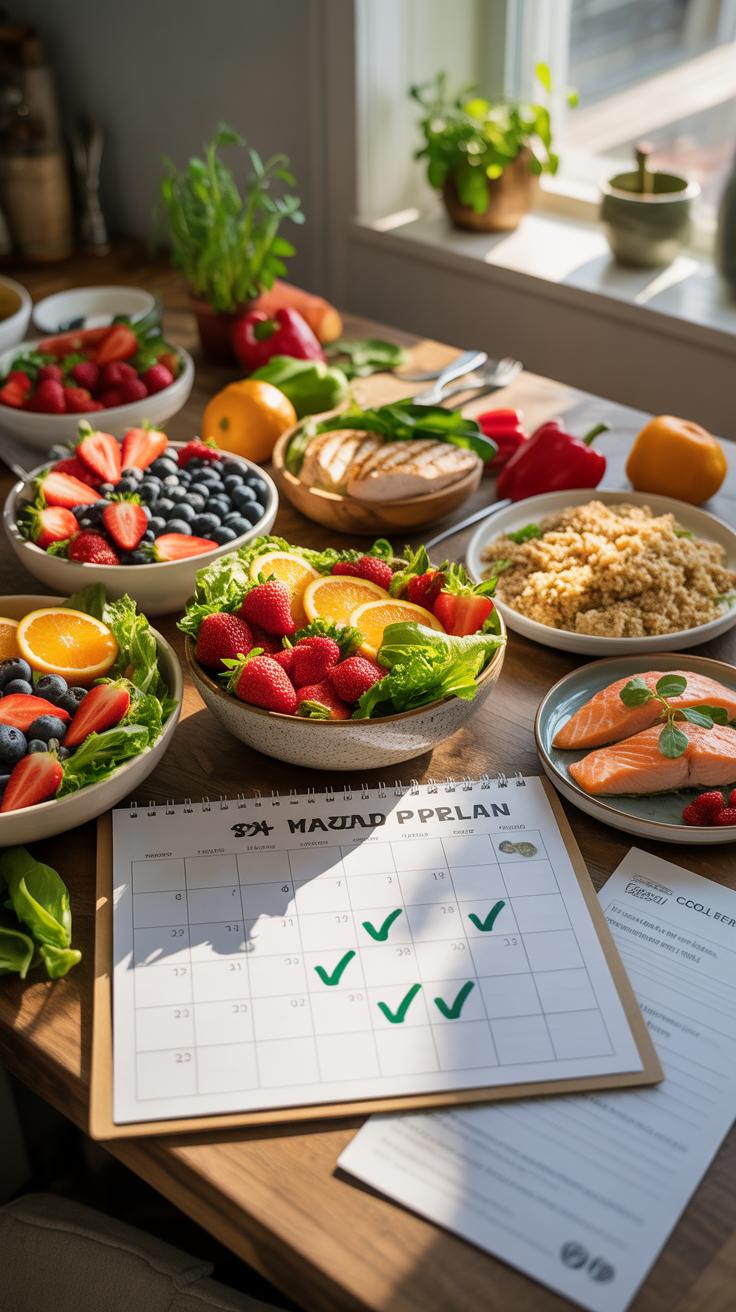
Maxwell Maltz originally observed that patients required about three weeks to adjust to physical changes. Modern research from University College London suggests complex habits like nutrition take longer to solidify. A 28 day cycle provides a sufficient window for neurological pathways to reorganize. This period allows the brain to move from conscious effort to automatic execution. Repetition over four weeks creates the necessary mental friction to overwrite old patterns.

This duration works because it covers a full human biological cycle. Most people experience varying hunger cues and social pressures within a month. Completing 28 days forces you to navigate these triggers at least once. By day 21, the initial resistance usually fades. The final week serves to lock in these new behaviors. Following this timeline ensures the change is not a temporary spike but a sustainable shift in your daily lifestyle.
How A Structured 28 Day Diet Plan PDF Can Keep You On Track
Decision fatigue ruins most nutrition attempts. A structured digital document removes the need for daily choices. When you follow a set plan, you save mental energy for execution rather than planning. A static PDF serves as a hard contract with yourself. It provides a visual roadmap that eliminates ambiguity. You know exactly what to buy and eat every day for the next four weeks.
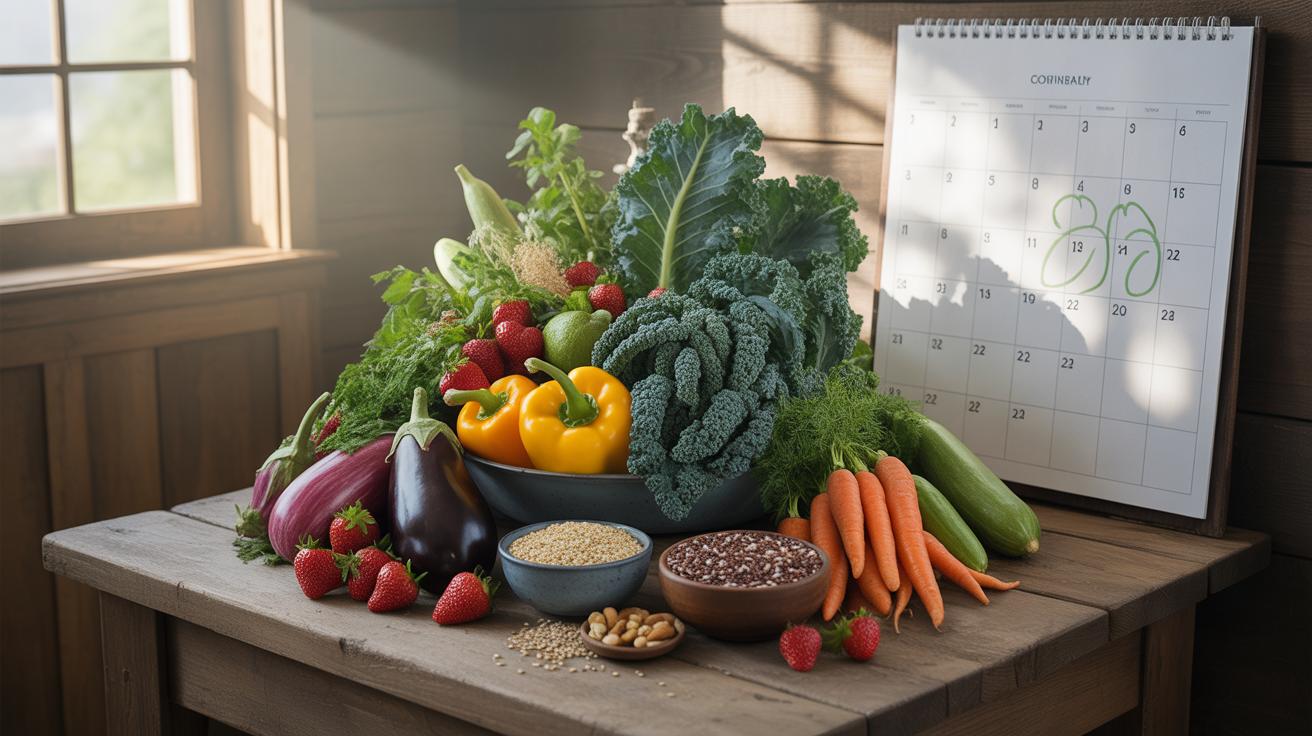
Data shows that tracking progress increases success rates. A physical or digital guide allows for quick referencing during high stress moments. It acts as a preventative tool against impulsive eating. Having a set schedule forces logistical preparation such as meal prepping and bulk shopping. This structure creates an environment where healthy choices become the path of least resistance. You stop guessing and start following a proven tactical framework.
Setting Realistic Goals With A Diet Meal Plan For Weight Loss Made Easy

How To Define Your Health Goals Before Starting The 28 Day Reset
Success requires clear metrics. You must define what victory looks like before you change your grocery list. Most people fail because their goals are too vague. Do not just say you want to be healthy. Map out specific targets for body composition, energy levels, or blood markers. This clarity prevents you from quitting when the initial excitement fades after the first week of changes.
Standardize your measurement methods today. Use a scale, a waist tape, or performance markers like resting heart rate. Log these numbers to establish a baseline. You need hard data to track progress over the next four weeks. This objective approach removes emotion from the process. It keeps you focused on the facts of your biological transformation rather than how you feel on any given morning.
Caloric Balance And Nutrient Targets: What The Research Actually Says
Weight loss follows the laws of thermodynamics. You must create a caloric deficit to burn stored fat. Research shows that a moderate deficit of five hundred calories per day is sustainable. Extreme caloric restriction often leads to muscle loss and metabolic slowdown. Prioritize hitting your total daily energy expenditure targets to ensure steady progress. This scientific approach ensures that your weight loss comes from fat, not lean tissue.
Macros determine how you feel and function during the reset. Protein is the most critical macronutrient for satiety and muscle preservation. Aim for one gram of protein per pound of target body weight. Fill the rest of your target calories with fats for hormone health and carbohydrates for fuel. High fiber intake from whole foods improves digestion and keeps you full. Balance these nutrients to maintain high performance while shedding weight.
Building Your Low Carb Grocery List For The Full 28 Days

Pantry Staples And Fresh Foods To Stock Before Week One Begins
Success in a 28 day healthy eating plan requires a foundation of shelf stable fats and proteins. You must clear out high glycemic triggers and replace them with nutrient dense essentials immediately. This preparation prevents impulse decisions during the first week when cravings are strongest. Focus on items that support metabolic health and provide consistent satiety without causing insulin spikes.
- Healthy Cooking Fats: Extra virgin olive oil and avocado oil provide stable lipids for high heat cooking and dressing. These fats offer essential monounsaturated fatty acids that support heart health. Avoid processed seed oils to reduce systemic inflammation throughout the 28 day cycle.
- High Quality Proteins: Stock canned wild caught sardines, tuna, and frozen grass fed beef or poultry. Protein is the most satiating macronutrient and preserves lean muscle mass during a caloric deficit. Ensure you have enough supply to meet daily targets without frequent store trips.
- Fibrous Vegetables: Buy cruciferous vegetables like broccoli, cauliflower, and kale in bulk. These plants contain high fiber content which regulates digestion and slows glucose absorption. Fresh greens should be used early in the week while frozen varieties provide back up options for later.
- Raw Nuts and Seeds: Keep almonds, walnuts, and chia seeds for quick snacks and texture. These items deliver healthy fats and minerals like magnesium which many people lack. Choose unroasted and unsalted versions to avoid hidden additives and excessive sodium intake that causes bloating.
- Low Glycemic Aromatics: Onions, garlic, and fresh ginger add flavor without adding sugar or empty calories. These staples contain bioactive compounds that support the immune system and improve metabolic rate. Using whole spices instead of pre made sauces prevents hidden sugar consumption during your meal prep.
Fresh produce requires a strategic rotation to maintain peak nutrient density. Purchase hardy vegetables like cabbage or peppers that last longer in the refrigerator. Use delicate leafy greens within the first three days to minimize food spoilage. Consistent stocking ensures you never lack the ingredients necessary to follow the prescribed meal structure and maintain dietary discipline.
How To Shop Smart, Reduce Waste, And Stay Within Budget
Inventory management is the most effective way to control your food costs. Check your cupboards before every trip to avoid duplicating items you already own. Stick to the perimeter of the grocery store where retailers place fresh foods and whole proteins. Avoid the center aisles where companies stock processed goods designed to trigger overeating and increase your total bill.
Buying in bulk reduces the price per unit for non perishable goods. Purchase meat in larger family packs and freeze individual portions for later use. This tactic lowers the cost of high quality protein and ensures you always have a base for dinner. Reducing waste means using every part of the plant and planning meals around ingredients that are currently in season.
Healthy Lunches For Work That Fit Seamlessly Into Your 28 Day Plan
Why Midday Meals Are Critical To Sustaining Energy And Avoiding Cravings
Midday meals stabilize blood glucose levels after morning activity. Skipping lunch triggers a physiological stress response. This response increases cortisol and drops blood sugar. Low blood sugar forces the brain to seek quick energy. You will crave refined sugars and processed flour by late afternoon. Consuming a balanced lunch prevents this metabolic crash. It keeps your brain sharp and your willpower intact for the day.
A strategic lunch provides the macronutrients needed for cellular repair and sustained focus. You must include lean protein and fiber to slow digestion. Slow digestion ensures a steady release of insulin. Rapid insulin spikes lead to fat storage and brain fog. Eating a structured meal at work stops mindless grazing on office snacks. High quality fuel at noon dictates your metabolic efficiency for the remaining twelve hours.
Portable And Prep Friendly Lunch Ideas That Are Nutritious And Satisfying
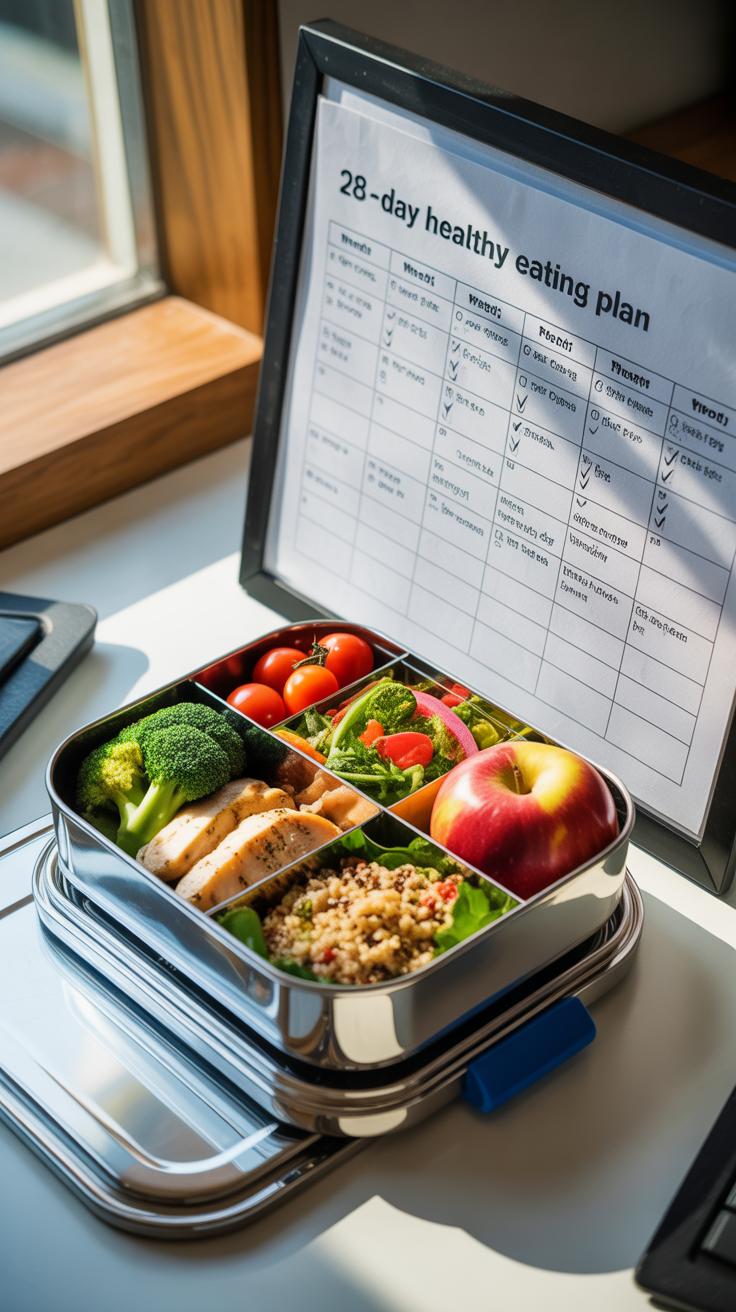
Efficiency drives successful nutrition plans. You need meals that survive transit and require minimal assembly. Cold grain bowls using quinoa or farro provide complex carbohydrates. These grains do not get soggy when dressed early. Add roasted chicken or chickpeas for essential amino acids. Use airtight glass containers to maintain freshness and prevent chemical leaching from plastics. Proper storage keeps your food safe and appetizing.
Modular meal prep saves time and reduces decision fatigue. Prepare large batches of roasted vegetables and proteins on Sundays. Portion these components into individual containers for the week. Salads should follow a layering technique. Put dressing at the bottom and hearty greens at the top. This method prevents wilting. High fiber wraps using cabbage leaves or whole grain tortillas offer portability. Clean eating at work requires planning and the right tools.
Low Carb Meal Prep Strategies To Simplify Your Entire Week

A Step By Step Approach To Batch Cooking For The Week Ahead
Successful batch cooking requires a tactical workflow to minimize time spent in the kitchen. Start by selecting two base proteins and three non-starchy vegetables. Clean your workspace and sharpen your knives before beginning. Preheat your oven to four hundred degrees Fahrenheit. Chop all vegetables first to ensure uniform cooking times. Organize your ingredients by cooking method rather than by final dish to increase efficiency.
Searing proteins and roasting vegetables simultaneously saves hours of active labor. Use large sheet pans for vegetables and heavy cast iron pans for meats. Set timers for each component to prevent overcooking or nutrient loss. Once the food reaches safe internal temperatures, remove it from the heat. Allow all items to cool completely at room temperature. Grouping similar ingredients allows for rapid assembly of diverse daily meals later.
How To Store, Label, And Rotate Your Low Carb Meal Prep Containers Safely
Proper storage prevents bacterial growth and keeps your low carb ingredients fresh. Use airtight glass containers to avoid chemical leaching from plastic. Pack your proteins and cooked vegetables into individual portions immediately after cooling. Leave a small amount of headspace in containers if you plan to freeze them. Glass containers also allow for safer reheating and better visibility of your current inventory.
Label every container with the date of preparation and the contents inside. Place the newest meals at the back of the refrigerator and move older items to the front. This rotation ensures you consume food before it spoils. Most cooked meats stay safe for four days at forty degrees Fahrenheit. Trust your labels more than your memory to maintain a safe and organized eating plan.
Following A Low Carb Meal Plan Across All Four Weeks
Week By Week Breakdown: How To Progress Your Low Carb Meal Plan Without Burnout
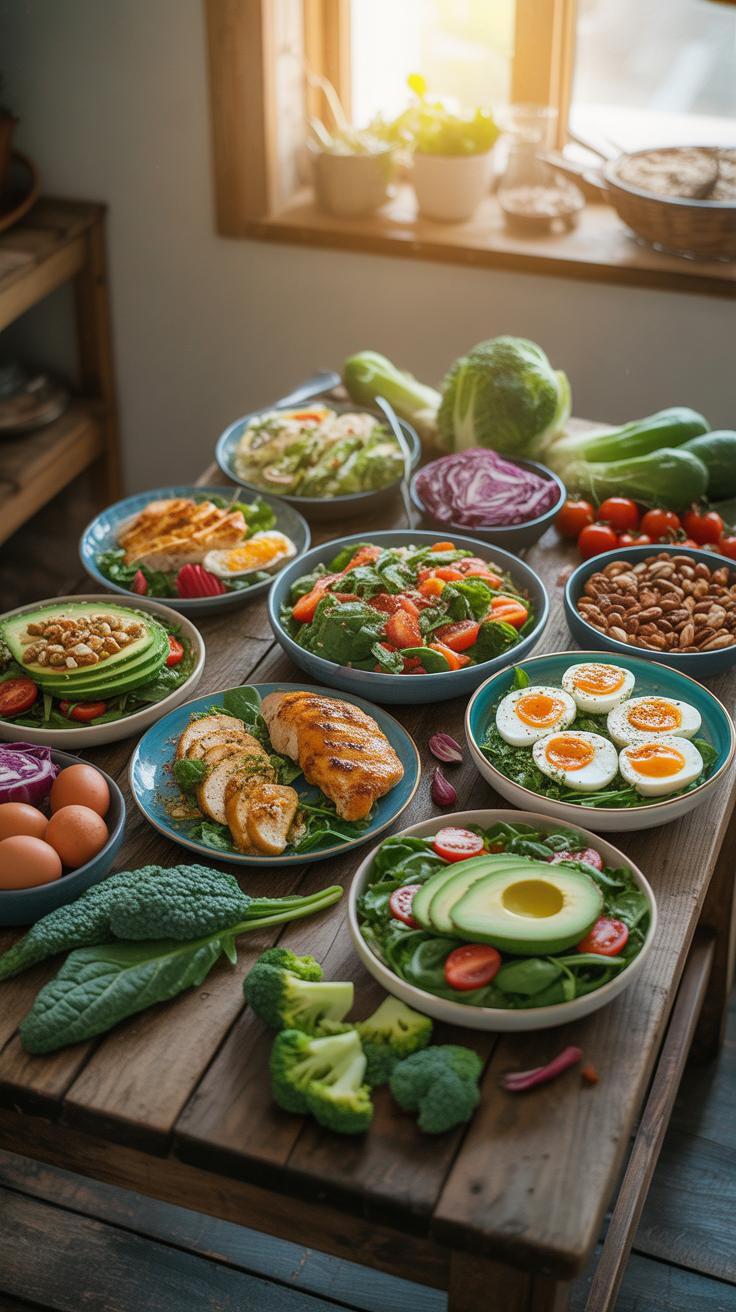
Week one focuses on eliminating simple sugars and refined grains. Focus your effort on clearing the pantry of processed snacks. This transition phase forces the body to switch its primary fuel source. You will likely experience fluctuations in energy as insulin levels stabilize. Keep meals basic to reduce decision fatigue. Prioritize whole foods over expensive low carb branded products during this initial stage.
Weeks three and four shift toward sustainability and fine tuning. Increase your intake of fibrous vegetables to maintain gut health and satiety. Monitor your physical performance during workouts to ensure caloric intake remains sufficient. Rotate protein sources to prevent sensory boredom and nutrient gaps. This progression ensures you maintain the habit long after the twenty-eight days end. Consistency beats intensity when managing long term metabolic health.
Balancing Macronutrients: Proteins, Fats, And Fiber On A Low Carb Framework
A successful low carb strategy requires precise macronutrient ratios. Protein acts as the anchor for every meal to prevent muscle loss. Aim for high quality sources like poultry, fish, and lean beef. Fat serves as your primary energy source when carbohydrates stay low. Use healthy fats like olive oil and avocado to maintain satiety. Do not fear fats but manage their portion sizes to avoid excessive caloric intake.
Fiber is the most overlooked component in a low carb framework. Total carbohydrate counts matter less than net carbs for glycemic control. High fiber vegetables like broccoli and spinach provide essential bulk without spiking blood sugar. They also deliver necessary micronutrients often missing from meat-heavy diets. Maintain a high water intake to help the body process the increased fiber. Proper balance ensures steady energy levels throughout the entire day.
Healthy Diet Ideas And Inspiration To Keep You Motivated Through The Month
Exploring The 75 Hard Meal Plan Principles And How They Align With Healthy Eating
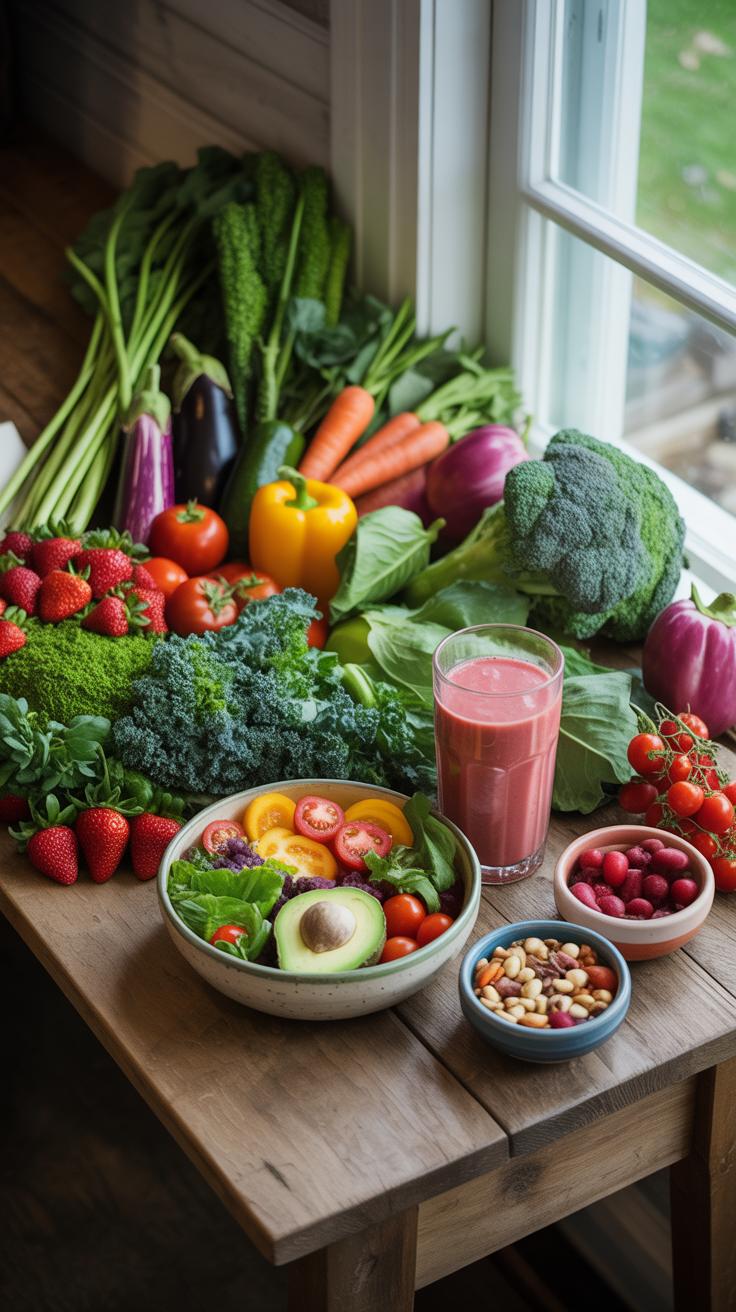
The 75 Hard program requires total adherence to a chosen diet with zero compromise. It forbids alcohol and cheat meals for the entire duration. This mental framework forces a shift from emotional eating to functional fueling. You must select a structured nutrition plan that supports your physical goals. This level of discipline ensures you treat food as a tool for performance rather than a reward.
A 28 day healthy eating plan benefits from these rigid standards. Most people fail because they allow small exceptions that snowball into total relapse. By adopting the no cheat meal rule, you eliminate decision fatigue. You no longer negotiate with yourself about eating junk food. This creates a hard boundary that protects your progress. Consistency builds the metabolic momentum required for lasting body composition changes.
To eat is a necessity, but to eat intelligently is an art. It takes twenty-eight days to return to the simple, wholesome rhythms of the kitchen table that nourished our souls.
— François de La Rochefoucauld
Creative Healthy Diet Ideas To Break Monotony Without Breaking Your Plan
Monotony kills dietary compliance faster than hunger. You must rotate your protein sources and cooking methods to stay engaged. Utilize dry rubs and acidic marinades to change flavor profiles without adding hidden sugars or unhealthy fats. Exploring global cuisines provides new ways to prepare vegetables. This variety prevents palate fatigue and keeps your daily meals interesting during the final weeks of the reset.
- Acidic Flavor Brightners: Use fresh lemon juice, lime zest, or high quality vinegars to finish dishes. These ingredients add sharp flavor contrast without adding calories or sodium. They break up the heavy taste of roasted meats and dense greens effectively.
- Textural Contrast Techniques: Incorporate raw seeds, toasted nuts, or dehydrated vegetables to add crunch to soft meals. Texture plays a massive role in satiety and food satisfaction. Adding a crunchy element makes simple salads or bowls feel like more substantial meals.
- Fresh Herb Infusions: Replace dried seasonings with large quantities of fresh cilantro, parsley, or basil. Fresh herbs provide micronutrients and intense aromatic profiles that dried versions lack. They transform the identity of a standard chicken or fish dish with minimal effort.
- Alternative Cooking Vessels: Shift from standard pan frying to air frying or parchment paper steaming. Different heat applications change the external texture of your food. Steaming in parchment locks in moisture and natural juices while air frying creates a crispy exterior without using excessive oil.
- Regional Spice Blends: Experiment with North African harissa, Japanese furikake, or Indian garam masala. These spice mixtures offer complex heat and earthy tones. Using authentic blends allows you to travel through your meals while sticking to your baseline lean protein and fiber requirements.
Structured variety requires planning rather than impulse. Document which flavor profiles you enjoy most to build a sustainable personal menu. If you find a specific spice or texture that works, integrate it into your weekly meal prep. Successful dieting relies on finding the intersection of strict nutrition and sensory appeal. Maintain your caloric targets while utilizing these tactical adjustments to reach the finish line.
Your Complete Healthy Food Plan For A Week A Repeatable 28 Day Template
How To Structure A Full Seven Day Healthy Food Plan You Can Rotate Monthly
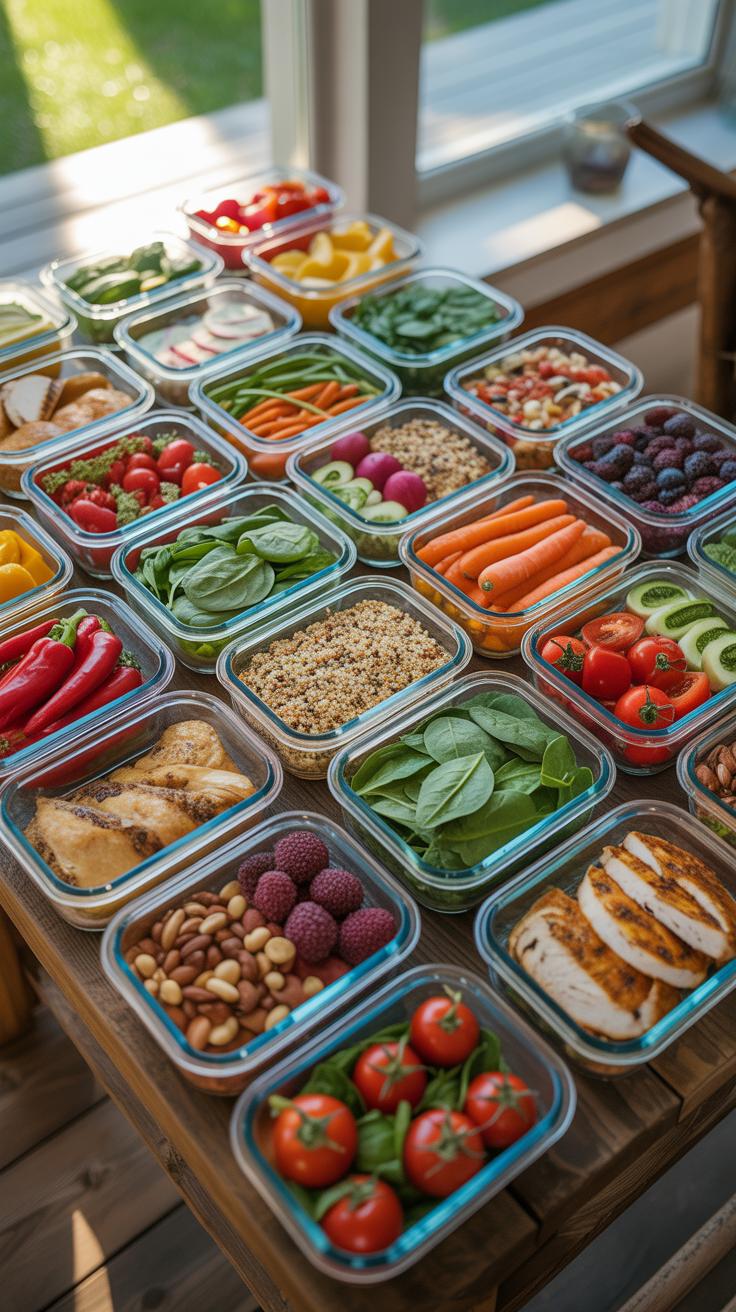
A functional 28 day healthy eating plan relies on a fixed weekly framework. You must categorize days by macronutrient focus or physical activity levels to ensure metabolic flexibility. Assign specific protein sources to each day of the week to simplify grocery shopping. This structure eliminates decision fatigue and reduces the likelihood of dietary deviation. Consistency in the template allows for easy ingredient substitution without compromising total caloric goals.
Successful rotation requires a modular approach to meal composition. You should build meals around a primary protein, a fibrous vegetable, and a complex carbohydrate. Prepare bulk batches of staple grains and proteins every Sunday to save time during the work week. Use the same base ingredients but vary the spices and cooking methods to prevent flavor fatigue. This tactical repetition builds the necessary discipline for long-term health improvements.
Tracking Progress, Adjusting Portions, And Sustaining Results Beyond Day 28
Monitoring progress requires objective data rather than emotional assessment. Record your daily intake and energy levels to identify patterns in performance. If weight loss stalls or energy dips, adjust your portion sizes by ten percent each week until you reach a steady state. Use physical measurements and strength benchmarks as primary indicators of success. Accurate tracking provides the raw data needed to make informed adjustments to your caloric baseline.
Transitioning out of the initial 28 day period requires a shift toward sustainable maintenance. Continue using the established weekly template but increase caloric intake slightly if your goal is weight stabilization. Reintroduce diverse food groups slowly to test for digestive sensitivity. Focus on maintaining the habit of meal preparation and scheduled eating. Long-term success depends on your ability to treat this template as a permanent operational standard for your health.
Frequently Asked Questions

What should I expect when starting a 28 day healthy eating plan for the first time?
When beginning a 28 day healthy eating plan, your body undergoes a natural transition as it adjusts to whole, nutrient-dense foods. During the first week, you may experience fluctuations in energy levels as you reduce processed sugars. However, by the second week, most people report improved mental clarity, better sleep, and more consistent energy. It is a journey of resetting your palate to appreciate natural flavors while building sustainable lifestyle habits.
How can I successfully prep my meals to stay on track throughout the month?
Success lies in preparation. Dedicate a few hours each Sunday to washing vegetables, cooking bulk grains, and portioning protein sources. Having pre-prepped components makes it much easier to stick to your 28 day healthy eating plan during busy workdays when temptation strikes. Focus on versatile ingredients that can be used in multiple dishes, ensuring your meals remain fresh and exciting without requiring hours of daily kitchen time or complex recipes.
Is it possible to follow a healthy eating reset if I am on a tight budget?
Absolutely! Healthy eating is often more affordable than buying processed convenience foods. To save money, focus on purchasing seasonal produce, buying dry goods like lentils and brown rice in bulk, and choosing frozen vegetables which retain high nutritional value. Planning your meals around these affordable staples ensures your reset remains cost-effective. You don’t need expensive “superfoods” to see incredible results; simple, whole ingredients are the foundation of any effective nutritional transformation.