

What Is A Healthy Eating Plan For Beginners And Why It Matters

Understanding The Core Principles Of A Healthy Eating Guide
A healthy eating plan for beginners prioritizes nutrient density over calorie restriction. It focuses on whole foods like lean proteins, complex carbohydrates, and healthy fats. You must eliminate processed additives and refined sugars to stabilize blood sugar. Successful plans simplify food choices to reduce decision fatigue. This foundation ensures your body receives essential vitamins and minerals without the inflammation caused by industrial food processing techniques.

Consistency replaces intensity in a tactical eating strategy. You do not need radical shifts to see results. Small adjustments in portion control and food quality create sustainable biology changes. A beginner plan acts as a roadmap for daily fuel. It removes guesswork from your kitchen and grocery store visits. Proper planning ensures you have the right nutrients available when hunger strikes. This prevents impulsive decisions that derail long term progress.
How A Structured Eating Plan Supports Long Term Wellness
Structure creates a predictable environment for your metabolism to thrive. A planned approach regulates insulin levels and optimizes hormone production. By eating at set intervals, you manage hunger signals and prevent overeating. Biological systems operate best on routine. When you feed your body high quality fuel consistently, physical performance and mental clarity improve. These improvements reinforce the habit loop and make the plan easier to follow.
Long term wellness depends on your ability to maintain these habits under stress. A structured plan builds the discipline required for permanent lifestyle shifts. It acts as a shield against chronic diseases like type 2 diabetes and hypertension. You are not just eating for today. You are investing in your future health. Tactical nutrition reduces healthcare costs and increases your lifespan. Following a clear guide ensures your body remains resilient as you age.
Building Your First Healthy Meal Plan From The Ground Up

Balancing Macronutrients In A Beginner Friendly Healthy Meal Plan
Protein, carbohydrates, and fats form the foundation of every meal. You must include all three to maintain energy and muscle mass. Aim for one quarter of your plate to be lean protein like chicken or beans. Fill another quarter with complex carbohydrates such as brown rice or oats. Cover the remaining half with fiber-rich vegetables to ensure fullness and proper digestion.
Healthy fats are essential for hormone production and brain function. Use small portions of olive oil, avocado, or nuts to meet this requirement. Do not cut out entire food groups when starting. This balance stabilizes your blood sugar and prevents energy crashes during the day. Consistent macronutrient ratios make meal prep predictable. Focus on whole foods rather than processed options to get the most nutrients.
Setting Realistic Weekly Goals When Starting Your Healthy Meal Plans
Successful planning requires a narrow focus on high impact actions. Do not attempt to cook twenty-one new meals in your first week. Start by planning just three lunches and three dinners. This approach reduces decision fatigue and prevents food waste. Use Sunday to prep base ingredients like grains and proteins. This strategy saves time on busy weekdays and keeps you on track.
Track your progress by measuring consistency rather than weight alone. Count how many planned meals you actually ate each week. Adjust your plan based on your schedule and energy levels. If a meal takes too long to cook, replace it with a simpler five minute version. Real results come from repeatable habits. Keep your goals small enough to achieve every single day without feeling overwhelmed or exhausted.
Your Daily Meal Plan Healthy Eating Framework For Every Day Of The Week
Structuring Breakfast Lunch And Dinner In A Daily Meal Plan Healthy Routine
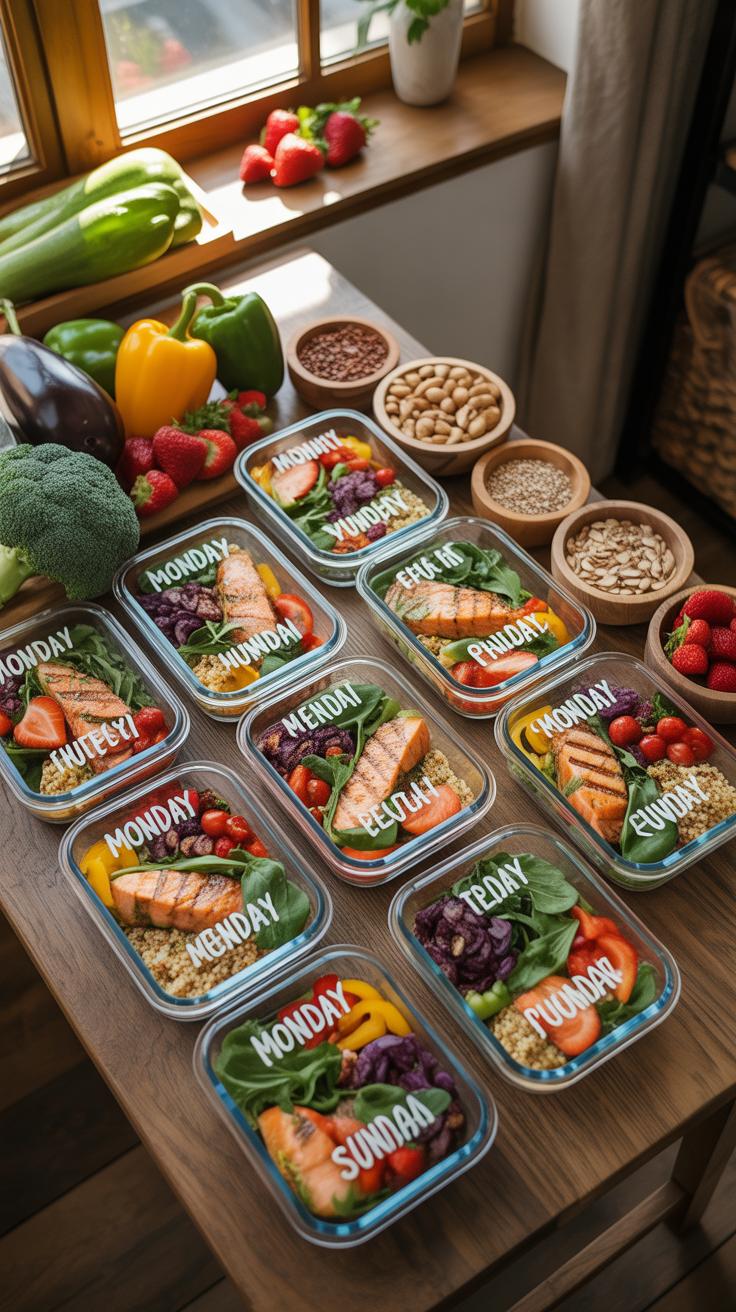
A solid structure prevents poor food choices during busy hours. You must allocate specific times for your three main meals to regulate blood sugar levels. Start with a high protein breakfast to suppress hunger hormones early in the day. This simple tactical shift reduces the urge to overeat during later meals. Consistency is the engine that drives a successful long term eating plan.
Lunch should focus on fiber and lean protein to prevent the mid afternoon energy crash. Avoid heavy simple carbohydrates that trigger insulin spikes and cause lethargy. Dinner serves as your final refueling point before the body enters a fasting state during sleep. Keep portions controlled to allow for efficient digestion. Following this rigid framework eliminates the guesswork and emotional decision making that usually ruins diets.
How Smart Snacking Fits Into Your Everyday Healthy Eating Schedule
Snacking is a tool for hunger management rather than a reward system. Strategic snacks bridge the gap between main meals when your energy dips. You should only eat a snack if your next meal is more than three hours away. Choose whole foods like nuts or fruit over processed options. This keeps your metabolism steady and prevents you from arriving at dinner in a starved state.
Effective snacking requires pre portioning to avoid mindless consumption. High volume low calorie foods provide satiety without adding excessive energy. Do not eat directly from large packages or containers. Measure your servings to maintain strict caloric control. Treat every snack as a mini meal with a balance of nutrients. Proper execution of this strategy maintains your focus and physical performance throughout the entire day.
Clean Eating Meal Plan For Beginners What To Eat And What To Avoid
The Essential Whole Foods To Prioritize On A Clean Eating Meal Plan For Beginners
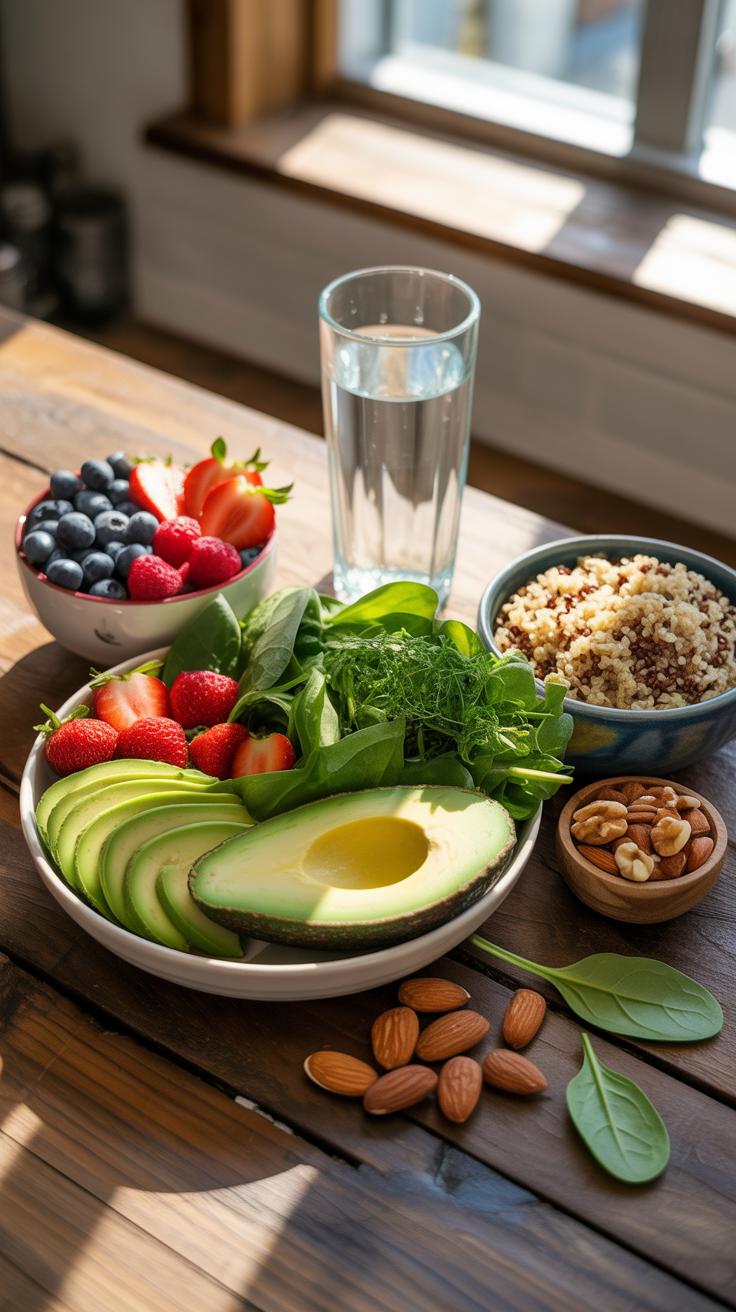
Clean eating focuses on consuming foods in their most natural state. You must select items that require minimal processing to retain their original nutrient density. These staples provide the vitamins and minerals necessary for metabolic function. Prioritizing these foods reduces your intake of chemical additives and synthetic preservatives. This strategy simplifies grocery shopping by focusing on the perimeter of the store.
- Leafy Greens: Vegetables like kale, spinach, and arugula provide high concentrations of fiber and micronutrients. These plants support digestive health and offer critical vitamins like K and C without adding significant calories to your daily intake.
- Lean Proteins: Chicken breast, turkey, and wild-caught fish deliver essential amino acids for muscle repair. Choosing unprocessed meats ensures you avoid the nitrates and high sodium levels found in deli meats and pre-packaged sausages.
- Whole Grains: Oats, quinoa, and brown rice contain the entire grain kernel including the bran and germ. These complex carbohydrates provide sustained energy levels and prevent the rapid insulin spikes associated with refined white flours and sugars.
- Healthy Fats: Avocados, nuts, and olive oil contain monounsaturated and polyunsaturated fats. These lipids are vital for hormone production and brain function. They also help the body absorb fat-soluble vitamins like A, D, E, and K.
- Cruciferous Vegetables: Broccoli, cauliflower, and Brussels sprouts contain powerful phytonutrients and high fiber content. These vegetables aid in detoxification processes and provide a dense volume of food to increase satiety during meals, making portion control much easier.
Quality control starts at the source. Choose fresh or frozen produce over canned versions to avoid hidden sugars and sodium. Look for short ingredient lists when buying packaged staples like nut butters or yogurt. If a food exists in nature as you see it, it belongs in your cart. Successful beginners build their entire meal structure around these primary whole food groups.
Common Processed Ingredients Beginners Should Gradually Phase Out
Manufacturers add chemicals to extend shelf life and enhance flavor profile at a low cost. You must identify and eliminate high fructose corn syrup and hydrogenated oils from your pantry. These ingredients cause systemic inflammation and disrupt hunger signaling in the brain. Reading every label is the only way to catch these hidden additives in common household products.
Refined grains and artificial sweeteners also undermine your nutritional goals. White bread and sugary cereals lack the fiber needed for proper digestion. Artificial sweeteners can alter gut bacteria and increase cravings for high-calorie snacks. Replace these items with whole food alternatives to stabilize your blood sugar. Removing these industrial ingredients is the fastest way to see physical results on this plan.
Simple Nutrition Explained Understanding Vitamins Minerals And Macros

A Beginner’S Breakdown Of Simple Nutrition And What Your Body Actually Needs
Your body operates on three macronutrients: proteins, fats, and carbohydrates. Protein builds and repairs muscle tissue using amino acids. Fats provide long-term energy and support hormone production. Carbohydrates act as the primary fuel source for your brain and physical movement. You must balance these three components to maintain basic metabolic function. Ignoring one group leads to physical performance drops and systemic fatigue.
Micronutrients consist of vitamins and minerals required in smaller amounts. These elements regulate chemical reactions within your cells. Vitamins like A, C, and D support immunity and bone health. Minerals like magnesium and potassium control nerve signals and muscle contractions. A healthy eating plan for beginners relies on shifting focus from just calories to these essential building blocks. Quality sources ensure your body functions at its peak.
How Micronutrient Deficiencies Can Affect Your Energy And Eating Habits
Micronutrient deficiencies often trigger Intense cravings that derail your progress. When your body lacks specific minerals like magnesium, it sends signals for quick energy. This often manifests as a desire for sugary snacks or processed junk. These cravings are biological alarms, not failures of willpower. Low levels of B vitamins specifically hinder your ability to convert food into usable cellular energy.
Chronic lack of iron or vitamin D leads to persistent brain fog and lethargy. You cannot maintain a consistent exercise routine if your blood cannot transport oxygen efficiently. These gaps in nutrition force your metabolism to slow down to conserve resources. Correcting these deficiencies stabilizes your appetite and improves your daily output. Nutritious food serves as the foundation for your mental clarity and physical endurance.
Meals On A Budget Healthy Eating Well Without Overspending
Smart Grocery Shopping Strategies For Affordable Meals On A Budget Healthy
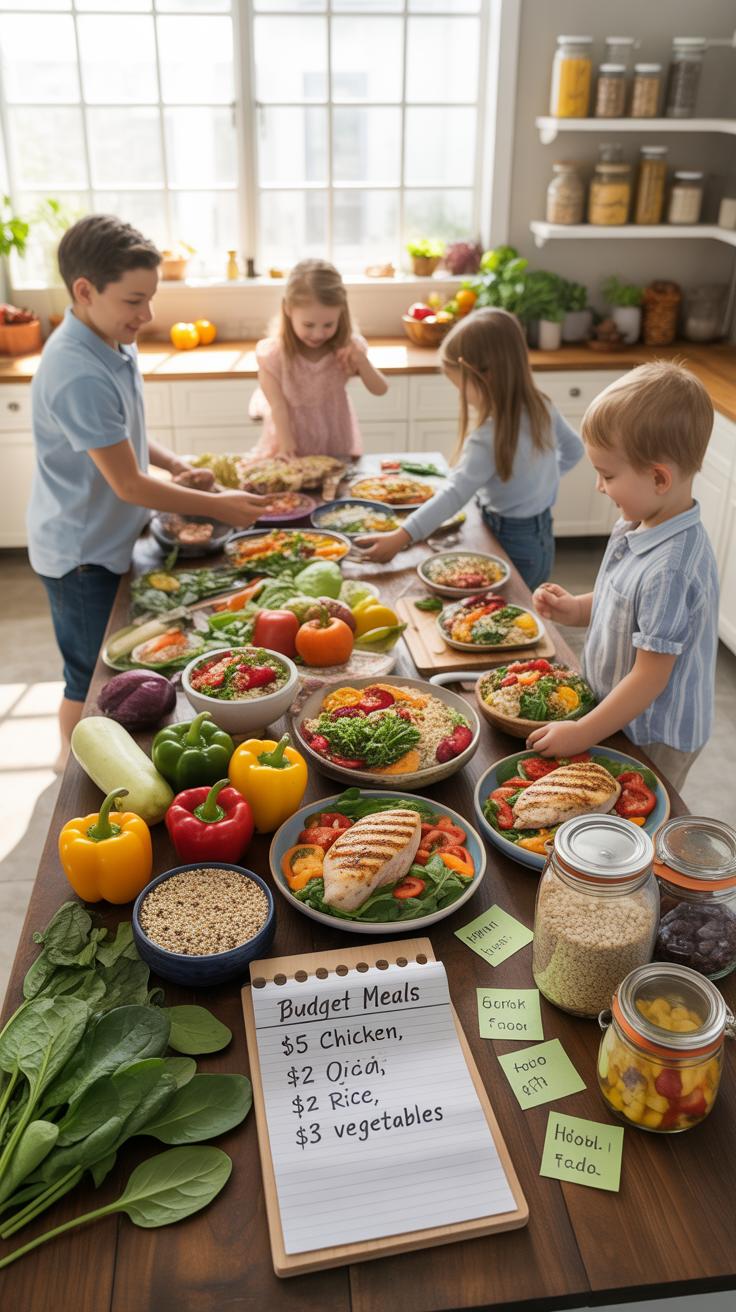
Strategic grocery shopping requires a hard focus on inventory management and timing. You must audit your pantry before leaving the house to prevent redundant purchases. Use a strict shopping list based on a weekly meal plan to avoid impulse buys at the checkout line. Retailers design store layouts to trigger unplanned spending through end cap displays and eye level placement of expensive goods.
- Unit Price Comparison: Check the small text on shelf tags to find the price per ounce or pound. Large packages often cost less per unit than small ones. This data reveals which brand offers the best value regardless of the total package price.
- Generic Brand Selection: Buy store brands for staples like canned beans, frozen vegetables, and dry grains. These products typically contain the same ingredients as name brands but cost thirty to fifty percent less. Factories often produce both versions on the same assembly line.
- Seasonal Produce Buying: Purchase fruits and vegetables only when they are in season to secure the lowest prices. Out of season produce requires expensive long distance shipping which raises the retail cost. Local farmers markets often drop prices at the end of the day.
- Bulk Bin Utilization: Use bulk sections for spices, nuts, and grains to buy the exact amount you need. This eliminates waste and saves money compared to pre packaged containers. Paying for excess packaging is a common drain on a food budget.
- Frozen and Canned Options: Choose frozen or canned vegetables as a cost effective alternative to fresh items. These goods are processed at peak ripeness to lock in nutrients. They have a longer shelf life which significantly reduces the financial loss from food spoilage.
Timing your shopping trips aligns with store restock cycles and markdown schedules. Most grocery stores mark down meat and dairy nearing expiration in the early morning hours. Buy these items and freeze them immediately to cut protein costs by half. Loyalty programs and digital coupons provide direct price reductions without requiring significant time investments. Target these discounts on high cost essentials to maximize your total savings.
Budget Friendly Whole Foods That Deliver Maximum Nutritional Value
Select nutrient dense staples that provide high satiety for a low cost per serving. Brown rice, oats, and dried lentils serve as the foundation for a healthy eating plan for beginners. These dry goods have long shelf lives and offer high fiber and protein content. Buying dried beans instead of canned versions further reduces costs while eliminating added sodium. These ingredients provide consistent energy throughout the day for pennies per meal.
Potatoes and eggs offer complete nutrition on a restricted budget. Eggs provide high quality protein and essential fats at a fraction of the cost of beef or poultry. Root vegetables like carrots and sweet potatoes stay fresh for weeks and contain high levels of vitamins. Focus your spending on these versatile items to create a variety of meals from a limited inventory. Efficiency in food selection ensures you meet nutritional goals without exceeding your financial limits.
Meal Plans For Fat Loss How To Eat Smarter And Reach A Healthy Weight

The Science Behind Meal Plans For Fat Loss And Caloric Balance
Fat loss depends on a sustained caloric deficit. Your body burns energy for basic functions and movement. If you consume fewer calories than you burn, your body uses stored fat for fuel. This process follows the laws of thermodynamics. A beginners healthy eating plan must track these numbers to ensure progress. Consistency matters more than extreme restriction because your metabolism adapts to your intake levels.
Quality and quantity work together in effective meal plans. Caloric density determines how much food you can eat while staying under your limit. Choosing whole foods allows for larger portions with fewer calories. This strategy prevents metabolic slowdown and keeps your energy levels stable throughout the day. You must monitor your protein intake to protect muscle tissue during this phase. Muscle maintains your resting metabolic rate.
High Satiety Foods That Support Sustainable Fat Loss Without Hunger
Satiety is the feeling of fullness that stops you from overeating. High-satiety foods usually contain high levels of protein, fiber, or water. Protein is the most satiating macronutrient and triggers hormones that signal fullness to the brain. Fiber adds bulk to your meals and slows down the digestion process. These elements help you stay satisfied for longer periods between your scheduled meals.
Successful meal plans prioritize these nutrient-dense options to manage hunger. Boiled potatoes, lean meats, and green vegetables score high on the satiety index. These foods prevent the blood sugar spikes and crashes that lead to cravings. When you feel full, you are less likely to reach for processed snacks. Managing hunger is the most effective way to maintain a deficit long enough to see real results.
Clean Eating Restaurant Guide Staying On Track When Dining Out

How To Use A Clean Eating Restaurant Guide To Make Healthier Menu Choices
Standard menus prioritize flavor through fat and salt. You must view a restaurant guide as a tactical map to avoid these traps. Look for protein sources that are grilled, poached, or roasted. These cooking methods use less added oil than frying or sautéing. Select restaurants that publish nutrition data or source local ingredients. These venues usually offer more control over your specific meal components.
Scan the menu for vegetable based sides to replace starch. Most kitchens will swap fries for steamed greens or a side salad upon request. Choose sauces on the side to control caloric density and sugar intake. High quality guides help you spot keywords that signal processed additives or hidden sugars. Focus on whole food options that resemble their natural state. This strategy ensures you stay within your healthy eating plan.
One cannot think well, love well, sleep well, if one has not dined well.
— Virginia Woolf
Questions To Ask And Red Flags To Watch For When Eating Out Healthfully
Ask your server how the kitchen prepares specific dishes. Inquire if they use butter, margarine, or seed oils for grilling. Request that the chef use olive oil or no oil at all. Clear communication prevents hidden fats from ruining your progress. Many restaurants use thickeners and sugar in house dressings. Always ask for vinegar and oil as a safe alternative to pre-made options.
Red flags include vague terms like crispy, battered, or glazed. These words indicate high levels of sugar, refined flour, and industrial oils. Watch for large portions and complimentary bread baskets that encourage overeating. If a server cannot explain the ingredients in a sauce, avoid it entirely. High sodium levels often hide in soups and marinated meats. Stick to simple preparations to ensure you know exactly what you are consuming.
How To Stay Consistent With Your Healthy Meal Plans For The Long Haul

Building Habits And Routines That Make Healthy Eating Automatic
Automation reduces the mental load of decision making. You must link healthy eating to existing daily triggers. Preparation is the primary tool for habit formation. Spend specific hours on Sunday prepping core proteins and vegetables. This eliminates the need to choose a meal when you are tired. Pre-portioned containers ensure you follow the plan without calculating calories every single time you eat.
Environmental design dictates your success rate more than willpower ever will. Keep healthy foods at eye level in your refrigerator. Hide or remove processed options that trigger cravings. When your kitchen setup supports your goals, eating well becomes the path of least resistance. Consistency thrives on repetition. Eat the same three breakfasts for a month to solidify the routine before adding further complexity to your diet.
How To Overcome Common Setbacks When Following Healthy Meal Plans
Setbacks are data points rather than failures. Analyze what caused the deviation from your plan. Most people quit after one bad meal because of the all or nothing fallacy. Resume your plan immediately at the next scheduled snack or meal. Waiting until Monday to restart creates a cycle of bingeing. Focus on the next correct action to maintain your physical and psychological momentum.
Social pressure and travel often disrupt meal consistency. You must plan for these high risk situations in advance. Review menus before arriving at restaurants to select a compliant dish. Eat a small, protein rich snack before events to avoid impulsive hunger choices. If you miss a goal, identify the specific environmental trigger. Adjust your future strategy based on this information to prevent the same mistake from happening again.
Frequently Asked Questions

How do I start a healthy lifestyle if I feel overwhelmed by nutrition information?
Starting a new wellness journey can feel daunting, but the key is to focus on small, sustainable changes rather than a total overhaul. The BellyDelicious approach simplifies this process by breaking down nutritional goals into manageable steps. By following a structured healthy eating plan for beginners, you can gradually swap processed snacks for whole foods, ensuring you build lasting habits without the stress of restrictive dieting or complex calorie counting.
What are the essential steps to meal prepping for a busy work week?
Successful meal prepping begins with a clear strategy and a few base ingredients. Start by choosing two proteins, a variety of roasted vegetables, and a versatile grain like quinoa or brown rice. When you follow a healthy eating plan for beginners, you can batch-cook these staples on Sunday to create diverse bowls throughout the week. This practical method saves time, reduces decision fatigue, and keeps your nutrition goals perfectly on track.
Is it possible to eat nutritiously while sticking to a tight monthly budget?
Absolutely! Eating well does not require expensive “superfoods” or specialty organic brands. You can maintain a balanced diet by prioritizing pantry staples like dried beans, lentils, and oats, which provide excellent nutrition at a low cost. Purchasing frozen fruits and vegetables is another smart way to reduce waste and save money. Focusing on seasonal produce and bulk-buying essentials ensures your journey toward better health remains both affordable and accessible for everyone.