
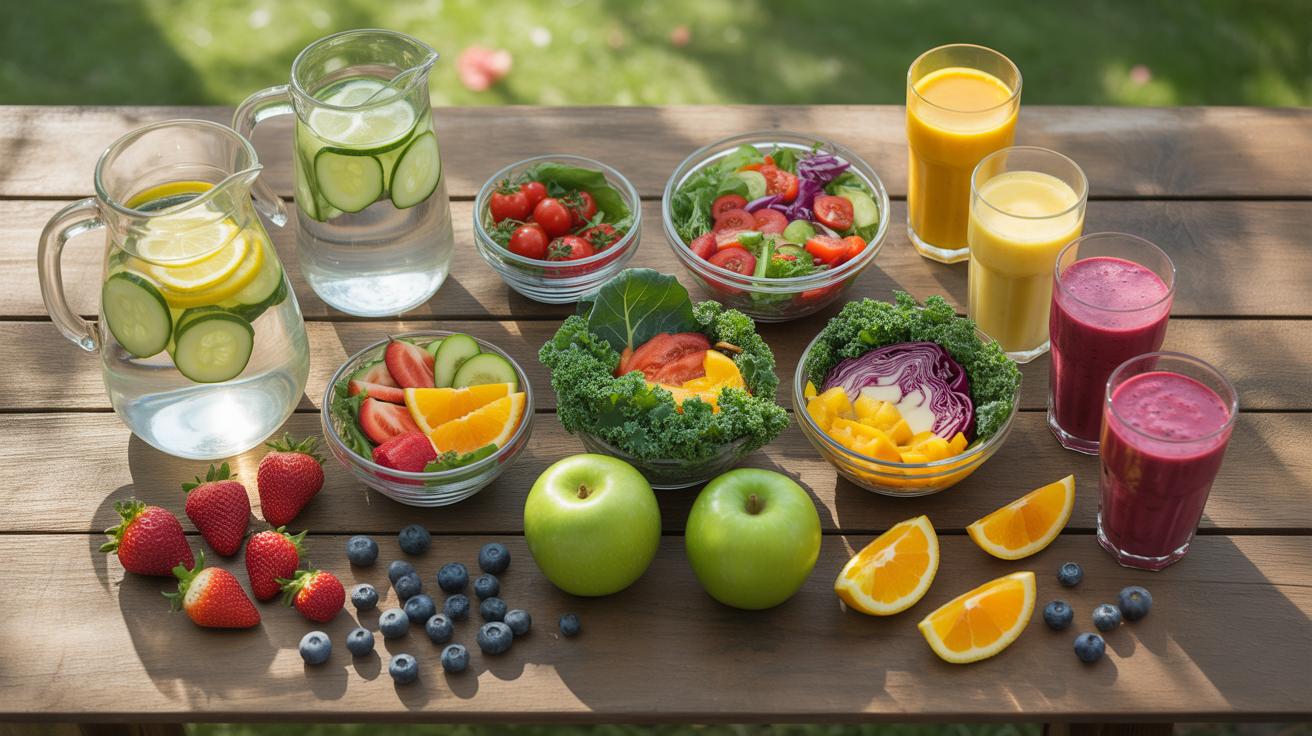
What Is A Detox Meal Plan And How Does It Work
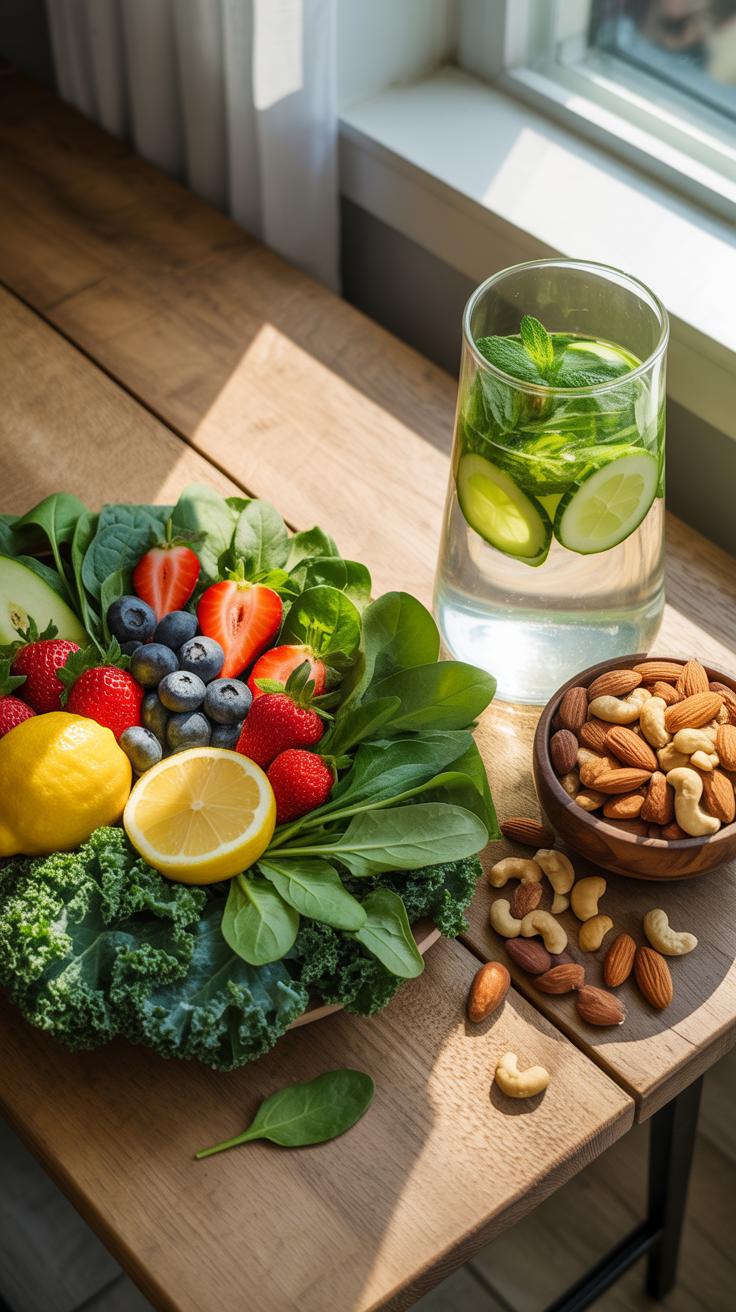
The Science Behind A Detox Diet Meal Plan
A 10 day detox meal plan targets the removal of processed triggers from your daily diet. You eliminate refined sugars, alcohol, and synthetic additives to reduce metabolic load. This strategy forces the body to rely on nutrient-dense whole foods. By increasing fiber and antioxidant intake, you support cellular repair. The primary goal remains physiological rest for the digestive tract and stabilization of blood glucose levels.

This dietary shift triggers specific metabolic pathways designed to handle waste. High-density nutrients act as cofactors for enzymatic reactions in the body. You replace empty calories with vitamins and minerals that drive chemical processes. This intervention helps reset your palate and improves insulin sensitivity over the ten-day period. Proper execution requires strict adherence to hydration and whole food consumption to ensure the body functions at peak efficiency.
How Your Liver And Kidneys Naturally Support Detoxification
Your liver serves as the primary filtration system for your blood. It converts toxic substances into water-soluble waste products through phase one and phase two pathways. This biological process ensures that chemicals do not accumulate in your fatty tissues. The liver also produces bile to break down fats and carry away waste. A structured meal plan provides the amino acids necessary for these specific chemical transitions.
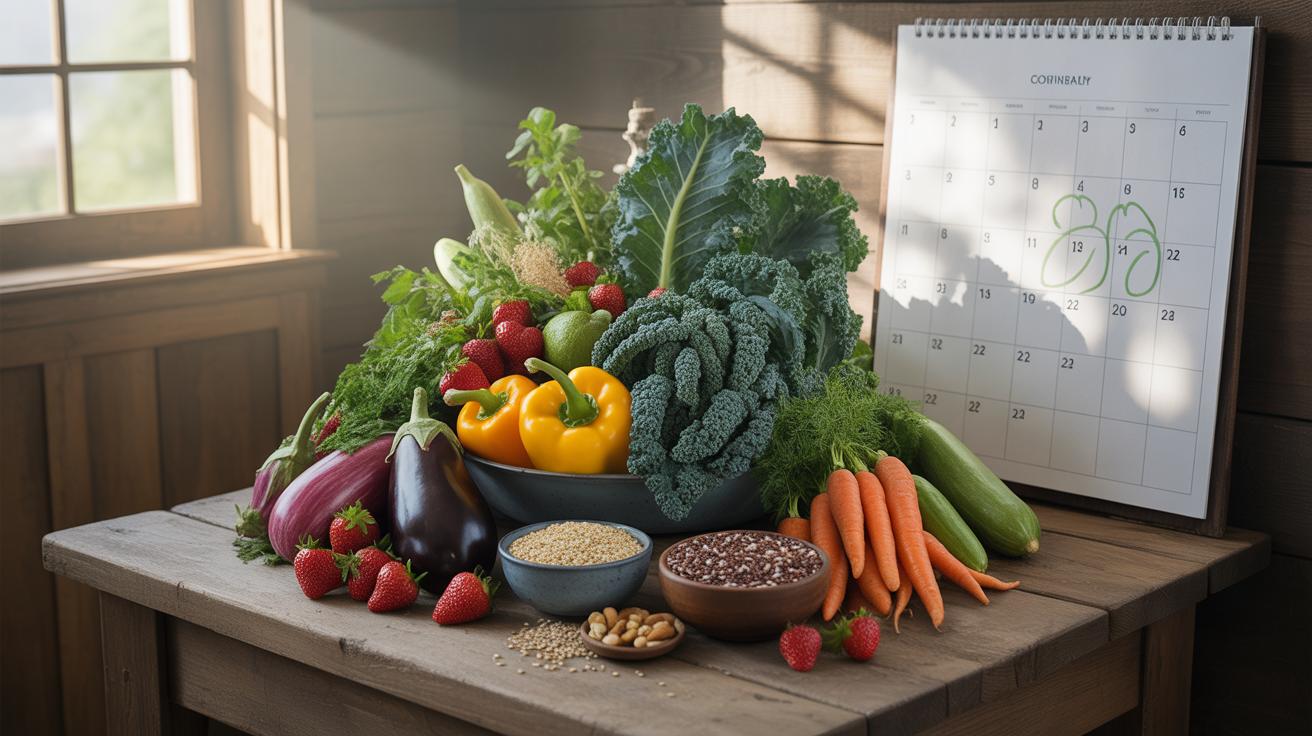
The kidneys act as a precision secondary filter for the entire body. They process about 200 quarts of blood daily to sift out waste and extra water. This waste becomes urine and exits the body to maintain chemical balance. High water intake during a detox plan facilitates this crucial renal function. Efficient kidney performance prevents the buildup of urea and other metabolic byproducts that cause fatigue and inflammation.
Key Benefits Of Following A 10 Day Detox Meal Plan
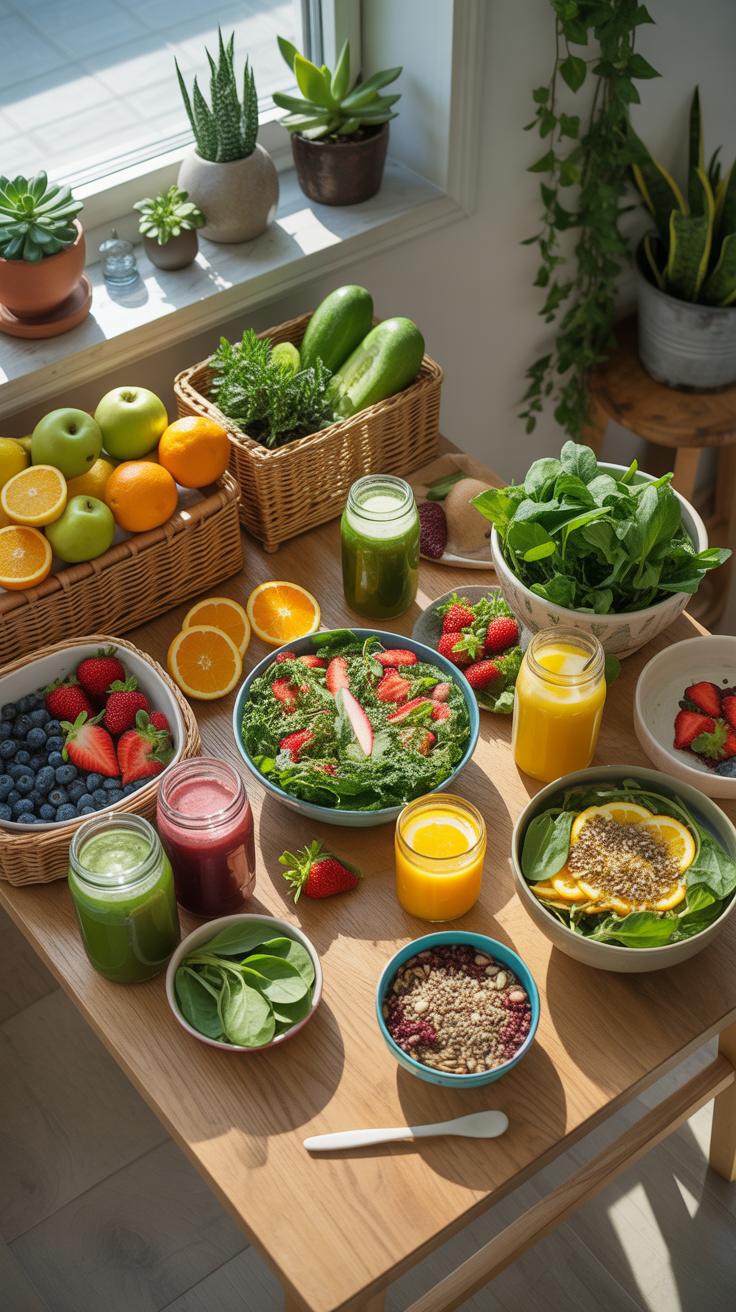
Short Term And Long Term Health Benefits You Can Expect
A ten day detox meal plan forces your body to process nutrients more efficiently. Eliminating processed sugars and synthetic additives lowers systemic inflammation within days. This shift reduces the workload on your liver and kidneys. These organs function as primary filtration systems. When you stop introducing toxins, these systems focus on repairing damaged tissues and clearing metabolic waste. You see immediate improvements in skin clarity and digestive consistency.
Long-term success depends on the metabolic reset initiated during these ten days. Removing inflammatory triggers allows your gut microbiome to stabilize and recover. A healthy gut lining prevents undigested food particles from entering your bloodstream. This protects your immune system from overreacting. You establish new baseline habits that lower the risk of chronic metabolic diseases. Consistent clean eating repairs insulin sensitivity and improves lipid profiles for lasting cardiovascular health.
How A 10 Day Detox Plan Can Support Weight Management And Energy Levels
This meal plan balances your blood glucose levels to prevent insulin spikes. High insulin levels signal the body to store fat instead of burning it for fuel. By consuming high-fiber vegetables and lean proteins, you stabilize your internal chemistry. This process triggers the mobilization of stored adipose tissue for energy. You lose water weight quickly as systemic inflammation subsides. This creates a psychological win that encourages long-term dietary discipline.
Stable blood sugar eliminates the mid-afternoon energy crashes caused by glycemic fluctuations. Your brain receives a steady supply of micronutrients rather than short bursts of glucose. This improves daily cognitive function and eliminates mental fog. Utilizing fat as a consistent energy source provides more stamina than a carbohydrate-heavy diet. You feel more alert because your body no longer wastes energy processing hard-to-digest chemicals and refined grains.
Foods To Eat And Avoid On Your Detox Plan
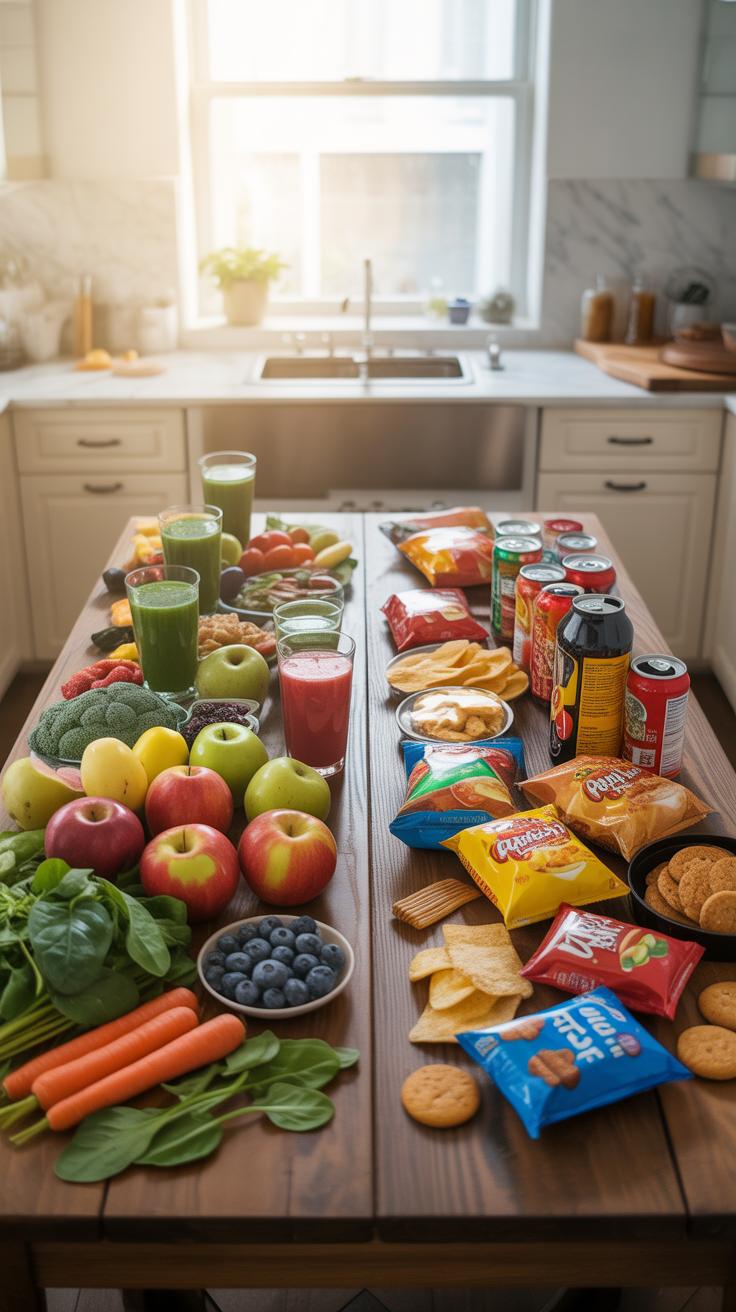
The Best Whole Foods To Include In Your Meal Plan For Detox
A successful 10 day detox meal plan relies on high-density nutrition. You must select foods that support the liver and kidneys. These organs process and remove metabolic waste. Focus on fiber to move toxins through the digestive tract. Choose plant-based fats and lean proteins to maintain steady energy. Quality ingredients prevent the blood sugar crashes common in low-calorie cleanses.
- Cruciferous Vegetables: Broccoli, kale, and Brussels sprouts contain sulforaphane. These compounds support Phase II liver detoxification. They provide essential fiber to promote regular bowel movements and gut health.
- Leafy Greens: Spinach and arugula offer high chlorophyll levels. Chloro-phyll helps neutralize heavy metals and environmental toxins. These greens also provide magnesium, which is a critical mineral for over three hundred biochemical reactions in the body.
- Lean Proteins: Wild-caught fish and organic legumes provide amino acids. Your liver requires these building blocks to bind toxins for excretion. Proper protein intake prevents muscle loss and keeps your metabolic rate high during the detox.
- Healthy Fats: Avocado and extra virgin olive oil lower systemic inflammation. They help the body absorb fat-soluble vitamins like A, D, E, and K. Healthy fats also trigger gallbladder contraction, which flushes bile out of your system.
- Hydrating Fruits: Lemons and berries provide antioxidants and vitamin C. Antioxidants protect cells from oxidative stress during the cleansing process. Berries specifically offer a low-glycemic way to satisfy hunger without causing insulin spikes.
Eliminate processed snacks and rely on these staples for every meal. Preparation is the key to tactical success. Wash and cut your vegetables immediately to reduce friction during meal times. Use simple cooking methods like steaming or roasting to preserve nutrient integrity. Solid food provides more satiety than liquid-only diets. Keep your kitchen stocked with these items to avoid bad decisions.
Foods And Ingredients To Eliminate During Your Detox
Remove all inflammatory agents to allow your system to reset. Sugar is the primary enemy of a detox. It triggers insulin spikes and feeds harmful gut bacteria. Artificial sweeteners are equally dangerous because they disrupt metabolic signaling. Alcohol must go because it prioritizes ethanol metabolism over fat burning and toxin removal. Your liver cannot rest if it is busy processing toxins.
Cut out gluten and dairy for the full ten days. These two groups often cause undiagnosed low-grade inflammation. This inflammation bogs down the immune system and causes brain fog. Avoid hydrogenated oils and trans fats found in packaged goods. These synthetic fats damage cell membranes and slow down cellular repair. Stick to pure water and herbal teas to ensure your kidneys stay flushed and functional.
How To Prepare For Your 10 Day Detox Diet Meal Plan

Stocking Your Kitchen Before Starting Your Detox Day Plan
Success depends on your inventory. You must purge your pantry of processed sugars, refined flours, and hydrogenated oils before day one. These items trigger cravings that sabotage your progress. Replace them with whole foods like leafy greens, cruciferous vegetables, and lean proteins. Buy high quality fats such as avocado or extra virgin olive oil. Having the right fuel on hand prevents impulsive and poor dietary decisions.
Batch cooking saves time and ensures compliance. Wash and chop your vegetables as soon as you bring them home. Portion out nuts and seeds for quick snacks. Store these items in clear glass containers at eye level in your refrigerator. This organization reduces the friction of meal preparation. When you are tired, you will reach for the easiest option. Make sure the easiest option aligns with your plan.
Setting Realistic Goals And Mindset Before Your Detox Begins
Define your specific objectives today. You need a clear reason for starting this 10 day detox meal plan to stay committed. Write down your goals regarding energy levels, digestion, or mental clarity. Understand that the first few days are often the most difficult. Your body must adapt to the absence of stimulants like caffeine and sugar. Expect some initial discomfort as your metabolic processes shift.
Manage your environment to support your mindset. Inform your household about your dietary restrictions to avoid social pressure. Plan your schedule to minimize high stress events during the first half of the week. Rest is a tactical requirement for detoxification. Prioritize seven to eight hours of sleep to allow your liver and kidneys to function optimally. A disciplined mind maintains the structure required for total physical reset.
1 Day Detox Meal Plan A Sample Day Of Clean Eating
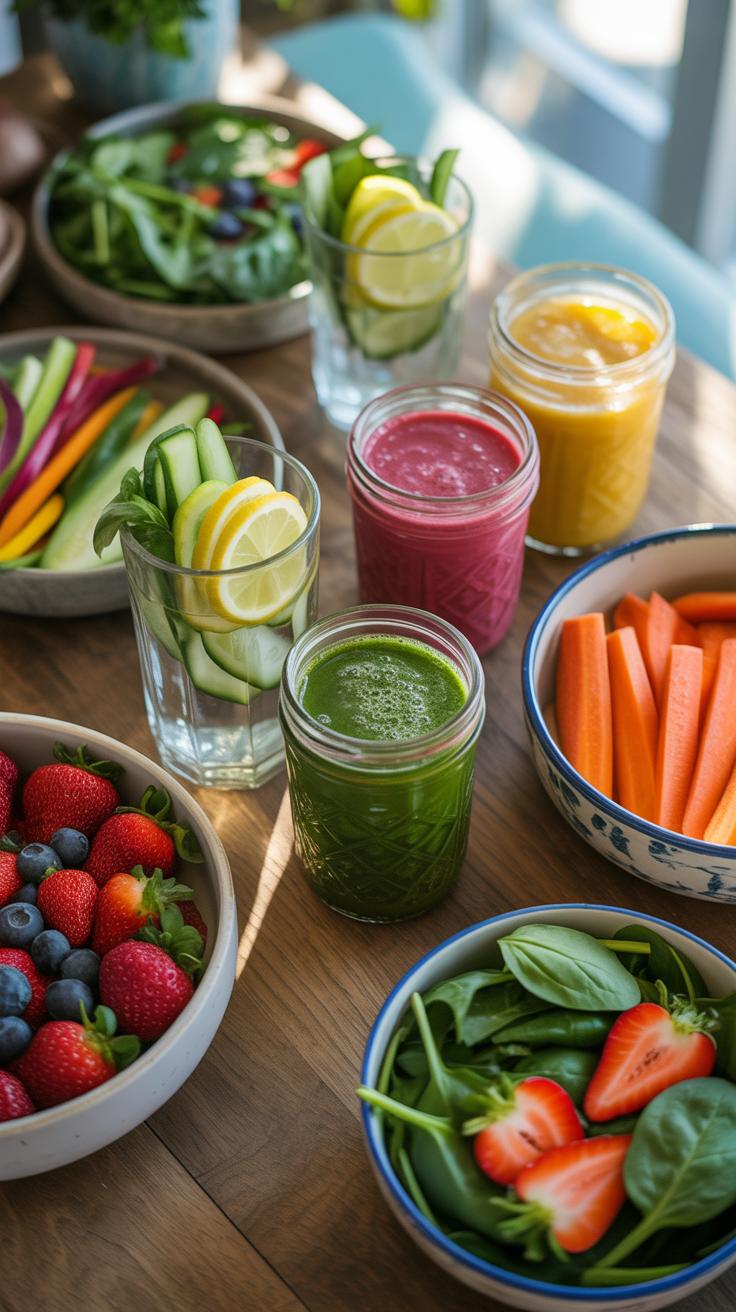
Breakfast Lunch And Dinner Ideas For A Full 1 Day Detox Meal Plan
Start your morning with a high protein breakfast to stabilize blood sugar levels. A vegetable omelet with spinach and peppers provides essential micronutrients without added sugars. This meal triggers satiation and prevents energy crashes later in the morning. Use high quality fats like avocado to maintain steady energy. Avoid processed meats or refined grains during this initial phase to reduce systemic inflammation and digestive stress.
Lunch focuses on dense leafy greens combined with lean grilled chicken or chickpeas. A large salad with a lemon and olive oil dressing supports liver function and provides necessary fiber. Fiber moves waste through the digestive tract efficiently. For dinner, consume baked wild caught salmon and steamed broccoli. This combination delivers omega three fatty acids and cruciferous vegetables. These specific foods assist the body in natural phase two detoxification processes.
To eat is a necessity, but to eat intelligently is an art. Ten days of mindful nourishment is a beautiful return to the vitality nature always intended for us.
— François de La Rochefoucauld
Smart Snacking And Hydration Tips Throughout Your Detox Day
Effective snacking prevents blood sugar spikes that lead to cravings. Choose raw walnuts or sliced cucumbers to bridge the gap between main meals. These options provide crunch and satiety without the insulin response triggered by processed snacks. Keep portions small to ensure the digestive system does not become overworked. Most people mistake thirst for hunger during a detox. Drink water consistently to maintain high metabolic efficiency and waste removal.
Hydration requires more than just plain water for optimal results. Incorporate green tea or herbal infusions like dandelion root to support kidney filtration. Avoid all caffeinated sodas and artificial sweeteners that disrupt gut bacteria. Adding a pinch of sea salt to your water can help maintain electrolyte balance as the body flushes excess fluids. Consistent fluid intake flushes toxins and improves skin clarity. Monitor urine color to ensure you remain properly hydrated throughout the entire day.
Days 1 To 5 Of Your 10 Day Detox Meal Plan The Reset Phase

What To Eat During The First Five Days Of Your Detox Diet Meal Plan
The first five days focus on elimination. You must remove all processed sugars, alcohol, and caffeine immediately. Stick to whole foods that support liver function and gut health. Prioritize cruciferous vegetables like broccoli and kale. These plants contain sulforaphane, which aids phase two liver detoxification. Drink plenty of filtered water to flush metabolic waste from your system. Precision in food choice prevents early failure.
Lean proteins and healthy fats are essential for blood sugar stability. Eat wild-caught fish, organic chicken, or lentils to maintain muscle mass. Incorporate fats from avocados or extra virgin olive oil to stay full. Avoid all grains and dairy during this initial period. These foods often cause inflammation or digestive distress. High-fiber intake ensures regular bowel movements. This process moves toxins out of the body efficiently and quickly.
Managing Common Symptoms Like Fatigue And Cravings Early On
Your body will react to the sudden removal of stimulants and sugar. Expect headaches and low energy during the first forty-eight hours. These symptoms signal that your system is adjusting to new fuel sources. Increase your salt intake slightly by using sea salt. This helps replace electrolytes lost as your body sheds excess water weight. Do not skip meals, as caloric deficits worsen these early withdrawal symptoms.
Cravings usually peak on day three when blood glucose levels fluctuate. Fight the urge to snack on fruit by eating healthy fats instead. Fat provides long-burning energy that stabilizes your mood. Ensure you sleep at least eight hours each night. Physical rest allows the body to repair tissues and manage cortisol levels. If fatigue becomes severe, reduce your exercise intensity. Focus on walking instead of high-intensity training during this transition period.
Days 6 To 10 Of Your Detox Plan The Renewal Phase

Progressing Your Meals And Nutrients In The Second Half Of Your Detox
Phase two shifts from aggressive elimination to metabolic support. You must increase your intake of cruciferous vegetables like broccoli and kale. These plants contain sulforaphane which aids liver enzymes in processing lingering toxins. Transition your protein sources toward easily digestible plant-based options or wild-caught fish. This reduces the heat generated by the gut during digestion and keeps your energy levels stable throughout the day.
Hydration remains your primary tactical advantage during these final five days. Switch from plain water to infusions containing ginger or lemon to stimulate bile production. This ensures your gallbladder functions at peak efficiency. Limit fruit sugars even from natural sources to prevent insulin spikes. Keep your fat intake centered on medium-chain triglycerides from coconut oil. These provide immediate brain fuel while your body finishes the deep cleaning process.
Signs Your Body Is Responding Positively To The Detox Plan
Look for a significant reduction in systemic inflammation and water retention. Your skin should appear clearer as the load on your lymphatic system decreases. You will notice a steady rise in cognitive clarity and the disappearance of brain fog. This happens because your blood sugar levels have stabilized. Stable glucose prevents the mid-afternoon energy crashes that usually drive you toward caffeine or processed sugar snacks.
Improved digestive regularity serves as the most reliable indicator of success. Your gut microbiome is resetting as you remove irritants like gluten and dairy. You may also experience better sleep quality and faster recovery from physical exertion. These physical markers prove your metabolic waste pathways are clear. Tracking these changes helps you identify which specific foods caused your previous health issues. Use this data to build your long-term eating strategy.
Sugar Detox Eliminating Added Sugar From Your Meal Plan

Why A Sugar Detox Is A Core Component Of Any Effective Detox Diet
Added sugar triggers insulin spikes that force the body to store fat instead of burning it. High sugar intake causes chronic inflammation and disrupts metabolic function. Your 10 day detox meal plan must remove processed sugars to reset your hormones. This shift lowers systemic stress and clears the liver of excess glucose. Eliminating these toxins is the fastest way to restore natural energy levels.
A sugar detox stabilizes blood glucose levels to prevent energy crashes. Constant sugar consumption creates a cycle of hunger and overeating. By removing high glycemic foods, you regain control over your appetite. This process allows your body to access fat stores for fuel. Successful detoxification requires a clean metabolic slate. You cannot flush out waste while continuously overloading your system with refined carbohydrates.
Natural Sugar Alternatives And How To Curb Sweet Cravings Safely
Natural sugar alternatives provide sweetness without the insulin response of refined sucrose. You must distinguish between blood sugar spikes and steady energy sources. Low glycemic options allow you to maintain flavor without compromising your detox goals. Proper substitution prevents the withdrawal symptoms common during the first few days. Focus on whole food sources that provide fiber along with their natural sugars to slow down absorption.
- Stevia: This plant based sweetener contains zero calories and does not raise blood glucose levels. Use the pure leaf extract to avoid the chemical fillers found in powdered supermarket brands. It works well in tea or morning smoothies.
- Monk Fruit: Derived from a small melon, this extract provides intense sweetness through antioxidants called mogrosides. It has a zero glycemic index rating. This makes it an ideal choice for maintaining ketosis or deep detoxification during your ten day plan.
- Cinnamon: This spice enhances the perception of sweetness while actively improving insulin sensitivity. Adding it to coffee or oatmeal helps regulate blood sugar throughout the day. It reduces the biological urge for actual sugar by stabilizing your internal metabolic environment.
- Raw Berries: Blueberries and raspberries contain high fiber and essential antioxidants that mitigate the impact of fruit sugars. They provide a tactical way to satisfy cravings while delivering micronutrients. Stick to small portions to keep your total daily carbohydrate count low.
- Erythritol: This sugar alcohol occurs naturally in some fruits and fermented foods. It carries roughly seventy percent of the sweetness of table sugar but contains almost no calories. It passes through the system without causing the major digestive upset linked to other artificial sweeteners.
Curbing cravings requires tactical planning and high protein intake. Cravings often signal a need for minerals or steady energy rather than actual sugar. Increase your consumption of healthy fats and fiber to stay full longer. Drink plenty of water to flush out the metabolic byproducts of sugar withdrawal. Consistent hydration reduces the intensity of headaches and fatigue. Stay disciplined to break the chemical dependence on processed sweets.
Vegetarian Detox Meal Plan A Plant Based Approach To Cleansing
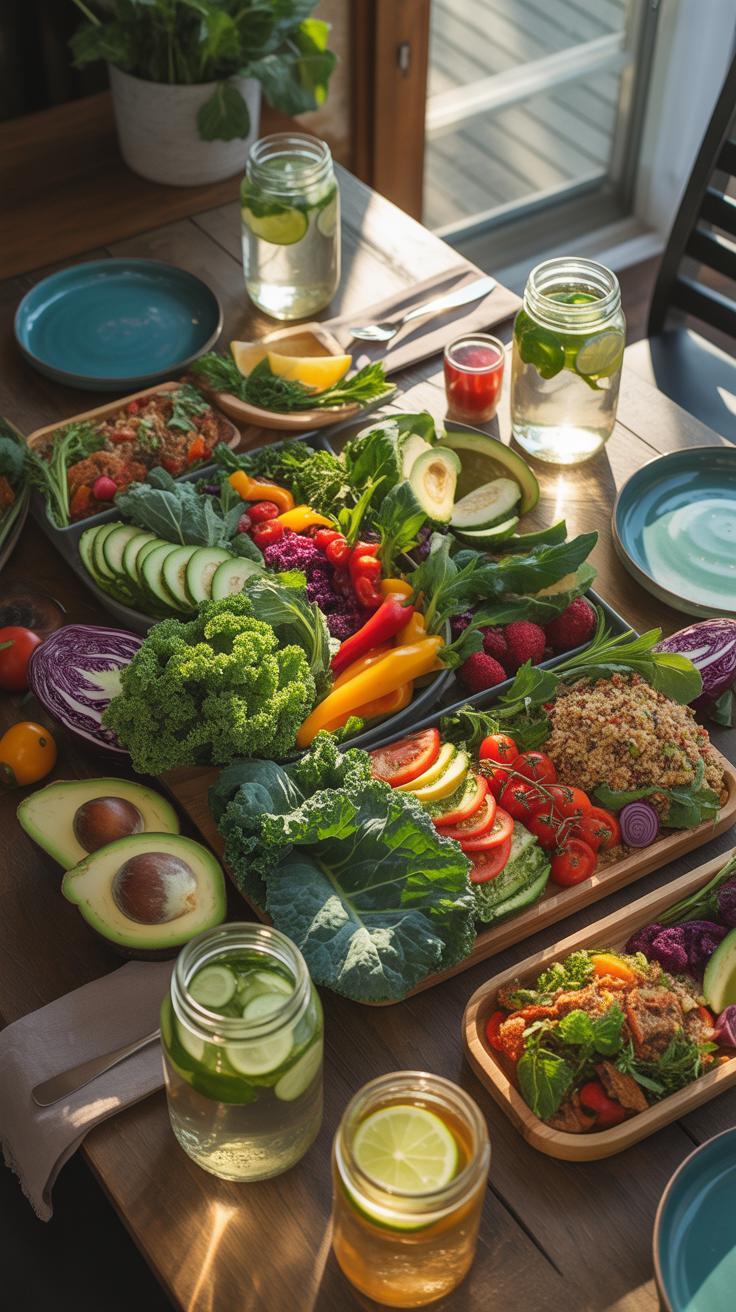
How A Vegetarian Detox Meal Plan Differs From A Standard Detox
Standard detox plans often rely on lean animal meats like chicken or white fish for satiety. A vegetarian 10 day detox meal plan shifts this focus entirely to plant fibers and phytonutrients. You eliminate animal fats that can slow down digestion. This approach prioritizes alkaline forming foods. These foods help balance your internal pH levels. You will consume more raw vegetables and sprouted grains to increase enzyme intake.
Vegetarian cleansing relies heavily on high volume eating. Since plants have lower caloric density than meat, you must eat larger portions to maintain energy. This increase in fiber accelerates bowel motility and waste removal. You avoid the hormones and antibiotics often found in commercial meat products. This reduces the total toxic load on your liver and kidneys. You focus on clean, whole food sources to optimize your metabolic functions.
Plant Based Protein Sources To Keep You Nourished During Your Detox
Protein remains essential for liver detoxification phases during your 10 day plan. Plant based sources provide amino acids without the inflammatory saturated fats found in beef or pork. Lentils and chickpeas offer a dual benefit of protein and soluble fiber. This fiber binds to toxins in the gut for excretion. Hemp seeds and chia seeds provide complete protein profiles. They also supply essential fatty acids for brain health.
Monitor your protein timing to prevent blood sugar crashes. Spread your intake across all meals instead of saving it for dinner. Fermented soy products like tempeh support gut health while providing dense nutrition. Quinoa acts as a versatile base that contains all nine essential amino acids. Proper protein intake prevents muscle loss during the calorie deficit of a detox. Choose organic sources to avoid pesticide residues that interfere with your results.
Maintaining Results After Completing Your 10 Day Detox Meal Plan

Transitioning Back To A Balanced Diet Without Undoing Your Progress
Reintroducing complex foods requires a systematic approach to prevent digestive distress and rapid weight regain. Start by adding one food group every forty eight hours. Focus on lean proteins and complex carbohydrates first. Monitor your body for inflammatory responses like bloating or fatigue. Rapidly returning to processed sugars and high sodium counts will trigger water retention. Use the data from your reactions to build a permanent safe food list.
Maintain the hydration levels established during the ten day period. Water intake regulates hunger signals and supports kidney function during the transition phase. Avoid liquid calories and alcohol for at least seven days after the detox ends. This protects your metabolic rate and keeps insulin levels stable. Prioritize whole foods found on the perimeter of the grocery store. Strategic reintroduction ensures your gut microbiome adapts without the shock of heavy chemicals.
Building Long Term Healthy Eating Habits Inspired By Your Detox Experience
Apply the meal prep techniques learned during the detox to your standard routine. Consistency beats intensity for physical health. Use Sunday evenings to portion out whole food snacks and vegetable based lunches. This eliminates decision fatigue during the work week. When you remove the choice to eat poorly you guarantee success. High fiber intake should remain a non negotiable part of every meal you consume moving forward.
Audit your pantry based on the ingredient labels you scrutinized during the program. Remove items containing high fructose corn syrup and hydrogenated oils. Replace these with single ingredient alternatives that support liver health. Set a strict schedule for your last meal of the day to support circadian rhythms. Quality sleep influences ghrelin and leptin levels which control your appetite. Treat your kitchen like a recovery center to sustain your baseline.
Frequently Asked Questions

What exactly is a 10 day detox diet and is it safe for beginners?
A 10 day detox diet focuses on refueling your body with whole, unprocessed foods while eliminating sugar, caffeine, and refined flours. For beginners, this short-term reset is an excellent way to break unhealthy habits and reduce bloating. By following a structured 10 day detox meal plan, you ensure your body receives essential nutrients and fiber, making the transition feel energizing rather than restrictive as you jumpstart your wellness journey.
How can I successfully prepare for a 10 day detox meal plan?
Preparation is the secret to staying on track. Start by clearing your pantry of tempting processed snacks and restocking with fresh greens, lean proteins, and healthy fats. We recommend spending a few hours on “Day Zero” washing, chopping, and portioning your ingredients. Having your 10 day detox meal plan steps mapped out and your fridge stocked prevents impulsive decisions when you are busy or feeling a bit hungry.
Is it possible to follow a detox diet on a tight budget?
Absolutely! You do not need expensive “superfoods” or pricey supplements to see results. Focus on affordable staples like dried lentils, brown rice, seasonal vegetables, and frozen berries. Buying in bulk and choosing versatile ingredients that work across multiple recipes will keep costs low. A well-designed plan prioritizes simple, whole ingredients that are accessible at any local grocery store, making healthy living achievable for every household budget.