

What Is A 4 Week Vegan Meal Plan And Why It Works For Beginners
Understanding The Core Principles Behind A Vegan Meal Plans For Beginners Approach
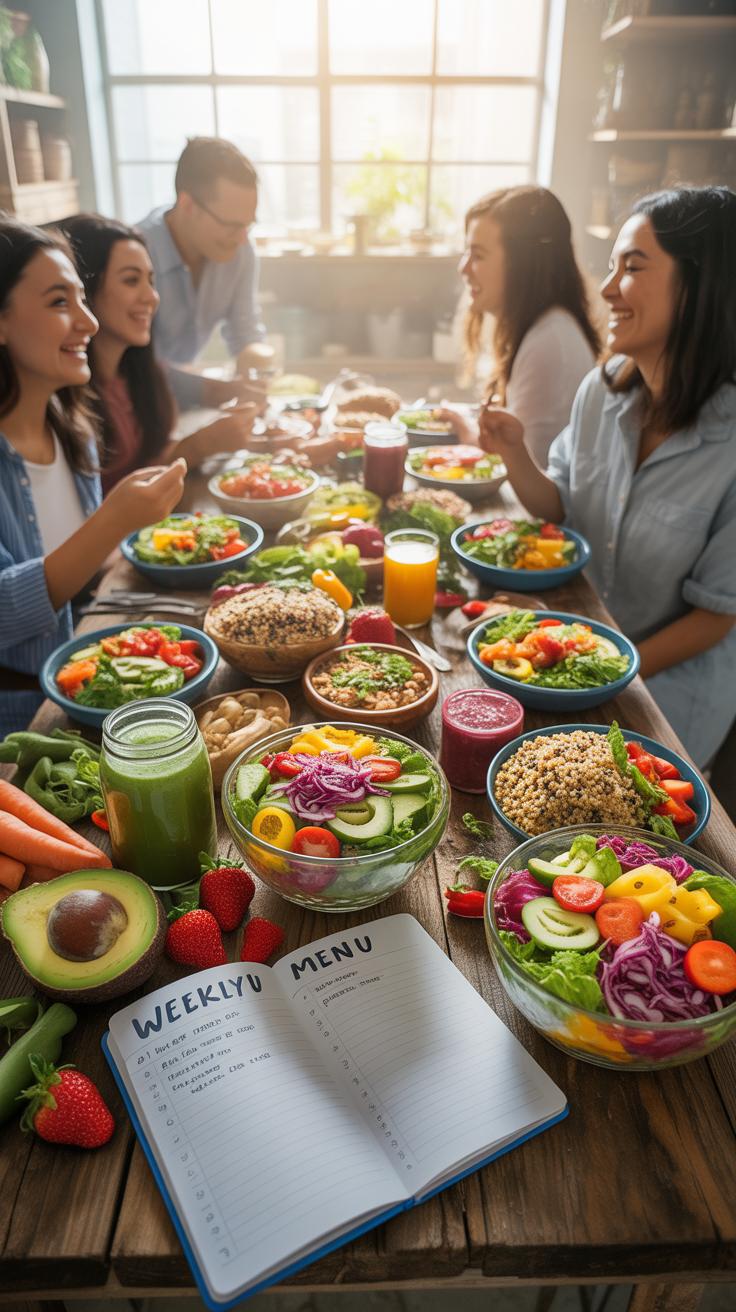
A vegan meal plan eliminates all animal products including meat, dairy, eggs, and honey. It prioritizes whole plant foods like grains, legumes, vegetables, and nuts. This approach ensures you get essential nutrients while avoiding animal fats. You must focus on caloric density and protein variety to maintain energy levels. Planning prevents the common mistake of eating only processed side dishes instead of complete meals.

Standard vegan principles require a reliable source of vitamin B12 through fortified foods or supplements. You also need to balance iron and calcium intake using plant sources like kale and lentils. Successful beginners track their macronutrients to avoid excessive carbohydrate consumption. A structured plan removes daily guesswork and lowers the barrier to entry. This tactical setup ensures your body adapts to a high fiber intake without digestive distress.
How A Structured 4 Week Timeline Helps You Build Lasting Dietary Habits
A 28 day schedule provides enough time for your palate to adjust to new flavors. Scientists note that habit formation requires consistent repetition over several weeks. The first month serves as a training period for grocery shopping and food preparation. By following a set list, you reduce decision fatigue and the temptation to quit. Structure creates a clear path from curiosity to a sustainable lifestyle change.

The four week duration allows for gradual physiological changes. Your gut microbiome shifts to process plant fibers more efficiently by the third week. Breaking the month into cycles helps you master specific recipes until they become second nature. You learn how to stock a plant based pantry and identify hidden animal ingredients in labels. This timeline bridges the gap between a short trial and a permanent dietary shift.
How To Use A Vegan Meal Plan Template To Organize Your Month
Key Sections Every Vegan Meal Plan Template Should Include For Daily Success
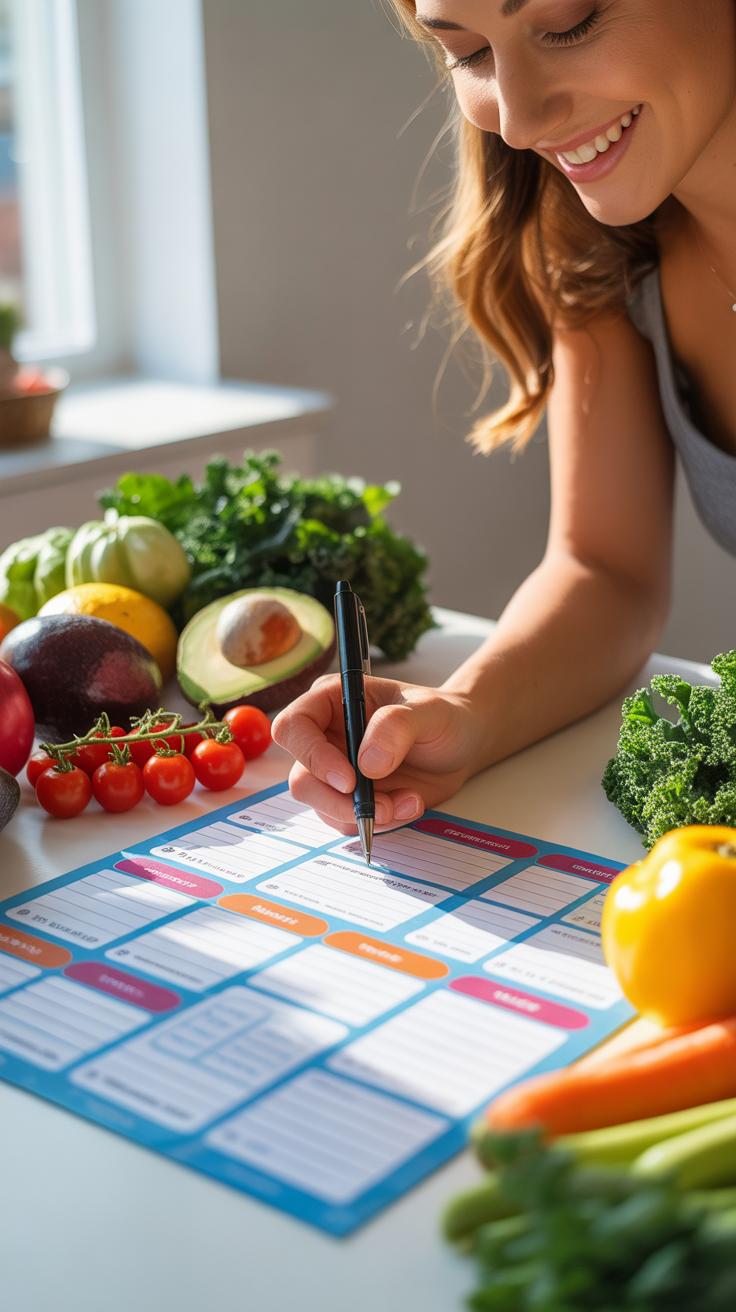
A professional template must track macronutrients and essential vitamins. You need columns for protein sources like lentils, tofu, and beans to ensure muscle maintenance. Specific slots for B12 and Omega-3 supplements prevent common nutritional gaps. Your layout should separate breakfast, lunch, dinner, and snacks. This structure keeps energy levels stable throughout the day. Clear columns help you see patterns in your eating habits.
Include a section for prep work and inventory management. Note which ingredients you already own to reduce waste. List specific prep times for soaking grains or chopping vegetables. Organizing by time prevents bottlenecks in the kitchen. A well-designed document helps you track grocery costs and portion sizes. Use a simple grid system for maximum clarity. This approach turns a plan into a functional tool.
How To Customize Your Template Around Nutrition Goals, Budget, And Lifestyle
Adjust your template to match your daily activity levels. High-performance athletes require more carbohydrates and caloric density. Sedentary office workers should focus on high-fiber greens and lean plant proteins. Modify the template to account for your specific work schedule. If you work late, schedule bulk cooking on Sundays. Personalizing your plan ensures it remains sustainable over the full four weeks of the transition.
Incorporate financial limits into your meal plan design. Buy bulk grains like rice and oats to lower the price per serving. Use seasonal produce to cut costs and improve flavor. If your lifestyle involves frequent travel, plan for portable meals like wraps or salads. A rigid template fails when it ignores your reality. Success comes from aligning the meal plan with your wallet and your watch.
Your Complete 1 Week Vegan Meal Plan What To Eat In Week One
Vegan Meal Plan For A Week: Breakfast, Lunch, And Dinner Ideas To Kick Off Week One
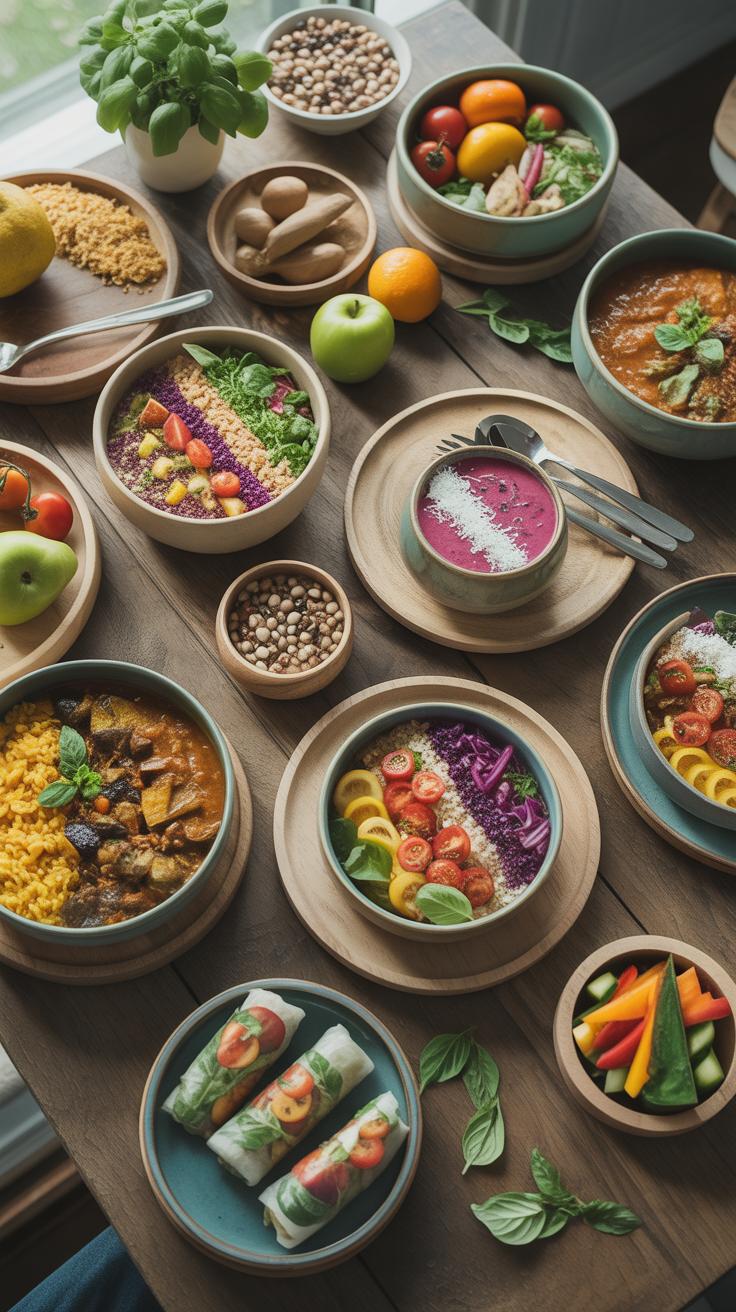
Week one focuses on high volume and familiar structures to prevent hunger. Start your mornings with overnight oats using soy milk and chia seeds for fiber. For lunch, prepare grain bowls featuring quinoa, roasted chickpeas, and tahini dressing. These meals provide stable energy and prevent midday crashes. Focus on whole foods rather than expensive processed meat substitutes to establish a solid nutritional baseline.
Dinner requires a shift toward hearty legumes to ensure satiety. Cook red lentil dal or black bean chili to provide a dense caloric foundation. Use corn tortillas or brown rice as your primary carbohydrate source. Batch cooking these meals on Sunday ensures you have leftovers for busy weeknights. This strategy reduces decision fatigue and keeps you on track with the meal plan during the initial transition phase.
Nutritional Highlights Of Week One And How To Meet Your Daily Protein Needs
Meeting protein requirements on a vegan diet requires intentional sourcing. Focus on complete proteins like quinoa and soy products which contain all nine essential amino acids. Legumes such as lentils and peas serve as the primary nitrogen source for muscle repair. Combine different plant sources throughout the day to ensure a diverse amino acid profile. Proper planning eliminates the risk of protein deficiency common in unplanned diets.
Iron and B12 intake become priorities during the first seven days. Incorporate dark leafy greens like kale and spinach alongside vitamin C sources to boost iron absorption. You must use fortified nutritional yeast or a direct supplement for B12 as plant foods lack this essential nutrient naturally. Monitoring these specific micronutrients ensures your energy levels remain high. Tactical nutrition choices during week one set the stage for long term success.
Weekly Vegan Diet Schedule For Weeks Two And Three Building Variety And Confidence
How Your Weekly Vegan Diet Schedule Evolves In Weeks Two And Three With New Recipes
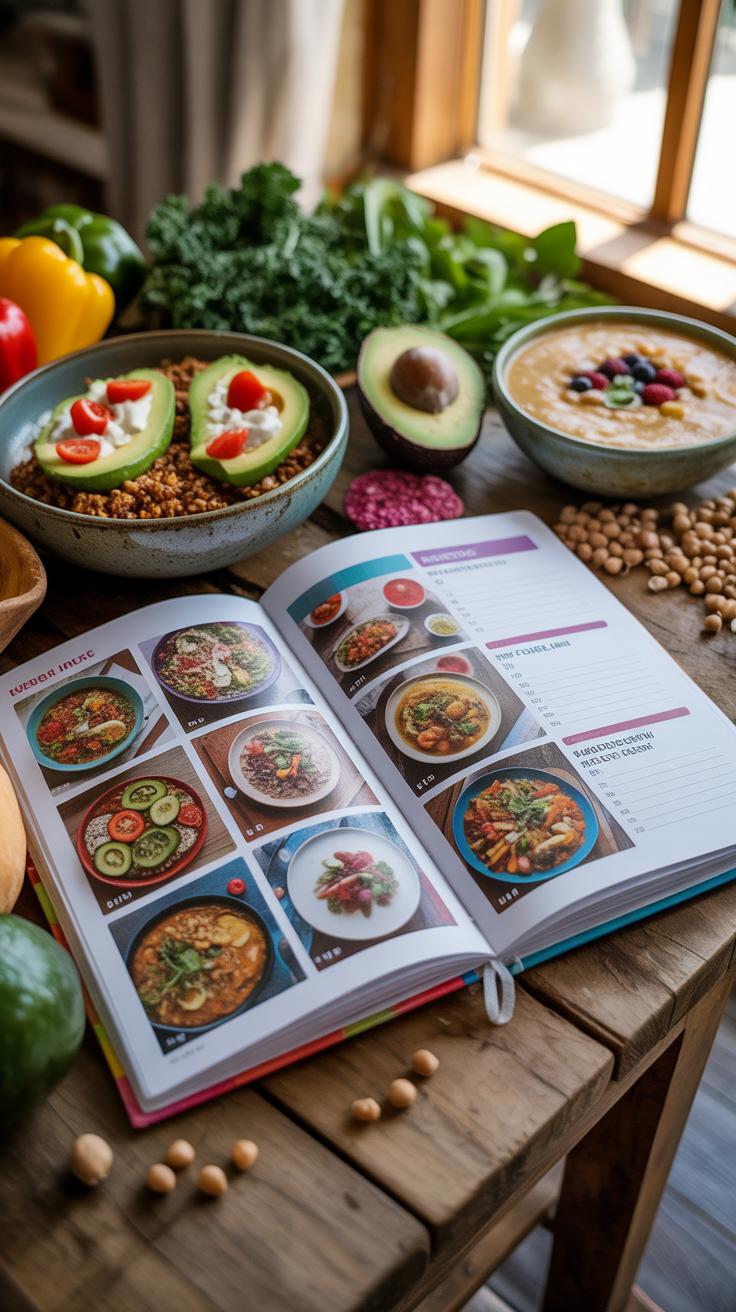
Weeks two and three shift from basic survival to culinary expansion. You must replace initial simple snacks with structured meals that utilize bulk ingredients. This phase introduces complex grains like farro and buckwheat to replace white rice. These grains provide higher fiber and protein content. You will also begin experimenting with fermented foods like tempeh and miso. These additions improve gut health and add savory depth.
The schedule now requires more sophisticated food prep techniques. You will move from boiling pasta to roasting dense vegetables and marinating plant proteins. Batch cooking becomes critical during these mid-month weeks. You should prepare large quantities of versatile sauces such as tahini lemon or spicy peanut. These sauces unify disparate ingredients into cohesive meals. This strategy reduces decision fatigue and prevents you from returning to processed foods.
Balancing Macronutrients Across Your Mid Month Vegan Daily Meal Plan
A successful mid-month plan requires precise macronutrient management to maintain energy. You must ensure every meal contains a distinct protein, fat, and carbohydrate source. Legumes and soy products serve as your primary protein drivers. You must combine these with healthy fats such as avocado, nuts, or seeds to increase satiety. This balance regulates blood sugar and prevents the common energy crashes associated with high-carb vegan diets.
Micronutrient Density becomes a priority as your body adjusts to the mission. You must monitor your intake of iron and calcium through leafy greens and fortified plant milks. Combine iron-rich foods with vitamin C sources like citrus or peppers to maximize absorption. This tactical approach to nutrition ensures your physical performance does not drop. Precision in meal composition separates a sustainable lifestyle from a temporary diet. Stay focused on high-density fuel.
Week Four Of Your Vegan Monthly Meal Plan Refining And Sustaining Your New Diet

What To Focus On During The Final Week Of Your Vegan Monthly Meal Plan
Week four requires a shift from survival to optimization. You have already identified which plant-based proteins work for your digestion. Now you must audit your nutrient density. Focus on integrating high-iron sources like lentils and leafy greens with vitamin C to increase absorption rates. This period is about stabilizing your energy levels and ensuring your body receives consistent fuel through complex carbohydrates.
Prioritize efficiency in the kitchen this week. Use your established knowledge to batch prep versatile components rather than complex individual recipes. Cook large quantities of quinoa or roasted chickpeas to use across multiple dishes. This strategy reduces decision fatigue and prevents a return to processed convenience foods. You are no longer testing a diet. You are refining a repeatable system for daily nutritional success.
How To Transition From A 4 Week Plan Into A Long Term Vegan Lifestyle
Longevity depends on moving beyond a rigid calendar. Transition into a flexible framework by mastering five core plant-based recipes you can cook without instructions. These base meals should include a grain bowl, a legume stew, and a high-protein stir-fry. Knowing the mechanics of these dishes allows you to substitute seasonal ingredients. Flexibility stops the diet from becoming a chore during busy work weeks.
Expand your social and environmental strategy to prevent burnout. Identify vegan-friendly restaurants in your local area to maintain a social life without stress. Buy bulk staples like dry beans and nuts to lower your grocery expenses. Constant education on nutrition prevents common deficiencies like B12 or Vitamin D. Successful long-term vegans treat their diet as an evolving skill set rather than a destination.
Vegan Meal Prep Grocery Lists What To Buy Each Week Without Overspending

Weekly Vegan Meal Prep Grocery Lists Broken Down By Produce, Proteins, And Pantry Staples
Successful vegan meal prep requires a structured inventory to avoid mid-week grocery runs. You must categorize your list into perishable produce and shelf-stable essentials to maximize efficiency. Use this framework to build a 4 week vegan meal plan that utilizes repeatable ingredients across different recipes. This approach minimizes the total number of unique items you need to track and purchase during your weekly shopping trip.
- Bulk Legumes: Buy dried lentils, chickpeas, and black beans in large quantities to secure the lowest price per serving. These provide the foundational protein for soups, salads, and tacos throughout the entire month.
- Hearty Cruciferous Vegetables: Focus on broccoli, cauliflower, and cabbage because they have a longer shelf life than leafy greens. These vegetables withstand the heat of roasting and maintain their texture during four days of refrigeration.
- Versatile Whole Grains: Stock brown rice, quinoa, and rolled oats to serve as the caloric base for every meal. Grains are shelf-stable and allow for rapid assembly of grain bowls or breakfast porridges when prep time is Limited.
- Aromatic Alliums and Roots: Maintain a steady supply of onions, garlic, potatoes, and carrots to build flavor profiles and density. These items are inexpensive and serve as the essential flavor starting point for almost every savory vegan dish.
- Plant Based Fats: Keep olive oil, tahini, and raw nuts available for making homemade dressings and sauces. High quality fats improve satiety and ensure you absorb fat soluble vitamins found in your vegetable components.
Efficient shopping relies on a tiered list that prioritizes high volume staples over expensive specialty products. Buy frozen fruits and vegetables if fresh options are out of season or too pricey. Frozen produce is frozen at peak ripeness and offers the same nutritional value as fresh. Verify your pantry stock before leaving the house to prevent buying duplicates of spices, oils, or grains you already own.
Smart Shopping Strategies To Reduce Food Waste And Stick To A Vegan Budget
Eliminate food waste by following a rigid meal schedule and checking your refrigerator inventory daily. Shop with a physical list to prevent impulsive purchases of expensive processed vegan snacks. Focus on the perimeter of the store where the whole foods are located. Only enter the middle aisles for specific needs like grains, beans, or vinegars. This tactic keeps your cart filled with nutrient dense items and lowers the final bill.
Batch cooking is the most effective way to protect your budget and reduce spoilage. Prepare large portions of grains and proteins on Sunday to ensure you use every item purchased. If you have leftover vegetables at the end of the week, toss them into a stir fry or soup. Proper storage in airtight glass containers extends the life of your prepared meals. Consistency in these habits ensures your 4 week vegan meal plan remains affordable.
Meal Plan Vegan Nutrition Guide Key Vitamins And Minerals To Watch
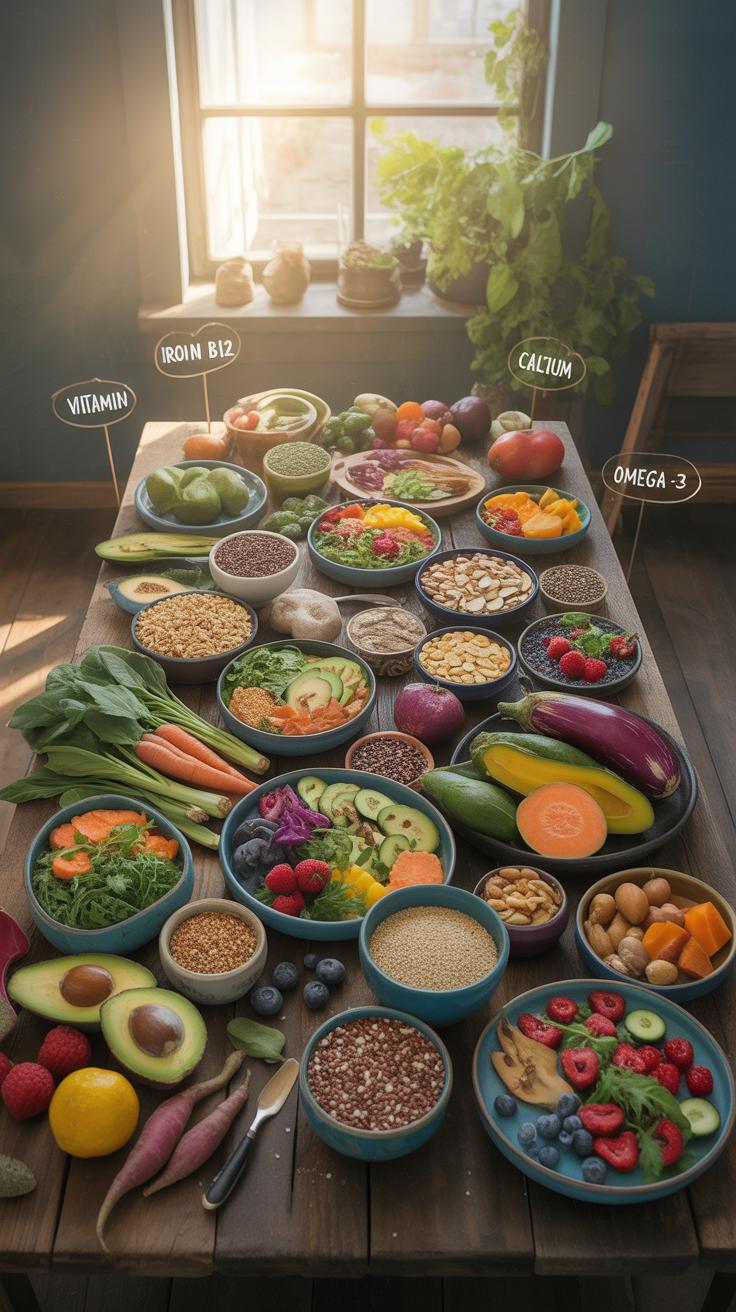
Essential Nutrients Often Missed On A Meal Plan Vegan Diet And How To Get Enough
A 4 week vegan meal plan must prioritize specific micronutrients usually found in animal products. Failure to track these leads to fatigue and long term health issues. You must target vitamins B12 and D, plus minerals like iron and calcium. Planning ensures you meet physiological needs without relying on animal proteins. Execution requires consistent intake of varied plant sources every single day.
- Vitamin B12: Bacteria produce this essential nutrient. Plants do not make it naturally. You must consume fortified foods or take a daily supplement. It prevents nerve damage and anemia. Lack of B12 causes permanent neurological issues.
- Iron: Plant based iron is non heme iron. The body absorbs it less efficiently than heme iron from meat. Eat lentils and spinach with vitamin C to increase absorption rates. Avoid drinking coffee or tea during meals to prevent blocking uptake.
- Calcium: This mineral maintains bone density and muscle function. You find it in kale, bok choy, and fortified plant milks. Do not assume all greens have high calcium. Some greens like spinach contain oxalates that block calcium absorption.
- Omega 3 Fatty Acids: These fats support heart and brain health. Most people get them from fish. In a vegan plan, use walnuts, chia seeds, and flaxseeds. Consider an algal oil supplement to get direct EPA and DHA.
- Iodine: This element regulates thyroid function and metabolism. Most plant foods are low in iodine unless grown in specific soils. Use small amounts of iodized salt or eat seaweed. Monitoring intake prevents goiters and metabolic slowdown.
Strategic eating compensates for lower bioavailability in plant sources. Pair iron rich legumes with citrus fruits to maximize nutrient delivery. Use a tracking app to log your daily intake for the first month. This data reveals gaps in your nutritional profile before they become problems. Discipline in ingredient selection guarantees your body functions at peak performance throughout the entire meal plan.
The journey to a kinder table begins with a single, mindful dish shared in the warmth of home. Four weeks of nourishing your body is a beautiful return to the roots of what it means to truly eat well.
How Whole Foods And Fortified Products Support A Nutritionally Complete Vegan Diet
Whole foods provide the fiber and phytonutrients necessary for gut health and disease prevention. Legumes, grains, and nuts form the foundation of your caloric intake. These unprocessed ingredients offer steady energy without the crashes associated with refined sugars. You must build your plate around these staples to ensure long term success. Proper preparation like soaking beans improves digestion and nutrient access.
Fortified products act as a safety net for modern vegan diets. Manufacturers add vital nutrients like B12, Vitamin D, and Calcium to plant milks and cereals. These products mirror the nutritional profile of dairy and meat. Using them regularly simplifies your planning process. Combine these engineered foods with whole plants to reach your daily targets. This dual approach eliminates the need for complex supplemental regimens.
Tips Tools And Resources To Maintain Your Vegan Daily Meal Plan Long Term
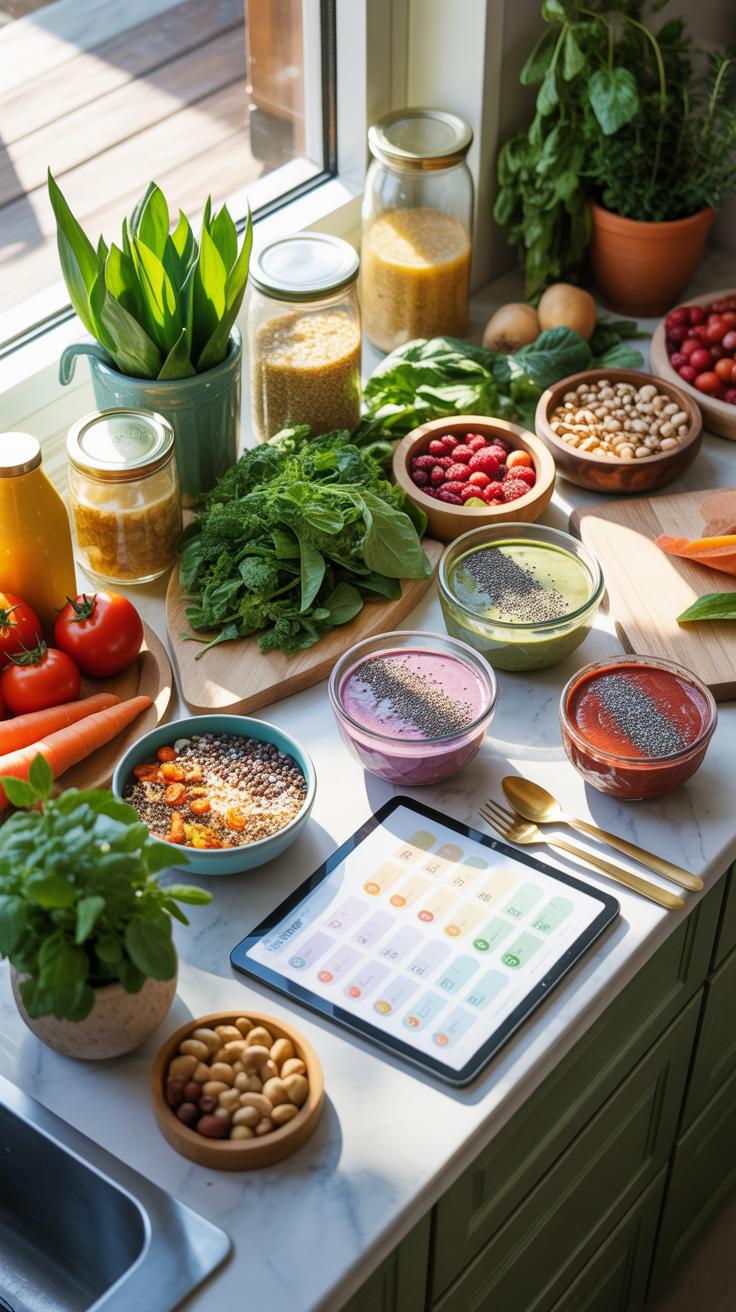
Practical Tools And Apps That Help You Track And Stick To Your Vegan Daily Meal Plan
Digital tools provide the data necessary to avoid nutritional deficiencies. Apps like Cronometer allow you to track micronutrients such as Vitamin B12 and calcium. Precise tracking prevents the common mistake of under-eating calories when transitioning from meat to plants. You must use these tools to ensure your protein intake remains consistent throughout the initial four weeks of your new lifestyle change.
Dedicated vegan databases help you identify animal-derived ingredients in processed foods. The “Is It Vegan?” app scans barcodes to reveal hidden dairy or gelatin. Use these tools to audit your pantry and streamline your grocery trips. Reliable data removes the guesswork from shopping. Successful meal planning depends on accurate inventory management. Automation reduces the mental load of making daily food choices and keeps you on track.
How To Handle Social Situations, Eating Out, And Cravings While Following A Vegan Plan
Social settings require a proactive strategy to maintain your dietary standards. Review restaurant menus online before you arrive. Most establishments now offer plant-based options or allow for simple modifications. Ask for specific swaps like oil instead of butter or beans instead of cheese. Communicate your needs clearly to the staff to avoid mistakes. Planning ahead eliminates the stress of making snap decisions under social pressure.
Manage cravings by identifying the specific texture or flavor you miss. Fat and salt often drive these urges rather than the meat itself. Use calorie-dense plants like avocado or nuts to satisfy hunger. Keep compliant snacks in your car or office to prevent impulsive non-vegan purchases. Consistency relies on preparation. If you control your environment, you control your outcomes. Discipline becomes easier when you have a physical backup plan ready.
Frequently Asked Questions

Is a 4 week vegan meal plan suitable for someone with no plant-based experience?
Absolutely! Starting a 4 week vegan meal plan is the perfect way for beginners to transition without feeling overwhelmed. By following a structured guide, you eliminate the guesswork of tracking nutrients like protein and B12. This timeframe is ideal because it allows your taste buds to adjust to natural flavors while helping you establish consistent, healthy habits that make plant-based living feel like a permanent lifestyle rather than a temporary challenge.
How can I successfully prep my meals to stay on track for the full month?
Consistency is key when following a 4 week vegan meal plan. To succeed, dedicate a few hours each Sunday to batch-cooking staples like quinoa, roasted chickpeas, and hearty lentil stews. Pre-chopping vegetables and mixing signature sauces ahead of time ensures that even on your busiest weeknights, you have a nutritious, animal-free meal ready in minutes. Proper preparation prevents the temptation of grabbing non-vegan convenience foods when your energy levels are low.
Can I follow a plant-based diet if I am on a strict monthly budget?
Many people worry that veganism is expensive, but it is actually very affordable if you focus on whole foods. To keep costs low, build your meals around pantry staples like dried beans, oats, brown rice, and seasonal produce. Buying in bulk and choosing frozen vegetables over pre-cut fresh options can significantly reduce your grocery bill while still providing all the essential nutrients you need for a delicious and sustainable lifestyle.