

Understanding Holiday Eating Tips Healthy Habits Start With Mindset

Why The Holiday Season Challenges Our Eating Patterns
Holiday schedules disrupt your normal eating routine. Social events increase access to calorie-dense foods and alcohol. These environments often bypass internal hunger signals through psychological triggers like nostalgia and tradition. Stress levels rise during this period which spikes cortisol. This hormone increases cravings for sugar and fat. You face more food cues than any other time of year.
Peer pressure and social proof influence your food choices at parties. People tend to match the eating pace and volume of those around them. This biological drive for social cohesion makes it difficult to stop eating when full. Frequent gatherings also lead to decision fatigue. Making constant choices about food wears down your willpower. This leads to impulsive eating and poor nutritional decisions.
Shifting From An All Or Nothing Mentality To A Balanced Approach
The all or nothing mentality creates a cycle of restriction and bingeing. People often view holiday eating as either perfect or a total failure. If they eat one cookie, they assume the day is ruined. They then eat everything in sight. This logic is flawed and causes excessive weight gain. You must view one meal as a single data point.
A balanced approach focuses on consistency over perfection. You allow for intentional indulgences while maintaining your core nutritional habits. This removes the guilt associated with holiday foods. Guilt actually triggers more overeating by increasing stress. Shift your focus to high-impact actions like protein intake and hydration. Treat every meal as a fresh start. This mindset protects your progress without requiring total deprivation.
How To Eat Healthy During The Holidays Without Feeling Deprived

Choosing Nutrient Dense Foods While Still Enjoying Seasonal Favorites
Prioritize protein and fiber to maintain satiety during holiday events. Lean proteins like turkey or roast beef stabilize blood sugar levels. Fiber from roasted vegetables slows digestion and prevents insulin spikes. These nutrient-dense choices provide a solid foundation. They allow you to consume smaller portions of calorie-heavy sides without feeling hungry. High-protein intake also helps preserve muscle mass when your normal exercise routine faces holiday disruptions.
Balance your plate by following the eighty-twenty rule. Fill eighty percent of your dish with whole foods like greens, nuts, and lean meats. Reserve the remaining twenty percent for traditional treats like stuffing or pie. This method prevents the feeling of restriction that often leads to binge eating later. You satisfy your cravings while getting the essential vitamins and minerals your body needs to function properly during stressful periods.
Practical Strategies For Navigating Holiday Buffets And Dinner Tables
Use a smaller plate to control portion sizes at the buffet line. Visual cues heavily influence how much you eat. A full small plate signals satisfaction to the brain more effectively than a half-empty large plate. Survey all food options before picking up a utensil. Choose only the items you truly want to eat. This strategy eliminates mindless snacking on low-quality appetizers or bread rolls that offer little nutritional value.
Hydrate with water between alcoholic or sugary drinks to manage total caloric intake. Liquid calories add up quickly and do not trigger fullness signals. Drink sixteen ounces of water before the meal starts. This fills the stomach and reduces the urge to overeat. Eat slowly and chew your food thoroughly to give your brain time to register fullness. This process usually takes twenty minutes. Proper pacing prevents the discomfort of overindulgence.
Healthy Holiday Meal Tips For Planning Smarter Festive Dishes

How To Build A Balanced Holiday Plate With Protein, Fiber, And Healthy Fats
Prioritize protein to manage hunger signals throughout the event. Fill half of your plate with high-fiber vegetables like roasted carrots or green beans first. This strategy creates physical bulk in the stomach and slows glucose absorption. High-fiber foods prevent the rapid blood sugar spikes often caused by traditional holiday starches. Focus on white turkey meat or lean ham to provide essential satiety.
Incorporate healthy fats in moderation to improve nutrient absorption and satisfaction. Use small portions of nuts, seeds, or avocado to keep you full for longer periods. Avoid heavy cream sauces that add empty calories without nutritional value. Strategic plate mapping ensures you consume vital nutrients before reaching for dessert. This methodical approach reduces the likelihood of overeating calorie-dense processed foods later in the evening.
Simple Ingredient Swaps That Reduce Calories Without Sacrificing Flavor
Modifying traditional recipes lowers total caloric intake while maintaining familiar textures. Use Greek yogurt instead of sour cream to increase protein and decrease fat in dips. Substitute vegetable broth for butter when mashing potatoes or sautéing vegetables. These changes preserve the savory profile and moisture of the original dish. Small adjustments across multiple recipes significantly reduce the total energy density of your festive meal.
- Greek Yogurt: Replace heavy sour cream or mayonnaise in chilled holiday dips and dressings. This swap adds probiotics and significant protein while cutting saturated fat and excess calories. It maintains the creamy texture guests expect from traditional appetizers.
- Applesauce: Use unsweetened applesauce to replace half of the oil or butter in holiday baking recipes. This reduces fat content and adds moisture to cakes or muffins. It works best in dense batters like gingerbread or fruitcakes.
- Riced Cauliflower: Mix riced cauliflower into traditional mashed potatoes or stuffing recipes. This increases fiber intake and lowers the overall carbohydrate load of the side dish. It allows for larger serving sizes with fewer calories per spoonful.
- Low-Sodium Broth: Use high-quality vegetable or chicken broth instead of butter for sautéing aromatics like onions and celery. This technique provides deep flavor without the high caloric cost of animal fats. It keeps vegetables moist during the long roasting process.
- Alternative Sweeteners: Switch refined white sugar for maple syrup or honey in small quantities for glazing vegetables. These options provide more intense flavor profiles, allowing you to use less total sweetener. This change reduces the glycemic impact of your holiday side dishes.
Executing these swaps requires minimal effort but delivers high tactical value for weight management. Focus on replacing high-density fats with nutrient-dense alternatives that mimic the mouthfeel of the original ingredients. Test these substitutions in small batches before the main event to ensure flavor consistency. Mastering these simple exchanges allows you to enjoy traditional flavors without compromising your nutritional goals during the holiday season.
Holiday Eating Tips To Help You Stay Consistent At Social Gatherings

How To Set Realistic Intentions Before Attending Holiday Parties
Decide exactly what you will eat before you arrive at the event. Review the menu or ask the host about the food options. Pick one or two specific items to enjoy. This strategy removes the need for impulse decisions in a loud environment. Eat a protein-rich snack one hour before the party starts. This stabilizes your blood sugar and prevents overeating later.
Focus on your physical hunger cues during the gathering. Use a small plate to control the amount of food you take. Fill half of that plate with fibrous vegetables first. Drink a full glass of water between every alcoholic or sugary beverage. These tactical steps ensure you stay satisfied without losing control of your nutritional goals. Planning ahead turns choices into a system.
Managing Social Pressure Around Food During Festive Events
Social pressure often leads to poor food choices at holiday parties. Prepare a direct response for people who push unwanted food on you. State clearly that you are full or that the food looks great but you are finished. You do not need to provide a long medical or personal explanation. A short and polite refusal stops the pushy behavior without creating conflict.
Hold a glass of sparkling water to keep your hands busy. This visual cue signals to others that you already have a drink. Move your conversations away from the buffet table or kitchen. Physical distance from the food source reduces the urge to graze while talking. Focus on the social interaction rather than the snacks. Assertive communication and smart positioning protect your progress during heavy social seasons.
Intuitive Eating Holiday Tips Listening To Your BodyS Natural Cues

What Intuitive Eating Is And Why It Works Well During The Holidays
Intuitive eating is a clinical framework developed by dietitians Evelyn Tribole and Elyse Resch in 1995. It rejects the diet mentality of restriction and calorie counting. Instead, it relies on internal physical sensations to guide food choices. This approach works during the holidays because it removes the guilt associated with seasonal foods. You focus on satisfaction rather than following rigid rules.
This strategy prevents the binge-restrict cycle common in December. When you allow yourself to eat any food, you stop craving it with intensity. This physiological shift reduces the urge to overeat during large parties. You maintain your health by trusting your biology instead of a trendy meal plan. It shifts your focus from the plate to the social experience of the holiday.
Recognizing Hunger And Fullness Signals Amid Holiday Celebrations
Hunger and fullness signals are biological cues managed by hormones like ghrelin and leptin. During loud holiday events, external noise often drowns out these internal messages. You must check in with your stomach regularly to assess your true hunger level. Avoid arriving at parties starving, as extreme hunger overrides your ability to make rational choices. Start eating when you feel mild physical hunger.
Fullness is a neutral sensation where food stops tasting as good as the first bite. Stop eating when you feel energized and comfortable, not stuffed. Slow your pace to allow your brain time to receive these satiety signals. It takes about twenty minutes for your stomach to communicate fullness to your brain. Use this delay to your advantage. Focus on how your body feels after each bite.
Holiday Nutrition Tips For Maintaining Energy Through The Festive Season

How Macro And Micronutrient Balance Supports Holiday Energy Levels
Holiday meals often prioritize simple carbohydrates and fats. This combination causes rapid blood sugar spikes followed by sharp crashes. You experience fatigue and brain fog as a result. High protein intake stabilizes these levels by slowing digestion. Pair every holiday treat with a lean protein source like turkey or greek yogurt. This strategy keeps your insulin response under control and maintains steady metabolic energy.
Complex carbohydrates provide sustained fuel for long social events. Choose fiber-rich options like roasted root vegetables over refined flour rolls. B vitamins found in leafy greens and lean meats act as essential cofactors for energy production. These micronutrients help your body convert food into usable cellular energy. Maintaining this nutritional balance prevents the lethargy commonly associated with heavy seasonal eating. Proper fueling ensures you remain active.
The Role Of Hydration In Keeping You Feeling Your Best During The Holidays
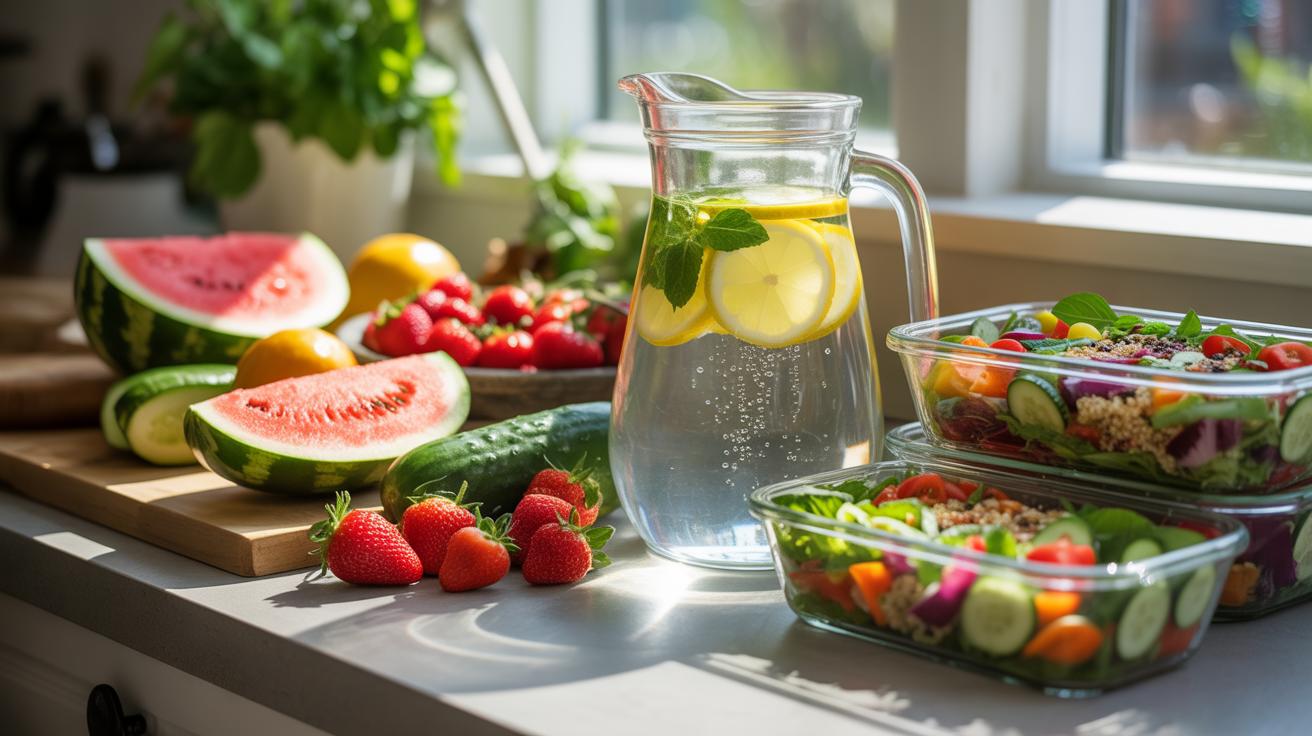
Dehydration mimics the sensation of hunger and leads to overeating at parties. Air travel and heated indoor environments strip moisture from your body during winter months. Maintaining fluid balance supports blood volume and oxygen transport to your brain. This prevents the midday slump and keeps your cognitive function sharp. Drink twelve ounces of water before every meal to improve digestion and manage your appetite effectively.
Alcohol and high-sodium appetizers further deplete your water reserves and disrupt sleep quality. Poor sleep triggers hunger hormones like ghrelin the following day. Counteract these effects by alternating every alcoholic beverage with a full glass of water. This practice flushes out excess sodium and reduces systemic inflammation. Consistent hydration is the most efficient way to maintain physical stamina and mental clarity during a busy holiday schedule.
Healthy Eating Tips December Surviving The Busiest Month Of The Year

How To Meal Prep And Plan Ahead During A Packed Holiday Schedule
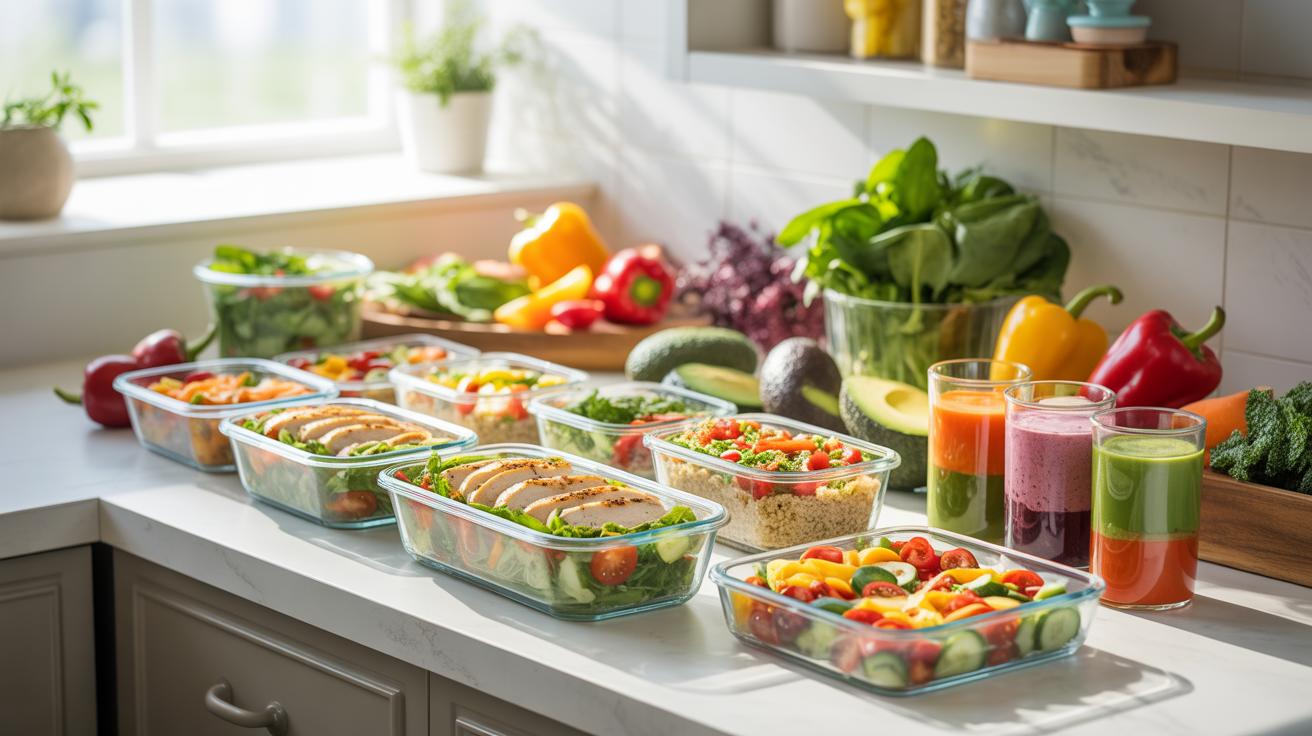
Success in December requires a hard look at your calendar. Identify high-risk nights where social events dominate your time. You must batch cook on Sundays to secure your weekday nutrition. Prepare large quantities of lean proteins and roasted vegetables. This strategy eliminates the need for impulse decisions during a frantic work week. It keeps your calorie intake stable before evening parties.
Effective planning focuses on the boring hours between celebrations. Keep your fridge stocked with pre-cut produce and hard-boiled eggs. Use airtight containers to maintain freshness for up to five days. This mechanical approach to eating prevents blood sugar crashes. If you do not have a meal ready, you will gravitate toward holiday sweets. Discipline starts with a grocery list and a specific time slot for cooking.
Quick And Nutritious Breakfast And Lunch Ideas For Busy December Days
December mornings and afternoons are tactical opportunities to shore up your fiber and protein counts. High-protein meals increase satiety and reduce the urge to overeat at dinner. You need options that require zero cooking time during the workday. Focus on whole foods that provide steady energy. Avoid processed cereals or white bread. These items cause insulin spikes that lead to late-afternoon fatigue.
- Overnight Oats: Combine rolled oats with Greek yogurt and berries in a jar. Let the mixture sit in the refrigerator overnight to soften. This meal provides slow-burning carbohydrates and fiber to keep you full until your midday break.
- Greek Yogurt Parfait: Layer plain non-fat Greek yogurt with raw walnuts and flax seeds. The high protein content supports muscle maintenance and suppresses ghrelin. This hormone signals hunger to your brain. Avoid flavored yogurts that contain excessive added sugars.
- Rotisserie Chicken Salad: Shred a pre-cooked chicken and mix it with leafy greens and vinaigrette. This lunch delivers high-quality protein without the saturated fats found in heavy holiday roasts. It takes less than five minutes to assemble for a quick office meal.
- Quinoa Grain Bowl: Use pre-cooked quinoa as a base for black beans and peppers. Quinoa is a complete protein containing all nine essential amino acids. This meal travels well and does not require reheating if you are in a rush.
- Cottage Cheese and Avocado: Top a cup of low-fat cottage cheese with sliced avocado and cracked pepper. The combination of casein protein and healthy monounsaturated fats provides a dense nutritional profile. It stabilizes your metabolism during high-stress days.
Lunch must serve as your nutritional foundation for the day. Choose dark leafy greens like kale or spinach to maximize micronutrient intake. These vegetables provide magnesium and potassium. These minerals help regulate fluid balance when you consume salty holiday appetizers later. Stick to clear soups or vinegar-based dressings. Creamy sauces add hidden calories that provide no functional benefit to your body.
Healthy Holiday Cooking Tips To Lighten Up Traditional Recipes

Cooking Techniques That Preserve Nutrients And Reduce Excess Fat
Traditional roasting often relies on heavy basting with butter or lard to prevent meat from drying out. You should switch to steam roasting or using high-quality probe thermometers to reach precise internal temperatures without added fats. High heat searing locks in flavor through the Maillard reaction. This allows you to skip heavy breading or deep frying methods. Controlled heat management preserves the structural integrity of vegetable fibers and prevents vitamin loss.
Vegetables often lose significant nutritional value through prolonged boiling in large pots of water. Switch to flash steaming or dry roasting at high temperatures to maintain folate and vitamin C levels. These methods produce better texture and deeper natural flavors than water-logged boiling. Use rack roasting for meats to allow excess rendered fat to drip away from the food. This simple mechanical shift reduces total caloric density without sacrificing the core protein quality.
The holidays are not about the food on the table, but the love around it. Focus on the traditions that nourish your soul rather than just those that fill your plate.
— Alice Waters
How To Use Herbs, Spices, And Natural Flavors To Enhance Holiday Dishes
Salt and sugar are the primary tools used in commercial holiday cooking to create Palatability. You can achieve better results by using acidic brighteners like lemon juice or high-quality vinegars to wake up dull flavors. Acids trigger the same salivary response as salt without the cardiovascular impact. Fresh woody herbs like rosemary and thyme provide intense aromatic oils when added during the final stages of the cooking process for maximum impact.
Toasted whole spices offer more complex flavor profiles than pre-ground versions found in grocery stores. Heat whole peppercorns or cumin seeds in a dry pan to release volatile oils before grinding them for rubs. This technique adds depth and creates a sensory experience that compensates for reduced fat content. Focus on aromatics like garlic, shallots, and ginger to build a strong flavor base. These ingredients provide chemical complexity that satisfies the palate more effectively than cream.
Holiday Health Tips For Balancing Indulgence And Wellness Year Round

Why Occasional Indulgence Is A Normal And Healthy Part Of Holiday Eating
Occasional indulgence prevents the psychological burnout common with strict dieting. Rigid food rules often trigger a cycle of restriction and binge eating. By allowing holiday foods, you reduce the power those foods have over you. This approach maintains a healthy relationship with food. Modern nutrition science supports a flexible eating pattern for long-term weight management. Total avoidance is rarely a sustainable or effective strategy.
Social connection plays a major role in human health. Sharing traditional meals strengthens community bonds and reduces stress. These psychological benefits are as vital as physical nutrition. One meal does not ruin your fitness goals. Consistency over months matters more than the calories consumed in a single night. Focus on the total trend of your eating habits. Accept indulgence as a planned part of a balanced life.
How To Transition Back To Your Everyday Healthy Routine After The Holidays
Resume your normal eating schedule immediately after the holiday event ends. Do not skip meals to compensate for extra calories. Starvation leads to overeating later in the day. Prioritize lean proteins and high-fiber vegetables to stabilize blood sugar levels. Drink water to flush out excess sodium and reduce bloating. Physical activity helps reset your metabolic rate. Return to your standard gym or walking routine right away.
Remove leftover high-calorie treats from your home to prevent continued grazing. Visual cues drive hunger and cravings. Stock your kitchen with whole foods like fruits and nuts. This makes the healthy choice the easy choice. Sleep is a critical tool for recovery. Proper rest regulates hormones that control your appetite. Consistent routines protect your health better than any short-term detox or fast. Focus on small and repeatable daily actions.
Frequently Asked Questions

How can I start eating healthier during the holiday season without feeling deprived?
The secret to healthy eating during holidays is focusing on addition rather than subtraction. Start by filling half your plate with colorful, fiber-rich roasted vegetables or seasonal salads before reaching for the heavier entrees. This strategy allows you to enjoy your favorite festive flavors while ensuring your body gets the nutrients it needs. By prioritizing high-volume, low-calorie foods first, you can naturally manage your portions without feeling like you are missing out.
What are some practical ways to handle large holiday buffet parties?
When navigating a crowded buffet, use a smaller appetizer plate to help control portion sizes and prevent overeating. Scan the entire spread before picking up a fork, selecting only the items you truly love. Staying hydrated with sparkling water between treats is another essential tip for healthy eating during holidays. Always try to eat a small, protein-based snack before arriving so you aren’t making food choices on an empty stomach.
Is it possible to eat healthy during the holidays on a tight budget?
Absolutely! You can prioritize nutrition without overspending by focusing on seasonal produce like squash, root vegetables, and cabbage, which are often at their lowest prices during winter. Opting for plant-based proteins such as lentils or beans for side dishes is another cost-effective way to stay on track. Buying frozen vegetables is also a smart, budget-friendly hack, as they offer the same nutritional value as fresh options but with a much longer shelf life.