

Understanding Chronic Inflammation And Why It Matters

What Is Chronic Inflammation And How Does It Differ From Acute Inflammation
Acute inflammation is a short term immune response to injury or infection. Your body sends white blood cells to a specific site to kill bacteria and repair damaged tissue. This process causes temporary redness, heat, and swelling. It is a necessary survival mechanism that starts fast and ends once the threat is gone. This biological reaction protects your health and promotes healing.

Chronic inflammation occurs when the body stays in a constant state of alert. The immune system continues releasing inflammatory chemicals even without an outside threat. This low grade stress persists for months or years and damages healthy tissues. Unlike acute responses, this lingering state does not resolve on its own. It shifts from a defense mechanism to a slow driver of systemic cellular damage.
Why Chronic Inflammation Is Considered A Silent Driver Of Weight And Energy Problems
Persistent inflammation disrupts how your body handles fuel. It forces cells into a defensive state that ignores metabolic signals. This state causes insulin resistance and blocks the hormones that tell your brain you are full. Your body stops burning fat for energy and begins to store it instead. These chemical shifts make weight loss difficult regardless of how much you exercise.

Energy levels plummet when inflammation highjacks the mitochondria in your cells. These tiny power plants cannot produce ATP efficiently because they are busy fighting oxidative stress. This results in physical fatigue and lack of mental clarity. You feel drained because your body wastes resources on a fake internal war. High inflammation ensures your energy stays low and your fat storage stays high.
The Main Causes Of Inflammation In The Modern Body

Lifestyle And Environmental Triggers That Fuel Ongoing Inflammation
Modern living exposes the body to constant chemical and biological triggers. Ultra-processed foods contain refined sugars and industrial seed oils that spike glucose and promote cellular stress. These substances act as foreign invaders to the immune system. Frequent exposure leads to a perpetual state of defense. This response damages healthy tissues over time. It creates a cycle where the body cannot return to a resting state.
Environmental toxins also drive the link between inflammation and weight gain. Air pollution and household chemicals enter the bloodstream through the lungs and skin. These pollutants interfere with natural hormone signaling and metabolic function. The liver must work harder to filter these particles. Persistent toxic loads keep inflammatory markers high. This internal friction prevents efficient fat burning and forces the body to prioritize survival over energy balance.
How Stress Poor Sleep And Sedentary Habits Contribute To Inflammatory States
Psychological stress triggers the same biological pathways as physical injury. The brain releases cortisol to handle perceived threats. Chronic stress keeps cortisol levels elevated for too long. This disrupts the immune system and increases production of pro-inflammatory cytokines. High cytokine levels signal the body to store fat instead of using it for fuel. Emotional pressure becomes a physical burden that slows the metabolism down.
Sleep deprivation and lack of movement accelerate systemic damage. Poor sleep prevents the glymphatic system from cleaning waste from the brain. It also raises C-reactive protein in the blood. Sedentary habits mean muscles do not release anti-inflammatory myokines. Physical inactivity allows fat cells to expand and leak inflammatory signals into the body. These combined behaviors create a perfect environment for weight gain. You cannot outwork a lifestyle that stays inflamed.
What Causes Inflammation To Worsen Over Time

The Role Of Gut Health And Microbiome Disruption In Escalating Inflammation
The gut lining serves as a critical barrier between your waste and your bloodstream. When the microbiome loses its balance, this barrier weakens. This condition allows toxins and undigested food particles to leak into your system. Your immune system identifies these particles as foreign invaders. It launches a continuous attack to protect you. This response creates a cycle of persistent, systemic inflammation throughout your body.
Poor diet and high stress levels kill beneficial gut bacteria. This imbalance leads to metabolic endotoxemia. In this state, harmful bacteria produce lipopolysaccharides that enter your blood. These molecules trigger fat cells to expand and store more energy. This process accelerates inflammation and weight gain simultaneously. You cannot manage your weight effectively while your gut remains in a state of constant microbial war.
How Chronic Diseases And Underlying Health Conditions Keep Inflammation Active
Chronic conditions create a feedback loop that fuels inflammation. Type 2 diabetes and heart disease are primary drivers of this issue. High blood sugar levels damage blood vessels and irritate your tissues. This damage signals the body to send out inflammatory markers. These markers stay active as long as the underlying disease remains unmanaged. The body never gets a chance to heal or reset.
Autoimmune disorders also force the immune system to attack healthy tissues by mistake. This constant internal friction creates heat and swelling at a cellular level. It taxes your energy reserves and slows your metabolism. When your body stays in a defensive state, it prioritizes survival over fat burning. This explains why people with chronic illness often struggle to lose weight despite eating fewer calories than others.
Inflammation And Weight Gain The Direct Connection
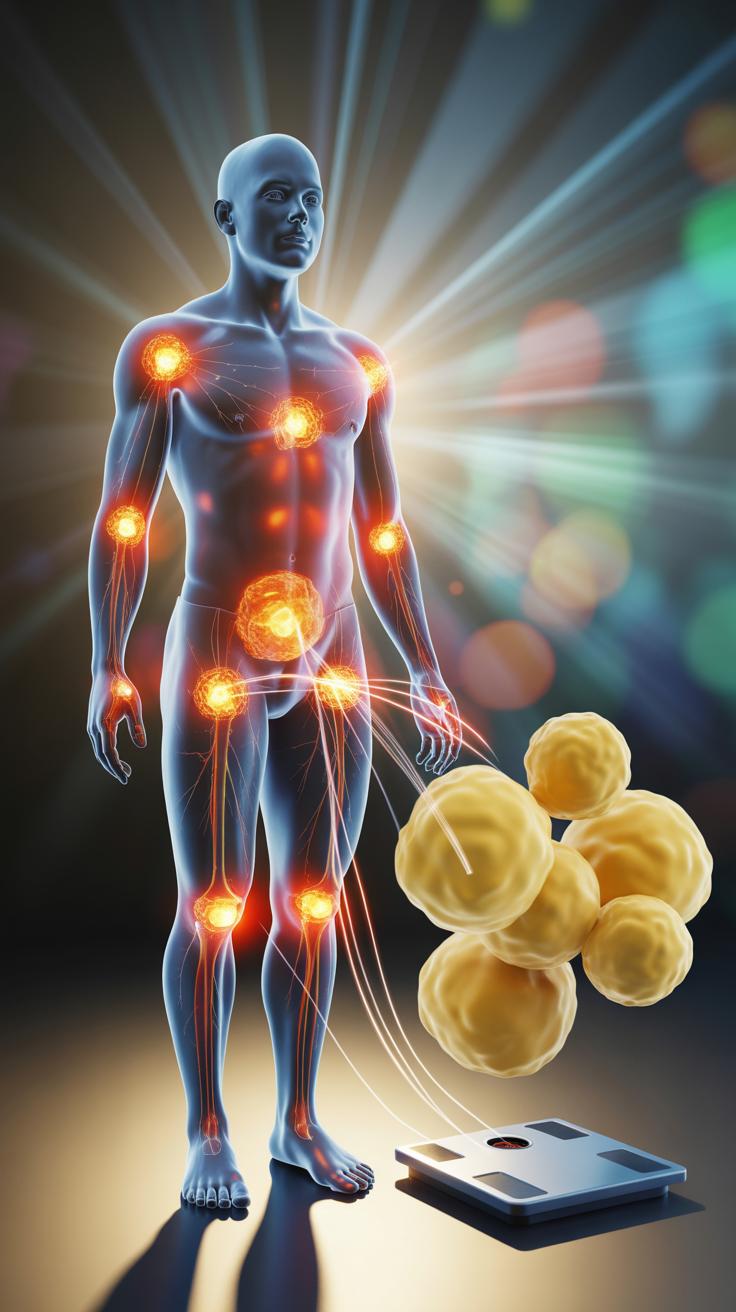
How Inflammatory Cytokines Interfere With Fat Storage And Metabolism
Inflammatory cytokines are small proteins that signal the immune system. When inflammation becomes chronic, these proteins disrupt insulin signaling in fat cells. This process forces the body to store more energy as fat instead of burning it for fuel. The cytokines block the chemical pathways that tell your body it is full. This interference tricks your brain into thinking you are starving.
High levels of these proteins slow down your metabolic rate. They damage the mitochondria inside your cells which produce energy. When mitochondria fail, your body cannot burn fat efficiently. You end up with a surplus of calories that the body deposits around the midsection. This cycle creates a feedback loop where more fat produces more cytokines. Breaking this chemical cycle is vital for weight management.
Why Inflammation Makes It Harder To Lose Weight Even With Diet And Exercise
Inflammation creates a state of biological resistance to weight loss. It causes the body to retain water and increases cortisol levels. High cortisol levels prioritize fat storage over muscle growth. Even with a strict calorie deficit, the body clings to fat stores as a survival mechanism. Chronic inflammation also dulls the sensitivity of leptin receptors. This means you do not feel satisfied after eating.
Exercise usually helps burn fat but can backfire during high inflammation. Intense workouts trigger more stress on an already overwhelmed system. This stress keeps the body in a protective state that prevents fat oxidation. Dieting also fails because the body cannot access stored energy effectively. The system feels under attack and slows down all non-essential functions. You must lower inflammation before traditional weight loss methods will work efficiently.
Inflammation And Water Retention The Bloating And Puffiness Link

How Inflammation Triggers Fluid Retention And Makes The Body Hold Excess Water
Inflammation signals your body to increase blood vessel permeability. This biological shift allows white blood cells to reach damaged tissues quickly. However, fluid also escapes through these porous vessel walls into the surrounding space. This process creates physical swelling. Doctors call this localized buildup edema. Your body holds this extra liquid instead of flushing it out through the kidneys and normal waste channels.
Chronically high levels of cortisol drive this process. This stress hormone causes the kidneys to retain sodium and dump potassium. High sodium levels force the body to hold onto water to maintain proper concentration. This chemical imbalance leads to systemic puffiness in the face and limbs. You are not gaining fat in these moments. You are experiencing a breakdown in your internal fluid management system.
To eat is a necessity, but to eat intelligently is an art that heals the body and restores the youthful spirit.
The Difference Between Water Weight From Inflammation And True Fat Gain
Scale fluctuations of three to five pounds in one day indicate water shifts. Adipose tissue gain requires a caloric surplus over a long period. Inflammation causes rapid changes in volume that appear almost overnight. You can track this by checking for skin indentations after wearing socks or rings. True fat gain does not fluctuate wildly based on your salt intake or your daily stress levels.
Identifying the cause is vital for weight management strategy. Water weight from inflammation feels tight and heavy. It often appears in the ankles, fingers, and face. Fat gain is soft and distributed differently across the body. Reducing systemic inflammation will shed this excess liquid quickly without calorie restriction. Real fat loss takes weeks of consistent effort and metabolic adjustment. You must distinguish between the two for accurate progress tracking.
Hormone Imbalance How Inflammation Disrupts Your BodyS Chemical Messengers
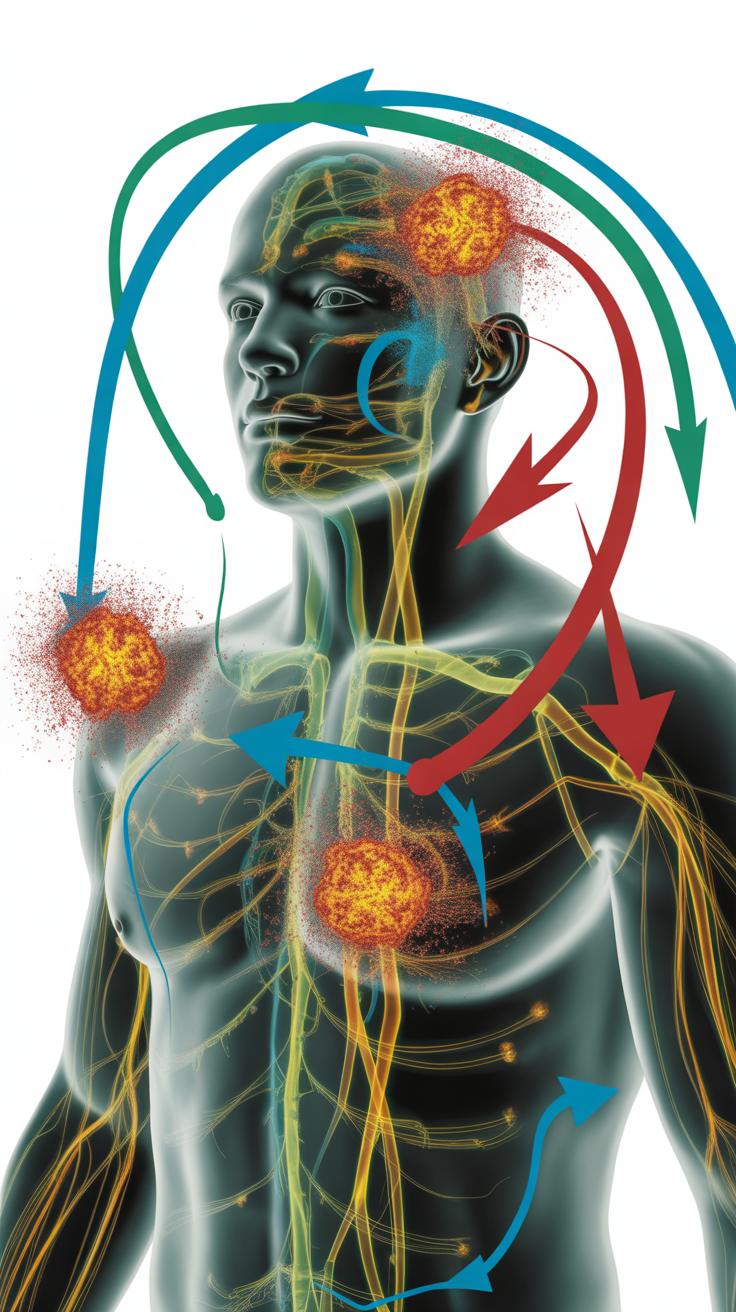
The Impact Of Inflammation On Insulin, Cortisol, And Leptin Signaling
Chronic inflammation floods the bloodstream with cytokines. These proteins block insulin receptors on your cell surfaces. This blockage forces the pancreas to pump out more insulin to clear blood sugar. High insulin levels tell the body to store fat instead of burning it for fuel. This cycle creates insulin resistance and keeps your body in a constant state of fat storage.
Inflammation also triggers the adrenal glands to release excess cortisol. High cortisol levels override leptin signals in the brain. Leptin usually tells you when you are full. Inflammation mutes this signal so your brain thinks you are starving. You eat more because your internal sensors cannot detect the energy you already have stored. This breakdown in communication promotes rapid weight gain.
How Hormonal Disruption From Inflammation Leads To Fatigue And Unexplained Weight Gain
Hormonal chaos drains your physical energy. When cells resist insulin, they cannot access glucose for fuel. You feel tired because your muscles are literally starving for energy. This fatigue keeps you sedentary, which slows your metabolism even further. It becomes a loop where you lack the drive to move. Your body preserves energy by slowing down vital processes and storing every calorie.
Unexplained weight gain happens when these messengers stop working together. High cortisol from inflammation breaks down muscle tissue for quick sugar. This loss of muscle lowers your resting metabolic rate. You gain weight even if you do not change your diet. Your body loses its ability to regulate its own weight set point. Inflammation ruins the chemical balance required for a lean and energetic body.
Inflammatory Foods That Secretly Sabotage Your Weight And Energy

Common Inflammatory Foods Found In Everyday Diets And Their Effects On The Body
Modern diets rely on convenient ingredients that trigger the immune system. When you consume these items, your body views them as foreign threats. This reaction causes white blood cells to release cytokines. These proteins signal your fat cells to expand and store more energy. Chronic intake keeps your body in a defensive state. This constant stress prevents efficient calorie burning and blocks weight loss.
- Seed Oils: Industrial oils like soybean and corn oil contain high levels of omega-6 fatty acids. Excess omega-6 creates a chemical imbalance that promotes systemic tissue heat and swelling throughout your vascular system.
- Refined Grains: White flour and bread lack fiber and cause rapid glucose spikes. High blood sugar damages your vein walls. This damage forces the immune system to intervene and create a lingering inflammatory response.
- Processed Meats: Deli meats and sausages contain nitrates and high sodium levels. These preservatives irritate the gut lining. A damaged gut allows toxins to leak into your bloodstream, which triggers a full body immune alert.
- Artificial Sweeteners: Chemical sugar substitutes disrupt the delicate balance of your gut microbiome. When healthy bacteria die off, harmful bacteria take over. This shift produces metabolic toxins that cause joint pain and fluid retention.
- Trans Fats: Partially hydrogenated oils exist in many shelf-stable snacks. These fats lower your good cholesterol and raise the bad kind. They directly damage the cells lining your blood vessels and stall your metabolic rate.
These foods contribute to a cycle of cellular exhaustion. Your mitochondria cannot produce energy effectively when they are fighting inflammation. This leads to the heavy, tired feeling many people experience after meals. Over time, these dietary choices change how your body handles insulin. You stop burning fat for fuel and start hoarding it. Clearing these items is the first step toward metabolic health.
How Ultra Processed Foods And Refined Sugars Sustain A Pro Inflammatory Environment
Ultra-processed foods use chemical additives to achieve a long shelf life. These compounds do not exist in nature, so your stomach cannot break them down easily. Large molecules enter the digestive tract and irritate the intestinal wall. This irritation causes the gut to become permeable. Once the barrier fails, food particles enter the blood. Your immune system attacks these particles, which creates a permanent state of inflammation.
High levels of refined sugar cause the liver to produce free fatty acids. These acids trigger inflammatory pathways that lead to insulin resistance. When cells ignore insulin, blood sugar remains high and damages your organs. This internal damage requires constant repair, which drains your daily energy reserves. You feel hungry because your cells are starving for fuel, even while you gain weight. Breaking this cycle requires removing all liquid and hidden sugars.
How To Reduce Stomach Inflammation Through Diet And Lifestyle

Anti Inflammatory Foods And Eating Patterns That Support Gut And Digestive Health
Chronic inflammation in the gut disrupts metabolic signals. You must prioritize fiber from whole vegetables and low-sugar fruits. These foods feed beneficial bacteria that produce short-chain fatty acids. These acids heal the intestinal lining and lower systemic inflammation. Focus on omega 3 fatty acids found in wild fish. These fats shut down inflammatory pathways that cause the body to store excess fat.
Stop consuming processed seed oils and refined sugars immediately. These substances trigger a rapid immune response in the digestive tract. This response leads to insulin resistance and rapid weight gain. Switch to fermented foods like sauerkraut or kimchi to restore microbial balance. A healthy microbiome strengthens the gut barrier. This prevents toxins from entering the bloodstream and triggering a full body inflammatory response.
Practical Lifestyle Adjustments That Help Calm Stomach And Intestinal Inflammation
Chronic stress increases cortisol levels and damages the gut lining. High cortisol causes the body to hold onto abdominal fat. You must implement daily stress management techniques to lower this hormonal trigger. Sleep is also a non-negotiable factor for gut health. Lack of sleep alters gut bacteria and increases cravings for inflammatory foods. Aim for seven hours of deep sleep every night.
Physical activity helps move waste through the digestive tract. Daily movement reduces markers of inflammation throughout the body. Avoid overtraining as it can temporarily stress the gut and cause bloating. Stay hydrated to maintain the mucosal lining of the stomach. Proper hydration allows the body to flush out metabolic waste and inflammatory byproducts. These simple changes create a stable environment for consistent and healthy weight loss.
Strategies For Reduce Inflammation And Reclaiming Your Energy Levels

The Role Of Exercise, Sleep, And Stress Management In Lowering Systemic Inflammation
Physical activity regulates the immune system by inducing an immediate anti-inflammatory response. Muscles release small proteins called myokines during movement. These proteins inhibit the production of inflammatory cytokines. You do not need extreme intensity to see results. Moderate aerobic exercise and resistance training both reduce C-reactive protein levels. Consistent movement prevents the accumulation of visceral fat which acts as a major source of systemic inflammation.
Sleep deprivation triggers the body to produce high levels of white blood cells. This leads to chronic low-grade inflammation and metabolic disruption. The body repairs tissue and clears cellular waste during deep sleep cycles. High stress levels also elevate cortisol and activate the sympathetic nervous system. Chronic activation of this system keeps your body in a pro-inflammatory state. Proper recovery protocols help stabilize your hormones and lower inflammatory markers.
Evidence Based Supplements And Natural Compounds That Support Inflammation Reduction
Specific compounds provide measurable support for lowering oxidative stress and inflammatory markers in the body. These substances work by blocking specific pathways like NF-kB which triggers the inflammatory response. Adding targeted supplements helps fill nutritional gaps that contribute to chronic swelling. These tools are secondary to diet but offer a strategic advantage for metabolic health. Always prioritize high-bioavailability forms to ensure the body absorbs the active ingredients.
- Curcumin: This active compound found in turmeric inhibits inflammatory enzymes like COX-2. It works best when taken with piperine to increase absorption. Research shows it helps reduce joint pain and improves metabolic markers in overweight individuals.
- Omega-3 Fatty Acids: Eicosapentaenoic acid and docosahexaenoic acid are essential fats that resolve active inflammation. They compete with pro-inflammatory fats in cell membranes. Regular intake lowers triglycerides and improves heart health by reducing vessel wall inflammation.
- Magnesium: This mineral regulates over three hundred enzyme reactions and suppresses inflammatory cytokines. Many people lack enough magnesium in their diet today. Sufficient levels help lower C-reactive protein and improve the quality of restorative sleep cycles.
- Resveratrol: Found in grape skins and berries, this polyphenol activates sirtuins which protect cells from age-related damage. It mimics the effects of calorie restriction on the body. This compound helps improve insulin sensitivity and reduces oxidative stress in blood vessels.
- Alpha-Lipoic Acid: This potent antioxidant works in both water and fat-based tissues of the body. It regenerates other antioxidants like vitamin C and E. Clinical studies indicate it helps reduce systemic inflammation and supports healthy blood sugar levels.
Supplements function as tactical additions to a baseline of clean nutrition and movement. They cannot override a poor lifestyle but they accelerate the healing process. Consistency remains the most important factor when using these compounds. Monitor your energy levels and laboratory markers to track progress over time. Strategic use of these natural tools provides a significant edge in the fight against inflammation and weight gain.
Decreasing Inflammation For Long Term Weight Management And Vitality

How Consistently Lowering Inflammation Supports Sustainable Weight Loss Over Time
Chronic inflammation creates a state of insulin resistance within your muscle and liver cells. This physiological block forces your body to store glucose as fat instead of using it for fuel. By reducing inflammatory markers like C-reactive protein, you restore cellular sensitivity to insulin. This change allows your body to access stored fat during periods of calorie deficits. Systemic cooling of the body makes weight loss possible.
Lowering inflammation also regulates leptin signaling in the brain. Inflammation often blunts the signal that tells your brain you are full. When you reduce internal swelling and oxidative stress, your hunger signals return to a normal state. This prevention of leptin resistance stops the cycle of overeating. You achieve long-term weight management by fixing the underlying biological communication lines rather than relying on willpower alone.
Building Daily Habits That Keep Inflammation In Check And Energy Levels Stable
Stable energy levels require a foundation of low-glycemic eating and consistent movement. High blood sugar spikes trigger the release of pro-inflammatory cytokines that cause mid-day fatigue. You must prioritize fiber and healthy fats to slow glucose absorption into the bloodstream. This tactic prevents the inflammatory response that follows a heavy sugar load. Keeping your blood chemistry stable protects your mitochondria and ensures a steady supply of daily physical energy.
Quality sleep functions as a nightly cleanup for systemic inflammation. Lack of rest elevates cortisol levels which then increases fat storage around your midsection. You need a cool, dark environment to facilitate lymphatic drainage in the brain and tissue repair in the body. Establishing a rigid sleep schedule reduces the baseline of stress hormones. Consistent recovery periods ensure your metabolism remains active and your energy stays high throughout the entire week.
Frequently Asked Questions

What is the connection between chronic inflammation and weight gain?
Chronic inflammation acts as a hidden barrier to fitness by disrupting your body’s metabolic signals. When your system is constantly inflamed, it can lead to insulin resistance, making it much harder for your body to process sugars and burn fat efficiently. This cycle often results in stubborn inflammation and weight gain, as the body struggles to regulate energy storage while simultaneously dealing with elevated stress hormones like cortisol.
How can I adjust my daily routine to lower inflammation and boost my energy?
Reducing systemic inflammation starts with prioritizing whole, anti-inflammatory foods like leafy greens and fatty fish. To see real results, focus on consistent sleep patterns and gentle movement, such as walking or yoga, rather than high-intensity workouts that might spike cortisol. Managing these lifestyle factors helps break the link between internal inflammation and weight gain, allowing your cells to recover and your natural energy levels to finally return.
Can I follow an anti-inflammatory lifestyle if I am on a tight budget?
Absolutely! You don’t need expensive “superfood” powders to fight inflammation. Affordable staples like dried lentils, brown rice, frozen berries, and canned sardines provide incredible nutritional value at a fraction of the cost. Buying store-brand frozen vegetables is an excellent way to access antioxidants year-round. Focusing on these budget-friendly whole foods is a highly effective, accessible strategy for anyone looking to improve their vitality and metabolic health without overspending.