

What Is Meal Timing And Why It Matters For Weight Loss

The Science Behind Meal Timing And Metabolic Function
Meal timing for weight loss centers on how the body processes nutrients at specific intervals. Your metabolism does not function at a constant rate. Digestion requires energy and triggers hormonal responses that fluctuate based on when you eat. Consuming food during periods of high insulin sensitivity improves glucose uptake. This process directs energy into muscle cells rather than storing it as fat deposits.

Proper timing synchronizes food intake with biological signals to optimize nutrient partitioning. Eating at irregular intervals can disrupt blood sugar levels and increase cortisol production. High cortisol levels often lead to fat storage around the midsection. By standardizing your feeding windows, you stabilize these hormones. This stability makes it easier for your body to access stored body fat for fuel during periods of low insulin.
How Your Body Clock Influences Calorie Burning Throughout The Day
Your circadian rhythm dictates your metabolic efficiency. The body naturally handles calories better during daylight hours when core temperature is higher. Early in the day, the thermic effect of food is more pronounced. This means you burn more calories simply by digesting a meal in the morning than you do at night. Late night eating often conflicts with these internal biological signals.

Melatonin levels rise in the evening to prepare the body for sleep and repair. This increase correlates with a decrease in insulin production. Eating large meals late at night leads to higher blood sugar spikes because the body is less prepared to manage glucose. Aligning your largest caloric intake with your most active hours maximizes energy expenditure. This tactical shift forces the body to utilize calories immediately.
The Role Of Circadian Rhythms In Your Fat Loss Diet

How Circadian Biology Affects Insulin Sensitivity And Fat Storage
Your body operates on a twenty four hour internal clock. This system regulates hormones based on light and dark cycles. Insulin sensitivity peaks in the morning hours for most people. Your pancreas produces more insulin early in the day to handle energy intake. Moving calories to earlier hours aligns with this natural spike. This strategy prevents high blood sugar levels after meals.
Late in the day your body prepares for rest. Insulin sensitivity drops significantly as the sun goes down. Melatonin rises and interferes with insulin production. This change makes your body less efficient at processing glucose at night. High blood sugar during sleep promotes fat storage instead of fat burning. Eating early utilizes your biology to keep fat storage low and energy high.
Why Eating Against Your Body Clock Sabotages Fat Loss Efforts
Eating late at night creates a state of metabolic dysfunction. Your body expects sleep but receives fuel instead. This mismatch disrupts the genes that control your metabolism. It forces the liver to process nutrients when it should be detoxifying. You end up with higher systemic inflammation and slower fat loss. Misaligned eating patterns stop your body from accessing stored body fat.
Late meals also ruin your sleep quality and hunger hormones. Poor sleep lowers leptin and raises ghrelin levels the next day. You will feel hungrier and crave sugar more often. This cycle makes calorie deficits harder to maintain over time. Syncing your meals with daylight keeps these hormones in balance. You gain more control over your appetite by respecting your natural biological rhythms.
Breakfast Timing Should You Eat Early For Better Weight Loss Results

What Research Says About Eating Breakfast Within The First Two Hours Of Waking
Recent studies on circadian rhythms show that your body processes nutrients better in the morning. Insulin sensitivity is highest shortly after you wake up. Eating within two hours of rising aligns with your natural biological clock. This timing helps your body manage blood sugar levels effectively. Research suggests that delaying your first meal too long can lead to higher glucose spikes later.
Consistent early feeding windows correlate with lower body mass index scores in clinical trials. Your metabolism ramps up once you consume calories after sleep. This thermic effect of food helps burn more energy during your most active hours. Skipping this window often forces the body to rely on stress hormones for energy. This can lead to muscle breakdown instead of fat loss over time.
How A Morning Meal Sets The Tone For Your Weight Lossing Diet Chart
A high protein morning meal regulates your hunger hormones for the rest of the day. It specifically lowers ghrelin, which is the hormone that signals hunger to your brain. It also increases peptide YY, which makes you feel full. This hormonal shift prevents the mid afternoon energy crashes that lead to sugar cravings. Controlled morning intake makes your entire diet chart easier to follow.
Eating early establishes a predictable metabolic pattern. This structure prevents the common mistake of backloading calories at night. People who eat a significant portion of their daily intake early lose more weight than those who eat late. Your body has more time to burn off the fuel before you go to sleep. Proper breakfast timing creates the discipline needed for long term caloric restriction and fat loss.
Intermittent Fasting And Structured Healthy Meal Plans That Support Fat Loss
The 16:8 And 14:10 Eating Windows Explained For Everyday Use
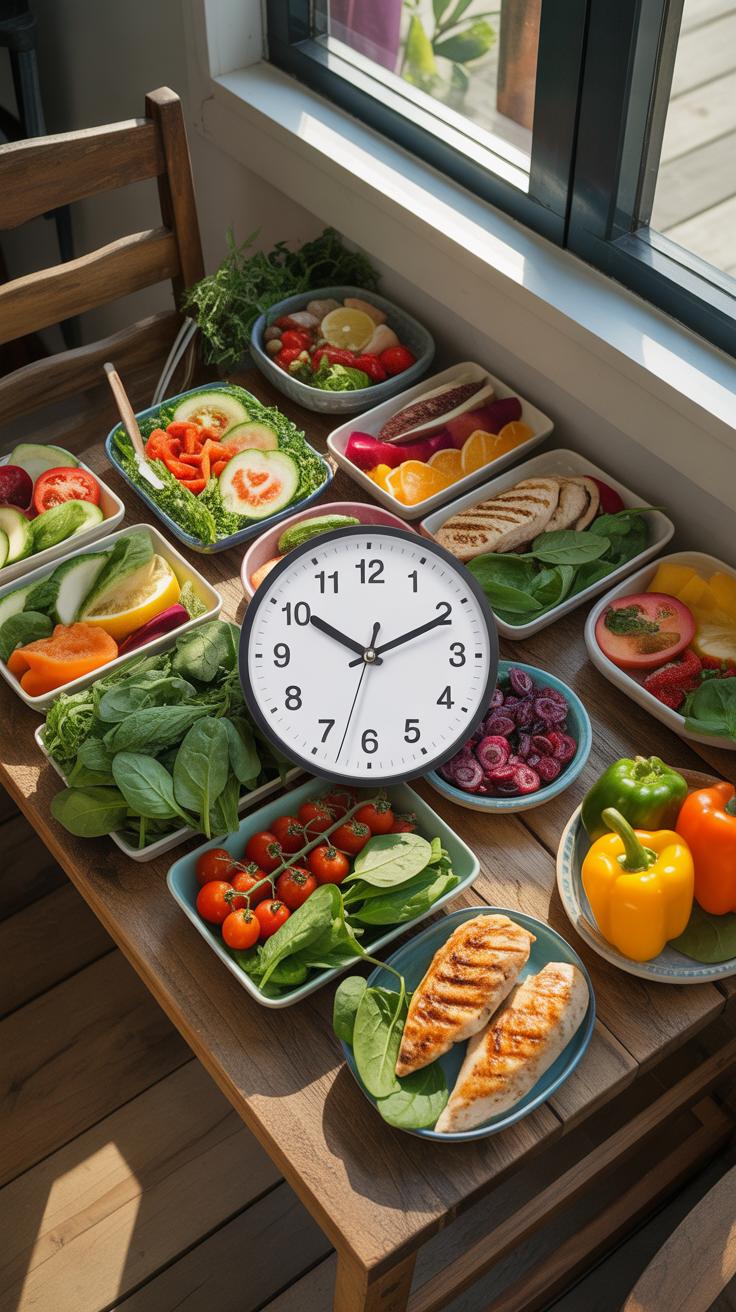
The 16:8 method requires fasting for sixteen hours and eating during an eight-hour window. This protocol forces the body to deplete glycogen stores and begin burning stored fat for energy. It usually involves skipping breakfast and finishing the final meal by early evening. Most people find this schedule sustainable for long-term weight loss because it limits the total time available for caloric intake.
The 14:10 window is a more accessible entry point for beginners. It involves a fourteen-hour fast and a ten-hour eating period. This structure aligns better with traditional social eating habits while still providing a clear metabolic break. Shorter fasting windows help regulate blood sugar levels and prevent late-night snacking. Both methods work by creating a natural calorie deficit without requiring complex mathematical tracking of every bite.
How To Build Healthy Meal Plans Around An Intermittent Fasting Schedule
Successful meal plans during fasting windows focus on protein and fiber to maintain satiety. You must prioritize high-quality protein sources like lean meats or legumes to prevent muscle loss while losing weight. Break your fast with a balanced meal that stabilizes insulin levels rather than spiking them with refined sugars. Structure your largest meal during the middle of your window to ensure your body processes the nutrients efficiently.
Timing your nutrient intake is critical for performance and fat loss. Consume complex carbohydrates before or after physical activity to fuel your muscles and aid recovery. Avoid eating large meals within two hours of your fasting start time to improve sleep quality and metabolic health. Consistency remains the most important factor for success. Plan your meals ahead of time to avoid making poor choices when your eating window finally opens.
Protein Foods And The Best Times To Eat Them For Maximum Fat Burning

Why Protein Timing Matters For Muscle Preservation During A Caloric Deficit
A caloric deficit forces the body to find alternative fuel sources. Without enough protein at the right times, your body breaks down muscle tissue for energy. Muscle is metabolically active and burns more calories than fat at rest. You must consume protein frequently to keep the muscle building signal turned on. This process prevents your metabolism from slowing down while you lose weight.
Spread your protein intake evenly across the day to maximize nitrogen balance. Spiking protein synthesis every three to five hours protects lean mass better than one large meal. Constant amino acid availability keeps the body in an anabolic state despite the low calorie intake. This tactical approach ensures you lose fat while keeping the muscle that shapes your body and drives your daily caloric burn.
Top Protein Foods To Prioritize At Each Meal Window For Optimal Results
Prioritize high quality proteins that offer the highest bioavailability for fat loss success. Choose whole food sources that require more energy to digest and keep you full longer. Breakfast must include fast acting proteins to stop muscle breakdown after your overnight fast. Midday meals require dense sources to sustain energy through the afternoon. Post workout windows need rapid absorption to repair tissue and lock in metabolic gains.
- Egg Whites: Eat these in the morning for high quality protein without the excess calories found in fats. They digest easily and provide a clean start to your metabolic day. Use them to hit protein targets early when your body is most receptive to nutrition.
- Chicken Breast: This lean staple works best for lunch because it provides a high thermic effect of food. It requires significant energy to break down which helps you burn more calories during digestion. It keeps you satiated enough to avoid afternoon snacking or energy crashes.
- Whey Isolate: Consume this immediately after a workout for the fastest possible absorption rate. It delivers essential amino acids to your muscles when they are most sensitive to nutrient uptake. This prevents the catabolic state that often follows intense exercise or long periods without food.
- White Fish: Opt for cod or tilapia in the evening to keep calories low before sleep. These sources provide dense protein without heavy fats that can disrupt rest or slow digestion at night. They support muscle recovery while you sleep without adding unnecessary energy to your daily total.
- Greek Yogurt: Choose plain versions in the evening for a slow release of casein protein. Casein provides a steady drip of amino acids throughout the night to protect muscle mass while you fast. This prevents the body from entering a muscle wasting state during the long sleep window.
Select your protein based on the specific metabolic needs of that time of day. Morning protein stops the fast while evening protein builds a bridge to the next morning. Each choice serves a specific function in your fat loss strategy. High thermic foods like lean meats should dominate your active hours to maximize energy expenditure. Consistent quality across all windows ensures long term fat loss results.
High Protein Recipes That Align With Strategic Meal Timing For Weight Loss

Morning High Protein Recipes That Keep You Full And Curb Cravings All Day
Start your day with thirty grams of protein within thirty minutes of waking up. This tactic stabilizes blood sugar and blunts the hormone ghrelin. Greek yogurt bowls topped with hemp seeds provide a dense protein source without excessive sugar. Smoked salmon on high fiber rye bread adds essential fats to maintain energy levels through the morning. These meals prevent mid morning energy crashes.
A spinach and egg white omelet offers a lean profile that supports muscle tissue. Add black beans or turkey sausage for more volume and satiety. This high protein entry point reduces your total caloric intake later in the evening. Consistent morning protein intake regulates insulin sensitivity. Research confirms that front loading protein prevents late night snacking. Focus on whole food sources to maximize thermogenesis.
Evening High Protein Recipes That Support Recovery Without Excess Calorie Intake
Dinner must prioritize lean proteins that facilitate overnight muscle repair. Baked cod or lemonade herb chicken breast provides the necessary amino acids without heavy fats. Pair these proteins with cruciferous vegetables like roasted broccoli or cauliflower to increase digestive volume. This combination keeps you full throughout the night. Avoid heavy creams or sugary glazes that spike insulin and disrupt your fat burning state.
Grilled shrimp salad with a lemon vinaigrette is an optimal late day meal. It offers high protein density and very low calories. This allows your body to enter a fasted state more efficiently during sleep. Proper evening meal composition prevents morning bloat and supports metabolic health. Keep the portions focused on the protein source. Recovery happens during rest so give your body the tools it needs.
How A 1200 Calories A Day Meal Plan Can Be Structured Around Meal Timing
Distributing 1200 Calories Across The Day For Sustained Energy And Satiety
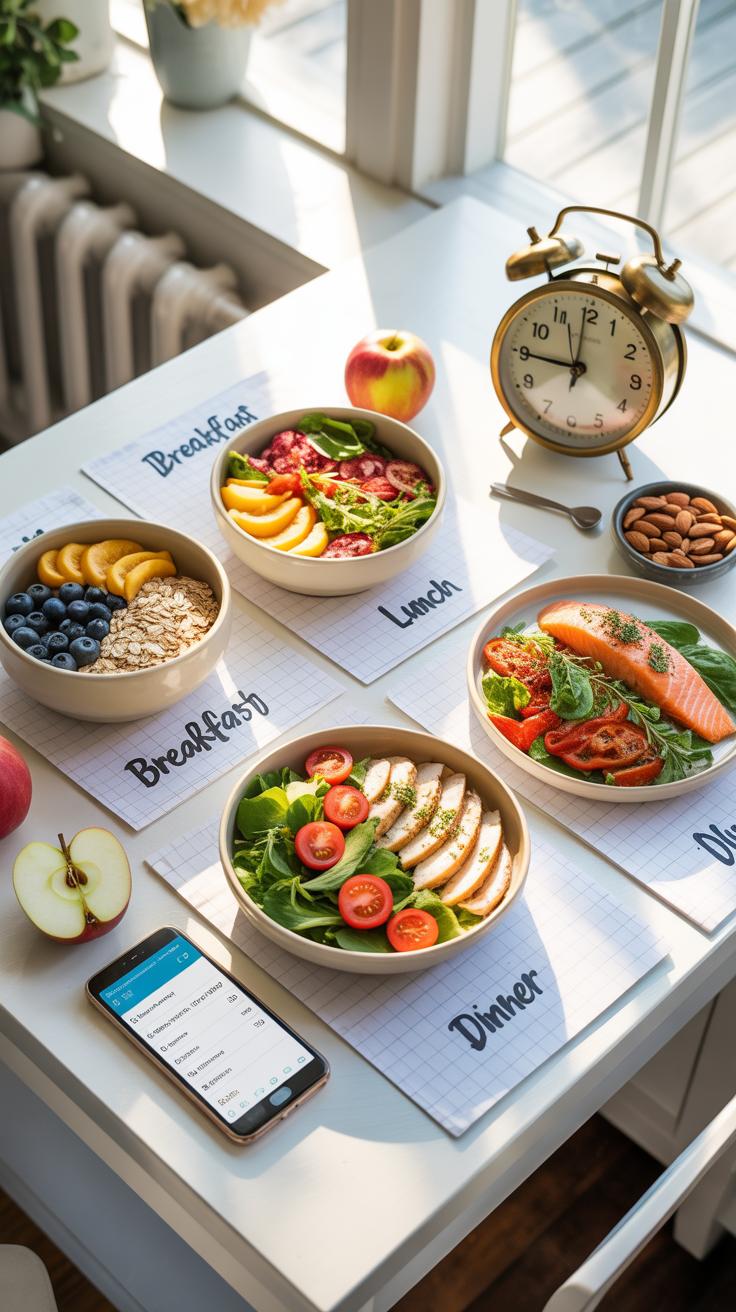
A 1200 calorie limit leaves little room for error. Strategic distribution prevents energy crashes and late night binging. You must front load your calories during your most active hours. This approach uses the thermic effect of food to its fullest potential. Eating more during daylight hours aligns with natural circadian rhythms. This timing improves insulin sensitivity and helps the body process glucose more efficiently.
Protein must remain the anchor of every feeding window to maintain muscle mass and satiety. Divide your total intake into three meals of 350 calories and one 150 calorie snack. This steady stream of nutrients keeps blood sugar stable. Avoid heavy meals late at night when the metabolism slows down. High metabolic efficiency requires consistency. Smaller frequent meals prevent the extreme hunger that leads to poor dietary choices.
The rhythm of our meals is a soft echo of the sun’s journey, grounding our bodies in the natural harmony of the day. Honoring these quiet moments of nourishment aligns our inner strength with the timeless wisdom of the clock.
Sample 1200 Calorie Meal Plan Easy Enough To Follow On A Busy Schedule
Busy schedules require a plan that prioritizes speed and nutrient density. High protein options and complex carbohydrates ensure you stay full while staying under the strict 1200 calorie ceiling. Focus on whole foods that require minimal preparation time. This structure eliminates decision fatigue and keeps you on track. Use these specific meal blocks to regulate your energy levels and maximize fat loss throughout the day.
- Breakfast at 8 AM: Consume 300 calories consisting of three egg whites and one whole egg with spinach. High protein intake in the morning reduces ghrelin levels. This prevents overeating during lunch and keeps your focus sharp for morning tasks.
- Lunch at 12 PM: Eat a 350 calorie salad with grilled chicken breast and leafy greens. Use balsamic vinegar instead of heavy dressings to save calories. This meal provides the fiber and lean protein needed to sustain your afternoon energy levels.
- Afternoon Snack at 3 PM: Have a 150 calorie Greek yogurt or a handful of raw almonds. This small window of nutrition bridges the gap between lunch and dinner. It prevents the blood sugar drop that often causes office workers to grab sugary snacks.
- Dinner at 6 PM: Plan a 400 calorie meal of baked salmon with steamed broccoli and quinoa. This provides healthy fats and complex carbs for recovery. Finishing your last meal early allows the body to spend the night burning stored fat instead of food.
Timing these meals strictly prevents the metabolic adaptation often seen with low calorie diets. Do not skip meals to save calories for later. Spacing these sessions four hours apart maintains a steady metabolic rate across the day. This tactical schedule ensures your body utilizes every calorie for fuel rather than storage. Follow this routine daily to see consistent results without the typical fatigue associated with calorie restriction.
Healthy Diets For Women How Hormones Make Meal Timing Even More Important

How Estrogen And Cortisol Fluctuations Affect When Women Should Eat
Estrogen levels dictate how your body processes glucose and stores fat. High estrogen improves insulin sensitivity during the first half of the menstrual cycle. You can handle more carbohydrates and larger meals during these morning and midday hours. Peak estrogen helps your muscles use fuel more efficiently. Skipping meals during this phase often causes unnecessary physical stress and slows down your overall metabolic rate.
Cortisol follows a natural rhythm that peaks shortly after you wake up. High cortisol triggers the release of stored sugar into your bloodstream for quick energy. Eating a high protein meal within an hour of rising helps stabilize this response. This prevents sharp insulin spikes that lead to mid afternoon energy crashes. Proper morning timing lowers systemic stress and keeps your body in a fat burning state.
Tailoring A Diet Plan For Women That Aligns Eating Windows With Hormonal Cycles
The follicular phase requires a structured eating window to capitalize on high energy levels. Focus on consuming the majority of your daily calories before three in the afternoon. This alignment matches your body higher metabolic demand during the pre ovulation window. Early feeding reduces the likelihood of late night hunger. It also supports better sleep quality by allowing digestion to finish before your core temperature drops.
The luteal phase demands more flexibility with your fasting and eating windows. Progesterone increases your resting heart rate and body temperature which raises your caloric needs. Shortening your fasting window during this time prevents cortisol from rising too high. Excessive fasting while progesterone is high can lead to muscle wasting. Shift your meal timing to include a small evening snack to keep your blood sugar stable.
Late Night Eating And Its Impact On Weight Loss Progress

What Happens To Your Metabolism When You Eat Close To Bedtime
Eating late disrupts your body natural rhythm and metabolic rate. Your insulin sensitivity drops as the sun goes down because your body prepares for rest. When you consume calories late at night, your system struggles to process glucose efficiently. This leads to higher blood sugar levels and increased fat storage. Your body shifts from burning fat to managing an influx of energy it does not need.
Late meals also interfere with growth hormone production and sleep quality. Digestion requires significant energy and blood flow which prevents your core temperature from dropping. High core temperatures signal your brain to stay awake or remain in light sleep stages. Poor sleep then triggers hunger hormones like ghrelin the next day. This creates a cycle of overeating. You must stop eating to allow your metabolic processes to reset.
Evidence Based Strategies To Curb Late Night Hunger Without Derailing Your Diet
You can stop late cravings by eating more protein during the day. High protein intake increases satiety and keeps your blood sugar stable for hours. Most hunger at night is psychological or a result of poor nutrition earlier in the day. Front-load your calories to ensure your body feels fueled before the sun sets. This reduces the urge to snack when your willpower is lowest in the evening.
Clear your environment of high-calorie trigger foods to remove temptation. If you must eat, choose small portions of slow-digesting proteins like casein or Greek yogurt. These options provide steady amino acids without causing a massive insulin spike. Drink plenty of water or herbal tea to fill your stomach and signal fullness. Establishing a strict cutoff time for food creates a mental boundary that supports your weight loss goals effectively.
Building A Sustainable Meal Timing Routine With A Practical Diet Plan For Women

How To Transition Into A Timed Eating Schedule Without Feeling Deprived
Start by pushing your first meal back by just one hour. Do not jump into a strict twelve hour fast immediately. Your body needs time to adjust its hunger hormones like ghrelin. Small shifts prevent the intense hunger pangs that lead to binging. Establish a consistent cutoff time for evening calories. This creates a clear boundary for your metabolic system to rest.
Focus on nutrient density during your active eating windows. High fiber foods and lean proteins stabilize blood sugar levels throughout the day. This stability keeps your energy high and prevents the mid afternoon crash. Drink plenty of water during the fasting hours to maintain hydration and blunt false hunger signals. Consistency beats intensity when you build a long term habit for sustainable weight loss success.
Combining Meal Timing With Healthy Diets For Women For Long Term Weight Management
Strategic meal timing works best when paired with a balanced macro nutrient profile. Women must prioritize protein intake to maintain lean muscle mass during fat loss phases. Distribute your protein evenly across your scheduled meals to maximize muscle protein synthesis. Avoid heavy carbohydrate consumption late at night. Processing sugars is less efficient when your body prepares for sleep and insulin sensitivity naturally drops.
Effective weight management requires a plan that respects hormonal cycles. Adjust your calorie intake and timing based on your physical activity levels. Use larger meals to refuel after intense workouts to aid recovery. Keep your eating window wide enough to obtain essential vitamins and minerals. Restricting calories too severely within a short window can disrupt endocrine function. Balance your schedule with your lifestyle for lasting results.
Frequently Asked Questions

Does it really matter what time of day I eat if I want to lose weight?
Yes, scientists have found that aligning your eating habits with your body’s internal circadian rhythm can significantly impact your metabolism. When you prioritize meal timing for weight loss, you help your body process nutrients more efficiently during daylight hours. Eating late at night is often linked to higher body fat because your insulin sensitivity naturally decreases as the sun goes down, making it harder for your system to manage calories.
How can I successfully structure my daily schedule to improve my metabolism?
A practical approach to meal timing for weight loss is to follow a consistent 12-hour eating window. Start by having a protein-rich breakfast shortly after waking up to jumpstart your metabolism, and aim to consume your largest meal at lunch. Try to finish your dinner at least three hours before bed. This structure prevents midnight snacking and gives your digestive system the essential rest it needs to burn stored fat.
Is following a structured meal timing plan expensive or difficult to maintain?
Not at all! One of the best things about focusing on when you eat is that it requires no special equipment or expensive supplements. You can continue buying your usual groceries while simply adjusting your clock. It is a completely free strategy that works with any budget. By focusing on consistency rather than fancy diet products, you create a sustainable lifestyle habit that supports long-term health without increasing your monthly spending.