

The Macro Nutrition Guide Understanding Protein Carbohydrates And Fat

What Are Macronutrients And Why Do They Form The Foundation Of Every Diet?
Macronutrients are the primary chemical compounds humans consume in large quantities to provide energy. These substances consist of protein, carbohydrates, and fats. They provide the caloric heat necessary for metabolic function. Without these three components, the body cannot repair tissue or maintain organ systems. Every diet relies on these building blocks to fuel daily movement and support basic cellular survival throughout the day.

Tracking macros allows for precise control over body composition. Most people focus only on total calories, but the ratio of these nutrients determines health outcomes. Proper balance prevents muscle loss during weight reduction. It also ensures steady energy levels for physical performance. You manage your health by measuring these inputs accurately. This data driven approach removes the guesswork from nutrition and produces consistent results for every individual.
How Each Macronutrient Functions Differently Inside The Human Body
Protein serves as the primary structural material for muscle, skin, and enzymes. It contains four calories per gram. The body breaks down protein into amino acids to repair damaged fibers and build new tissue. Carbohydrates provide the preferred source of fuel for the brain and high intensity exercise. Like protein, they offer four calories per gram. They store as glycogen in the muscles and liver for immediate use.

Fat is a dense energy source providing nine calories per gram. It plays a critical role in hormone production and nutrient absorption. Essential fatty acids support brain health and cell membrane integrity. While carbohydrates are non-essential for survival, fats and proteins are mandatory for human life. Balancing these three variables allows you to manipulate body fat and muscle mass. Strategic intake optimizes your physical performance and long term metabolic health.
BeginnerS Guide To Macros Key Concepts You Need To Know Before You Start

The Difference Between Calories And Macros And Why Both Numbers Matter
Calories measure the total energy you consume from food. This number dictates whether you gain or lose body weight over time. Macros represent the specific sources of that energy. Protein, carbohydrates, and fats each serve a distinct functional role in the body. You cannot ignore calories if you want to change your weight. Tracking macros ensures that your weight change comes from the right tissue.
Total energy balance determines the scale weight. Macro distribution determines your body composition and daily performance levels. High protein intake preserves muscle during a calorie deficit. Sufficient fats regulate your hormones and brain function. Carbohydrates provide the primary fuel for high intensity physical activity. You must track both metrics to achieve specific body goals. Knowing the raw calorie count is not enough for an optimized physique.
Common Macro Terminology Explained: Ratios, Grams, And Percentages
Grams are the standard unit of measurement for tracking macros. You will weigh your food to find the mass of each nutrient. One gram of protein or carbohydrate contains four calories. One gram of fat contains nine calories. Alcohol contains seven calories per gram but lacks nutritional value. Mastery of these raw numbers allows for precise control over your daily intake. Use a digital scale for accuracy.
Percentages and ratios describe how you distribute your total calories. A common ratio might be forty percent protein and thirty percent each for carbs and fats. These targets fluctuate based on your activity level and metabolic health. Beginners often focus on hitting a specific gram goal for protein first. Grams provide a fixed target regardless of your total daily calorie changes. Ratios help you visualize the overall balance of your diet plan.
Macros Calculator How To Determine Your Personal Daily Macro Targets

How To Calculate Your Total Daily Energy Expenditure As Your Starting Point
Your Total Daily Energy Expenditure represents the total calories you burn in twenty four hours. You calculate this by first finding your Basal Metabolic Rate using the Mifflin St Jeor equation. This formula uses your age weight height and sex to estimate your baseline survival energy. Accuracy here is vital. If you start with the wrong baseline your entire macro plan will fail before you track one gram.
Once you have your metabolic rate you must apply an activity multiplier. Select a factor ranging from sedentary to highly active based on your actual movement. Be honest about your lifestyle to avoid overestimating your caloric needs. This final number is your maintenance level. You will use this TDEE as the anchor for all your macro calculations. Tracking macros requires this solid mathematical foundation for success.
How To Set Macro Ratios Based On Your Goal Fat Loss Muscle Gain Or Maintenance
Macro ratios dictate how you distribute your total calories across protein carbs and fats. For fat loss you must prioritize high protein intake to preserve lean muscle tissue while eating in a caloric deficit. Most experts recommend a protein target of one gram per pound of body weight. You then fill the remaining calories with healthy fats and carbohydrates based on your energy needs and personal preference.
Muscle gain requires a caloric surplus and sufficient protein to fuel growth. You should increase your carbohydrate intake to power intense training sessions and recovery. For maintenance you balance your intake to match your daily energy output. Adjust your ratios every few weeks based on your physical progress and energy levels. Consistency with these ratios is more important than finding a perfect magical number.
Counting Macros For Beginners A Practical Step By Step Approach

How To Read Nutrition Labels To Identify Macro Content In Any Food
Locate the serving size first. This number dictates every other value on the panel. Many manufacturers list data for small portions to make caloric density appear lower. You must calculate how many servings you actually consume. If the bag contains three servings and you eat the entire thing, you must triple every gram of protein, fat, and carbohydrate listed.
Ignore marketing claims on the front of the package. Turn the product over to find the specific gram counts for each macronutrient. Focus on total carbohydrates rather than just sugar. Note that fiber is a carbohydrate that the body processes differently. Total fat includes saturated and unsaturated types. Check the protein count to ensure the food fits your daily target.
Step By Step Instructions For Logging Your First Full Day Of Macros
Select a digital tracking application to store your data. Software elimates manual math errors and provides a vast database of food items. Weigh your food using a digital scale instead of using measuring cups. Volume measurements are often inaccurate because of air pockets or packing density. Consistent data entry allows you to make precise adjustments to your body composition goals.
- Set Target Goals: Determine your daily intake requirements for protein, carbohydrates, and fats based on your weight and activity level. Input these specific numbers into your tracking app to create a baseline for your daily progress bars.
- Weigh Raw Ingredients: Place your bowl on a digital scale and tare it to zero before adding food. Measuring raw meat and dry grains provides the most accurate data because cooking methods change the final weight of the food.
- Search Food Database: Use the barcode scanner feature in your app to find the exact product matches. Verify that the entry on the screen matches the physical nutrition label to ensure the database information is current and factually correct.
- Log Every Liquid: Track oils used for pan frying and cream added to coffee. Use a dedicated entry for salad dressings and sauces. These hidden fats contain high caloric density and often stall fat loss progress if they remain uncounted.
- Review Daily Totals: Check your remaining balance after every meal to plan your next food choice. Adjust your dinner portions based on the remaining grams of protein or fat to ensure you hit your targets with high precision.
Compare your final totals against your set targets at the end of the day. Small deviations of five to ten grams are acceptable for beginners. Focus on hitting your protein goal first because it supports muscle retention. Aim for consistency over perfection during the first week. Frequent logging builds the habit necessary for long term success in body composition management and dietary discipline.
Daily Macro Calculation Tips Getting Accurate Numbers Every Single Day

Why Weighing Food With A Kitchen Scale Produces More Reliable Macro Data
Mass provides the only consistent metric for tracking nutrition. Volume measurements like cups and spoons change based on how you pack the food. Air pockets in a cup of oats or the density of chopped nuts create massive errors. A digital scale removes this human error by measuring grams. Weight does not lie. You must weigh food to ensure your data stays clean.
Tracking by weight prevents the slow creep of extra calories. Most people underestimate their portions by thirty percent when they guess. Small errors in peanut butter or oil add up fast. A scale forces you to confront the real numbers. Use the tare function to zero out your plate. This habit keeps your daily totals precise and your progress on a predictable track.
Best Practices For Tracking Mixed Meals Restaurant Food And Homemade Recipes
Tracking homemade meals requires logging individual raw ingredients. Use the recipe function in your tracking app to total the fat, carbs, and protein. Weigh the final cooked dish to determine your serving size. This method accounts for water loss during the cooking process. Accurate tracking requires you to log the raw weight of meats and grains before they hit the heat.
Restaurant food poses the greatest risk to your data integrity. Most chefs use extra butter and oils that do not appear on the menu. Always add a buffer of ten grams of fat to any meal you did not cook yourself. Look for direct nutritional data from major chains first. If data is missing, find a close match and round up your estimates to stay safe.
Macros Diet How To Structure Your Meals Around Your Daily Targets
How To Plan Balanced Meals That Hit Your Protein Carb And Fat Goals Simultaneously
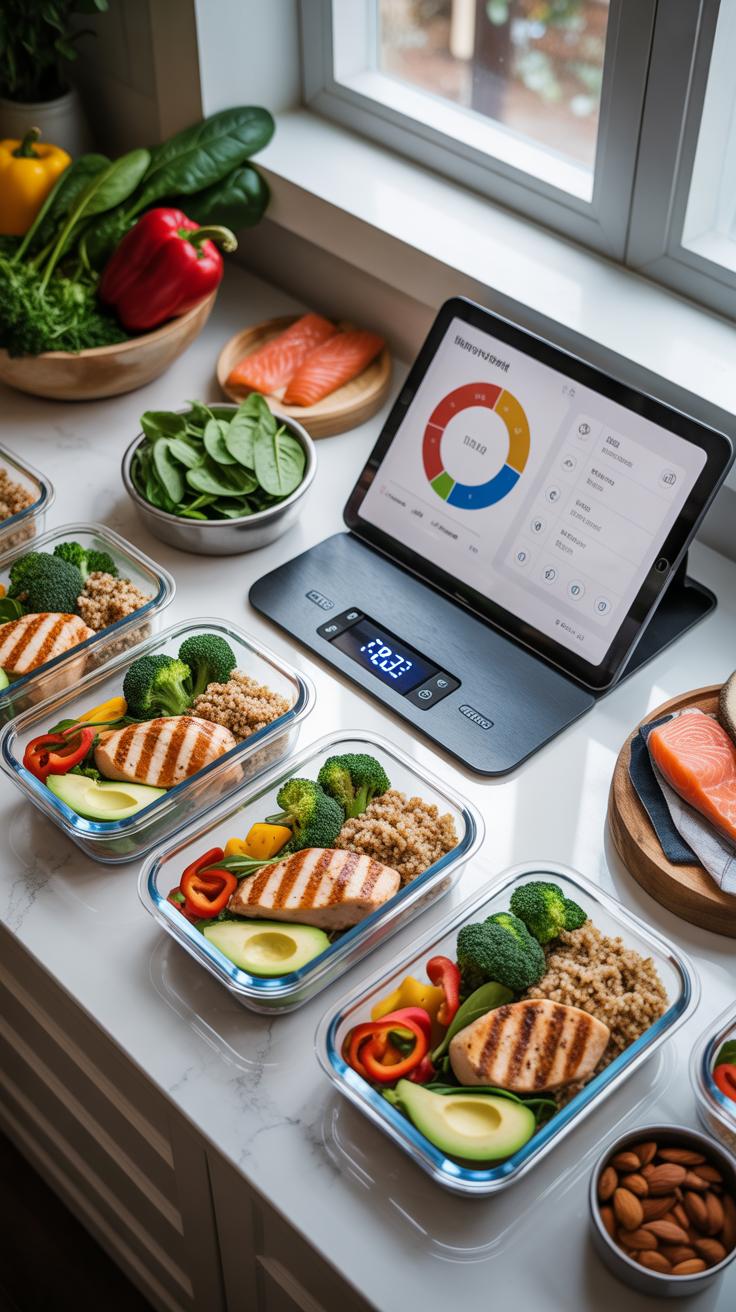
Build every meal around a lean protein source first. Protein is the hardest macro to hit and the most satiating. After selecting your protein, add a fiber dense carbohydrate for sustained energy. Finish the plate with a measured portion of fat. This anchor method ensures you meet your primary targets without exceeding your total daily calorie limit through mindless snacking.
Track your meals before you eat them. Inputting data into your tracking app ahead of time prevents mathematical errors. Adjust portion sizes in the app to mirror your remaining daily macros. If your dinner exceeds your fat limit, swap the ribeye for chicken breast. Planning ahead turns tracking from a reactive chore into a proactive strategy. Use a digital scale for every single ingredient.
High Protein High Carb And High Fat Food Sources Worth Adding To Your Diet
Selective food sourcing simplifies macro tracking. High protein items like lean poultry, egg whites, and white fish provide high volume with low fat. Carbohydrates should come from complex sources like oats, potatoes, and brown rice to regulate blood sugar. Efficient fats include avocado, nuts, and olive oil. Choose single ingredient foods to avoid hidden sugars and processed fats that complicate your daily totals.
- Lean Poultry and Fish: Chicken breast and white fish like cod offer pure protein. These sources contain almost zero fats or carbs. They allow you to hit your protein floor without accidentally overshooting other macros.
- Complex Tubers and Grains: Sweet potatoes and oats provide slow burning energy. These carbohydrates contain fiber which slows digestion. Use these to fill your carb budget while maintaining steady insulin levels throughout your entire workday.
- Raw Nuts and Seeds: Almonds and walnuts provide dense calories from healthy fats. They are highly caloric so you must weigh them carefully. These sources support hormone health and keep you full when your carb intake is low.
- Liquid Egg Whites: This is a pure protein hack for any meal. You can add them to whole eggs or oats to increase protein mass without adding fat. They are pasteurized and safe for various cooking methods or quick shakes.
- Avocados and Olive Oil: These are primary sources of monounsaturated fats. They offer a clean way to hit fat targets without the saturated fat found in red meat. Measure these by the gram to stay within your limits.
Diversify your intake to ensure micronutrient coverage while chasing macro targets. High protein foods often lack fiber, so pair them with green vegetables. If you are short on carbs at the end of the day, use fruit to bridge the gap. If you have leftover fat macros, add a serving of nut butter. Consistently hitting these numbers requires a pantry stocked with these specific, high quality staples.
How To Track Macros Without Counting Flexible Methods For Everyday Life

Using Portion Based Estimation And Hand Measurements As A Counting Alternative
Hand measurements provide a portable tool for estimating macronutrients. Use your palm to measure protein servings. Use your cupped hand for carb portions. Use your thumb to determine fat limits. This system scales with your body size automatically. It removes the need for digital scales or phone apps. You can use this method at restaurants or social events without looking distracted.
This tactic relies on volume consistency to manage caloric intake. One palm of protein roughly equals 25 grams. One cupped hand of carbs yields about 25 grams. One thumb of fat represents nearly 10 grams. Repeat these measurements throughout the day to reach your targets. Adjust the number of portions based on your specific hunger and energy needs. This data helps you maintain control.
Understanding your plate is like returning to the simple wisdom of a home-cooked meal where every ingredient serves a purpose. When you track your protein, carbs, and fats, you are simply learning the language of how to nourish your body with intention.
— Alice Waters
How Consistent Meal Templates Can Help You Hit Macros Without Daily Logging
Standardized meal templates eliminate the cognitive load of daily tracking. You build a blueprint for your plate once. Fill half the plate with fibrous vegetables. Fill one quarter with lean protein. Use the final quarter for complex carbohydrates. Add a small serving of healthy fats on top. This structure ensures your macro ratios remain stable. You stop guessing and start executing.
Repeat these templates using different food sources to prevent boredom. Swap chicken for fish or rice for potatoes within the same framework. The math stays the same because the volumes are identical. This strategy turns macro tracking into a passive habit. You save time while maintaining precision. High level athletes use these fixed patterns to stay on weight during busy training blocks.
Macro Guide Troubleshooting Common Tracking Mistakes And Staying On Track Long Term

The Most Frequent Macro Tracking Errors Beginners Make And How To Correct Them
Beginners often fail because they track food by volume instead of weight. Using measuring cups creates massive inaccuracies. One cup of almonds can vary by hundreds of calories depending on how you pack the cup. Buy a digital food scale immediately. This tool removes all guesswork. Weigh every gram to ensure your data reflects the physical reality of what you consume daily.
Another major mistake is ignoring hidden fats and liquids. Most people forget to track cooking oils, butter, and coffee creamers. These items carry high caloric density. A single tablespoon of olive oil adds 120 calories to your total. You must log every ingredient that enters the pan. Accuracy requires checking labels for serving sizes because many packages contain multiple servings disguised as one.
How To Adjust Your Macro Targets Over Time As Your Body And Goals Change
Your initial macro targets will eventually stop producing results. As you lose weight, your body requires less energy to function. This change is called metabolic adaptation. You must lower your calorie intake or increase activity to keep making progress. Monitor your weight and measurements for two weeks. If the numbers do not move, reduce your daily fats or carbohydrates by ten percent.
Do not drop your protein intake during a cut. High protein preserves lean muscle mass while you lose fat. If your goal shifts from fat loss to muscle gain, increase your carbohydrate intake first. This provides the energy needed for heavy lifting. Adjust your targets every four to six weeks based on objective data. Constant monitoring ensures you stay in alignment with your physical goals.
Frequently Asked Questions

What exactly are macros and why do they matter for my fitness goals?
Macros, short for macronutrients, are the three primary nutrients that provide your body with energy: protein, carbohydrates, and fats. Unlike simple calorie counting, learning how to track macros ensures you are fueling your body with the right balance to build lean muscle, maintain steady energy levels, and support hormonal health. It offers a more flexible and tailored approach to nutrition that focuses on the quality of your intake rather than just the quantity.
How do I calculate my ideal macro ratio?
Your ideal macro ratio depends on your goals, activity level, and body composition, but a common starting point is 40% carbohydrates, 30% protein, and 30% fat. From there, you can adjust the balance up or down based on how your energy, hunger, and progress respond over a few weeks.
Do I need to track macros every single day to see results?
Daily tracking speeds up learning portion sizes and food composition, but it is not strictly required forever. Many people track closely for the first few weeks to build an accurate sense of their intake, then shift to tracking a few days a week or estimating once the habit feels natural.