
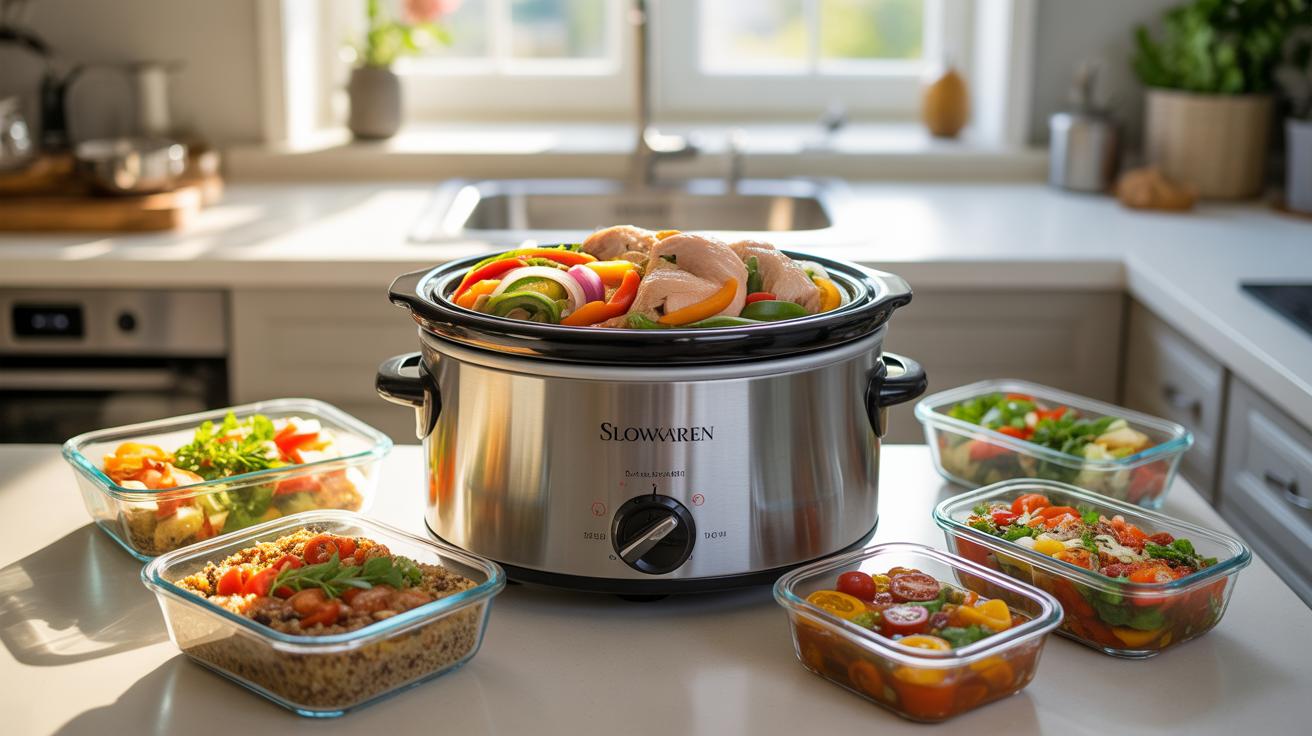
What Is Slow Cook Meal Prep And Why Dump Recipes Are A Game Changer
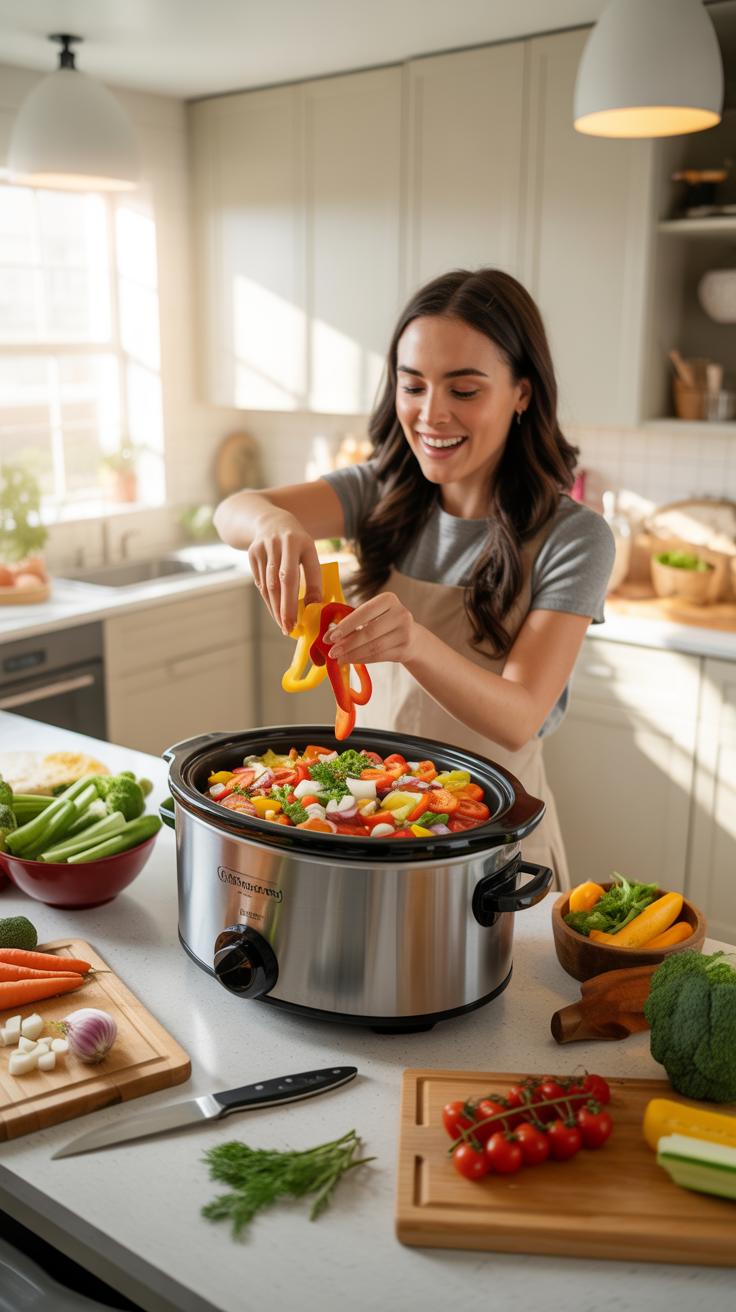
Understanding The Dump And Go Method For Weekly Meal Prep
Slow cooker meal prep uses a strategy called the dump-and-go method. You place all raw ingredients into a plastic freezer bag or container. You do not cook anything ahead of time. You store these bags in the fridge or freezer. When you are ready to eat, you empty the contents into the slow cooker. This method eliminates daily prep work and mid-week kitchen messes.
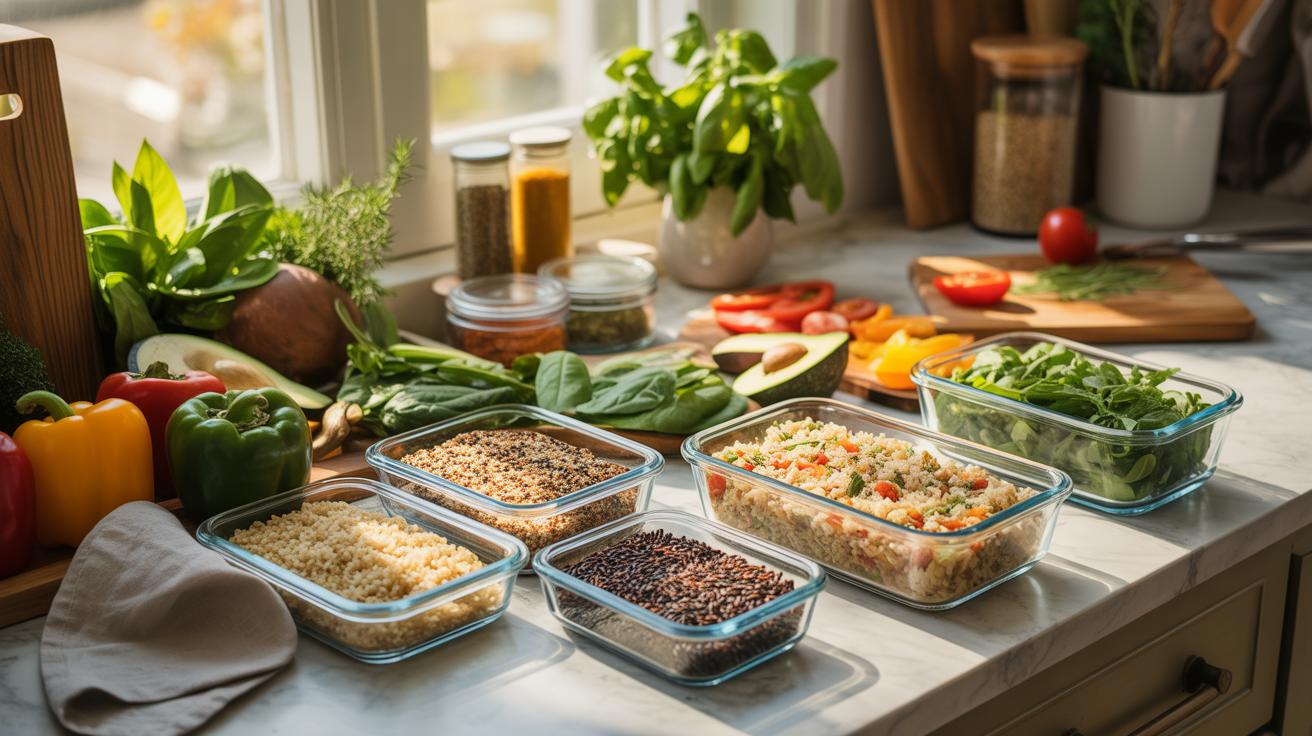
This strategy works because it separates labor from consumption. You spend one hour on Sunday prepping five separate meals. You do not chop onions or sear meat on Tuesday night. The low and slow heat of the cooker handles all the chemistry. It breaks down tough fibers and merges flavors over several hours. This creates a high-quality meal with minimal active time during your busy work week.
Why A Slow Cooker Is One Of The Most Efficient Tools For Weekly Batch Cooking
The slow cooker is a superior tool for batch cooking due to its thermal consistency. Unlike a stovetop, it maintains a precise temperature for several hours. This steady heat prevents burning and allows for unattended operation. You can start a meal before work and return to a finished product. It turns cheap, tough cuts of meat into tender protein. This efficiency saves you significant money on your weekly grocery bill.
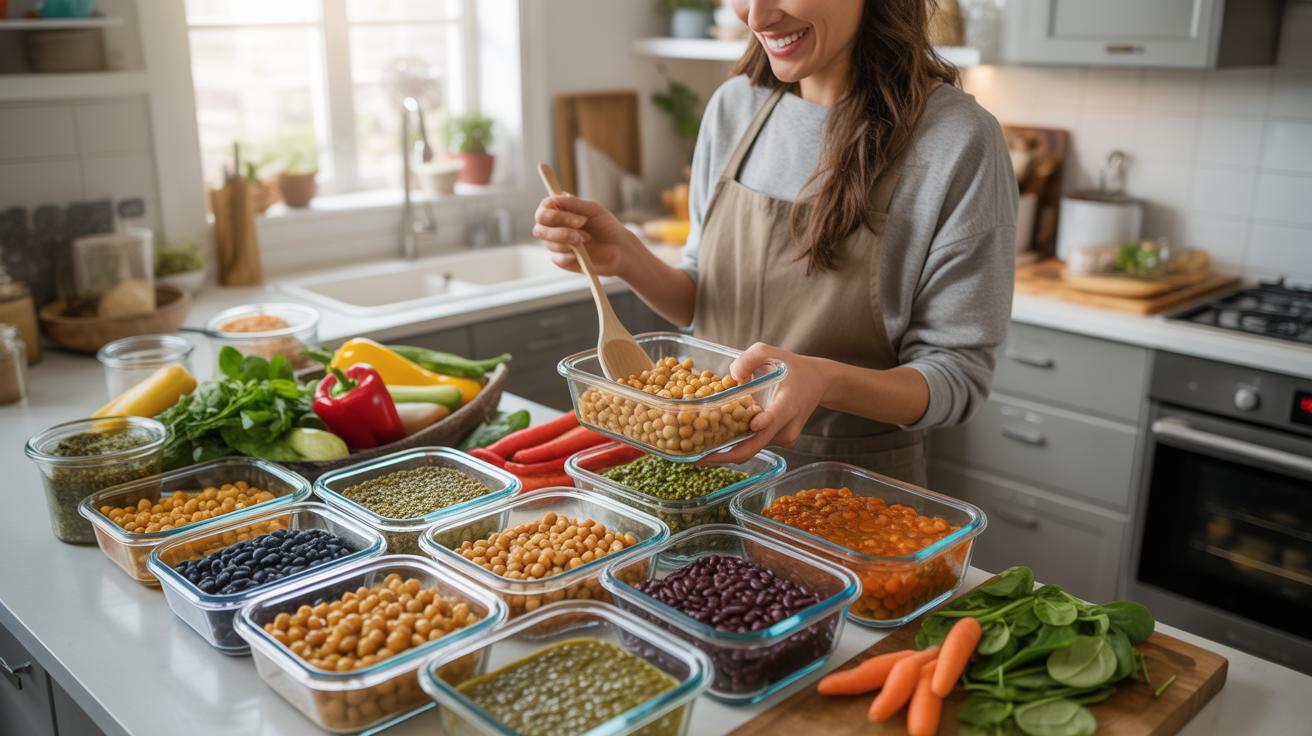
Efficiency also comes from the lack of active monitoring. High-heat cooking requires your constant presence to prevent scorching. The slow cooker uses an enclosed ceramic crock to circulate moisture. This environment keeps food from drying out even if you stay late at the office. You maximize your output while minimizing your physical effort. It is the most logical choice for anyone who needs to reclaim their evening time.
How To Set Up Meal Prep In Crockpot Healthy And Stress Free
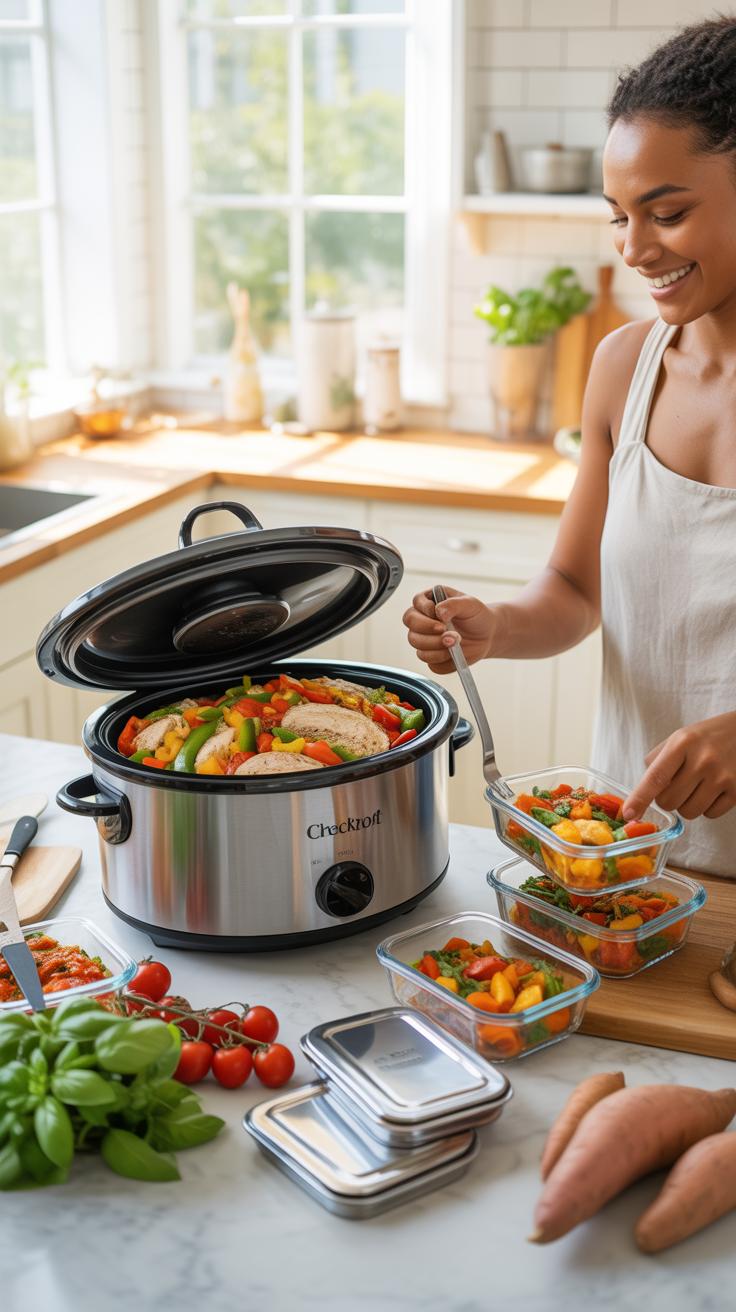
Choosing The Right Crockpot Size And Settings For Meal Prepping
Standardize your equipment to match your household volume. A six-quart slow cooker is the industry standard for meal prepping four to six servings. Smaller three-quart units fail to accommodate standard large-batch protein cuts like pork shoulder or whole chickens. Oversized eight-quart units require more liquid to prevent scorching. Choose the size that allows the ceramic insert to remain two-thirds full for optimal heat distribution.
Program your heat settings based on meat texture and moisture content. The low setting operates at roughly two hundred degrees Fahrenheit and takes seven to eight hours. Use this for lean proteins to prevent toughness. The high setting reaches the same temperature eventually but climbs faster. Use high for dense root vegetables or fatty cuts that require rapid collagen breakdown. Consistency in vessel size ensures your cook times remain predictable every week.
Essential Pantry Staples To Always Have Ready For Healthy Crockpot Cooking
Maintain a lean inventory of long-tail ingredients to facilitate rapid assembly. Your pantry must contain acidic components, thickening agents, and dry aromatics to build flavor without fresh shopping trips. These items bridge the gap between frozen proteins and finished meals. Stocking these basics allows you to pivot recipes based on grocery sales. High-quality dry goods eliminate the need for high-sodium pre-packaged seasoning packets.
- Low-Sodium Broths: Stocks provide the essential liquid base for every slow cooker recipe. Use vegetable, chicken, or beef bone broth to control salt intake while adding protein. Avoid flavored waters or bouillon cubes that contain excessive fillers and MSG.
- Diced Canned Tomatoes: These provide acidity and moisture necessary for breaking down connective tissue in cheap meat cuts. Keep fire-roasted variants for depth and crushed versions for thick sauces. They act as a base for chilis, stews, and braised dishes.
- Healthy Fats and Oils: Extra virgin olive oil and avocado oil withstand long heat cycles without oxidizing. Use these to coat the ceramic insert to prevent sticking. Quality fats also help the body absorb fat-soluble vitamins found in your prep vegetables.
- Dry Spices and Herbs: Stock garlic powder, onion powder, smoked paprika, and dried oregano in bulk. These provide the primary flavor profile for proteins during the long simmer. Fresh herbs often turn bitter over eight hours, so utilize dry versions for the duration.
- Whole Grains and Legumes: Keep brown rice, quinoa, and dried beans available to add fiber and bulk to meals. Lentils work well as they thicken sauces naturally without needing flour or cornstarch. These staples transform a simple protein into a balanced, one-pot meal.
Organize your pantry by usage frequency to reduce prep time. Place your most used liquids and canned bases at eye level. Label all bulk dry goods with expiration dates to ensure freshness. Rapid assembly depends on knowing exactly where your ingredients are located. A disciplined pantry setup cuts your total prep work down to twenty minutes. Efficient systems prevent burnout and keep your healthy eating habits consistent over time.
Slow Cooker Meal Prep Healthy Protein Packed Recipes To Fuel Your Week
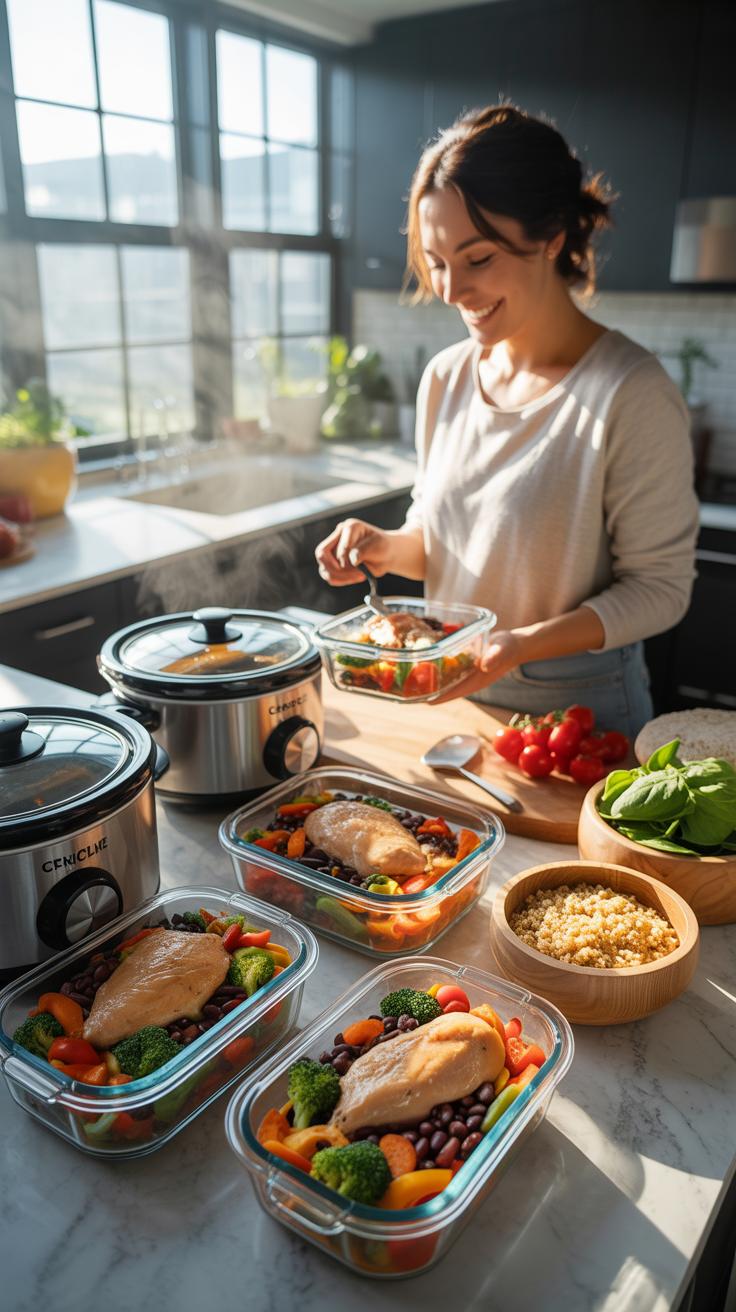
High Protein Chicken And Legume Dump Recipes That Cook While You Sleep
Efficiency hinges on overnight cycles. Use chicken thighs instead of breasts to prevent drying during eight-hour cook times. Combine five pounds of trimmed meat with two cans of dry-soaked black beans or chickpeas. Add low-sodium broth or crushed tomatoes to keep the mixture moist. Set the slow cooker to the low heat setting. This method creates a massive volume of protein.
Legumes provide fiber and complex carbohydrates that stabilize your blood sugar levels. They hold their structural integrity better than vegetables over long periods. Combine lentils with diced chicken and curry spices for a shelf-stable meal base. Portion these meals into glass containers immediately after cooking ends. Immediate cooling prevents bacterial growth and maintains the texture of the meat and beans for the entire week.
How To Balance Macronutrients When Planning Your Slow Cooker Meal Prep Menu
Strategic meal prep requires a specific ratio of protein, fats, and carbohydrates. Aim for 30 percent protein to support muscle maintenance. Use lean meats like turkey or beef round as your base. Add healthy fats through avocado oil or olives toward the end of the cooking process. High heat can degrade some delicate fats. Track every gram of raw material before it enters the slow cooker.
Complex carbohydrates must withstand high moisture environments without turning into mush. Avoid white rice or standard pasta in the dump bag. Use root vegetables or thick pearl barley instead. These starches absorb the cooking liquid and improve the flavor of the dish. A balanced bowl should contain two parts vegetable to one part protein. This ratio ensures high volume without excessive caloric density and keeps you full.
Healthy Lunch Meal Prep Slow Cooker Ideas You Can Portion And Pack
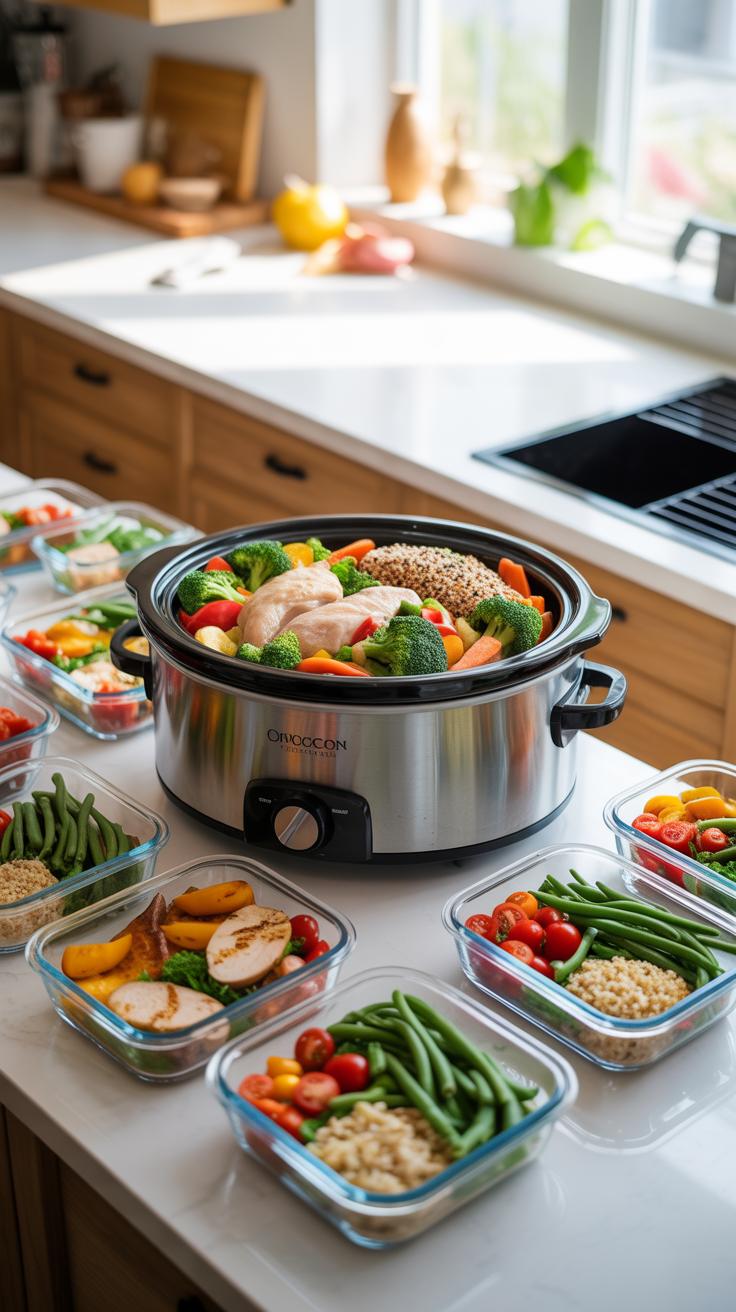
Slow Cooker Soups And Stews That Store And Reheat Beautifully For Lunch
Liquid based meals offer the best shelf life for weekly meal prep. Soups and stews maintain moisture better than dry proteins when reheated in office microwaves. The slow cooker excels at breaking down tough collagen in meats and fibrous vegetables over several hours. This process creates a stable emulsion of flavors that actually improves after twenty four hours in the refrigerator.
Use airtight glass containers to prevent leaks and maintain food safety during transport. Leave a small gap at the top of the container if you plan to freeze portions for later in the month. Starchy ingredients like potatoes and beans hold their shape well throughout the week. Avoid adding delicate dairy or fresh herbs until the reheating stage to prevent curdling or browning.
Grain And Veggie Based Crockpot Bowls Perfect For Midday Meal Containers
Controlled moisture is the key to successful grain based crockpot bowls. You must use sturdy grains like farro, barley, or wild rice to avoid mushy textures during long cook times. Combine these with dense root vegetables like sweet potatoes or carrots. The slow cooker infuses the grains with seasoned broth while the vegetables reach a tender consistency suitable for cold or hot consumption.
Portion your grain bowls immediately after cooking to stop the residual heat from overcooking the ingredients. Add fresh elements like raw kale, spinach, or pickled onions directly to the meal prep container after the base cools. These fresh additions provide texture contrast that prevents meal fatigue. Store dressings in separate small containers to keep the grains firm until you are ready to eat.
Easy Crockpot Dinners That Double As Next Day Meal Prep Leftovers
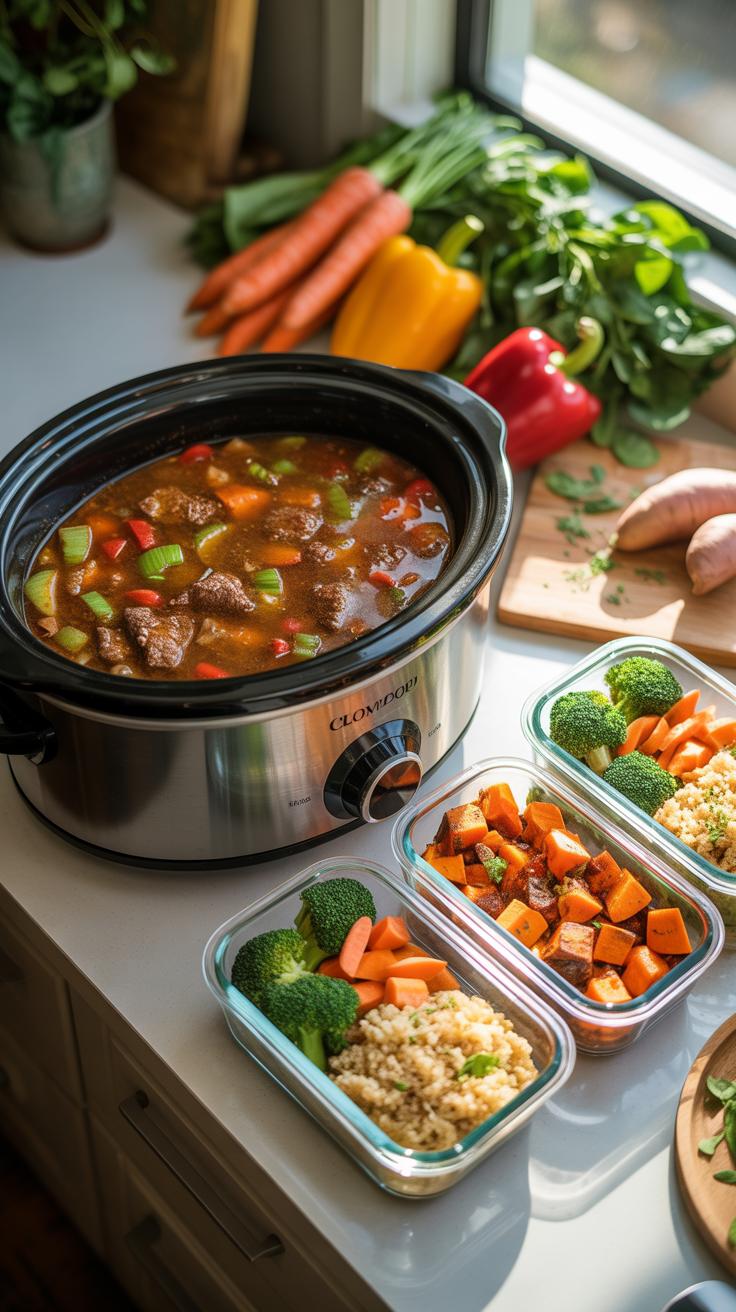
One Pot Crockpot Dishes That Yield Multiple Servings With Minimal Effort
Effective slow cooker meal prep relies on high-volume recipes like chili, stews, and braised meats. These dishes use liquid to maintain moisture during long cook cycles. Large cuts of meat like pork shoulder or beef chuck break down over eight hours. This process creates tender protein that stays succulent when reheated. One large batch provides four to six servings without extra stovetop work.
Focus on ingredients that do not degrade during reheating. Root vegetables like carrots and potatoes hold their structure better than leafy greens. Beans and legumes add bulk and fiber at a low cost. Use a six-quart slow cooker to maximize your output per cycle. This size accommodates enough raw ingredients to feed a person for three to four days of lunch and dinner.
Smart Storage Tips For Keeping Your Crockpot Dinners Fresh Throughout The Week
Temperature control is the most critical factor in food safety and flavor retention. You must cool your slow cooker meals quickly to prevent bacterial growth. Large ceramic crocks hold heat for hours and will ruin your fridge temperature if placed inside while hot. Transfer the finished food into shallow containers to speed up the cooling process before you seal and refrigerate.
- Shallow Glass Containers: Use glass instead of plastic to avoid chemical leaching and odors. Shallow designs allow the food to cool faster and reheat more evenly in the microwave. They also stack efficiently to maximize limited refrigerator shelf space during your busy week.
- Vacuum Sealing: Remove oxygen from the packaging if you plan to eat the meal after four days. Oxygen causes freezer burn and fat oxidation which ruins the taste of the meat. This method extends the shelf life of your prepped slow cooker meals significantly.
- Portion Control: Divide the large pot into individual serving sizes immediately after cooking. This avoids the need to reheat the entire batch multiple times. Repeated heating and cooling cycles break down the texture of the vegetables and dry out the lean protein sources.
- Moisture Retention: Keep a small layer of cooking liquid or sauce in each storage container. This liquid protects the meat from drying out during the second heating cycle. The steam generated by the liquid in the microwave helps the starch and fibers stay soft and edible.
- Labeling System: Mark every container with the date and type of dish using masking tape and a permanent marker. This prevents food waste by ensuring you consume the oldest meals first. Clear labels help you track your inventory so you do not cook unnecessary food batches.
Avoid freezing recipes that contain heavy cream or sour cream as the dairy will break and curdle upon thawing. If a recipe requires dairy, stir it in after reheating the base components. Store garnishes like fresh herbs or lime wedges separately in small bags. Adding these fresh elements right before eating restores the bright flavor profile that slow cooking often mutes over several days.
Crockpot Beef Dump Recipes That Are Hearty Wholesome And Prep Friendly
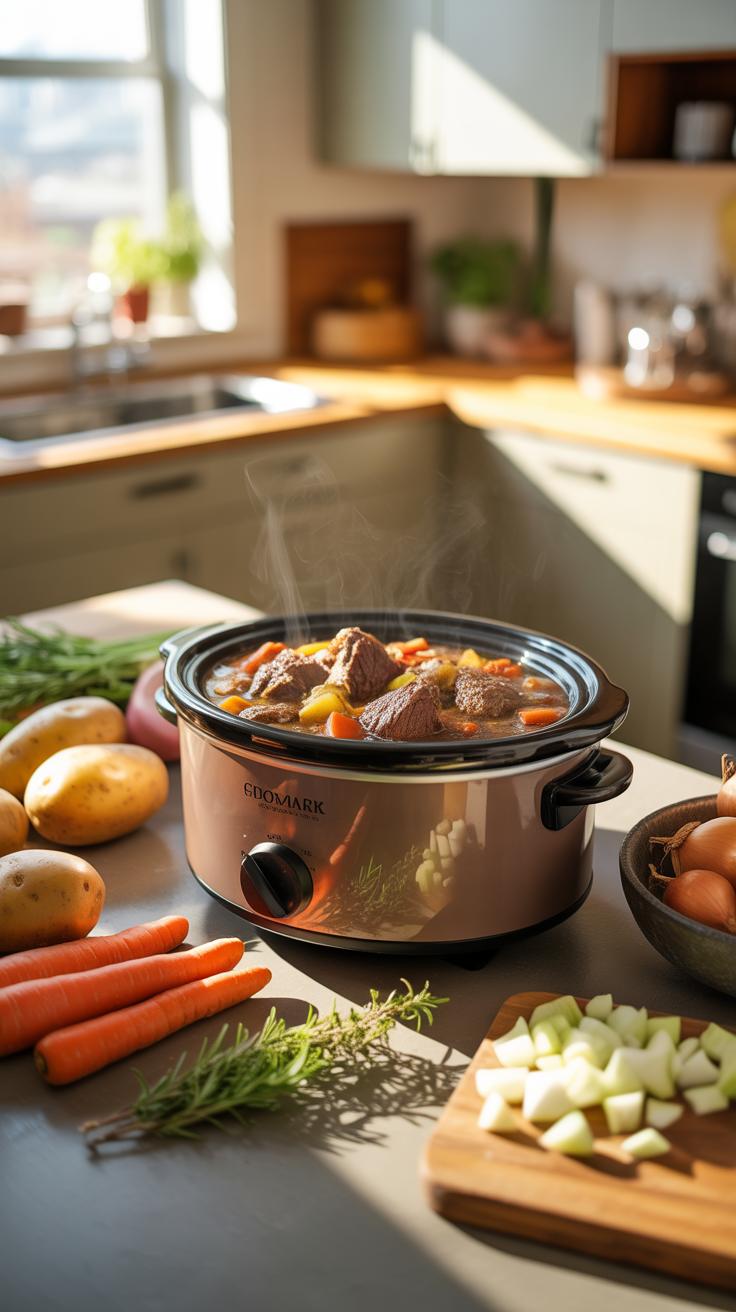
Slow Cooker Beef Stew And Shredded Beef Recipes Built For Batch Cooking
Batch cooking beef stew requires a focus on moisture retention. Use large chunks of meat to prevent drying during the six to eight hour cooking cycle. Combine raw beef, hardy root vegetables, and broth in a gallon bag for the freezer. This method allows the collagen to break down slowly. It creates a thick sauce without adding flour or chemical thickeners during the initial prep stage.
Shredded beef recipes offer the most versatility for weekly meal plans. Cook a large roast with minimal liquid to create a base protein for multiple dishes. Use the shredded results for tacos, sandwiches, or salads throughout the week. This strategy reduces active cooking time to zero after the initial dump. Store the cooked beef in its own juices to maintain a tender texture during reheating.
The hallmarks of a truly happy home are the savory aromas drifting from a slow cooker that has been simmering all day. There is no more nurturing feeling than knowing dinner is already waiting for you in its own fragrant steam.
— Martha Stewart
How To Choose Lean Beef Cuts That Stay Tender And Nutritious After Long Cook Times
Select beef cuts with high connective tissue for the best results. Chuck roast remains the industry standard for slow cooking due to its fat distribution. The heat transforms tough collagen into gelatin over several hours. This process keeps the meat moist even if the cut is technically lean. Avoid expensive, low-fat steaks like filet mignon. These lean cuts toughen and turn gray under prolonged heat.
Look for bottom round or eye of round for a lower calorie option. These cuts are denser than chuck but still hold their shape well. Cut them into uniform cubes to ensure even cooking across the entire batch. Trim large exterior fat caps before freezing your dump bags to prevent oily stews. Strategic trimming ensures the final meal is nutritious and fits into a high protein diet plan.
Vegan Crockpot Meals Dump Dinners For Plant Based Weekly Meal Prep
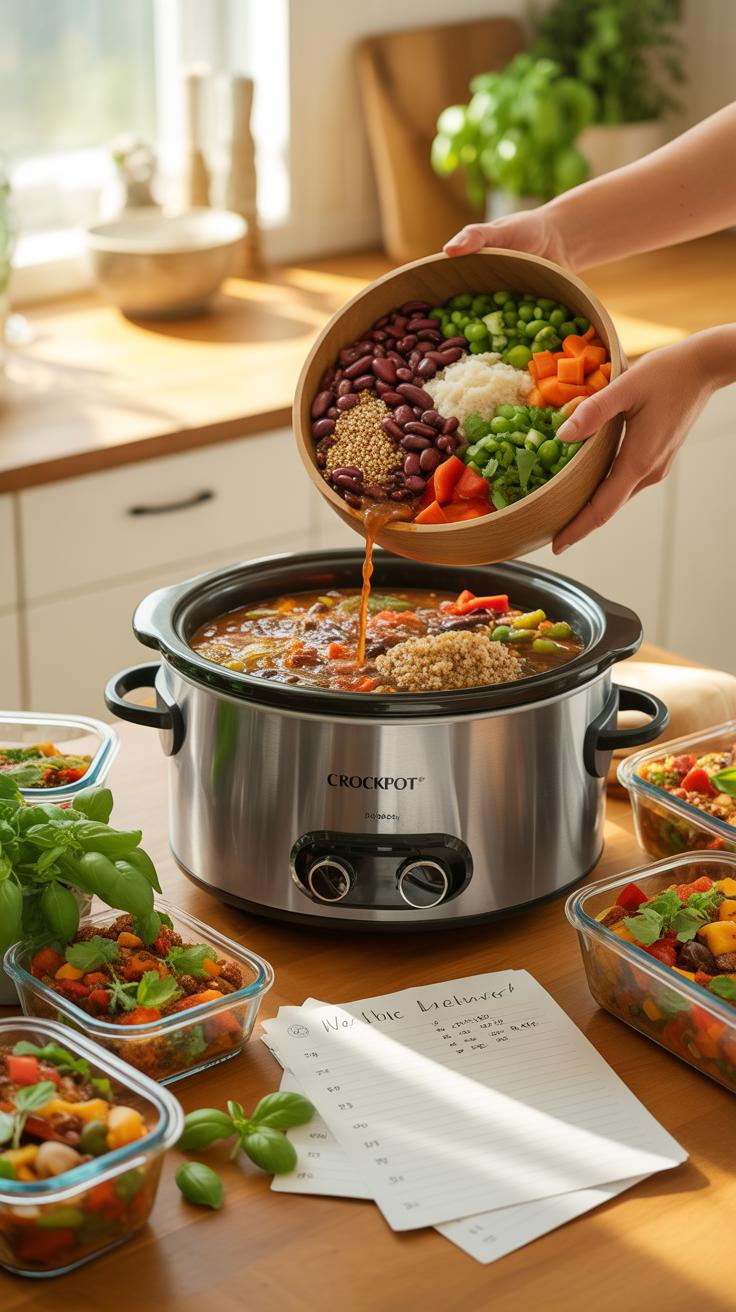
Protein Rich Vegan Dump Recipes Using Lentils Chickpeas And Black Beans
Lentils and beans provide the density required for filling slow cooker meals. Red lentils break down to thicken sauces and stews during long cook cycles. Brown and green lentils hold their shape better for soups and salads. Chickpeas and black beans resist turning soft or mushy under high heat. These legumes offer stable shelf lives and lower costs compared to meat proteins.
To prep these meals, combine dry or canned legumes with aromatics and liquid in freezer bags. Use vegetable stock or coconut milk for the base. Avoid adding salt or acidic ingredients like lemon juice until the end of the cooking process. Acid prevents legumes from softening properly. This method ensures the protein reaches the correct texture. Cook times vary from four to eight hours.
How Plant Based Slow Cooker Meals Support A Balanced And Sustainable Diet
Plant based slow cooking simplifies hitting daily fiber and micronutrient targets. Legumes contain high levels of iron, potassium, and magnesium. Slow cooking at low temperatures preserves these heat sensitive nutrients better than boiling or frying. This cooking method also integrates whole grains like barley or farro into the meal. Consistency in prep leads to better long term health outcomes and weight management.
Sustainable meal prep reduces food waste and lowers your carbon footprint. Dry beans use minimal packaging and require less energy to transport than refrigerated meats. You can buy these ingredients in bulk to save money. Slow cookers use less electricity than conventional ovens. Preparing these meals in large batches ensures you always have a healthy option ready. This prevents the need for processed takeout.
Healthy Crockpot Meal Prep Tips For Staying Consistent All Week Long
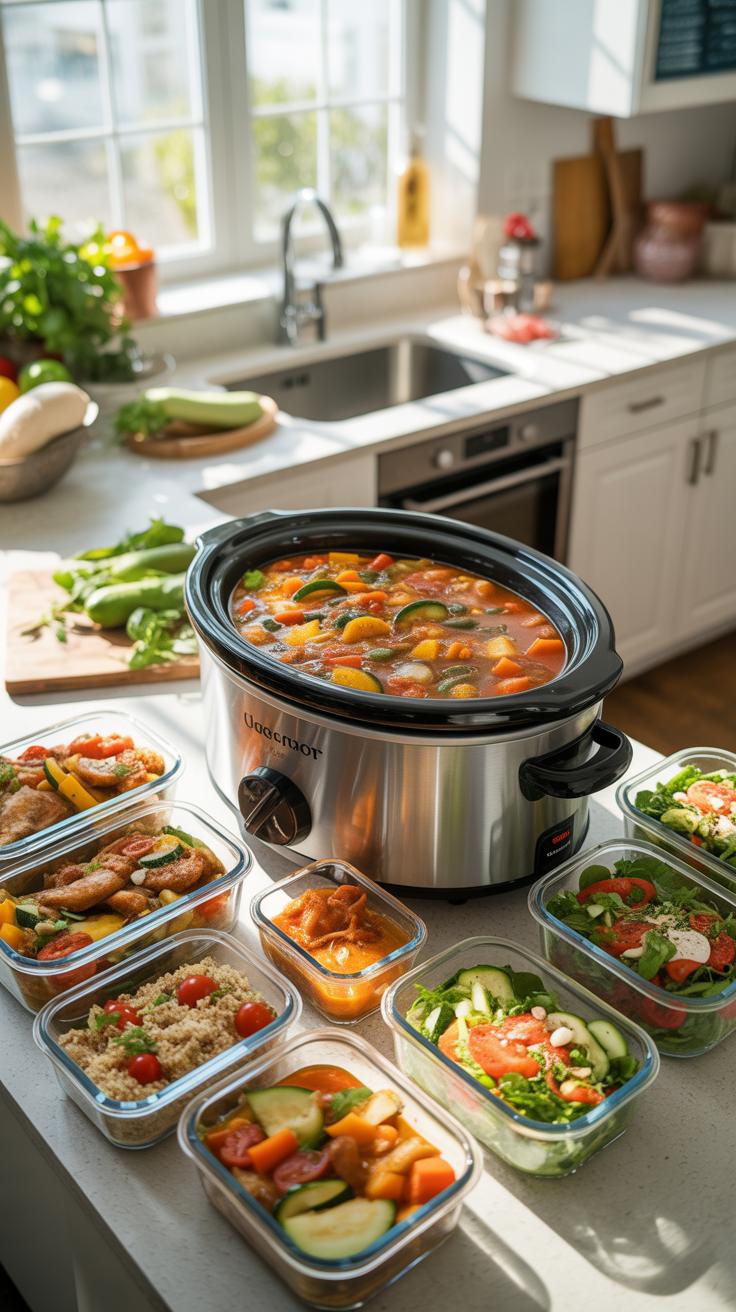
How To Build A Repeatable Weekly Slow Cooker Meal Prep Routine That Works
Establish a fixed schedule to eliminate decision fatigue. Reserve Sunday for chopping and assembly. Process all vegetables and proteins at once to maximize efficiency. Use heavy-duty freezer bags for dump recipes. Label every bag with the recipe name and date. Organize these bags flat in the freezer to save space. Proper planning ensures you never waste time searching for ingredients on busy weekday mornings.
Execution requires a standardized inventory. Keep staples like chicken broth, canned tomatoes, and dried spices in stock at all times. This prevents unnecessary trips to the grocery store. Set a recurring calendar alert for your prep time. Treat this window as a non-negotiable appointment. Consistency builds the habit. Once the routine is set, you spend less mental energy on food and more on your daily tasks.
Common Slow Cooker Meal Prep Mistakes To Avoid For Better Results Every Time
Stop putting frozen meat directly into the slow cooker. This practice keeps the food in the danger zone for bacterial growth too long. Always thaw dump meals in the refrigerator for twenty-four hours before cooking. Overfilling the ceramic pot also causes uneven cooking. Keep the contents between one-half and two-thirds full for optimal heat distribution. These technical adjustments ensure your food remains safe and high quality.
Avoid adding dairy or delicate greens at the start of the cooking cycle. High heat over several hours curdles milk and turns spinach into mush. Add these ingredients during the last thirty minutes of the process. Do not lift the lid to check progress. Each time you break the seal, heat escapes and adds twenty minutes to the cook time. Follow these mechanical rules to produce consistent and professional results every week.
Frequently Asked Questions

What are slow cooker meal prep dump recipes and how do they work?
Slow cooker meal prep dump recipes are the ultimate time-saver for busy households. The concept is simple: you combine all your raw ingredients—like proteins, vegetables, and seasonings—into a freezer bag or container ahead of time. When you are ready to cook, you simply “dump” the contents into your appliance. This method of slow cooker meal prep eliminates daily chopping and measuring, allowing you to enjoy a home-cooked dinner with zero morning effort.
Can I put frozen ingredients directly into the slow cooker for meal prep?
For the best results and food safety, it is highly recommended to thaw your frozen meal prep bags in the refrigerator overnight before cooking. While it is tempting to dump frozen blocks directly in, thawing ensures that your slow cooker meal prep reaches a safe internal temperature quickly and cooks evenly. If you are in a rush, you can submerge the sealed bag in a bowl of cold water to accelerate the thawing process.
Is slow cooker meal prep an affordable option for families on a budget?
Absolutely! Preparing meals this way is incredibly cost-effective because it allows you to buy ingredients like meat and grains in bulk. Since the low-and-slow cooking method tenderizes tougher, less expensive cuts of beef or pork, you can save significantly on your grocery bill. Additionally, planning your menu around seasonal produce and pantry staples ensures your weekly routine remains highly accessible and affordable while still providing nutritious, flavorful dinners for everyone.