
What Is A Mediterranean Food Plan And Why Does It Support Weight Loss

The Origins And Core Principles Of The Mediterranean Diet
The Mediterranean diet reflects the mid-20th-century eating patterns of people in Greece, Southern Italy, and Spain. Researchers identified these regions in the 1950s for their low rates of heart disease and chronic illness. This plan prioritizes whole, plant-based foods over processed alternatives. It is a heritage-based dietary pattern. You eat seasonally and focus on local ingredients. It is a lifestyle framework rather than a temporary restrictive diet.

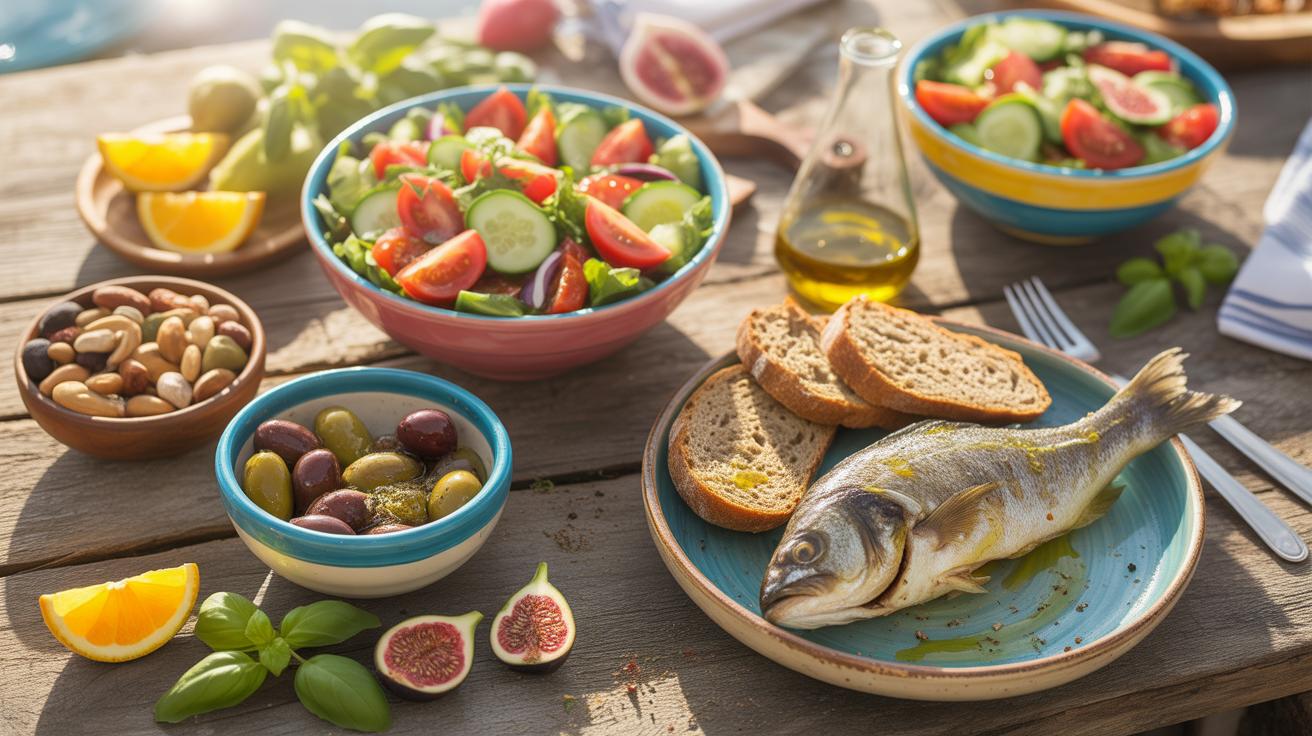
Core principles focus on high intake of vegetables, fruits, legumes, nuts, and seeds. Olive oil serves as the primary fat source in every meal. You consume moderate amounts of fish, poultry, and dairy like yogurt or cheese. Red meat and refined sugars remain rare additions. This balance provides high levels of monounsaturated fats and essential minerals. This strategy improves metabolic health and lowers inflammation without requiring strict macro tracking.
How The Mediterranean Food Plan Promotes A Natural Calorie Deficit
Weight loss occurs because this plan emphasizes nutrient density over calorie density. High-fiber foods like beans and green vegetables occupy large volumes in the stomach. This physical bulk triggers stretch receptors that signal fullness to the brain early. You stop eating sooner because your hunger hormones stabilize. This mechanism prevents the overconsumption common with hyper-palatable processed snacks. It creates a deficit through satiety rather than willpower.

Lean proteins and healthy fats slow down the digestion process. This prevents the rapid blood sugar spikes and crashes that cause intense cravings. When insulin levels stay steady, the body accesses stored fat for energy more efficiently. You experience more consistent energy levels throughout the day. This reduces the urge for high-calorie rescue snacks. By removing empty calories and chemicals, you naturally lower your total daily intake without feeling deprived.
Your Mediterranean Diet Food Plan What To Eat And What To Limit
Core Food Groups That Form The Mediterranean Diet Food Plan
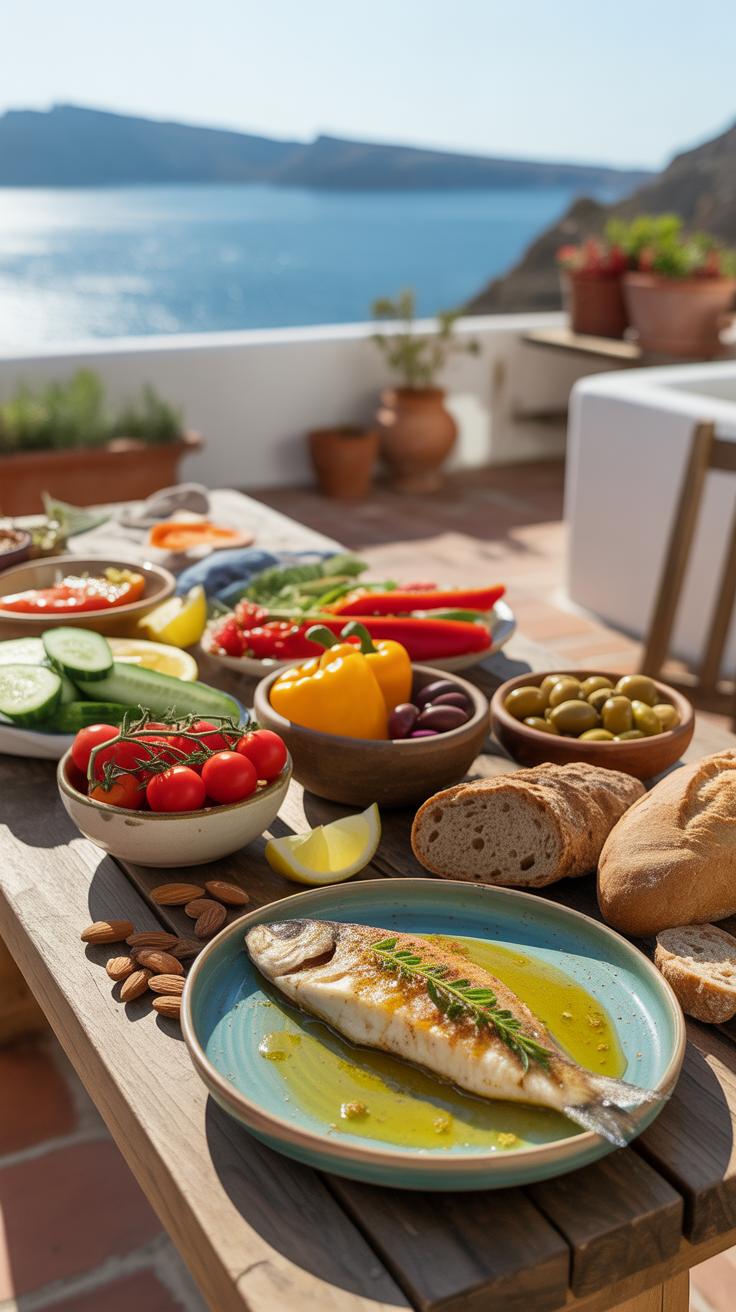
The Mediterranean diet focuses on whole foods that provide high nutrient density and fiber. This strategy stabilizes blood sugar and promotes satiety for effective weight loss. Historically, these dietary habits emerged from post-war Greece and Southern Italy. You must prioritize plant-based sources while using animal products as a secondary element. This creates a sustainable caloric deficit without sacrificing essential vitamins or minerals.
- Healthy Fats: Extra virgin olive oil serves as the primary lipid source for this plan. It contains monounsaturated fats that support heart health and replace butter or lard. High-quality fats increase satiety levels during meals.
- Whole Grains: These provide complex carbohydrates and necessary fiber for digestion. Options like farro, barley, and brown rice prevent the insulin spikes caused by refined flour. Fiber keeps you feeling full longer after eating.
- Legumes and Pulses: Beans, lentils, and chickpeas act as vital plant-based protein sources. They are low in fat and high in fiber. Replacing red meat with legumes reduces total caloric intake while maintaining muscle mass during weight loss.
- Fresh Produce: Vegetables and fruits make up the largest portion of every meal. Aim for a wide variety of colors to ensure diverse micronutrient intake. These foods add volume to your plate with very few calories.
- Lean Proteins: Fish and poultry are the main animal proteins in this system. Cold-water fish provides omega-3 fatty acids which reduce inflammation. Consume these portions two to three times per week for the best metabolic results.
Adopting this food plan requires a shift in how you view your plate structure. Make vegetables the centerpiece rather than a side dish. Use olive oil as your main cooking and dressing fat to ensure consistent intake of antioxidants. Consistency with these core groups builds a foundation for long-term health. Avoid adding heavy sauces or creams that negate the benefits of these whole ingredients.
To eat well is to live well, and the golden sun of the Mediterranean warms every plate that heals the body.
Foods To Reduce Or Avoid For Better Weight Loss Results
Eliminating processed foods is the fastest way to see results on this plan. Refined sugars and flours cause rapid fat storage and increase hunger. Modern Western diets rely heavily on these items, but they have no place in a traditional Mediterranean strategy. Check labels for hidden sugars in snacks and condiments. Removing these barriers allows your body to burn stored fat more efficiently.
Red meat and high-fat dairy should appear rarely in your rotation. These items contain saturated fats that can hinder heart health and weight goals when eaten daily. Limit red meat to a few times per month. Processed meats like deli slices or sausages contain excess sodium and preservatives. Focus on clean, single-ingredient foods to maximize your metabolic rate and achieve your desired body weight quickly.
Mediterranean Diet Food List Healthy Recipes Building Balanced Flavorful Meals
Essential Pantry Staples On The Mediterranean Diet Food List
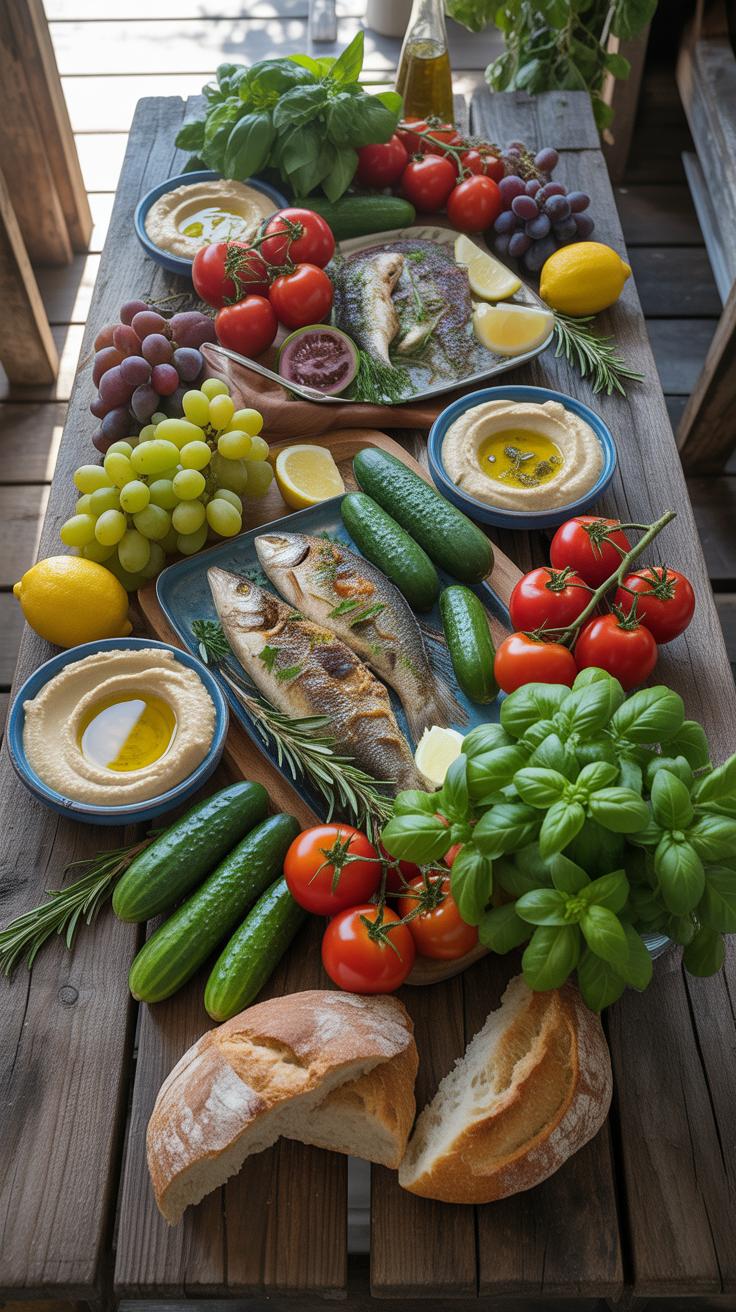
A functional Mediterranean kitchen relies on shelf-stable goods that provide healthy fats and complex carbohydrates. Extra virgin olive oil serves as the primary lipid source for cooking and dressings. Dried legumes like lentils and chickpeas offer necessary plant-based protein and fiber. Whole grains such as farro, bulgur, and barley form the base of most daily meals. These items ensure you can build a meal without daily trips to the market.
Stocking canned sardines and tuna provides immediate access to omega-3 fatty acids. Use acidic components like red wine vinegar and lemon juice to enhance flavor without adding sodium. Keep raw nuts and seeds available for texture and satiety. These staples allow for rapid meal assembly during busy schedules. Focus on quality over quantity to maintain the traditional standards of this eating pattern. A well-stocked pantry prevents poor dietary choices.
How Healthy Recipes On The Mediterranean Diet Keep Meals Satisfying And Light
Traditional recipes prioritize volume and nutrient density to trigger fullness. High fiber content from vegetables and legumes slows digestion and stabilizes blood sugar levels. This metabolic effect prevents the energy crashes often associated with processed diets. By using water-rich produce as a foundation, these meals provide significant physical mass with fewer calories. This strategy allows for larger portions while maintaining a strict caloric deficit for weight loss.
Flavor profiles rely on fresh herbs and spices rather than heavy sauces or refined sugars. Ingredients like garlic, oregano, and parsley add depth without increasing the caloric load. Using acidic liquids during the cooking process brightens the dish and reduces the need for excessive salt. This approach keeps the palate engaged and prevents flavor fatigue. Strategic ingredient pairing ensures that every bite provides both functional nutrition and sustained metabolic support.
Eating Well Mediterranean Diet Recipes Breakfast Lunch And Dinner Ideas
Nutrient Dense Breakfast And Lunch Recipes For Eating Well On The Mediterranean Diet
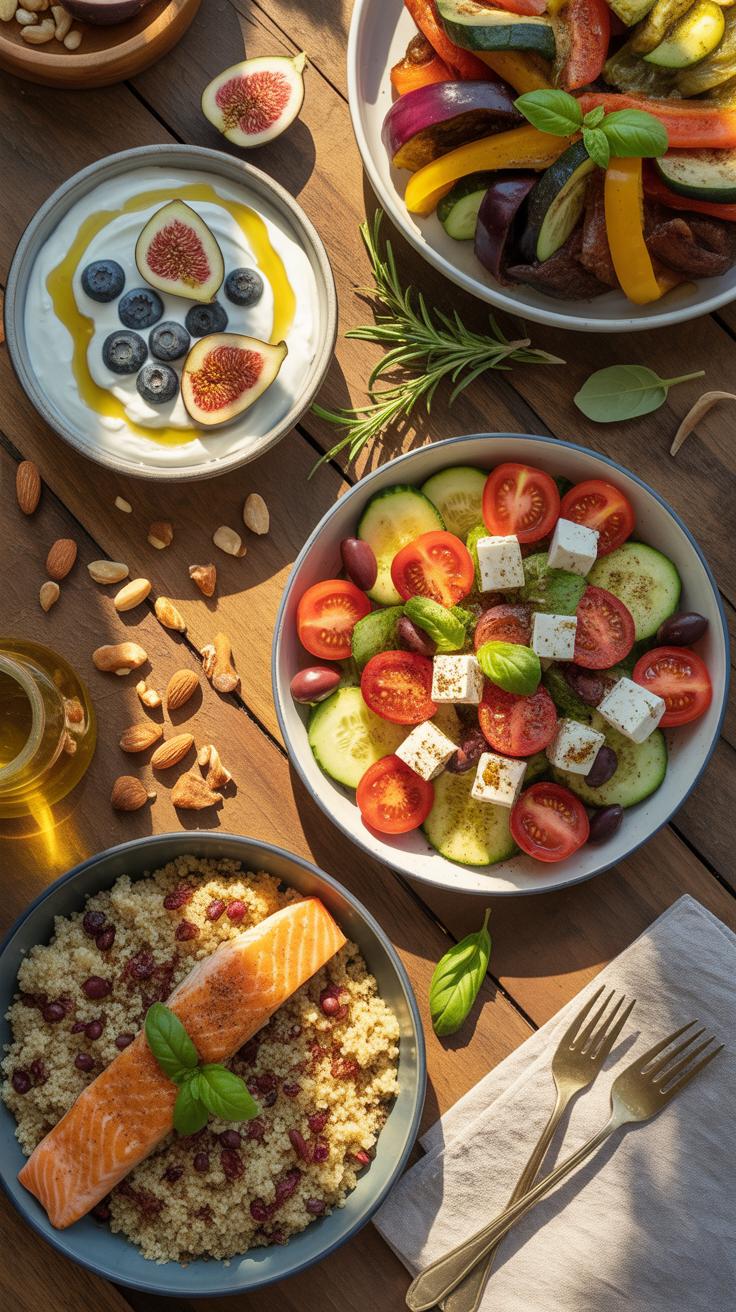
Start the day with high protein and fiber to stabilize blood sugar. Greek yogurt serves as a foundational base. Mix it with walnuts and fresh berries for omega 3 fatty acids and antioxidants. Savory options include sliced avocado on sprouted whole grain bread with a poached egg. This combination provides healthy monounsaturated fats and essential amino acids. These meals suppress ghrelin and keep you full longer.
Lunch requires portable and nutrient dense components to maintain energy without insulin spikes. Build salads using hearty greens like kale or spinach. Add chickpeas or lentils for plant based protein and fiber. Dress these bowls with extra virgin olive oil and lemon juice to improve fat soluble vitamin absorption. Prepare tuna or sardine salads with Greek yogurt instead of mayo. These choices deliver high protein and essential minerals.
Wholesome Dinner Recipes That Make Eating Well On The Mediterranean Diet Effortless
Dinner focuses on lean proteins paired with high volumes of fibrous vegetables. Roast salmon or sea bass with seasonal vegetables on a single sheet pan. Use garlic, oregano, and rosemary to add flavor without sodium. This method preserves the structural integrity of the healthy fats in the fish. Broiled chicken breast marinated in lemon and olive oil offers a simple and efficient protein source.
Control portions by filling half the plate with roasted or steamed greens. Use small amounts of whole grains like farro or quinoa to provide complex carbohydrates. These grains digest slowly and prevent evening cravings. Finish the meal with a small piece of fruit instead of processed sugars. Consistently eating these whole food combinations improves metabolic health and supports long term weight loss goals.
Mediterranean Meal Plan Simple A Full 7 Day Beginner Friendly Schedule

How To Structure A Simple Mediterranean Meal Plan For The Week
A practical Mediterranean schedule focuses on high volume plant foods and healthy fats. You must prioritize beans, lentils, and chickpeas as your primary protein sources at least three times per week. Reserve fish and poultry for smaller portions on other days. Use extra virgin olive oil as your main fat source for every cooked meal. This approach ensures you meet your fiber goals and stay full longer.
Consistency beats variety when you start this diet. Rotate three simple breakfast options like Greek yogurt or oats to reduce decision fatigue. Prepare large batches of whole grains like farro or brown rice on Sunday to use throughout the work week. This method keeps your kitchen time low while maintaining the traditional balance of the diet. Focus on seasonal vegetables to ensure the best flavor and nutrient density.
Practical Meal Prep Tips To Keep Your Simple Mediterranean Meal Plan On Track
Success on this diet depends on your ability to prep ingredients rather than full meals. Raw vegetables require washing and chopping before the week begins to avoid reaching for processed snacks. Wash your leafy greens and store them in airtight containers with paper towels. Batch cook your legumes and grains so they are ready for quick assembly during busy lunches.
- Pre-Chop Vegetables: Spend thirty minutes on Sunday dicing onions, peppers, and cucumbers. Storing these in clear glass jars makes them visible and ready for salads or sautés. This step removes the biggest barrier to eating fresh produce during a busy week.
- Batch Cook Grains: Boil a large pot of quinoa or barley at the start of the week. These hardy grains stay fresh in the refrigerator for five days. Use them as a base for bowls or mix them into soups for added texture and fiber.
- Portion Your Healthy Fats: Measure your nuts and seeds into small containers or bags immediately after purchasing. This prevents overeating high-calorie items like walnuts or almonds. Having pre-measured snacks ensures you get the heart-healthy benefits without exceeding your daily caloric limits.
- Marinate Proteins Early: Place chicken or fish in olive oil, lemon, and oregano twenty-four hours before cooking. This technique allows flavors to penetrate the meat deeply without adding sodium or sugar. It also reduces the actual cooking time needed when you get home from work.
- Make A Large Salad Base: Combine hardy greens like kale or shredded cabbage in a large bowl without dressing. These vegetables do not wilt quickly and can last several days in the fridge. Add your dressing and softer vegetables like tomatoes only when you are ready to eat.
Smart prepping eliminates the temptation to order takeout when you are tired. Always keep a stock of canned sardines, chickpeas, and frozen spinach for emergency meals. These pantry staples allow you to build a Mediterranean meal in under ten minutes. Focus on these foundational habits to maintain your weight loss progress. Simple systems create long-term dietary changes that stick far beyond the first week.
Mediterranean Diet For Picky Eaters Smart Swaps And Flexible Meal Ideas

How To Adapt The Mediterranean Diet For Picky Eaters Without Losing Nutritional Value
Picky eaters often struggle with the textures of whole grains and bitter greens. You must swap these for milder alternatives to maintain compliance. Replace kale or arugula with spinach or butter lettuce for a softer profile. Switch heavy whole wheat pasta for brown rice or quinoa. These swaps preserve the fiber and micronutrient density required for weight loss without triggering sensory aversions.
Texture management is the primary tactic for success. Blend vegetables into smooth sauces or soups to hide fibrous strands. Use immersion blenders to incorporate peppers, onions, and carrots into tomato marinades. This method delivers necessary vitamins while keeping the mouthfeel consistent. Focus on familiar healthy fats like olive oil and avocado. Avoid forcing oily fish if the scent causes total meal rejection.
Kid Friendly And Crowd Pleasing Mediterranean Meals That Picky Eaters Will Actually Enjoy
Success with children and selective adults depends on neutral flavors and finger foods. Deconstruct meals to provide control. Serve lean proteins like grilled chicken or chickpeas separately from vegetables and grains. Use dipping sauces made from yogurt or chickpeas to increase calorie quality. These components mirror the traditional dietary patterns of Greece and Southern Italy. They focus on fresh, unseasoned ingredients that appeal to basic palates.
Standardize Mediterranean ingredients into familiar formats like flatbread pizzas or baked poultry. Use whole grain pita bread as a base for low-moisture mozzarella and fresh tomatoes. Roast potatoes in olive oil and lemon to replace deep-fried sides. This strategy reduces inflammatory fat intake while keeping the meal recognizable. High-quality protein and healthy fats stabilize blood sugar. This prevents the energy crashes often seen with processed convenience foods.
Mediterranean Food Guide Understanding Portions Macros And Healthy Fats
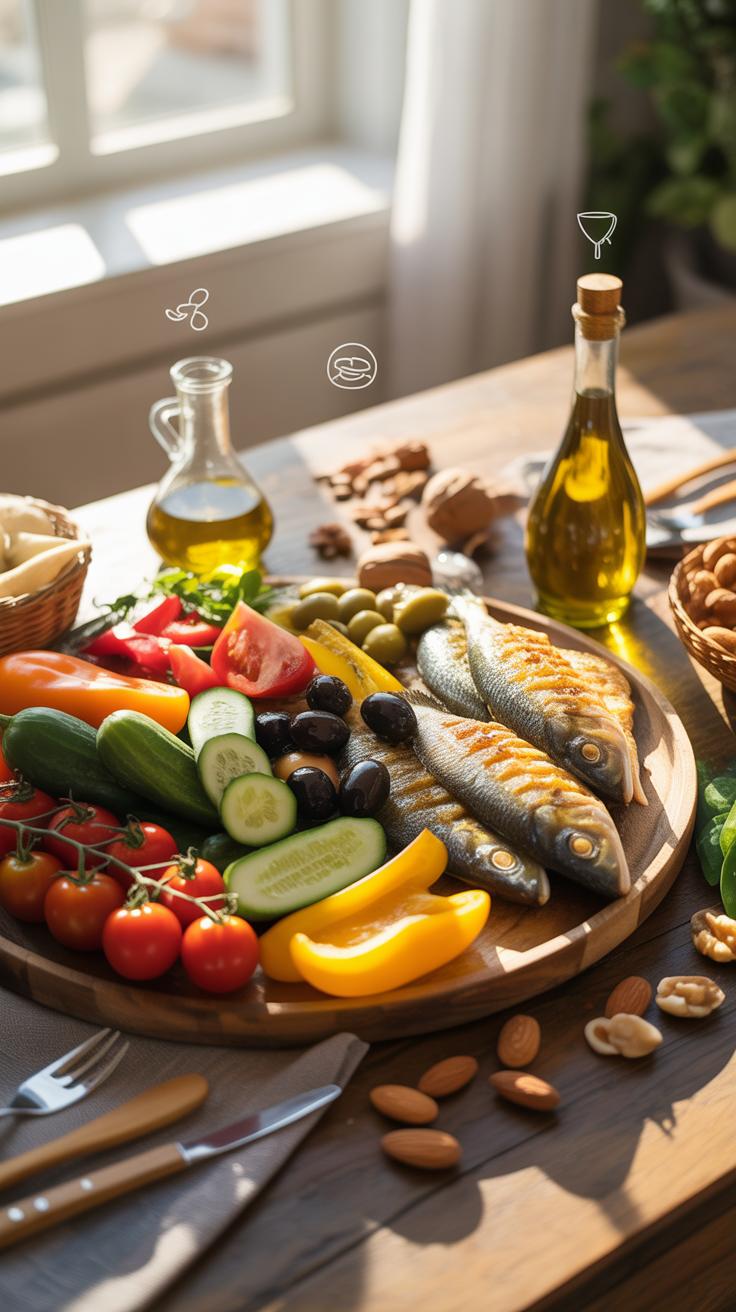
Using The Mediterranean Food Guide To Navigate Portion Sizes For Weight Loss
Traditional Mediterranean eating relies on the plate method rather than strict calorie counting. Half of your plate must contain non-starchy vegetables like leafy greens or cruciferous vegetables. One quarter consists of lean protein such as fish or legumes. The final quarter holds complex carbohydrates like farro or barley. This visual ratio naturally restricts calorie density while maintaining high fiber levels for satiety.
Portion control focuses on frequency and volume. Red meat consumption stays below two servings per month. Whole grains and fruits serve as daily staples but require measured servings to stay within weight loss goals. Most individuals fail because they overconsume olive oil. One tablespoon contains 120 calories. You must measure fats precisely to ensure a caloric deficit. Use small bowls to help manage these serving sizes.
The Role Of Healthy Fats, Lean Proteins, And Complex Carbs In The Mediterranean Food Guide
The Mediterranean diet prioritizes monounsaturated fats over saturated fats. Saturated fats from butter or lard increase inflammation and heart risk. Olive oil provides the primary fat source for the body. It supports heart health and improves nutrient absorption. These fats signal the brain that the stomach is full. This chemical response prevents overeating during meals. You should use oil as a functional tool rather than a garnish.
Lean proteins and complex carbohydrates provide steady energy levels. Fish and poultry offer high-quality protein without the heavy saturated fat found in red meat. Legumes provide a dual benefit of protein and fiber. Complex carbohydrates like oats and quinoa digest slowly. This prevents blood sugar spikes that lead to fat storage. Combining these macros ensures your body burns fat while preserving muscle mass during weight loss.
Mediterranean Diet 30 Day Challenge How To Commit And See Real Results

What To Expect During The Mediterranean Diet 30 Day Challenge Week By Week
Week one focuses on metabolic adjustment as you remove processed sugars and refined grains. You will likely feel a shift in energy levels while your body adapts to high fiber intake. Initial weight loss often comes from reduced water retention during these first seven days. Focus on stabilizing blood sugar by eating consistent meals. Do not skip fats like olive oil or avocado here.
During weeks three and four, your palate changes to prefer whole foods over synthetic flavors. Digestive health improves as gut bacteria thrive on diverse plant fibers. You will notice steady fat loss rather than rapid fluctuations. Sustained energy replaces the afternoon crashes common with high carb diets. These final weeks solidify new habits. You are now training your body to use clean fuel sources effectively.
How To Track Progress And Stay Motivated Through Your 30 Day Mediterranean Diet Challenge
Ditch the scale as your only metric for success. Track your body measurements and how your clothes fit instead. Document your daily energy levels and sleep quality in a simple log. These markers reveal internal health improvements that numbers cannot show. Consistent data collection keeps you focused on the process. Use a physical calendar to mark every day you hit your nutritional goals.
Internal motivation fails when you lack a clear plan. Prep your base ingredients every Sunday to remove decision fatigue during the work week. Use a simple meal template of greens, healthy fats, and lean proteins for every plate. If you miss a meal, return to the plan immediately. Do not wait for the next Monday to start again. Discipline beats willpower every single time during this thirty day period.
Frequently Asked Questions

What exactly is a Mediterranean diet meal plan and how does it help with weight loss?
A Mediterranean diet meal plan focuses on whole, nutrient-dense foods like fruits, vegetables, legumes, and healthy fats from olive oil. Unlike restrictive fad diets, this approach promotes weight loss by prioritizing high-fiber foods that keep you feeling full longer. By replacing processed sugars and refined grains with lean proteins and plants, you naturally reduce your calorie intake while nourishing your body with vitamins, making sustainable weight management much easier to achieve long-term.
How can I effectively organize a mediterranean diet meal plan for a busy week?
Success starts with simple meal prep. Begin by roasting a large batch of seasonal vegetables and cooking a pot of quinoa or farro on Sunday. Portion these into containers alongside grilled chicken or chickpeas to create a balanced mediterranean diet meal plan for your lunches. Keeping staples like canned tuna, olives, and feta cheese in your pantry allows you to assemble fresh, heart-healthy salads in minutes even on your most hectic workdays.
Is it possible to follow this eating style on a tight monthly budget?
Absolutely! You do not need expensive specialty items to see results. Focus on affordable Mediterranean staples like dried lentils, beans, and canned tomatoes, which are incredibly shelf-stable and cost-effective. Buying frozen vegetables is another smart way to reduce waste while retaining nutrients. By prioritizing seasonal produce and plant-based proteins over expensive cuts of red meat, you can enjoy a delicious, healthy lifestyle without overspending at the grocery store.