
What Makes A Healthy Homemade Dressing Better Than Store Bought For Weight Loss
The Hidden Calories And Additives Lurking In Commercial Salad Dressings
Commercial dressings often contain high fructose corn syrup and soybean oil. Manufacturers use these cheap fillers to extend shelf life and enhance taste. These ingredients increase the calorie density of your salad without providing real nutrients. High sugar content spikes insulin levels and promotes fat storage. This process works against your weight loss goals. You consume empty calories that do not satisfy hunger.
Chemical emulsifiers and artificial thickeners mimic the texture of real food. Ingredients like xanthan gum or modified food starch keep the oil and water mixed on store shelves. These additives can disrupt your gut microbiome and cause inflammation. Most bottled labels hide sodium levels that lead to water retention. High salt intake makes your body hold extra weight. You lose control over your health when you buy pre-made bottles.
How Controlling Your Ingredients At Home Supports A Calorie Conscious Diet
Making your own dressing allows you to swap heavy fats for nutrient-dense alternatives. You can use high-quality extra virgin olive oil or avocado oil. These fats provide satiety and help your body absorb fat-soluble vitamins. You decide the exact ratio of oil to acid. This control reduces the total caloric load per serving. You eliminate hidden sugars found in standard retail products.
Fresh ingredients provide better flavor than bottled preservatives. Use lemon juice, raw garlic, and fresh herbs to create a bold taste profile. These whole foods support your metabolism and provide antioxidants. You can adjust the salt to manage bloat and blood pressure. A homemade recipe ensures you know every component in your meal. Simple swaps lead to consistent weight loss results over time.
Building Your Homemade Salad Dressing Collage Core Ingredients To Always Have On Hand
Pantry Staples That Form The Base Of Most Healthy Dressings
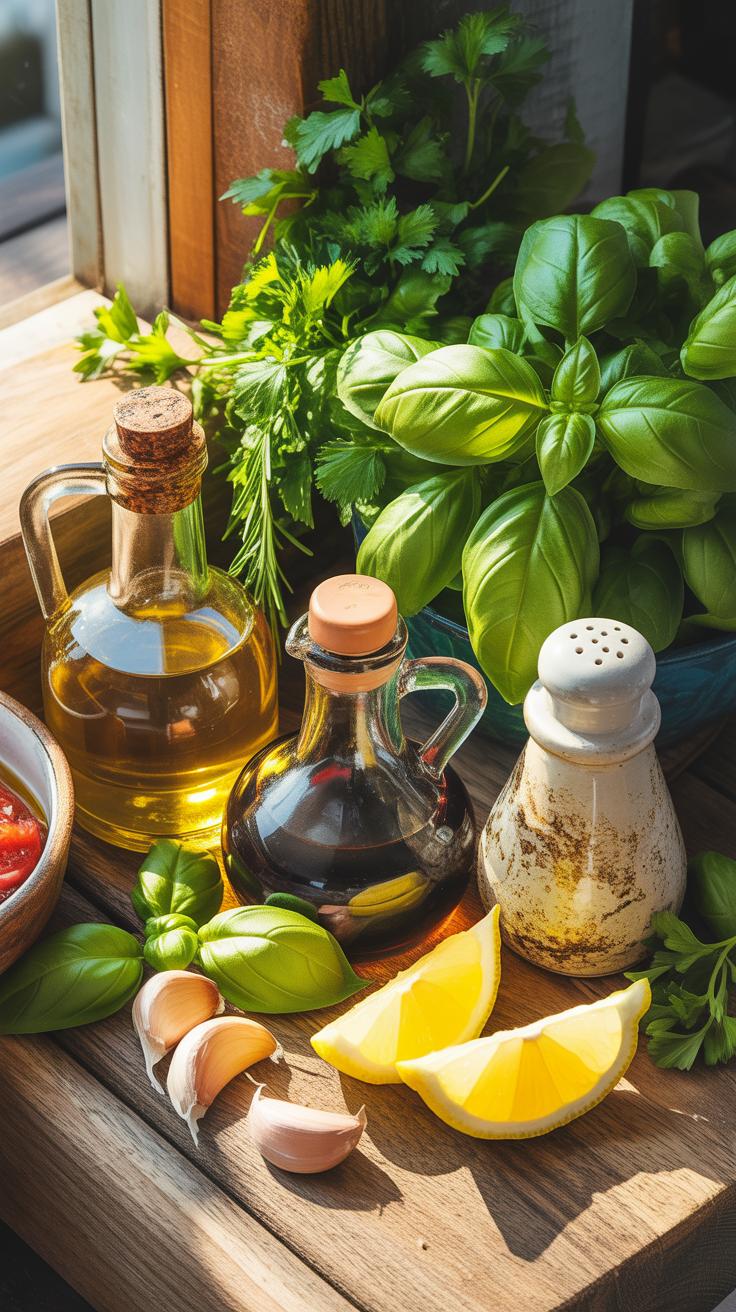
Stocking specific base ingredients allows for instant dressing preparation. You must eliminate processed store options to control sodium and sugar intake. High quality fats and natural emulsifiers provide the necessary texture without chemical additives. These staples create the structural foundation for every recipe in this guide. Use these items to build volume and flavor while maintaining a low calorie count per serving.
- Extra Virgin Olive Oil: This unrefined oil contains monounsaturated fats and antioxidants. It serves as the primary lipid source for Mediterranean style dressings. High quality versions offer a peppery finish that enhances leafy greens.
- Apple Cider Vinegar: This fermented liquid provides a sharp acidic profile. It contains acetic acid which may support metabolic health. Use it to balance heavy flavors and brighten the overall taste of your finished vinaigrette recipes.
- Dijon Mustard: Mustard acts as a natural emulsifier to bind oil and vinegar together. It adds a thick texture and savory depth without adding significant calories. One teaspoon is usually enough to stabilize a standard batch of dressing.
- Greek Yogurt: Use plain nonfat versions to replace mayonnaise or heavy cream in your recipes. It provides a thick consistency and adds protein to your salad. This ingredient creates creamy dressings that remain light and diet friendly.
- Fresh Garlic: Raw garlic offers intense flavor and sulfur compounds. Crushing the cloves releases allicin which provides functional health benefits. It is a fundamental aromatic that rounds out the profile of most savory homemade dressing combinations.
Organization is the key to consistency in diet management. Keep these items in a cool dark place to prevent oxidation and spoilage. Having these tools ready prevents you from reaching for unhealthy bottled alternatives during busy meal times. Master these components to ensure your salads remain effective tools for weight loss. Proper inventory management ensures you never miss a chance to eat a clean meal.
Choosing The Right Oils And Acids To Keep Your Dressings Light And Nutritious
Selecting the correct ratio of oil to acid determines the caloric density of your meal. Standard recipes often call for three parts oil to one part acid. To lose weight you must flip this ratio or use high flavor liquids like citrus juice. This strategy reduces total fat grams while maintaining a vibrant taste profile. Choose acids that provide high impact with minimal volume to maximize results.
Acids like lemon juice or balsamic vinegar provide different chemical reactions on your palate. Lemon juice offers vitamin C and a crisp finish for summer vegetables. Balsamic vinegar provides a rich sweetness that pairs well with bitter greens. Avoid aged balsamic glazes that contain added corn syrup or thickeners. Stick to raw juices and traditional fermented vinegars to keep your dressings clean and nutritionally dense.
The Science Of Dressing Healthy How Fat Fiber And Flavor Work Together
Why A Small Amount Of Healthy Fat In Your Dressing Actually Aids Nutrient Absorption
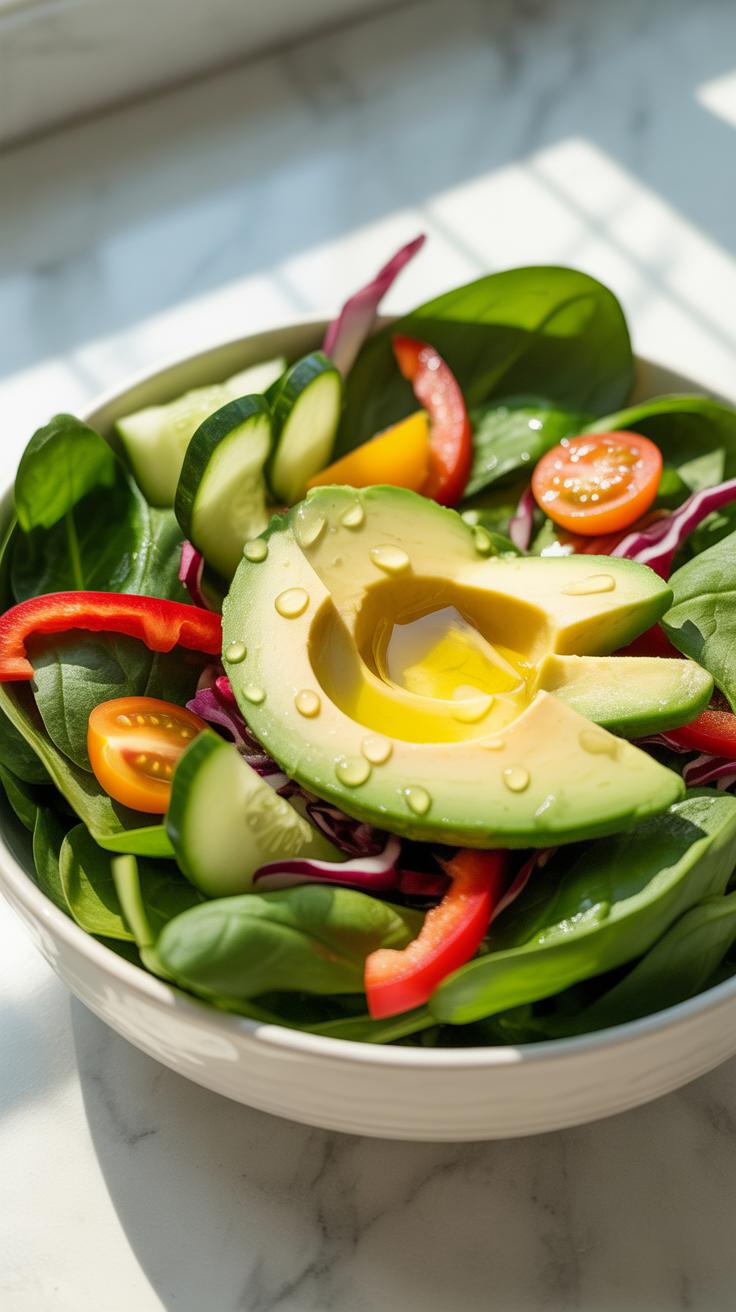
Raw vegetables contain high levels of fat-soluble vitamins like A, D, E, and K. Your body cannot absorb these nutrients without a lipid source present during digestion. Fat acts as a solvent that carries these vitamins across the intestinal wall. Using fat-free dressings leads to poor nutrient bioavailability. You waste the nutritional value of your greens if you remove all lipids.
Strategically choosing monounsaturated fats improves heart health while maximizing your salad’s benefits. Extra virgin olive oil or avocado oil provide the necessary vehicle for carotenoids found in carrots and spinach. These antioxidants protect your cells but require dietary fat for transport. Keep the fat portion controlled but never eliminate it. Proper absorption depends on this specific chemical interaction between the oil and the plants.
Understanding Caloric Density And Portion Size When Dressing Your Salad
Caloric density measures the number of calories in a specific weight of food. Oil is the most calorie-dense ingredient in your kitchen. One tablespoon of oil contains roughly 120 calories. Most people pour four times that amount onto a single bowl. This mistake can add 500 calories to a healthy meal. You must measure your dressing to maintain a caloric deficit for weight loss.
Portion control manages energy intake without sacrificing taste. Use a ratio of three parts acid to one part oil to lower the total calorie count. Vinegar and citrus juice add volume and flavor with negligible calories. This strategy thins the dressing so it coats more leaves with less total fat. Apply the dressing to the bowl first or use a mister. These tactics ensure every bite has flavor.
Making Dressing At Home A Step By Step Approach For Beginners
The Basic Emulsification Method That Works For Almost Every Dressing Style
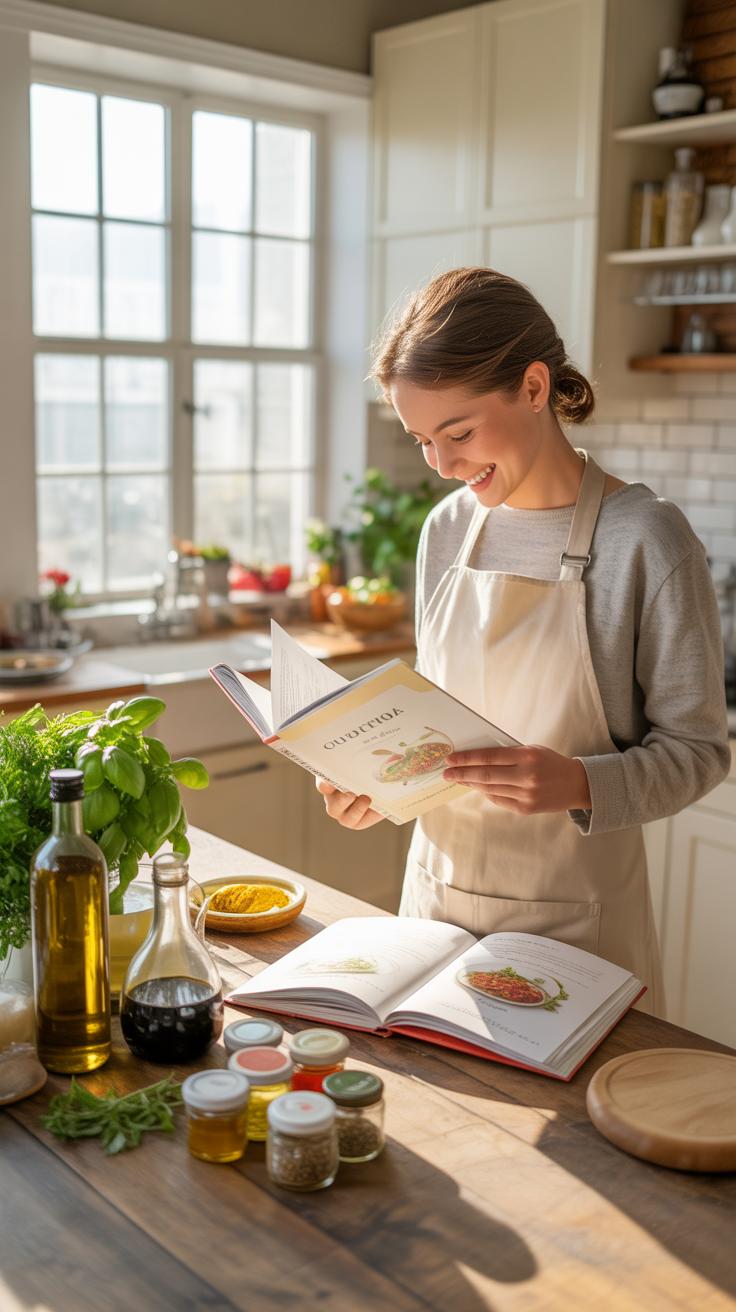
Mastering healthy salad dressing recipes requires understanding emulsification. This process bonds oil and vinegar, which naturally separate. You start by whisking a stabilizer like mustard or honey into your acidic base. These ingredients act as a bridge between liquid molecules. Slowly drip oil into the mixture while whisking constantly. This creates a thick and uniform texture that coats greens effectively without pooling at the bottom of the bowl.
For maximum speed, use a glass jar with a tight lid. Combine all your ingredients and shake vigorously for thirty seconds. This physical force breaks oil droplets into tiny particles that stay suspended in the vinegar. Hand blending or using a small processor yields the smoothest results for creamy recipes. Proper emulsification ensures every bite contains a balanced flavor profile. It prevents the oily mouthfeel common in poorly mixed homemade dressings.
To eat is a necessity, but to eat intelligently with a simple drizzle of wholesome olive oil and lemon is an art that heals the body.
Storage Tips And Shelf Life Guidelines For Freshly Made Dressings
Homemade dressings lack the chemical preservatives found in commercial bottles. You must store them in airtight glass containers to maintain freshness and prevent odor absorption. Plastic can leach chemicals or retain old flavors, so Mason jars are the superior choice. Always refrigerate these mixtures immediately after preparation. Cold temperatures slow bacterial growth and preserve the integrity of the oils. Proper storage keeps your prep work safe for consumption.
- Vinaigrettes: These oil and vinegar blends last the longest in your refrigerator. You can safely store them for up to two weeks. The high acidity acts as a natural preservative against spoilage.
- Dairy Bases: Dressings containing yogurt, sour cream, or buttermilk have a short shelf life. Consume these within five to seven days. Always check the expiration date on the original dairy container before you start mixing.
- Fresh Aromatics: Recipes using raw garlic, shallots, or fresh herbs spoil faster than dried versions. These ingredients can develop mold or lose flavor within three to four days. Use dried herbs if you need a longer storage window.
- Hardening Oils: Extra virgin olive oil often solidifies when kept in a cold refrigerator. This is a natural physical reaction and does not mean the dressing is bad. Let the jar sit at room temperature for ten minutes.
- Labeling: Use a piece of masking tape to mark the date of production on the jar. This removes guesswork regarding food safety. Discard any liquid that develops an off-smell or shows visible separation that will not recombine.
Temperature management is the final step in maintaining quality. If your dressing contains egg yolks or mayo, never leave it on the counter for more than thirty minutes. Bacteria thrive in the danger zone between forty and one hundred forty degrees Fahrenheit. If you take a jar to a picnic, keep it in a cooler with ice packs. Constant refrigeration ensures your healthy salad dressing recipes remain both safe and delicious for your meal plan.
Top Salad Dressing Recipes Homemade Healthy Picks For Everyday Meals
Classic Lemon Tahini Dressing: A Creamy, Low Calorie Option Packed With Plant Protein
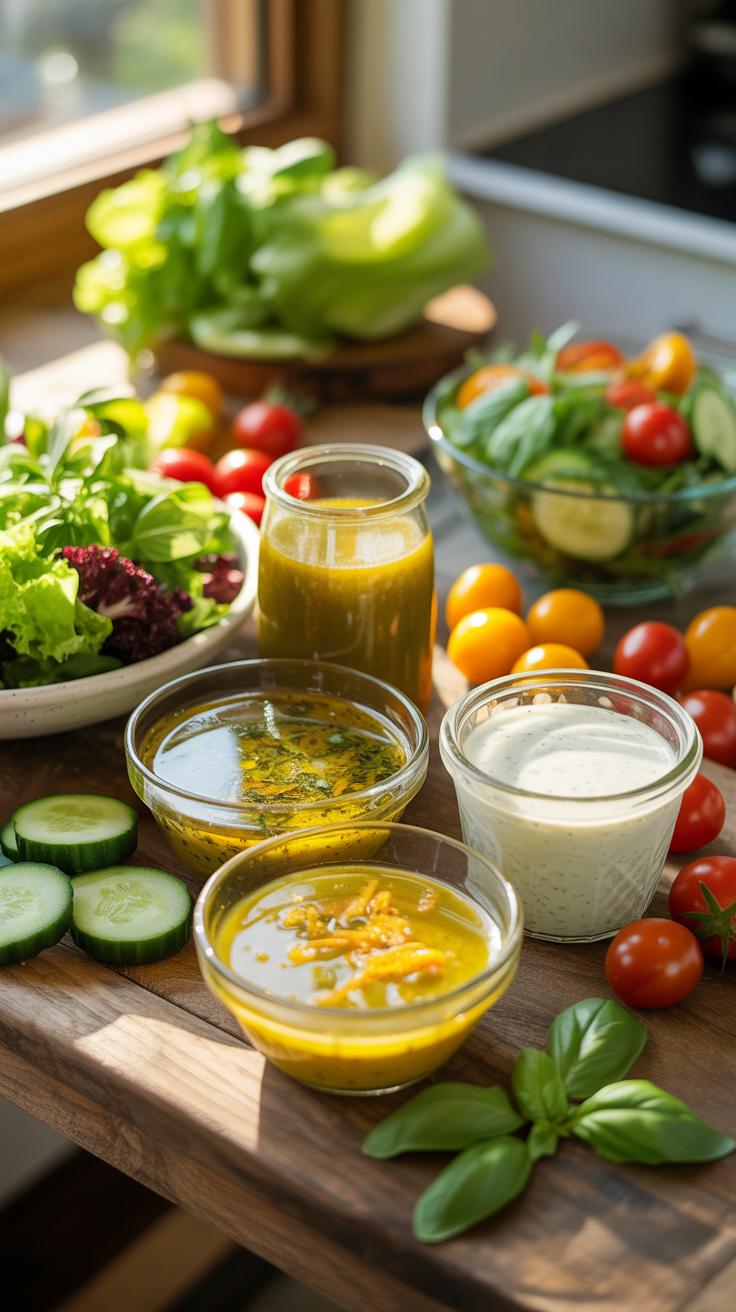
Tahini consists of ground sesame seeds. This paste provides a thick texture without using dairy or mayo. It offers healthy fats and plant protein. Mix tahini with fresh lemon juice and warm water. The water thins the dressing to your desired consistency. Add garlic and salt for flavor. This recipe replaces heavy cream based dressings. It keeps calorie counts low while maintaining a rich mouthfeel.
Use this dressing on kale or roasted vegetables. The lemon juice acts as a natural preservative. It also helps your body absorb iron from leafy greens. Prepare a large batch for the week. Store it in an airtight glass jar in the fridge. It stays fresh for five days. You gain more control over sodium levels when you make it at home. This strategy prevents weight gain from hidden salt.
Apple Cider Vinegar And Olive Oil Vinaigrette: A Time Tested Weight Loss Favorite
This vinaigrette uses a simple three to one ratio of oil to vinegar. Extra virgin olive oil provides monounsaturated fats. These fats support heart health and satiety. Apple cider vinegar contains acetic acid. Some studies suggest this acid helps manage blood sugar spikes after meals. Combine these liquids with Dijon mustard to emulsify the mixture. The mustard keeps the oil and vinegar from separating during storage.
Choose raw apple cider vinegar with the mother for best results. This version contains enzymes and beneficial bacteria. Use a whisk or shake the ingredients in a jar to blend them. Avoid adding honey or sugar to keep the glycemic load low. Freshly cracked black pepper adds heat without adding calories. This dressing works on every type of green salad. It is the most versatile tool in a weight loss kitchen.
Salad Dressing Recipes Homemade Creative Flavor Combinations To Keep You On Track
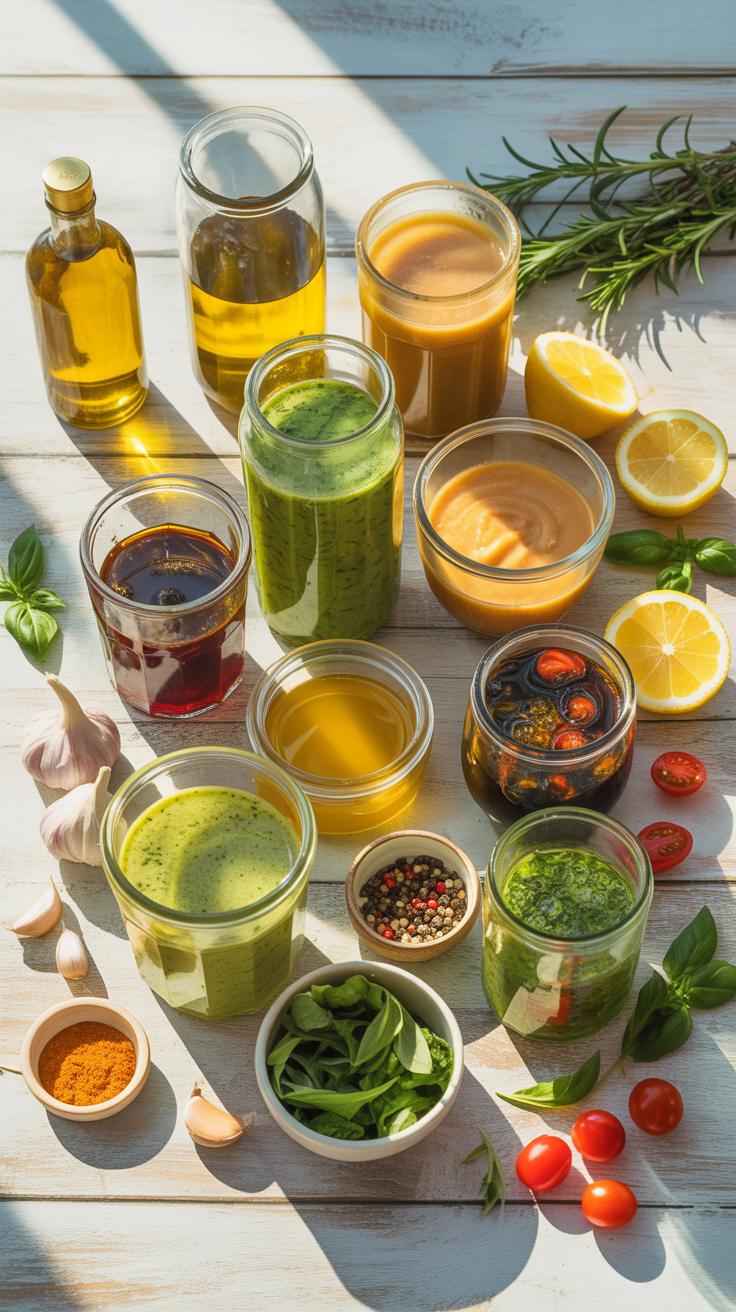
Greek Yogurt Ranch Dressing: All The Indulgence With A Fraction Of The Calories
Standard ranch dressing uses heavy mayonnaise and sour cream. This creates a high calorie density that stalls weight loss. Switch these bases for non-fat Greek yogurt to increase protein intake. Yogurt provides a thick texture and tangy profile without the saturated fats. You maintain the creamy mouthfeel while cutting total calories by over sixty percent per serving. This swap is a tactical win.
To achieve the classic flavor profile, mix in dried dill, garlic powder, and onion powder. Adding fresh chives provides a sharp bite that mimics traditional recipes. Use a splash of lemon juice or white vinegar to thin the consistency. This makes the dressing pourable without adding oil. Store this mixture in an airtight container for up to five days. It serves as an effective high-protein dip or topping.
Miso Ginger Dressing: A Gut Friendly Option With Bold Umami Flavor
Fermented soybean paste or miso offers a deep savory taste called umami. This flavor profile triggers satiety signals in the brain which helps control appetite. Miso is a probiotic food that supports digestive health. Use white or yellow miso for a milder taste that does not overpower fresh greens. Combine it with rice vinegar and freshly grated ginger to create a potent metabolic boost through thermogenesis.
Ginger contains gingerol which aids digestion and reduces inflammation. This dressing requires very little oil because miso acts as a natural emulsifier. Whisk the paste with warm water first to ensure a smooth texture. Add a drop of toasted sesame oil for aroma without excessive fat. This dressing works best on kale or cabbage salads. It provides intense flavor that satisfies cravings for salty or savory foods without caloric bloat.
Easy Healthy Salad Dressings You Can Whip Up In Under Five Minutes
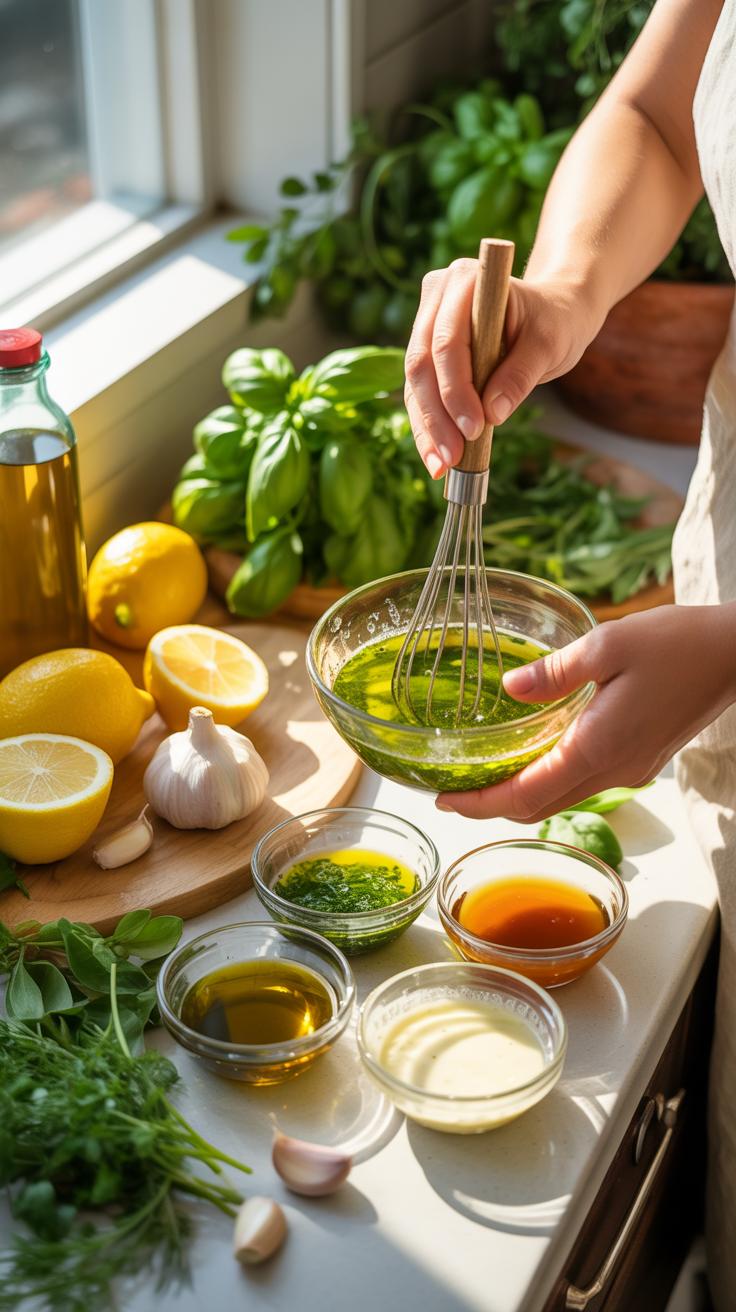
Honey Mustard Dressing With Minimal Ingredients And Maximum Flavor
Most store bought dressings contain soybean oil and refined sugar. You can avoid these additives by mixing dijon mustard with raw honey and apple cider vinegar. This combination provides a sharp flavor profile without the chemical thickeners found in industrial products. Use a ratio of two parts mustard to one part honey to keep the glycemic load low while maintaining palatability.
Add a small amount of extra virgin olive oil to emulsify the mixture. Whisk the ingredients in a small bowl until the texture becomes smooth and uniform. This dressing stays stable in the refrigerator for up to two weeks. It works best on bitter greens or as a marinade for lean proteins. You control the quality of the fats and the source of the sweetness.
Avocado Lime Dressing: A Creamy Nutrient Dense Option Ready In Minutes
Replace heavy cream or mayonnaise with ripe avocado to achieve a thick consistency. Avocado provides monounsaturated fats and fiber which increase satiety after a meal. Blend one medium avocado with fresh lime juice and a dash of water to thin the mixture. This method creates a rich topping that supports the absorption of fat soluble vitamins found in your salad vegetables.
Fresh lime juice acts as a natural preservative and prevents the avocado from oxidizing quickly. Add cilantro or garlic for additional micronutrients and flavor depth without adding calories. Process the ingredients in a high speed blender until the sauce is completely liquid. Use this dressing immediately for the best taste and nutrient density. It serves as a tactical replacement for high calorie ranch dressings.
Sesame Salad Dressing Recipes Asian Inspired Healthy Dressings For Weight Loss
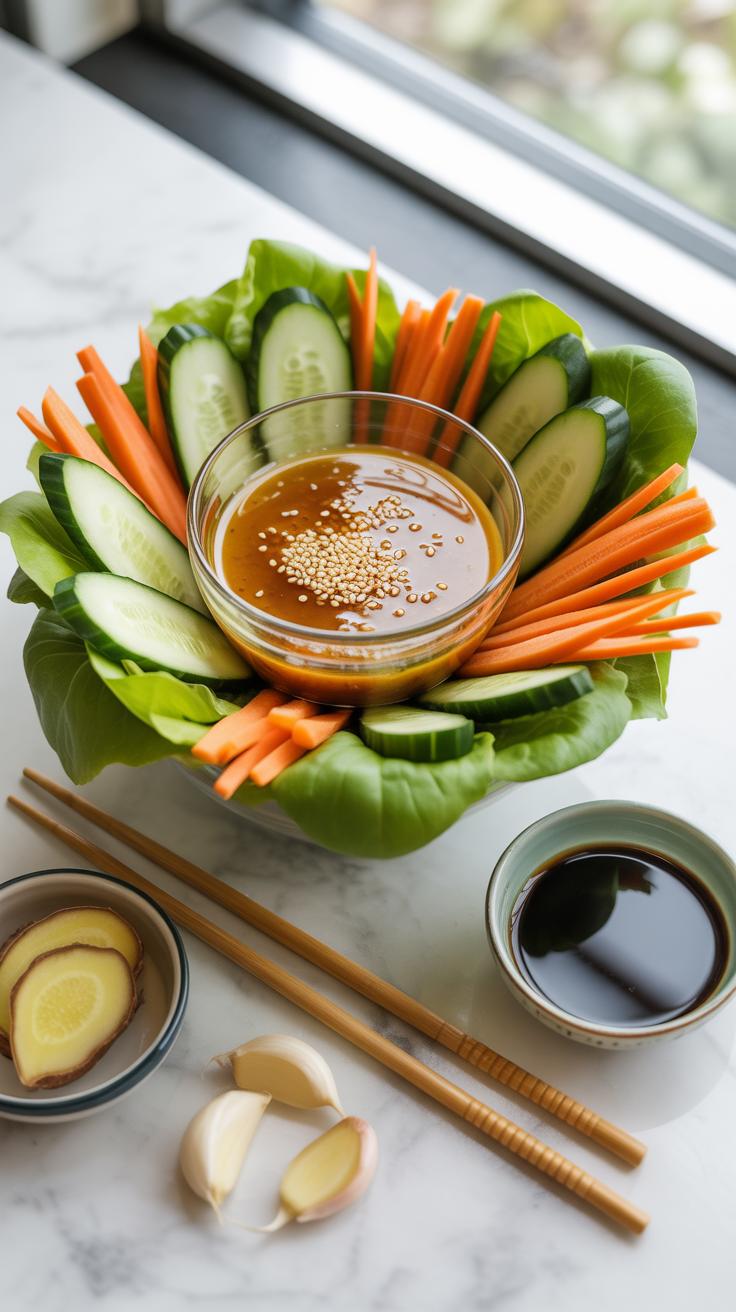
Classic Toasted Sesame And Rice Vinegar Dressing: Light, Flavorful, And Satisfying
Whisk toasted sesame oil with unseasoned rice vinegar to create a low-calorie base. Add low-sodium soy sauce or liquid aminos for depth without excessive salt. Grate fresh ginger and garlic into the mixture to boost metabolism and improve digestion. This combination provides intense flavor with minimal caloric density. It works well on crunchy greens or cold cabbage slaws for a filling meal.
Control your portions by using a ratio of three parts vinegar to one part oil. Most commercial dressings use too much fat and sugar. Use a small amount of honey or stevia if you need to balance the acidity. The vinegar acts as a natural appetite suppressant. This dressing stays stable for one week in the refrigerator. Shake it well before each use to redistribute the solids.
How Sesame Oil’S Unique Fatty Acid Profile Supports A Balanced Weight Loss Diet
Sesame oil contains sesamin and sesamolin which are unique lignans. These compounds help the liver process fats more efficiently. The oil primarily consists of polyunsaturated and monounsaturated fatty acids. These healthy fats increase satiety so you feel full longer after eating. Using cold-pressed varieties preserves these delicate nutrients. High-quality fats are essential for absorbing fat-soluble vitamins like A and K from your salad greens.
Replacing heavy cream-based dressings with sesame oil reductions lowers your total calorie intake. The strong aroma of toasted sesame oil allows you to use less product while maintaining high flavor impact. This tactic prevents the blandness often associated with dieting. Modern clinical studies suggest sesame lignans may help reduce oxidation in the body. Incorporating this oil into a calorie-controlled diet supports long-term heart health and steady weight management.
Frequently Asked Questions

Why should I make my own salad dressing instead of buying store-bought versions?
Many store-bought dressings are packed with hidden sugars, unhealthy trans fats, and artificial preservatives that can stall your progress. By mastering a few healthy salad dressing recipes at home, you gain complete control over the quality of ingredients. Homemade options allow you to swap heavy oils for nutrient-dense bases like Greek yogurt or lemon juice, ensuring your salad remains a truly low-calorie, nourishing meal that supports your weight loss goals.
How can I make a creamy dressing without using high-calorie mayonnaise or heavy cream?
You can achieve a luxurious, velvety texture by using blended avocado, silken tofu, or plain non-fat Greek yogurt as your base. These ingredients offer plenty of protein and healthy fats without the caloric density of traditional mayo. Experimenting with these healthy salad dressing recipes helps satisfy your cravings for comfort food while keeping your meals light. Simply add a splash of apple cider vinegar and fresh herbs to brighten the flavors and enhance digestion.
Is it expensive to stock a pantry for making weight-loss-friendly dressings at home?
Not at all! In fact, making your own dressings is often much more cost-effective than purchasing premium bottled brands. Most recipes rely on basic pantry staples you likely already have, such as balsamic vinegar, spicy brown mustard, garlic, and dried oregano. By purchasing these versatile ingredients in bulk, you can whip up a fresh, delicious vinaigrette in seconds for just pennies per serving, making healthy eating both sustainable and very budget-friendly.