
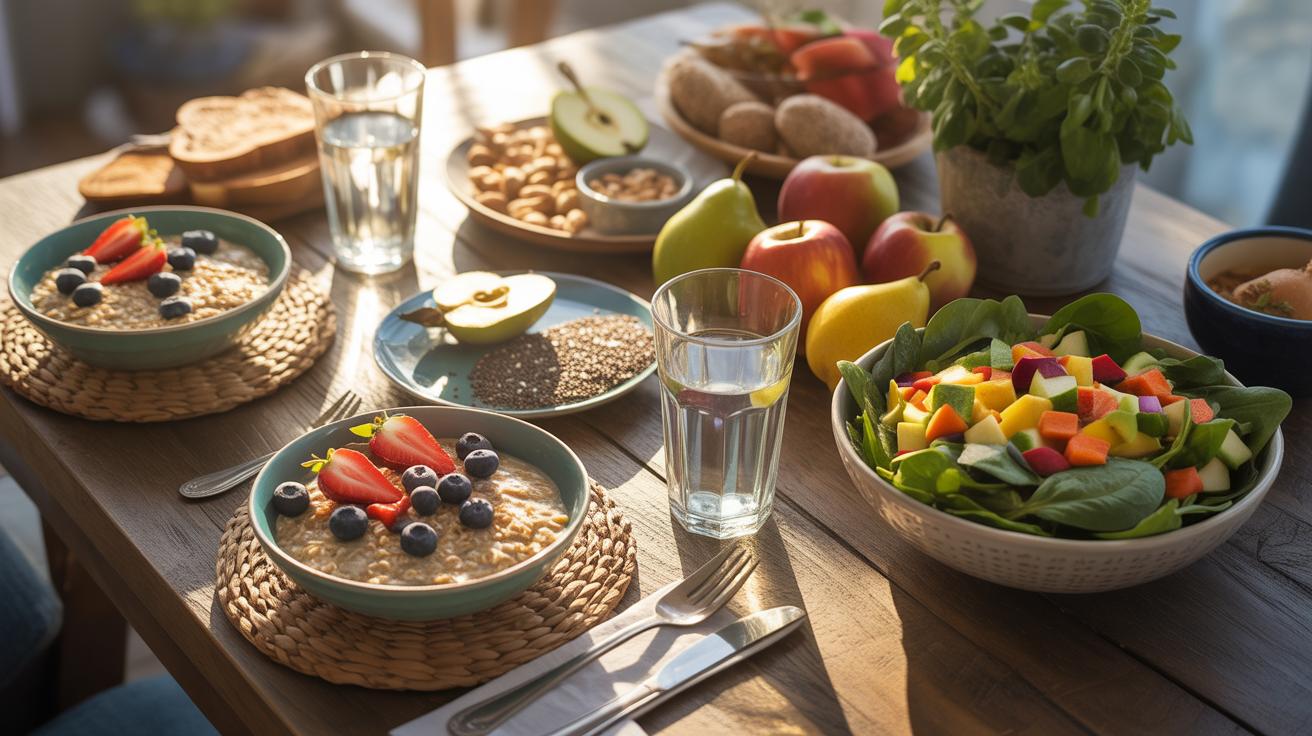
What Is A High Fiber Meal Plan And Why Does It Matter For Gut Health

Understanding Dietary Fiber: Soluble Vs. Insoluble And How Each Supports Digestion
Dietary fiber consists of non-digestible carbohydrates found in plants. Soluble fiber dissolves in water to form a gel-like substance in your gut. It slows down digestion and helps stabilize blood sugar levels. This type of fiber also lowers cholesterol by binding to it in the digestive tract. You find it in oats, beans, and citrus fruits. It provides a steady energy source for your body.

Insoluble fiber does not dissolve in water and remains intact as it moves through your system. It adds bulk to your stool and speeds up the movement of waste. This prevents constipation and keeps your bowel movements regular. You get this fiber from whole grains, nuts, and vegetables like cauliflower. Both types are essential for a functional digestive tract. Balance these fibers to maintain peak performance.
How A Consistent Fiber Diet Shapes Your Gut Microbiome Over Time
Your gut houses trillions of bacteria known as the microbiome. Fiber acts as the primary fuel source for these beneficial microbes. When you eat fiber, these bacteria ferment it into short-chain fatty acids. These compounds strengthen the intestinal barrier and reduce inflammation throughout your body. A high fiber meal plan shifts your microbial profile toward species that promote health. Consistency builds a resilient internal ecosystem.

A lack of fiber starves these helpful bacteria. They may begin to eat the protective mucus lining of your colon. This leads to increased gut permeability and potential health issues. Increasing fiber intake slowly allows your microbiome to adapt without causing distress. Over months, your gut population stabilizes and improves your immune function. Proper fueling of your gut bacteria is a tactical necessity for long-term physical health.
How Much Fiber Do You Actually Need Daily Intake Guidelines Explained

Recommended Daily Fiber Intake For Adults, Women, And Men According To Health Guidelines
Most adults fail to meet the basic requirements for a high fiber meal plan. Performance standards dictate that men under age fifty require thirty eight grams of fiber every day. Women in the same age bracket need twenty five grams daily. These targets ensure the digestive tract processes waste efficiently. Meeting these numbers requires a strategic focus on whole food sources rather than processed supplements.
Guidelines change slightly for adults over the age of fifty. Men should aim for thirty grams while women should target twenty one grams per day. Metabolic rates slow down as you age but the need for roughage remains critical. High fiber intake reduces the risk of chronic diseases and manages blood sugar levels. You must hit these specific benchmarks to maintain long term gut health and systemic function.
Signs You Are Not Getting Enough Fiber In Your Current Diet
Physical symptoms signal a lack of fiber long before serious health issues arise. Irregularity and hard stools prove that your waste transit time is too slow. You might also feel hungry shortly after eating a full meal. Fiber provides satiety by slowing down the digestion process in your stomach. Without it your body burns through fuel too fast and triggers constant hunger signals.
Low fiber levels also lead to dramatic energy crashes throughout your day. Your blood sugar spikes and drops rapidly when you eat simple carbohydrates without enough roughage. You may notice persistent bloating or a heavy feeling in your abdomen. These signs indicate that your digestive system is struggling to move material forward. Correcting your intake immediately improves these metabolic markers and restores consistent physical energy levels.
The Best High Fiber Foods To Build Every Meal Around
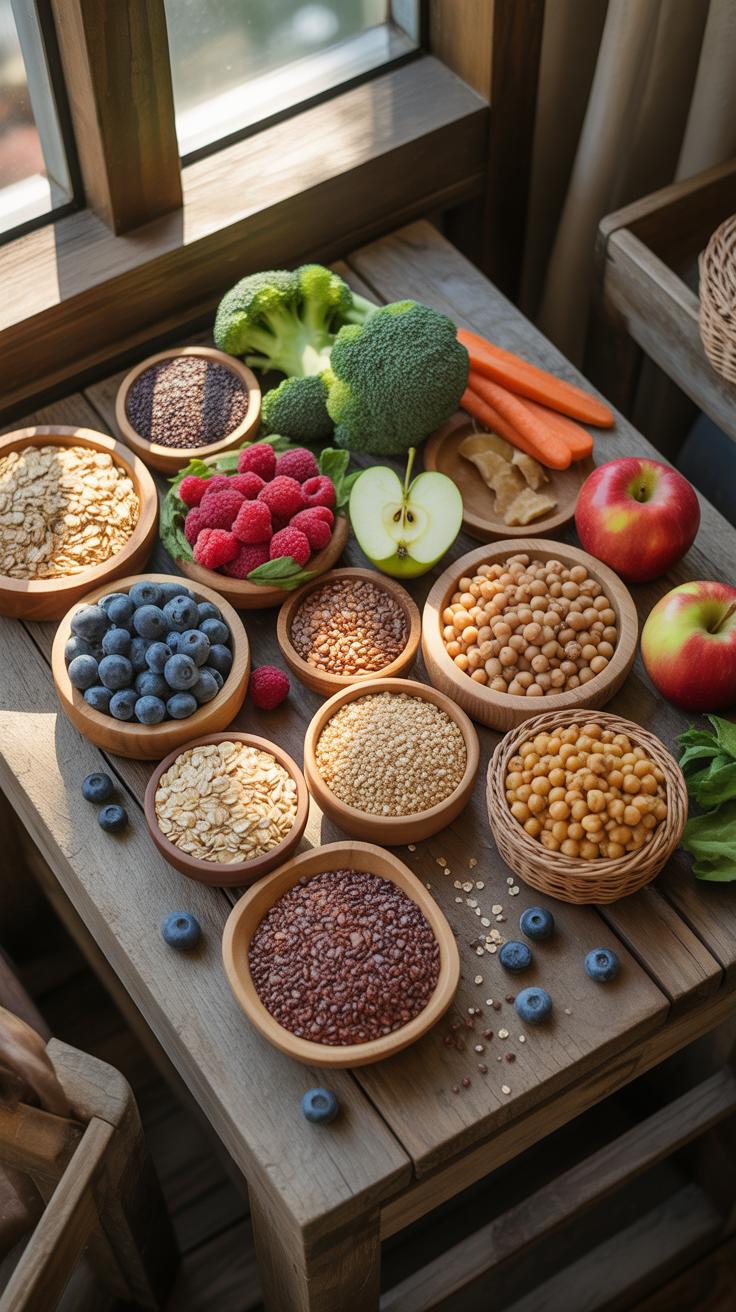
Top High Fiber Foods Ranked By Fiber Content Per Serving: Legumes, Grains, Vegetables, And Fruits
To build a high fiber meal plan, you must prioritize nutrient density per gram. Legumes and seeds offer the highest fiber concentration. Grains and hardy vegetables provide bulk and structure. Most people fail because they choose low-yield sources. You need to focus on heavy hitters that deliver at least five grams per serving. This strategy ensures you hit daily targets with fewer meals.
- Split Peas: These legumes provide sixteen grams of fiber per cooked cup. They sit at the top of the hierarchy because they offer both soluble and insoluble fiber. Use them in soups to create a thick base without needing processed flour or cream thickeners.
- Lentils: One cup of cooked lentils provides fifteen grams of fiber. They are more versatile than beans and cook faster. Use them as a meat replacement in any ground beef recipe to immediately triple the fiber content of the dish without complicating the prep.
- Black Beans: You get fifteen grams of fiber per cooked cup. These are a staple for gut health because they digest slowly. They provide steady energy and keep the digestive tract moving. Always rinse canned versions to remove excess sodium before adding them to your meal.
- Chia Seeds: These seeds deliver ten grams of fiber in just two tablespoons. They absorb water and turn into a gel-like substance in the gut. This process slows down sugar absorption and improves stool consistency. Add them to water, yogurt, or oats for an effortless fiber boost.
- Raspberries: One cup contains eight grams of fiber. They lead the fruit category because of their high seed-to-flesh ratio. Most other fruits contain more sugar and less roughage. Use these as your primary snack or topping to keep your insulin levels stable while hitting fiber goals.
Balance these foods across your three main meals to prevent digestive discomfort. Introducing too much fiber at once causes bloating and gas. Drink sixteen ounces of water with every high fiber serving you consume. Water allows the fiber to move through your system. Without hydration, these dense foods can cause constipation. Consistency matters more than a single high-fiber day.
How To Read Nutrition Labels To Identify Genuinely High Fiber Foods At The Grocery Store
Ignore front-of-package marketing like “natural” or “multigrain.” These terms have no legal definition regarding fiber content. Turn the package over and look at the Nutrition Facts panel immediately. A food is legally considered high fiber if it contains five grams or more per serving. Check the serving size first. Many brands manipulate serving sizes to make the fiber counts appear higher than they are.
Calculate the fiber-to-carb ratio for the best results. Aim for at least one gram of fiber for every ten grams of total carbohydrates. This ratio ensures the food contains complex structures rather than simple sugars. Check the ingredient list for whole grains as the first item. Avoid products that list “enriched flour” or added “isolated fibers” like inulin. These synthetic additives do not provide the same gut health benefits as intact plant fibers.
7 Day High Fiber Diet Meal Plan A Practical Week Of Gut Friendly Eating
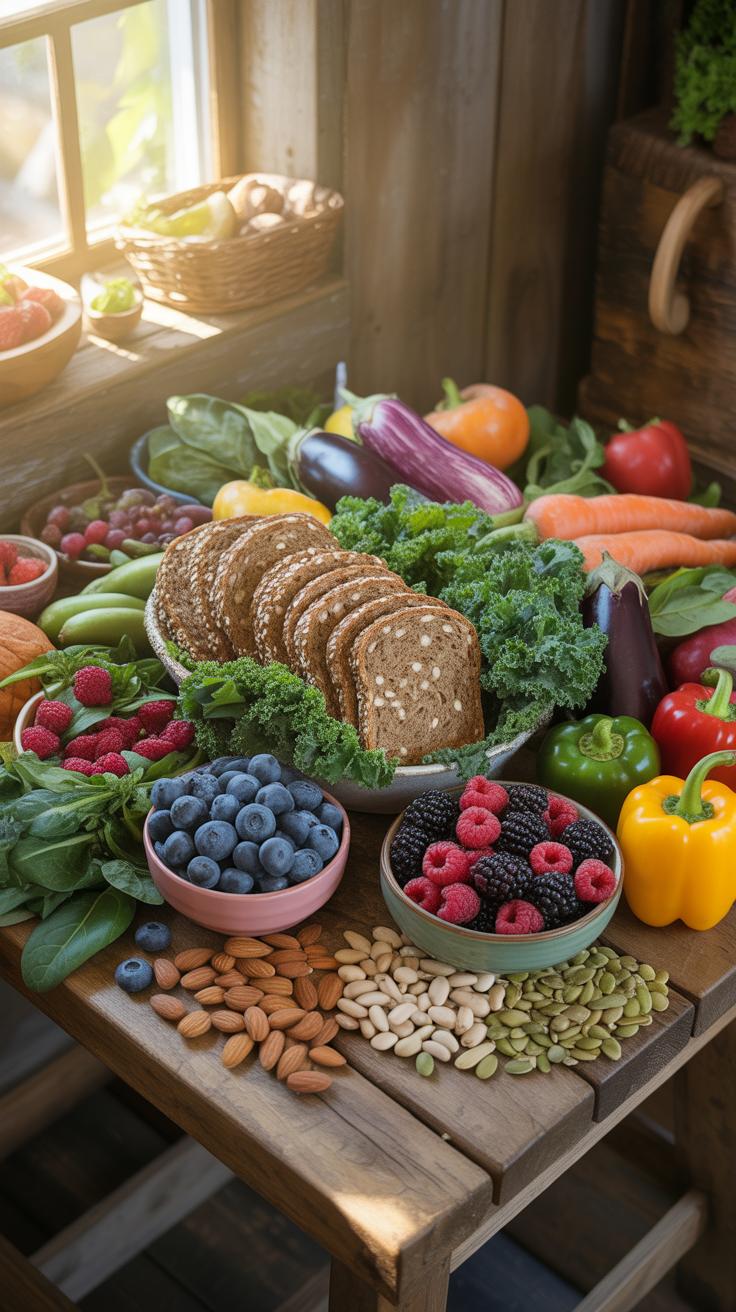
Days 1 Through 4: Breakfast, Lunch, Dinner, And Snack Ideas To Hit Your Fiber Goals
Start the week with steel-cut oats topped with ground flaxseed and raspberries. These ingredients provide a mix of soluble and insoluble fiber that slows glucose absorption. For lunch, serve a lentil soup over a bed of baby spinach. Lentils deliver nearly eight grams of fiber per half-cup serving. This combination keeps blood sugar stable and prevents mid-afternoon energy crashes during your workday.
Dinner focuses on cruciferous vegetables and whole grains. Serve roasted Brussels sprouts with quinoa and grilled chicken. This meal provides a diverse range of plant fibers to feed various gut bacteria. For snacks, choose raw carrots with hummus or a small apple with the skin on. Keeping the skin on fruits and vegetables is a tactical move to maximize total fiber intake every single day.
Days 5 Through 7: Rounding Out The Week With Satisfying High Fiber Diet Meal Plan Options
Transition into the weekend with a black bean and avocado breakfast burrito using a whole-wheat tortilla. Black beans are a fiber powerhouse that supports regular bowel movements. For lunch, prepare a chickpea salad with cucumbers and tomatoes. Chickpeas offer resistant starch which functions as a prebiotic in the large intestine. This strategy ensures your gut microbiome receives constant fuel to stay healthy and active.
Conclude the week with a large bowl of vegetable chili or a pear and walnut salad. Pears contain pectin which helps lower cholesterol and improves digestion efficiency. Use chia seeds in your final recipes to boost total fiber counts without adding significant volume. These tactical food choices ensure you meet or exceed the daily clinical recommendation of twenty-five to thirty grams of fiber routinely.
Easy And Delicious Fiber Recipes You Can Prep In Under 30 Minutes

Three Fiber Recipes For Breakfast That Keep You Full And Support Morning Digestion
Overnight oats provide a reliable base for high fiber meal plans. Combine rolled oats with chia seeds and water or milk the night before. This method preserves the resistant starch found in raw oats. Resistant starch acts as a prebiotic to feed beneficial gut bacteria. Add raspberries or blackberries to increase the total fiber count. These fruits offer more fiber per gram than most other berries.
Savory breakfast bowls offer a tactical alternative to sweet options. Use canned black beans and wilted spinach as your foundation. Black beans provide both soluble and insoluble fiber for steady glucose levels. Top with sliced avocado to add healthy fats and extra roughage. This combination facilitates efficient digestion throughout the morning. Prepare these ingredients in batches to save time during your work week.
Let food be thy medicine and medicine be thy food. A table filled with the garden’s bounty is the surest way to a happy heart and a peaceful gut.
Hearty Fiber Recipes For Lunch And Dinner That The Whole Family Will Enjoy
Chickpea salad wraps serve as a fast and effective lunch staple. Mash canned chickpeas with Greek yogurt and lemon juice. Add diced celery and red onions for texture and additional prebiotic fiber. Use high fiber sprouted grain wraps instead of white flour tortillas. Sprouted grains make nutrients easier for your body to absorb. This meal stabilizes energy and prevents the afternoon crash often caused by low fiber meals.
Red lentil pasta provides a high protein and high fiber dinner solution in ten minutes. Legume based pastas contain significantly more fiber than traditional wheat varieties. Toss the cooked pasta with steamed broccoli and a simple olive oil garlic sauce. Broccoli contains sulforaphane which supports gut lining health. This recipe satisfies hunger quickly without requiring complex cooking techniques. It works well for families with kids who prefer familiar shapes.
High Protein High Fiber Meals How To Balance Macros Without Sacrificing Gut Health

Why Combining High Protein And High Fiber Meals Supports Both Satiety And Digestive Wellness
Protein and fiber work together to control hunger. Protein reduces the hunger hormone ghrelin. Fiber adds bulk to your food and slows down digestion. This combination keeps you full for longer periods. It prevents blood sugar spikes after you eat. Steady blood sugar means more energy and fewer cravings throughout the day. You feel satisfied without eating excess calories or processed snacks.
Digestive health improves when you pair these nutrients correctly. Fiber feeds the good bacteria in your gut. These bacteria help your body process protein more efficiently. High protein diets without fiber cause constipation and slow transit times. Adding fiber keeps your waste moving through the digestive tract. This balance prevents the bloating often associated with heavy meat consumption. It ensures your gut stays active and healthy.
The Best Protein Sources That Naturally Pair With High Fiber Ingredients
Plant based proteins are the most efficient choice for fiber. Legumes like lentils and chickpeas provide high protein and high fiber in one package. You do not need to add extra ingredients to hit your targets. These staples have fueled human civilizations for thousands of years. They are cheap and easy to store. Use them as a base for soups or salads to maximize your daily nutrient intake.
Lean animal proteins require strategic pairing with plants. Chicken and fish contain zero fiber on their own. You must serve them with broccoli, quinoa, or kale to balance the meal. This creates a complete nutritional profile for muscle repair and gut flow. Pairing animal protein with cruciferous vegetables increases the volume of the meal. This tactic allows you to eat more food while maintaining a low calorie density.
Building A High Protein High Fibre Meal Plan A Structured Approach For Active Individuals

How To Structure A High Protein High Fibre Meal Plan Around Your Training Schedule And Calorie Needs
Timing is the most critical factor for active individuals balancing these two nutrients. High fiber intake slows digestion significantly. You must consume the bulk of your fiber during periods far from your training window. This strategy prevents gastrointestinal distress while you move. Aim for a 2:1 protein to fiber ratio in your main meals to maintain steady muscle protein synthesis and gut motility.
Adjust your calorie intake by scaling healthy fats rather than fluctuating fiber levels. Consistency helps the gut microbiome stay stable. On high intensity days, prioritize soluble fiber sources like oats to manage blood sugar. On rest days, increase insoluble fiber from cruciferous vegetables to improve fullness and digestion. This structure ensures you meet your recovery goals without sacrificing the health benefits of a high fiber meal plan.
Sample High Protein And High Fiber Meals For Pre And Post Workout Nutrition
Active people need specific meal structures to fuel performance and repair tissue. These meals combine lean proteins with complex carbohydrates to ensure a steady release of energy. You must select fiber sources that do not cause bloating during high heart rate activities. The following meals provide a tactical balance of macronutrients and essential roughage to support an intense training load.
- Greek Yogurt and Chia Bowl: Combine non-fat Greek yogurt with two tablespoons of chia seeds and berries. This meal provides thirty grams of protein and ten grams of fiber. The seeds offer slow-burning energy for long endurance sessions.
- Lentil and Turkey Chili: Mix lean ground turkey with brown lentils and diced tomatoes. This combination delivers a massive hit of leucine for muscle repair and soluble fiber for heart health. It serves as a perfect meal for recovery.
- Quinoa and Grilled Chicken Salad: Use quinoa as a base instead of white rice to increase fiber content. Add six ounces of grilled chicken breast and steamed broccoli. This meal stabilizes insulin levels and provides the amino acids needed for strength gains.
- Edamame and Tuna Wrap: Use a high fiber whole wheat tortilla filled with tuna and steamed edamame. Edamame is a rare plant source that is a complete protein. This portable option works well for individuals with tight schedules between gym sessions.
- Oat Bran and Whey Protein Porridge: Cook oat bran with water and stir in one scoop of whey isolate after heating. Oat bran contains more fiber than traditional rolled oats. It acts as a perfect pre-workout fuel two hours before hitting the weights.
Post-workout nutrition requires a shift toward faster-absorbing proteins while maintaining fiber targets. Focus on cooked vegetables rather than raw ones in your evening meals. Cooking breaks down tough plant fibers and makes them easier for your body to process during rest. This tactical approach ensures you hit your daily fiber goals without interfering with the rapid nutrient uptake required for immediate muscle tissue repair.
Common Mistakes People Make On A High Fiber Diet And How To Avoid Them

Why Increasing Fiber Too Quickly Can Cause Discomfort And How To Transition Gradually
Rapidly loading your digestive system with fiber causes immediate distress. Your gut bacteria ferment the sudden influx of plant matter. This process produces excessive gas and pressure. It leads to bloating and sharp abdominal cramps. Most people quit their high fiber meal plan because they rush the start. Your body needs time to build up the necessary enzymes and beneficial bacteria populations.
Success requires a slow and measured escalation of fiber intake. Add only five grams of fiber to your daily total every few days. This pace allows your gastrointestinal tract to adapt without inflammation. Monitor your bowel movements and comfort levels before adding more. Stable progress is better than a fast start that ends in failure. Patience prevents the physical side effects of a major dietary shift.
The Critical Role Of Hydration When Following A High Fiber Diet Meal Plan
Fiber acts like a dry sponge inside your intestines. It requires significant amounts of water to move through your system. Soluble fiber absorbs liquid to form a thick gel. Insoluble fiber uses water to sweep waste out of the body. If you eat high fiber foods without drinking enough water, the fiber hardens. This mistake causes painful constipation and slows down your metabolic waste removal.
Tactical hydration is mandatory for a high fiber meal plan to function. Sip water consistently throughout your day rather than gulping it all at once. Aim for at least eight to ten glasses of fluid daily to keep the fiber moving. Check your urine color to verify your hydration status. Clear or pale yellow indicates you are drinking enough. Proper fluid intake ensures that fiber helps your gut health instead of harming it.
Long Term Benefits Of Sticking To A High Fiber Meal Plan Beyond Gut Health

How A Long Term Fiber Diet Reduces Risk Of Heart Disease, Type 2 Diabetes, And Colorectal Cancer
Soluble fiber lowers low-density lipoprotein levels by binding to bile acids. This process forces the liver to use more cholesterol to produce new bile. Over several years, this action reduces arterial plaque buildup. Consistent intake decreases systemic inflammation markers like C-reactive protein. Lower inflammation protects blood vessel walls and reduces the risk of stroke or chronic hypertension. High fiber intake directly stabilizes cardiac health.
Fiber speeds up the transit of waste through the colon. This movement reduces the time toxins stay in contact with the intestinal lining. Short-chain fatty acids produced during fermentation protect cells from mutations. Regular consumption improves insulin sensitivity by slowing glucose uptake in the small intestine. This prevents the pancreatic exhaustion that leads to type 2 diabetes. Long-term adherence provides a chemical and physical defense against metabolic failure.
How Sustained High Fiber Eating Supports Healthy Weight Management And Blood Sugar Stability
High fiber foods have low energy density and high volume. This physical bulk triggers stretch receptors in the stomach to signal fullness. Soluble fiber slows gastric emptying which keeps food in the stomach longer. You feel satisfied for hours after eating a meal. This natural appetite control eliminates the need for calorie counting. It prevents the overeating that causes long-term weight gain and obesity.
Sustained fiber intake creates a flat glucose curve after meals. It prevents the sharp insulin spikes that trigger fat storage. Stable blood sugar stops the energy crashes that cause sugar cravings. Your body becomes more efficient at using stored fat for fuel. This metabolic shift supports a leaner body composition over time. Maintaining this habit ensures your weight stays within a healthy range without constant effort or restrictive dieting.
Frequently Asked Questions

How do I start a high fiber meal plan without causing digestive discomfort?
The key to starting a high fiber meal plan is to go slow and stay hydrated. Rapidly increasing your fiber intake can lead to bloating or gas, so try adding just five grams of fiber per day. As you incorporate more lentils, raspberries, and leafy greens, make sure to drink plenty of water. This helps the fiber move smoothly through your digestive tract, ensuring your gut stays happy and comfortable during the transition.
What are some easy ways to add more fiber to my daily snacks?
Boosting your fiber intake doesn’t require complex recipes. You can easily modify your snacks by choosing fiber-rich whole foods like raw almonds, chia seed pudding, or apple slices with skin. When following a high fiber meal plan, simple swaps like trading potato chips for air-popped popcorn or hummus with carrot sticks make a significant difference. These small additions provide a steady stream of nutrients that support healthy digestion throughout your busy day.
Is it possible to follow a high fiber diet on a tight grocery budget?
Absolutely! Many of the best fiber sources are incredibly affordable staples. Dried beans, lentils, and oats are budget-friendly powerhouses that form the foundation of an effective high fiber meal plan. Buying frozen vegetables and brown rice in bulk also reduces costs while providing excellent nutritional value. Focusing on these pantry essentials allows you to prioritize your gut health and reach your daily fiber goals without overspending on expensive specialty health products.