
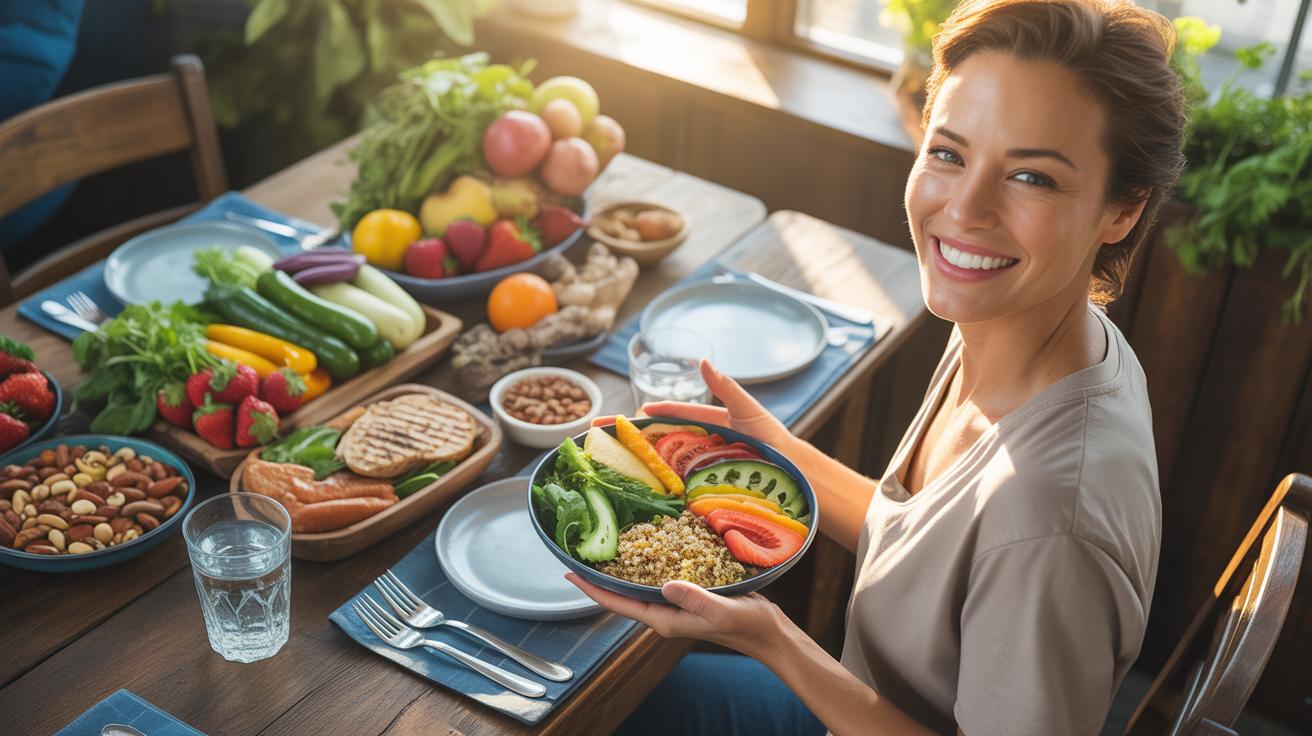
What Is Intermittent Fasting And How Does The Fasting Diet Actually Work

The Science Behind Intermittent Fasting: Eating Windows And Metabolic Shifts
Intermittent fasting triggers a metabolic switch from glucose to ketones. When you stop eating, your blood glucose levels drop. Your body then burns through stored glycogen. Once glycogen is gone, the liver begins converting fatty acids into ketone bodies. This shift provides a steady energy source for the brain. It also lowers insulin levels to help you access stored body fat for fuel.

Lowering insulin levels improves insulin sensitivity over time. This process reduces systemic inflammation and supports cellular repair through autophagy. Autophagy occurs when cells clean out damaged components to function better. This biological cleanup happens primarily during extended periods without food. By controlling your eating window, you force your body to prioritize repair and fat oxidation instead of constant digestion and fat storage.
Common Intermittent Fasting Protocols: From 16:8 To 5:2 Explained
The 16:8 protocol is the most popular starting point for a reason. You fast for sixteen hours and consume all calories within an eight hour window. This schedule usually involves skipping breakfast and ending your final meal by eight at night. It is easy to sustain and aligns well with natural sleep cycles. Most people find this method manageable for long term weight management.

The 5:2 method takes a different tactical approach to calorie restriction. You eat normally for five days each week. During the remaining two days, you limit intake to five hundred or six hundred calories. These fasting days should not be consecutive to keep energy levels stable. Other methods like One Meal A Day or alternate day fasting offer more intensity. Choose a protocol based on your lifestyle needs.
Building Your Intermittent Fasting 168 Meal Plan A Free And Flexible Framework
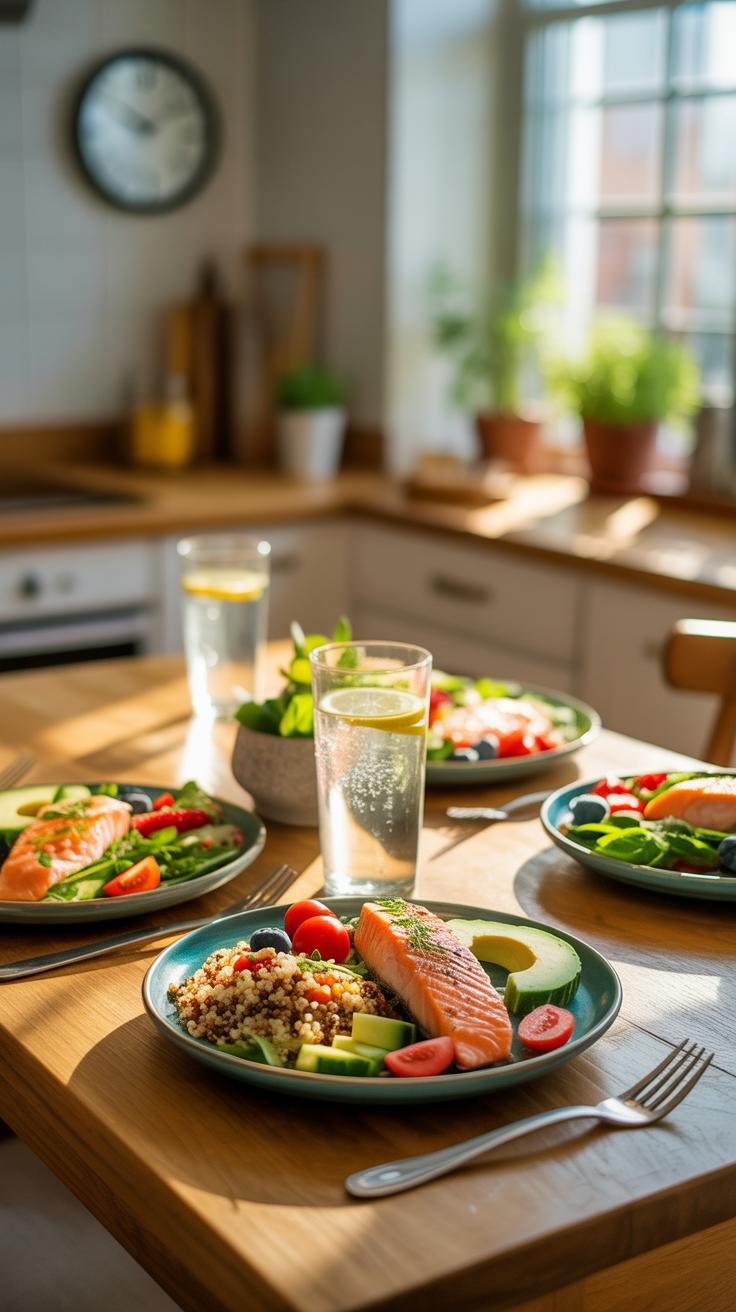
How To Structure Your 8 Hour Eating Window For Balanced Nutrition
You must treat your eight-hour window as a strategic refueling phase. Start with a high-protein meal to stabilize blood sugar and prevent insulin spikes. Lean proteins paired with healthy fats provide sustained satiety. This approach stops the hunger signals that cause overeating later in the day. Proper timing ensures your body utilizes stored glycogen before you introduce new energy sources.
Focus on nutrient density rather than calorie restriction alone. Distribute your macro-nutrients across two main meals and one snack. This structure prevents digestive distress often caused by large food volumes. Prioritize fiber from vegetables to support gut health and slow glucose absorption. Maintaining consistent meal times within your window optimizes your circadian rhythm. This consistency helps regulate metabolic hormones like ghrelin and leptin.
Sample Intermittent Fasting 16:8 Meal Plan: A Full Day Of Eating Made Simple
Break your fast at noon with a high-protein bowl. Combine grilled chicken or tofu with quinoa and leafy greens. Add healthy fats like avocado or olive oil to slow digestion. This combination keeps you full until your mid-afternoon snack. Avoid high-sugar fruits or processed carbohydrates during this first meal. Rapid insulin spikes will lead to an energy crash before your window closes.
Eat your final meal at 7:30 PM to finish by 8:00 PM. Choose a portion of wild-caught fish or lean beef with roasted cruciferous vegetables. These dense fibers take longer to break down during the initial fasting hours. Hydration remains critical during the sixteen-hour fast. Drink black coffee, plain tea, or water only. These liquids do not trigger an insulin response and preserve the fasted state.
Intermittent Fasting Meals The Best Foods To Eat During Your Eating Window
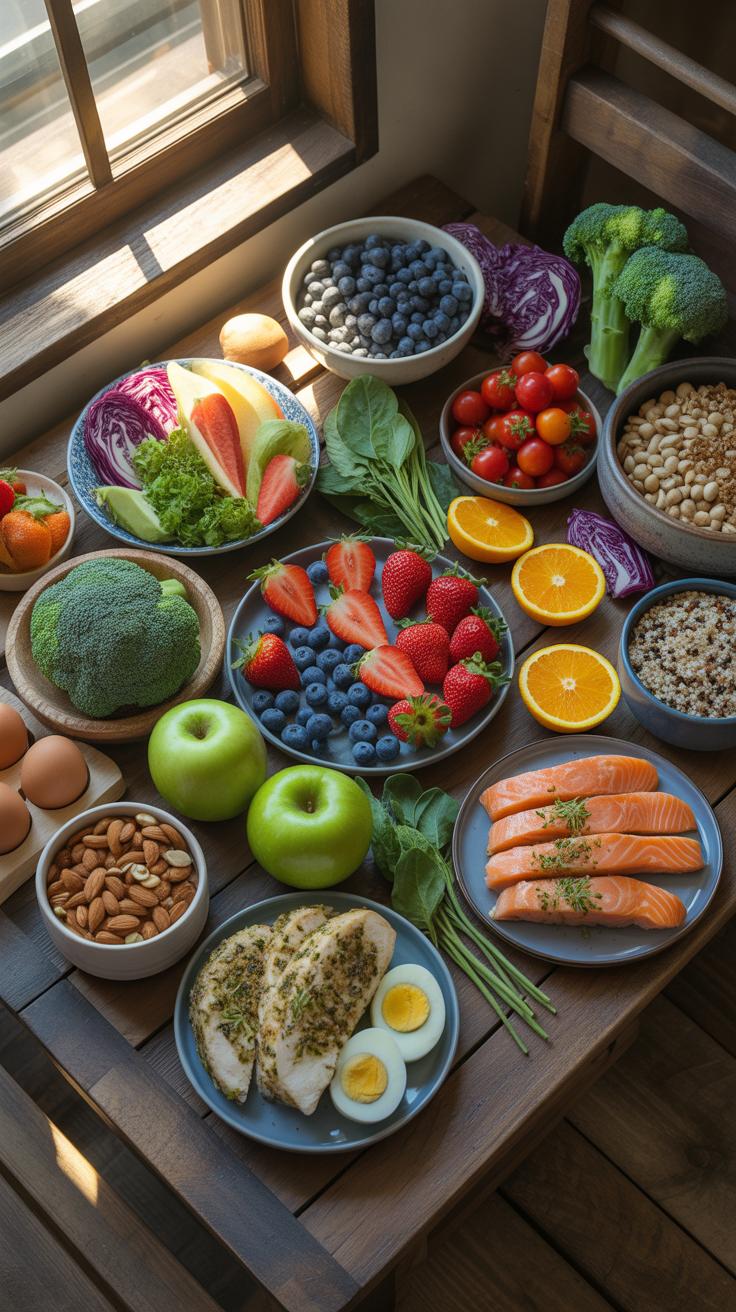
Nutrient Dense Whole Foods That Support Fasting And Recovery
Eating window success depends on nutrient density. You must prioritize foods that stabilize blood sugar to avoid crashes. Lean proteins and healthy fats provide steady energy for the next fast. Fiber helps digestion and keeps you full longer. Focus on real food to replenish minerals lost during the fasting period. Avoid processed sugars that trigger insulin spikes and ruin your metabolic progress.
Whole foods repair tissues and support hormonal balance. High quality proteins like wild-caught fish or grass-fed beef provide essential amino acids. Cruciferous vegetables deliver necessary micronutrients without excessive calories. These choices dampen hunger hormones like ghrelin. Proper nutrition during the window makes the fasting hours easier to manage. Choose foods that nourish your cells and simplify your biological transition into ketosis.
Top Foods And Ingredients To Stock For A Successful Intermittent Fasting Meal Plan
Stocking the right kitchen inventory prevents poor decision-making when the fast breaks. You need quick access to high-protein sources and healthy fats to stay on track. Keeping these items ready ensures you meet your daily caloric and nutritional needs within a restricted timeframe. Efficiency in the kitchen leads to consistency in your results. Focus on shelf-stable and fresh essentials that provide high satiety.
- Avocados: These fruits provide monounsaturated fats that bridge the gap between meals. They contain potassium which helps balance electrolytes during a fast. High fiber content ensures steady digestion and keeps you feeling satisfied for several hours after eating.
- Cruciferous Vegetables: Broccoli and cauliflower offer high volume with very low caloric density. They are packed with fiber and essential vitamins. These vegetables support liver detoxification and help fill your stomach without causing a significant rise in your blood glucose levels.
- Pasture Raised Eggs: Eggs are a complete protein source containing all essential amino acids. They are quick to prepare and highly bioavailable for muscle repair. The choline found in the yolks supports brain health and cognitive function throughout your daily fasting window.
- Wild Caught Salmon: This fish provides high amounts of omega-3 fatty acids which reduce inflammation. It is a premium protein source that supports heart health. The fats found in salmon help maintain steady energy levels and support fat-soluble vitamin absorption in the body.
- Extra Virgin Olive Oil: This oil is a stable fat source for dressings and finishing meals. It contains antioxidants that protect your cells from oxidative stress. Adding this to your vegetables increases satiety and helps regulate your insulin response during the eating window.
Eliminate high-glycemic carbohydrates from your pantry immediately. These items cause rapid hunger returns and make the fasting period difficult. Replace them with heavy hitters like nuts, seeds, and fermented foods. Fermented options like kimchi support gut health which is vital for nutrient absorption. A strategic pantry allows you to break your fast with intention rather than desperation. Preparedness is the foundation of a sustainable fasting lifestyle.
Intermediate Fasting Meal Plan How To Transition From Beginner To A Healthy Routine

Easing Into Fasting: Gradually Shifting Your Eating Schedule Without Burnout
Shift your eating window by one hour every three days to reach an intermediate 16:8 schedule. This pace allows your hormones like ghrelin and insulin to stabilize without triggering intense hunger. Sudden changes often lead to binge eating or metabolic stress during the first week. Focus on physiological adaptation rather than immediate weight loss results. Controlled pacing ensures your body switches from glucose to fat burning efficiently.
Consistency beats intensity when moving toward an intermediate intermittent fasting meal plan. Maintain your sleep schedule to manage cortisol levels which impact your ability to fast. Hydrate aggressively during the morning hours to blunt hunger pangs before your first meal. If you feel dizzy or weak, stop the fast and adjust your electrolyte intake. Your goal is a sustainable daily habit that integrates with your professional and social life easily.
Let food be thy medicine and medicine be thy food. Focus on the simple, wholesome nourishment that sustains the body during your window of eating.
Intermediate Fasting Meal Plan Healthy Swaps: Upgrading Your Plate As You Progress
Eliminate processed carbohydrates like white bread and pasta to maximize your shortened eating window. Replace these items with complex starches such as sweet potatoes or sprouted grains. These swaps prevent the sharp insulin spikes that make the fasting period difficult the next day. High-fiber choices slow digestion and provide steady energy for the brain. You must prioritize nutrient density once your feeding window narrows to eight hours total.
Swap seed oils and margarines for stable fats like avocado oil or grass-fed butter. These fats support hormone production and keep you full longer during the fasting period. Focus on high-quality proteins such as eggs, wild fish, or lean beef to maintain muscle mass. Avoid liquid calories like juice or soda which offer zero satiety. Clean eating habits amplify the cellular repair benefits of your intermittent fasting meal plan during the fasted state.
Keto Diet Intermittent Fasting Meal Plan Combining Two Powerful Approaches
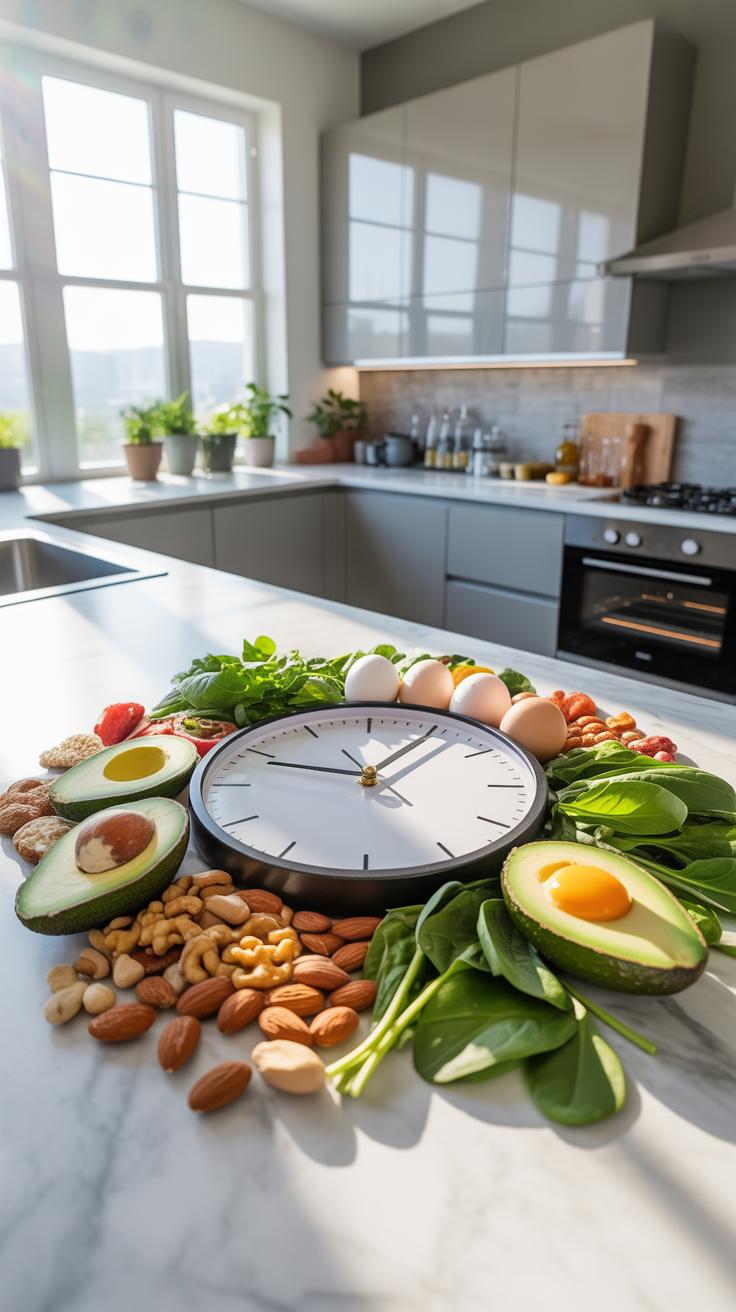
Why The Ketogenic Diet And Intermittent Fasting Work Well Together
The ketogenic diet and intermittent fasting both target insulin levels to force the body into ketosis. Ketosis happens when the body burns fat for fuel instead of glucose. Fasting depletes glycogen stores quickly. Eating a high fat diet maintains this metabolic state during your eating window. This combination prevents the insulin spikes that normally stop fat burning. It turns your body into a constant fat oxidation machine.
Combining these methods reduces the hunger pangs common in standard dieting. High fat intake promotes satiety and keeps you full for longer periods. Your brain uses ketones more efficiently than glucose for energy. This leads to better mental clarity and stable energy levels throughout the day. You avoid the blood sugar crashes that cause irritability. These two tools accelerate metabolic flexibility and improve your overall results.
A Sample Keto Intermittent Fasting Day: High Fat Meals Timed Within Your Window
Start your eight hour eating window with a dense meal of healthy fats and proteins. Break your fast with three eggs cooked in grass fed butter and half an avocado. Add a side of smoked salmon for extra omega three fatty acids. This meal provides the necessary nutrients without spiking your blood sugar. It sets a solid foundation for the remaining hours of your daily eating schedule.
Your final meal must sustain you through the upcoming sixteen hour fast. Focus on a large portion of fatty steak or chicken thighs with the skin on. Serve this meat with leafy greens sautéed in olive oil or coconut oil. Add some macadamia nuts for extra fat content if you still feel hungry. This high caloric density ensures your body has enough fuel to maintain ketosis until the next day.
Fasting Schedule For Women Tailoring Your Intermittent Fasting Meal Plan To Your Body

How Hormonal Cycles Can Influence A Woman’S Optimal Fasting Schedule
Female physiology reacts sharply to caloric deficits and fasting durations. The hypothalamus senses energy changes through kisspeptin signaling. This system regulates reproductive hormones like estrogen and progesterone. Excessive fasting can disrupt the pulsatile release of luteinizing hormone. This disruption stalls ovulation and creates irregular menstrual cycles. Women must monitor these signals to avoid damaging their metabolic health through over-fasting.
Specific phases of the menstrual cycle require different fasting intensities. Stress sensitivity increases during the luteal phase before menstruation. Cortisol levels rise naturally during this time. Prolonged fasting adds more stress to the system during this week. Shortening the fasting window helps maintain hormonal balance. This tactical adjustment prevents burnout and preserves muscle mass. Consistency without flexibility often leads to negative results for women.
Practical Fasting And Meal Planning Tips Designed Specifically For Women’S Health
Women should prioritize nutrient density to support endocrine function. Start with shorter fasting windows like 12 or 14 hours. This conservative approach limits the stress response while still providing metabolic benefits. Focus on high protein intake during the feeding window to prevent bone density loss. Use clean fats to support hormone production and keep blood sugar levels stable throughout the day.
- Incorporate Crescendo Fasting: Fast only two or three non-consecutive days per week rather than daily. This method prevents the body from entering a starvation state. It protects the thyroid and reproductive system while allowing for weight loss and fat reduction.
- Prioritize Electrolyte Intake: Take magnesium and potassium during the fasting hours. Women often lose more minerals during certain cycle phases. Maintaining these levels prevents the headaches and fatigue common during the transition into a fasted state. It also supports deep sleep cycles.
- Adjust During Luteal Phase: Reduce fasting times to twelve hours during the week before your period. Your body needs more calories and carbohydrates to produce progesterone. Forcing long fasts during this phase increases cortisol and triggers heavy cravings. Listen to these biological signals.
- Focus on Protein First: Break every fast with at least thirty grams of high-quality protein. This ensures your body does not break down muscle for energy. Protein also increases satiety and prevents overeating later in the window. Choose eggs, poultry, or lean beef options.
- Track Basal Body Temperature: Monitor your morning temperature to see how fasting affects your metabolism. A sudden drop in temperature can indicate a slowing thyroid or excessive stress. This data allows you to make objective changes to your intermittent fasting meal plan immediately.
Effective meal planning requires tracking your body’s unique feedback loops. Record your energy levels and cycle regularity while following your intermittent fasting meal plan. Do not ignore signs of hair thinning or constant coldness. These symptoms mean your fasting window is too long or your calories are too low. Adjust those variables to keep your metabolism high. Proper execution ensures long-term victory without sacrificing health.
What To Avoid Eating And Drinking During Your Fasting Window
Foods And Beverages That Break A Fast And Disrupt Metabolic Benefits
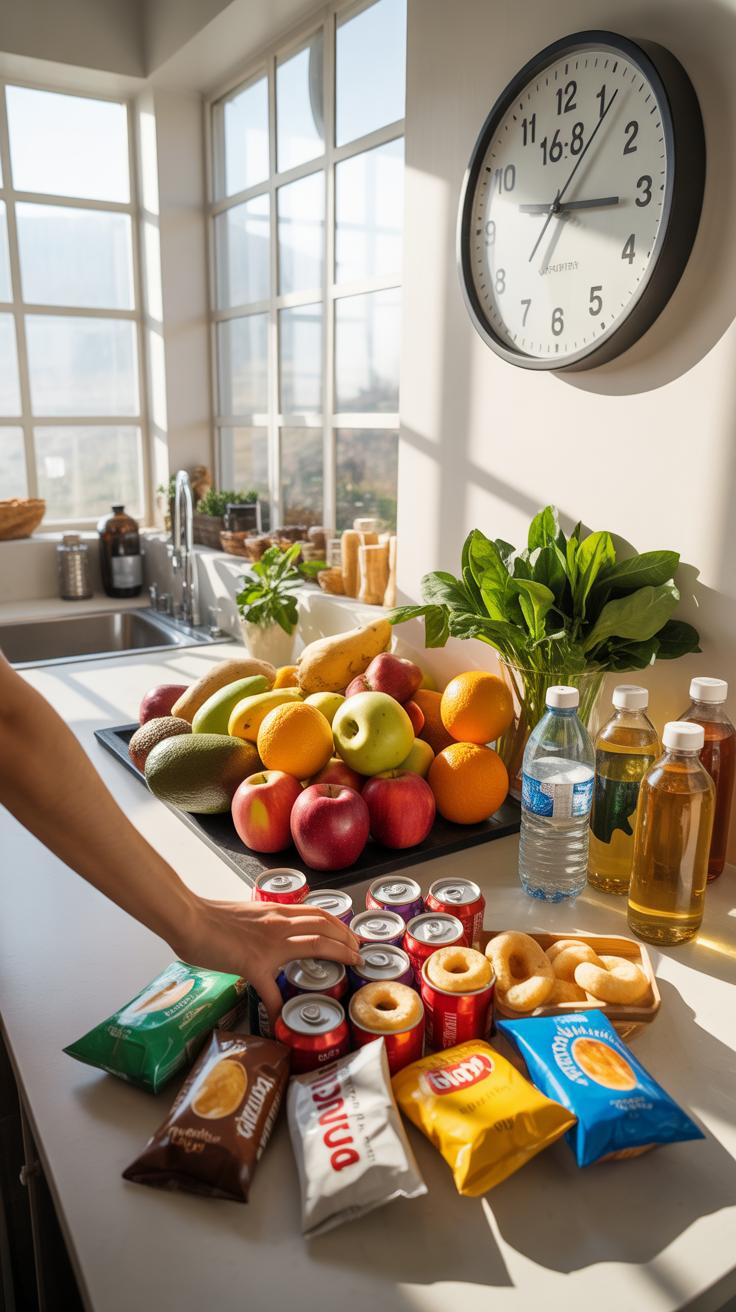
Consuming any calories halts the physiological process of fasting. Your body shifts from burning stored fat to processing incoming energy. Even small amounts of sugar or protein trigger insulin release. This hormone stops lipolysis and prevents the cells from entering autophagy. Any food intake resets your metabolic clock. You must avoid solid foods entirely to maintain the fasted state.
Liquid calories are equally destructive to your progress. Milk, cream, and sweeteners added to drinks stimulate digestion. Fruit juices and sodas spike blood glucose levels immediately. These spikes end the metabolic advantages of the fasting period. You lose the hormone optimization required for weight loss. Stick to zero calorie options to ensure your body continues to utilize internal energy stores effectively.
What You Can Safely Consume While Fasting: Water, Black Coffee, And Herbal Tea
Pure water remains the primary tool for a successful fast. It maintains hydration without affecting your insulin levels. Sparkling water is also acceptable if it contains no added sugars or artificial flavors. Proper hydration helps manage hunger signals and supports kidney function during fat metabolism. You should drink water consistently throughout your window to keep your energy levels stable and consistent.
Black coffee and plain herbal tea provide tactical advantages during the fast. Caffeine can slightly boost your metabolic rate and suppress appetite. Ensure these drinks contain no additives like milk or honey. Pure green tea offers antioxidants without breaking the fasted state. These beverages help you stay alert and focused until your next meal. Stick to these basic fluids to maximize your fat burning results.
Meal Planning Strategies To Make Your Intermittent Fasting Lifestyle Sustainable
Weekly Meal Prep Habits That Keep Your Fasting Meal Plan On Track
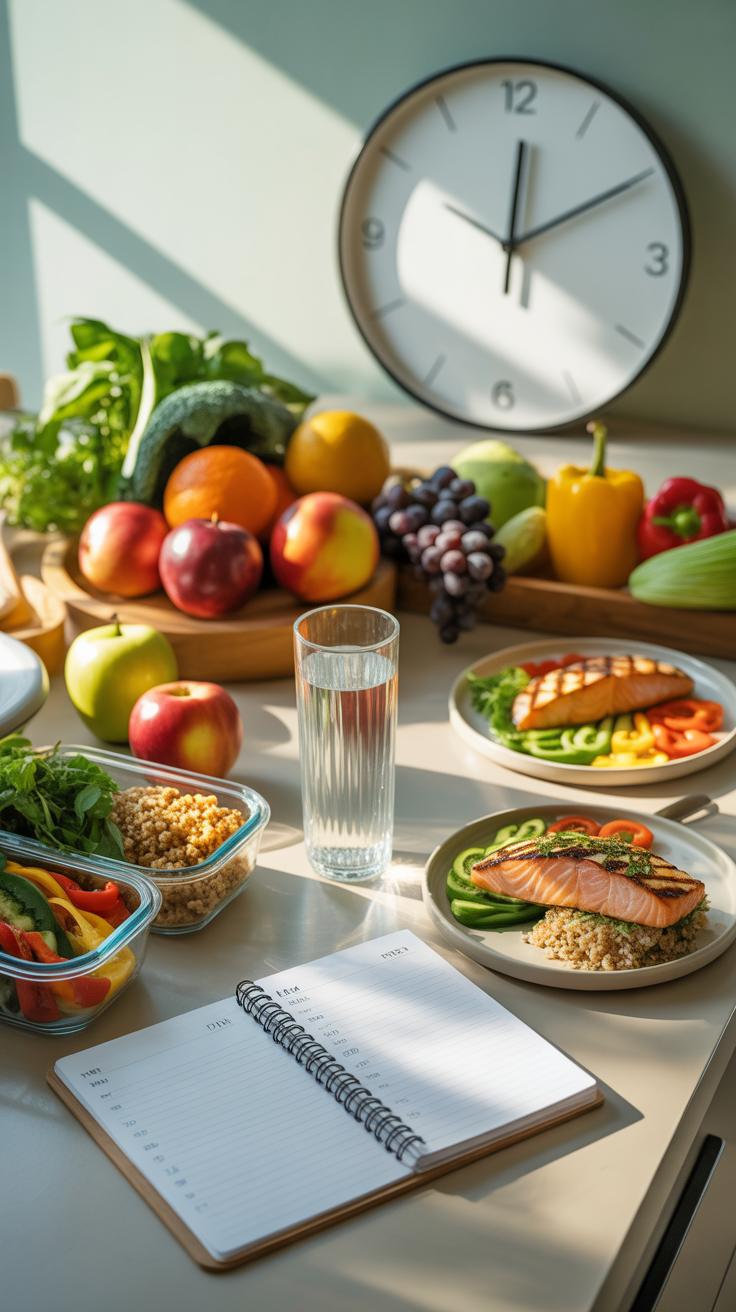
Successful fasting depends on your first meal. Prepare high protein components on Sundays to avoid poor choices when your window opens. Cook bulk quantities of chicken, beef, or lentils. Portion these into containers immediately. This removes decision fatigue during your fasting hours. Hunger often leads to fast food cravings. Prepped meals ensure you break your fast with dense nutrition instead of processed sugar.
Focus on calorie density and fiber during your prep sessions. Roast large trays of cruciferous vegetables like broccoli and cauliflower. These provide volume and keep you full during the fasting period. Wash and chop leafy greens ahead of time. Stable blood sugar starts with organized eating. If the food is ready, you will stay within your window. Automation is the only way to maintain long term consistency.
How To Adjust Your Intermittent Fasting Meal Plan As Your Goals Evolve Over Time
Your body adapts to fasting schedules over several months. You must audit your caloric intake as your weight changes. If fat loss stalls, reduce your window or tighten your portion sizes. Active individuals may need to increase carbohydrate intake on training days. Monitor your energy levels every four weeks. Adjust your macronutrients to support muscle mass while maintaining a fasted state for hormone regulation.
Long term fasting requires flexibility for metabolic health. Shift your eating window to match your social life or work demands. You do not need a rigid schedule every single day. Use a shorter window on sedentary days and a longer one during high activity. Prioritize protein to prevent muscle wasting as you age. Consistent monitoring ensures your intermittent fasting meal plan delivers results without causing physical burnout.
Frequently Asked Questions

How do I know which foods to include when starting out?
Getting started is all about focusing on nutrient density rather than restriction. When building your intermittent fasting meal plan, prioritize high-quality proteins like eggs or poultry, healthy fats such as avocado, and plenty of fiber-rich vegetables. These foods help stabilize blood sugar levels and keep you feeling full longer during your fasting window. Avoid processed sugars and refined carbs, which can trigger hunger spikes and make the adjustment period much more difficult for beginners.
How should I structure my meals during the eating window?
For the best results, break your fast with a balanced meal containing protein and healthy fats to avoid a heavy insulin spike. Your second meal should be equally nourishing, focusing on complex carbohydrates and greens. If you are following an intermittent fasting meal plan, try to space your calories evenly or eat two large meals with a light snack in between. Consistency is key to helping your body’s internal clock regulate hunger signals effectively.
Can I maintain this lifestyle on a tight budget?
Absolutely! You don’t need expensive superfoods or boutique supplements to succeed. Budget-friendly staples like dried beans, lentils, canned tuna, and frozen vegetables are perfect additions to any meal plan. Buying seasonal produce and bulk grains can significantly lower your grocery bill while still providing essential nutrients. By focusing on whole, unprocessed foods that you can prep at home, you’ll find that eating windows actually help save money by reducing impulsive snacking.