
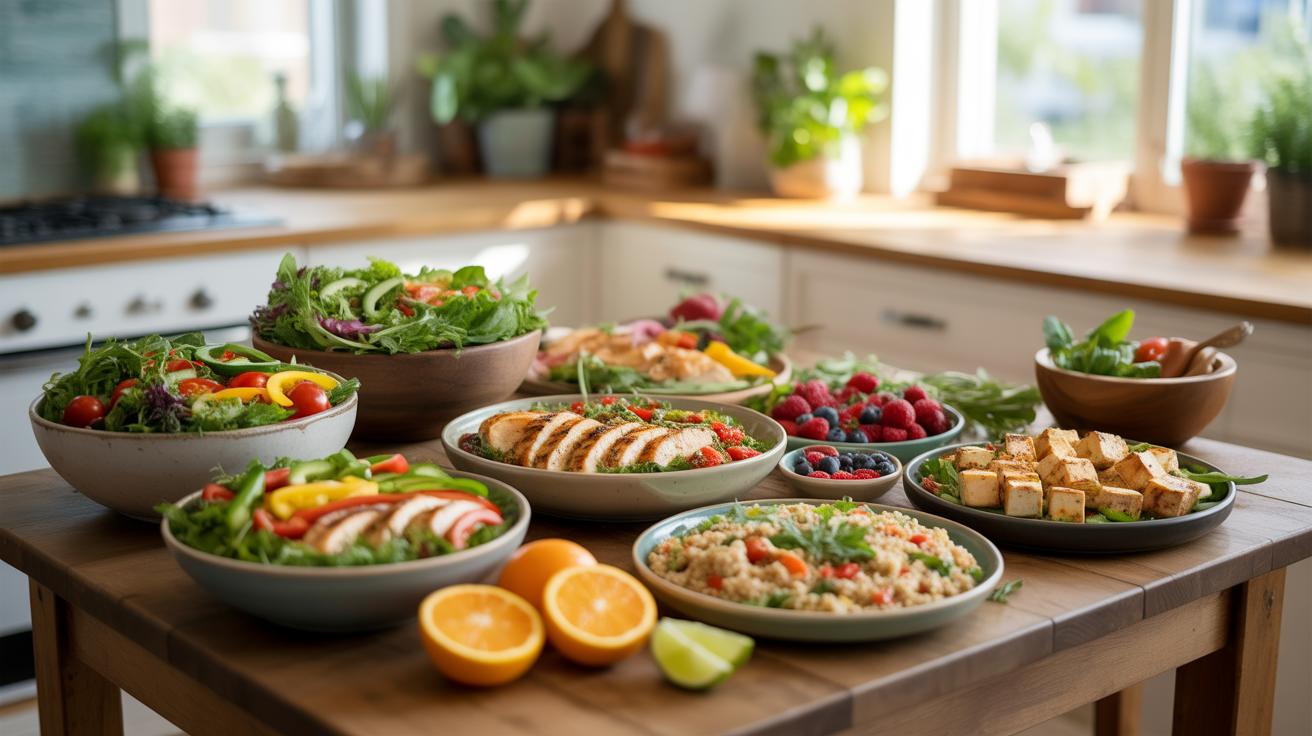
What Is A 5 Day Meal Plan And Why A Healthy Meals Weekly Plan Works
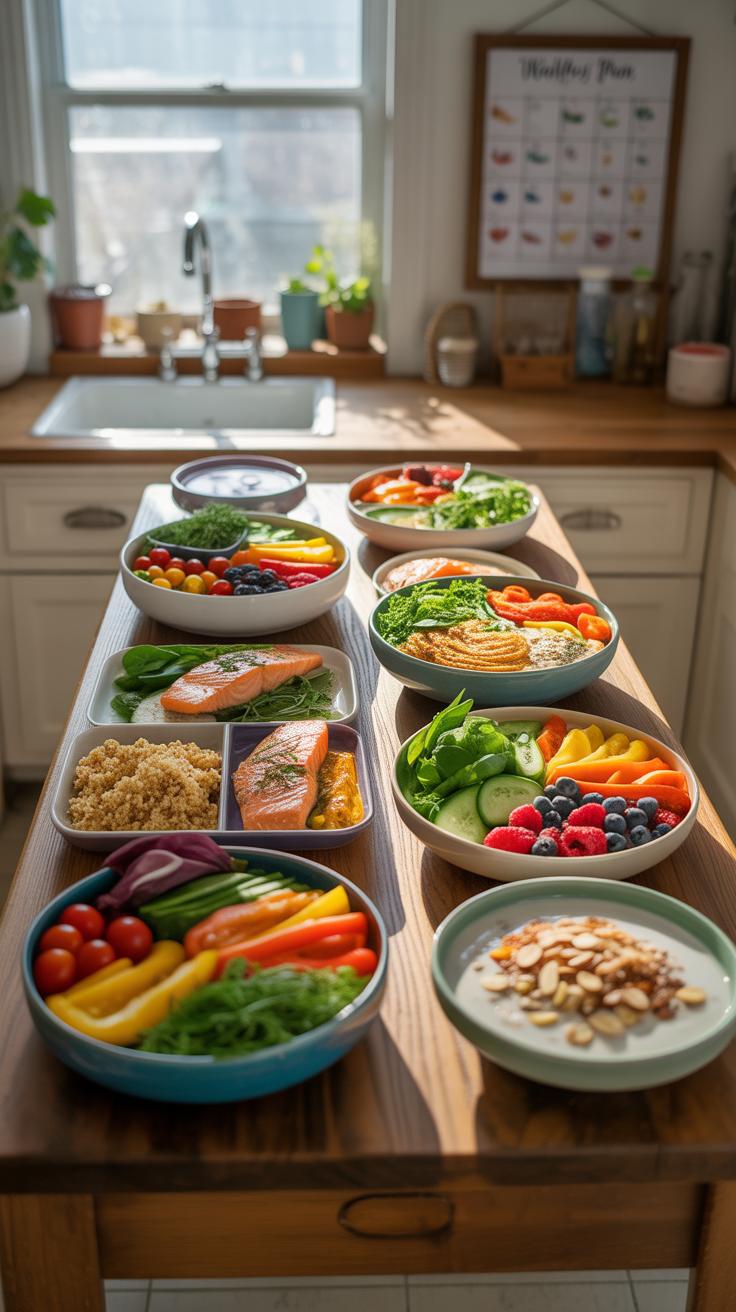
The Science Behind Short Term Meal Planning And Its Impact On Your Health
Short term meal planning targets glycogen regulation and metabolic stability. A five day cycle aligns with the standard work week to control insulin spikes through consistent nutrient timing. Research shows that prepaying attention to food intake reduces caloric surplus. This method forces the body to utilize stored energy efficiently. You eliminate random snacking by providing specific macronutrients at set intervals throughout the day.

A 5 day meal plan improves gut health by introducing fiber in a structured format. Controlled portions prevent overeating and reduce digestive strain. This timeframe allows the liver to process nutrients without the burden of processed additives common in unplanned meals. Stabilization of blood sugar occurs when you consume complex carbohydrates and proteins regularly. Tactical planning creates a predictable environment for hormonal balance and sustained physical energy.
How A Structured 5 Day Meal Plan Builds Consistency And Reduces Decision Fatigue
Decision fatigue depletes mental energy and leads to poor food choices. Every choice you make regarding ingredients or portions consumes cognitive resources. A structured plan removes these daily hurdles by front loading all tactical decisions. You execute a predetermined strategy instead of reacting to hunger. This shift from reactive to proactive eating ensures you stick to nutritional goals even during high stress periods.

Consistency builds through the repetition of high quality habits over five days. You establish a successful pattern that becomes easier to maintain over time. Removing the need to choose what to eat for dinner at 6 PM prevents reliance on fast food. By preping meals in advance, you guarantee the availability of healthy options. This logistical discipline creates a sustainable framework for long term health and weight management success.
Setting Up A Good Meal Plan Nutrition Fundamentals You Need To Know

Understanding Macronutrients: The Role Of Proteins, Carbohydrates, And Healthy Fats
Proteins build and repair body tissues. Your body breaks them down into amino acids. Sources like lean meat, eggs, and beans keep you full. Carbohydrates provide the primary energy for your brain and muscles. Focus on complex carbs like oats and brown rice. These digest slowly and prevent energy crashes. Fats support cell growth and protect organs. Use olive oil, nuts, and avocados for these needs.
Balanced macronutrients stabilize your blood sugar throughout the day. This prevents the hunger spikes that ruin a 5 day meal plan. Aim for a mix of all three in every meal. Protein preserves muscle mass during weight loss. Carbohydrates fuel your daily activity. Healthy fats assist with nutrient absorption. Ignore fad diets that cut out entire groups. High performance requires a complete fuel profile for your body.
Caloric Balance And Portion Control: How Much Should You Actually Be Eating
Caloric balance determines if you lose, gain, or maintain weight. You must burn more energy than you consume to reduce body fat. This is basic thermodynamics. Track your total daily energy expenditure to find your baseline. A modest deficit of five hundred calories per day is sustainable. Avoid extreme cuts because they slow your metabolism. Consistency matters more than perfection over these five days.
Portion control manages your intake without constant weighing. Use your hand as a visual guide for serving sizes. A palm-sized portion of protein is a standard start. Your fist represents a solid serving of vegetables. Cupped hands measure your carbohydrate intake. A thumb-sized portion accounts for fats. This method keeps your plate balanced. Reliable portioning ensures your meal prep leads to actual physical results.
Healthy Meal Plan For Beginners How To Start Without Feeling Overwhelmed

Choosing Simple, Whole Food Ingredients That Are Easy To Find And Prepare
Focus on ingredients that require minimal processing. Buy primary proteins like chicken, eggs, or lentils. Pair them with sturdy vegetables like broccoli and carrots. These items stay fresh in the fridge for the full five days. Avoid exotic produce that spoils quickly. Stick to pantry staples like brown rice or quinoa. These provide a reliable energy base for every meal you cook.
Efficiency depends on ingredient versatility. Practical meal plans use one core component in multiple ways. Roast a large batch of sweet potatoes on Sunday. Use them as a side dish on Monday and a salad topper on Wednesday. This strategy reduces your total time in the kitchen. It also lowers your grocery bill. Accurate planning ensures you use every item you buy. This eliminates food waste.
Common Beginner Mistakes When Starting A Meal Plan And How To Avoid Them
Many beginners fail because they pick complex recipes. Do not attempt five new dishes in one week. This leads to burnout and kitchen fatigue. Start with meals you already know how to make. Simply adjust the portions for the week ahead. Expert planners use the same breakfast and lunch for several days. This reduces the mental load of making constant decisions about food.
Over-syncing your schedule causes another major failure. Life events often disrupt rigid plans. Do not prep meals that require exact timing to taste good. Choose recipes that reheat well in a microwave or oven. Glass containers keep food fresher than plastic ones. Always check your inventory before going to the store. Buying duplicates wastes money and space. Accurate tracking keeps your 5 day meal plan sustainable.
Planned Meals For The Week Your Full 5 Day Healthy Reset Schedule
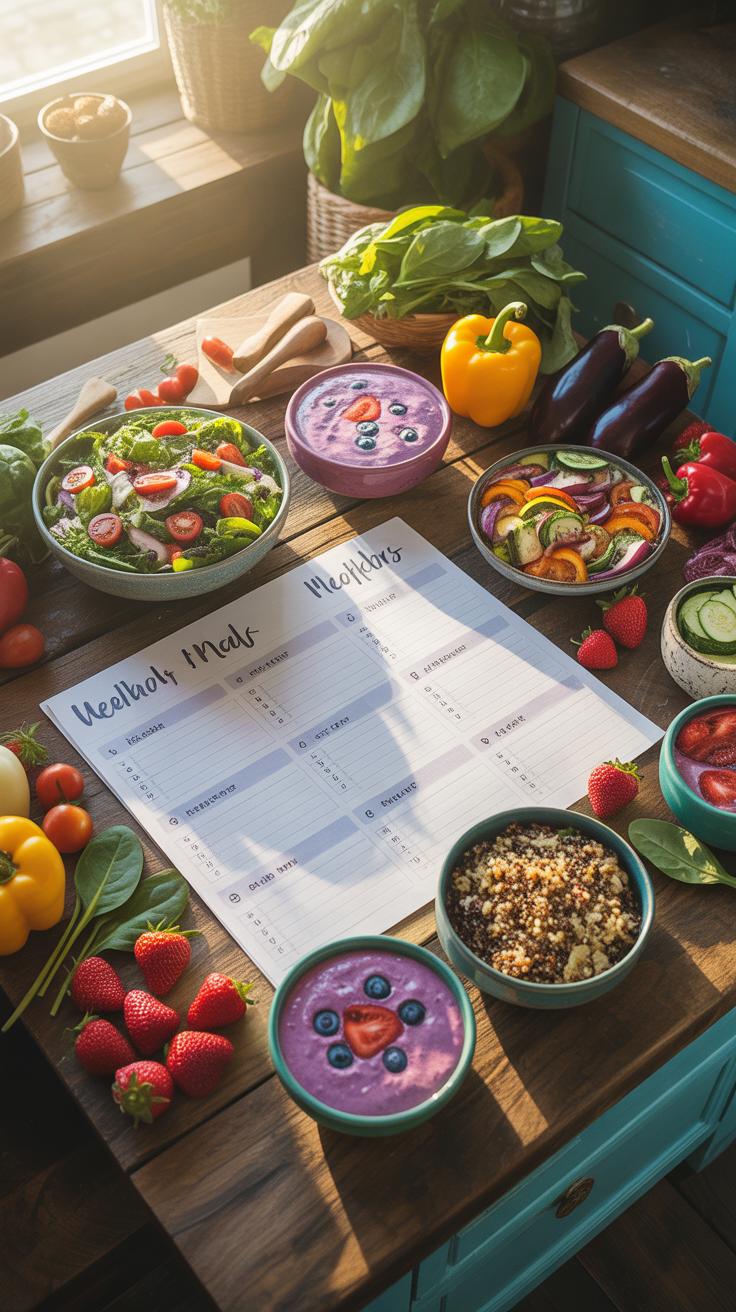
Days 1 And 2: Light And Energizing Meals To Kickstart Your Reset
The first forty eight hours focus on high volume and low caloric density. You must prioritize lean proteins like white fish or chicken breast to stabilize blood sugar. Pair these with leafy greens and cruciferous vegetables to promote satiety through high fiber content. Avoid heavy fats or complex carbohydrates during this initial phase. This strategy forces your body to utilize stored glycogen for immediate energy.
Hydration plays a critical role during these first two days. Drink water consistently to flush excess sodium and reduce water retention. Prepare your meals in advance to avoid impulsive snacking. Use simple cooking methods like steaming or poaching to preserve nutrient integrity without adding unnecessary oils. These tactical choices establish a baseline for the rest of the week. They ensure your metabolic rate remains steady.
To eat is a necessity, but to eat intelligently is an art. Five days of mindful choices can restore the simple harmony of home and health.
Days 3 To 5: Nourishing And Satisfying Meals To Carry You Through The Week
Transition into the final three days by introducing complex carbohydrates and healthy fats. Incorporate fuels like quinoa, sweet potatoes, or brown rice. These items provides sustained glucose release for your brain and muscles. Add healthy lipids from avocados or walnuts to maintain hormonal balance. This shift prevents the fatigue often associated with short term dietary changes. It ensures you finish the plan with high energy.
The latter half of the week focuses on muscle maintenance and long term adherence. Increase your portion sizes of fibrous vegetables to keep digestion moving efficiently. Use dry spices instead of sugary sauces to add flavor. Consistency is more important than perfection during this stage. Follow the schedule strictly to see measurable results in your bloating and energy levels. Proper planning eliminates the need for willpower.
Breakfast Lunch And Dinner Ideas For Each Day Of Your 5 Day Meal Plan
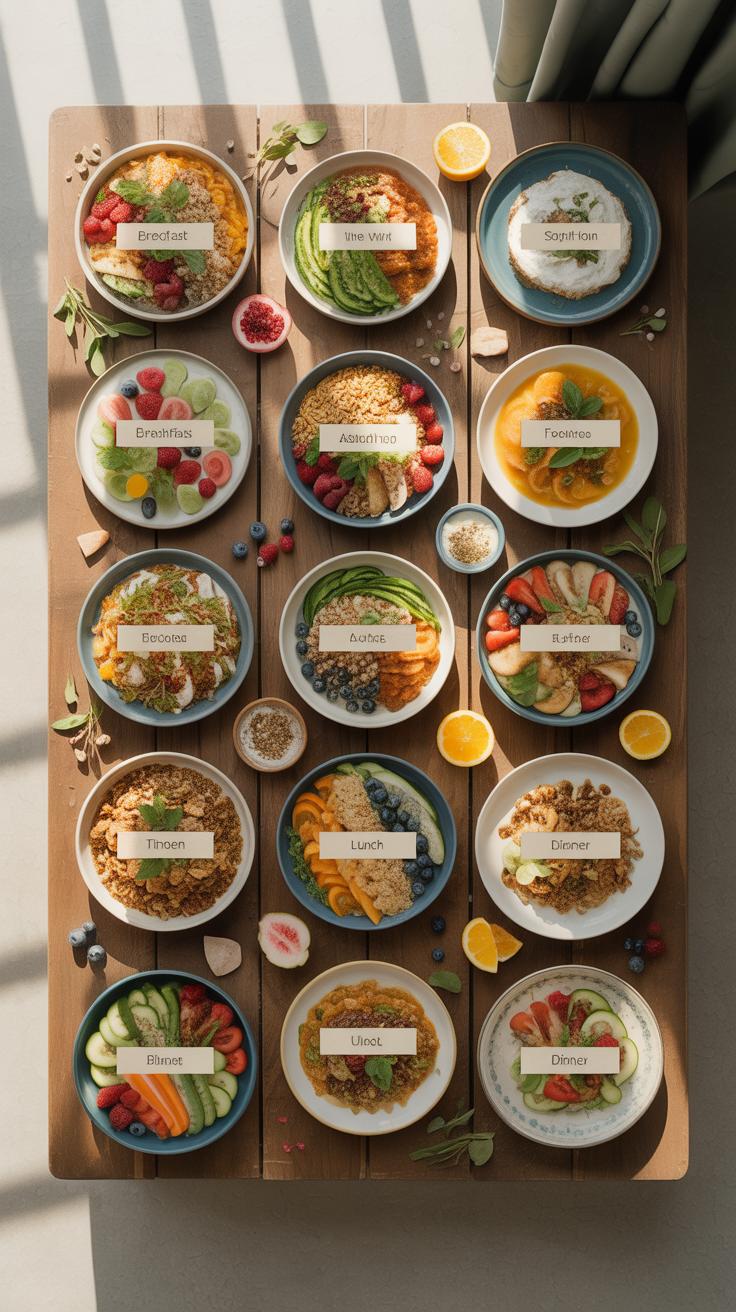
Best Healthy Breakfast Options To Fuel Your Morning And Stabilize Blood Sugar
A tactical breakfast prevents insulin spikes and mid-morning crashes. High-protein choices like eggs or Greek yogurt suppress the hunger hormone ghrelin. Combine these with slow-burning complex carbohydrates such as steel-cut oats. This strategy keeps glucose levels flat throughout the morning. Proper fueling starts with nutrient density. Avoid processed cereals or high-sugar pastries that cause energy dips within two hours of consumption.
Fiber plays a critical role in glucose management. Add chia seeds or flaxseeds to your morning meal to slow digestion. This delay ensures a steady release of energy into the bloodstream. Healthy fats from avocado or nuts provide long-term satiety. Building a breakfast around whole foods sets the metabolic tone for the entire day. Consistency in these choices reduces the urge to snack before your scheduled lunch break.
Balanced Lunch And Dinner Combinations That Keep You Full And Energized All Day
Effective lunch and dinner planning requires a balance of lean protein and fibrous vegetables. Utilize chicken, turkey, or tofu as your primary protein source to repair muscle tissue. Pair these with roasted cruciferous vegetables to increase food volume without adding excessive calories. This combination ensures you feel full without the heavy lethargy often associated with high-carb meals. Keep sauces minimal to avoid hidden sugars and oils.
Dinner should focus on recovery and preparing the body for rest. Choose fatty fish like salmon to gain essential omega-3 fatty acids that reduce inflammation. Incorporate a small portion of legumes or root vegetables for slow-releasing energy. These ingredients support physical health without disrupting sleep cycles. Maintaining a strict ratio of protein to vegetables prevents metabolic slowdown. Proper meal structure eliminates the need for late-night eating.
Weekly Meal Prep Plan How To Prepare 5 Days Of Healthy Food In One Session

Step By Step Guide To Batch Cooking And Prepping Ingredients For The Entire Week
Efficiency requires a systematic approach to heat and knife work. Start by preheating your oven and boiling water to maximize active cooking time. Wash and chop all vegetables before turning on any burners. Grouping similar ingredients together prevents wasted motion. This phase moves you from raw materials to ready-to-use components. Always prepare the items that take the longest first to ensure a smooth workflow.
- Root Vegetable Roasting: Toss chopped potatoes, carrots, or beets in oil and salt. Place them on large sheet pans in a hot oven. These dense items require the most time to soften and develop flavor.
- Bulk Grain Preparation: Use an instant pot or stovetop pot to cook large batches of rice or quinoa. Grains serve as the foundational base for multiple meals throughout the upcoming five day period.
- Lean Protein Searing: Cook chicken breasts or extra firm tofu in a heavy skillet or on a secondary baking sheet. Season these proteins simply so they remain versatile enough for different sauces and flavor profiles later.
- Vegetable Knife Work: Slice bell peppers, onions, and cucumbers while the stove is occupied. Portion these into containers for raw snacks or quick stir-fry additions. This prevents daily cleaning of cutting boards and knives.
- Sauce and Dressing Mixing: Combine oils, acids, and spices in small jars or bowls. Making your own condiments eliminates processed sugars and preservatives found in store-bought versions. Store these separately to keep your main meals from getting soggy.
Assemble your components into individual containers once everything cools to room temperature. Sealing warm food creates steam and leads to bacterial growth or texture degradation. Label every container with the date and contents to track freshness. This organized storage ensures you can grab a meal and go without thinking. Strict adherence to this sequence slashes your daily kitchen time to zero for the rest of the week.
Essential Kitchen Tools And Storage Containers That Make Meal Prep Faster And Easier
High-quality tools reduce physical strain and speed up the preparation process. Invest in a heavy chef knife and a large wooden cutting board to handle bulk produce. You need professional-grade sheet pans that do not warp under high heat. A digital scale ensures accurate portioning for consistency across all five days. Use a high-speed blender for making smooth sauces and dressings in seconds rather than minutes.
Standardize your storage system with glass containers that feature airtight locking lids. Glass does not leach chemicals and allows for safe reheating in a microwave or oven. Uniform shapes stack better and maximize space in your refrigerator. Use small stainless steel cups for dressings to prevent leaks inside your main meal kits. Reliable containers protect your food quality and stop leaks that ruin bags or office desks during transport.
Meal Prep Dinner Ideas Healthy Family Members Will Actually Enjoy

Family Friendly Healthy Dinners That Are Quick To Assemble On Busy Weeknights
Effective dinner meal prep relies on modular components. Prepare bulk proteins like shredded chicken or lean ground turkey early in the week. These ingredients serve as the base for multiple meals. You can transform them into tacos or pasta dishes in under fifteen minutes. Speed requires pre-cut vegetables and pre-cooked grains. This strategy eliminates the heavy lifting during high-stress evening hours when time is limited.
Strategic assembly beats traditional cooking on weeknights. Use tray bake methods to cook proteins and vegetables simultaneously on one sheet pan. This technique reduces cleanup and ensures consistent results. Store sauces separately to maintain food texture until serving. Modern meal planning focuses on high-yield actions that maximize output. These methods keep the kitchen efficient and ensure the family eats healthy meals without a significant time investment.
How To Adapt Your 5 Day Meal Plan To Suit Different Ages And Dietary Preferences
Adaptability is the secret to a sustainable five day meal plan. Use a build your own meal station approach to handle various dietary needs. Serve the base grain or green in a large bowl. Place proteins and toppings in separate containers. This allows children to choose familiar items while adults focus on nutrient density. It solves the problem of picky eaters and specific caloric requirements in one step.
Different age groups require specific portion sizes and macro ratios. Younger children need higher healthy fat content for brain development. Active adults require more protein for muscle repair and satiety. Modify the 5 day meal plan by adjusting the ratio of components on each plate. Do not cook separate meals for every family member. Instead, use a single core recipe and vary the final assembly to meet individual health goals.
Really Healthy Meals What To Eat And What To Limit During Your Reset
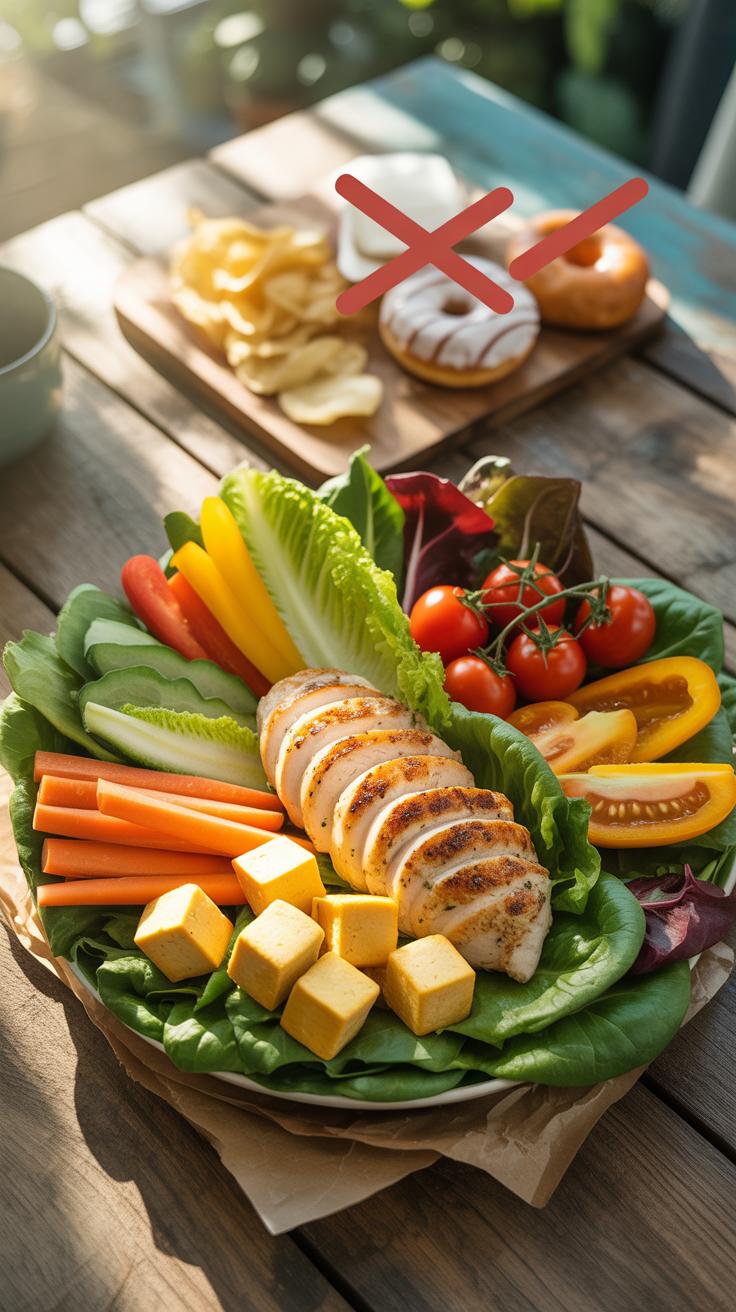
Top Nutrient Dense Foods To Prioritize For Maximum Energy And Gut Health
A successful 5 day meal plan requires high nutrient density to stabilize blood sugar. Focus on whole foods that provide steady fuel without the insulin spikes caused by processed sugars. These staples provide the essential amino acids and micronutrients your body needs to repair tissue and maintain cognitive function. Selecting the right inputs determines your metabolic efficiency during the reset period.
- Leafy Greens: Spinach and kale provide magnesium and folate to support cellular energy production. These greens contain high fiber levels that assist in regular bowel movements and promote a healthy microbiome.
- Cruciferous Vegetables: Broccoli and cauliflower contain glucosinolates that help the liver process toxins more effectively. These vegetables add bulk to meals without adding excessive calories or simple sugars that slow digestion.
- Lean Proteins: Chicken breast and wild caught fish provide the building blocks for muscle maintenance. Protein has a high thermic effect meaning your body burns more energy to digest it compared to fats.
- Healthy Fats: Avocados and walnuts offer monounsaturated fats that support brain health and hormone production. These fats increase satiety which prevents overeating and keeps you focused between scheduled meal times throughout the day.
- Fermented Foods: Sauerkraut and kimchi introduce beneficial bacteria directly into the digestive tract. A healthy gut improves nutrient absorption and strengthens the immune system during the transitions of a 5 day meal plan.
Quality sourcing impacts the nutritional profile of these items significantly. Choose wild caught or pasture raised options to avoid unnecessary antibiotics and inflammatory fats. Fiber is the most important component for gut health during this phase. Aim for a variety of colors on your plate to ensure a broad spectrum of vitamins and minerals. This strategic approach ensures you finish the reset stronger.
Foods And Ingredients To Minimize During A Reset For Better Digestion And Clarity
Eliminate liquid calories and refined sugars to reduce systemic inflammation immediately. These ingredients cause rapid spikes in blood glucose followed by energy crashes that ruin productivity. High sodium levels found in packaged goods lead to water retention and bloating which mask your actual progress. Removing these triggers allows your digestive system to rest and recover its natural baseline speed and efficiency.
Avoid hydrogenated oils and trans fats typically found in commercial baked goods and fried appetizers. These fats interfere with cell signaling and can cause brain fog and lethargy. Switch from simple white carbohydrates to complex fibers to maintain steady energy levels. Cutting out dairy and alcohol for five days reduces the load on your liver and kidneys. This clearance reveals your true energy potential.
Healthy Balanced Meal Plan Hydration Snacking And Staying On Track
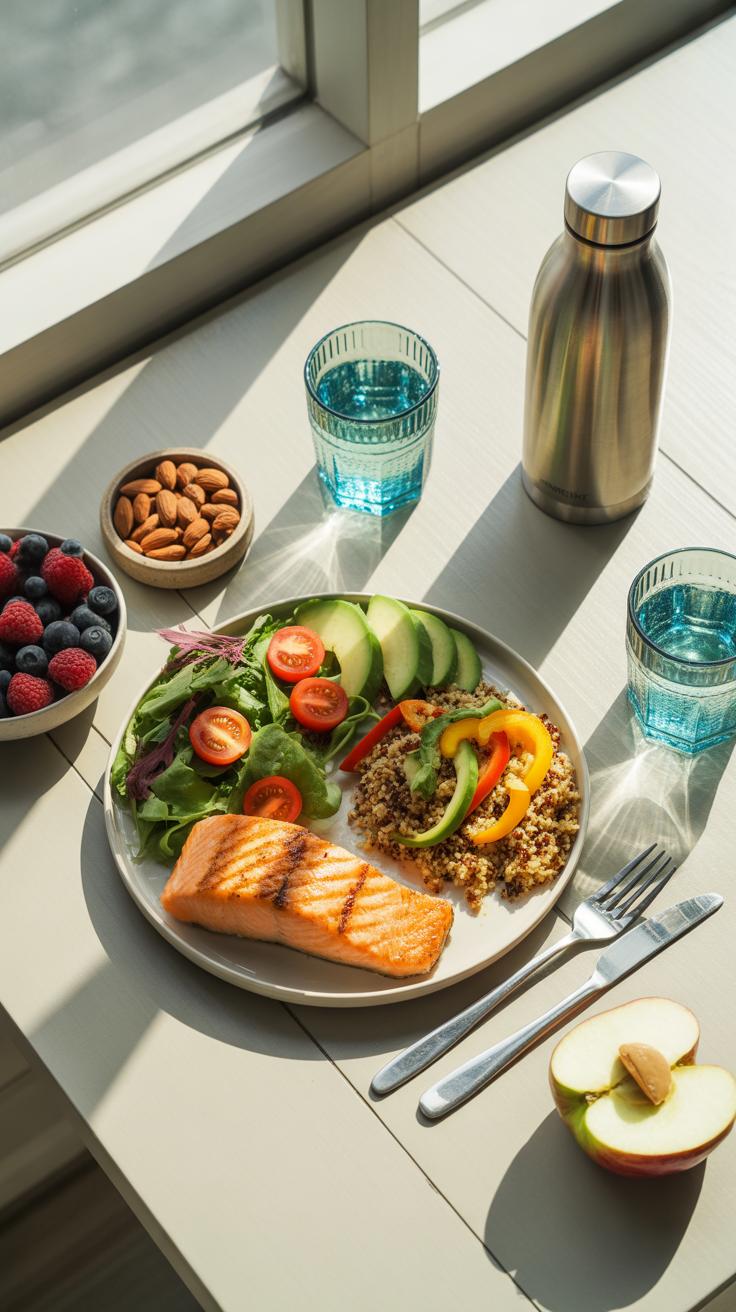
Why Proper Hydration Is A Non Negotiable Part Of Any Healthy Eating Reset
Water regulates every metabolic process in the human body. Dehydration often mimics hunger signals in the brain which leads to unnecessary calorie intake during a 5 day meal plan. Drinking enough water maintains blood volume and electrolyte balance to keep energy levels stable. Without consistent fluid intake your digestion slows down and your kidneys cannot filter waste products efficiently during this dietary reset.
Monitor your urine color to track hydration status accurately. Pale straw color indicates adequate fluid levels while dark yellow signals a need for more water. High protein or fiber intake requires extra fluids to prevent constipation and fatigue. Carry a reusable bottle to measure your daily progress. Avoid sugary drinks and excessive caffeine as these can disrupt sleep cycles and metabolic health throughout the week.
Smart Snacking Strategies That Complement Your Meal Plan Without Derailing Progress
Snacking serves as a bridge between meals to prevent blood sugar crashes. Strategic snacks focus on a combination of fiber and protein to slow gastric emptying. This method keeps you full longer and prevents overeating during dinner. Choose whole foods like nuts or raw vegetables instead of processed bars. Tactical snacking maintains your focus and prevents the irritability often associated with new calorie controlled routines.
Plan your snacks at the start of the week to avoid impulse choices. Portioned containers ensure you do not exceed calorie limits while preoccupied at work. If a snack contains only carbohydrates your energy will spike and then drop quickly. Always pair a fruit or starch with a healthy fat or lean protein source. This balance protects your hormonal response and ensures the 5 day meal plan remains sustainable for your lifestyle.
What Comes After The 5 Days Turning Your Reset Into A Sustainable Lifestyle

How To Transition From A 5 Day Reset Into A Long Term Healthy Eating Routine
Transitioning from a 5 day meal plan requires a shift from strict protocols to flexible systems. Use the last five days as a baseline for portion control and nutrient density. Do not return to previous eating habits immediately. Instead, carry over the habit of prepping proteins and vegetables in bulk. This strategy reduces decision fatigue during the work week and prevents impulsive food choices when your schedule becomes busy.
Maintain success by applying the eighty-twenty rule to your diet. Consume whole foods eighty percent of the time while allowing flexibility for the remaining twenty percent. Use the modular cooking techniques from your reset to build new meals. Focus on high-quality ingredients like lean meats, complex carbohydrates, and healthy fats. Consistency beats intensity every time. Build your routine around repeatable actions that fit your specific daily life and energy needs.
Tracking Your Progress And Adjusting Your Meal Plan As Your Goals Evolve
Data drives results when you move beyond the initial 5 day meal plan. Track your energy levels, sleep quality, and physical performance rather than just body weight. This objective data highlights how specific foods affect your output. Use a simple log to record these metrics daily. Review this information every two weeks. If your energy drops, increase your intake of complex carbohydrates or healthy fats to compensate for the deficit.
Adjust your caloric intake based on your physical activity levels. A static meal plan fails when your lifestyle demands change. High-intensity training days require more fuel than sedentary days. Tune your macronutrient ratios to support your specific objectives, such as muscle gain or fat loss. Stop following a generic template once you understand your body’s unique requirements. Refine your food choices based on factual evidence from your personal tracking logs.
Frequently Asked Questions

What should I expect when starting a healthy 5 day meal plan for the first time?
Starting a 5 day meal plan is an excellent way to jumpstart your wellness goals without feeling overwhelmed. Beginners should expect a focus on whole, unprocessed foods like leafy greens, lean proteins, and complex carbohydrates. You might feel a boost in energy levels and improved digestion as you eliminate inflammatory ingredients. Simply focus on consistency rather than perfection to establish a sustainable foundation for your long-term healthy lifestyle journey.
How can I efficiently prep my meals to stay on track for the entire week?
Success with a 5 day meal plan relies on smart preparation to save time. I recommend dedicating a few hours on Sunday to wash produce, portion out snacks, and cook versatile proteins or grains in bulk. Use airtight glass containers to keep your ingredients fresh and organized in the fridge. Having these components ready to assemble ensures you won’t reach for unhealthy convenience foods when you have a busy or stressful afternoon.
Is it possible to follow a healthy reset if I am on a tight grocery budget?
Absolutely! You can easily adapt this reset to be budget-friendly by focusing on seasonal produce and versatile staples like beans, oats, and frozen vegetables. Buying in bulk and choosing store brands for pantry essentials helps keep costs low while maintaining high nutritional value. Planning your meals ahead of time reduces food waste significantly, ensuring that every ingredient you purchase is used efficiently to nourish your body without breaking the bank.