
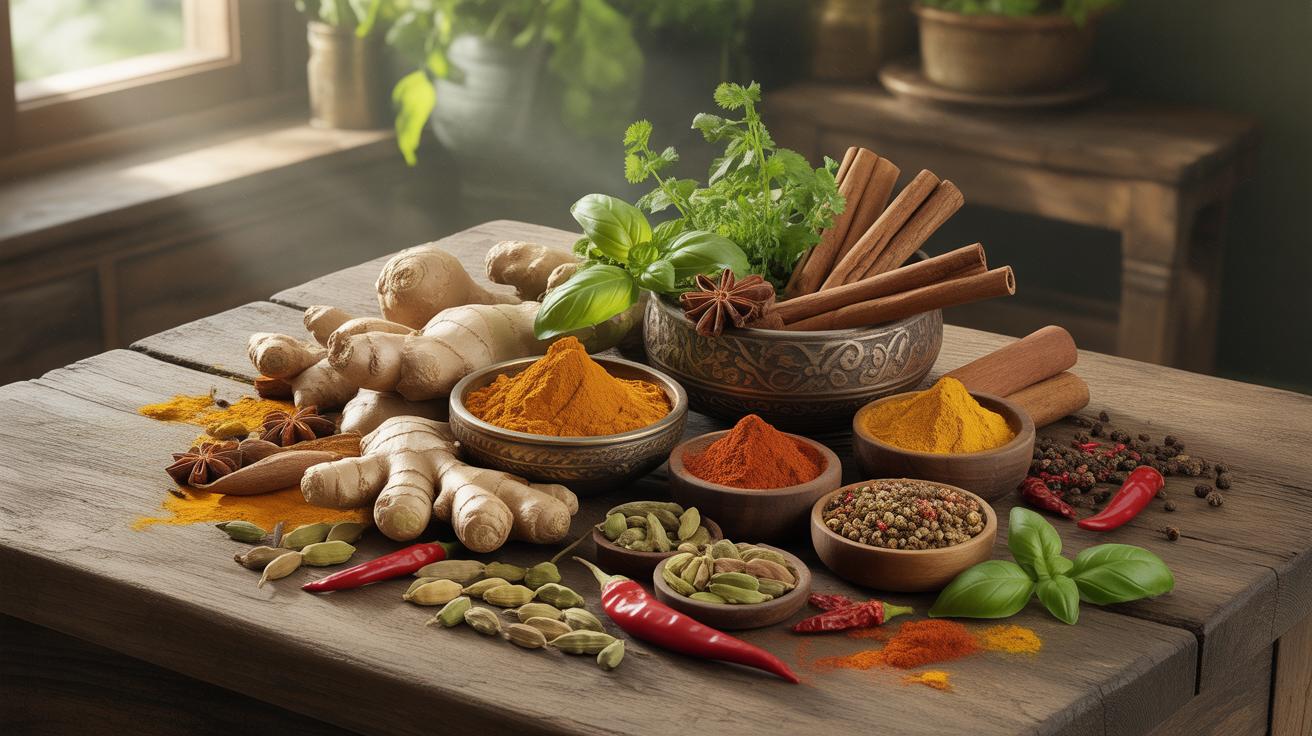
What Are Healing Herbs And Spices And Why Do They Matter
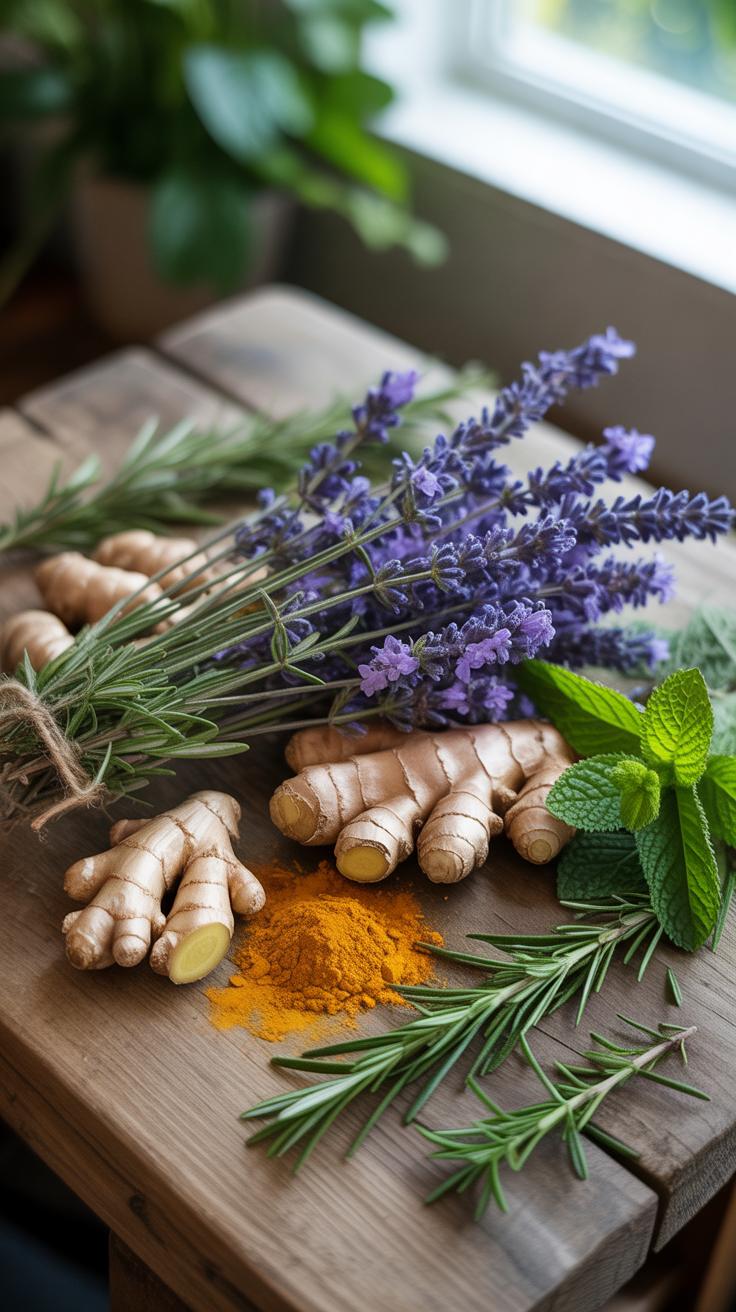
The Ancient Roots Of Using Herbs And Spices For Healing
Ancient civilizations used spices as primary medicine long before they used them for flavor. Early records from Egypt, China, and India show that healers applied these plants to treat infections and digestive issues. Sumerian clay tablets from 3000 BC list botanical remedies used by early physicians. These societies understood that specific plant parts held concentrated chemical compounds capable of altering human physiology.

Trade routes developed specifically to move these potent materials across continents. The Silk Road and spice trade were not just about luxury goods. They were about distributing essential health tools. Civilizations like the Greeks and Romans integrated these dried seeds and leaves into their daily regimens. They recognized that regular intake prevented illness and improved physical stamina during long military campaigns or harsh seasonal changes.
How Modern Science Validates Traditional Spice Use
Modern laboratory testing confirms what ancient healers observed through trial and error. Researchers now isolate specific bioactive compounds like curcumin in turmeric or gingerol in ginger. These elements interact with human cells to reduce inflammation and oxidative stress. Studies show these spices can block certain enzymes that cause pain. Science proves that spices are high-density sources of antioxidants that protect DNA from damage.

Clinical trials now use spices to support metabolic health and brain function. Researchers find that cinnamon helps regulate blood sugar by improving insulin sensitivity. Capsaicin from peppers boosts thermogenesis and aids weight management. We no longer rely on folklore to prove efficacy. Peer-reviewed data confirms that incorporating these ingredients into daily cooking provides a constant stream of protective phyto-chemicals. This validates spices as functional food.
Spices And Their Benefits A Nutritional And Medicinal Overview
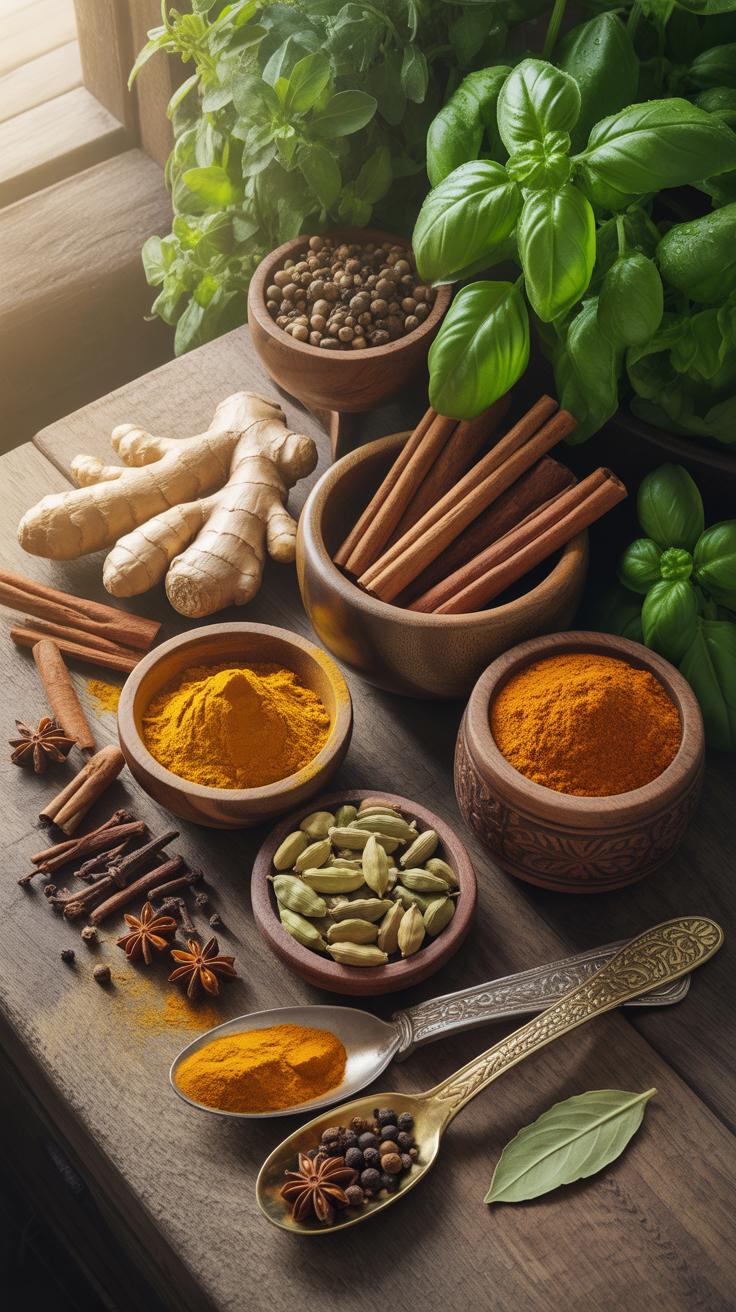
Active Compounds In Spices That Support Human Health
Spices contain secondary metabolites that protect plants from pests. These same compounds provide medicinal effects in humans. Curcumin in turmeric acts as a potent anti-inflammatory agent by blocking specific enzymes. Gingerol in ginger improves digestion and reduces nausea. Piperine in black pepper increases the delivery of nutrients to your cells. These chemicals give spices their distinct flavors while performing critical biological work.
Capsaicin in chili peppers triggers heat sensors and boosts metabolic rates. Cinnamaldehyde in cinnamon helps regulate blood sugar by improving insulin sensitivity. Eugenol in cloves provides strong antioxidant and antimicrobial properties. Modern science confirms these effects through rigorous clinical trials. These active ingredients target inflammation and oxidative stress at the cellular level. Using them daily creates a compounding effect on your long-term physical health.
A pinch of spice is a whisper from the past that turns a simple meal into an act of healing. It is the heart of the home, bringing both flavor and vitality to those we love.
How Cooking With Spices Can Enhance Nutritional Value In Meals
Adding spices to your cooking does more than improve flavor. Spices significantly increase the antioxidant capacity of a meal without adding calories. They prevent the formation of harmful compounds when you cook meat at high temperatures. For example, marinating beef in rosemary reduces heterocyclic amines. These carcinogens often form during grilling or frying. Spices act as a chemical shield for your food.
Spices also improve the bioavailability of other nutrients in your diet. Fat-soluble compounds like curcumin require heat and fats for proper absorption. Cooking spices in oil releases their active molecules into the dish. This process ensures your body can actually use the nutrients you consume. Using spices allows you to reduce sodium and sugar intake. You gain better health outcomes by replacing empty calories with nutrient-dense seasoning.
Turmeric One Of The Most Celebrated Spices For Health
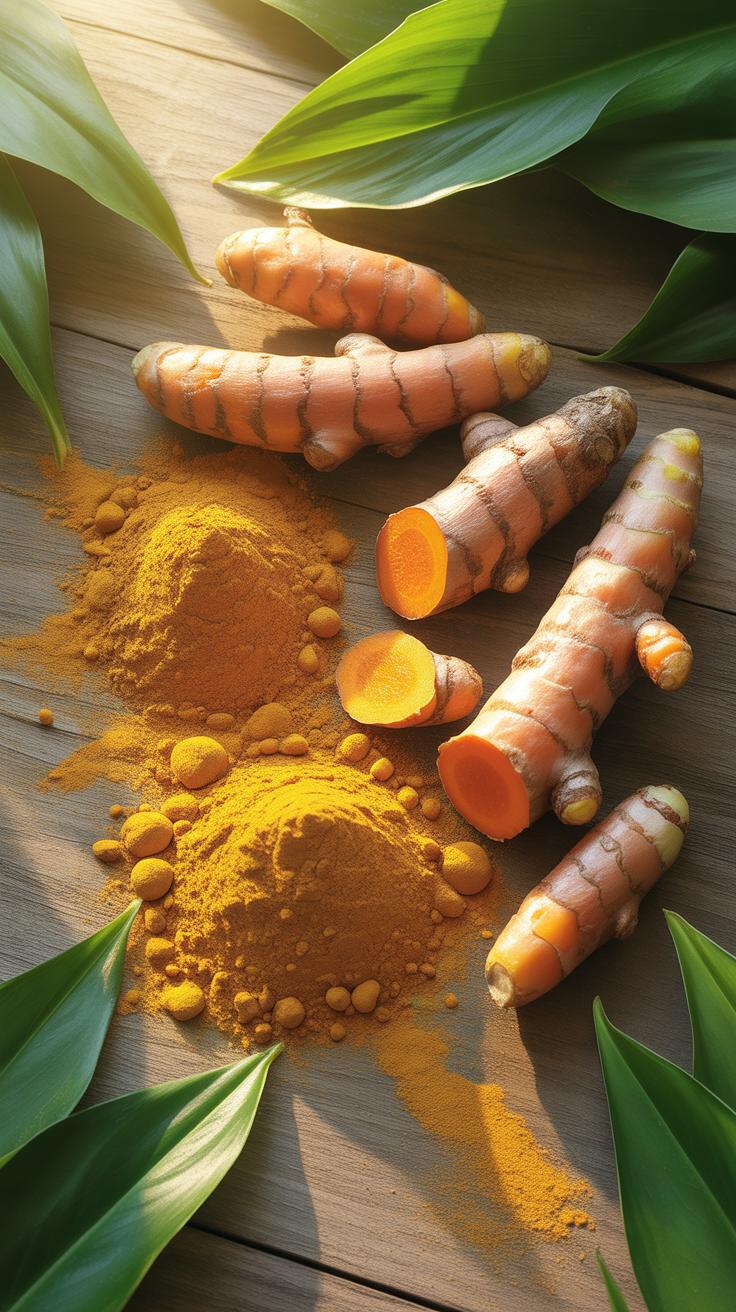
Curcumin In Turmeric And Its Anti Inflammatory Properties
Turmeric contains curcumin. This bioactive compound serves as the primary pharmacological agent in the spice. Curcumin blocks NF-kB molecules that travel into the nuclei of your cells and turn on genes related to inflammation. Systemic inflammation drives many chronic Western diseases. By inhibiting these pathways, curcumin functions as a natural anti-inflammatory tool. Research shows it matches the effectiveness of some anti-inflammatory drugs without the toxic side effects.
Bioavailability remains the main challenge for curcumin consumption. The human body metabolizes curcumin quickly and eliminates it before absorption occurs. You must pair turmeric with piperine to solve this issue. Piperine is the active alkaloid in black pepper. Scientific data confirms that piperine increases curcumin absorption by two thousand percent. This combination ensures the compound reaches the bloodstream to provide maximum neurological and joint health support.
How To Incorporate Turmeric Into Everyday Cooking
Effective turmeric use requires heat and fat. Like many phytochemicals, curcumin is fat-soluble. You should dissolve the powder into healthy fats such as coconut oil, ghee, or olive oil during the initial cooking phase. This method ensures the compound stabilizes before you add other ingredients. Always add a generous pinch of cracked black pepper to the fat mixture. This tactical pairing unlocks the full biological potential of the spice.
Apply turmeric to proteins and vegetables to maximize daily intake. Use it in dry rubs for poultry or whisk it into salad dressings. It works well in soups and slow-cooked stews where the low heat allows the flavors to meld. Avoid over-boiling the spice as extreme heat for long periods can degrade the active curcumin. Consistency matters more than quantity. Small daily doses provide better long-term health outcomes than occasional large amounts.
Ginger And Cinnamon Powerful Spice Benefits For Digestion And Blood Sugar

Ginger’S Role In Soothing Digestion And Reducing Nausea
Ginger contains active compounds called gingerols and shogaols. These chemicals speed up the rate at which food moves through the stomach. This process relieves pressure and prevents bloating. Doctors often recommend ginger for motion sickness and pregnancy-related morning sickness because it blocks specific receptors in the gut. Science confirms that ginger works as a natural prokinetic agent to improve metabolic efficiency.
Traditional Chinese Medicine and Ayurveda used ginger for thousands of years to treat gastrointestinal distress. Modern clinical trials support these historical uses for postoperative recovery and chemotherapy-induced nausea. You can use fresh root or dried powder to achieve these effects. Ginger also reduces intestinal cramping by relaxing the smooth muscles in the gut lining. This makes it a primary tool for managing daily digestive discomfort.
How Cinnamon Helps Regulate Blood Sugar Levels Naturally
Cinnamon improves insulin sensitivity by mimicking the action of insulin in the body. It increases glucose uptake by cells, which lowers overall blood sugar levels. Cassia and Ceylon are the two main varieties used in cooking today. Research shows that consuming cinnamon after a meal slows down the breakdown of carbohydrates in the digestive tract. This prevents sharp spikes in blood glucose levels.
You should prioritize Ceylon cinnamon for regular consumption because it contains lower levels of coumarin. Coumarin can cause liver issues if consumed in high amounts. The spice works by inhibiting enzymes like alpha-glucosidase that turn starch into sugar. By managing these levels, cinnamon helps stabilize energy and reduces the risk of metabolic disorders. It is a functional ingredient that provides measurable metabolic support for most diets.
Herbs For Health The Healing Power Of Garlic And Oregano
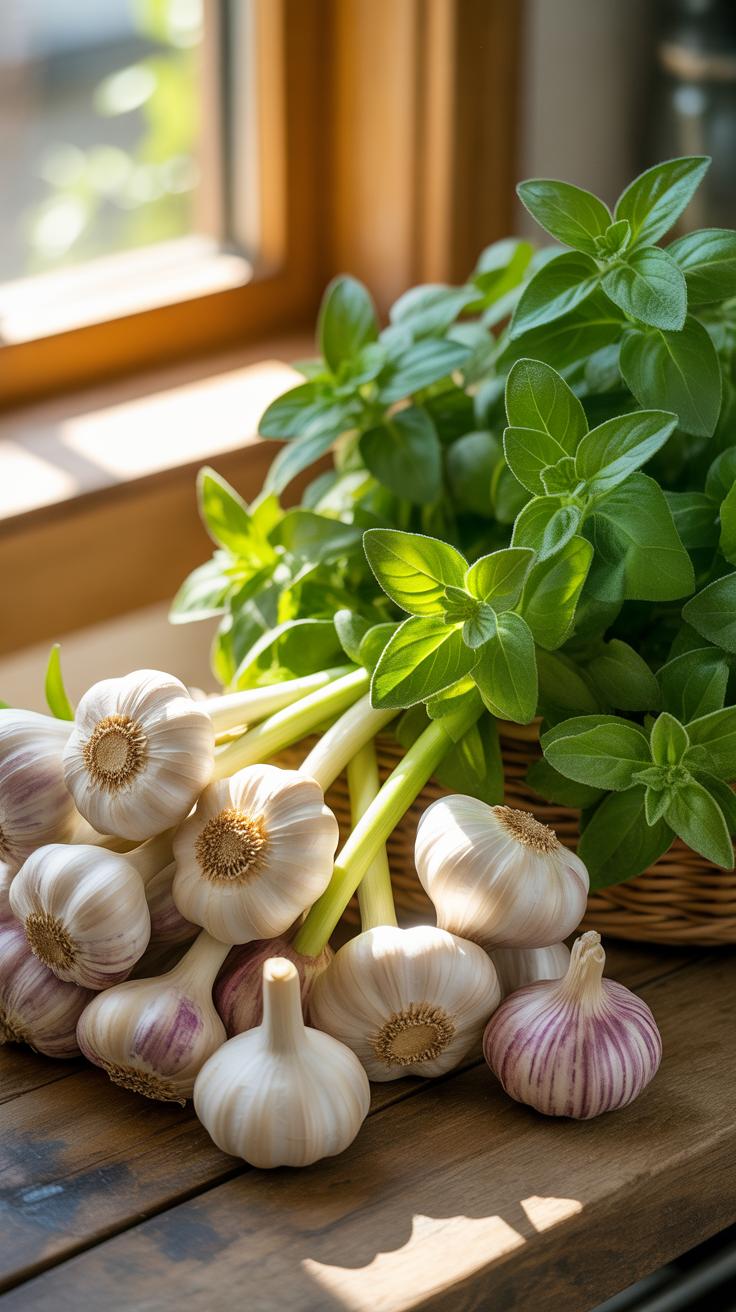
Garlic As A Natural Antimicrobial And Heart Health Supporter
Garlic contains allicin which provides strong antimicrobial properties. This compound activates when you crush or chop the bulb. It targets bacteria and viruses effectively. National health studies show garlic reduces blood pressure in hypertensive individuals. It relaxes smooth muscle cells in blood vessels. This process improves blood flow and lowers stress on the heart. You should use fresh garlic to maximize these specific biological outcomes.
Regular garlic consumption improves lipid profiles by lowering total cholesterol levels. It prevents platelets from sticking together which reduces the risk of dangerous blood clots. Historical records show ancient civilizations used garlic to treat infections before modern medicine existed. Modern research confirms these traditional uses through controlled clinical trials. Add garlic at the end of cooking to preserve the heat-sensitive enzymes that drive these health benefits.
Oregano’S Antioxidant Strength And Its Role In Fighting Inflammation
Oregano contains high concentrations of carvacrol and thymol. These two compounds act as powerful antioxidants that neutralize free radicals in the body. Free radicals cause oxidative stress which leads to chronic cellular damage. By eating oregano you give your body tools to stop this damage early. Scientific tests rank oregano as one of the highest antioxidant herbs available. It provides more protection than many common fruits.
The herb also functions as a potent anti-inflammatory agent. Chronic inflammation triggers many serious diseases like arthritis and heart failure. Oregano suppresses the production of inflammatory cytokines in the immune system. This reduction helps manage long-term swelling and pain throughout your body. Use dried oregano for concentrated flavor and high mineral content. It provides a simple way to boost your daily intake of protective plant compounds.
Health Benefits Of Spices Like Cayenne Black Pepper And Cardamom
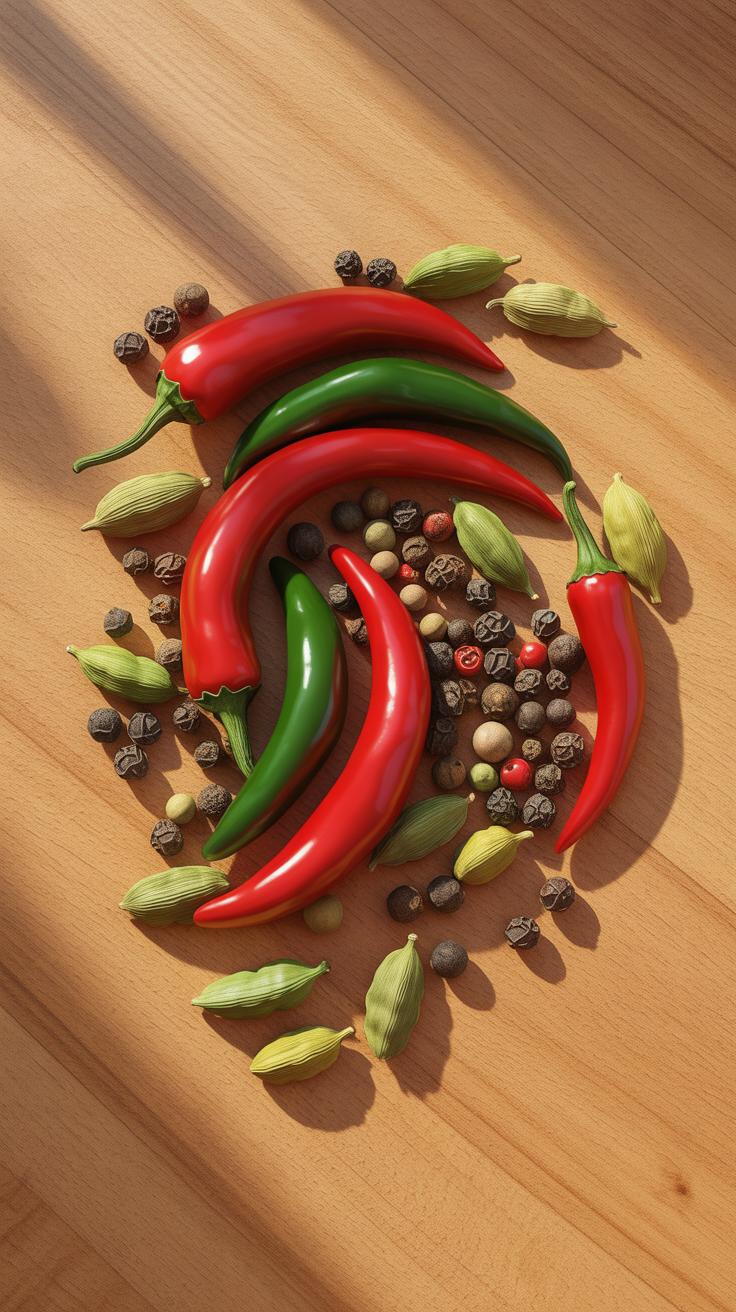
Cayenne Pepper And Black Pepper: Metabolism Boosters With Real Science Behind Them
Cayenne pepper contains capsaicin. This compound creates the heat in the fruit. Capsaicin triggers thermogenesis in the human body. This process raises your core temperature and burns extra calories. Research shows capsaicin can also suppress your appetite. It reduces levels of ghrelin which is the hormone that signals hunger. This combination makes cayenne a powerful tool for weight management and metabolic health.
Black pepper contains piperine. This alkaloid provides the sharp flavor of the spice. Piperine interferes with the formation of new fat cells. It also increases the bioavailability of other nutrients. You must pair black pepper with turmeric to absorb curcumin effectively. Piperine blocks the metabolic pathway that normally flushes curcumin out. This synergy ensures your body actually uses the healthy compounds you consume during meals.
Cardamom’S Digestive And Antioxidant Benefits In Culinary Traditions
Cardamom has served as a digestive aid for centuries. Ancient medical systems used it to treat gut discomfort and bloating. The spice contains active compounds that stimulate bile flow. Increased bile helps the body break down fats more efficiently. It also has antimicrobial properties that target harmful gut bacteria. These mechanical actions improve overall nutrient absorption and reduce gas after you eat heavy or complex meals.
Cardamom provides high levels of antioxidants and minerals. These compounds protect cells from oxidative stress and inflammation. Studies suggest cardamom can help lower blood pressure due to its diuretic effect. This means it helps the body remove excess water and salt. The spice also promotes oral health by killing bacteria that cause bad breath and cavities. Use it daily to support heart health and maintain a clean digestive tract.
A Healing Herbs And Spices List Every Home Cook Should Know
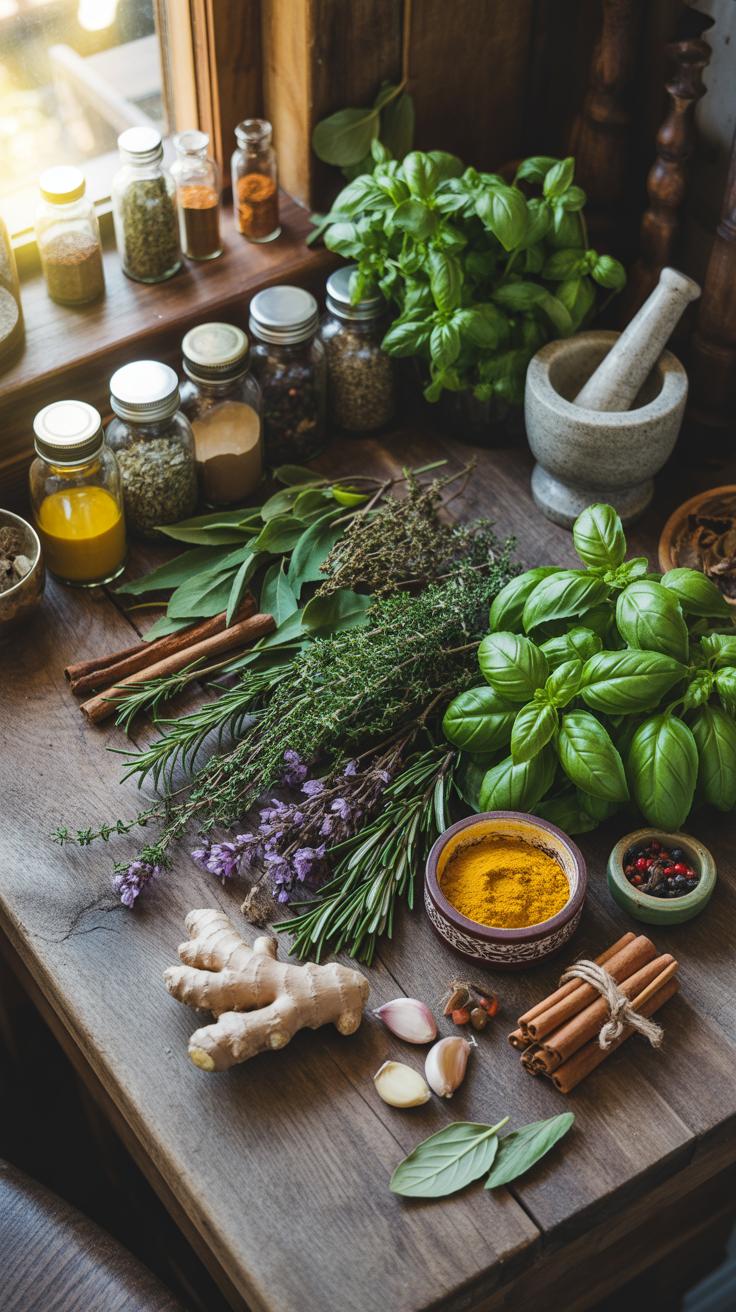
Top Healing Spices To Stock In Your Pantry For Daily Wellness
Strategic spice selection transforms your kitchen into a center for preventative health. You must prioritize high-potency options that offer scientifically backed physiological advantages. These spices contain bioactive compounds that target inflammation, oxidative stress, and metabolic function. Stocking these specific items allows you to integrate medicinal benefits into every meal without changing your entire routine. Focus on quality and freshness to ensure maximum chemical efficacy.
- Turmeric: This root contains curcumin, a powerful anti-inflammatory compound. You must pair it with black pepper to increase absorption by two thousand percent. It supports joint health and manages systemic inflammation effectively in daily dosages.
- Ceylon Cinnamon: Use this specific variety to regulate blood sugar levels and improve insulin sensitivity. Unlike Cassia cinnamon, Ceylon has lower coumarin levels, making it safer for regular liver health. It provides a dense source of protective antioxidants.
- Ginger: This rhizome contains gingerol, which stimulates digestion and reduces nausea. It acts as a potent prokinetic agent to move food through the gut. Use it to combat exercise-induced muscle pain and support overall immune response.
- Garlic: Sulfur compounds like allicin provide cardiovascular benefits by reducing arterial stiffness. It effectively lowers LDL cholesterol and blood pressure when consumed regularly. Crush or chop the cloves and wait ten minutes before cooking to activate the beneficial enzymes.
- Long Pepper: This ancient spice contains piperine, which aids nutrient transport across the intestinal wall. It enhances the bioavailability of other fat-soluble nutrients and minerals. Use it as a tactical alternative to standard black pepper for superior digestive fire.
Consistent consumption yields the best results for long-term health markers. Do not wait for illness to use these tools. Add them to fats during the cooking process to release fat-soluble nutrients. Store your spices in cool, dark environments to prevent the degradation of essential oils. Replacing your inventory every six months ensures you receive the full chemical potency required for actual biological impact and healing.
How To Pair Healing Herbs With Common Ingredients For Maximum Benefit
Pairing specific herbs with the right macronutrients dictates how well your body absorbs their active compounds. Many healing chemicals are fat-soluble and require a lipid carrier to enter the bloodstream. Combining rosemary with grilled meats reduces the formation of heterocyclic amines, which are harmful compounds created during high-heat cooking. Use acidic bases like lemon juice or vinegar to extract minerals from leafy greens and woody herbs.
Strategically combine fat-rich foods like avocado or olive oil with colorful spices to unlock their full potential. Zinc-rich seeds paired with sulfurous garlic enhance the absorption of minerals. Avoid high-heat frying with delicate herbs like parsley or cilantro to prevent the destruction of heat-sensitive vitamins. Use dry heat for sturdy seeds like cumin and coriander to toasted perfection. This tactical approach ensures every gram of spice delivers a functional health outcome.
Herbs And Spices For Healing How To Use Them Safely And Effectively
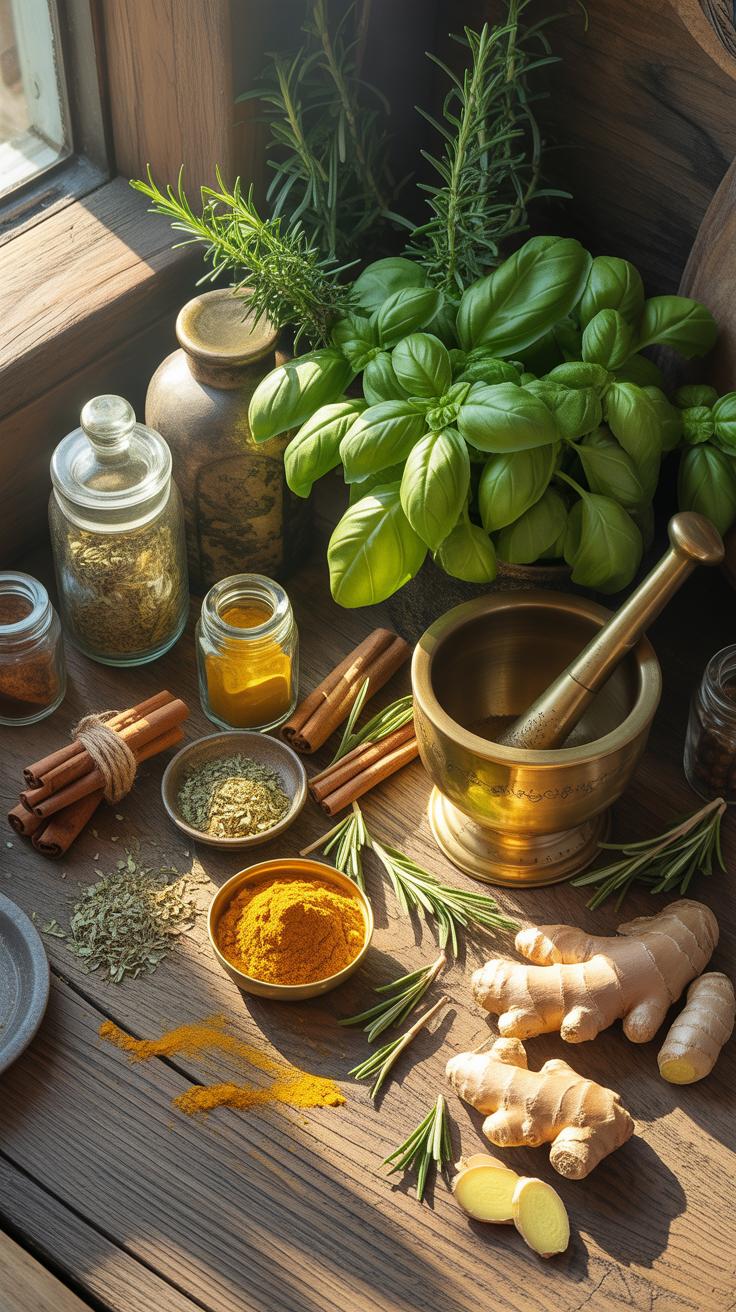
Understanding Safe Dosages And Potential Interactions With Medications
Spices act as powerful biochemical agents in the body. You must treat them with the same respect as pharmaceutical drugs. High doses of turmeric or ginger can thin your blood significantly. This creates a dangerous risk if you already take prescription anticoagulants. Always stick to culinary amounts unless a doctor approves higher doses. Excessive intake of any concentrated spice can irritate the gut or liver.
Metabolism of medication often happens in the liver through specific enzymes. Certain spices like black pepper or cinnamon can alter how these enzymes process your pills. This might lead to toxic levels of medicine in your system or make the drugs fail. Check for interactions if you have chronic conditions like diabetes or heart disease. Do not assume natural products are always safe for every person.
Best Practices For Storing Spices To Preserve Their Healing Properties
Light, heat, and oxygen destroy the volatile oils that provide health benefits. You must protect your investment by controlling the storage environment. Transparent glass jars look good but allow UV rays to degrade the chemical compounds inside. Switch to opaque containers or keep clear jars inside a dark pantry. Heat from the stove will ruin the potency of your spices quickly.
- Climate Control: Store your spices in a cool and dry location away from the oven. High temperatures cause the essential oils to evaporate. This results in a loss of both flavor and medicinal value over a short period of time.
- Airtight Sealing: Use jars with tight silicone seals to prevent oxygen from entering the container. Oxidation turns healthy fats in spices rancid and neutralizes antioxidants. Keep the lids closed tight at all times except when you are actively measuring.
- Avoid Moisture: Never shake a spice bottle directly over a steaming pot of food. Rising steam enters the jar and promotes mold growth or clumping. Use a dry spoon to move the spice from the container to the cooking vessel instead.
- Whole Grinding: Buy whole seeds and peppercorns rather than pre-ground powders whenever possible. The outer shell protects the delicate oils from air exposure. Grind only what you need for each meal to ensure you get the maximum dose of nutrients.
- Dark Storage: Keep all spices inside a cabinet or drawer to block out sunlight. Constant light exposure bleeds the color and strength out of herbs like parsley and cilantro. Darker environments keep the chemical structures stable for a much longer duration.
Organizing your spice rack by purchase date ensures you use the freshest stock. Ground spices generally lose their therapeutic effectiveness after six months of storage. Whole spices can last up to two years if you follow the rules above. Smell your spices regularly to check for a sharp and pungent aroma. If the scent is faint or dusty, the healing properties have likely vanished.
How To Build A Cooking Routine Around Spices For Health And Flavor

Simple Meal Planning Strategies That Prioritize Healing Spices
Effective meal planning starts with identifying a base protein or vegetable. You must select three primary spices to define the nutritional profile of each meal. Turmeric and black pepper belong in every savory dish to maximize curcumin absorption. Do not treat spices as an afterthought during the final plating. Add heat-stable spices like cumin and coriander during the initial cooking stages to release fat-soluble compounds.
Prep your spice blends in advance to save time during high-stress weekdays. Batch-grind whole seeds to preserve volatile oils and potency. Store these blends in airtight glass containers away from direct sunlight and heat sources. This habit ensures you apply therapeutic doses consistently rather than using negligible amounts. Measure your intake to hit target levels of active antioxidants. Consistent application creates a reliable system for metabolic support.
How Consistent Spice Use Contributes To Long Term Health And Wellbeing
Frequent spice consumption provides a steady stream of phytonutrients to the body. Chronic inflammation drives many modern diseases. Spices like ginger and cinnamon contain bioactive molecules that inhibit inflammatory pathways. These effects are cumulative rather than immediate. You build a chemical defense by eating these ingredients daily. This routine stabilizes blood sugar and improves digestive efficiency over months and years of consistent adherence.
Spices replaced salt and sugar in ancient medicinal traditions for functional reasons. Modern clinical data confirms that regular spice intake reduces oxidative stress on cells. Capsaicin from chili peppers supports thermogenesis and cardiovascular health through repeated exposure. You must view spices as a low-cost preventive tool. Long-term health requires high-quality inputs at every meal. Building this routine ensures your body functions at peak performance levels daily.
Frequently Asked Questions

What are the best healthy spices to start using for a beginner?
If you are new to cooking with nutrition in mind, turmeric and cinnamon are perfect starting points. Turmeric contains curcumin, which offers powerful anti-inflammatory properties, while cinnamon can help regulate blood sugar levels. Learning about healthy spices and benefits doesn’t have to be overwhelming. Simply adding a pinch of these to your morning oatmeal or roasted vegetables can significantly boost your daily antioxidant intake without requiring complex recipes.
How can I maximize the flavor and health benefits of my spices while cooking?
To get the most out of healthy spices and benefits, try “blooming” them in a small amount of healthy fat like olive oil or ghee before adding other ingredients. This process releases fat-soluble compounds and aromatic oils, enhancing both flavor and nutrient absorption. Additionally, always crack black pepper into dishes containing turmeric, as the piperine in pepper increases your body’s ability to absorb the turmeric’s beneficial curcumin by up to 2,000 percent.
Can I get health benefits from dried spices even if I can’t afford fresh herbs?
Absolutely! Dried spices are often more concentrated than fresh versions, meaning you get a potent dose of nutrients for a fraction of the cost. Pantry staples like dried ginger, oregano, and garlic powder provide excellent cardiovascular and digestive support. Buying in bulk or choosing store brands is a budget-friendly way to stock your kitchen with wellness-boosting ingredients while ensuring your home-cooked meals remain both delicious and incredibly nutritious for your family.