
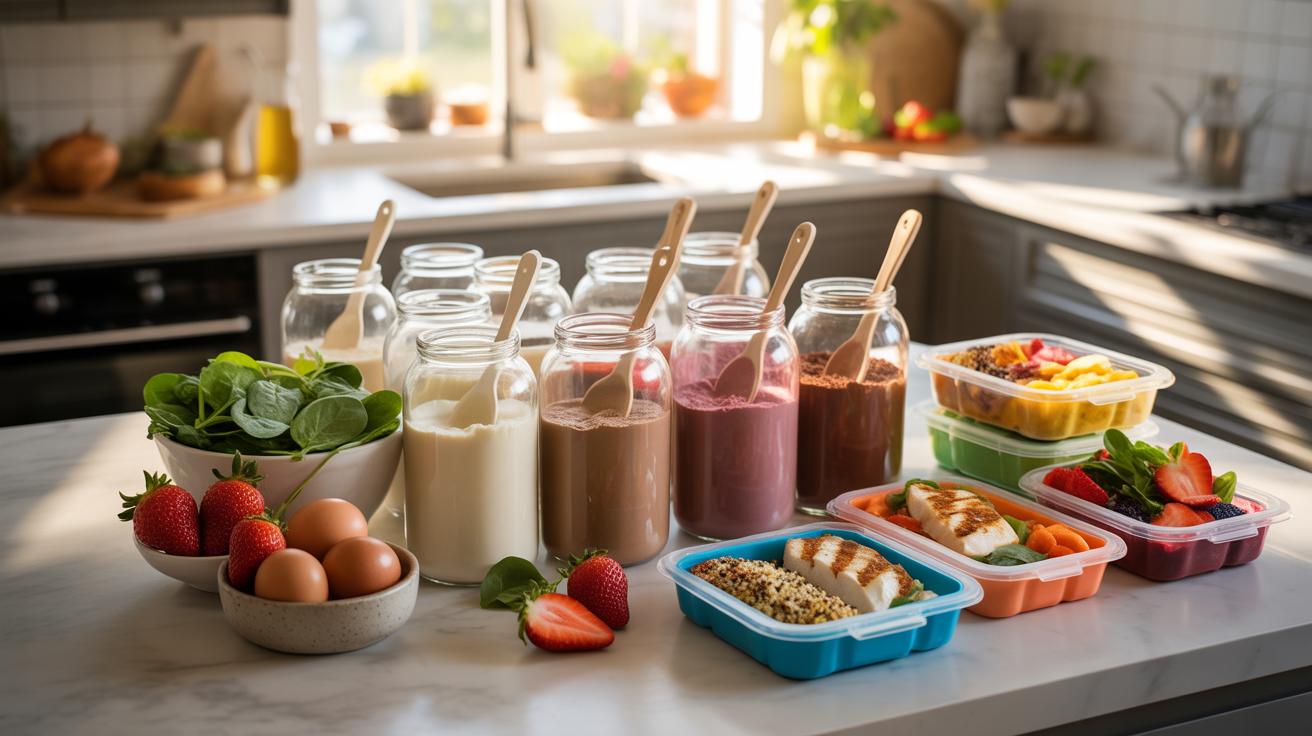
What Makes A Protein Powder Ideal For Cooking And Meal Prep
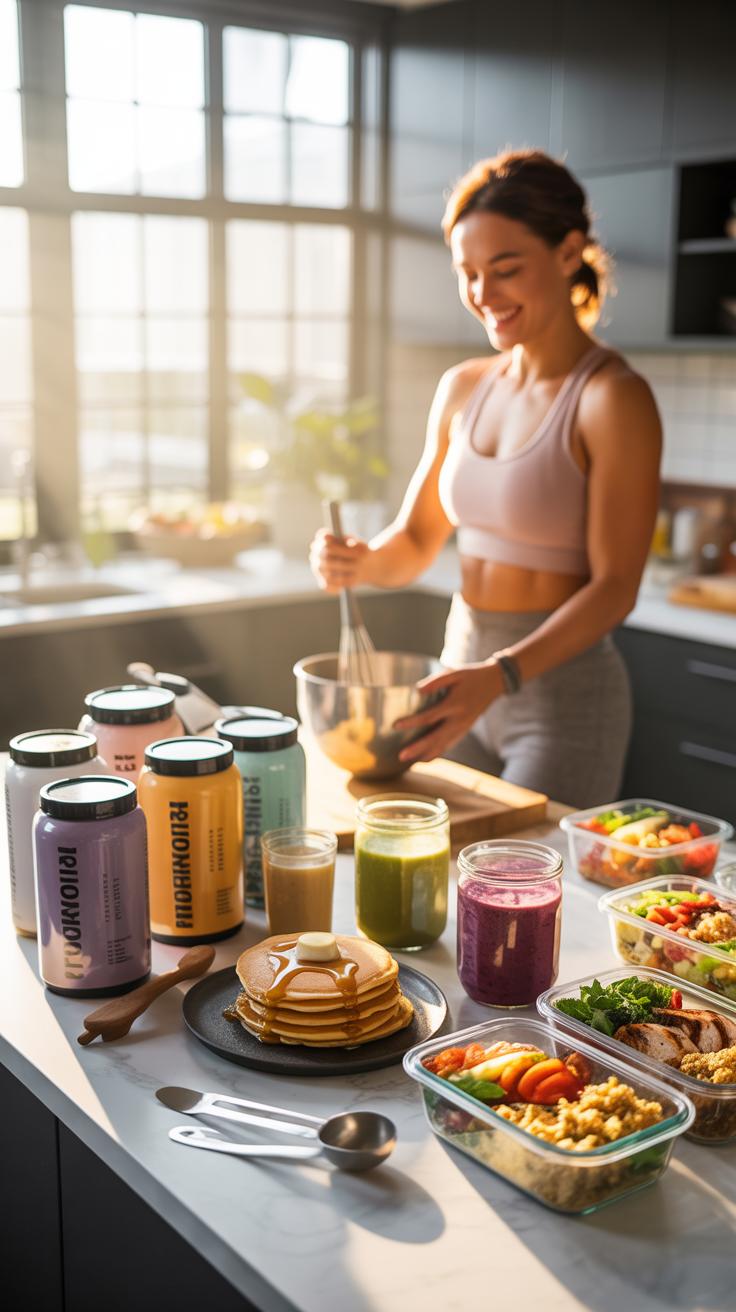
Heat Stability: Why It Matters When Baking Or Cooking With Protein Powders
Heat changes the structural integrity of protein molecules. This process is called denaturation. In high heat, some proteins break down and lose their ability to hold air or moisture. Whey protein is highly sensitive to temperature. It often becomes rubbery or dry when you bake it above 350 degrees Fahrenheit. You must understand the smoke point and thermal limits of your powder to avoid ruined meals.

Casein and plant based proteins handle heat better than whey. They maintain their structure during the baking process. This stability prevents your muffins or breads from collapsing. If you use a powder that lacks heat stability, your food will become tough and inedible. Choosing a stable powder ensures the final product remains moist and structurally sound. Proper heat management is the foundation of successful protein meal prep.
Flavor Neutrality And Texture: How Protein Powder Affects Your Recipes
Protein powders act as a flour replacement in many recipes. However, they do not behave like wheat flour. Whey protein is thin and can make batters runny. Plant proteins like pea or rice absorb more liquid. This absorption can turn a soft dough into a dry brick if you do not adjust the hydration. You must balance the liquid ratios to maintain a palatable texture in your meal prep.

The best protein powder for cooking has a neutral flavor profile. Highly sweetened or artificially flavored powders ruin savory dishes and overpower subtle ingredients. Unflavored versions provide the most versatility for complex recipes. Texture also dictates how the powder mixes into soups or sauces. Cold processed powders usually clump less. Smooth integration is essential for a high quality finish. Choose your powder based on the final mouthfeel you desire.
Top Types Of Protein Powder And How They Perform In The Kitchen
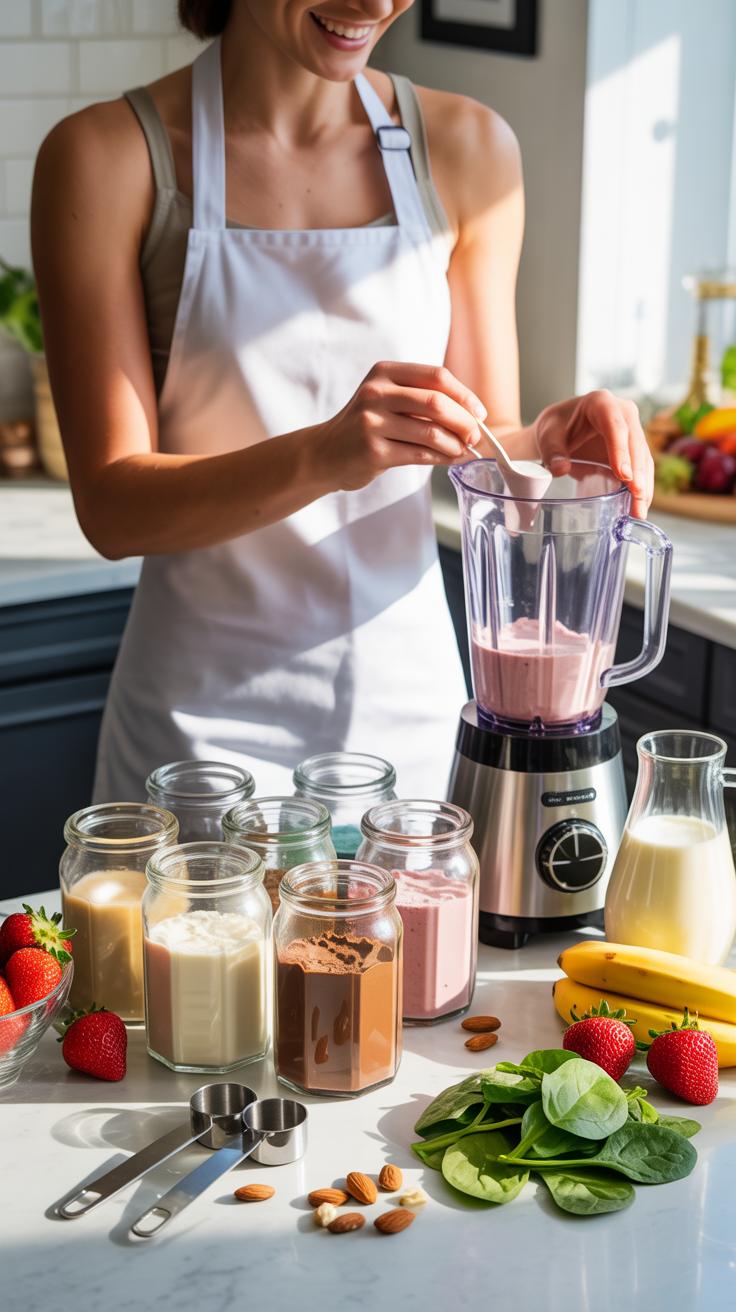
Whey, Casein, And Egg White Protein Powders: Animal Based Options For Cooking
Whey concentrate and isolate react differently to heat. High temperatures cause whey to denature and dry out quickly. This makes it poor for baking long durations but excellent for quick recipes like pancakes or mug cakes. You must add moisture to offset the drying effect. Use fats or fruit purees to keep the texture soft when using whey in your meal prep.
Casein is the superior choice for thick textures. It absorbs more liquid than whey and creates a pudding-like consistency. This makes it ideal for overnight oats or protein fluffs. When baked, casein maintains structure better than whey. Egg white protein offers a neutral profile and acts as a binder. It mimics the leavening properties of whole eggs in bread or muffin recipes.
Pea, Brown Rice, And Soy Protein Powders: Plant Based Alternatives For Meal Prep
Plant proteins absorb heavy amounts of liquid. Pea protein is the most versatile for savory cooking because of its earthy flavor and thick texture. It works well in soups, stews, and veggie burgers. Brown rice protein often has a gritty texture that remains after cooking. You must blend it with other high-moisture ingredients to hide the sand-like mouthfeel during your weekly meal prep.
Soy protein isolate provides the smoothest texture among plant options. It behaves similarly to casein by thickening significantly when mixed with water or milk. This makes it a top choice for protein-rich sauces and dressings. Always increase the liquid ratio by twenty percent when swapping animal protein for plant protein in recipes. This prevents your finished dishes from becoming too dense or brittle after they cool.
Best Protein Powder For Baking Pancakes Muffins And Breads
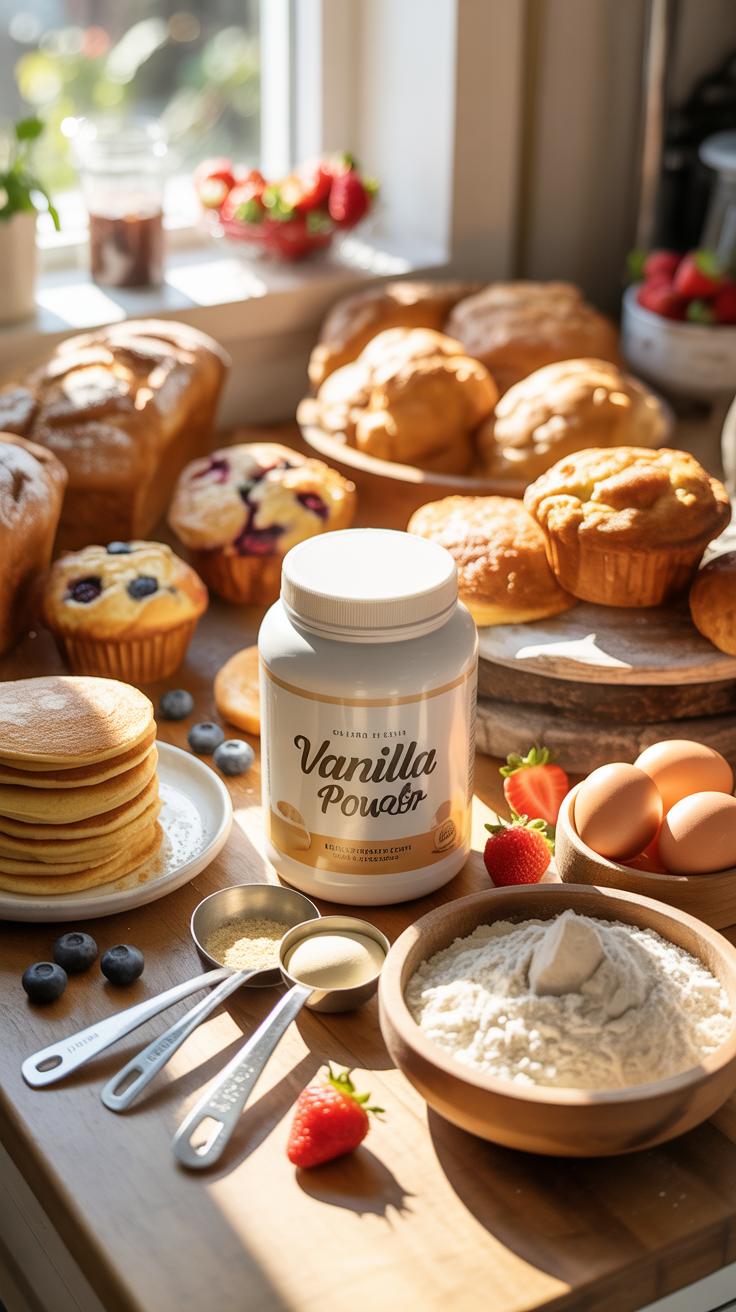
How To Substitute Protein Powder For Flour In Baked Goods Without Ruining Texture
Protein powder is not a direct one-to-one replacement for flour. It lacks the structural gluten found in wheat. Replacing more than twenty-five percent of the total flour volume usually results in a rubbery or dry product. You must maintain enough starch to hold moisture. Most protein powders absorb more liquid than standard flour. Increase the liquid fats or water in your recipe to compensate for this absorption.
The type of protein determines the final texture. Whey protein often dries out at high temperatures and becomes tough. Casein protein or plant-based blends work better for baking because they retain moisture. Always weigh your ingredients instead of using scoops for accuracy. Small errors in protein ratios lead to dense muffins or flat pancakes. Use leavening agents like baking powder to help the heavier batter rise effectively during the bake.
Good food is the foundation of genuine happiness and the heart of every home. The right ingredients turn a simple recipe into a timeless memory for the ones you love.
Recommended Protein Powders That Hold Up Best In High Heat Baking
Choosing the best protein powder for the oven requires looking at heat stability and moisture retention. Casein is the gold standard for baking applications due to its thick consistency. It mimics the structural properties of flour better than whey isolate. Isolate often becomes brittle when exposed to dry heat. Plant proteins offer a dense crumb that suits heavy breads and muffins.
- Casein Protein: This slow-digesting milk protein creates a thick paste when mixed with liquid. It stays moist during long bake times and provides a cake-like texture. It is the most reliable option for muffins and breads that need to stay soft for several days.
- Whey and Casein Blends: Blended powders provide the best of both worlds. The whey keeps the batter light while the casein prevents the final product from drying out. These blends are highly versatile for pancakes and quick breads. They offer a balanced macronutrient profile and superior taste.
- Soy Protein Isolate: Soy protein handles high heat without changing its chemical structure significantly. It has a neutral flavor that disappears in spiced baked goods like carrot cake or pumpkin bread. It provides a sturdy structure that prevents your baked goods from collapsing after they leave the oven.
- Pea Protein: This plant-based option is naturally high in fiber and absorbs a large amount of liquid. It works well in savory breads or dense muffins. Pea protein creates a more rustic texture compared to dairy proteins. It is a stable choice for those avoiding lactose or animal products.
- Egg White Protein: This powder acts as a natural leavening agent and binder. It is excellent for making protein-rich breads that need to be airy. It has a high biological value and mimics the functional properties of whole eggs. Use it when you want a crispier crust on your goods.
Select a powder based on the desired density of your recipe. Avoid using pure whey isolate for items that require a long time in the oven. The lack of fat and lactose in isolates causes them to toughen under heat. Always check the ingredient label for added thickeners like xanthan gum. These additives actually help improve the crumb of gluten-free baked goods. Proper selection ensures your meal prep remains edible all week.
Using Protein Powder In Savory Meal Prep Soups Sauces And More
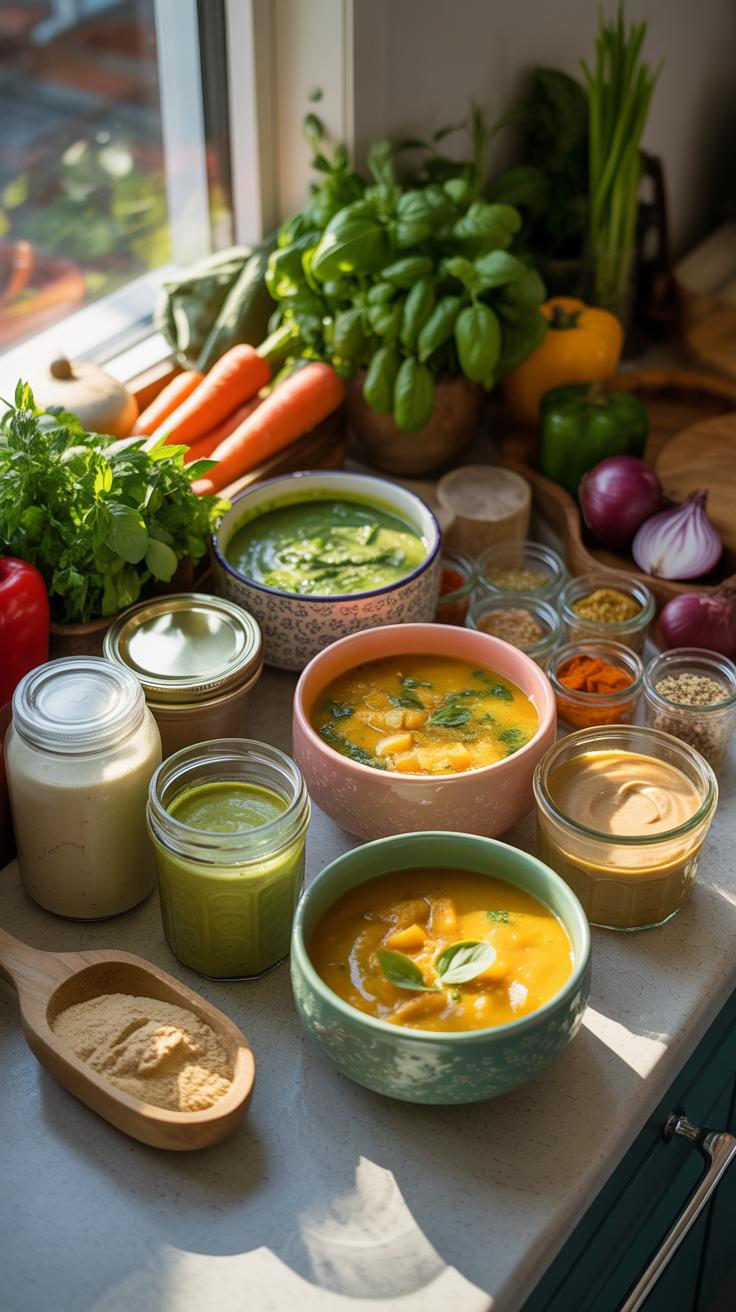
Which Protein Powders Blend Seamlessly Into Savory Dishes Without Altering Taste
Unflavored whey protein isolate is the industry standard for savory integration. It contains minimal lactose and fats which prevents unwanted sweetness or dairy aftertastes. Isolate dissolves rapidly in liquids at moderate temperatures. This makes it ideal for fortifying creamy bases. Always choose a cold-processed powder to ensure the proteins do not denature before they reach your pot. This maintains the structural integrity of the nutrients.
Unflavored collagen peptides offer a heat-stable alternative for clear liquids. Collagen does not thicken or gel when heated like whey or casein. You can stir it into bone broths or light soups without changing the visibility of the liquid. For plant-based needs, pea protein isolate works best in earthy dishes. It provides a neutral, slightly nutty profile that complements lentils and root vegetables. Avoid using soy protein in high-heat savory applications.
Practical Savory Meal Prep Ideas That Incorporate Unflavored Protein Powder
Whisk unflavored whey isolate into Greek yogurt to create a high-protein base for sauces and dips. This replaces heavy cream or mayonnaise in chicken salad or pasta sauces. You must add the powder to room temperature liquids first to prevent clumping. Stir it into pesto or marinara right before serving to keep the texture smooth. This method increases protein density without adding significant volume or calories to your meal.
Stir collagen or pea protein directly into mashed potatoes or mashed cauliflower during the final prep stage. The high moisture content in these vegetables helps the powder hydrate. For liquid meal prep, mix protein into chilled soup bases like gazpacho or vichyssoise. Always use an immersion blender for a professional finish. This ensures the powder fully incorporates into the fiber of the food. Consistency remains stable during refrigeration for up to four days.
Protein Powder Packaging What To Look For When Buying For Bulk Meal Prep
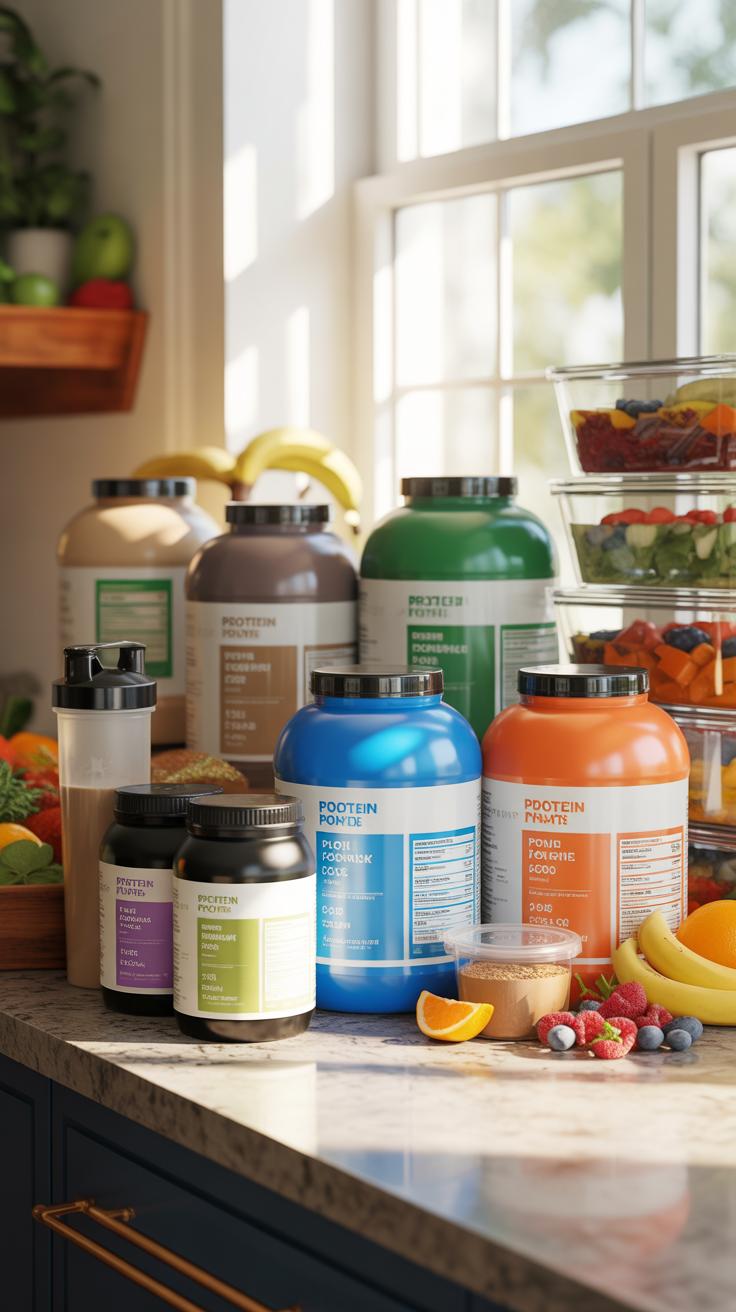
Understanding Protein Powder Packaging Labels: Servings, Macros, And Ingredient Quality
Labels dictate your cooking success. High heat can denature protein, so check for heat-stable ingredients. Look specifically at the protein-to-weight ratio. A high-quality powder offers at least twenty grams of protein per thirty-gram scoop. Avoid fillers like maltodextrin that mess with texture. These additives change how your recipes bake or set in the fridge. Read the fine print to ensure the macros align with your goals.
Ingredient quality impacts flavor and solubility. Artificial sweeteners like aspartame often leave a chemical aftertaste when heated. Stick to stevia or monk fruit for better results in cooked meals. Check for digestive enzymes like protease if you prep large batches. These help your body process high protein loads efficiently. Accurate labels prevent math errors during bulk meal prep. Knowing every gram of powder helps you hit your daily targets.
Bulk Vs. Single Serve Protein Powder Packaging: Which Is Better For Meal Preppers
Bulk packaging is the superior choice for meal preppers. Five-pound tubs or bags offer a lower cost per gram of protein. This saves significant money when cooking fifty meals at once. Large tubs also provide better protection against moisture and pests. You can easily scoop exact amounts into large mixing bowls. Bags take up less space in your pantry as they empty. Efficiency is the primary goal here.
Single-serve packets fail in a high-volume kitchen. They generate excessive waste and cost twice as much per serving. Opening twenty individual wrappers slows down your workflow. Use packets only for travel or emergencies. Bulk containers allow you to buy in volume during sales. This strategy ensures you always have inventory for your weekly prep. Stick to large formats to maximize your budget and speed up your cooking process.
How To Measure And Scoop Protein Powder Accurately For Consistent Recipes
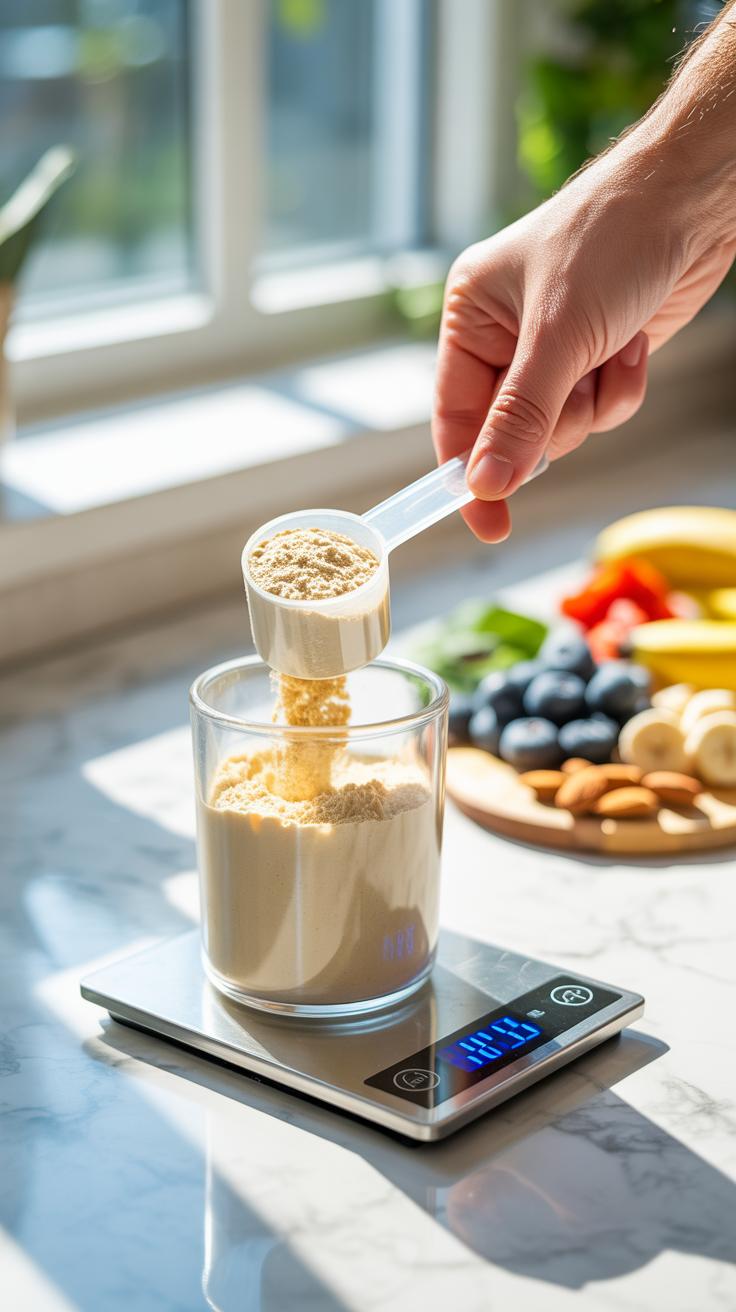
Why Using A Proper Protein Scoop Or Kitchen Scale Improves Recipe Consistency
Precision determines the success of high protein baking. Volume measurements like scoops or cups vary by up to twenty percent based on how tightly you pack the powder. Different brands have different densities. If you want the best protein powder results, you must use a digital scale. Measuring by weight in grams ensures your batter or dough maintains the correct moisture ratio every single time.
Consistent weight prevents dry and rubbery textures in meal prep. Protein powder absorbs liquid rapidly during the cooking process. Even a five gram error changes the final structure of a cake or muffin. Relying on mass rather than volume eliminates guesswork. Professionals track grams to maintain macronutrient accuracy. Reliable data allows you to scale recipes up for bulk cooking without ruining the texture and taste.
Common Measuring Mistakes When Adding Protein Powder To Recipes And How To Avoid Them
Standard scoops lead to errors because powder settles over time. Most people dip the scoop directly into the tub and compress the contents against the side. This creates a dense pack that exceeds the labeled serving size. You end up using too much product. This mistake wastes money and alters the chemistry of your food. Learn to level your measurements properly for better results.
- Packing the Powder: Pressing the scoop against the container wall increases density. This adds extra grams that the recipe does not require. Always fluff the powder with a spoon before scooping to keep the texture light and airy for accurate volume.
- Ignoring Sifting: Clumps of protein powder do not hydrate evenly in wet ingredients. These dry pockets create chalky spots in your finished meal prep. Sift your powder through a fine mesh strainer to ensure it integrates fully with flour and other dry bases.
- Inconsistent Leveling: Heaping scoops provide random amounts of protein. This lack of precision makes it impossible to replicate a successful bake. Use the flat back of a knife to scrape across the top of the scoop for a perfectly level and repeatable measurement.
- Mixing Volume and Weight: Recipes often list scoops, but scoop sizes vary across different brands. A scoop of whey is rarely the same size as a scoop of casein or plant protein. Always check the label for the gram weight and use a scale to confirm.
- Forgetting Scale Taring: Placing a bowl on a scale without resetting it to zero causes math errors. This mistake leads to incorrect ratios of protein to liquid. Always press the tare button after placing your container on the scale before you add any powder.
Incorrect measurements also skew your nutritional tracking. If you serve a meal that contains more protein than calculated, you disrupt your dietary plan. Small daily errors add up over a week of meal prepping. Using a scale removes the human error associated with scoops. Reliable measurement techniques ensure your food tastes better and your macros remain exactly where you need them to be.
Protein Shake Meal Prep Batch Making High Protein Shakes For The Week

How To Batch Prepare And Store Protein Shakes Safely Without Losing Nutritional Value
Batch preparation requires airtight glass containers to prevent oxidation and nutrient degradation. Mix your protein powder with water or milk and store the bottles in the coldest part of the refrigerator. Use these shakes within 48 hours to ensure the liquid base does not spoil or develop a chalky texture. Avoid plastic bottles for long-term storage because they often retain odors and harbor bacteria in micro-scratches.
Separation is a natural chemical process and does not signal spoilage. Shake the container vigorously for thirty seconds before drinking to reintegrate the amino acids and flavoring agents. If you prep for more than two days, freeze the shakes immediately after blending. Move a frozen shake to the fridge the night before you plan to consume it. This method maintains the structural integrity of the macro-nutrients.
Best Protein Powder Flavors And Combinations That Work Well In Prepped Shakes
Selecting the best protein powder for prep requires choosing stable flavors like chocolate or vanilla. These profiles use robust synthetic or natural extracts that do not turn bitter during cold storage. Avoid delicate fruit flavors which can develop an acidic aftertaste when left in liquid for extended periods. Neutral flavors also allow you to add fresh ingredients like cinnamon or cocoa powder right before consumption to improve the taste.
Tactical meal prep relies on ingredients that maintain a consistent viscosity. Use casein or milk protein blends if you want a thicker shake that feels like a meal. These proteins hydrate slowly and create a smooth texture over several hours. If you use whey isolate, add a fat source like almond butter to prevent the mixture from becoming too thin. A consistent texture ensures the shake remains palatable throughout the entire work week.
How To Evaluate The Best Protein Powder For Your Specific Meal Prep Goals
Matching Protein Powder Type To Your Dietary Needs: Weight Loss, Muscle Gain, Or Maintenance
Weight loss goals require protein powders with high protein-to-calorie ratios. Isolate powders work best because manufacturers filter out most fats and carbohydrates. This creates a lean profile that fits strict caloric deficits. Casein is a tactical choice for satiety. Its slow digestion rate keeps you full for longer periods. This prevents overeating between meals and protects muscle tissue during low-calorie phases.
Muscle gain relies on a consistent surplus of amino acids. Concentrates and blends provide extra calories and nutrients that support growth. These versions often contain small amounts of healthy fats and lactose which improve taste and texture in cooked meals. Maintenance requires balance and versatility. A standard whey and casein blend offers immediate and sustained release. This mix ensures your body has steady access to fuel throughout the day.
Third Party Testing And Certifications: How To Verify Protein Powder Quality And Safety
Quality control in the supplement industry is often voluntary. You must look for seals from independent labs to ensure product safety. NSF Certified for Sport and Informed Choice are the industry standards. These groups test for banned substances and heavy metals. They verify that the ingredients on the label match what is inside the tub. Never trust a brand that refuses to show its testing data.
Verification protects you from protein spiking. Some companies add cheap amino acids to inflate protein counts on the label. This practice cheats you out of the actual protein you paid for. Certified products undergo regular audits to catch these discrepancies. Check the official database of the testing organization to confirm a brand is currently compliant. Reliable data is the only way to guarantee you are consuming a clean and effective product.
Frequently Asked Questions

Can I really use protein powder in hot recipes without ruining the texture?
Yes, you can definitely cook with it! Many beginners worry that heat will destroy the nutrients, but the protein remains effective even after baking. The key is choosing the best protein powder for your specific recipe. Whey is excellent for soft baked goods like muffins, while casein or plant-based blends work better for thick puddings and oats because they absorb more liquid and maintain a pleasant, creamy consistency.
How do I substitute flour with protein powder in my favorite baking recipes?
When upgrading your meal prep, treat protein powder as a dry ingredient rather than a direct flour replacement. To maintain a great texture, try replacing about one-quarter of the flour with the best protein powder of your choice. Since powders absorb moisture differently, you may need to add an extra splash of almond milk or an egg white to ensure your high-protein snacks don’t turn out too dry or crumbly.
Are there affordable ways to meal prep with protein without buying expensive bulk tubs?
Absolutely! You can find budget-friendly options by looking for high-quality store brands or purchasing unflavored soy or pea proteins, which are often cheaper than branded isolates. Buying in bulk during sales is a smart way to stock up for your weekly meal prep. Focus on versatile powders that work in both sweet and savory dishes, ensuring you get the most value and utility out of every scoop.