
What Makes A Great Healthy Pantry Essentials Ideas Worth Following

The Core Principles Behind A Well Stocked Healthy Pantry
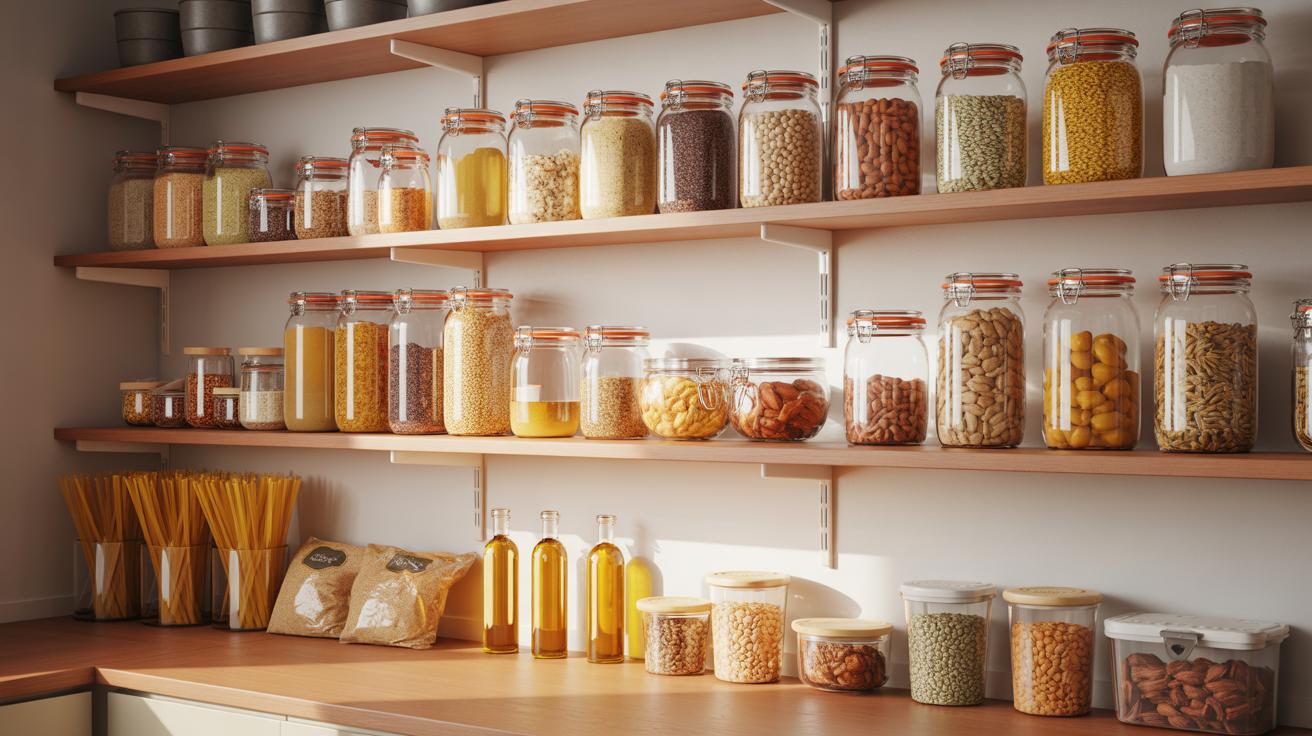
A strategic pantry functions as the backbone of consistent nutrition. It relies on shelf stability and high nutrient density to eliminate the need for daily shopping trips. You must prioritize items that provide foundational macronutrients without added chemical preservatives. Effective stockpiling reduces decision fatigue during meal preparation. This approach ensures you always have the components required for a balanced plate regardless of your schedule.

Focus on the glycemic load and fatty acid profiles of your inventory. Refined carbohydrates and seed oils offer low biological value and high inflammation risks. Replace them with complex grains and stable fats like olive oil or coconut oil. These choices reflect a shift toward ancestral eating patterns that emphasize whole foods. High quality basics allow for rapid assembly of meals that support metabolic health and long term energy levels.
How To Evaluate Which Pantry Items Deserve A Permanent Spot In Your Kitchen
Evaluate every item based on its utility and health impact. Look at the ingredient list first to identify hidden sugars or synthetic additives. A tactical pantry item should serve multiple purposes across different recipes. Legumes and canned fish provide immediate protein and fiber while remaining shelf stable for years. If a product contains more than five ingredients or unrecognizable chemicals, it does not belong in your kitchen.
Check the cost per serving and the micronutrient profile to determine value. High quality salt, spices, and vinegars enhance flavor without adding calories or sodium spikes. Glass packaging is superior to plastic or metal cans with BPA linings because it prevents chemical leaching. Only keep items that pass the test of being both nutritionally dense and easy to store. Your pantry must remain a lean collection of high performance fuel sources.
The Ultimate Healthy Pantry Staples List Whole Grains And Complex Carbohydrates
Why Whole Grains Like Oats, Brown Rice, And Quinoa Belong In Every Healthy Pantry
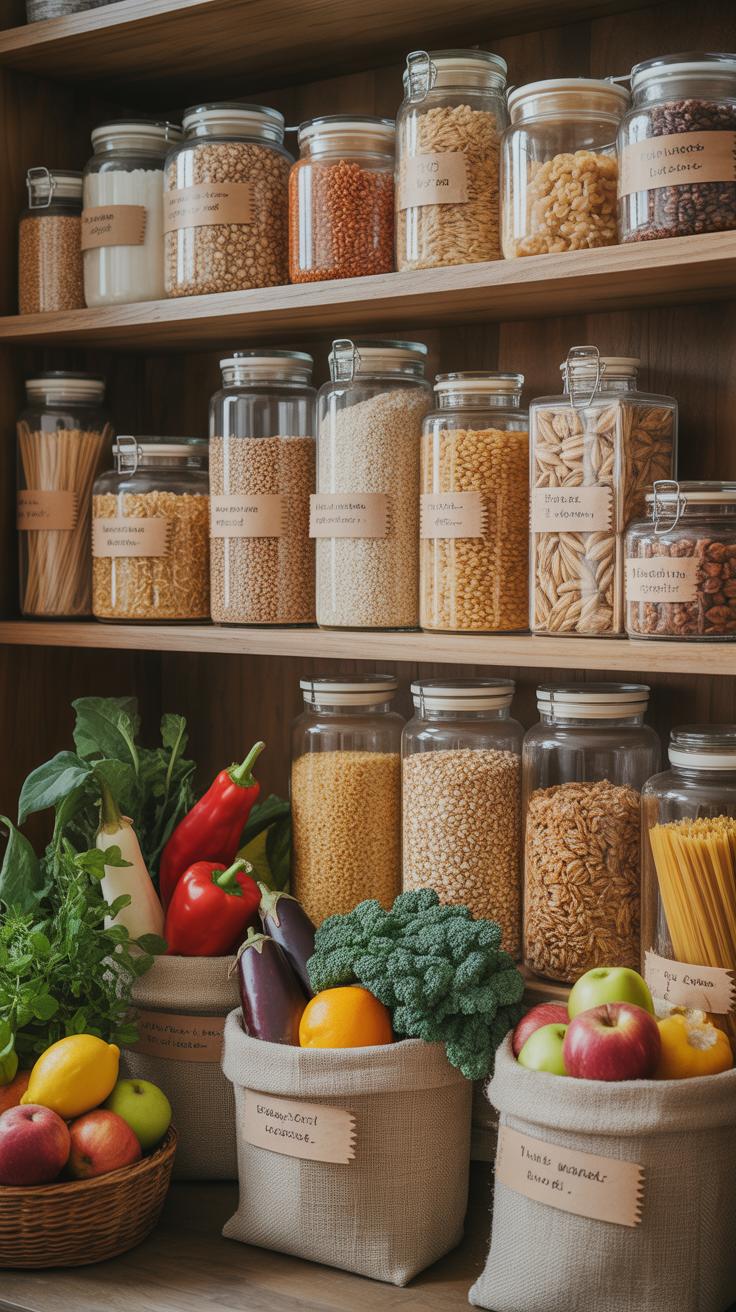
Whole grains serve as the structural foundation of a functional kitchen. Unlike refined grains, these options retain the bran, germ, and endosperm. This preservation ensures you consume the full spectrum of vitamins and minerals. Oats, brown rice, and quinoa provide shelf stable sources of B vitamins and magnesium. You need these nutrients for cellular function and nervous system health.
Stocking these items allows for high volume meal preparation at low costs. Grains like quinoa and buckwheat offer complete proteins or essential amino acids. These staples do not spoil quickly when stored in airtight containers. They provide a reliable fallback for consistent nutrition. Every healthy pantry requires these complex carbohydrates to ensure you have accessible energy sources available 24 hours a day.
How Whole Grains Support Sustained Energy, Digestive Health, And Weight Management
Whole grains regulate your blood sugar through a slow glucose release. The complex structure takes longer for your body to break down. This process prevents the insulin spikes associated with white flour and processed sugars. You get steady fuel for your brain and muscles throughout the day. This makes them essential for maintaining hard physical or mental output without crashing.
High fiber content improves your digestive efficiency by adding bulk to stool. This movement prevents constipation and supports a healthy gut microbiome. Fiber also promotes satiety by making you feel full for longer periods. This physical fullness helps you manage your weight by reducing the urge to overeat. Controlled caloric intake becomes much easier when your pantry contains high fiber whole grain options.
High Protein Pantry Staples That Fuel Your Body And Keep You Full
Plant Based Protein Powerhouses: Lentils, Chickpeas, And Black Beans Explained
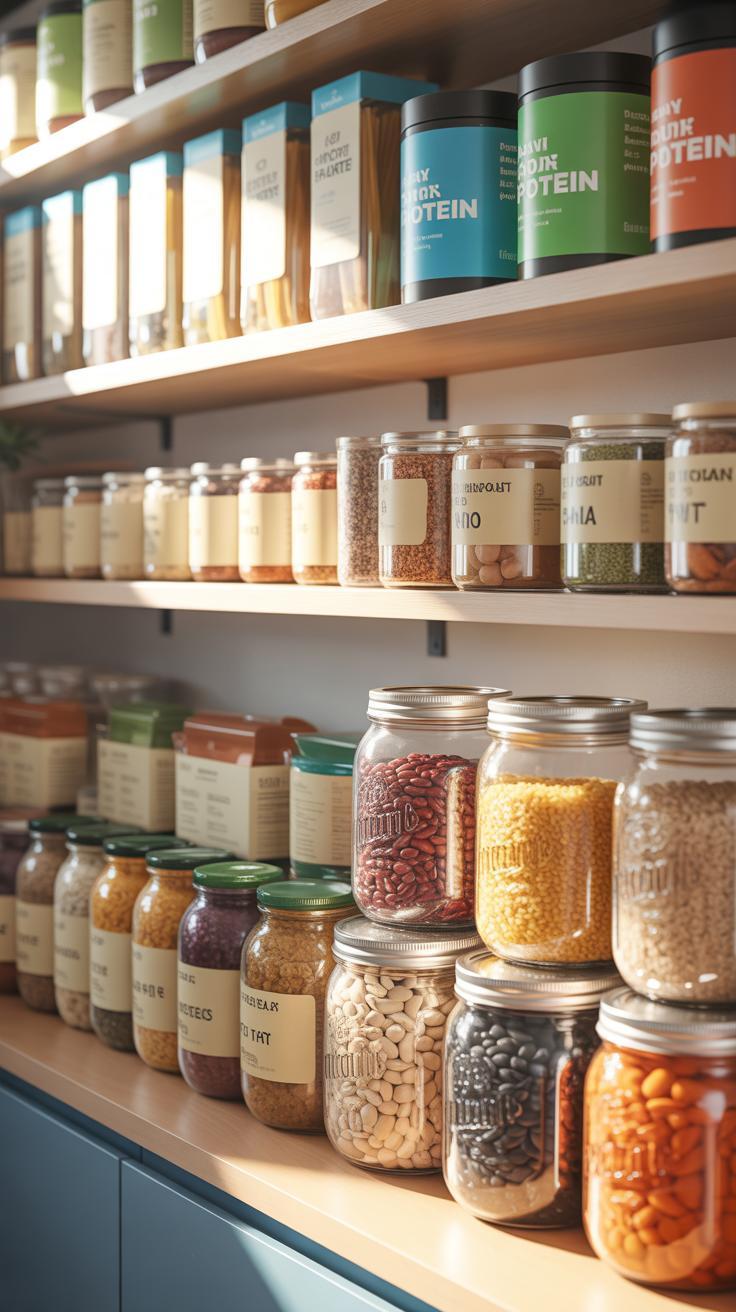
Lentils offer the highest protein density of all common legumes. They cook faster than dried beans because they lack a tough outer skin. Red lentils break down into a thick base for soups. Green and brown lentils hold their physical shape for salads and bowls. These pulses provide complex carbohydrates and high fiber. This combination stabilizes blood sugar and prevents energy crashes after eating.
Chickpeas and black beans serve as versatile foundations for plant-based meals. Black beans contain anthocyanins which act as powerful antioxidants. Chickpeas provide iron and phosphorus for bone health. Dry beans cost less and contain no added sodium compared to canned versions. You must soak most dried beans to reduce cooking time and improve digestion. Store them in airtight containers to prevent moisture loss and maintain texture.
The Best Canned And Shelf Stable Proteins To Stock For Quick High Protein Meals
Animal-based pantry staples provide complete proteins and essential fatty acids. Canned fish and poultry require zero cooking and offer long shelf lives. These options enable fast meal preparation when fresh meat is unavailable. You must check labels for water-packed versus oil-packed varieties to control caloric density. Choosing sustainably sourced skipjack or sardines minimizes mercury intake while maximizing nutrient density for long-term health.
- Canned Sardines: These small fish provide massive amounts of omega-3 fatty acids and vitamin B12. Eat them whole to consume calcium from the soft bones. They represent one of the cleanest protein sources because they reside low on the ocean food chain.
- Wild Caught Tuna: Look for skipjack or tongol varieties to keep mercury levels low. Tuna provides high-quality lean protein with almost no fat or carbohydrates. Use it for immediate post-workout recovery or quick lunches. Always choose cans packed in water to avoid extra vegetable oils.
- Canned Chicken Breast: This staple provides a neutral protein base for salads or wraps. It consists of fully cooked white meat preserved in brine. Rinse the meat before use to remove excess sodium. It serves as a reliable animal protein during power outages or emergencies.
- Pouched Salmon: Pouches often use better processing techniques than cans to preserve the natural texture of the fish. Salmon contains astaxanthin and high levels of vitamin D. It is a portable protein option that requires no draining. This makes it ideal for office meals.
- Canned Mackerel: Mackerel offers a similar nutritional profile to sardines but with a milder flavor profile. It contains high concentrations of selenium and protein. Select North Atlantic varieties for the best fat content. This fish stays shelf-stable for years without losing its primary nutritional value.
Beef jerky and meat sticks broaden your snack options but require scrutiny. Many commercial brands load these products with sugar and nitrates. Seek out grass-fed options with minimal ingredients to ensure high protein quality. These items provide portable nutrition for high-activity days. Proper selection turns these convenience foods into strategic assets for your daily protein targets and metabolic health.
Healthy Pantry Ingredients Oils Vinegars And Flavor Building Essentials
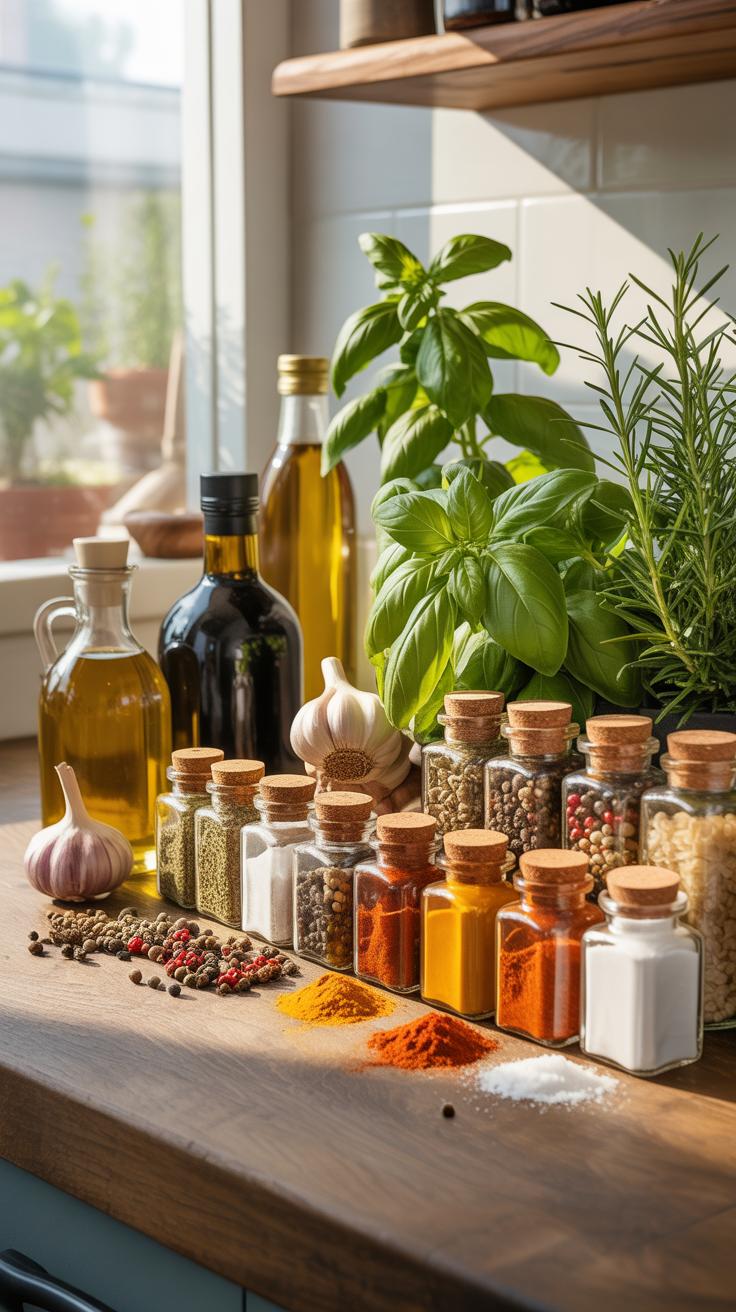
Choosing The Right Cooking Oils: Olive Oil, Avocado Oil, And Their Health Benefits
High-quality fats are essential for nutrient absorption and heart health. Extra virgin olive oil contains polyphenols and monounsaturated fats that lower inflammation. Use it for low-heat cooking or as a finishing oil. It degrades at high temperatures, so do not use it for searing. Storing it in a dark glass bottle prevents oxidation from light exposure. This ensures the oil stays fresh and effective.
Avocado oil handles high heat better than most plant oils. It has a high smoke point near 500 degrees Fahrenheit. This makes it the safest choice for roasting and frying. It contains oleic acid and lutein which support eye health. Buy cold-pressed versions to avoid chemical solvents used in cheap extraction. These two oils provide the best balance of stability and proven nutritional benefits for daily cooking needs.
How Vinegars, Soy Sauce, And Fermented Condiments Add Depth And Nutritional Value
Vinegars and fermented sauces provide complex flavor without adding excessive calories or sugar. Apple cider vinegar contains acetic acid which can help manage blood sugar levels after meals. Balsamic and red wine vinegars offer antioxidants from grapes. Use these liquids to deglaze pans or brighten heavy dishes. They act as natural preservatives and flavor enhancers that make healthy food taste better and more satisfying.
Fermented condiments like tamari or traditionally brewed soy sauce add umami and beneficial enzymes. These products undergo a natural aging process that creates deep flavor profiles. Use low-sodium versions to control salt intake while maintaining taste. Miso paste and fish sauce also provide essential minerals and probiotics. These staples bridge the gap between bland ingredients and restaurant-quality meals while supporting gut health through fermentation.
Essential Indian Pantry Staples That Double As Everyday Healthy Pantry Items
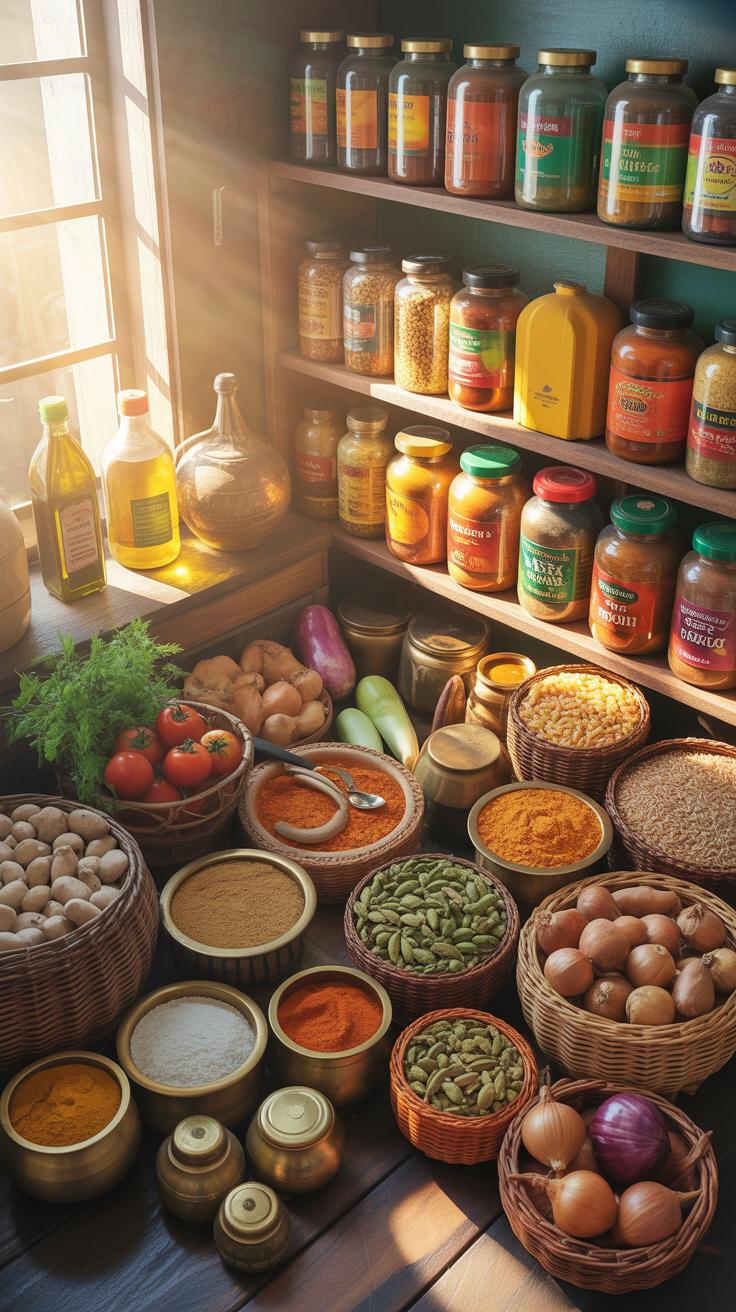
Turmeric, Cumin, Coriander, And Mustard Seeds: Spices With Proven Health Properties
Turmeric contains curcumin which acts as a powerful anti-inflammatory agent. You must pair it with black pepper to increase absorption by the body. Cumin aids digestion by increasing the activity of digestive proteins in the small intestine. This process speeds up the breakdown of fats and complex carbohydrates. These spices provide a concentrated source of antioxidants that prevent cellular damage over time.
Coriander seeds provide dietary fiber and help regulate blood sugar levels. They work well in dry rubs or stews to enhance flavor without adding salt. Mustard seeds contain selenium and magnesium which support bone health and metabolic function. Using these whole seeds adds texture and essential minerals to any meal. Keep these staples in airtight containers to preserve their volatile oils and medicinal potency for months.
Dal, Ghee, And Tamarind: Traditional Indian Pantry Staples That Boost Nutrition Naturally
Dal refers to dried lentils and beans that offer high protein and fiber content. They have a low glycemic index which helps maintain steady energy levels. These legumes stay shelf-stable for years and serve as a reliable plant-based protein source. Different varieties like red lentils or chickpeas provide various essential amino acids. They require minimal preparation and cook quickly for efficient meal planning.
Ghee is clarified butter with the milk solids removed. This process gives it a high smoke point and makes it lactose-free. It contains butyrate which supports gut health and reduces systemic inflammation. Tamarind paste provides a sour flavor profile along with tartaric acid and B vitamins. It acts as a natural preservative and digestive aid. Both items add depth to dishes while providing stable, healthy fats and micronutrients.
Healthy Pantry Essentials List Nuts Seeds And Dried Fruits For Smart Snacking
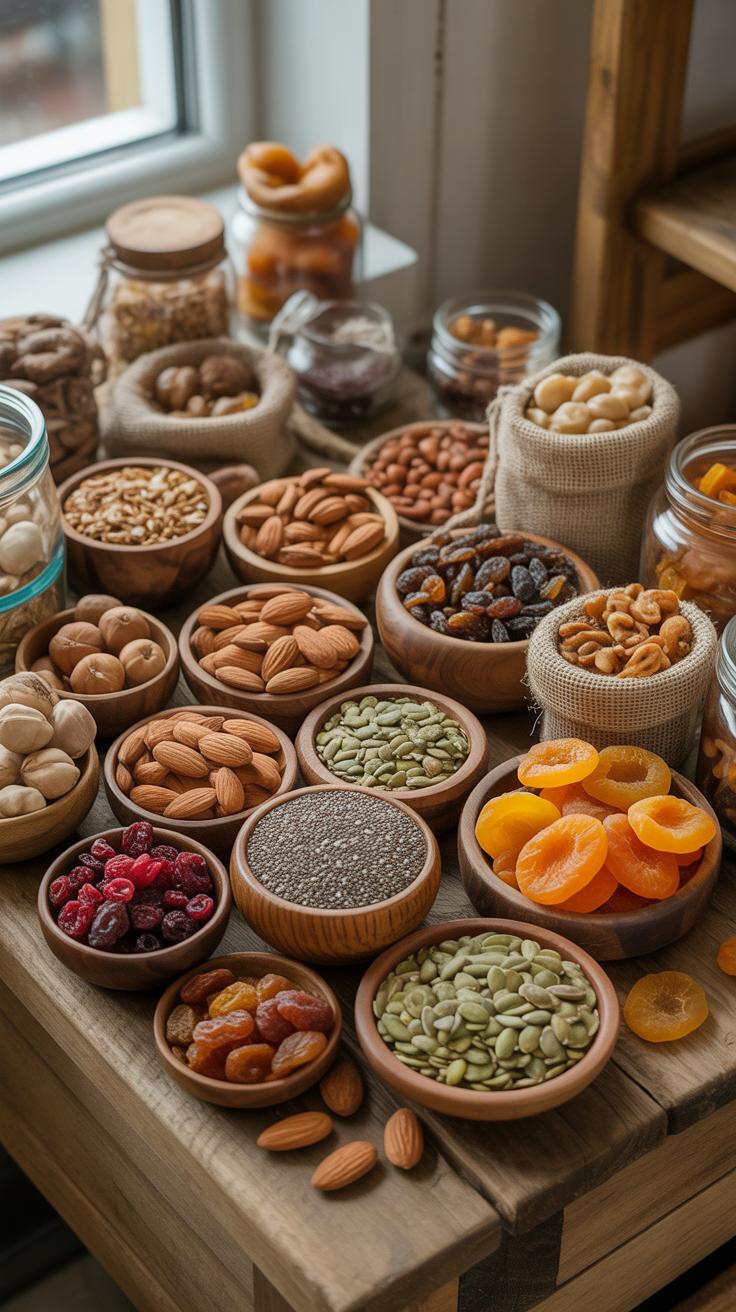
Why Almonds, Walnuts, Chia Seeds, And Flaxseeds Are Non Negotiable Pantry Essentials
Almonds and walnuts provide stable shelf-life and high nutrient density. Almonds offer vitamin E and magnesium for cellular health. Walnuts contain alpha-linolenic acid which supports brain function. These nuts require cool storage to prevent oil rancidity over time. Buying raw versions avoids unnecessary processed oils and high sodium levels found in roasted varieties. Keep them sealed to maintain peak freshness and texture.
Chia and flaxseeds serve as critical sources of fiber and omega-3 fatty acids. These seeds absorb water to create a gel that aids digestion and satiety. You must grind flaxseeds to access their nutrients because the outer shell is indigestible. Store these in the refrigerator to protect their heat-sensitive fats. They act as functional thickeners in recipes without adding refined carbohydrates or sugar.
How To Choose Dried Fruits Without Added Sugars And Use Them Wisely In Your Diet
Dried fruits concentrate natural sugars and calories during the dehydration process. You must read labels to avoid added cane sugar or high fructose corn syrup. Many manufacturers add sulfur dioxide to preserve color in apricots and raisins. Choose organic or unsulfured options to limit chemical intake. These fruits provide quick energy and potassium but require strict portion control to manage blood glucose levels.
Integrate dried fruits into meals rather than eating them as standalone snacks. Pair them with fats or proteins like nuts to slow down sugar absorption. This prevents insulin spikes that lead to energy crashes. Use small amounts of raisins or dates to sweeten oatmeal or salads naturally. Always check the ingredient list for hidden oils used to prevent sticking in the packaging.
Healthy Pantry Essentials Canned And Jarred Goods That Nutritionists Actually Recommend

The Best Canned Vegetables, Tomatoes, And Fish To Keep In Your Healthy Pantry
Canned fish provides high protein and essential omega-3 fatty acids with a long shelf life. Sardines, mackerel, and wild salmon contain lower mercury levels than large tuna. These options stay shelf-stable for years while maintaining their nutritional profile. Buy fish packed in water or extra virgin olive oil to control fat quality. High-quality canned fish serves as a fast and reliable nutrient source.
Canned tomatoes and vegetables offer consistent nutrition when fresh options are unavailable. Canned tomatoes actually provide more bioavailable lycopene than fresh ones due to the heating process during canning. Look for glass jars or BPA-free liners to reduce chemical exposure. Stocking these items ensures you can prepare high-fiber meals in minutes. Focus on plain varieties to avoid hidden sugars and excess sodium often found in pre-seasoned cans.
A stocked pantry is a love letter to your future self, filled with the simple building blocks of a life well-lived. These humble staples are the quiet heartbeat of a kitchen that nourishes both the body and the soul.
Reading Labels On Canned And Jarred Goods: What To Look For And What To Avoid
Label reading is the most critical skill for maintaining a healthy pantry. Manufacturers often add salt and sugar to preserve flavor and texture in canned goods. You must check the ingredient list for hidden additives and industrial seed oils. High sodium levels can impact blood pressure and water retention. Prioritizing products with minimal ingredients ensures your pantry remains a tool for health rather than a source of processed waste.
- Low Sodium Labels: Choose products specifically marked as low sodium or no salt added. Standard canned goods often contain over twenty percent of your daily salt limit in a single serving. Rinsing beans and vegetables under cold water can further reduce sodium content by forty percent.
- BPA-Free Liners: Search for cans that explicitly state they are BPA-free. Bisphenol A is an industrial chemical used in many can linings that can leach into acidic foods like tomatoes. Glass jars are a superior alternative because they are non-reactive and do not contain these plasticizers.
- No Added Sugar: Many canned fruits and vegetables contain corn syrup or white sugar to enhance taste. Always select fruit packed in its own juice rather than heavy syrup. Check the nutrition facts panel for grams of added sugar to avoid unnecessary caloric spikes and metabolic stress.
- Oil Quality: Jarred items like artichokes or sun-dried tomatoes often sit in inflammatory seed oils. Look for products packed in extra virgin olive oil or water instead. If the label lists soybean or cottonseed oil, drain the liquid thoroughly and rinse the food before you consume it for better health.
- Short Ingredient Lists: The best canned goods list only the food, water, and perhaps a small amount of salt. Avoid items containing calcium chloride or EDTA unless necessary for texture. Minimal processing ensures the food remains as close to its natural state as possible for maximum nutritional benefit.
Tactical shopping requires focus on the back of the package rather than the front. Marketing claims like natural or healthy have little legal weight compared to the actual ingredient list. Always verify the serving size to understand exactly what you are consuming. Simple, transparent labels indicate a higher quality product. By filtering out additives, you turn basic canned goods into powerful, healthy pantry staples that support your long-term fitness goals.
How To Organize And Maintain Your Healthy Pantry List For Long Term Success
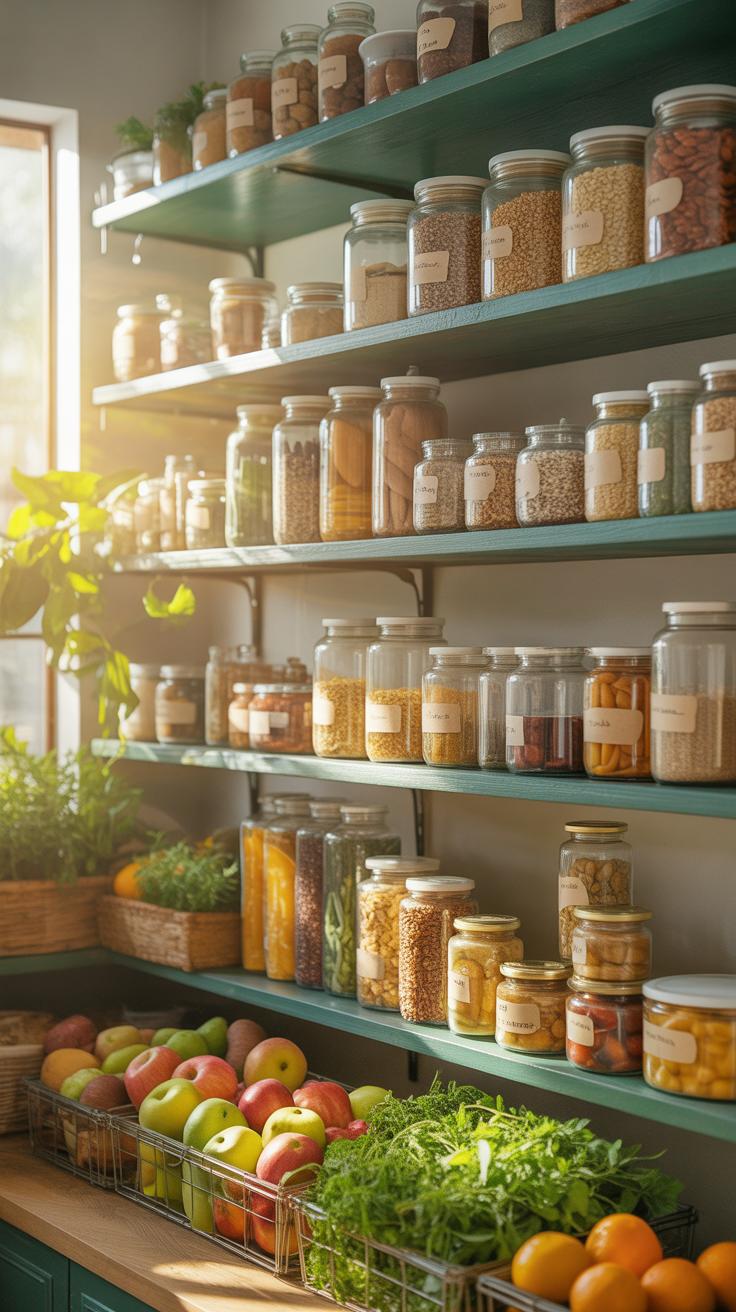
Practical Storage Tips To Keep Your Healthy Pantry Ingredients Fresh And Accessible
Storage environment dictates the shelf life of your goods. Light and heat trigger oxidation in oils and nuts. Move these items into dark glass containers or cool cabinets to prevent rancidity. Use airtight seals for dry grains and pulses. Oxygen exposure degrades flavor and nutrient density over time. Proper sealing stops pests from ruining your bulk investments and keeps ingredients crisp and usable.
Accessibility drives your daily cooking choices. Use the First In First Out method to manage inventory. Place older items at the front and new purchases at the back. Visibility is a force multiplier for healthy eating. Clear glass jars allow you to see exactly what you have left. This prevents duplicate buying and ensures you use whole foods before they expire. Organize by frequency of use for maximum efficiency.
Building A Weekly Restocking Routine That Keeps Your Healthy Pantry Always Ready
Consistency requires a systematic habit. Schedule a ten minute audit every Sunday before you shop. Check levels of core grains and proteins. This data prevents last minute trips to the store. High performers treat their pantry like a commercial kitchen inventory. Know your minimum stock levels for every staple. When a jar hits the one quarter mark buy a replacement immediately to avoid gaps.
Documentation reduces the mental load of meal planning. Use a digital list or a physical sheet inside the pantry door. Mark items when you use the last unit. This creates a feedback loop for your shopping habits. Integrate your replenishment with your weekly meal prep cycle. Aligning these tasks ensures you always have the base components for nutritious meals. A maintained pantry eliminates the friction of healthy dinner decisions.
Frequently Asked Questions

What are the best healthy pantry staples for someone just starting out?
If you are new to clean eating, start with versatile foundations that have a long shelf life. Focus on complex carbohydrates like quinoa and brown rice, protein-rich canned beans, and healthy fats like extra virgin olive oil or raw nuts. These healthy pantry staples allow you to whip up nutritious grain bowls or salads at a moment’s notice, ensuring you always have a wholesome base for any last-minute meal.
How should I organize my pantry to make healthy cooking easier?
Organization is key to maintaining a nutritious diet. Group your items by category, such as grains, legumes, and baking essentials, using clear airtight containers to keep ingredients fresh. Place your most-used healthy pantry staples at eye level so they are the first thing you reach for when hungry. Labeling everything by expiration date also prevents food waste and ensures your kitchen remains a functional, stress-free space for daily meal preparation.
Is it possible to build a healthy pantry on a tight budget?
Absolutely! Eating well does not have to be expensive if you focus on plant-based proteins. Dried lentils, chickpeas, and oats are incredibly affordable and pack a significant nutritional punch. Buying these items in bulk often lowers the cost per serving significantly. By prioritizing these cost-effective essentials over processed snacks, you can maintain a fully stocked, nourishing kitchen without overspending on your weekly grocery bill or sacrificing food quality.