
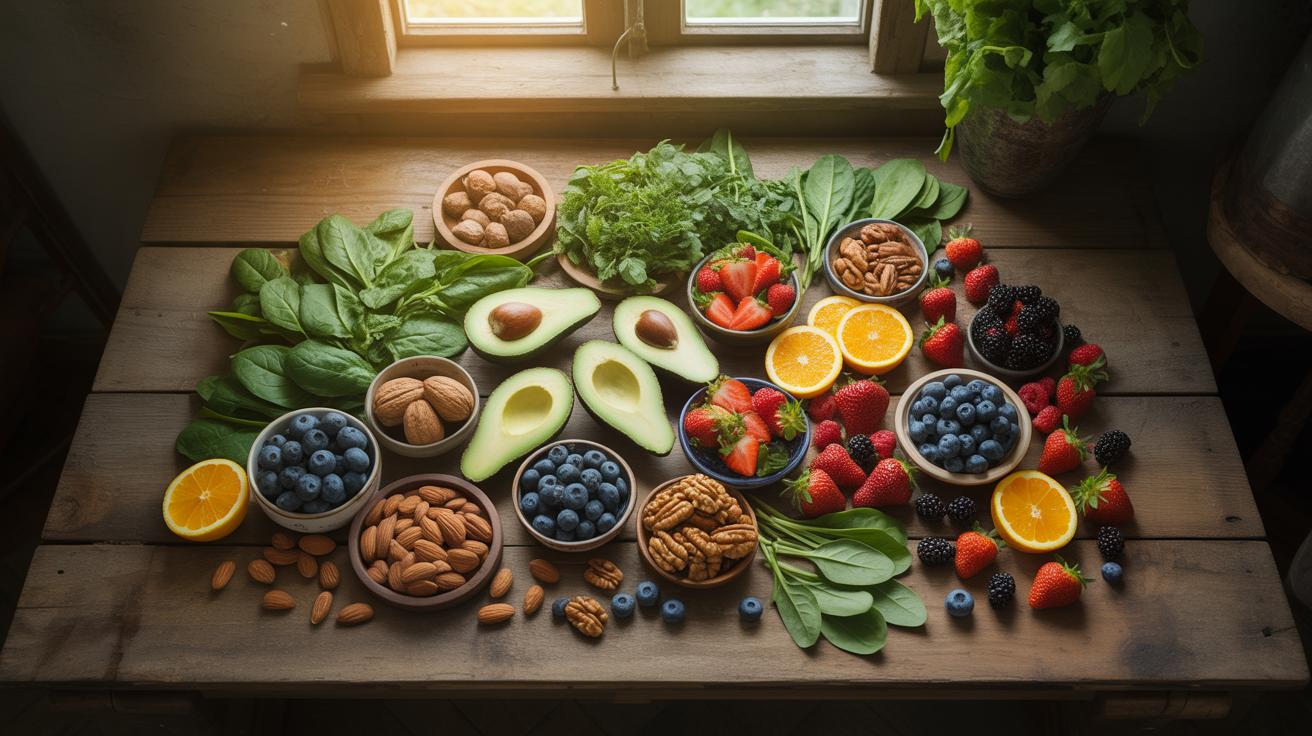
Why Skin Foods Matter More Than Your Moisturizer

The Gut Skin Connection: How Nutrition Reaches Your Complexion
The gut and skin share a direct biological link known as the gut-skin axis. When you consume food, your digestive system breaks down nutrients into molecules. These molecules enter the bloodstream through the intestinal lining. Your blood then transports these essential vitamins and minerals to the dermis. This internal delivery system provides the raw building blocks required for constant cellular repair and regeneration.

Poor nutrition triggers systemic inflammation and disrupts the gut microbiome. This imbalance often manifests as visible skin conditions like acne, eczema, or premature aging. A healthy gut barrier prevents harmful pathogens and toxins from leaking into your circulation. By maintaining a clean internal environment, you reduce the workload on your skin. Proper fuel ensures your body can prioritize skin health instead of fighting avoidable internal fires.
Why Topical Products Alone Cannot Replace A Nutrient Rich Diet
Topical skincare primarily treats the stratum corneum, which is the outermost layer of dead skin cells. Creams and serums provide a temporary barrier and surface hydration. However, these products cannot penetrate deep enough to alter the underlying biological structure of your skin. Real change happens in the deeper layers where new cells form. Only systemic nutrition can provide the vitamins necessary for this specific growth process.

A diet lacking in key nutrients leaves your skin vulnerable to external damage. Moisturizers can trap existing water, but they do not manufacture new collagen or elastin fiber. Your body requires vitamin C and protein from your diet to build these structural components. Relying solely on expensive jars ignores the fundamental science of cellular biology. Effective skin health starts in the kitchen because your body builds skin from the inside out.
Collagen Rich Foods That Support Skin Structure And Elasticity
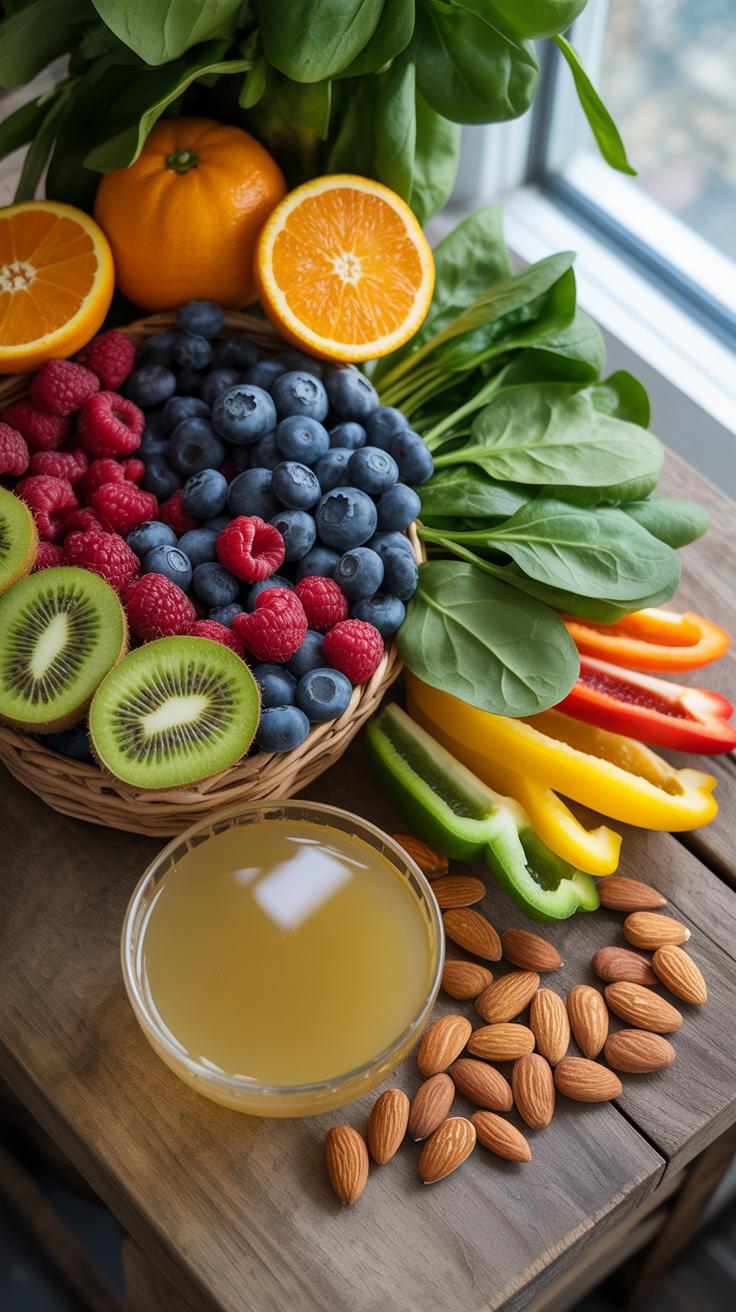
Bone Broth, Fish, And Egg Whites: Natural Sources Of Dietary Collagen
Bone broth contains high levels of gelatin. This substance breaks down into amino acids that your body uses to build new skin cells. Simmering animal bones extracts bovine or porcine collagen directly into the liquid. This provides a bioavailable source of proline and hydroxyproline. These specific components maintain the structural integrity of your dermis. Regular intake strengthens the foundation of your skin.
Fish and egg whites provide a different profile of essential proteins. Marine collagen from fish skin and scales absorbs faster than other types. It contains Type I collagen which targets skin thickness and hydration. Egg whites offer large amounts of proline. This amino acid is a primary building block for collagen synthesis. Consuming these animal proteins ensures your body has the materials necessary to repair damaged skin tissue.
Vitamin C Foods That Boost Your Body’S Own Collagen Production
Your body cannot create collagen without Vitamin C. This nutrient acts as a vital cofactor for the enzymes that cross-link collagen fibers. Citric fruits and leafy greens provide the necessary fuel for this chemical reaction. Without enough Vitamin C, collagen production stalls even if you eat high-protein foods. This process stabilizes the collagen molecule. It ensures your skin stays firm and resists sagging over time.
Strategic intake of bell peppers and berries speeds up skin repair. These foods protect existing collagen from oxidative stress and environmental damage. High levels of Vitamin C also help regenerate other antioxidants in the body. This creates a double layer of protection for your skin structure. Focus on raw vegetable sources to get the highest nutrient density. Consistent consumption maintains the elasticity and resilience of your outer skin layers.
Fatty Fish And Healthy Oils The Best Skincare Food For Hydration
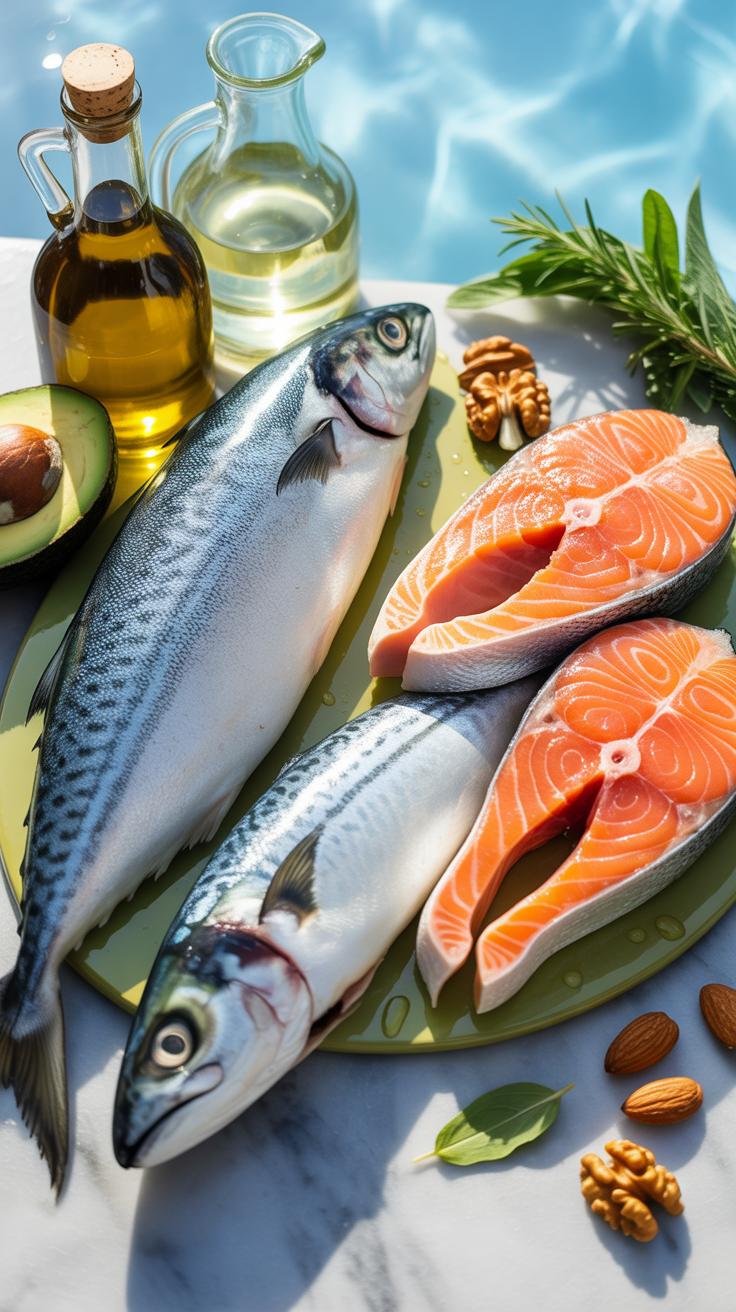
Omega 3 Fatty Acids In Salmon And Mackerel And Their Role In Skin Barrier Function
Fatty fish like salmon and mackerel provide high concentrations of omega-3 fatty acids. These essential fats strengthen the skin barrier by sealing in moisture and blocking out irritants. A weak barrier leads to dryness and increased sensitivity. Consistent intake of these lipids maintains the structural integrity of cell membranes. This process keeps skin soft and prevents the flakiness associated with lipid deficiencies.
Omega-3s also reduce systemic inflammation that triggers redness and acne. These acids inhibit the production of inflammatory compounds at the cellular level. Salmon contains dimethylaminoethanol which improves muscle tone in the face. Mackerel offers significant amounts of vitamin E to protect against oxidative stress. Consuming these fish twice a week provides the necessary building blocks for a resilient and hydrated dermal layer.
Extra Virgin Olive Oil And Avocado Oil As Anti Inflammatory Skin Support
Extra virgin olive oil contains high levels of monounsaturated fats and polyphenols. These compounds act as internal lubricants for skin cells. The primary fat, oleic acid, penetrates deeply to maintain elasticity. Olive oil also contains vitamins A and E which speed up tissue repair. Using this oil as a primary fat source protects the skin from chronic UV damage and prevents premature aging.
Avocado oil provides lutein and chlorophyll to support skin density and collagen production. Its high smoke point makes it a stable choice for cooking without creating harmful free radicals. The monounsaturated fats in avocado oil increase the absorption of fat-soluble vitamins from other vegetables. This synergy improves overall skin tone and texture. Both oils function as tactical tools to combat dryness and inflammation from within.
Antioxidant Packed Foods For Skin Health That Fight Free Radical Damage
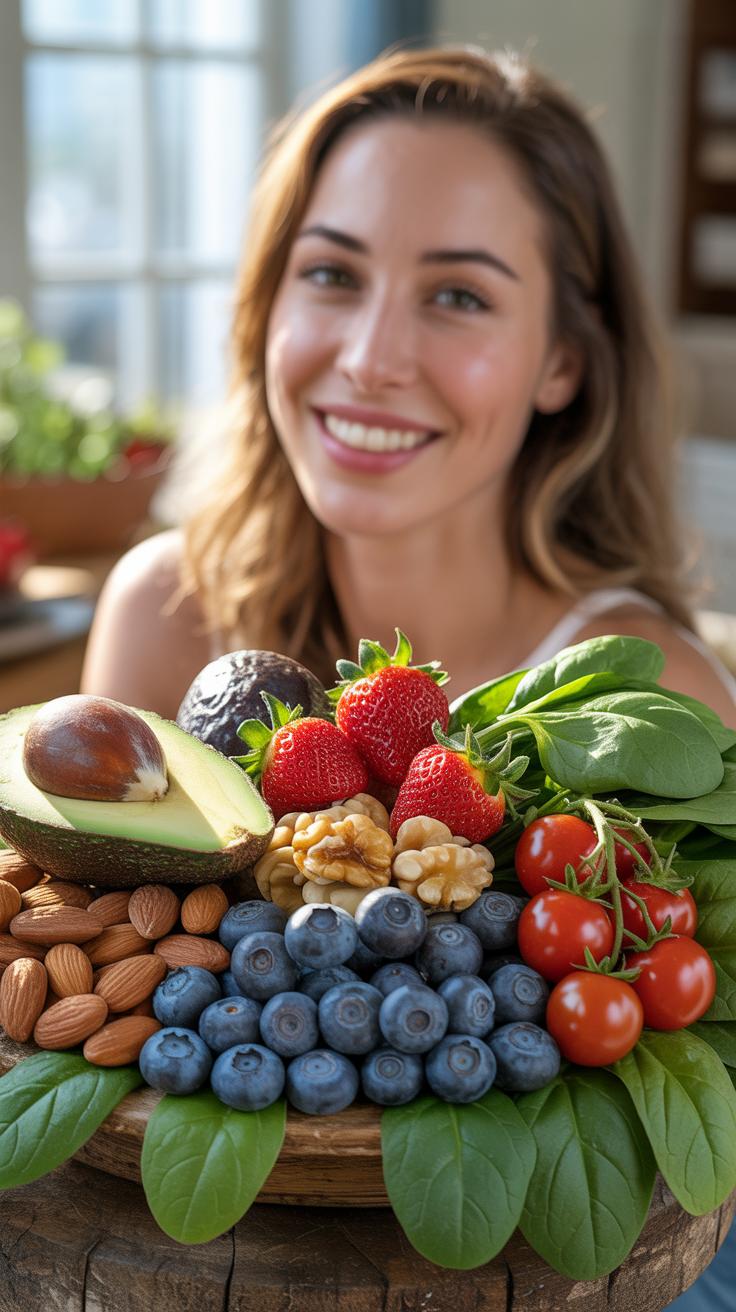
Berries, Dark Chocolate, And Green Tea: Polyphenol Powerhouses For Skin Defense
Berries like blueberries and raspberries contain high levels of anthocyanins. These compounds strengthen blood vessels and improve circulation to the skin surface. Dark chocolate with at least seventy percent cocoa provides flavonols. These nutrients increase skin thickness and improve hydration levels. Regular intake helps the skin resist damage from external environmental stressors. You must choose high-potency sources to see real physiological changes.
Green tea contains epigallocatechin gallate which acts as a powerful internal sun shield. It reduces the inflammatory response caused by ultraviolet rays. These polyphenols work by neutralizing oxidative stress before it destroys skin proteins. Consuming these foods provides a steady supply of protective chemicals. This strategy builds a baseline of defense within the dermal layers. Consistency in diet ensures these compounds remain available for cellular repair.
How Antioxidants Slow Visible Signs Of Aging At The Cellular Level
Antioxidants stop free radicals from breaking down collagen and elastin fibers. Free radicals are unstable molecules that steal electrons from healthy skin cells. This process causes sagging and wrinkles over time. By donating an electron, antioxidants stabilize these molecules and prevent tissue destruction. This chemical reaction happens at the atomic level to maintain skin integrity. It stops the premature degradation of the skin matrix.
At the cellular level, these nutrients support the natural DNA repair process. They protect the mitochondria which provide energy for cell regeneration. Slowing down oxidative damage prevents the formation of age spots and fine lines. Eating antioxidant-rich foods keeps the skin barrier strong and resilient. This biological protection reduces the visible effects of chronological aging. Focus on nutrient density to ensure maximum cellular impact and long-term skin health.
Skin Food Secrets Hidden In Leafy Greens And Cruciferous Vegetables
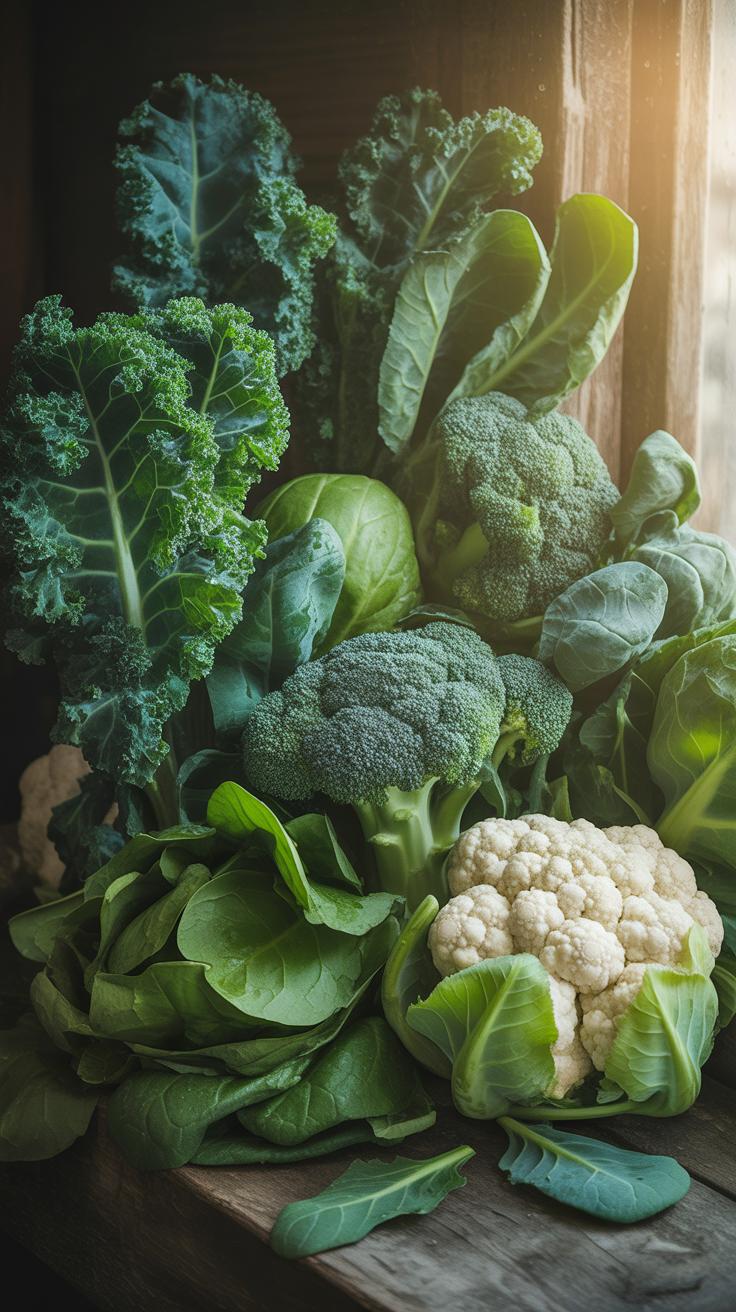
Spinach, Kale, And Broccoli: Vitamins A, C, And K For Skin Repair And Tone
Leafy greens provide essential nutrients for skin cell turnover. Spinach and kale contain high levels of Vitamin A. This vitamin regulates skin cell production to prevent clogged pores and dullness. Vitamin C in broccoli supports collagen synthesis for better structural integrity. These vegetables provide the raw materials your body needs to maintain a firm skin barrier. Consistent consumption aids natural repair cycles.
Vitamin K in these plants targets skin tone and discoloration. It helps the body manage blood clotting and bone health which impacts under-eye appearance. Dark leafy greens also contain folate. This B vitamin assists with DNA repair within skin cells. You get better protection against environmental stressors. Eating these greens raw or lightly steamed preserves the nutrient profile. They offer a direct line to improved skin health.
Sulforaphane In Broccoli And Its Scientifically Studied Skin Protective Properties
Broccoli contains a powerful compound called sulforaphane. This sulfur-rich chemical activates your body’s internal antioxidant defense system. It does not just neutralize free radicals directly. It triggers enzymes that protect your skin from oxidative damage for days. Scientists study sulforaphane for its ability to reduce redness and inflammation. It provides a biological shield against cellular breakdown. This process keeps skin functioning at peak performance.
Sulforaphane also protects skin from ultraviolet radiation damage. It works by neutralizing harmful molecules that form after sun exposure. This compound helps prevent the breakdown of collagen fibers. Maintaining collagen levels is vital for avoiding premature lines. You should eat broccoli regularly to build up these protective levels. It serves as an internal defense mechanism. This vegetable is a tactical requirement for a pro-active skin care diet.
Food For Your Skin The Role Of Zinc And Selenium In Blemish Control

Pumpkin Seeds, Legumes, And Nuts As Zinc Rich Foods That Support Clear Skin
Zinc functions as a critical mineral for skin repair and inflammation control. It regulates oil production by managing androgen hormone levels. High sebum levels lead to clogged pores and acne. Zinc also promotes wound healing and maintains cell wall stability. Low zinc levels often correlate with persistent skin breakouts. Consuming plant based zinc sources ensures your body can repair tissue damage efficiently.
- Pumpkin Seeds: These seeds provide a concentrated dose of zinc. They help regulate oil glands and speed up the recovery of damaged skin cells. Eat them raw or lightly roasted to preserve their nutrient profile.
- Chickpeas: These legumes offer a steady supply of zinc and fiber. Fiber helps stabilize blood sugar which prevents insulin spikes that trigger acne. Use them in salads or stews for consistent skin support.
- Lentils: This plant protein source supports collagen synthesis and skin clarity. Zinc in lentils assists in the transport of Vitamin A from the liver to skin tissues. This process is vital for cell turnover and clear pores.
- Cashews: These nuts contain zinc and healthy fats that strengthen the skin barrier. They help reduce systemic inflammation that leads to red and painful blemishes. Limit intake to a small handful to avoid excessive caloric density.
- Hemp Seeds: These seeds offer a balanced ratio of zinc and essential fatty acids. They reduce the severity of inflammatory skin conditions. Sprinkle them on meals to boost your daily intake of minerals essential for blemish control.
Zinc acts as a natural antimicrobial agent against acne causing bacteria. It suppresses the inflammatory response to dirt and oil trapped in pores. Plant based sources like seeds and legumes provide this mineral without the saturated fats found in red meat. Regular intake helps thin out thick sebum. This makes it harder for blockages to form. Consistent zinc consumption creates a hostile environment for skin blemishes.
Your skin is a reflection of the stories told by the food you eat, glowing most brightly when you nourish it with nature’s own pantry. Feed your body well, and your face will radiate the warmth of a life cherished from the inside out.
Brazil Nuts And Sunflower Seeds: How Selenium Protects Skin From Oxidative Stress
Selenium is a potent antioxidant mineral that protects skin cells from oxidative damage. It works with Vitamin E to safeguard cell membranes. This prevents the oxidation of skin oils which often leads to inflammation and acne. Brazil nuts are the most dense source of this mineral. Just two nuts per day provide the full daily requirement. Rapidly neutralizing free radicals helps maintain skin elasticity and tone.
Sunflower seeds provide selenium alongside high levels of Vitamin E. This combination creates a dual defense system against environmental toxins. Selenium also supports the production of glutathione peroxidase. This enzyme helps reduce inflammatory cytokines that cause skin redness. Adding these seeds to your diet strengthens the natural defenses of your skin. Proper selenium levels ensure your body can fight off the cellular stress that causes premature aging.
Clear Skin Starts In The Gut Probiotic And Prebiotic Foods To Know

Yogurt, Kefir, And Fermented Foods: How Probiotics Reduce Skin Inflammation
The gut-skin axis links intestinal health directly to skin clarity. Probiotics are live bacteria found in fermented foods like yogurt, kefir, sauerkraut, and kimchi. These microorganisms balance the microbiome and strengthen the intestinal barrier. A strong barrier prevents inflammatory compounds from leaking into the bloodstream. When you reduce systemic inflammation, you lower the frequency of inflammatory skin conditions like acne and rosacea.
Probiotics also regulate the immune system to decrease sensitivity to environmental triggers. Regular consumption of kefir provide specific strains like Lactobacillus that improve skin hydration and barrier function. These bacteria compete with harmful pathogens to keep the gut ecosystem stable. Consistent intake ensures your body can manage oxidative stress effectively. This biological process leads to calmer skin and a significant reduction in redness and irritation over time.
Prebiotic Foods Like Garlic, Onion, And Bananas That Nourish Beneficial Gut Bacteria
Prebiotics act as the fuel for your existing beneficial gut bacteria. Foods like garlic, onions, leeks, and slightly underripe bananas contain non-digestible fibers called inulin and fructooligosaccharides. These fibers pass through the small intestine and ferment in the colon. This fermentation process produces short-chain fatty acids. These acids maintain a healthy pH balance and support the integrity of the gut lining for better skin health.
Supplying prebiotics is just as important as consuming probiotics. Without adequate fiber, healthy bacteria cannot survive or multiply. Garlic and onions also contain sulfur compounds that support collagen production and skin detoxing processes. Incorporating these foods daily ensures a steady supply of nutrients for your microbiome. A well-fed microbiome results in fewer breakouts and more resilient skin. Use raw versions of these foods to maximize their prebiotic potential.
Skin Care Food Habits Hydrating Foods That Plump And Revive Dull Skin
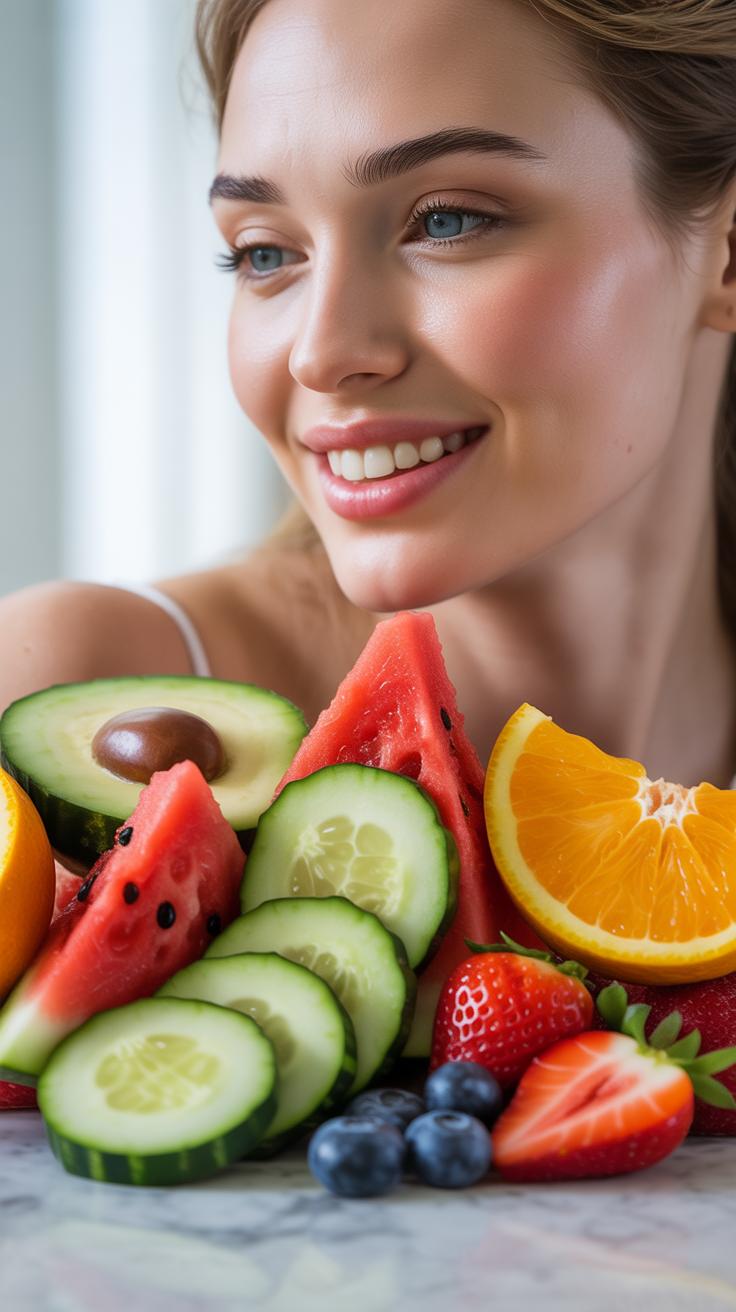
Cucumber, Watermelon, And Celery: High Water Content Foods For Skin Hydration
Cucumber and watermelon consist of over ninety percent water. This high fluid density delivers immediate moisture to skin cells. Watermelon contains lycopene which protects against UV damage and collagen breakdown. Cucumber provides silica to strengthen connective tissues. These foods serve as internal moisturizers. They reduce fine lines caused by surface dehydration. Consuming these items regularly keeps the skin supple and prevents a flat appearance.
Celery adds vital electrolytes like sodium and potassium to the hydration process. These minerals regulate fluid balance across cell membranes. Without electrolytes, water passes through the body without entering the skin cells. Eating raw celery ensures the skin stays plump rather than sallow. This tactical approach to eating targets the dermal layer directly. High water foods provide a physical cooling effect that reduces visible skin redness.
Why Consistent Hydration Through Whole Foods Outperforms Drinking Plain Water Alone
Whole foods hold water within a cellular structure. This structure slows down the absorption process. Your body retains this moisture longer than plain water which often flushes out quickly. Nutrients trapped inside the food cells travel with the water into your bloodstream. This slow release creates a reservoir of hydration for the skin. It prevents the rapid dehydration that often occurs between meals and overnight.
Fibrous foods create a gel like state for water during digestion. Scientists call this structured water or H3O2. This form of water stays in the body more efficiently than tap water. It helps maintain the skin barrier and improves elasticity. Eating your water also provides vitamins and antioxidants that plain water lacks. This dual action repairs the skin while it hydrates. Consistency in this habit leads to lasting skin clarity.
Healthy Food Inspiration Building A Weekly Skin Nourishing Meal Plan
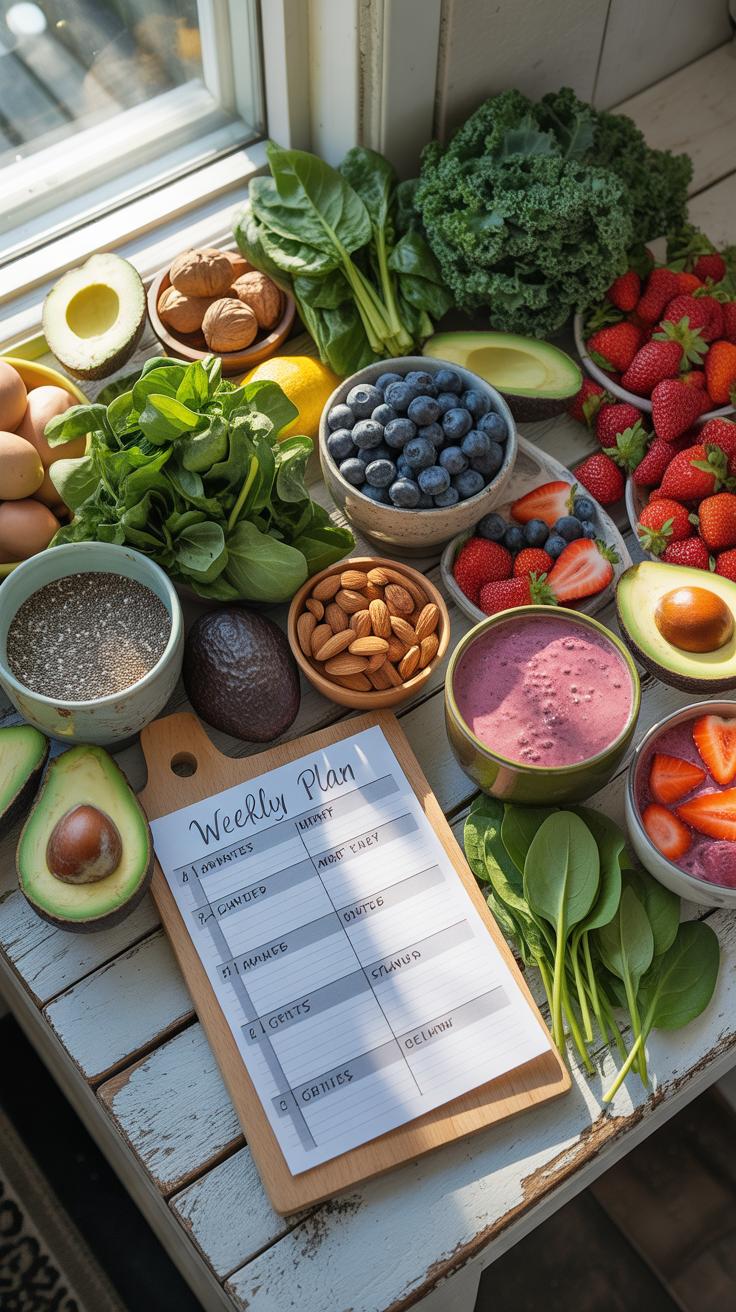
Simple Daily Swaps That Add More Skin Loving Nutrients To Every Meal
You do not need a complete diet overhaul to see results. Strategic substitutions increase your intake of antioxidants and essential fatty acids without extra effort. Replace refined carbohydrates with whole grains to stabilize blood sugar. Swap inflammatory fats like soybean oil for cold-pressed options. These small shifts reduce oxidative stress on your skin cells. Consistency across every meal creates the foundation for long-term dermal health.
- Walnuts instead of Croutons: Walnuts provide a high concentration of alpha-linolenic acid. This plant-based omega-3 fatty acid strengthens the skin barrier and reduces dryness. Croutons offer zero nutritional value and spike insulin, which can lead to increased oil production and potential clogged pores.
- Avocado instead of Mayo: Avocado contains monounsaturated fats and vitamin E. These nutrients protect skin cells from oxidative damage caused by the sun and pollution. Mayonnaise often uses processed seed oils high in omega-6 fatty acids, which can promote systemic inflammation if consumed in excess.
- Berries instead of Dried Fruit: Fresh berries have a lower glycemic index and higher water content. They deliver anthocyanins that support collagen structure. Dried fruits often contain added sugars and sulfur dioxide. These additives can trigger skin sensitivity or accelerate glycation, which leads to premature aging and wrinkles.
- Green Tea instead of Latte: Green tea is rich in epigallocatechin gallate. This powerful polyphenol helps repair DNA damage from ultraviolet light exposure. Milk-heavy lattes may contribute to acne for individuals sensitive to dairy hormones. Switching to tea provides hydration while actively fighting internal inflammation.
- Salmon instead of Red Meat: Salmon offers high levels of astaxanthin and omega-3s. These compounds improve skin elasticity and moisture retention. Red meat contains high levels of saturated fats. Excessive intake of these fats is linked to higher levels of insulin-like growth factor, which often triggers breakouts and oily skin.
Focus on color density when selecting vegetables for your plate. Dark leafy greens provide vitamin K and folate for cell repair. Orange vegetables offer beta-carotene which the body converts to vitamin A. This process regulates cell turnover and prevents the buildup of dead skin. Use these swaps to transform standard recipes into functional skin treatments. Track your skin clarity as you implement these dietary changes weekly.
Foods To Limit Or Avoid That Are Known To Trigger Inflammation And Breakouts
High-glycemic foods cause rapid spikes in blood sugar and insulin levels. This hormonal surge stimulates sebum production and clogs pores. Processed sugars also bind to proteins in the blood through a process called glycation. This creates harmful molecules that damage collagen and elastin fibers. Avoid white bread, sugary cereals, and soda to protect your skin structure. Reducing these items lowers systemic inflammation and improves your overall complexion.
Dairy products are a common trigger for many inflammatory skin conditions. Some research suggests that hormones found in milk can overstimulate oil glands. Trans fats found in fried foods also contribute to poor skin health. These fats promote inflammation and may make skin more susceptible to UV damage. Focus on eating whole, unprocessed foods to keep your skin clear. Eliminating triggers is just as important as adding beneficial nutrients.
Frequently Asked Questions

Can changing my diet really improve the appearance of my skin?
Absolutely. While topical products are important, true radiance often begins internally. Consuming specific foods for healthy skin provides your body with the essential building blocks it needs for cellular repair and collagen production. Nutrients like antioxidants, omega-3 fatty acids, and vitamins fight inflammation and oxidative stress, leading to a clearer, more resilient complexion that glows from within rather than just sitting on the surface.
How can I easily incorporate more skin-friendly nutrients into my daily routine?
The simplest way to add more foods for healthy skin is by following the “color rule” during meal prep. Aim to include at least two different vibrantly colored vegetables in every meal, such as spinach or bell peppers. You can also swap your morning coffee for green tea or sprinkle flaxseeds onto your yogurt. These small, consistent adjustments ensure you are receiving a steady supply of vitamins without overhaulng your entire lifestyle.
Do I need to buy expensive “superfoods” to see results in my complexion?
Not at all! Many of the most effective items for achieving a glow are affordable pantry staples. Carrots, sweet potatoes, canned sardines, and sunflower seeds are packed with skin-loving nutrients like beta-carotene and vitamin E. You don’t need exotic berries or pricey powders to see a difference; focusing on whole, seasonal produce from your local grocery store is a Budget-friendly and highly effective way to nourish your body and skin.