

Understanding The Link Between Acne Causing Foods And Skin Health
How What You Eat Influences Sebum Production And Pore Blockages
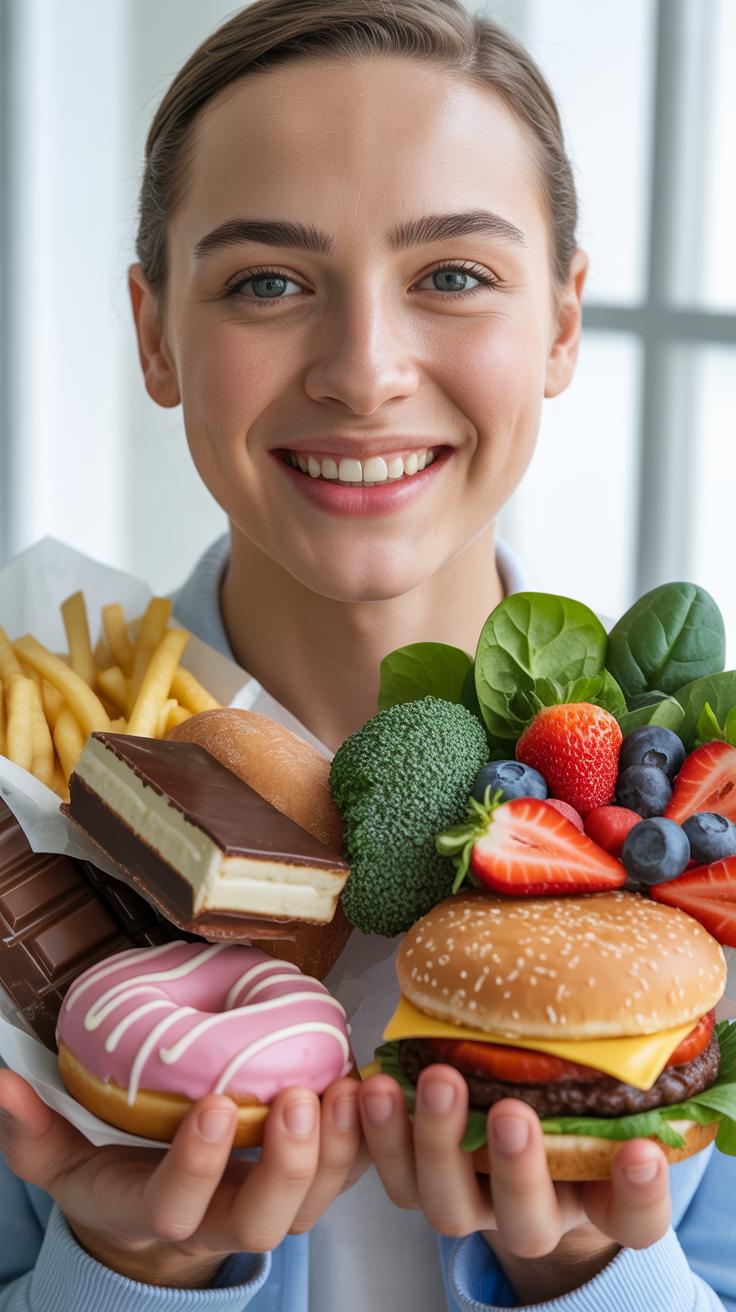
Diet directly impacts your skin by changing chemical signals in your body. When you eat high glycemic foods, your blood sugar levels spike. This rise triggers a surge in insulin. Insulin tells your sebaceous glands to produce more oil. Excess oil, known as sebum, fills your pores. Thicker oil gets trapped easily and combines with dead skin cells to create blockages.

Clogged pores are the primary foundation for all acne lesions. Dietary patterns that favor refined carbohydrates keep your insulin levels high. Constant insulin spikes lead to chronic overproduction of oil. This environment allows bacteria to thrive inside the follicle. You cannot clear your skin without managing these internal signals. Controlling your food intake stops the cycle of excess oil production before it starts.
The Science Behind Inflammation And Hormonal Acne Triggers In Your Diet
Certain foods act as messengers that trigger systemic inflammation. Dairy products contain natural growth hormones meant for calves. When humans consume these, the hormones stimulate the production of insulin-like growth factor 1. High levels of this factor increase the severity of breakouts. Your body treats these dietary signals as triggers for cellular growth. This process accelerates the clogging of your pores and fuels painful red bumps.

Hormonal balance is essential for clear skin. Western diets often lean toward pro-inflammatory fats like processed vegetable oils. These oils increase the inflammatory response throughout your entire body. Your skin reflects this internal state. Chronic inflammation makes your pores more reactive to bacteria. By removing these triggers, you lower the baseline of skin sensitivity. Tactical dietary choices reduce the physical redness and swelling associated with cystic acne.
High Glycemic Foods The Blood Sugar And Acne Connection
Why White Bread, Sugary Drinks, And Refined Carbs Spike Insulin And Worsen Breakouts
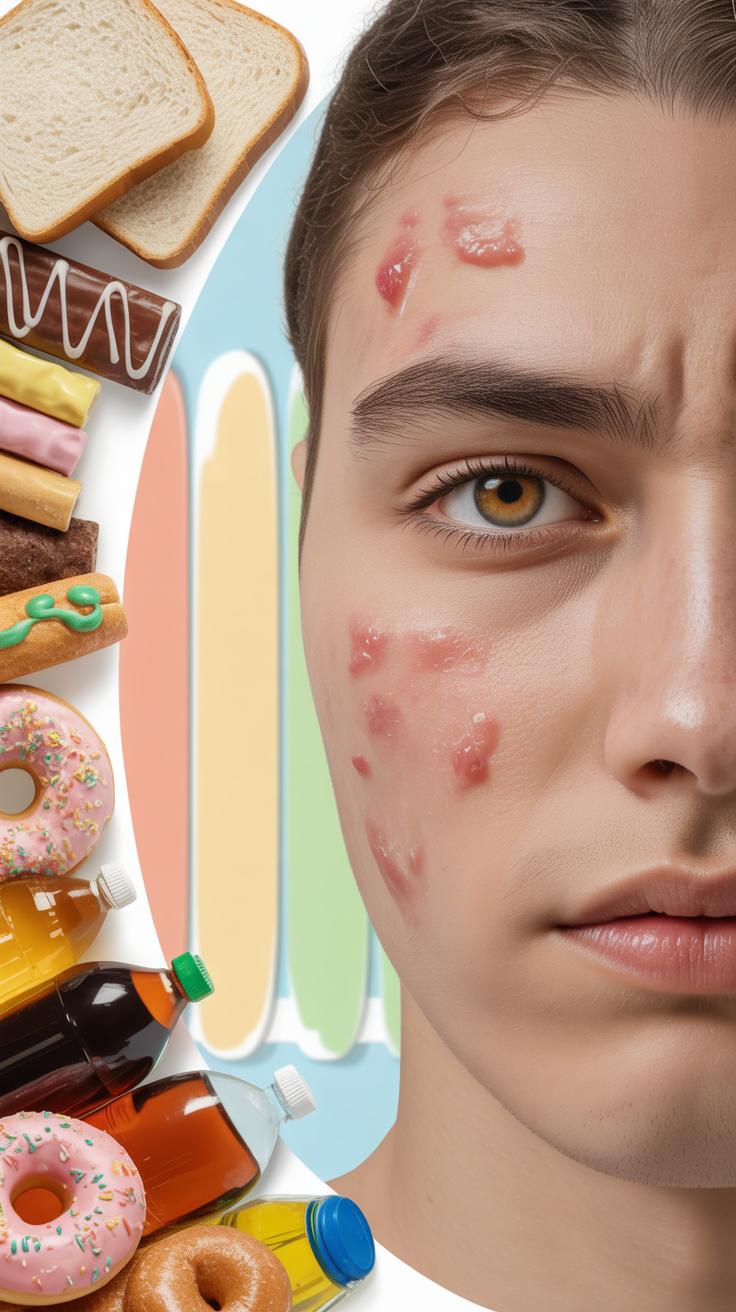
High-glycemic foods cause rapid spikes in blood sugar levels. Your body responds by releasing large amounts of insulin into the bloodstream. This hormone surge triggers an increase in androgen hormones. These male sex hormones stimulate the sebaceous glands to produce excess oil. This oily environment allows acne-causing bacteria to thrive in your pores. The result is more frequent and severe breakouts.
Insulin also increases the biological activity of insulin-like growth factor one. High levels of this factor cause skin cells to grow and multiply quickly. These excess skin cells often clog hair follicles and trap oil beneath the surface. This process creates the perfect conditions for inflammatory acne. Refined carbohydrates like white bread and sugary sodas are the primary drivers of this harmful hormone cycle.
How Swapping High GI Foods For Low GI Alternatives Supports Clearer Skin
Switching to low-glycemic foods stabilizes your blood sugar levels. When blood sugar stays level, your body produces less insulin. Lower insulin levels reduce the signals that tell your glands to produce oil. This change directly impacts the frequency of new pimples. You effectively starve the acne process at the hormonal source. Consistent blood sugar management is a proven strategy for improving overall skin texture.
Low-glycemic choices include whole grains, legumes, and most vegetables. These foods break down slowly during digestion. They provide a steady stream of energy instead of a sharp spike. This metabolic stability reduces systemic inflammation throughout the body. Less inflammation means that existing breakouts heal faster. Choosing complex carbohydrates is a tactical move to regain control over your skin health. Your hormones remain balanced and your pores stay clear.
Dairy Products And Acne What The Research Actually Shows

The Role Of Hormones In Cows Milk And Their Effect On Acne Prone Skin
Cow milk contains natural growth hormones designed to help calves grow quickly. These hormones survive pasteurization and enter your bloodstream after consumption. The most significant factor is Insulin-like Growth Factor 1. This hormone stimulates your sebaceous glands to produce more oil. High oil production leads to clogged pores and feeds the bacteria that cause inflammatory acne lesions on your face and body.
Milk also triggers a spike in your insulin levels. This metabolic response signals your body to release more male hormones like testosterone. These androgens further increase sebum production and accelerate skin cell growth. When skin cells shed too fast, they plug your pores. Dairy acts as a biological messenger that tells your skin to produce excess oil and inflammation. This combination creates a perfect environment for breakouts.
Feed your skin with the same kindness grandmother showed her garden, choosing vibrant whole foods over the processed sweets that cloud your natural glow. When we replace what burdens us with what nourishes us, we truly begin to bloom from within.
Skim Milk Vs Whole Milk Which Is More Likely To Trigger Breakouts
Epidemiological studies show that skim milk has a stronger link to acne than whole milk. This seems counterintuitive because skim milk has less fat. However, the processing of skim milk changes its molecular structure. Manufacturers often add whey proteins and casein back into the liquid to improve the consistency. These specific milk proteins are highly insulinogenic and cause significant spikes in hormone levels after you drink them.
Removing the fat also increases the relative concentration of growth hormones in the liquid. Fat usually slows down the absorption of sugars and hormones in the gut. Without that fat, your body absorbs the acne-triggering compounds much faster. This rapid absorption creates a sharp insulin spike. If you must consume dairy, whole milk is statistically less likely to cause a severe flare-up than the fat-free or low-fat versions.
Fried Food And Its Impact On Skin Why Greasy Meals Can Lead To Breakouts
How Oxidized Oils And Trans Fats In Fried Foods Promote Skin Inflammation
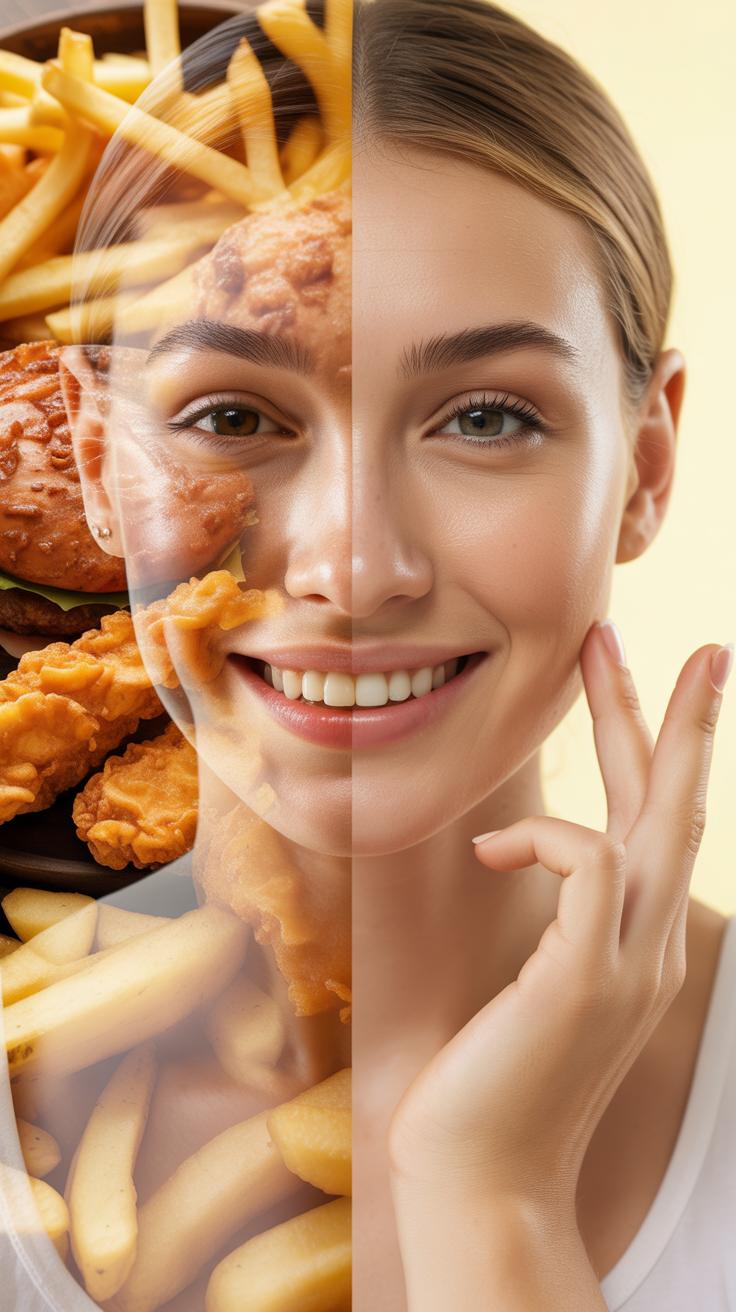
Fried foods typically use vegetable oils heated to extreme temperatures. This process causes oxidation and creates trans fats. When you eat these damaged fats, they trigger a systemic inflammatory response. Inflammation is a primary driver of acne. It makes your pores more likely to clog. High heat also alters the chemical structure of the oil. This makes the nutrients useless for your body.
Modern processing often relies on omega-6 fatty acids found in soy and corn oil. An imbalance of too much omega-6 and too little omega-3 creates a pro-inflammatory state. This state signals your oil glands to produce more sebum. Excess sebum traps dead skin cells and bacteria inside your pores. This leads to the red and painful bumps known as inflammatory acne. Clean skin requires stable fats.
Healthier Cooking Methods That Satisfy Cravings Without Sabotaging Your Skin
You can achieve crispy textures without submerging food in boiling oil. Air frying uses rapid air circulation to brown food using minimal fat. This method reduces the production of harmful inflammatory compounds. It keeps the fat stable and safe for consumption. Roasting at moderate temperatures also helps preserve the integrity of the ingredients. These methods stop the cycle of skin inflammation at the source.
Choose stable fats like avocado oil or coconut oil for high-heat cooking. These oils have high smoke points and resist oxidation better than seed oils. Steam or poach proteins to keep moisture in and toxins out. Steaming prevents the formation of advanced glycation end products. These compounds damage skin collagen and worsen breakouts. Tactical swaps in the kitchen directly influence your skin clarity. Focus on heat control to protect your face.
Chocolate And Acne Separating Myth From Fact With Clear Skin Tips

What Studies Reveal About Milk Chocolate Versus Dark Chocolate And Acne Risk
Clinical trials show a measurable link between milk chocolate consumption and increased acne lesions. Research indicates that low-quality chocolate triggers an inflammatory response in the skin. This reaction speeds up skin cell production and clogs pores. Young men who consume specific amounts of milk chocolate daily show more breakouts within one week. These findings suggest that certain chocolate types disrupt skin health.
Dark chocolate presents a different profile for skin health. High-percentage cacao contains polyphenols and antioxidants that usually lower inflammation. However, even dark chocolate can trigger breakouts in sensitive individuals if it contains specific fat profiles. Most researchers agree that the cacao bean is rarely the primary cause of oil production. You must evaluate the specific ingredients on the label to determine the actual risk level.
How Sugar And Dairy Content In Chocolate — Not Cocoa Itself — May Be The Real Culprit
The sugar in chocolate bars causes a rapid spike in blood insulin levels. High insulin triggers the release of androgen hormones and insulin-like growth factor 1. These hormones tell your sebaceous glands to produce more oil. Excess oil creates the perfect environment for acne-causing bacteria to grow. The refining process used for commercial candy bars creates a high glycemic load that damages skin.
Dairy components in milk chocolate further complicate the biological reaction. Milk contains hormones and bioactive molecules that stimulate the skin’s oil glands. These substances survive the manufacturing process and enter your bloodstream after consumption. When you combine high sugar with dairy proteins, you create a powerful trigger for systemic inflammation. Switching to dairy-free dark chocolate often eliminates the breakout response seen with standard milk chocolate.
Processed And Fast Foods Hidden Acne Solutions Start With Cutting The Junk

Why Sodium, Preservatives, And Refined Ingredients In Fast Food Disrupt Skin Balance
Fast food relies on refined carbohydrates and saturated fats to deliver flavor. These ingredients cause immediate spikes in insulin levels. High insulin triggers androgen hormones that force your sebaceous glands to produce more oil. Excess oil clogs pores and creates a breeding ground for acne bacteria. This hormonal reaction happens quickly after a meal. You cannot achieve clear skin while constantly triggering this inflammatory cycle.
High sodium levels in processed meals cause the body to retain water and swell. Salt also irritates the lining of your pores and slows down the natural healing process of existing breakouts. Preservatives used for shelf stability further aggravate the immune system. This creates chronic inflammation that makes skin red and sensitive. Cutting these ingredients reduces systemic stress and allows your skin barrier to function correctly.
Reading Food Labels: How To Identify And Avoid Skin Harming Processed Ingredients
Reading food labels is the only way to catch hidden acne triggers. Manufacturers hide sugar under names like maltodextrin or high fructose corn syrup. These additives have a high glycemic index that ruins skin health. Look for hydrogenated oils and trans fats on the ingredient list. These fats increase the thickness of your sebum. Thick sebum gets stuck in your pores and causes painful cystic acne.
Check the sodium count and search for chemical dyes or artificial flavors. These synthetic components disrupt your gut microbiome. A poor gut environment leads to skin flare ups and poor texture. Avoid products with long lists of unrecognizable chemicals. Choose whole foods with single ingredients instead. Taking control of what you consume prevents the internal damage that shows up on your face as stubborn acne.
Foods For Clear Skin The Best Anti Acne Foods To Add To Your Diet
Top Nutrient Rich Foods Packed With Zinc Omega 3s And Antioxidants That Fight Acne
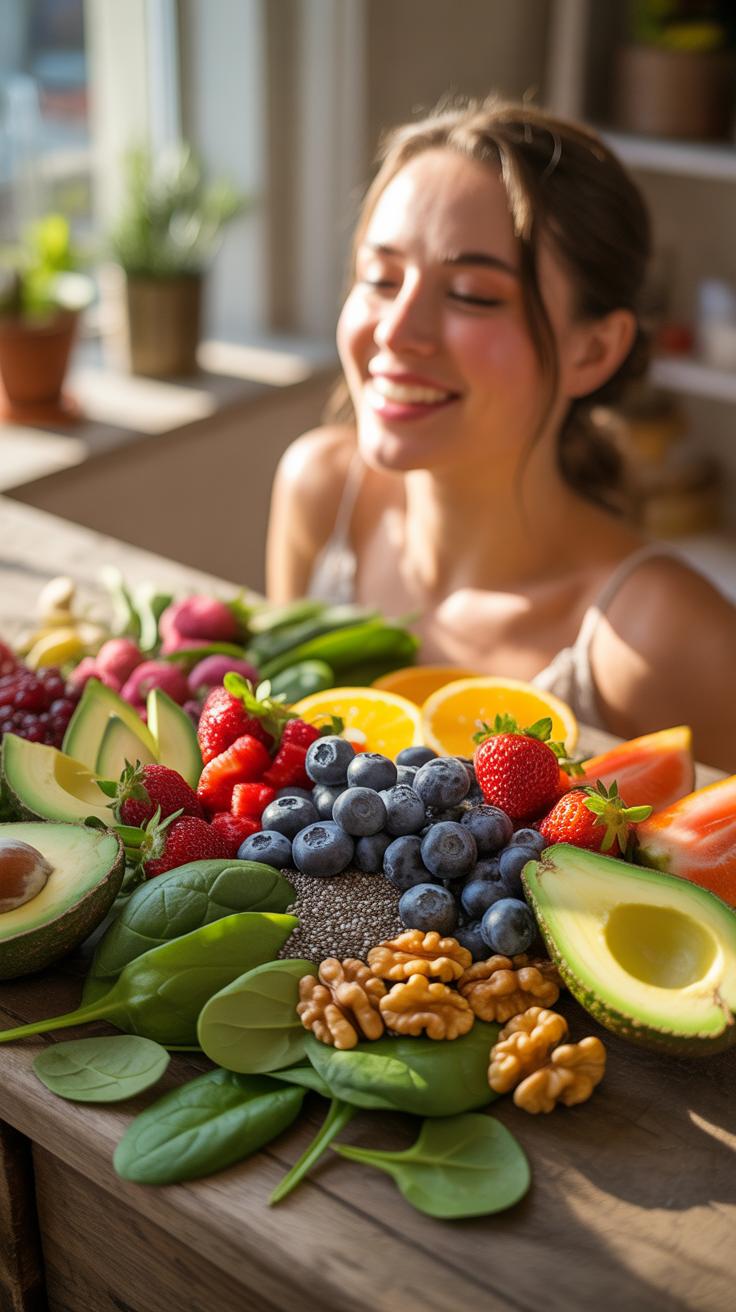
Dietary intervention targets acne at the molecular level by reducing systemic inflammation. Zinc regulates oil production and inhibits the growth of acne causing bacteria. Omega 3 fatty acids reduce inflammatory signals that trigger clogged pores and redness. Antioxidants neutralize free radicals that damage skin cells. Integrating these specific nutrients provides the building blocks for healthy skin and prevents the formation of new lesions.
- Oysters: These contain high concentrations of zinc which helps regulate the inflammatory response. Zinc also reduces the activity of male hormones that stimulate sebum production in the sebaceous glands.
- Fatty Fish: Salmon and mackerel provide concentrated omega 3 fatty acids like EPA and DHA. These fats stabilize the cell membrane and inhibit pro-inflammatory cytokines that frequently lead to cystic acne flare ups.
- Pumpkin Seeds: These seeds offer a highly bioavailable source of zinc and vitamin E. Daily consumption supports rapid skin healing and strengthens the skin barrier against environmental irritants and bacterial colonization.
- Blueberries: These fruits are dense with anthocyanins and systemic antioxidants. They protect skin cells from oxidative stress and reduce the severity of inflammatory acne by preventing the oxidation of sebum on the skin surface.
- Walnuts: These nuts provide alpha linolenic acid which is a plant based omega 3. Regular intake balances the ratio of fatty acids in the body and lowers the viscosity of oil produced by your pores.
Consistent intake of these micronutrients alters the chemical composition of your sebum. Thinner oil moves through the pores more easily and reduces the likelihood of blockages. This nutritional strategy addresses the root causes of acne rather than just treating symptoms. Focus on whole food sources to ensure maximum absorption of these skin clearing compounds. High nutrient density is the goal for long term skin clarity.
How A Whole Foods Diet Rich In Vegetables And Lean Proteins Supports Skin Repair
A whole foods diet stabilizes blood sugar levels to prevent insulin spikes. High insulin levels trigger IGF-1 which stimulates both oil production and cell growth. By choosing complex carbohydrates and lean proteins you keep your hormones in balance. This environment allows the skin to focus energy on repair and regeneration rather than fighting inflammation. Stable blood sugar is the foundation of clear skin.
Lean proteins like poultry and beans provide essential amino acids for collagen synthesis. Vegetables offer high fiber content which helps the body process and eliminate excess hormones. This process prevents the hormonal fluctuations that often cause chin and jawline breakouts. Removing processed sugars and refined grains reduces the total inflammatory load on your body. Proper nutrition speeds up the healing of current acne scars and prevents future damage.
Hydration And Clear Skin The Overlooked Role Of Water And Skin Tips

How Dehydration Affects Oil Production And Makes Acne Prone Skin Worse
Dehydrated skin lacks sufficient water in the stratum corneum. This deficiency signals your sebaceous glands to overcompensate by producing more oil. Excessive sebum production creates an environment where pores clog quickly. When oil mixes with dead skin cells, it forms a plug. This process leads directly to inflammatory acne breakouts. You must maintain water levels to keep oil production stable.
Chronic dehydration also slows down natural skin cell turnover. This delay causes dead cells to accumulate on the surface. These cells trap bacteria and oil inside your pores. Properly hydrated skin sheds these cells efficiently and prevents build up. Maintaining high water intake supports the skin barrier and reduces irritation. A strong barrier protects you against external bacteria that cause common cystic acne.
Beyond Plain Water: Hydrating Foods And Herbal Teas That Benefit Skin Health
Water intake goes beyond the glass. You should consume cucumbers, celery, and watermelon to increase systemic hydration. These foods provide structured water along with essential vitamins. High water content produce helps flush toxins from your digestive system. A clean gut often reflects as clear skin. Use these dense vegetables to maintain a steady flow of hydration throughout the day.
Specific herbal teas offer direct benefits for skin clarity. Spearmint tea is known for its anti androgenic properties. It helps reduce the hormonal fluctuations that trigger jawline acne. Green tea provides polyphenols that lower inflammation and fight oxidative stress. Avoid adding sugar or dairy to these drinks to prevent insulin spikes. Consistent consumption of these liquids supports a calm and clear complexion over time.
Gut Health Probiotics And Food To Eat For Acne The Gut Skin Axis Explained
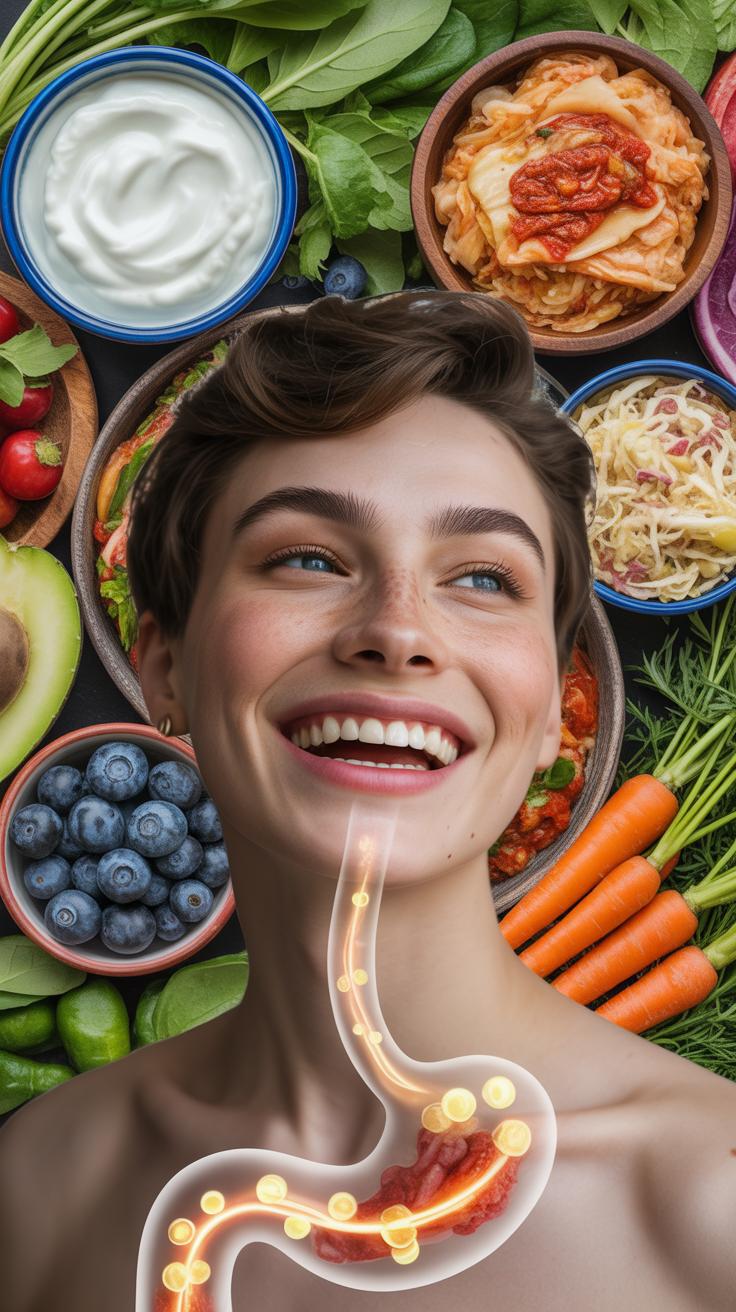
How An Imbalanced Gut Microbiome Can Manifest As Breakouts On The Skin
Your gut and skin communicate through a biological pathway called the gut-skin axis. When your intestinal lining becomes permeable, inflammation leaks into your systemic circulation. This process triggers an immune response that increases sebum production and clogs pores. Chronic gut irritation directly correlates with high levels of substance P. This neuropeptide increases skin oiliness and creates an environment where acne-causing bacteria thrive and multiply.
Poor bacterial diversity weakens your skin barrier function. A damaged barrier allows environmental toxins to penetrate the skin more easily. This lack of protection leads to redness and pustule formation. Research shows that people with acne often have fewer beneficial bacteria like Bifidobacterium. Your gut health dictates how your body regulates insulin and local skin inflammation. Keeping your gut flora balanced is essential for maintaining clear and healthy skin.
Fermented Foods, Fiber, And Prebiotics That Restore Gut Balance And Promote Acne Free Skin
Dietary intervention restores the gut-skin axis by introducing beneficial bacteria and fuel sources. High-fiber foods serve as prebiotics that feed healthy microbes in your colon. Fermented foods provide live probiotics that actively crowd out harmful pathogens. These foods lower systemic markers of inflammation and stabilize your blood sugar. Incorporating these specific items into your daily routine creates a biological environment that resists the formation of painful acne.
- Kefir: This fermented dairy or water drink contains a high concentration of live probiotics. It helps reduce systemic inflammation and balances the skin microbiome. Regular consumption improves your gut barrier function and limits the internal triggers that cause facial redness and breakouts.
- Sauerkraut: Fermented cabbage provides lactic acid bacteria that support digestion and skin health. It is a cost-effective way to ingest varied probiotic strains daily. Make sure to choose unpasteurized versions found in the refrigerated section to ensure the bacteria remain active and effective.
- Asparagus: This vegetable acts as a powerful prebiotic that feeds beneficial Bifidobacteria in your gut. It contains high levels of inulin fiber which helps regulate insulin sensitivity. Better insulin control prevents the hormonal spikes that lead to excessive oil production and clogged pores.
- Kimchi: This spicy fermented vegetable dish contains Lactobacillus strains that specifically target skin inflammation. It improves your metabolic health and reinforces the intestinal lining. Strengthening your gut prevents inflammatory compounds from reaching your bloodstream and irritating the sebaceous glands on your face.
- Chia Seeds: These seeds provide massive amounts of soluble fiber that stabilize your digestive transit time. They help remove toxins from the body before they can impact your skin quality. High fiber intake also prevents blood sugar crashes that often lead to inflammatory acne flare-ups.
Eliminating foods that cause acne requires a proactive approach to gut maintenance. You must prioritize fiber and live cultures to see a visible change in your complexion. These tactical food choices reduce the underlying stress on your immune system. Consistent intake of prebiotics and probiotics creates a stable internal foundation. This stability is the most effective way to prevent future breakouts and maintain long-term skin clarity.
Building A Long Term Acne Friendly Diet Practical Steps For Lasting Clear Skin
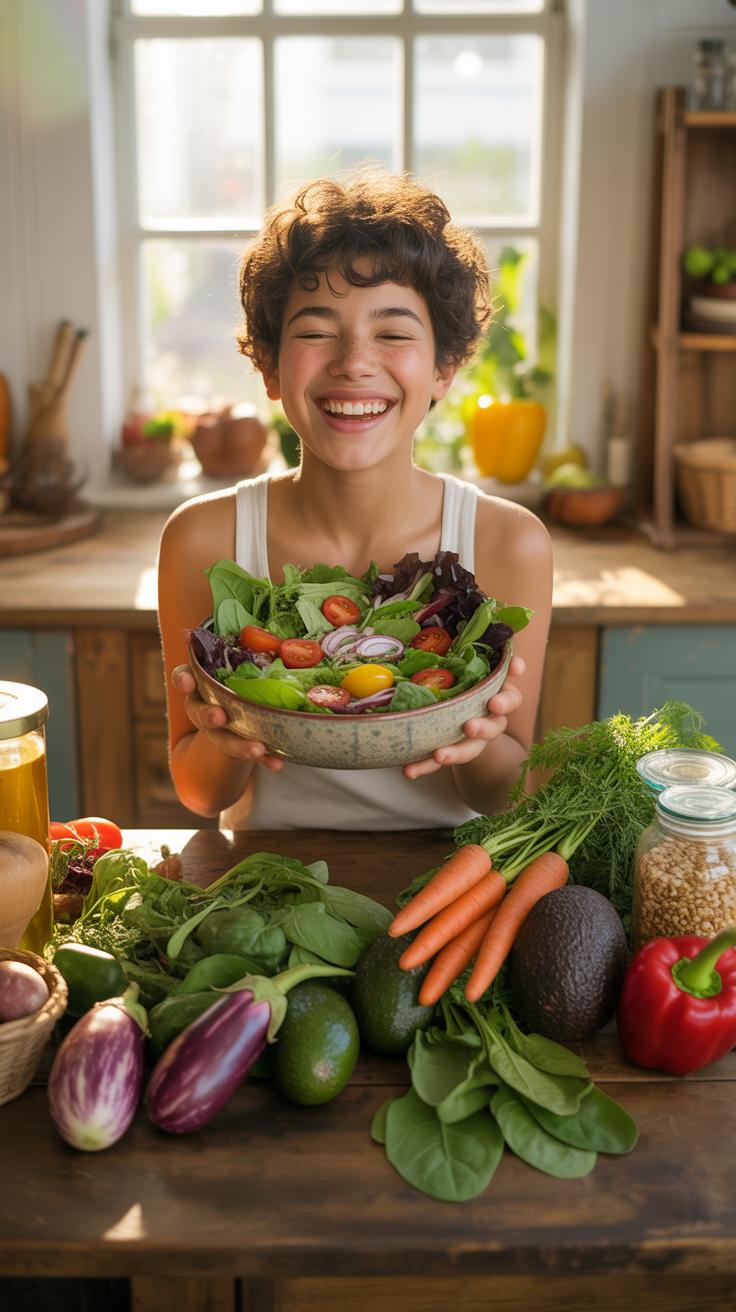
How To Create A Sustainable Meal Plan That Minimizes Acne Triggering Foods Over Time
Successful meal planning requires focusing on low glycemic load foods. Remove high-sugar items and refined grains that spike insulin levels. Elevated insulin increases sebum production and clogs pores. Replace white bread and sugary cereals with steel-cut oats and quinoa. Prioritize whole vegetables and lean proteins to stabilize blood sugar. Consistent habits prevent the hormonal fluctuations that trigger inflammatory skin responses and painful breakouts.
Avoid the trap of restrictive dieting which often leads to failure. Slowly phase out dairy milk and replace it with unsweetened almond or soy options. Track your skin reactions in a log to identify individual triggers. Not everyone reacts to whey or chocolate the same way. Focus on high-fiber intake to improve gut health and clear toxins. This measured approach ensures long-term compliance and better dermatological results.
When Diet Alone Is Not Enough: Combining Nutrition With Dermatologist Recommended Acne Solutions
Dietary changes manage internal inflammation but do not address all acne causes. Genetic factors and bacterial colonization often require medical intervention. Use topical retinoids to increase cell turnover and prevent clogged pores. Combine these with a low-sugar diet to attack acne from two sides. If topical treatments fail, consult a professional for systemic options. Proper skin care routines provide the surface defense your body needs.
A dermatologist can prescribe benzoyl peroxide or salicylic acid to kill bacteria. These tools work faster when you also reduce systemic inflammation through nutrition. Severe cystic acne often stems from hormonal imbalances that food cannot fix alone. Medical experts provide targeted therapies like spironolactone or isotretinoin for these cases. Use a science-based strategy that integrates high-quality nutrition with proven clinical treatments for the clearest skin possible.
Frequently Asked Questions

Which specific types of foods are most likely to trigger breakouts?
While everyone’s skin reacts differently, common foods that cause acne often include high-glycemic carbohydrates and dairy products. Sugary snacks, white bread, and sodas cause rapid spikes in blood sugar and insulin levels, which can stimulate oil production and lead to clogged pores. Additionally, some studies suggest that the hormones found in conventional cow’s milk may contribute to inflammatory skin conditions for many individuals seeking clearer complexions.
How can I adjust my daily diet to help clear my skin?
Transitioning away from foods that cause acne involves prioritizing anti-inflammatory, whole foods. Start by replacing sugary cereals with oats and swapping cow’s milk for unsweetened almond or flax milk. Focus on incorporating healthy fats like avocados and walnuts, or snack on vibrant berries rich in antioxidants. By consistently choosing complex carbohydrates and lean proteins over processed snacks, you provide your body with the essential nutrients needed to support natural skin healing.
Is it possible to eat for clear skin without spending a lot of money?
Absolutely! Eating for skin health doesn’t require expensive “superfoods.” Affordable pantry staples like canned sardines, dried lentils, and brown rice are excellent choices for reducing inflammation. Frozen vegetables are just as nutritious as fresh ones and often cost much less. You can easily avoid common triggers by drinking tap water instead of sugary drinks and opting for seasonal produce, making a skin-clearing diet both accessible and highly sustainable for any budget.