
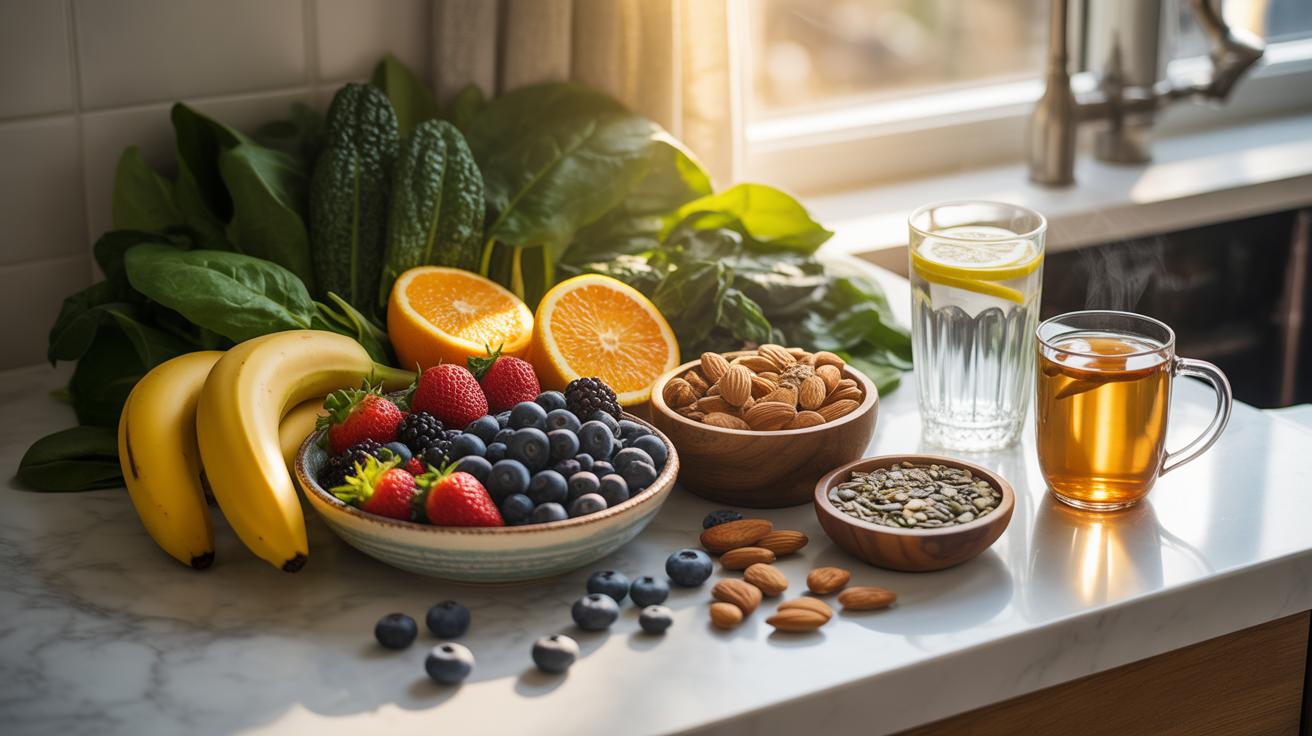
Why Foods For Period Cycle Matter More Than You Think
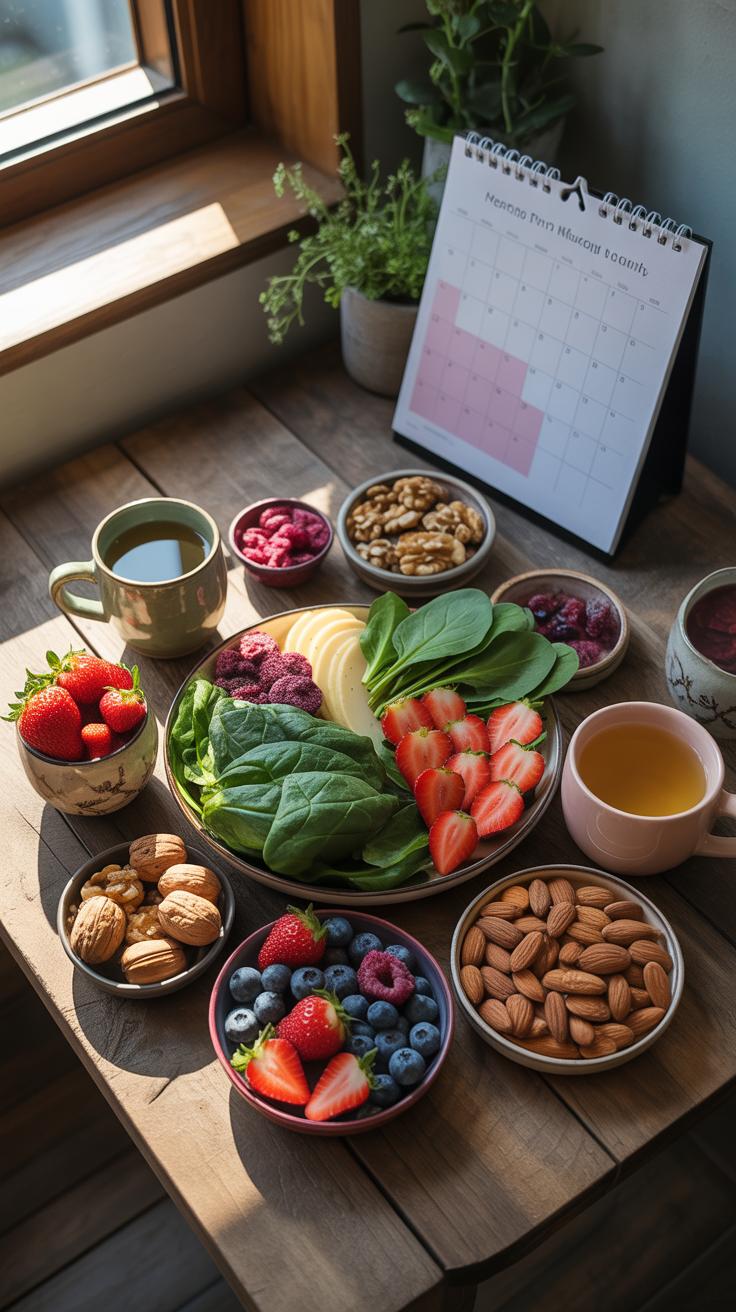
How Hormonal Shifts During Menstruation Influence Your Appetite And Nutrition Needs
Estrogen and progesterone levels drop sharply right before your period starts. This shift changes how your body handles insulin and blood sugar. You experience intense cravings because your brain wants a quick hit of dopamine. Lowered serotonin levels also drive the urge for high-calorie snacks. Your body is working harder to shed the uterine lining. This process requires more energy and specific micronutrients.
Iron levels fall as you lose blood during the menstruation phase. This loss causes fatigue and brain fog if you do not replace the mineral through your diet. Your basal metabolic rate also fluctuates during this time. You need nutrient-dense fuel to stabilize your mood and maintain energy levels. Ignoring these shifts leads to a cycle of crashes and poor physical performance. Tactical eating addresses these physiological demands directly.
The Connection Between What You Eat And How Severe Your Period Symptoms Feel
The food you consume dictates the level of inflammation in your body. High-sugar and high-sodium foods increase water retention and bloating. Prostaglandins are chemicals that make your uterus contract. Certain fats can increase these chemicals and make cramps more painful. When you eat inflammatory foods, you amplify the signals that cause physical distress. Proper nutrition acts as a tool to dampen these signals.
Micronutrients like magnesium and calcium regulate muscle contractions and nerve function. Choosing the right foods can physically relax the smooth muscles of the uterus. This reduces the severity of cramps without relying solely on medication. Fiber helps your body process and remove excess estrogen through the digestive tract. Keeping your gut clear prevents the hormonal buildup that causes breast tenderness and mood swings. Tactical food choices provide immediate symptom relief.
Period Foods To Eat For Managing Cramps And Inflammation
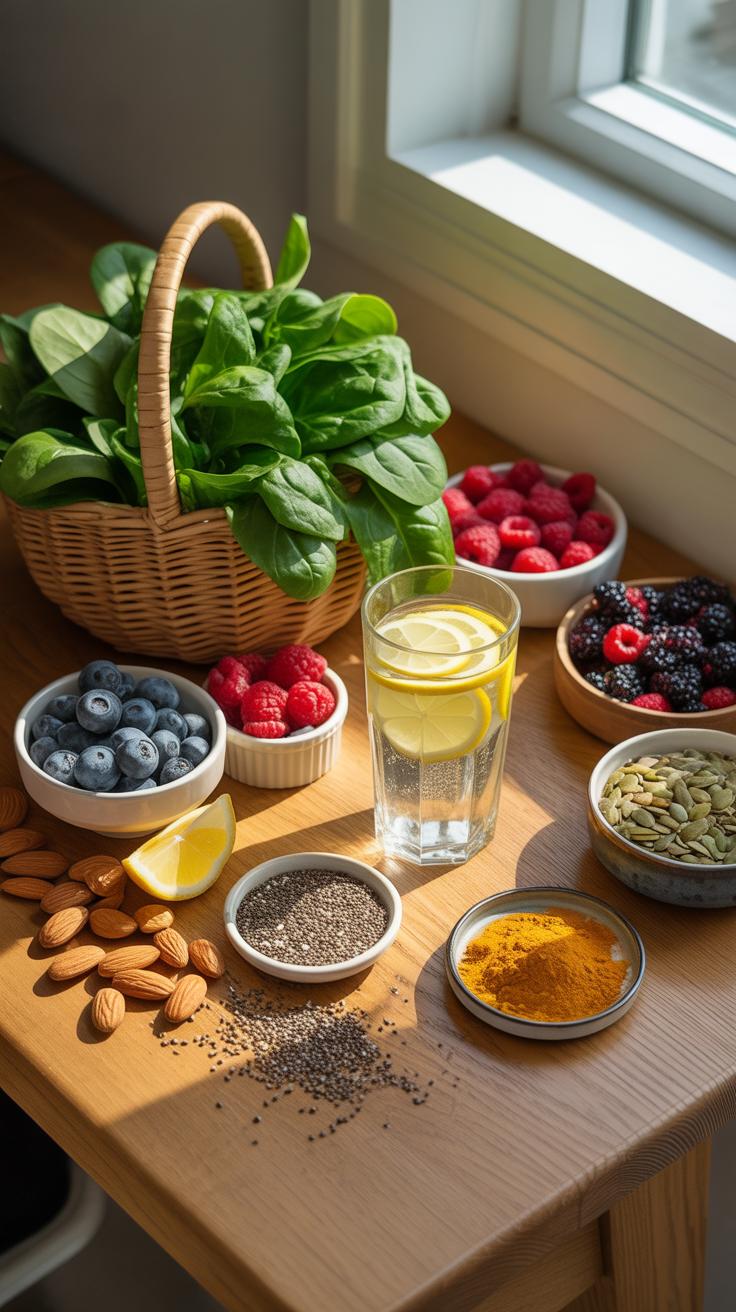
Anti Inflammatory Foods Like Fatty Fish And Leafy Greens That Help Reduce Menstrual Cramps
Prostaglandins drive uterine contractions and cause physical pain. High levels of these chemicals increase cramp severity. Fatty fish like salmon and sardines contain high concentrations of omega-3 fatty acids. These fats block the production of pro-inflammatory compounds in your body. Consuming these foods three days before your period starts significantly lowers systemic inflammation. This tactical dietary shift targets the biological root of menstrual distress.
Leafy greens like kale and spinach provide essential antioxidants and plant compounds. These nutrients neutralize free radicals that aggravate tissue inflammation during your cycle. Dark greens also contain vitamin K and calcium to help regulate blood flow and muscle behavior. Consistent intake reduces the overall inflammatory response in the pelvic region. Use these foods to stabilize your internal environment and minimize the need for over-the-counter pain medications.
How Magnesium Rich Foods Such As Nuts, Seeds, And Dark Chocolate Help Ease Muscle Tension
Magnesium acts as a natural muscle relaxant by regulating calcium transport within your cells. Uterine muscles require this mineral to prevent hyper-contraction and cramping. Nuts and seeds provide a dense source of magnesium that enters the bloodstream quickly. Adequate magnesium levels directly reduce the intensity of smooth muscle spasms. This objective physiological process allows the uterus to shed its lining without causing excessive pain or localized tension.
Dark chocolate with at least seventy percent cocoa serves as a functional tool for cramp management. It contains high magnesium levels and polyphenols that improve blood circulation. Better blood flow prevents the oxygen deprivation in uterine tissue that triggers sharp pain signals. Strategic consumption of dark chocolate also stabilizes your mood by boosting serotonin levels. Integrate these nutrient-dense options to maintain metabolic balance and physical comfort throughout the heaviest days.
Period Hacks Simple Dietary Swaps That Make Your Cycle Easier

Replacing Processed Snacks With Whole Foods To Reduce Bloating And Mood Swings
Processed snacks contain high levels of sodium and refined sugar. Sodium triggers water retention and worsens bloating during your period. Refined sugars cause rapid insulin spikes followed by sharp crashes. These fluctuations destabilize your mood and increase irritability. You must stop eating packaged chips and sugary bars. Swap these for whole foods like nuts, seeds, or fresh fruit to maintain steady energy.
Whole foods provide essential fiber and complex carbohydrates. Fiber helps your body clear excess estrogen through the digestive tract. High estrogen levels often lead to heavier flow and breast tenderness. Complex carbs provide a slow release of glucose into your bloodstream. This prevents the mid-afternoon energy slump and sugar cravings. Focus on nutrient density to give your body the fuel it needs for uterine contractions.
Smart Hydration Habits And Herbal Teas That Support Comfort During Menstruation
Proper hydration is the most effective way to combat water retention. It sounds counterintuitive but drinking more water forces your body to release stored fluids. This reduces the pressure in your midsection and eases discomfort. Limit your intake of caffeine and carbonated drinks. Caffeine constricts blood vessels and can intensify menstrual cramps. Stick to filtered water to keep your circulatory system moving efficiently and reduce headaches.
Herbal teas offer specific medicinal benefits for cycle management. Ginger tea acts as a natural anti-inflammatory to inhibit prostaglandins. These chemicals cause the uterine muscle to contract and create pain. Peppermint tea helps relax the muscles of the gastrointestinal tract to relieve gas and bloating. Raspberry leaf tea is a traditional remedy used to tone the uterus. Use these targeted fluids to replace sugary sodas and dehydrating coffee.
What To Eat During Periods To Replenish Lost Iron And Energy
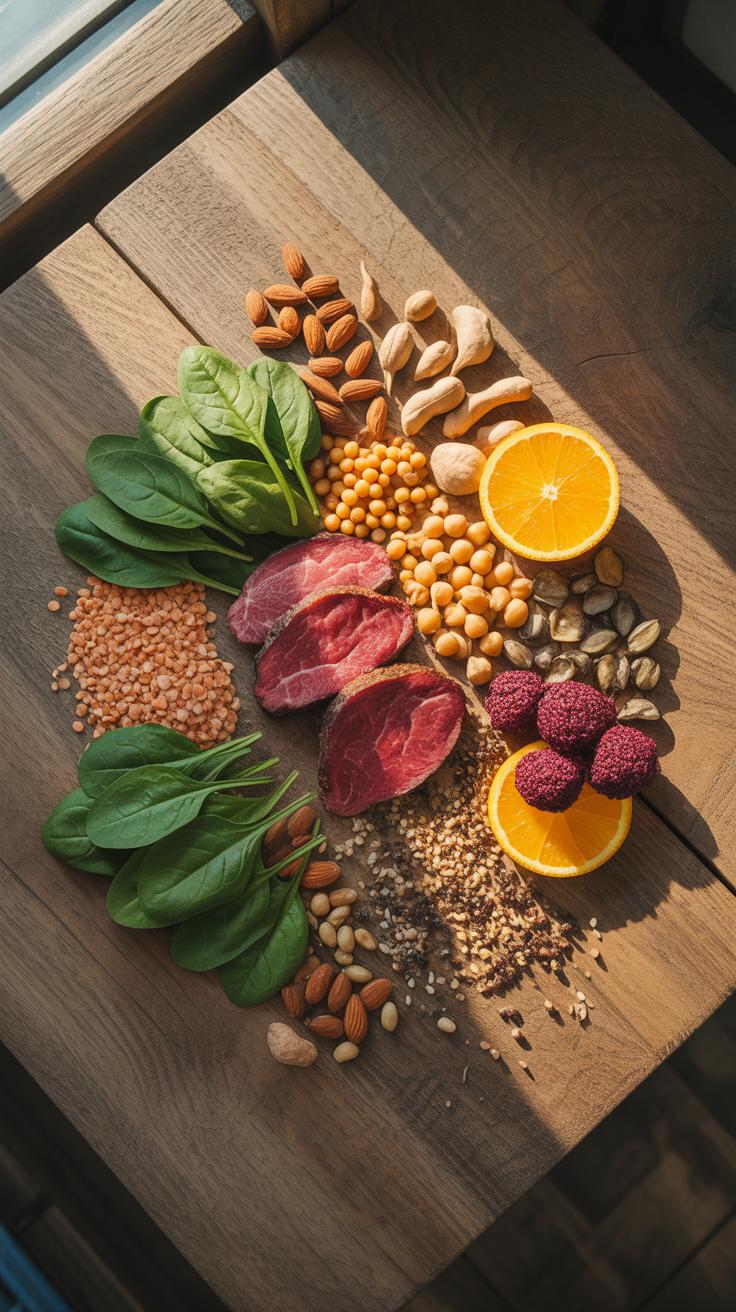
Iron Rich Foods Including Lentils Spinach And Red Meat That Help Replace Menstrual Blood Loss
Menstrual bleeding causes direct iron loss. This mineral carries oxygen in your blood. Low iron leads to brain fog and physical weakness. You must replace these losses to maintain energy levels. Red meat provides heme iron which the body absorbs easily. This is the most efficient way to raise your levels quickly. It prevents the crash many feel during heavy flow days.
Plant sources like lentils and spinach provide non-heme iron. These options work well for those avoiding meat. Spinach also contains fiber to help with digestion. Lentils offer protein to keep blood sugar stable. Consistent iron intake reduces the risk of anemia. Focus on these foods during the first three days of your cycle. This remains the most critical window for blood volume recovery.
Pairing Vitamin C Foods With Iron Sources To Maximize Absorption And Combat Period Fatigue
Iron absorption is often inefficient. You only absorb a small fraction of the iron you eat. Vitamin C changes this process. It breaks down non-heme iron into a form that is easier for the gut to take in. Eating bell peppers or citrus with your lentils is a tactical move. This combination ensures you get the most value from every meal.
Fatigue often stems from poor nutrient uptake. High vitamin C intake supports the adrenal glands and immune system. This prevents the run-down feeling common during periods. Avoid drinking tea or coffee during iron-rich meals. Tannins and caffeine block iron absorption. Stick to water with lemon or fresh fruit instead. These simple swaps significantly increase your daily energy and focus during your period.
Menstruation Meals How To Build A Period Friendly Plate
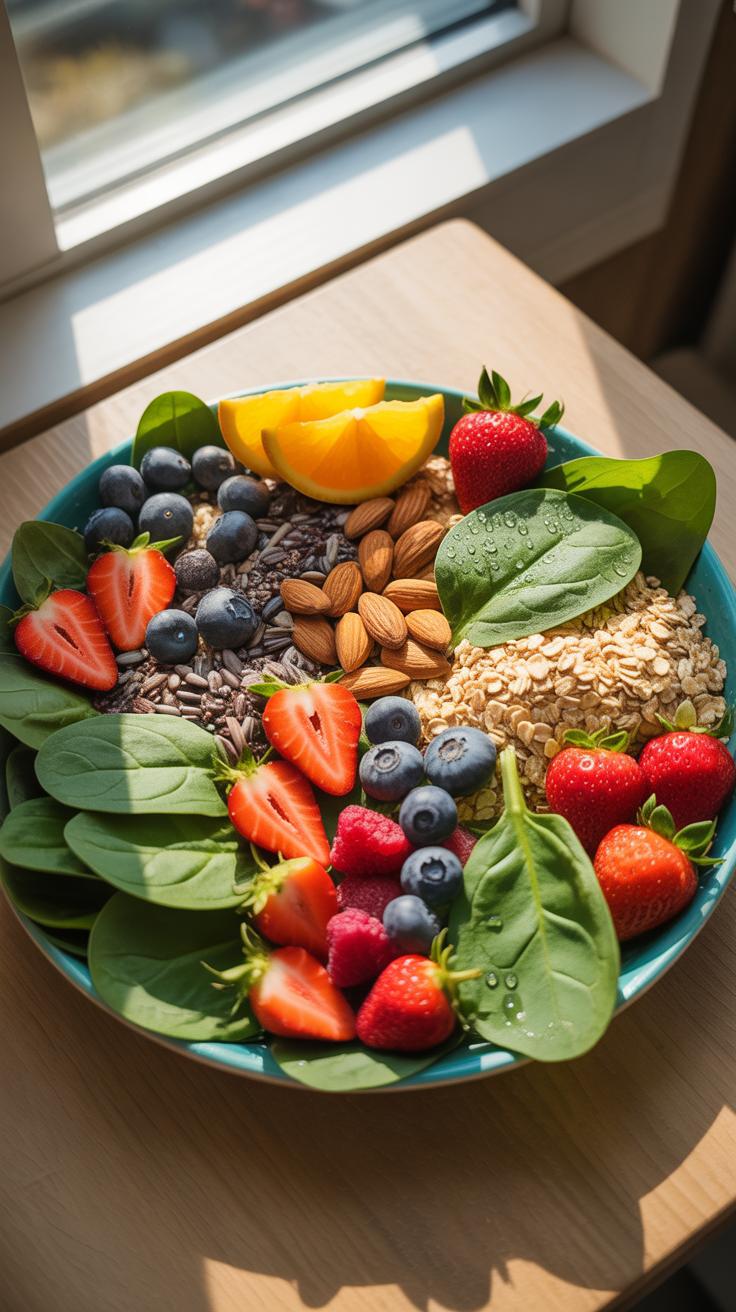
Balancing Complex Carbohydrates, Lean Proteins, And Healthy Fats For Sustained Energy Across Your Cycle
Estrogen and progesterone levels drop sharply at the start of your period. This shift impacts your metabolic rate and blood sugar stability. You must prioritize complex carbohydrates like oats or quinoa to prevent energy crashes. These slow-burning fuels provide a steady glucose release. They also help your brain produce serotonin. This chemical regulates your mood and helps fight the irritability often felt during menstruation.
Lean proteins and healthy fats complete the nutritional foundation. Protein provides the amino acids necessary for hormone synthesis and muscle repair. Healthy fats from salmon or avocado support prostaglandin regulation. Reducing inflammatory prostaglandins lowers the intensity of uterine contractions and physical pain. Combine these three macronutrients at every meal to maintain physical stamina. This strategy stops the cycle of fatigue and sugar cravings effectively.
Easy Meal Ideas That Are Nutrient Dense, Comforting, And Practical To Prepare During Your Period
Efficient meal planning minimizes the physical effort required when cramps and fatigue are high. Focus on one-pot dishes or simple assemblies that require less than twenty minutes of active labor. These meals should prioritize bioavailability. This means choosing ingredients that the body can break down and absorb quickly. Focus on warm foods. Heat increases blood flow to the pelvic region and can soothe internal tension naturally.
- Sheet Pan Salmon and Broccoli: Roast a fatty fish fillet with green vegetables on one tray. Salmon provides omega-3 fatty acids to reduce inflammation. Broccoli adds crucial fiber to help your body process and clear out excess used hormones.
- Red Lentil Dahl: Cook red lentils with turmeric and ginger for a fast, iron-rich stew. Lentils provide plant-based protein and fiber for digestive health. Turmeric acts as a natural anti-inflammatory agent to dampen the signals of uterine pain.
- Greek Yogurt with Chia Seeds: Mix plain yogurt with berries and seeds for a no-cook snack. The calcium in yogurt helps reduce muscle spasms and bloating. Chia seeds offer a concentrated dose of fiber and healthy fats for lasting fullness.
- Lean Turkey and Spinach Stir-Fry: Sauté ground turkey with large amounts of fresh spinach and garlic. Turkey contains tryptophan which helps improve sleep quality during your cycle. Spinach provides non-heme iron to replace what is lost during your monthly bleed.
- Quinoa and Black Bean Bowl: Combine pre-cooked quinoa with canned black beans and avocado slices. This meal delivers a massive hit of magnesium and complex carbohydrates. Magnesium relaxes the smooth muscles of the uterus and helps prevent heavy cramping.
Prep these ingredients before your period starts to ensure you have high-quality options available. Avoid processed snacks that contain high sodium. Excess salt causes the body to retain water and increases the sensation of bloating. Use natural spices like ginger or cinnamon to add flavor without triggering inflammation. Strategic eating reduces the need for over-the-counter painkillers. Build your plate with intent to manage your symptoms through direct nutrition.
Period Food That Helps Stabilize Mood And Reduce Emotional Symptoms
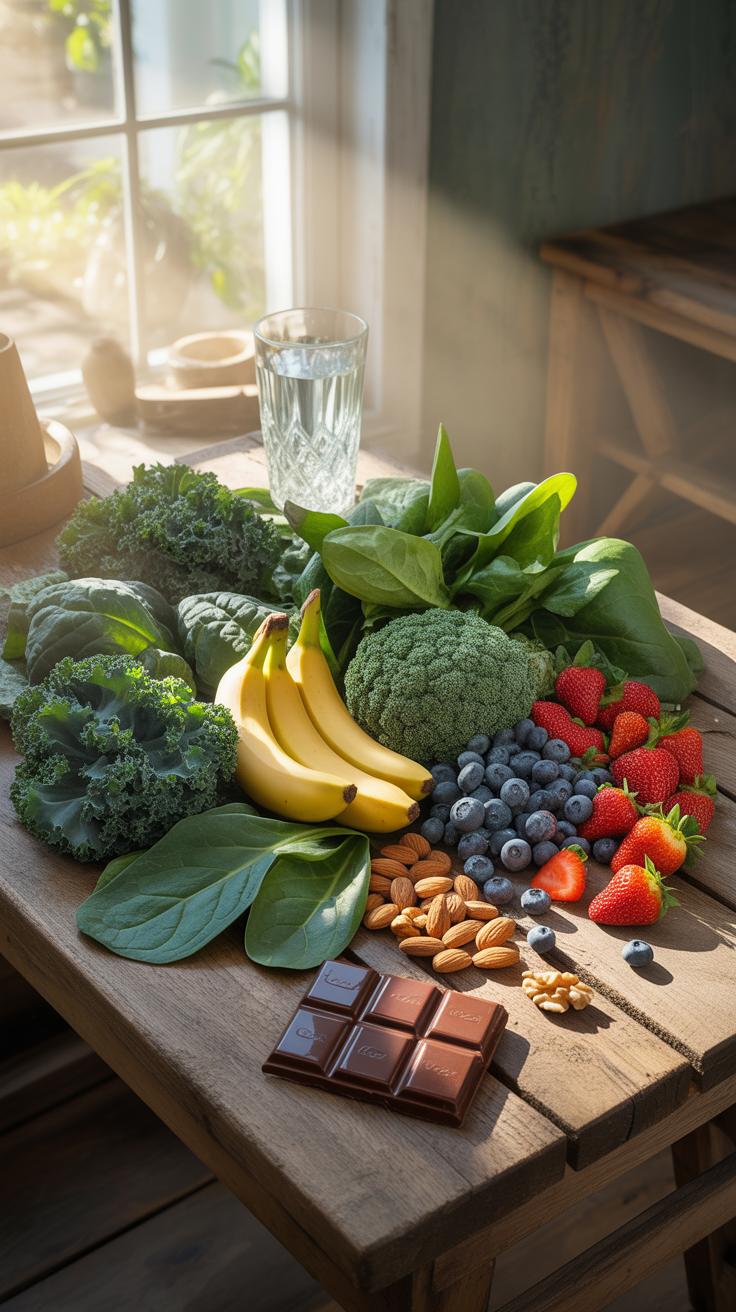
How Tryptophan And Omega 3 Fatty Acids Found In Foods Like Salmon, Walnuts, And Eggs Support Serotonin Levels
Serotonin levels drop sharply during your period. This chemical regulates your mood and sleep. Salmon and eggs contain high amounts of tryptophan. Your body uses this amino acid to produce serotonin. Increasing intake of these foods helps reverse the chemical dip. Better serotonin levels reduce the risk of sudden crying spells and irritability. You must consume these proteins consistently to see results.
Omega-3 fatty acids further support brain health. Walnuts and fatty fish provide these essential fats. They reduce inflammation in the brain that causes mood swings. Research shows these fats pass through cell membranes easily to improve signal transmission. This process stabilizes emotional responses during hormonal shifts. Eat these foods to maintain a steady temperament. These nutrients are vital for managing the psychological symptoms of your cycle.
The Role Of B Vitamins From Whole Grains And Legumes In Easing PMS Related Mood Changes
B vitamins act as catalysts for neurotransmitter synthesis. Whole grains and legumes supply high concentrations of B6 and B12. These vitamins help your brain create dopamine and serotonin. Low levels of B6 often correlate with increased anxiety and tension. Consuming brown rice and chickpeas provides a steady supply of these micronutrients. This nutritional strategy directly counteracts the fatigue and low mood common in your luteal phase.
Legumes and grains also provide fiber to stabilize blood sugar. Stable blood sugar prevents the glucose crashes that trigger anger or sadness. Most women do not get enough B vitamins through standard diets. You should prioritize lentils and oats during your period to fill this gap. Consistent intake supports the nervous system and lowers overall stress. These foods offer a practical way to manage monthly emotional shifts without medical intervention.
Cycling Food Adjusting Your Diet Across The Four Phases Of Your Menstrual Cycle
What To Eat During The Follicular And Ovulatory Phases To Support Rising Estrogen And Peak Energy
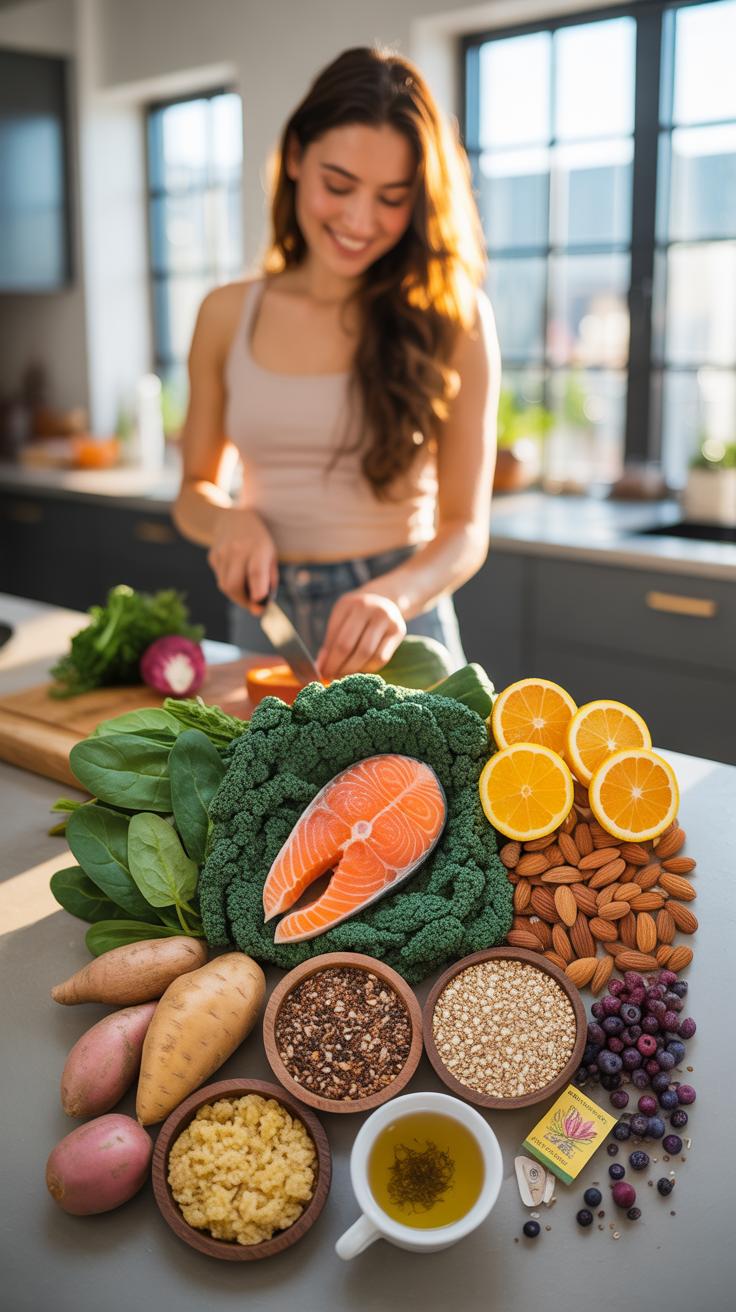
Estrogen levels rise sharply after your period ends. This hormone increases your energy and improves insulin sensitivity. You should focus on light foods that support liver detoxification to metabolize these hormones efficiently. Incorporate fermented foods like kimchi or sauerkraut to balance gut bacteria. These choices help your body process the building estrogen levels without creating a hormonal backlog in your system.
During ovulation, your body reaches peak energy and body temperature rises. You require more antioxidants to protect the egg and support high activity levels. Focus on whole grains and lean proteins to sustain this energy. Avoid heavy, processed fats that may cause sluggishness. Maintaining stable blood sugar now prevents a sharp energy crash later. These tactical choices maximize your physical performance during your most energetic window.
Nourishing Your Body During The Luteal Phase When Cravings, Bloating, And Fatigue Tend To Peak
Progesterone rises during the luteal phase and slows down digestion. This shift often leads to bloating and irregular bowel movements. You must prioritize high fiber intake from cooked vegetables. Cooked foods are easier for your digestive tract to handle than raw produce. Increasing fiber helps move excess hormones out of your body. This strategy directly reduces the physical discomfort and heaviness felt before menstruation begins.
Cravings for sugar and carbohydrates often peak during this phase. Your basal metabolic rate increases, so your body requires more calories. Choose complex carbohydrates like sweet potatoes or oats to stabilize blood sugar. These foods provide a steady release of glucose. Steady glucose prevents the mood swings and irritability common with PMS. Proper fueling now reduces the intensity of the fatigue you will face when your period eventually starts.
What To Eat When On Period To Ease Bloating And Water Retention
Potassium Rich Foods Like Bananas And Avocados That Help Counter Period Related Water Retention
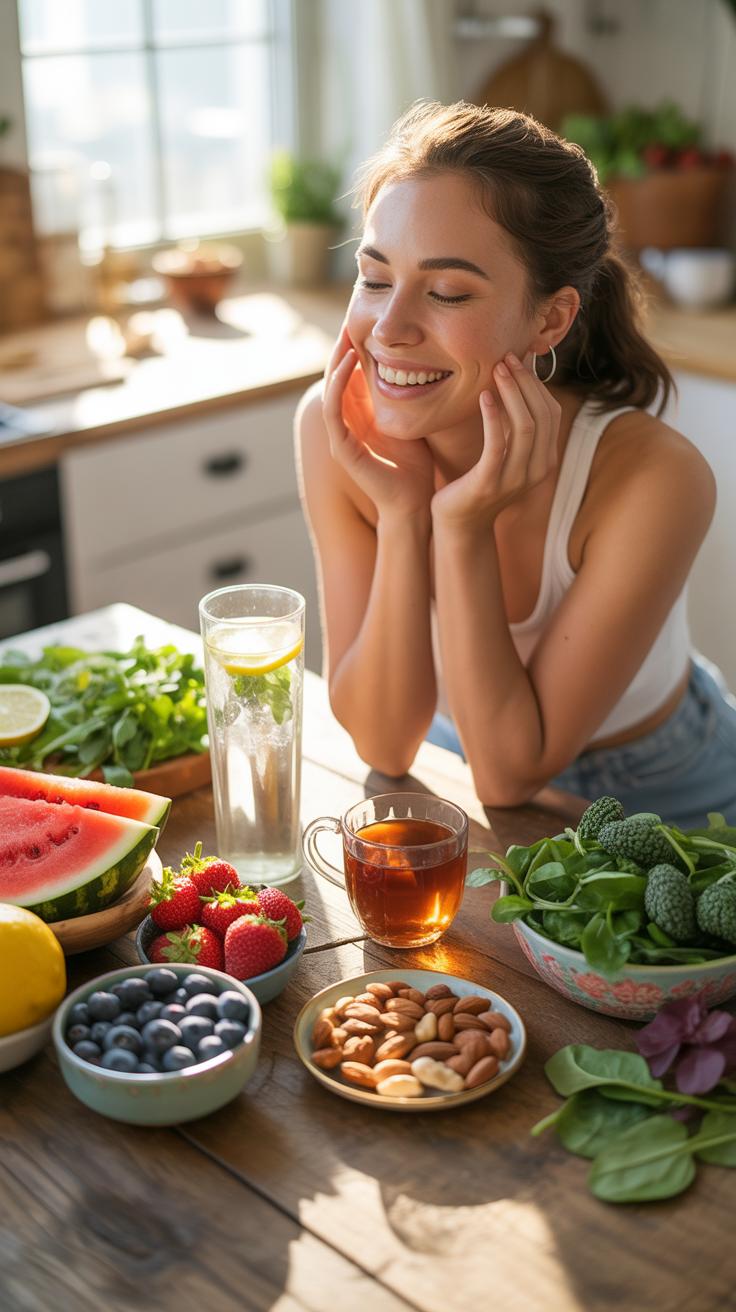
High estrogen levels during your period signal the body to retain sodium. This biological shift leads to visible bloating and heavy water weight. Potassium acts as the primary physiological counterweight to sodium. It forces the kidneys to flush out extra salt through urine. Consuming potassium rich foods restores the proper fluid balance in your cells. This process reduces the physical pressure caused by excess fluid.
Bananas and avocados provide dense concentrations of potassium to stabilize your system. These foods also contain vitamin B6 which further aids in reducing fluid buildup. You should prioritize these items during the first three days of your cycle. Consistent potassium intake lowers internal inflammation and eases the tight feeling in your abdomen. Strategic eating shifts your body from a state of storage to a state of active elimination.
One cannot think well, love well, sleep well, if one has not dined well. Nourish your body with the gentle warmth it craves during this quiet time.
Foods And Beverages To Limit Or Avoid During Your Period To Minimize Bloating And Discomfort
Hormonal changes make your digestive tract more sensitive to irritation and gas production. Certain foods trigger inflammation and worsen the physical symptoms of menstruation. High sodium intake is the leading cause of sudden weight gain during your cycle. Limiting these triggers prevents the stomach from distending. You must monitor your diet to ensure you are not accidentally feeding the biological processes that cause pain.
- Processed Salty Snacks: Canned soups and chips contain massive amounts of sodium that force cells to hold water. Excessive salt intake during your period creates immediate swelling in the extremities and abdominal area.
- Carbonated Beverages: Soft drinks and sparkling waters introduce excess gas into the digestive system. This trapped air increases pressure against the uterine wall and makes your period cramps feel significantly more intense.
- Refined Sugar: High sugar intake causes rapid spikes in insulin levels which leads to sodium retention. These fluctuations also worsen hormonal mood swings and increase general inflammation throughout the entire reproductive system.
- Caffeine: Coffee and energy drinks constrict blood vessels and can lead to pelvic tension. Caffeine also irritates the stomach lining and can lead to digestive upset or diarrhea during the heavy flow days.
- Cruciferous Vegetables: Raw broccoli and cauliflower contain complex sugars that the body struggles to break down during menstruation. These vegetables ferment in the gut and cause painful gas pockets that compete for space with the uterus.
Eliminating these items for five days can drastically change your physical comfort level. Focus on whole foods that do not require your body to work overtime on digestion. Alcohol should also be avoided as it dehydrates the body and slows down the natural detoxification process. Simple dietary discipline reduces the severity of your monthly cycle. Clean eating keeps your energy levels stable while your body sheds its lining.
Food On Your Period Comforting Choices That Still Support Your Health
Why Dark Chocolate, Oatmeal, And Warm Soups Are Both Satisfying And Nutritionally Supportive During Menstruation
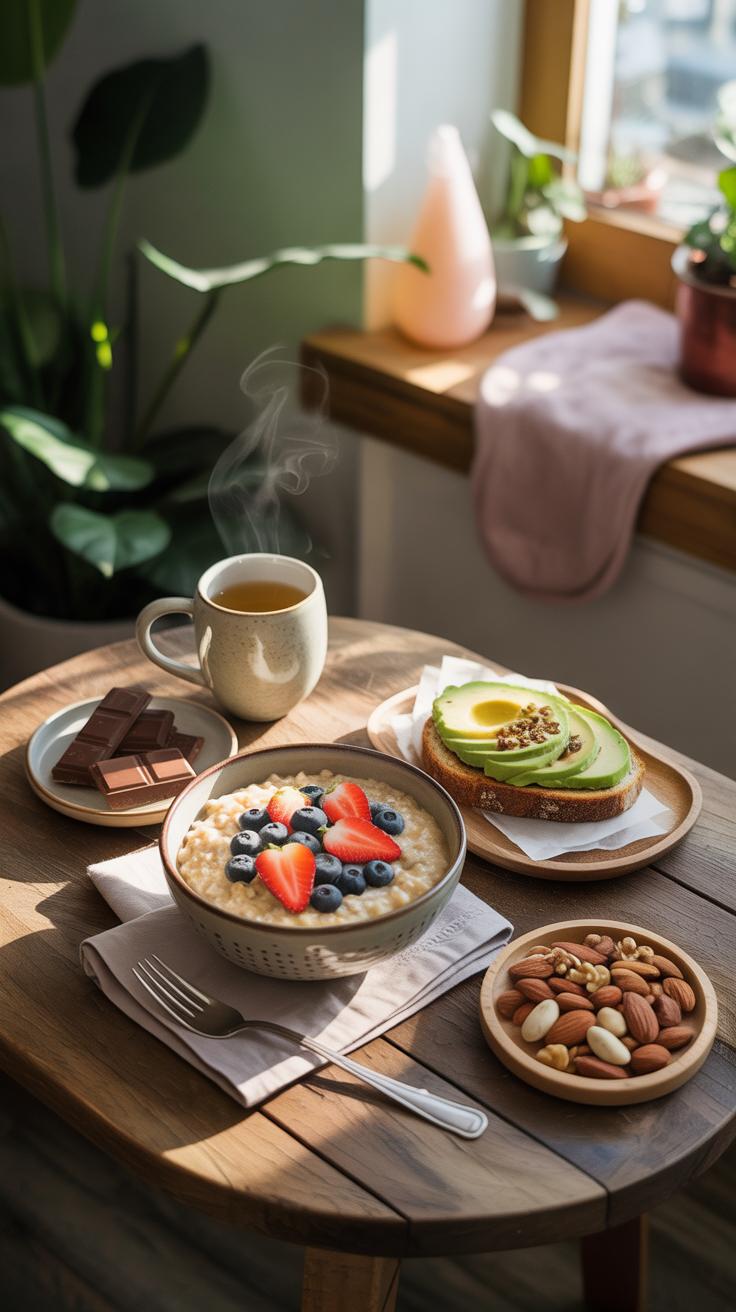
Dark chocolate contains high levels of magnesium. This mineral helps relax muscles and reduces the severity of uterine contractions. Select varieties with at least 70 percent cocoa to limit sugar intake. These bars also provide iron to replace levels lost through bleeding. The bitter profile satisfies cravings without causing the sharp glucose spikes found in milk chocolate or processed candies.
Oatmeal and warm soups provide complex carbohydrates and hydration. Oats release energy slowly to stabilize your mood and prevent fatigue. Warm liquids increase blood flow to the pelvic area which can soothe internal tension. Bone broths or vegetable soups deliver essential electrolytes like sodium and potassium. These nutrients prevent the dehydration that often makes period headaches and bloating feel much worse.
How To Honor Period Cravings Without Derailing Your Nutritional Needs Or Worsening Symptoms
Identify the specific nutrient your body needs when cravings strike. A desire for red meat often signals an iron deficiency during your flow. If you want sweets, choose fruit or small portions of dark chocolate. Focus on high-density foods that offer more than just empty calories. Balance indulgent choices with fiber and protein to slow down digestion. This strategy keeps your insulin levels steady and energy consistent.
Track your cycle to predict when cravings will start. Stock your kitchen with healthy alternatives before your period begins. Replace salty potato chips with lightly salted nuts to get healthy fats and minerals. Drink extra water when eating saltier foods to flush out excess sodium. Proper planning allows you to satisfy psychological needs for comfort food. This approach prevents the systemic inflammation caused by high-sugar and highly processed diets.
Frequently Asked Questions

Why does my diet matter so much during my monthly cycle?
Your body undergoes significant hormonal shifts and physical stress during menstruation, often leading to fatigue, cramping, and inflammation. Choosing the right foods to eat during period transitions can help stabilize your blood sugar and replenish essential nutrients like iron and magnesium. By focusing on anti-inflammatory ingredients, you can naturally ease discomfort, improve your energy levels, and support your body’s recovery process throughout the week.
How can I incorporate these specific foods into my daily meals?
Integrating the best foods to eat during period cycles doesn’t have to be complicated. Start your morning with iron-rich spinach in a fruit smoothie or oatmeal topped with flaxseeds. For lunch and dinner, prioritize lean proteins like salmon or beans alongside leafy greens. If you experience sugar cravings, reach for magnesium-heavy dark chocolate or hydrating fruits like watermelon to satisfy your sweet tooth while simultaneously reducing painful bloating and muscle tension.
Are there affordable ways to eat healthy while on my period?
Absolutely. Navigating your cycle effectively doesn’t require expensive superfoods or high-end supplements. Budget-friendly staples like lentils, eggs, and frozen berries are packed with the nutrients necessary for hormonal balance. Buying bulk grains like brown rice or quinoa provides lasting energy without breaking the bank. Focusing on these accessible, nutrient-dense pantry items ensures you can nourish your body and manage symptoms effectively while staying within a realistic grocery budget.