

Understanding Gut Health And Why It Matters For Women

What Is The Gut Microbiome And How Does It Affect Women’S Health
The gut microbiome consists of trillions of bacteria, fungi, and viruses living in your digestive tract. This ecosystem regulates immune function, nutrient absorption, and metabolic health. In women, these microbes play a specific role in processing waste and maintaining systemic balance. A diverse microbiome prevents pathogens from overgrowing. This internal environment dictates how your body reacts to food, stress, and environmental toxins every single day.

A healthy gut directly influences energy levels and skin clarity. Poor microbial diversity often leads to chronic inflammation and fatigue. When the gut barrier weakens, toxins enter the bloodstream and trigger immune responses. For women, this can manifest as brain fog or persistent bloating. Maintaining a precise balance of beneficial bacteria is the foundation of any effective gut health diet plan. Your microbiome is your primary defense mechanism.
How Hormones And The Digestive System Are Closely Linked In Women
Focus on the estrobolome, a subset of gut bacteria dedicated to metabolizing estrogen. These microbes produce an enzyme called beta-glucuronidase. This enzyme determines if estrogen stays in the body or exits through waste. If your gut health is poor, the body reabsorbs excess estrogen. This imbalance causes dominant estrogen levels, leading to heavy cycles and mood swings. Digestion and hormonal regulation are inseparable processes.
The gut also produces the majority of the body’s serotonin. This neurotransmitter regulates both mood and intestinal contractions. Women often experience digestive shifts during different phases of their menstrual cycle due to fluctuating progesterone and estrogen. These hormones affect how fast food moves through the colon. A strategic gut health diet plan stabilizes these fluctuations. You must optimize your digestion to achieve consistent hormonal harmony and mental clarity.
The Core Principles Of A Healthy Gut Diet For Women

Whole Foods, Fiber, And The Foundation Of A Healthy Gut Diet
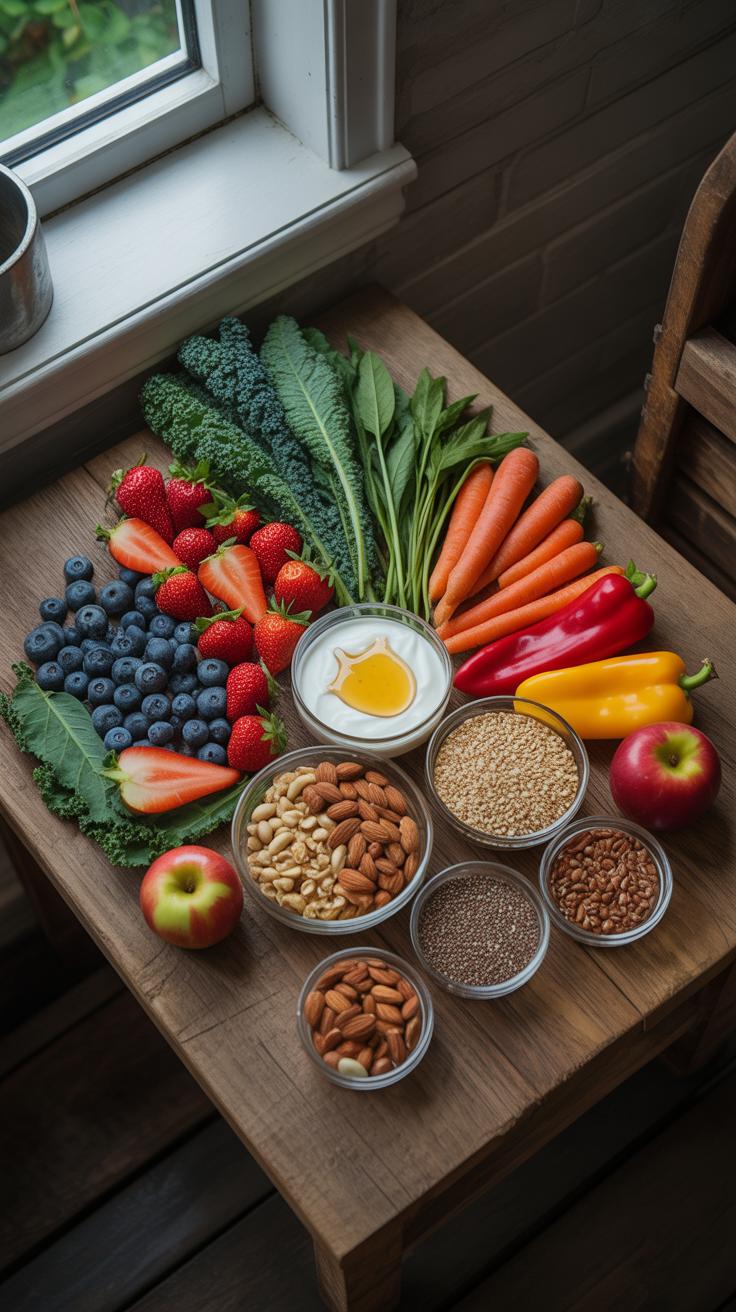
A gut health diet plan requires whole, unprocessed foods. These items provide the necessary nutrients for a diverse microbiome. Prioritize vegetables, fruits, legumes, and whole grains. These foods contain prebiotic fibers that your body cannot digest. Instead, your gut bacteria ferment these fibers to produce short-chain fatty acids. These compounds strengthen the intestinal lining and reduce systemic inflammation across the body.
Dietary fiber is the most critical component for gut motility and bacterial growth. Aim for at least twenty-five grams of fiber daily. Divergent sources of fiber support different bacterial strains. This variety prevents microbial imbalances that lead to bloating or fatigue. Soluble fiber regulates blood sugar, while insoluble fiber adds bulk to stool. High-fiber diets also help manage hormones by assisting in the excretion of excess estrogen.
What To Limit Or Avoid To Protect Your Digestive Health
Refined sugars and artificial sweeteners disrupt the microbial balance in the gut. High sugar intake feeds opportunistic bacteria and yeast. This overgrowth often crowds out beneficial species like Lactobacillus. Common additives and emulsifiers found in processed snacks can also damage the protective mucus layer of the intestines. Removing these triggers prevents intestinal permeability and keeps the immune system from overreacting to food particles.
Limit the consumption of ultra-processed oils and excessive alcohol. These substances cause metabolic stress and irritate the digestive tract. Chronic intake of fried foods creates an environment that favors inflammatory microbes. Alcohol specifically alters the gut barrier and shifts the bacterial population rapidly. Focus on eliminating chemical preservatives to allow the gut lining to repair itself. Clean eating is the only way to ensure long-term digestive stability.
Best Foods To Include In Your Gut Health Diet Plan
Probiotic Rich Foods That Naturally Support A Healthy Microbiome
Probiotic foods introduce live beneficial bacteria directly into your digestive system. These microorganisms help maintain the balance of your gut flora. This balance is critical for immune function and nutrient absorption. You must consume these foods regularly to see results. Fermentation is the traditional process that creates these probiotics. It has been used for centuries to preserve food and enhance digestive health safely.
- Kefir: This fermented milk drink contains multiple strains of bacteria and yeast. It offers a more diverse profile of probiotics than standard yogurt does. Research shows it helps colonize the gut with beneficial microbes effectively.
- Sauerkraut: Fermented cabbage provides lactic acid bacteria that survive the passage through your stomach. Ensure you buy unpasteurized versions found in the refrigerated section. Heat treatment during canning kills the live cultures you need for health.
- Kimchi: This Korean staple uses fermentation to create a dense concentration of lactobacilli. It combines fiber with live cultures to support metabolic health and reduce inflammation. It is a powerful tool for improving overall microbial diversity.
- Greek Yogurt: High-quality yogurt contains live and active cultures like Lactobacillus bulgaricus. These bacteria assist in breaking down lactose and supporting the intestinal barrier. Check labels to ensure no added sugars interfere with the bacterial benefits.
- Miso: This Japanese seasoning made from fermented soybeans contains the probiotic Aspergillus oryzae. It adds beneficial enzymes to your diet that improve protein digestion. Use it in dressings or soups but avoid boiling it to keep bacteria alive.
Consistency is the most important factor when eating for gut health. Your gut microbiome changes based on what you eat every day. Adding one serving of fermented food daily can lower inflammatory markers. Selective breeding and industrial processing have removed many natural bacteria from modern diets. You must intentionally add these traditional foods back into your routine to restore your internal ecosystem.
Prebiotic Foods That Feed And Sustain Beneficial Gut Bacteria
Prebiotics are non-digestible fibers that act as fuel for the bacteria already living in your gut. While probiotics add new workers to the team, prebiotics feed the existing population. Without adequate fiber, beneficial bacteria cannot survive or reproduce. This leads to a weak gut lining and increased inflammation. You must eat specific plant fibers to keep your microbiome active and productive.
Focus on foods high in inulin and resistant starch to achieve the best results. Garlic, onions, and leeks contain high amounts of these essential fibers. These items pass through the small intestine unchanged and ferment in the large intestine. This process produces short-chain fatty acids that protect your colon health. Consuming these daily ensures your beneficial bacteria stay strong enough to crowd out harmful pathogens.
A 7 Day Gut Health Diet Plan Designed For Women

How To Structure Your Week With Gut Healthy Meals And Smart Portions
Success requires planning. You must stabilize your blood sugar to prevent digestive distress. Start by mapping out three main meals and two small snacks daily. This consistency keeps your metabolic rate steady and prevents overeating later. Focus on including high-fiber plants and lean proteins in every sitting. A structured week reduces the chance of choosing processed convenience foods that damage your microbiome.
Portion control is a mechanical necessity for gut health. Overloading your stomach slows down gastric emptying and leads to acid reflux. Women should prioritize fiber-rich carbohydrates like legumes over refined grains. Aim for twenty-five grams of fiber daily to keep waste moving through your colon. Use smaller plates to manage volume visually. Proper pacing allows your brain to signal fullness before you consume excess calories.
Sample Daily Meal Blueprint To Nourish And Reset Your Digestive System
Your day starts with hydration and fermented foods. Break your fast with a bowl of plain Greek yogurt topped with chia seeds. This combination provides probiotics and prebiotic fiber immediately. High-protein breakfasts stabilize insulin levels and reduce sugar cravings. Drink plenty of water between meals to help fiber move through your system. Avoid liquid calories that spike blood sugar and trigger systemic inflammation.
Lunch and dinner must prioritize leafy greens and fermented vegetables. Combine grilled salmon with a side of kimchi or sauerkraut for a dose of healthy fats and live bacteria. Use olive oil as your primary fat source for its anti-inflammatory polyphenols. For dinner, roast cruciferous vegetables like broccoli or cauliflower to provide bulk for your stool. Finish your last meal three hours before sleep to optimize digestion.
Easy Gut Health Recipes Women Can Make Every Day

Simple Breakfast And Lunch Gut Healing Recipes To Start Your Day Right
Breakfast must prioritize high fiber and resistance starch. Combine gluten-free oats with chia seeds and walnuts to feed beneficial bifidobacteria. Soak these overnight to degrade anti-nutrients and improve mineral absorption. Add fermented yogurt containing live cultures like Lactobacillus to populate the microbiome early. Avoid refined sugars that trigger inflammation. Consistent protein intake during this first meal stabilizes glucose levels throughout the morning hours.
Lunch requires diverse plant polyphenols and lean proteins to sustain energy. Construct a bowl using cooked lentils or chickpeas as the base for prebiotic fuel. Add bitter greens like arugula to stimulate digestive enzymes and bile production. Top with a tablespoon of unpasteurized sauerkraut to introduce active probiotics. This combination supports the intestinal barrier and prevents the afternoon energy crash often caused by high-carb processed meals.
Nourishing Dinner And Snack Ideas To Keep Your Gut Balanced Overnight
Dinner should focus on easy protein and cooked vegetables to reduce digestive strain before sleep. Bake wild-caught salmon with ginger and garlic to provide omega-3 fatty acids and antimicrobial properties. Serve this with steamed cruciferous vegetables like broccoli or bok choy. These vegetables contain sulforaphane which helps maintain the gut lining. Keep portions moderate to ensure your body focuses on cellular repair rather than active digestion.
Snacks must bridge the gap without feeding harmful yeast or bacteria. Reach for a handful of almonds or pumpkin seeds which provide magnesium and healthy fats. Alternatively, consume a small bowl of berries for antioxidant support. These choices avoid the massive insulin spikes linked to processed snacks. Proper snacking maintains a steady flow of nutrients to the gut wall. This strategy prevents hunger-driven overeating during late night hours when digestion slows down.
How Lifestyle Habits Complement Your Digestive Health Goals

The Role Of Sleep Stress And Exercise In Supporting Gut Health
Sleep deprivation alters the balance of intestinal bacteria and increases systemic inflammation. Lack of rest raises cortisol levels which impairs the gut barrier function. This damage leads to intestinal permeability or leaky gut. Prioritize seven to nine hours of quality sleep to maintain a diverse microbial environment. Consistent sleep patterns regulate the circadian rhythms of your digestive organs for peak performance.
Physical activity increases the blood flow to your digestive tract and promotes regular bowel movements. Aerobic exercise expands the variety of beneficial bacterial species in your stool. High stress levels shut down digestion by triggering the fight or flight response. Manage stress through controlled breathing to keep the vagus nerve active. This nerve connects the brain to the gut and controls digestive speed.
Hydration And Mindful Eating Practices That Enhance Gut Function
Water is the primary transport mechanism for nutrients and waste in the body. Adequate hydration keeps the mucosal lining of the intestines thick and protective. It also prevents constipation by keeping stool soft and moving through the colon. Drink water consistently throughout the day to support the breakdown of fiber. Dehydration causes the gut to pull water from waste which leads to discomfort.
Mindful eating requires you to chew food thoroughly and eat without distractions. Digestion begins in the mouth where enzymes start breaking down carbohydrates. Swallowing large chunks of food forces the stomach to work harder and causes gas. Slowing down your pace allows the brain to receive fullness signals from the gut. This practice prevents overeating and reduces the mechanical strain on your entire digestive system.
Common Gut Health Challenges Women Face And How To Address Them

Bloating, IBS, And Hormonal Imbalances Linked To Poor Gut Health
The female gut reacts specifically to shifting estrogen and progesterone levels. These hormones influence transit time in the digestive tract. High levels often slow digestion and cause constipation or gas. Low levels can lead to faster transit and diarrhea. Chronic inflammation in the gut lining exacerbates these symptoms. This creates a cycle where poor gut health disrupts hormone clearance in the liver and gut.
Irritable Bowel Syndrome affects women at significantly higher rates than men. The gut microbiome regulates the estrobolome which is a group of bacteria tasked with metabolizing estrogen. When this microbial balance fails women experience dominant estrogen levels. This imbalance leads to heavy periods and increased bloating. Stabilizing the microflora is the only tactical way to ensure your hormones and digestion work together instead of against you.
May we return to the wisdom of our grandmothers, nourishing our bellies with the same simple, healing foods that once brought peace to the hearth and home.
Practical Diet Adjustments To Ease Common Digestive Discomforts
You must modify your intake to manage physical symptoms of gut distress. Tactical adjustments focus on reducing fermentation in the small intestine while maintaining fiber levels. Selecting the right types of carbohydrates prevents the osmotic pressure that causes pain. You should prioritize cooked vegetables over raw greens to reduce the mechanical load on your digestive system. Small changes in food preparation significantly improve nutrient absorption rates.
- Low FODMAP Implementation: Identify and remove high fermentable carbohydrates like garlic and onions temporarily. This reduction stops the rapid gas production that stretches the intestinal walls. It provides immediate relief for acute bloating while you work on long term microbial diversity.
- Soluble Fiber Prioritization: Use oats and peeled root vegetables to add bulk to stool without causing irritation. Soluble fiber dissolves in water to create a gel like substance. This slows down digestion for those with fast transit times and eases waste passage for others.
- Hydration Timing: Drink water between meals rather than during them to maintain strong stomach acid concentrations. Proper acid levels are necessary to break down proteins and kill harmful pathogens. Diluted enzymes lead to undigested food particles fermenting in the colon and causing severe gas.
- Ginger and Peppermint Integration: Use these natural prokinetics to stimulate gastric emptying and soothe the intestinal lining. Ginger enhances the migrating motor complex which clears waste from the small intestine. Peppermint oil relaxes the smooth muscles of the gut to stop painful cramping and spasms.
- Elimination of Artificial Sweeteners: Remove sugar alcohols like xylitol and sorbitol that draw excess water into the bowel. These compounds do not digest fully and provide fuel for pathogenic bacteria. Stripping these from your diet prevents osmotic diarrhea and maintains a stable environment for beneficial microbes.
Consistent execution of these dietary shifts produces measurable results in digestive comfort. Track your reactions to specific food groups to identify your personal triggers. A gut health diet plan requires precision and data rather than guesswork. Focus on high quality fats and lean proteins to provide steady energy without bloating. Eliminate processed additives that weaken the gut barrier and cause systemic inflammation.
Building A Long Term Healthy Microbiome Through Sustainable Eating

How Dietary Diversity Over Time Strengthens Your Gut Microbiome
A diverse gut microbiome requires a wide variety of plant fibers. Each bacterial strain thrives on specific types of complex carbohydrates. When you eat the same five vegetables every week, you starve certain beneficial microbes. This leads to low microbial richness, which weakens your immune system. You must rotate your food sources to feed different species and maintain a resilient internal ecosystem.
Research shows that people who eat thirty different plants per week have more diverse gut bacteria. This includes fruits, vegetables, grains, nuts, and seeds. Increased diversity creates a buffer against pathogens and environmental stress. Aim for variety over sheer volume of a single superfood. Tactical rotation ensures that no single group of bacteria dominates. A balanced population produces the short-chain fatty acids necessary for health.
Staying Consistent With Your Gut Health Diet Plan Without Feeling Restricted
Consistency beats intensity for long-term gut health. Strict diets often fail because they create psychological stress. Stress triggers the fight-or-flight response, which slows digestion and alters gut permeability. To avoid this, follow the eighty-twenty rule. Focus on core fiber-rich foods most of the time but allow for flexibility. This approach keeps your microbial balance stable without the mental fatigue of perfectionism.
Build sustainable habits by adding foods instead of subtracting them. Focus on high-fiber additions like lentils or flaxseeds rather than focusing on what you cannot eat. This mindset shift prevents the restriction cycle that leads to bingeing. Prepare your meals around a rotating base of fermented foods and whole grains. Simple systems ensure you stay on track. Stable routines allow your microbiome to adapt and thrive over many years.
Frequently Asked Questions

What are the first steps to starting a gut health diet plan for women?
Getting started begins with diversifying your fiber intake and prioritizing hydration. A successful gut health diet plan focuses on incorporating a wide variety of plant-based foods, such as leafy greens, legumes, and seeds, which feed beneficial bacteria. For women, it is also essential to manage stress and sleep quality, as the gut-brain axis plays a significant role in hormonal balance and overall digestive wellness during the initial transition.
How can I naturally incorporate more probiotics into my daily meals?
You can boost your microbiome by adding fermented foods like Greek yogurt, kefir, sauerkraut, or kimchi to your existing routine. To follow a functional gut health diet plan, try swapping your morning cereal for a yogurt parfait or topping your lunchtime salad with raw fermented pickles. Regularly consuming these “live” foods introduces beneficial microbes to your system, helping to reduce bloating and improve nutrient absorption throughout the day.
Is it possible to improve my digestion on a tight monthly budget?
Absolutely! Improving your digestion doesn’t require expensive boutique supplements or rare superfoods. You can easily find affordable staples like oats, lentils, canned chickpeas, and seasonal frozen vegetables at any grocery store. Buying dried beans in bulk and choosing versatile cabbage over pricey pre-packed salads are excellent ways to feed your gut microbes. Focus on whole, unprocessed ingredients to keep your digestive health high while keeping your expenses low.