
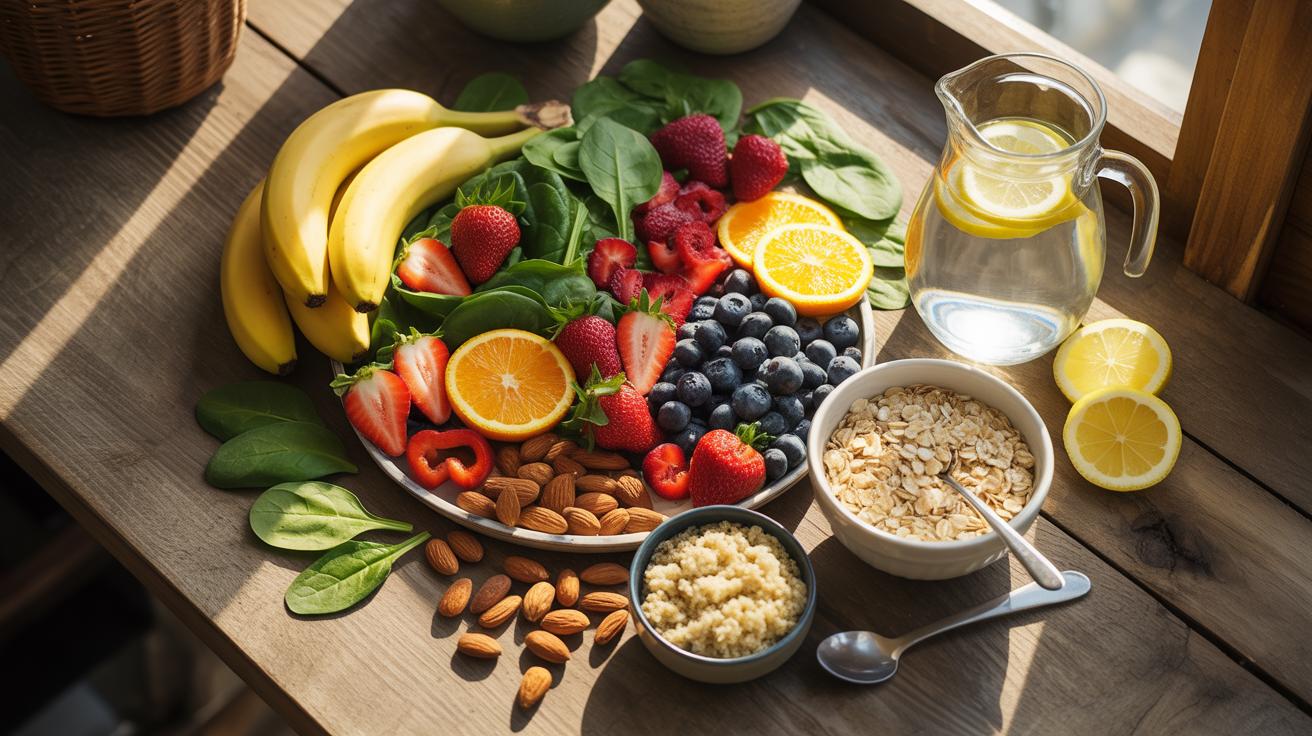
Understanding How Energy Boosting Foods Actually Work In Your Body

How The Body Converts Food Into Usable Energy
Your body breaks down carbohydrates, fats, and proteins into fuel. Digestion starts in the mouth and moves to the stomach. Enzymes split these nutrients into smaller molecules. Carbohydrates become glucose, which enters your bloodstream immediately. Glucose is the primary sugar that your cells use for power. Your small intestine absorbs these molecules so they can reach your organs and muscle tissue quickly.

Adenosine triphosphate serves as the final energy currency for every cell. Mitochondria act as the engines that produce this fuel. When glucose enters a cell, chemical reactions turn it into usable power. Insulin acts as a key to let sugar inside the cells. Without this process, your brain and heart cannot function. Efficient conversion relies on a steady supply of nutrients to maintain performance levels.
Why Some Foods Cause Energy Crashes While Others Sustain You
Refined sugars and processed grains enter the blood too fast. This causes a massive spike in blood glucose levels. Your pancreas responds by releasing a large amount of insulin. This hormone moves the sugar out of the blood quickly. If the sugar levels drop too low, you feel tired and weak soon after eating. This cycle leads to constant hunger and mental fog.

Complex carbohydrates and fiber slow down the digestion process. These foods release energy at a steady rate over many hours. Fiber acts as a physical barrier that prevents sugar from hitting your system all at once. Healthy fats also delay stomach emptying to keep fuel flowing slowly. This steady supply prevents the sharp drops that cause fatigue. Choosing high fiber options keeps your energy levels stable.
Complex Carbohydrates As A Reliable Energy Food For Steady Fuel

Why Oats And Whole Grains Are A Foundation Energy Food
Oats and whole grains contain heavy concentrations of beta-glucan. This soluble fiber slows down your digestion process. Slow digestion prevents the rapid spike in blood sugar that causes a crash later. Your body breaks these complex structures into glucose over several hours. This mechanism provides a consistent stream of fuel to your brain and muscles during long work shifts.
Whole grains retain their bran and germ layers unlike refined white flour. These layers hold essential B vitamins that help convert food into usable cellular energy. Choosing steel-cut oats or quinoa over processed cereals ensures a lower glycemic response. This tactical food choice stabilizes your insulin levels. You maintain high mental clarity and physical stamina without needing frequent snacks or stimulants.
How Sweet Potatoes Provide Long Lasting Carbohydrate Energy
Sweet potatoes serve as a premier fuel source because of their high fiber and manganese content. Manganese helps your body utilize enzymes that break down nutrients for energy production. These tubers possess a lower glycemic index than white potatoes. This means the carbohydrates enter your bloodstream slowly. You get a controlled release of fuel that supports physical activity for an extended period.
The high concentration of complex carbohydrates makes sweet potatoes a strategic choice for consistent performance. They contain significant amounts of vitamin A to support metabolic health. Your body stores this energy in the liver and muscles as glycogen. Eating these root vegetables during lunch provides the necessary reserves to avoid the afternoon slump. They are a reliable tool for sustained biological power.
Protein Rich Energy Foods That Keep You Focused And Full

Eggs As One Of The Most Complete And Practical Energy Foods Healthy Diets Rely On
Eggs provide the highest biological value of any whole food protein. They contain all nine essential amino acids required for tissue repair and neurotransmitter production. The yolk houses B-vitamins like B12 and riboflavin which convert food into usable fuel. These nutrients prevent the mid afternoon energy slump by supporting mitochondrial health. You get steady power without the blood sugar spikes caused by heavy carbohydrate intake.
Choline in eggs supports brain function and cognitive focus throughout the workday. This nutrient builds cell membranes and helps the nervous system communicate efficiently. Eating eggs for breakfast suppresses hunger hormones more effectively than cereal or toast. High satiety levels keep you on task instead of seeking snacks. This metabolic efficiency makes eggs a foundational tool for anyone requiring consistent mental and physical performance during long shifts.
Lean Meats And Legumes As Sustained Protein Energy Sources
Lean meats like chicken and turkey deliver high amounts of iron and zinc. Iron carries oxygen to your cells and brain to prevent fatigue and lethargy. These proteins require more energy to digest which keeps your metabolism active for hours. This thermal effect of food helps maintain a steady internal temperature and alertness. You avoid the sudden crashes often linked to low quality processed energy sources.
Legumes like lentils and chickpeas offer a unique combination of protein and slow digesting fiber. This structural pairing ensures a gradual release of glucose into the bloodstream. Fiber stabilizes your insulin response while the protein maintains muscle mass and physical strength. Historically, cultures have relied on these hearty plant based staples for long days of manual labor. They provide a predictable energy curve that prevents hunger and mental fog.
Healthy Fats As Food For Energy That Powers Your Brain
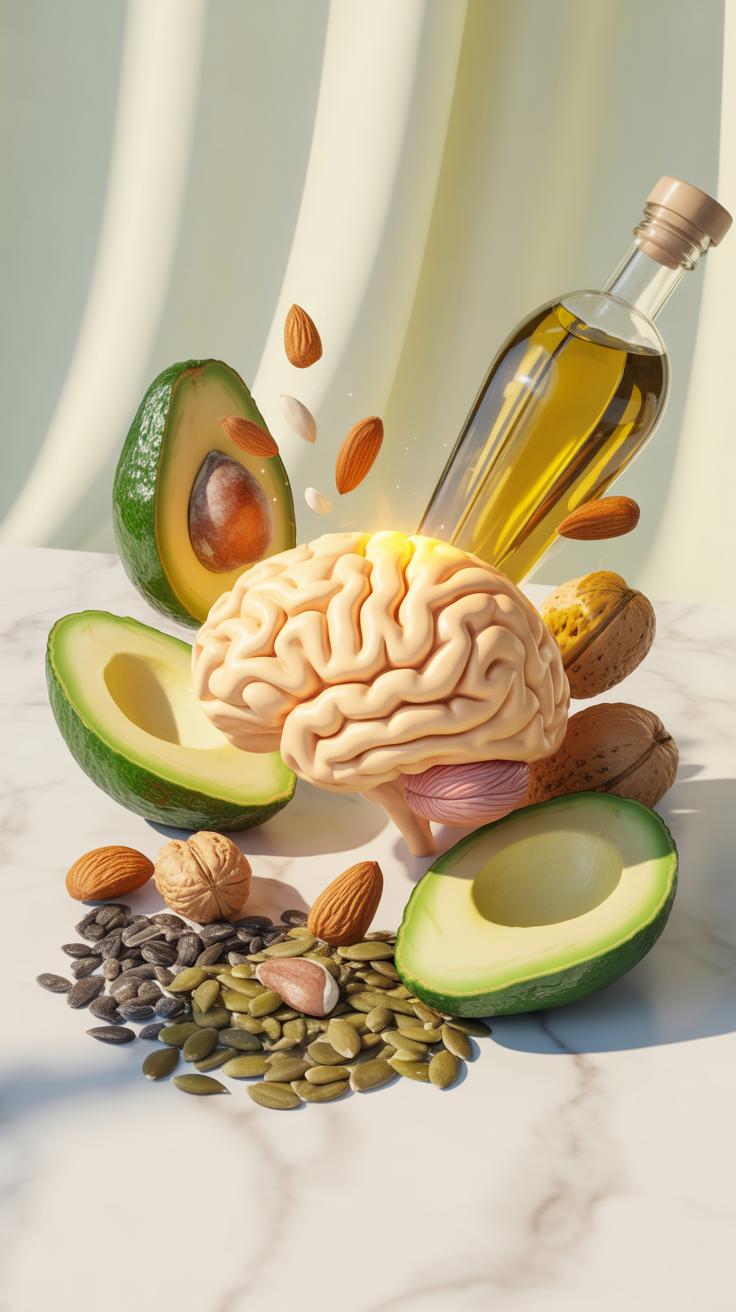
Why Avocados Are One Of The Best Foods That Give You Energy Throughout The Day
Avocados provide high concentrations of monounsaturated fats. These fats serve as a stable fuel source for your mitochondria. Unlike simple sugars, these fats do not cause insulin spikes or energy crashes. They provide a slow burn that keeps your brain focus sharp for several hours. This fruit also contains high levels of potassium which helps maintain electrical gradients in your nerve cells.
The fiber content in avocados slows down the digestion of other carbohydrates you eat. This mechanism ensures a steady release of glucose into your bloodstream. Avocados also help your body absorb fat soluble vitamins like A, D, E, and K from other foods. Better nutrient absorption leads to improved metabolic efficiency. You get more energy from every meal when you include this specific fat source.
Nuts And Seeds As Dense Portable Food That Gives Energy On Demand
Nuts and seeds contain a strategic mix of omega fatty acids and protein. This combination prevents the rapid digestion that leads to fatigue. Walnuts and chia seeds particularly support cognitive function through high alpha-linolenic acid content. These foods are calorie dense and require very little volume to satisfy hunger. They provide a portable solution for maintaining high performance during long work gaps.
The magnesium found in pumpkin seeds and almonds plays a critical role in converting food into energy. Magnesium acts as a cofactor in more than three hundred enzyme systems. These systems regulate protein synthesis and muscle function. Most people lack sufficient magnesium which causes chronic tiredness. Eating small portions of these seeds fixes this deficit. It ensures your cellular energy production stays at a peak level.
Fruits That Belong On Every Energy Boosting Foods List

Bananas, Berries, And Citrus Fruits As Natural Energy Boosting Foods
Bananas provide a dense source of fast-acting glucose and slow-release starch. This combination creates a reliable energy curve rather than a single peak. They contain high levels of potassium which aids in muscle function and hydration. Professional athletes use them to maintain intensity during physical exertion. These fruits serve as the most efficient portable fuel source for immediate metabolic needs throughout a busy workday.
Berries and citrus fruits offer energy through different biological mechanisms. Berries contain high concentrations of fiber and antioxidants that prevent oxidative stress in cells. This protection keeps your metabolism efficient. Citrus fruits deliver vitamin C which is essential for carnitine synthesis. Carnitine helps your body transport fatty acids into cells to produce energy. Eating these fruits ensures your body processes fuel at an optimal and steady rate.
How Natural Sugars In Whole Fruits Differ From Processed Sugar Spikes
Whole fruits contain fiber that slows the absorption of fructose and glucose into your bloodstream. Processed sugars lack this structural barrier and cause an instant insulin surge. This surge leads to a rapid blood sugar drop and mental fatigue. Fruit fibers ensure a gradual release of energy. This process keeps your focus sharp for hours. It prevents the mid-afternoon crash associated with candy or soda consumption.
Phytochemicals in whole fruit further regulate how your body handles energy. These natural compounds improve insulin sensitivity over time. Improved sensitivity allows your cells to take up glucose more effectively without overworking the pancreas. Processed sugars damage these metabolic pathways over years of use. Choosing whole fruit protects your long-term energy production capabilities. It provides a stable fuel supply that keeps your brain and body performing at peak levels consistently.
Hydration And Foods For Energy Why Water Content In Food Matters

How Dehydration Drains Energy And Which Water Rich Foods Combat It
Dehydration reduces blood volume and forces your heart to work harder. This process triggers immediate physical fatigue and mental fog. Even mild water loss slows down the transport of oxygen to your brain and muscles. You lose focus and stamina when your cells lack sufficient fluid. Most people wait until they feel thirsty to drink. That is a tactical mistake for maintaining high performance.
Water-rich foods provide a steady stream of hydration and electrolytes. Cucumbers and celery contain over ninety percent water and deliver essential minerals. Watermelon and strawberries offer hydration along with natural sugars for quick energy. These foods digest slowly and release water into your system over several hours. Eating your hydration stabilizes your energy levels better than drinking large amounts of plain water in one sitting.
Green Tea And Natural Beverages That Support Steady Energy Levels
Green tea contains caffeine and theanine to provide a controlled energy boost. The caffeine increases alertness while the theanine prevents the jittery crash common with coffee. This combination improves brain function and sustained focus. Traditional Japanese tea ceremonies have utilized these properties for centuries to maintain calm alertness. Modern research confirms that green tea catechins also help the body use fat for fuel during physical activity.
Coconut water serves as a natural isotonic drink for rapid rehydration. It contains potassium and magnesium which are critical for muscle function and nerve signaling. These electrolytes prevent fatigue caused by mineral depletion during long workdays. Pure vegetable juices also provide dense nutrients without the sugar spikes of fruit juice. Choosing these beverages keeps your blood sugar stable. Consistent hydration through functional liquids ensures your metabolism remains efficient and your mind stays sharp.
Iron And B Vitamin Rich Foods That Give You Energy At The Cellular Level
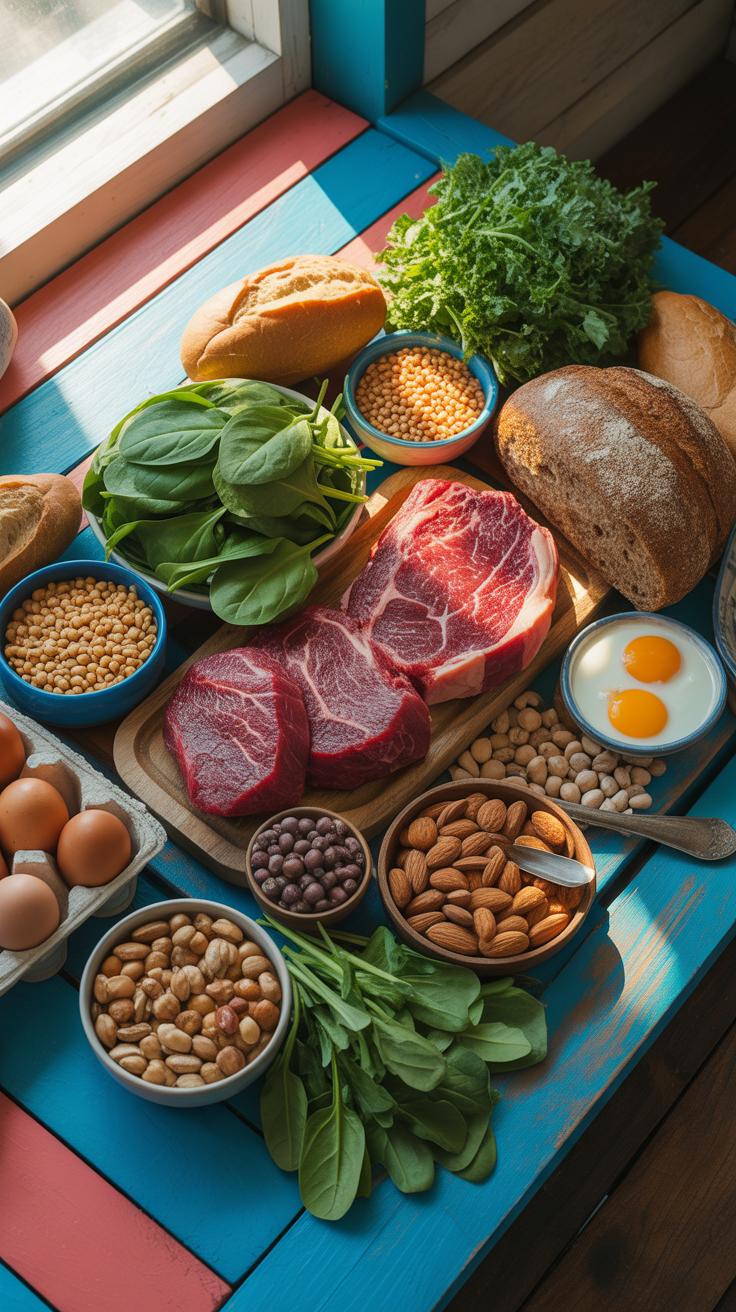
Why Iron Deficiency Causes Fatigue And Which Foods Restore It
Iron serves as the primary carrier for oxygen in your blood. Your muscles and brain cannot produce energy without a steady oxygen supply. Low iron levels lead to anemia, which makes you feel weak and short of breath. Heme iron from red meat and shellfish absorbs most efficiently. Plant sources include lentils and spinach, but these require vitamin C to help your body process them effectively.
Eating iron-dense foods fixes the root cause of physical exhaustion. Pair lean beef or oysters with vegetables to maximize mineral uptake. Avoid drinking coffee or tea during meals because tannins block iron absorption. Focus on consistent intake to maintain high ferritin levels. Stable iron stores ensure your mitochondria function at peak capacity. This process keeps your stamina high during long workdays and intense physical training sessions.
Let food be thy medicine and medicine be thy food. A body nourished by the earth’s simple harvests carries a steady light through the longest day.
B Vitamins And Their Critical Role In Converting Foods For Energy
B vitamins act as the spark plugs for your metabolism. They do not provide fuel directly but unlock energy from the fats, proteins, and carbohydrates you eat. Vitamin B12 and folate are essential for DNA synthesis and nerve function. A deficiency halts energy production at the cellular level. You will feel sluggish even if you eat enough calories. This happens because your body cannot convert that fuel into usable power.
Source your B vitamins from whole foods like eggs, dairy, and poultry. Leafy greens provide folate, while animal products supply necessary B12. Nutritional yeast offers a high concentration of the entire B-complex spectrum. Heat can destroy these vitamins during cooking, so use minimal water and low temperatures. Keeping these levels optimal ensures your brain stays sharp and your body utilizes every gram of food for maximum daily output.
Meal Timing And Combining Energy Foods Healthy Eating Plans Prioritize

How To Structure Meals And Snacks To Avoid Afternoon Energy Dips
Blood sugar stability dictates your energy levels. Large meals cause insulin spikes that lead to the mid afternoon crash. You must eat every three to four hours to maintain glucose levels. Smaller portions prevent the digestive system from redirecting too much blood flow away from the brain. This tactical approach keeps your cognitive function sharp and your physical stamina high throughout the workday.
Pair complex carbohydrates with lean proteins or healthy fats at every sitting. Fiber and fat slow the absorption of sugar into your bloodstream. This prevents the rapid glucose rise and subsequent fall that triggers fatigue. Avoid simple sugars and refined grains during lunch as they provide immediate fuel but zero lasting power. Consistent fueling prevents the hunger signals that lead to overeating and lethargy later.
Top Practical Tips For Building An All Day Energy Boosting Meal Plan
Meal planning requires a focus on nutrient density and glycogen management. Start your day with a high protein breakfast to set a stable metabolic tone. Prepare meals in advance to avoid high glycemic convenience foods when you are tired. Focus on whole foods that require minimal processing to ensure the highest vitamin and mineral retention for cellular energy production.
- Primary Protein Sourcing: Include eggs, Greek yogurt, or lean meats in your morning routine. Protein triggers satiety hormones and provides the amino acids necessary for neurotransmitter repair. This foundation prevents early hunger and keeps your focus on professional tasks rather than mid morning snacks.
- Complex Carbohydrate Selection: Choose oats, quinoa, or sweet potatoes over white bread and pasta. These slow release fuels provide a steady stream of glucose to the brain and muscles. They contain essential B vitamins that help your body convert food into usable chemical energy efficiently.
- Strategic Fat Integration: Add avocados, nuts, or olive oil to your vegetable servings. Fats provide a concentrated energy source and help absorb fat soluble vitamins like A, D, E, and K. This slows digestion and ensures you feel full for several hours after consuming your meal.
- Hydration Frequency: Drink water consistently instead of relying on caffeinated beverages for alertness. Dehydration causes blood volume to drop, making the heart work harder and causing feelings of exhaustion. Proper fluid balance is the fastest way to maintain physical performance and mental clarity through the evening.
- Fiber Rich Finishing: Incorporate leafy greens or legumes into your lunch and dinner plates. Fiber regulates the speed of digestion and supports a healthy gut microbiome. A balanced gut reduces systemic inflammation and improves your overall metabolic efficiency, which contributes to higher sustained energy levels.
Eliminate the guesswork by utilizing a standard plate method for every meal. Fill half your plate with non starchy vegetables to provide volume and antioxidants without heavy calories. Use the remaining quarters for lean protein and complex starches. This visual guide ensures you get the right balance of macronutrients to power your body through demanding schedules and high stress environments without crashing.
Foods To Avoid That Sabotage Your All Day Energy Levels

Processed Snacks, Refined Sugar, And Why They Undermine Your Energy Food Choices
Refined sugars and processed snacks trigger rapid glucose spikes in your bloodstream. Your pancreas responds by pumping out high levels of insulin to clear the sugar. This process causes your blood sugar to drop faster than it rose. You end up in a hypoglycemic state. This physiological cycle creates a crash that leaves you feeling exhausted and mentally foggy.
Processed foods lack the fiber and micronutrients needed to slow down digestion. Simple carbohydrates break down into glucose almost instantly. This lack of dietary structure provides no sustained fuel for your cells. You become hungry again within sixty minutes. Frequent consumption of these items damages your insulin sensitivity. Stable energy requires complex fuel sources that resist quick chemical breakdown in the gut.
Common Dietary Mistakes That Cause Mid Day Fatigue And How To Fix Them
Many people sabotage their productivity by making poor choices during the first half of the day. Consuming a breakfast high in simple carbs sets a baseline for instability. Skipping meals altogether forces the body to spike cortisol to maintain blood sugar. Overloading on caffeine masks fatigue but creates a deeper energy deficit later. Proper timing and balance prevent these common metabolic traps.
- Excessive Caffeine Intake: Relying on multiple cups of coffee blocks adenosine receptors in the brain. This prevents you from feeling natural tiredness but does not remove the need for rest. Once the caffeine wears off, the accumulated adenosine floods your system and causes a massive energy collapse.
- Low Water Consumption: Dehydration reduces blood volume and makes the heart work harder to pump oxygen to your muscles. Even mild fluid loss impairs cognitive function and physical endurance. Drink water consistently to maintain the electrolyte balance required for nerve signaling and cellular energy production.
- Large Lunch Portions: Eating a heavy meal diverts blood flow away from the brain to the digestive tract. This parasympathetic response induces sleepiness shortly after eating. Consuming excessive calories in one sitting forces the body to prioritize digestion over mental clarity and physical movement.
- Not Eating Enough Protein: Meat, eggs, and beans provide the amino acids necessary for neurotransmitter health. A diet low in protein fails to trigger the satiety hormones that keep hunger in check. Without sufficient protein, your body processes carbohydrates too quickly, which leads to frequent and disruptive energy fluctuations.
- Relying on Energy Drinks: These beverages contain high levels of taurine and synthetic stimulants alongside massive sugar doses. They provide a brief window of hyper-alertness followed by a total systemic crash. Long-term use disrupts your natural circadian rhythm and makes it harder to maintain a steady baseline of focus.
Fixing these mistakes requires a shift toward consistent nutrient density. Prioritize whole foods over convenience items during your peak working hours. Ensure every meal contains a balance of healthy fats, proteins, and complex fibers to regulate glucose absorption. Modern nutritional science proves that steady energy comes from managing insulin responses rather than seeking quick stimulant hits. Small tactical changes in your daily routine yield significant metabolic returns.
Frequently Asked Questions

What are the main types of foods for all day energy?
To maintain consistent vitality, focus on complex carbohydrates, lean proteins, and healthy fats. Unlike sugary snacks that cause a quick spike and subsequent crash, complex carbs like oatmeal and quinoa release glucose slowly into your bloodstream. When you prioritize these specific foods for all day energy, you provide your brain and muscles with a steady fuel source that keeps you feeling focused and productive from your morning workout until you wind down.
How should I structure my meals to maintain steady energy levels?
The secret to sustained stamina is balancing your plate at every meal. Aim to combine a fiber-rich carbohydrate with a quality protein and a source of healthy fat, such as avocado or nuts. This combination slows digestion and prevents insulin spikes. By eating smaller, balanced portions every three to four hours, you can optimize your intake of foods for all day energy and avoid the dreaded afternoon slump that often follows large meals.
Can I maintain high energy levels if I am shopping on a tight budget?
Absolutely! Achieving lasting vitality doesn’t require expensive superfoods or trendy supplements. Many of the most effective options are pantry staples like dried lentils, brown rice, canned tuna, and peanut butter. Buying seasonal produce or frozen vegetables is another excellent way to get essential micronutrients without overspending. With a little meal planning, anyone can access affordable nutrient-dense ingredients that support consistent metabolic health and physical stamina throughout the entire week.