

Understanding The Basics Of Healthy Eating Tips For Busy Days

What Nutritional Balance Actually Means For Busy People
Nutritional balance involves a specific ratio of macronutrients to sustain energy without blood sugar crashes. Busy individuals require protein, complex carbohydrates, and healthy fats at every meal. This combination slows digestion and provides a steady stream of glucose to the brain. Proper balance prevents the mid-afternoon slump that often leads to poor snack choices. You must view food as fuel for cognitive performance.

Efficiency requires focusing on nutrient density rather than calorie counting. High-density foods like leafy greens, lean meats, and whole grains pack more vitamins into fewer bites. This approach saves time by reducing the volume of food needed to feel full. Micronutrients like magnesium and B vitamins support the nervous system during high-stress periods. You achieve success by prioritizing these essentials over processed convenience items.
How Your Daily Routine Shapes Your Food Choices
Your environment and schedule dictate your eating habits more than willpower does. Frequent meetings and tight deadlines create a physiological stress response. This response triggers cravings for high-sugar and high-fat foods. Most people fail because they do not plan for these predictable biological urges. You must analyze your calendar to identify peak hunger times. Mapping your routine allows you to preempt poor choices.

Proximity is the primary factor in food consumption for active professionals. Research shows you are most likely to eat what is physically closest to you. If your office lacks healthy options, you will default to vending machines or fast food. You must curate your physical space to make healthy choices the path of least resistance. Strategy beats motivation every time when your daily schedule becomes demanding and unpredictable.
How To Build A Realistic Meal Plan For The Week
Setting Up A Weekly Meal Planning Framework That Works
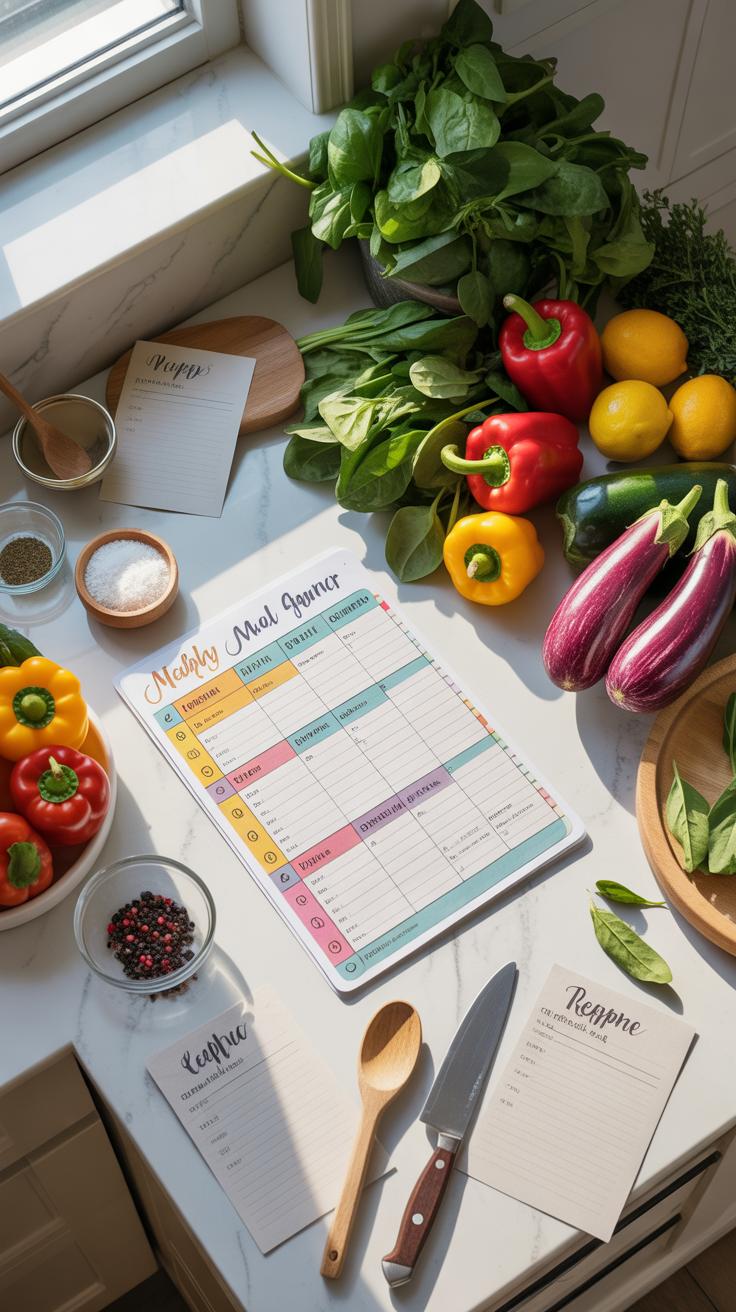
Efficiency starts with a rigid structure. You must choose one day to audit your inventory and map out six days of food. Do not plan for seven days because leftovers or unplanned events will occur. Focus on repeatable formulas rather than complex recipes. A successful framework relies on rotating three breakfast options and four lunch varieties to reduce decision fatigue throughout the work week.
Standardize your grocery list to match this framework. Use a master list of proteins, complex carbohydrates, and fibrous vegetables that you know how to cook quickly. This strategy mirrors the industrial efficiency of assembly line production. By limiting your choices, you increase the speed of execution. High performers treat food as fuel and prioritize consistency over variety. This approach ensures you always have the right ingredients.
Cooking is about creating memories around the table, and even a simple, wholesome meal on a frantic day nourishes the soul.
How To Account For Busy Evenings And Unpredictable Days
Unpredictable schedules demand a tiered backup system. You need at least two emergency meals that require zero active cooking time. Keep frozen vegetables and pre-cooked proteins in high supply. These items serve as a buffer when meetings run late or energy levels drop. A plan that lacks flexibility is a plan that fails. Adaptability is the most critical component of a sustainable healthy eating strategy.
Analyze your calendar to identify high-risk nights before the week begins. If Tuesday is historically busy, do not plan a meal that requires chopping or sautéing. Use slow cookers or pressure cookers to automate the process on those specific days. Relying on sheer willpower to cook after a long shift is a tactical error. Proper planning accounts for human fatigue by simplifying the most difficult parts of the day.
Practical Clean Eating Tips You Can Start Using Today

Choosing Whole Foods Over Processed Alternatives
Whole foods contain one single ingredient and undergo zero industrial refinement. These items provide essential micronutrients and fiber that processed goods lose during manufacturing. Processing often removes the germ and bran from grains which spikes blood sugar levels. You must prioritize foods in their natural state to maintain steady energy. This strategy prevents the metabolic crashes common with refined sugars and chemically altered fats.
The human body processes natural proteins and complex carbohydrates more efficiently than synthetic additives. Food manufacturers use sodium and preservatives to extend shelf life for retail convenience. These additives often trigger inflammatory responses and water retention. By selecting unrefined options you reduce toxic load and improve digestive health. Focus on the outer perimeter of the grocery store where fresh produce and lean proteins reside.
Simple Swaps That Make Clean Eating Easier On Busy Days
Busy professionals often default to convenience meals that compromise long-term health. Strategic substitutions allow you to maintain speed without consuming empty calories or harmful chemicals. Replacing refined grains with nutrient-dense alternatives stabilizes insulin levels throughout the workday. These changes require zero extra preparation time but deliver significant biological advantages. You must view every meal as a tactical decision for physical performance.
- Greek Yogurt for Sour Cream: Plain Greek yogurt provides high protein and probiotics while cutting out saturated fats. Use it on baked potatoes or in tacos to increase satiety and improve gut health without losing the creamy texture.
- Zucchini Noodles for Pasta: Use a spiralizer or buy pre-cut vegetable noodles to replace traditional wheat pasta. This swap drastically reduces carbohydrate intake and caloric density while increasing your daily intake of essential vitamins and minerals.
- Riced Cauliflower for White Rice: Cauliflower rice matches the texture of grain rice but contains far fewer calories. It absorbs flavors well and cooks in half the time of brown rice making it an ideal base for quick stir-fry meals.
- Avocado for Mayonnaise: Mashed avocado offers healthy monounsaturated fats and fiber instead of the processed soybean oil found in most mayo. This switch supports heart health and provides a more sustained source of energy for the brain.
- Sparkling Water for Soda: Replace sugary carbonated drinks with unflavored sparkling water and a squeeze of fresh citrus. This removes excessive high-fructose corn syrup from your diet which prevents weight gain and protects against metabolic syndrome.
Eliminate liquid calories and refined flours to see immediate improvements in focus and stamina. Most processed snacks rely on salt and sugar to create a cycle of overconsumption. Swapping these for nuts or seeds provides the healthy fats necessary for cognitive function. Small adjustments accumulate into a sustainable lifestyle that survives high-stress environments. Consistency in these choices determines your overall metabolic resilience and daily output.
Breakfast Lunch And Dinner Ideas For The On The Go Lifestyle

Quick And Nutritious Breakfast Options You Can Prepare In Minutes
Efficiency in the morning requires eliminating decision fatigue through standardized meals. Overnight oats represent a reliable solution because you prepare them the night before. This method uses raw oats soaked in liquid to break down starches without heat. It saves time during the morning rush. Add protein powder or Greek yogurt to increase satiety. This ensures your blood sugar remains stable until your next scheduled meal.
Greek yogurt bowls offer a high protein alternative that requires zero cooking time. Choose plain varieties to avoid unnecessary refined sugars found in flavored options. Top the yogurt with nuts or seeds for healthy fats and fiber. This combination slows digestion and provides a steady release of energy. You can assemble this meal in less than two minutes. Use frozen berries to add nutrients without the risk of fresh produce spoilage.
Balanced Lunch And Dinner Ideas That Require Minimal Cooking Time
Successful midday and evening meals rely on the assembly of pre-cooked components rather than complex recipes. Use a base of leafy greens or pre-steamed grains to build volume. Add a lean protein source like canned tuna or leftover grilled chicken. These ingredients provide essential amino acids for muscle maintenance. Incorporate healthy fats through avocado or olive oil to help your body absorb fat soluble vitamins.
Dinner efficiency improves when you use high heat roasting or rapid sautéing techniques. Sheet pan meals allow you to cook proteins and vegetables simultaneously at four hundred degrees Fahrenheit. This method reduces active labor and minimizes cleanup. Focus on dense vegetables like broccoli or peppers that hold their structure during cooking. Consistency in your meal structure prevents poor choices driven by hunger. Plan your macros to ensure every plate supports your physical performance.
Weekday Healthy Meals Making Every Workday Count

How To Structure Weekday Meals Around Your Work Hours
Logic dictates that your eating schedule must match your energy demands. Most professionals experience metabolic slumps mid-afternoon. To counter this, schedule protein-heavy meals during the first six hours of your workday. High protein intake stabilizes blood sugar and prevents the mental fatigue often caused by high-carbohydrate office lunches. Aligning your nutrient intake with your peak output hours ensures consistent focus and performance.
Strategic fueling requires planning for transition periods. Your commute and the hour after you arrive home are high-risk zones for poor dietary choices. Keep portable, shelf-stable snacks like almonds or jerky in your desk or vehicle. This prevents hunger-driven decisions at drive-throughs or vending machines. Control your environment to eliminate friction. If the food is not immediately available, you will likely choose the most convenient unhealthy option.
Batch Cooking Strategies That Support Healthy Weekday Eating
Efficiency is the primary goal of batch cooking. Devote a single three-hour block on the weekend to prepare primary food components. Focus on roasting large quantities of vegetables and searing bulk proteins such as chicken or lean beef. Use professional kitchen techniques like mise en place to organize your workspace before starting. This industrial approach to food prep reduces your total weekly kitchen time by approximately seventy percent.
Store your prepared components in modular containers rather than pre-assembled meals. This strategy prevents flavor fatigue and keeps ingredients fresh for five days. You can combine these base elements into different configurations throughout the week. Use glass containers to allow for quick reheating and to avoid chemical leaching from plastic. Standardizing your preparation methods removes the daily mental burden of deciding what to eat. This leads to better dietary compliance.
Exploring Healthy Meal Plan Ideas That Fit Your Lifestyle
Personalize Your Healthy Meal Plan To Match Your Goals
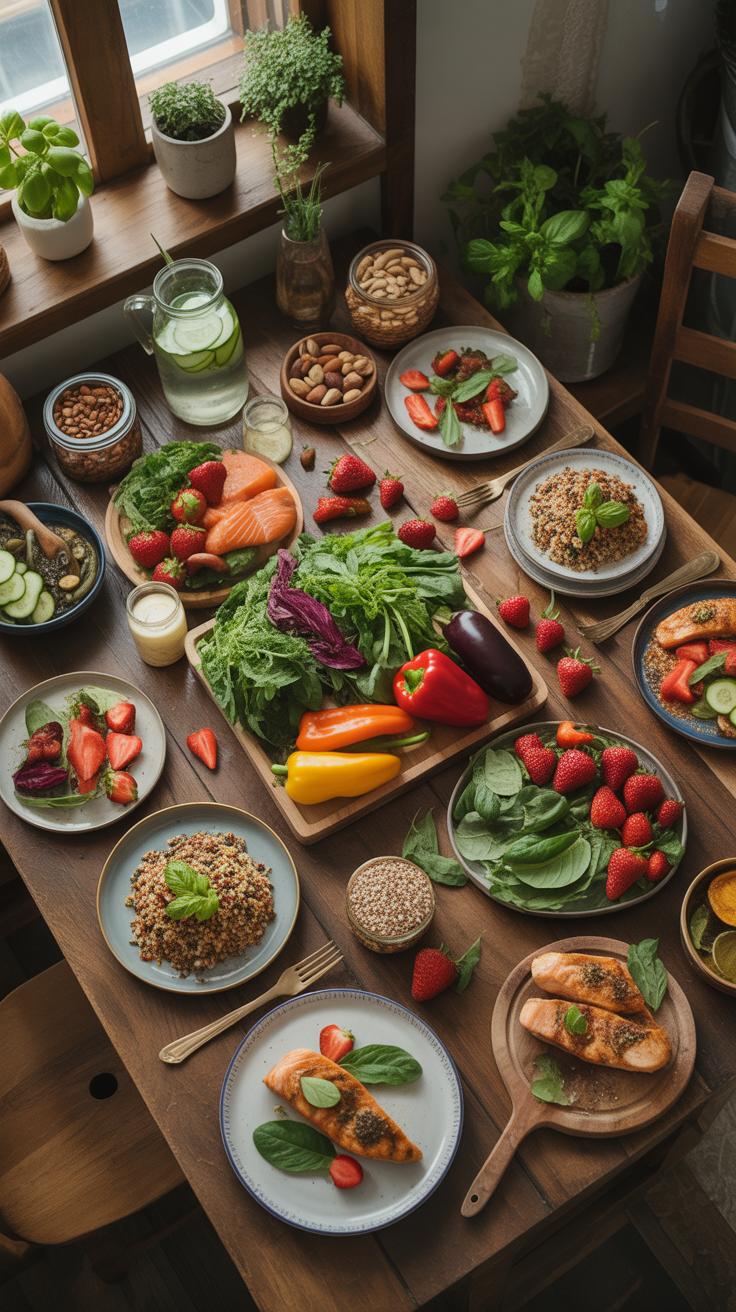
Effective personalization requires an honest audit of your daily caloric needs and macronutrient targets. You must calculate your Basal Metabolic Rate and adjust for your activity level. A desktop worker requires fewer carbohydrates than a field technician. Match your fuel to your output. Define your primary objective as either fat loss, muscle gain, or maintenance. This clarity dictates your portion sizes.
Next, identify your logistical constraints. A heavy travel schedule demands portable snacks like nuts or jerky. Home based workers can utilize slow cookers for mid-day meals. Map your eating windows to your natural hunger cues and professional meetings. Consistency beats perfection. If you hate salmon, do not put it on your plan. Use biological data and personal preferences to build a sustainable system.
Budget Friendly Meal Plan Ideas That Do Not Compromise Nutrition
Low cost nutrition centers on bulk purchasing and seasonal sourcing. Grains like brown rice and legumes like lentils provide high fiber and protein at a low price point. Buy frozen vegetables to reduce waste and lock in nutrients. These items have a long shelf life and require minimal preparation. Avoid pre-cut produce because retailers charge a premium for the labor.
Utilize secondary protein cuts and eggs to keep costs down. Canned tuna and sardines offer omega-3 fatty acids without the fresh fish price tag. Batch cooking on weekends reduces the temptation to buy expensive takeout during the work week. Use simple spices to vary flavors instead of buying processed sauces. Financial efficiency and nutritional density go hand in hand when you plan ahead.
Smart Ways To Eat Healthy Without Spending Hours In The Kitchen

Using Meal Prep Tools And Techniques To Save Time
Speed depends on the right equipment. High-speed blenders and food processors reduce prep time by eighty percent. Use a mandoline for uniform vegetable slices in seconds. Speed ovens and air fryers cook proteins twice as fast as traditional methods. These tools remove the manual labor from healthy eating. Invest in quality gear to eliminate excuses and increase your kitchen efficiency.
Batch cooking is the best way to regain your time. Professional chefs use the mise en place technique to organize workspaces before cooking. Prepare large quantities of grains and proteins on Sunday. Store them in airtight glass containers to maintain freshness for five days. This strategy ensures you always have a base for a quick meal. It stops you from making poor food choices when tired.
Healthy Shortcuts At The Grocery Store That Nutritionists Approve
Grocery stores now offer many pre-processed items that meet high nutritional standards. You can skip the cleaning and chopping by purchasing prepared produce. These items cost more but save thirty minutes of manual labor per meal. Look for products with single-ingredient labels to avoid hidden sodium or sugars. Use these shortcuts to build a balanced plate without the traditional time commitment.
- Pre-washed Leafy Greens: Buy bagged spinach or kale to skip the washing and drying process. These greens are ready for immediate use in salads, smoothies, or sautés. They provide essential fiber and micronutrients with zero preparation time required by the consumer.
- Frozen Vegetables: Manufacturers flash-freeze these vegetables at peak ripeness to lock in vitamins. They often contain the same or higher nutrient levels than fresh produce. Use them to add bulk to meals without peeling, chopping, or worrying about spoilage.
- Pre-cooked Lentils and Beans: Canned or vacuum-sealed legumes provide instant plant-based protein and fiber. Rinse canned versions to remove excess sodium before adding them to dishes. This shortcut eliminates the hours typically required for soaking and boiling dried pulses.
- Rotisserie Chicken: This is a fast source of lean protein for busy nights. Remove the skin to reduce saturated fat intake. Shred the meat for use in salads, wraps, or grain bowls throughout the week. It is a reliable and affordable time-saver.
- Cooked Quinoa or Brown Rice: Many stores sell pre-cooked grains in pouches or frozen bags. These products heat up in three minutes and provide complex carbohydrates. Ensure the ingredient list contains only the grain, water, and perhaps a small amount of oil.
Smart shopping bridges the gap between a busy schedule and better health. Modern food processing allows for convenience without sacrificing quality. Prioritize items that reduce the number of steps between the fridge and the table. Every minute saved in the store is a minute you can spend on other priorities. Use these tools to maintain your dietary standards during high-stress weeks.
Finding Your Clean Eating Inspiration And Staying Motivated

How To Build A Positive Relationship With Food On A Tight Schedule
Stop viewing food as a reward or a punishment. A busy schedule makes food a functional fuel for your brain and body. Remove the guilt associated with quick meals. Focus on the biological utility of nutrients rather than emotional satisfaction. When time is short, the goal is physiological stability. This mindset prevents the cycle of restriction and binge eating during high stress periods.
Acknowledge that perfection is impossible during a sixty hour work week. Shift your focus to the next best choice available at any moment. If you miss a planned meal, eat the highest protein option nearby. Maintaining a positive relationship means staying flexible without abandoning your health goals. Track your energy levels instead of your weight. Use physical data to prove that clean fuel works.
Real Life Habits That Keep Healthy Eaters Consistent Over Time
Consistency relies on environmental design rather than willpower. Successful healthy eaters automate their decisions by keeping specific staples in their office and car. They eliminate the need for daily choices. This reduces decision fatigue when energy is low. They prep basic components like roasted vegetables and grilled meats twice a week. These habits remove the friction between being hungry and eating clean food.
Monitor your environment to identify triggers for poor eating habits. Replace high sugar snacks with nuts or fruit. Use a standard grocery list to avoid impulsive purchases. Successful individuals treat their meal times like non negotiable business appointments. They schedule food just like a client meeting. This tactical approach ensures that nutrition remains a priority regardless of the workload. Protect your schedule to protect your health.
Putting It All Together With A Sustainable Healthy Meal Plan
How To Transition From Inconsistent Eating To A Structured Healthy Meal Plan
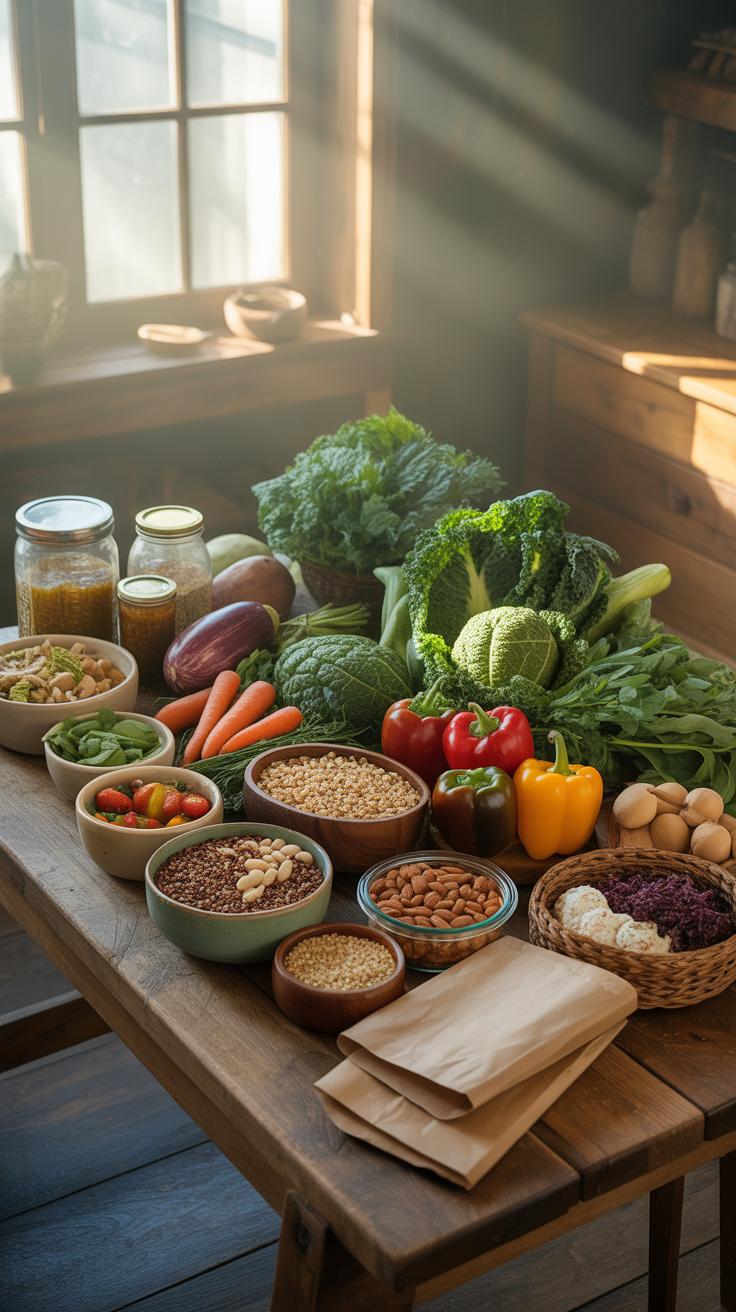
Stop trying to overhaul your entire diet in one day. Rapid changes often lead to immediate failure when your schedule gets tight. Start by securing one consistent meal time every day. This anchor point creates a predictable window for nutrition. Use pre-portioned proteins and frozen vegetables to remove prep barriers. Mastery of one meal provides the foundation for total schedule control.
Move toward batch cooking once your anchor meal is stable. Dedicate two hours on Sunday or Monday to prepare bulk ingredients. This technique reduces decision fatigue during the work week. Research shows that high-stress environments lead to poor food choices when options are not ready. Having pre-cooked grains and proteins ensures you eat by design rather than by default during busy hours.
Tracking Progress And Adjusting Your Healthy Meal Plan Over Time
Effective meal planning requires accurate data. Document what you actually eat versus what you planned. Note when you skipped meals or chose fast food. This record identifies specific time blocks where your current system fails. Use this information to adjust your prep level. If Tuesday nights always fall apart, you need a no-cook meal option specifically reserved for that day.
Your caloric needs and schedule demands change. Review your plan every four weeks to ensure it still fits your lifestyle. If you start a new project at work, simplify your recipes. If you have more time, experiment with fresh ingredients. Adjusting your plan prevents burnout and keeps the system functional. A meal plan is a tool for efficiency, not a rigid prison.
Frequently Asked Questions

How can I start eating better when I have almost no free time?
The secret to healthy eating on a busy schedule is starting with small, manageable swaps rather than a total lifestyle overhaul. Begin by prepping one meal category, like breakfast, for the week ahead. Choosing nutrient-dense options like overnight oats or pre-cut fruit ensures you have fuel ready when you are rushing out the door. Consistency matters more than perfection, so focus on high-impact habits that fit naturally into your existing daily routine.
What are the best meal prep strategies for a frantic work week?
To master healthy eating on a busy schedule, embrace “component prepping” instead of making full recipes. Spend an hour roasting a large tray of vegetables, boiling eggs, and cooking a batch of grains like quinoa. Having these versatile bases ready in the fridge allows you to assemble a balanced, nourishing bowl in under five minutes. This strategy eliminates decision fatigue and prevents you from reaching for processed convenience foods when you are exhausted.
Is it possible to eat nutritiously on a tight budget and a time crunch?
Absolutely. You can maintain a nutritious diet without spending a fortune by utilizing frozen vegetables and canned legumes. These pantry staples are affordable, have a long shelf life, and require minimal preparation time. Buying in bulk and choosing seasonal produce also keeps costs down. By focusing on simple, whole ingredients rather than expensive “superfood” supplements, you can nourish your body effectively even with limited financial resources and a demanding calendar.