

Why Healthy Muffin Recipes Are The Perfect Weekly Meal Prep Choice

The Nutritional Benefits Of Swapping Store Bought Muffins For Homemade Ones
Store-bought muffins function as cake disguised as breakfast. Most commercial bakeries rely on refined flours and high fructose corn syrup to maximize shelf life. These ingredients trigger rapid blood sugar spikes and subsequent energy crashes. Homemade recipes allow you to control every gram of sugar. You replace empty calories with dense nutrients like fiber, healthy fats, and complex carbohydrates for sustained energy.

Baking at home lets you prioritize high-quality ingredients over industrial fillers. You can swap refined white flour for whole wheat or oat flour to increase fiber. You can use Greek yogurt or applesauce to reduce total fat without losing moisture. This shift improves gut health and satiety. You eat less but feel more full. Controlling the sodium and oil levels protects your heart health effectively.
How Batch Baking Muffins Saves Time Money And Reduces Daily Decision Fatigue
Batch baking reduces your kitchen time to one sixty-minute session per week. Preparing twelve to twenty-four muffins at once eliminates the need for daily cooking or cleaning. You optimize your oven use and lower your energy costs. Muffins freeze well for months and thaw in seconds. This speed ensures you never skip breakfast or rely on expensive, low-quality fast food options during busy mornings.

Decision fatigue drains your willpower and often leads to poor dietary choices. Having a pre-made healthy option removes the need to choose what to eat every morning. You save money by buying bulk ingredients like oats and flour instead of individual retail items. A structured meal prep routine builds discipline and ensures consistency in your diet. Consistency is the only path to long-term health results.
High Protein Gluten Free Muffins For A Filling And Allergy Friendly Snack

Best Gluten Free Flour Alternatives That Actually Work Well In Muffin Recipes
Gluten free baking requires precision because standard wheat proteins are absent. Almond flour provides a dense and moist crumb due to its high fat content. Oat flour offers a lighter texture and mimics traditional wheat muffins accurately. You must use certified gluten free oats to avoid cross contamination. These flours provide more fiber than white rice flour blends. They also improve the overall nutritional profile.
Coconut flour absorbs significant amounts of liquid. You must adjust your recipes when using it to prevent a dry or crumbly result. A blend of almond and oat flour often yields the best structure. This combination balances healthy fats with complex carbohydrates. Avoid using single starch flours like cornstarch or tapioca as the primary base. They lack the structural integrity needed for a rising muffin top.
How To Boost Protein Content In Gluten Free Muffins Using Eggs Greek Yogurt And Nut Butters
Eggs serve as the primary structural binder in gluten free recipes. They provide high quality protein and help the muffin rise. Large eggs contain about six grams of protein each. Use two or three eggs to increase the protein count per serving. This also adds moisture and prevents the typical grit found in gluten free snacks. High protein muffins stay fresh longer than low protein versions.
Greek yogurt adds thick moisture and a tangy flavor profile. It replaces oil or butter while significantly increasing the protein density. Nut butters like almond or peanut butter provide a rich base of healthy fats and amino acids. These ingredients slow down digestion. This keeps you full for several hours after eating. Use plain yogurt to control the sugar content. Consistent protein intake regulates your energy levels throughout the day.
High Fiber Low Sugar Muffins That Keep You Satisfied Between Meals
Top High Fiber Ingredients To Add To Your Muffin Batter For Better Gut Health
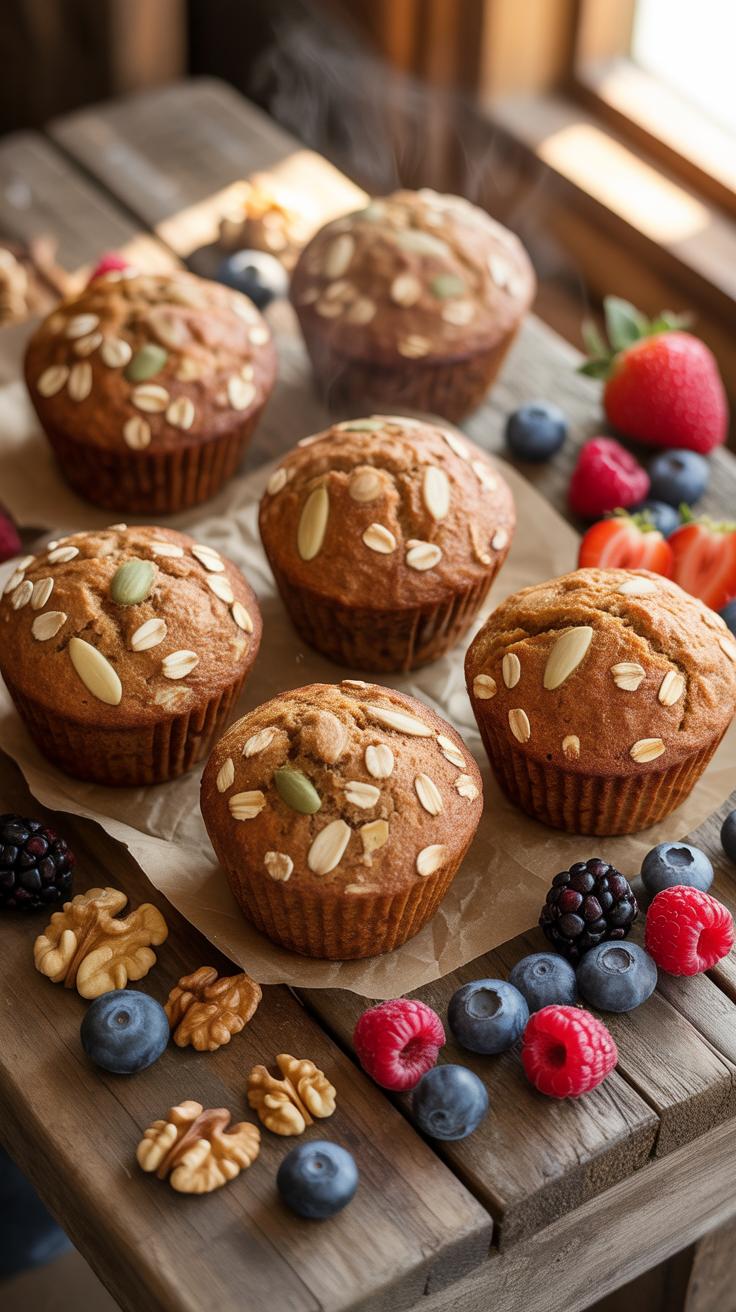
High fiber additives transform muffins from empty snacks into functional fuel. Fiber slows down digestion and prevents blood sugar spikes. These ingredients also improve intestinal transit and support a healthy microbiome. You must select dry additions that absorb moisture correctly to maintain texture. Using a mix of soluble and insoluble fibers provides the most comprehensive health benefits for your daily diet.
- Ground Flaxseeds: These seeds provide high amounts of alpha-linolenic acid and mucilage gums. They act as a binder in gluten-free recipes while boosting the total fiber count. Always use ground seeds to ensure your body can absorb the nutrients effectively during the digestion process.
- Psyllium Husk: This pure soluble fiber absorbs significant amounts of water. It creates a gel-like consistency that mimics the structural properties of gluten. Use it sparingly to avoid a rubbery texture. It is a powerful tool for bakers looking to maximize satiety without adding excess calories.
- Oat Bran: This is the outer casing of the oat groat. It contains more fiber and protein than standard rolled oats or quick oats. The fine texture blends seamlessly into traditional batters. It provides a dense crumb and keeps you feeling full for several hours after eating.
- Chia Seeds: These seeds can hold ten times their weight in liquid. They add a slight crunch and a boost of healthy fats to any recipe. You can add them whole or ground depending on your preference for texture. They are excellent for regulating hydration within the muffin crumb.
- Wheat Germ: This part of the grain contains essential minerals and B vitamins. It adds a nutty flavor and increases the nutrient density of your baked goods. Be sure to store your wheat germ in the refrigerator to prevent the natural oils from becoming rancid over time.
Strategic ingredient selection prevents the common energy crash associated with refined flour. Soluble fibers slow the absorption of sugar into the bloodstream. Insoluble fibers provide necessary bulk for digestive regularity. Combining these elements creates a structural framework that supports stable energy levels. Monitor your liquid ratios when adding these dry fibers. Most high fiber ingredients require ten percent more moisture to stay soft.
Natural Sugar Substitutes That Reduce Glycemic Impact Without Sacrificing Flavor
Refined white sugar causes immediate insulin spikes and rapid fat storage. You can achieve better metabolic results by using whole food sweeteners. Mashed bananas and applesauce provide fructose along with essential fiber. This fiber slows the release of sugar into your system. These wet ingredients also replace some of the fats needed in traditional recipes. This double benefit reduces overall calorie density drastically.
Monk fruit and erythritol offer zero calorie alternatives for those managing diabetes or strict weight goals. These sweeteners do not trigger an insulin response in most individuals. Use granulated versions to maintain the structural integrity of your muffin batter. You must balance these with acidic ingredients like yogurt to ensure proper browning. Reducing total sugar content prevents the inflammatory responses caused by high glycemic diets.
Healthy Muffins Zucchini Style A Veggie Packed Recipe Worth Making Every Week

Why Zucchini Is An Ideal Vegetable To Incorporate Into Muffin Recipes For Moisture And Nutrients
Zucchini contains about ninety-five percent water by weight. This high water content acts as a natural hydrating agent during the baking process. When the heat hits the batter, the zucchini releases steam. This steam prevents the proteins in the flour from becoming too rigid. The result is a tender crumb without the need for excessive amounts of refined oils or butter.
Nutritionally, zucchini adds significant value without altering the flavor profile of your healthy muffin recipes. It provides vitamins A and C along with potassium and dietary fiber. Most of these nutrients reside in the dark green skin. Grating the vegetable with the skin on increases the antioxidant content of your meal prep. It offers a low-calorie way to increase the volume and density of your snacks.
Tips For Preparing And Draining Zucchini Properly So Your Muffins Don’T Turn Out Soggy
Structural failure in vegetable-based muffins usually stems from excess liquid. You must grate the zucchini using the small or medium holes of a box grater for even distribution. Larger chunks create wet pockets that can lead to mold or a gummy texture. Once grated, place the shreds in a clean kitchen towel or fine-mesh sieve. Apply firm pressure to extract the liquid.
Accurate measurement happens only after you squeeze the zucchini. If a recipe calls for one cup, measure the dry, compressed shreds rather than the loose, wet pieces. Over-draining can be just as problematic as under-draining. You want the vegetable to be damp but not dripping. This balance ensures the muffins rise correctly while maintaining a moist interior. Proper prep prevents the muffins from sinking in the middle.
Healthy Chocolate Muffin Recipes That Satisfy Your Sweet Tooth Guilt Free
Choosing The Right Cocoa Powder And Dark Chocolate For A Healthier Chocolate Muffin
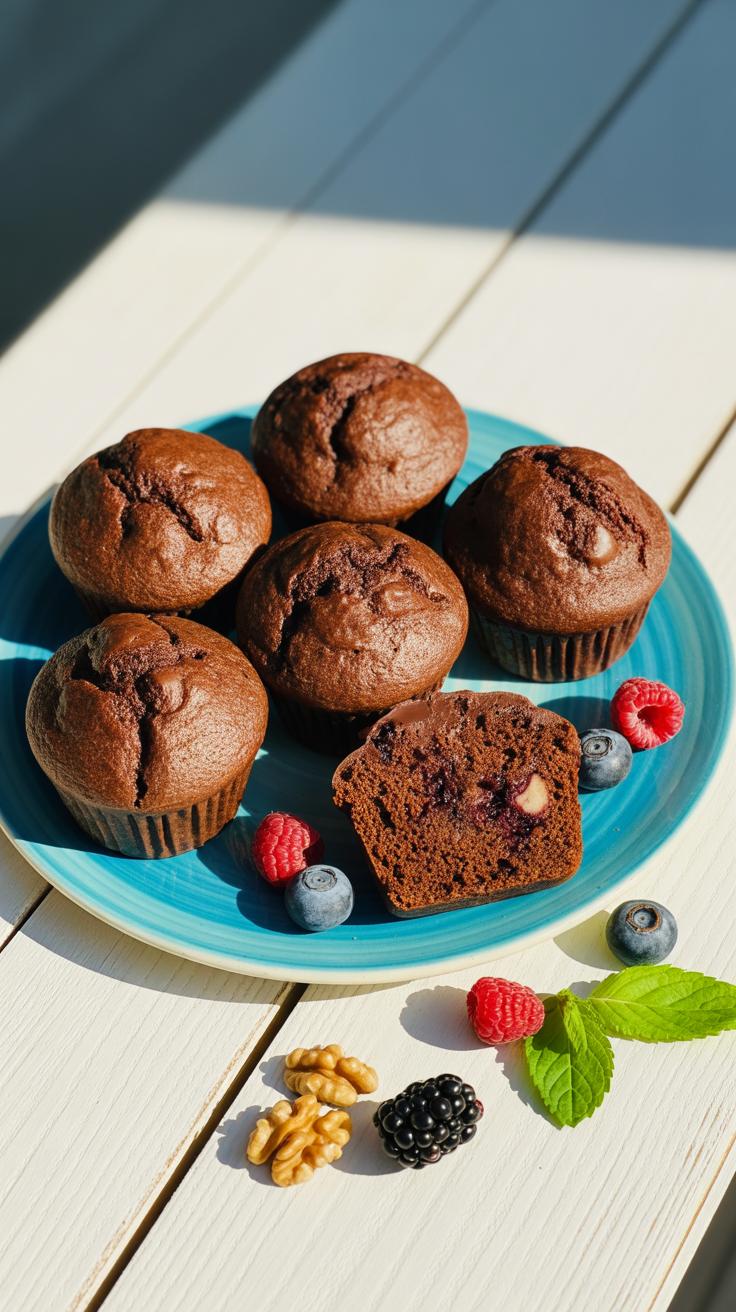
Standard cocoa powder undergoes heavy processing with alkali to reduce acidity. This Dutch-process method strips away natural antioxidants called flavanols. For maximum health benefits, select raw cacao powder or natural cocoa powder instead. These options retain more minerals like magnesium and iron. Natural cocoa also has a sharper flavor profile that requires less sugar to stand out in a dense chocolate muffin.
Dark chocolate quality depends entirely on the percentage of cocoa solids. Aim for chips or chunks with at least seventy percent cocoa content. Higher percentages contain less sugar and more heart-healthy fats. Check the ingredient label for palm oil or artificial fillers which degrade nutritional value. Real dark chocolate provides a rich texture without the insulin spike caused by milk chocolate or compound coatings.
How To Make Healthy Sweets Like Chocolate Muffins Without Refined Sugar Or Excess Butter
Eliminate white sugar by using fruit purees like mashed bananas or unsweetened applesauce. These ingredients provide natural fructose and essential fiber to slow sugar absorption. For a more intense sweetness, use pure maple syrup or raw honey in small amounts. These natural liquids improve the crumb moisture. High-fiber sweeteners prevent the energy crashes associated with processed cane sugar found in traditional bakery style muffins.
Replace butter with healthy fats to improve the lipid profile of your muffins. Greek yogurt and avocado serve as effective substitutes that provide protein and monounsaturated fats. These swaps maintain the necessary fat content for a tender mouthfeel. Nut butters also work well as a base. They add structure and healthy oils without the saturated fat found in dairy. This approach builds a nutrient-dense snack.
Quick Protein Muffin Ideas You Can Whip Up In Under 30 Minutes

Easy Protein Muffin Ideas Using Pantry Staples You Likely Already Have At Home
You can build a high protein base using Greek yogurt or cottage cheese. These moist ingredients replace heavy oils and fats while adding significant nitrogenous compounds for muscle support. Mix these with quick oats or whole wheat flour to provide structure. Use mashed bananas or unsweetened applesauce to bind the batter together. These staples offer natural sugars and fiber without requiring specialty health food store trips.
Whip protein powder directly into your dry mix to increase the macro density. Use whey or casein blends for the best baking results and texture. Add eggs or egg whites to ensure the muffins rise properly in the oven. Bake at high heat for twenty minutes to set the structure quickly. This method ensures you have a portable snack ready for the week. You save time by using what is already in your kitchen.
A basket of warm muffins is like a hug from the oven that stays with you all through the week. Choosing wholesome ingredients today is a gentle gift of care for the busy mornings ahead.
How Protein Enhanced Muffins Support Muscle Recovery And Sustained Energy Throughout The Day
Protein muffins provide the necessary amino acids to repair muscle tissue after physical exertion. Consuming these snacks helps maintain a positive nitrogen balance in the body. This state is critical for preventing muscle breakdown during busy workdays. The combination of protein and complex carbohydrates creates a steady release of glucose. This prevents the insulin spikes and subsequent crashes common with standard high sugar bakery items.
The density of protein increases satiety hormones like cholecystokinin which signal the brain to stop eating. This chemical reaction keeps you full for longer periods between meals. Stable blood sugar levels help you maintain focus and cognitive performance during afternoon slumps. By choosing these muffins over refined flour options you ensure a consistent energy supply. Your body processes these nutrients efficiently to fuel both your brain and your muscles.
Simple Protein Muffins Healthy Protein Muffin Recipes For Every Fitness Goal

Scaling Simple Protein Muffin Recipes For Weight Loss, Muscle Gain, Or Everyday Wellness
Adjusting protein muffins starts with total calorie control and macronutrient density. For weight loss goals, prioritize high volumes of fiber and lean protein sources. Replace heavy fats with fruit purees like unsweetened applesauce. This tactic lowers energy density while maintaining moisture. Focus on egg whites and plant-based protein powders. These ingredients provide satiety without the caloric load found in traditional fats or sugars.
Muscle gain requires increasing the caloric density and nitrogen balance of the muffin. Incorporate nut butters or full-fat Greek yogurt to boost healthy fats. Use whole oats or quinoa flour to provide complex carbohydrates for glycogen replenishment. Increase the protein powder ratio slightly but maintain structural integrity with extra moisture. This approach supports recovery and provides the necessary fuel for intense training sessions or muscle protein synthesis.
Key Ingredients That Define A Well Balanced Healthy Protein Muffin Recipe
A functional protein muffin relies on specific structural and nutritional components to survive the baking process. Standard wheat flour lacks sufficient protein for fitness goals. You must select binders and protein sources that withstand high heat without becoming rubbery. Balancing dry powders with wet fats or acids ensures a palatable texture. Precise ingredient selection separates a dry snack from a high-performance meal replacement.
- Whey or Plant Protein Powder: These powders provide the primary protein source for the recipe. Whey isolate works well for a light texture, while pea or soy protein absorbs more moisture. Choose a high-quality brand without excessive fillers or artificial sweeteners to keep the nutritional profile clean.
- Greek Yogurt or Cottage Cheese: These dairy options add significant moisture and extra protein to your batter. They act as fat replacers while providing a tangy flavor profile. Blending cottage cheese before adding it ensures a smooth consistency in the final baked muffin without any visible curds.
- Rolled Oats or Almond Flour: Use these to create a dense and fiber-rich base for your muffins. Rolled oats offer slow-digesting carbohydrates for sustained energy throughout the day. Almond flour provides a gluten-free alternative that adds healthy monounsaturated fats and helps keep the muffin moist during the week.
- Natural Sweeteners: Swap refined sugars for mashed bananas, honey, or maple syrup to control blood glucose spikes. These ingredients offer trace minerals and vitamins alongside their sweetness. Using fruit purees also adds additional moisture, which is critical when working with drying agents like protein powders or flax.
- Liquid Egg Whites: Egg whites provide a lean source of protein and act as a powerful structural binder. They help the muffin rise and maintain its shape without adding the cholesterol or fat found in the yolks. This ingredient is essential for achieving a fluffy texture in high-protein bakes.
Combining these specific ingredients creates a synergistic effect for the consumer. Use leavening agents like baking powder and soda to counteract the weight of heavy protein powders. This ensures the muffin rises properly in the oven. Proper ratios prevent the common mistake of producing a dense and unappealing brick. Stick to measured weights rather than volume for the most consistent and effective results.
How To Store Freeze And Reheat Your Healthy Muffins To Last All Week

The Best Containers And Storage Methods To Keep Your Muffins Fresh For Up To 5 Days
Muffins lose quality fast due to moisture migration. Cool your muffins completely on a wire rack before storage. Trapping heat creates steam and leads to soggy tops. Place a paper towel at the bottom of an airtight glass container. The paper towel absorbs excess moisture released by the fruit and grains. This step prevents mold growth during the week.
Line the top of the muffins with another paper towel layer before sealing the lid. Store the container at room temperature for up to two days. Move the container to the refrigerator if you need them to last five days. Cold temperatures slow bacterial growth but can dry out the crumb. Use glass over plastic to avoid chemical leaching into your healthy food sources.
Freezing And Reheating Muffins Correctly To Preserve Texture, Flavor, And Nutritional Value
Freezing is the most effective way to preserve muffins for long periods. Wrap each cooled muffin tightly in plastic wrap or parchment paper. Place the wrapped muffins into a heavy duty freezer bag. Squeeze out all visible air to prevent freezer burn and ice crystallization. This method maintains the structural integrity of the oats and flour for up to three months.
Reheating requires speed to avoid a rubbery texture. Thaw muffins at room temperature for one hour or use a microwave. Wrap the muffin in a damp paper towel and heat on medium power for thirty seconds. This restores moisture to the starches. For a crisp exterior, use a toaster oven at three hundred degrees. Rapid heating preserves the nutritional value of the ingredients.
Frequently Asked Questions

What actually makes a muffin recipe “healthy” compared to traditional bakery versions?
Traditional muffins are often glorified cupcakes, loaded with refined sugars and excessive oils. In contrast, healthy muffin recipes focus on nutrient density. This means swapping white flour for whole grains or almond flour and using natural sweeteners like mashed bananas, honey, or pure maple syrup. These adjustments provide a slower energy release and extra fiber, making them an excellent choice for a balanced breakfast or a quick afternoon snack.
How should I store and reheat my prepped muffins to keep them moist all week?
To keep your healthy muffin recipes fresh, let them cool completely on a wire rack before storing. Place them in an airtight container lined with a paper towel to absorb excess moisture. They stay fresh at room temperature for two days or in the fridge for a week. For the best texture, microwave a muffin for fifteen seconds or toast it lightly to restore that “just-baked” softness and aroma.
Can I make nutritious muffins on a tight budget with basic pantry staples?
Absolutely! You don’t need expensive superfoods to bake a nutritious batch. Using affordable staples like rolled oats, eggs, and seasonal fruits or frozen berries keeps costs low while boosting the nutritional profile. Many healthy muffin recipes can be adapted by using Greek yogurt or applesauce as a fat substitute, which are budget-friendly ways to add moisture and protein without relying on pricey specialty oils or imported nut butters.