
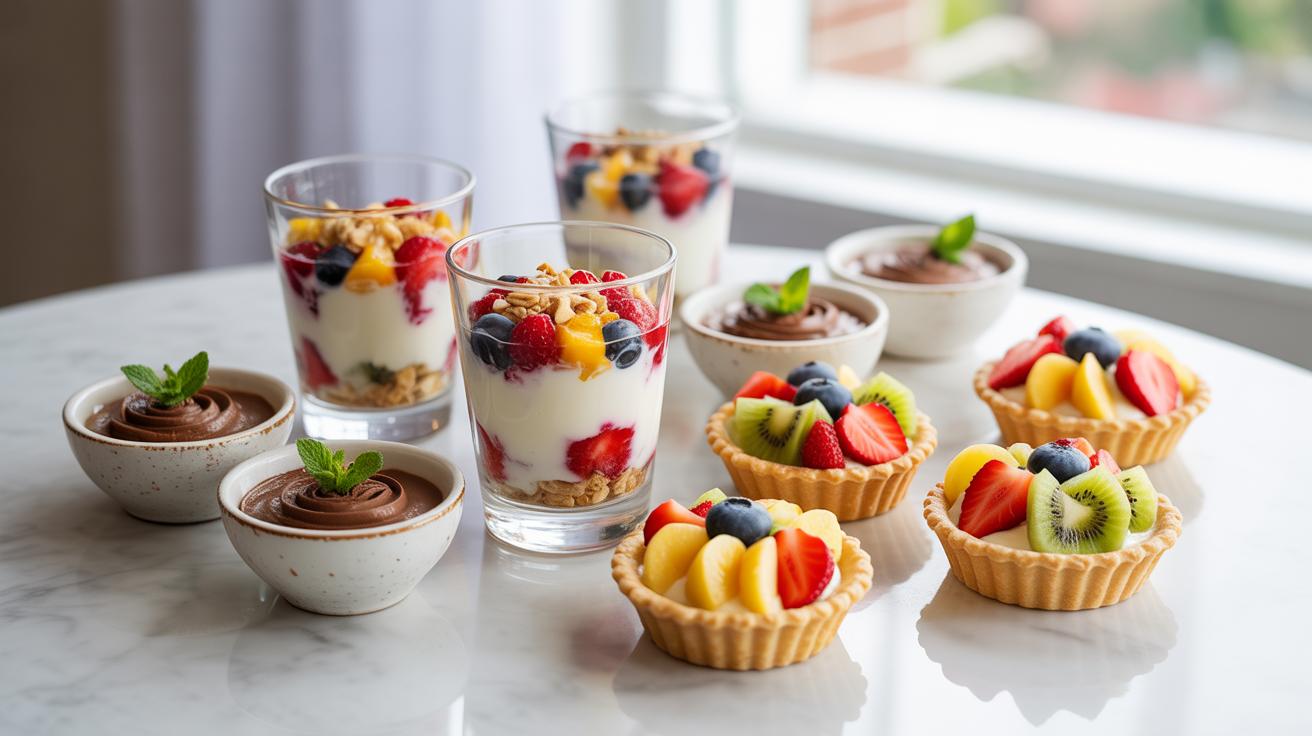
What Makes A Low Kcal Dessert Actually Worth Eating
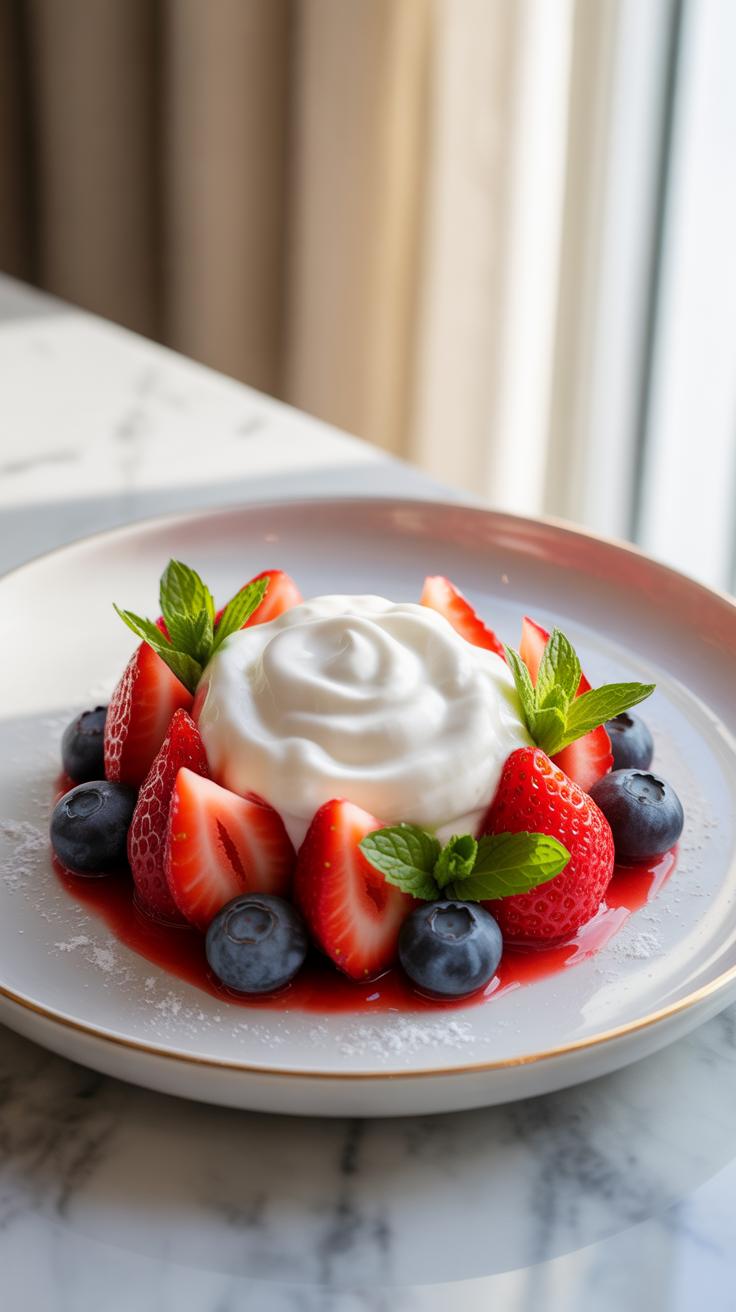
The Science Behind Feeling Full And Satisfied On Fewer Calories
Volume and density drive physical fullness. High volume foods use air and water to occupy space in the stomach. This triggers stretch receptors that signal the brain to stop eating. Low calorie desserts rely on this mechanism to mimic the weight of heavy sweets. Increasing physical mass without adding energy allows for larger portions. This prevents the deprivation response common in most restrictive diets.

Satiety requires more than physical fullness. It needs protein and fiber to slow digestion. Protein stimulates the release of hormones like peptide YY. Fiber slows gastric emptying and prevents blood sugar spikes. These biological cues tell the body it has fuel. Combining volume with these macronutrients creates a lasting feeling of satisfaction. This approach turns a light snack into a functional tool for appetite control.
How Ingredient Swaps Can Slash Calories Without Killing Flavor
Modern food science offers direct replacements for sugar and fat. Allulose and erythritol provide sweetness with nearly zero metabolic impact. They behave like sugar in baking which preserves texture. Fat substitutes like Greek yogurt or fruit purees add moisture and bulk. These swaps reduce caloric density by seventy percent in many recipes. You maintain the mouthfeel of traditional desserts while removing the heavy energy load.

Tactical seasoning enhances flavor when fat is low. Salt and acid brighten dull ingredients to trick the palate. High quality cocoa powder delivers intense chocolate notes without added cocoa butter. Vanilla bean or cinnamon create an aromatic profile that suggests richness. You must focus on high intensity ingredients to compensate for the missing lipids. These strategies ensure the final product tastes intentional rather than like a compromise.
The 100 Calories Mug Cake A Warm Treat Ready In Minutes
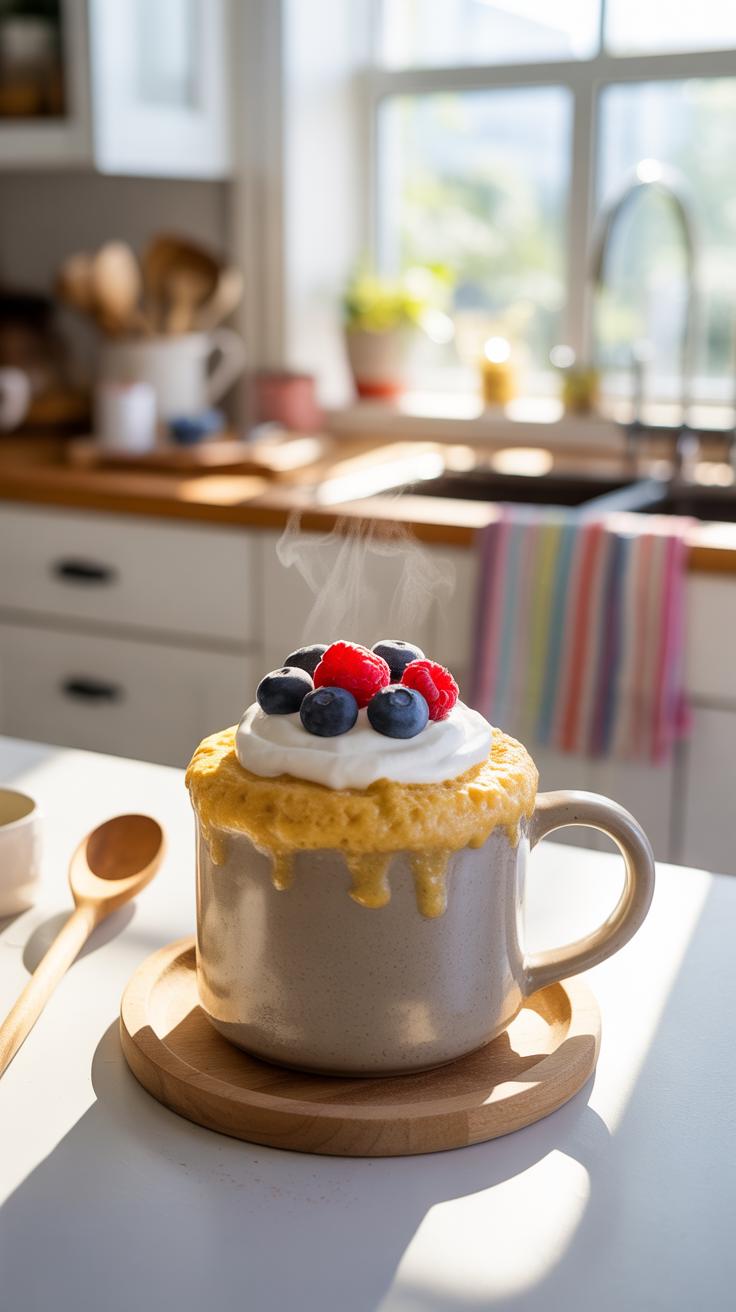
Why Mug Cakes Are A Game Changer For Portion Controlled Desserts
Mug cakes solve the problem of overeating by enforcing strict portion control. Traditional baking creates a multi-serving yield that encourages caloric surplus. These single-serving treats limit consumption to one cup. You cannot eat more than you prepare without starting the entire process again. This friction reduces mindless snacking and keeps your caloric intake predictable. The speed of the microwave method provides instant gratification.
Preparation takes less than five minutes from assembly to completion. You bypass the preheating time required by conventional ovens. This efficiency prevents the decision fatigue that leads to choosing high-calorie processed snacks. The heat from the microwave creates a soft texture that mimics high-fat cakes. You get a warm dessert experience without the structural demand of butter or eggs. It is a tactical tool for weight management.
Key Ingredients That Keep Your Mug Cake Under 100 Calories
Maintaining a low calorie count requires specific ingredient substitutions to replace heavy fats and sugars. Conventional flour and sugar provide too many calories per gram. You must use high-volume, low-density solids to create bulk without adding energy density. These swaps ensure the cake remains light and fits within a strict daily macro budget. Strategic selection of binders and sweeteners keeps the final product under the 100-calorie threshold.
- Oat Flour: Ground oats provide more fiber and satiety than white flour. This complex carbohydrate burns slower and helps stabilize blood sugar. Use small measurements to keep the total calorie count low while maintaining a cake-like structure.
- Unsweetened Applesauce: This ingredient replaces butter or oil to provide necessary moisture. It adds bulk and natural sweetness without the high fat content found in lipids. Applesauce ensures the cake does not turn rubbery or dry during the short microwave cycle.
- Erythritol or Stevia: Non-nutritive sweeteners eliminate the high caloric load of granulated sugar. These options provide the necessary sweetness for a dessert profile without contributing to the total energy density. They withstand heat well and do not alter the texture of the batter.
- Unsweetened Cocoa Powder: Cocoa delivers intense chocolate flavor with minimal calories. It provides the antioxidant benefits of cacao without the added fats found in chocolate chips. A small amount goes a long way in creating a rich and dark indulgent appearance.
- Baking Powder: Chemical leavening is essential for creating air pockets in the sponge. Since you are not using eggs to provide lift, baking powder does the heavy lifting. This creates a fluffy volume that makes the small portion feel much larger and more satisfying.
Precision in measurement is the most critical factor for success. Small errors in flour or sweetener quantities can double the calorie count instantly. Use a digital scale to verify every gram before mixing. Chemical reactions in the microwave happen fast, so ensure your leavening agents are fresh. Following these strict material guidelines guarantees a high-quality result that adheres to your nutritional goals every time you bake.
100 Calorie Cookies Bite Sized Joy Without The Guilt
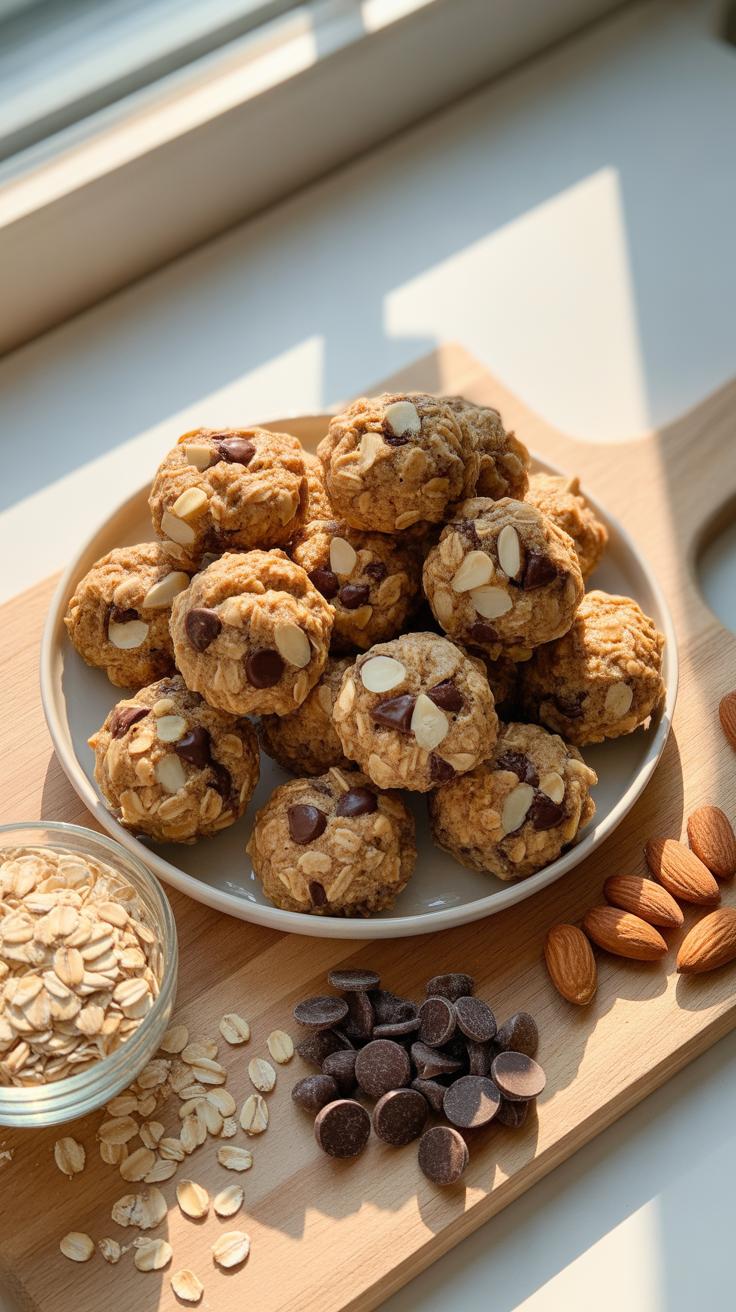
What Makes A Cookie Land At 100 Calories Or Under
Volume control and ingredient substitution drive the caloric profile of these cookies. Manufacturers and bakers reduce the fat content by using fruit purees or yogurt. These ingredients provide moisture without the high calorie density of butter or oil. Small portion sizes also ensure the calorie count stays low. A standard cookie often weights thirty grams. Reducing this weight keeps the math simple.
Sugar alternatives and fiber additives play a massive role in weight reduction. Using erythritol or stevia cuts the carbohydrate load significantly. High-fiber flours like oat or almond flour increase satiety while keeping the net calories down. These tactical swaps allow for a dense texture that mimics traditional recipes. You get the same mouthfeel without the metabolic cost. This strategy works well for strict calorie tracking.
Moderation is the secret to lasting joy, allowing us to savor the sweetest memories without any of the weight.
Flavor Varieties You Can Explore In 100 Calorie Cookie Form
Thin-style chocolate chip cookies are the gold standard for this category. They use a higher ratio of egg whites to yolks to create a crisp texture. This method removes the heavy fats found in the yolk. Cocoa powder provides a deep chocolate flavor without adding cocoa butter calories. These cookies offer a high-intensity taste. You get the sensation of a rich dessert in a small, efficient package.
Fruit-based varieties like lemon zest or dried cranberry offer a different tactical advantage. These flavors rely on natural acidity and oils rather than heavy sugars. Ginger snaps also work well because the spice provides a strong sensory hit. This allows for smaller serving sizes that still feel satisfying. Shortbread styles use cornstarch to maintain a crumbly texture with less lard or butter. Quality ingredients ensure the flavor remains authentic.
Easy Low Calorie Cookies You Can Bake Any Night Of The Week
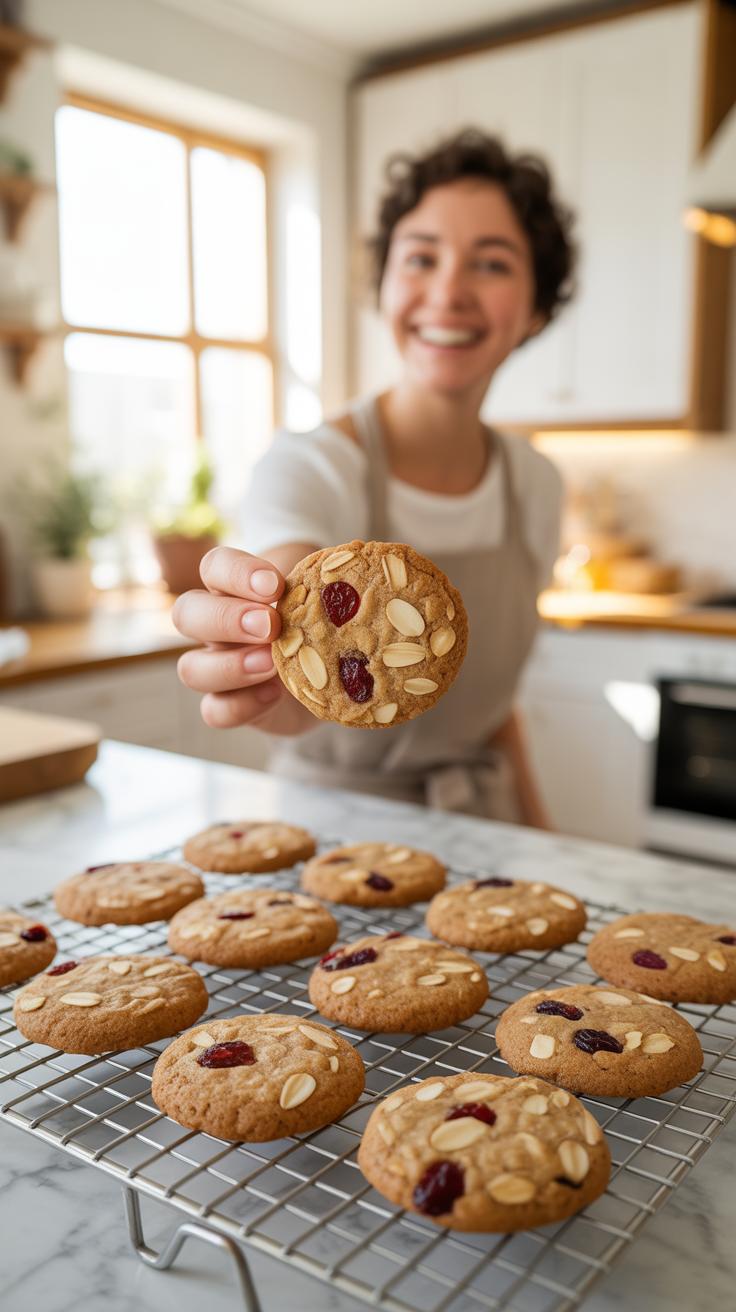
Why Simple Recipes Lead To More Consistent Healthy Eating Habits
Complex recipes create mental friction that stops you from meeting your health goals. When a dessert requires twenty ingredients and two hours of labor, you choose processed alternatives instead. Simple low calorie desserts reduce the effort required to make a smart choice. You manage your weight by making the right decision easy to execute. Speed and accessibility are the primary drivers of long term success.
Consistency relies on repeatable workflows. If you can prep a batch of cookies in ten minutes, you will stick to your nutrition plan. You eliminate the urge to binge on high calorie snacks when a healthy option is minutes away. Minimalist baking focuses on volume and satiety without the cleanup of traditional pastry methods. You win by removing every barrier between your craving and a healthy solution.
Smart Baking Tips To Keep Your Cookies Light And Delicious
Baking science allows you to cut calories without sacrificing structural integrity. Traditional cookies rely on butter and white sugar for moisture and lift. You can swap these high density fats for functional alternatives that provide the same mouthfeel. Reducing the caloric load requires understanding how ingredients interact under heat. Use these proven tactics to keep your baked goods light while maintaining peak flavor and texture.
- Apple Sauce Substitution: Replace half of the butter in your recipe with unsweetened apple sauce to cut fat grams significantly. This technique adds natural moisture and keeps the cookies soft without the heavy saturated fat content of traditional dairy.
- Oat Flour Base: Gringing rolled oats into a fine powder provides more fiber than standard white flour. Fiber increases satiety and slows the absorption of sugar into your bloodstream. This prevents the energy crashes often associated with high sugar snacks.
- Natural Sweeteners: Utilize erythritol or stevia blends to remove sugar calories entirely from your dough. Modern granulated sweeteners bake at a one to one ratio and provide the necessary bulk for a standard cookie shape without the glycemic impact.
- Egg White Binding: Use egg whites instead of whole eggs to remove the fat found in the yolks. This adjustment reduces the calorie count per cookie while providing the essential protein needed to set the structure of the dough during the baking process.
- Dark Chocolate Chunks: Swap milk chocolate chips for high percentage dark chocolate or cacao nibs for more flavor with less sugar. Intense chocolate flavors allow you to use a smaller quantity of mix-ins while still satisfying your craving for a rich dessert experience.
Temperature control determines the final outcome of your low calorie bake. Reduced fat doughs can dry out quickly if you overbake them by even sixty seconds. Remove your cookies from the oven when the edges are just set but the centers remain soft. The residual heat from the baking sheet will finish the cooking process. This strategic timing ensures your cookies remain chewy rather than becoming hard or crumbly and dry.
Exploring Cookie Recipes Low Calories Without Sacrificing Texture

How Texture Is Achieved In Low Calorie Cookie Baking
Traditional cookies rely on butter and sugar for structure and moisture. To reduce calories, you must find functional substitutes that mimic these properties. Pureed fruits like unsweetened applesauce provide moisture without the heavy fat content of dairy. Greek yogurt adds protein and bulk while keeping the dough soft. These swaps prevent the cookie from becoming hard or dry during the baking process.
Cornstarch and almond flour also play critical roles in texture management. Adding a small amount of cornstarch creates a tender crumb similar to shortbread. Using oat flour increases fiber and provides a chewy mouthfeel that echoes classic oatmeal cookies. Controlling the baking time is the final step. Removing cookies from the oven while the centers look soft ensures they remain pliable rather than becoming brittle.
The Role Of Natural Sweeteners In Reducing Cookie Calorie Counts
Sugar provides more than just flavor. It helps cookies brown and spread on the baking sheet. When replacing sugar with calorie-free alternatives, bakers must select options with high heat stability. Erythritol and monk fruit are the primary choices for low calorie desserts. These sweeteners do not spike blood sugar levels. They maintain their structural integrity at standard oven temperatures which is essential for consistent results.
Liquid sweeteners like stevia drops offer high potency but lack the mass of granulated sugar. Combining different sweeteners often yields the best flavor profile. This strategy masks the cooling aftertaste sometimes associated with sugar alcohols. Allulose is a newer option that mimics the caramelization of traditional sugar. Using these modern ingredients allows for a significant reduction in total caloric density while preserving the familiar taste of a cookie.
The Broader World Of Low Calorie Dessert Beyond Cookies And Cakes
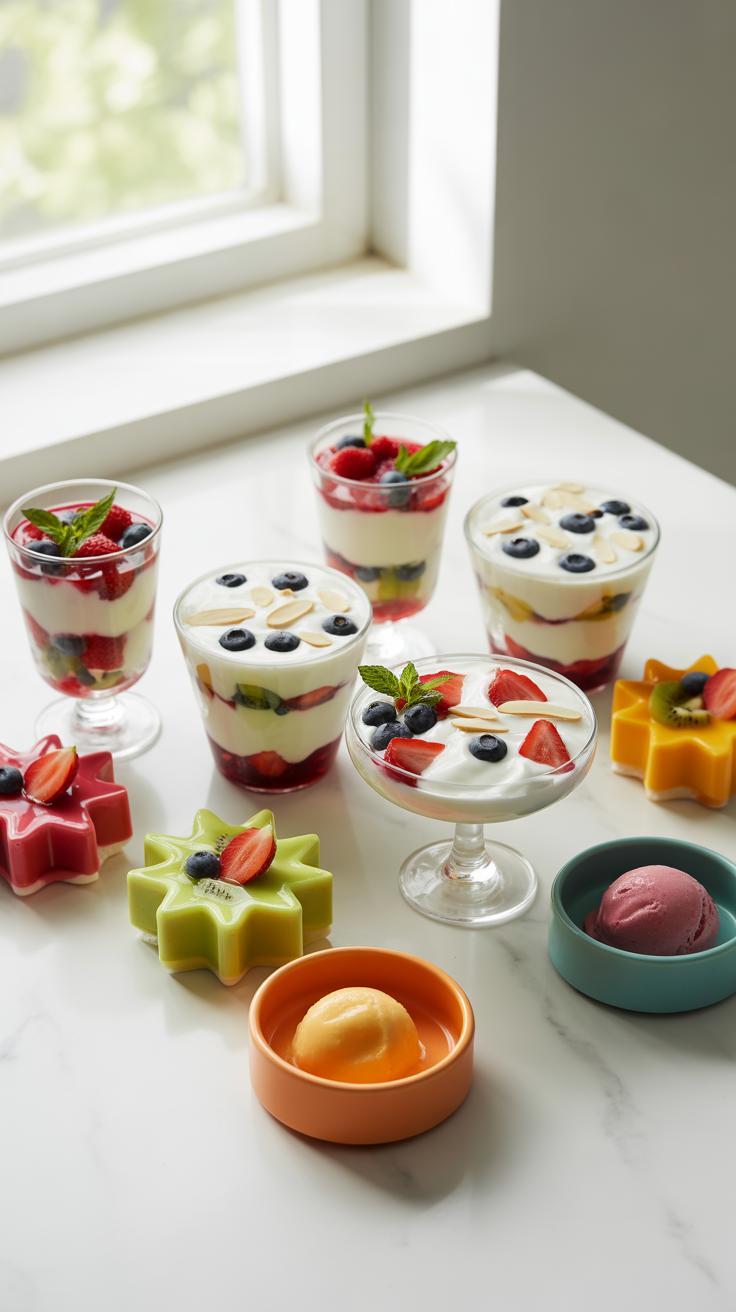
Frozen, Chilled, And No Bake Options That Keep Calories In Check
Frozen desserts leverage air and water to increase volume without adding energy density. Sorbet uses water and sugar instead of heavy cream. This removes the high fat content found in traditional ice cream. Modern techniques like flash-freezing fruit purees create a creamy texture without dairy. These methods rely on physics rather than fat to provide a satisfying mouthfeel for consumers.
No-bake options often utilize gelatin or chia seeds to create structure. These ingredients thicken liquids into puddings or mousses without heat or flour. Using Greek yogurt as a base provides high protein and low calories. This substitution maintains the texture of rich custards. Chilled desserts also prevent the caramelization of sugars. This keeps the glycemic impact lower than traditional baked goods.
Fruit Based Desserts That Deliver Natural Sweetness And Fewer Calories
Fruit serves as the primary source of sweetness in many low calorie desserts. High fiber content in whole fruit slows down sugar absorption. This prevents insulin spikes associated with refined sugars. Roasting or poaching fruit concentrates natural sugars through evaporation. This process creates a deep flavor profile without adding extra syrup. Culinary techniques like maceration soften fruit using minimal juice or acid.
Grilling fruit triggers the Maillard reaction at a lower temperature than dough. This adds a smoky complexity to the sweetness. Pectin acts as a natural thickener in fruit-heavy preparations. This eliminates the need for cornstarch or flour in fillings. Using seasonal fruit ensures peak flavor and vitamin density. These desserts prioritize nutritional value while satisfying the biological urge for sugar in a controlled manner.
Yogurt Dessert Ideas That Are Creamy Cool And Calorie Conscious
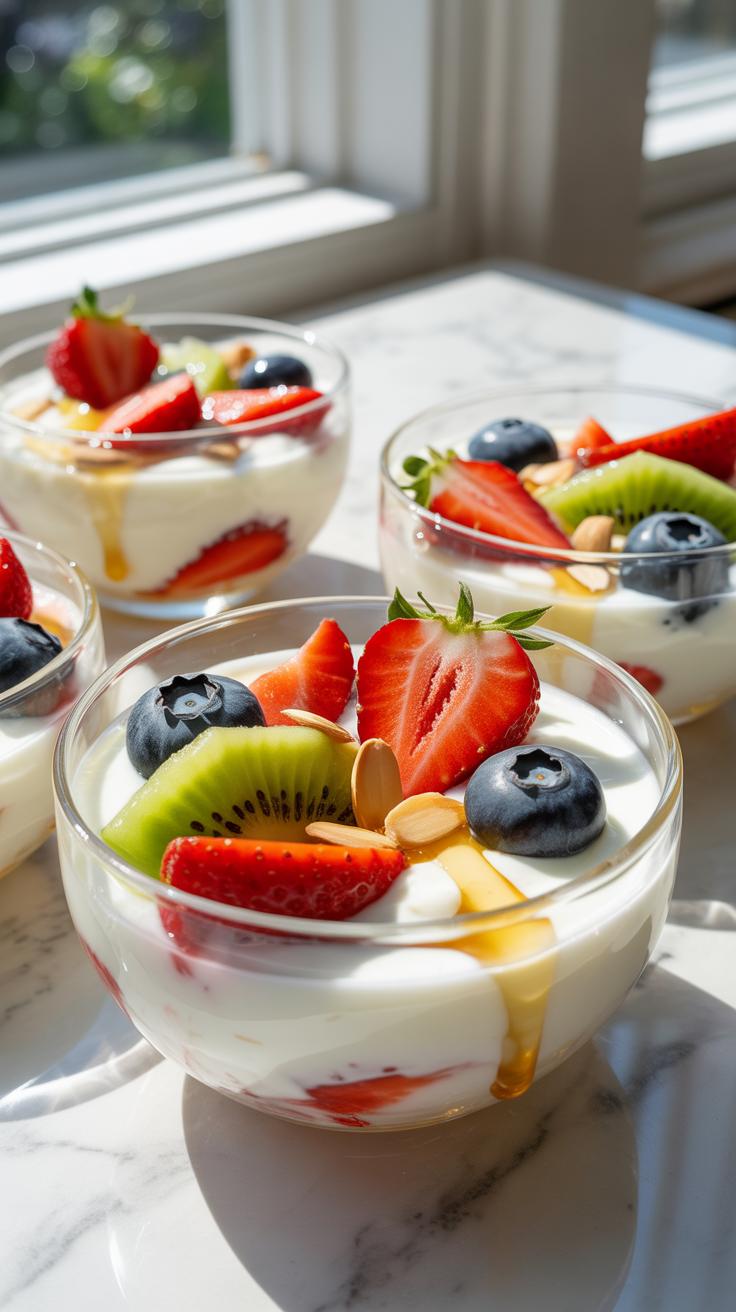
Why Yogurt Is One Of The Best Bases For A Light But Satisfying Dessert
Greek yogurt provides a dense texture due to the straining process that removes liquid whey. This creates a thick consistency similar to mousse or cheesecake filling without the heavy fat content. The high protein levels increase satiety and slow down digestion. This prevents blood sugar spikes common with sugary treats. You get the mouthfeel of premium dairy while consuming fewer total calories.
Plain varieties offer a neutral flavor profile that adapts to various sweeteners. You can control the sugar content by adding stevia or monk fruit instead of processed syrups. Fermented yogurt also contains probiotics that aid gut health which processed desserts lack. It functions as a functional food rather than just empty calories. It builds a solid foundation for any low calorie desserts strategy.
Delicious Ways To Dress Up A Yogurt Dessert With Toppings And Mix Ins
Flavoring yogurt requires strategic choices to maintain a low calorie count. Use unsweetened cocoa powder to create a chocolate base without added fats. Citrus zest provides strong flavor without adding any measurable calories or sugar. High-fiber fruits like raspberries add volume and natural sweetness for very little energy density. These additions transform basic dairy into a complex dessert experience quickly.
Texture contrasts improve the eating experience and satisfy cravings for crunch. Use small amounts of toasted nuts or seeds to provide healthy fats and roasted notes. Cinnamon or nutmeg adds warmth and tricks the palate into perceiving more sweetness. Avoid pre-mixed fruit yogurts which often contain high-fructose corn syrup. Fresh or frozen toppings give you total control over the nutritional outcome of your meal.
Greek Yogurt Recipes That Double As Decadent Low Calorie Desserts

The Nutritional Profile Of Greek Yogurt And Why It Works For Desserts
Greek yogurt provides a dense texture because processors remove the liquid whey. High protein content increases satiety more than standard snacks. This structure mimics heavy cream or cream cheese in most recipes. A plain nonfat serving contains roughly 100 calories and 18 grams of protein. These metrics make it an ideal base for creating volume without adding excessive dietary fats.
The lactic acid in Greek yogurt creates a sharp tang. This acidity balances high intensity sweeteners and rich cocoa powders. It functions as a functional substitute in cheesecakes, mousses, and frostings. Using yogurt reduces the caloric density of traditional desserts by over sixty percent in most cases. It remains stable when folded into whipped ingredients. This chemical property allows for airy yet substantial textures.
Crowd Pleasing Greek Yogurt Dessert Combinations Worth Trying
Mixing dark cocoa powder and stevia into thick yogurt creates a high protein chocolate mousse. This combination replaces fat-heavy heavy cream while maintaining a smooth mouthfeel. Stirring the mixture vigorously incorporates air for a lighter consistency. Serve this chilled to enhance the firmness. It provides the same flavor profile as traditional ganache but with significantly fewer calories and no added sugars.
Frozen yogurt bark offers a tactical alternative to ice cream bars. Spread thin layers of yogurt onto parchment paper and top with berries or nuts. Freezing the sheet creates a brittle, snackable texture that satisfies the urge for cold treats. This method allows for precise portion control and rapid preparation. You can break the frozen sheets into custom sizes to manage your daily caloric intake effectively.
High Protein Desserts That Keep You Full And Support Your Goals
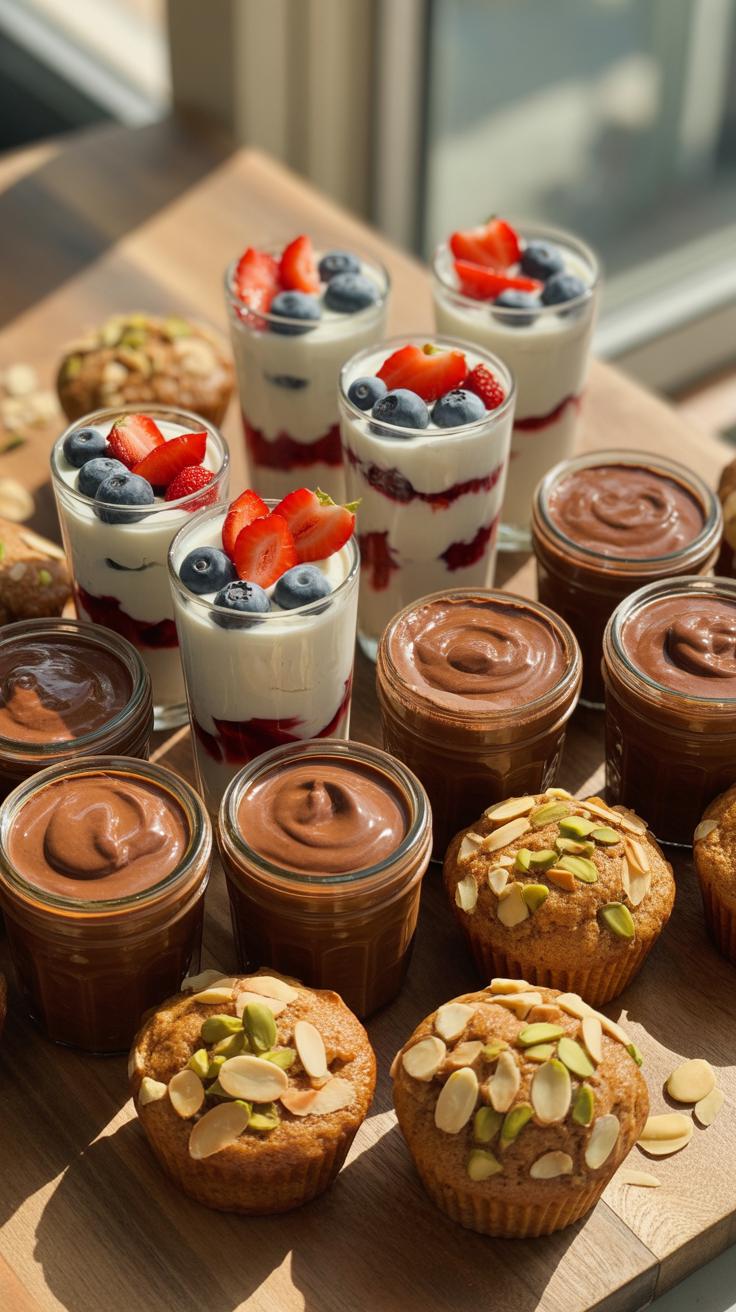
How Protein In Desserts Helps Curb Cravings And Aid Muscle Recovery
Protein triggers satiety hormones like cholecystokinin and glucagon-like peptide-1. These signals tell your brain you are full. High protein sweets prevent the blood sugar spikes common with standard treats. This stabilization stops the cycle of binging and energy crashes. You stay satisfied longer because your body digests protein slower than simple carbohydrates. This makes it a strategic tool for weight management.
Consuming protein after exercise repairs muscle fibers damaged during physical activity. Amino acids provide the necessary building blocks for growth and recovery. Including protein in your evening dessert helps maintain a positive nitrogen balance overnight. This prevents muscle breakdown while you sleep. Strategic dessert choices allow you to meet daily macronutrient targets without adding excessive calories. It turns a reward into a functional part of your diet.
Everyday High Protein Dessert Ingredients That Are Easy To Find
Low-fat Greek yogurt is a staple for high-protein recipes. It contains nearly double the protein of regular yogurt. Most local grocery stores stock plain versions that act as a base for puddings and mousse. You can mix it with fruit or cocoa powder for a quick fix. Egg whites provide another high-quality protein source. They add volume and structure to baked goods while keeping the total fat content low.
Cottage cheese offers a versatile texture for cheesecakes and blended dips. Modern brands offer smooth varieties or low-fat options that fit calorie budgets. Whey or casein powders also integrate easily into no-bake snacks. These powders provide concentrated doses of branched-chain amino acids. Using these ingredients allows you to recreate traditional textures. You get the mouthfeel of indulgence without the typical nutritional drawbacks of refined sugar and heavy cream.
Frequently Asked Questions

What exactly makes a dessert low calorie without losing its indulgent flavor?
Creating satisfying low calorie desserts is all about smart ingredient swaps that maintain texture. By replacing heavy creams with Greek yogurt or swapping refined sugars for natural sweeteners like stevia or monk fruit, you can drastically reduce the caloric density. Using high-quality cocoa powder or vanilla bean paste also provides a rich, deep flavor profile that tricks your palate into feeling like you are eating something much more decadent than it actually is.
How can I bake low calorie desserts at home without them becoming dry?
The secret to moist baking when making low calorie desserts is incorporating fruit or vegetable purees. Unsweetened applesauce, mashed bananas, or even pureed pumpkin add essential moisture and natural sweetness without the fat content of butter or oil. Be careful not to overbake your treats, as reduced-fat recipes often cook faster. Adding a pinch of espresso powder can also enhance the cocoa notes in chocolate recipes, ensuring every bite tastes truly luxurious.
Can I find ingredients for healthy desserts on a tight budget?
Absolutely! You do not need expensive specialty health foods to enjoy lighter treats. Common pantry staples like oats, frozen berries, and eggs are affordable bases for many recipes. Buying seasonal fruit or generic brand Greek yogurt can keep costs down while providing excellent nutrition. With a few basic ingredients, you can easily whip up delicious options that fit your lifestyle and your wallet, proving that luxury doesn’t always require a premium price.