
What Is Easy Meal Planning For Beginners And Why Does It Matter
Understanding The Core Concept Of Meal Planning
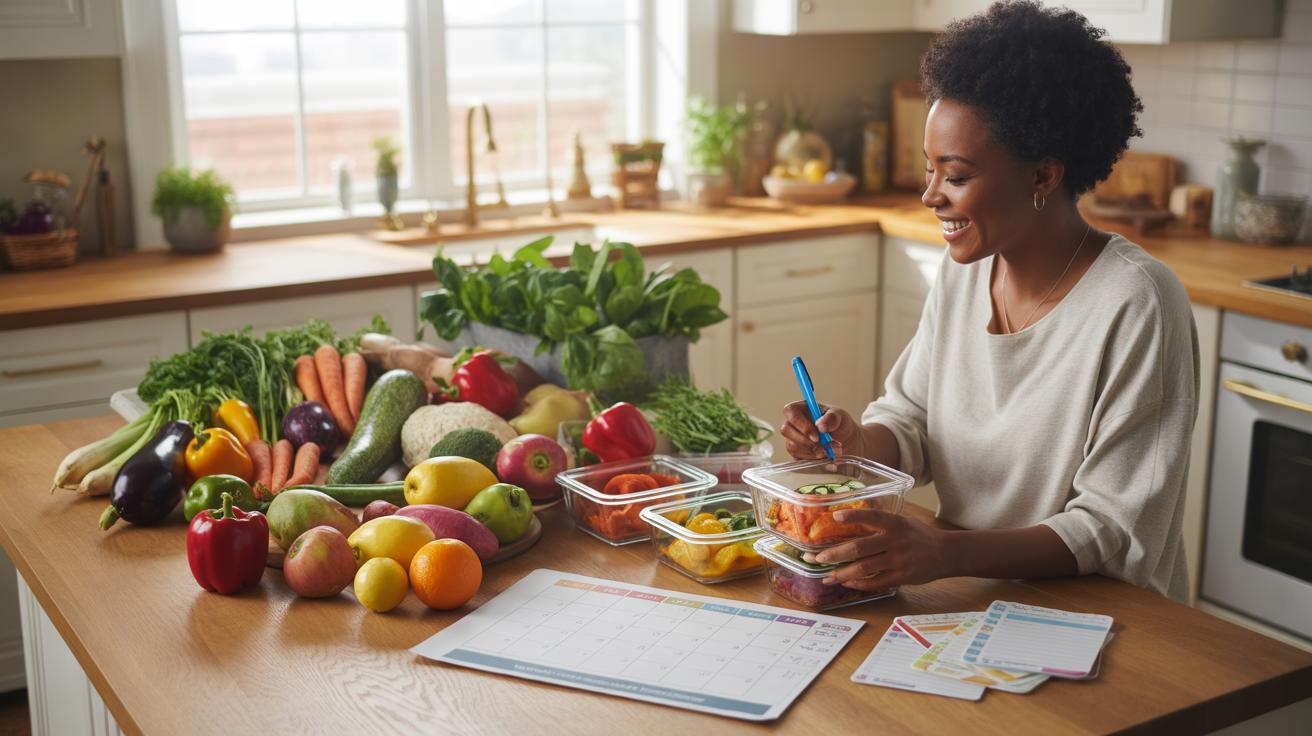
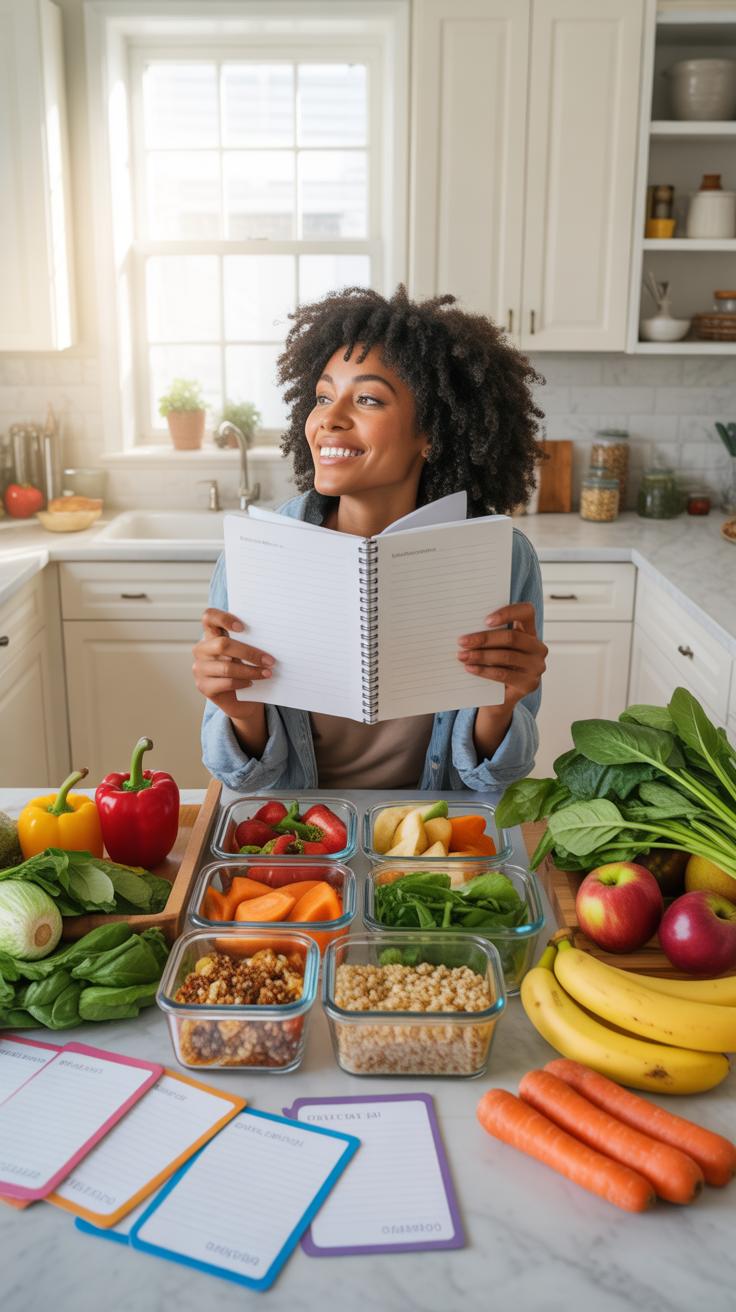
Meal planning is the act of selecting your meals before you cook or eat them. It is a tactical management system for your kitchen. You decide what to eat for the coming week to remove daily decision fatigue. This framework requires an inventory check, a calendar review, and a specific shopping list. It moves food preparation from a reactive state to a proactive schedule.
The process functions like an assembly line for your nutrition. You map out dishes based on the ingredients you have and the time you can spare. It is not just about writing a list of recipes. You must align your choices with your actual lifestyle and energy levels. Beginners succeed when they keep these plans simple and repeatable. A solid plan ensures you always have the necessary components to eat.
The Real Benefits Of Meal Planning For Your Health Budget And Time
Planning meals provides a massive return on investment for your time and money. You stop making impulse purchases at the grocery store which lowers your monthly food costs. You also eliminate the constant stress of choosing what to cook every night. This system optimizes your kitchen workflow and reduces food waste. Buying exactly what you need keeps your fridge clear and your wallet full.

Physical health depends on consistent nutrition and portion control. When you plan ahead, you choose ingredients that meet your specific dietary goals. You avoid high-sodium takeout and processed snacks because a better option is already available. Strategic planning forces you to look at your overall consumption patterns. This oversight leads to better long term health outcomes. It turns healthy eating into a default setting instead of a daily chore.
How To Meal Plan For Beginners Setting Up Your Foundation
Assessing Your Dietary Needs Preferences And Household Size
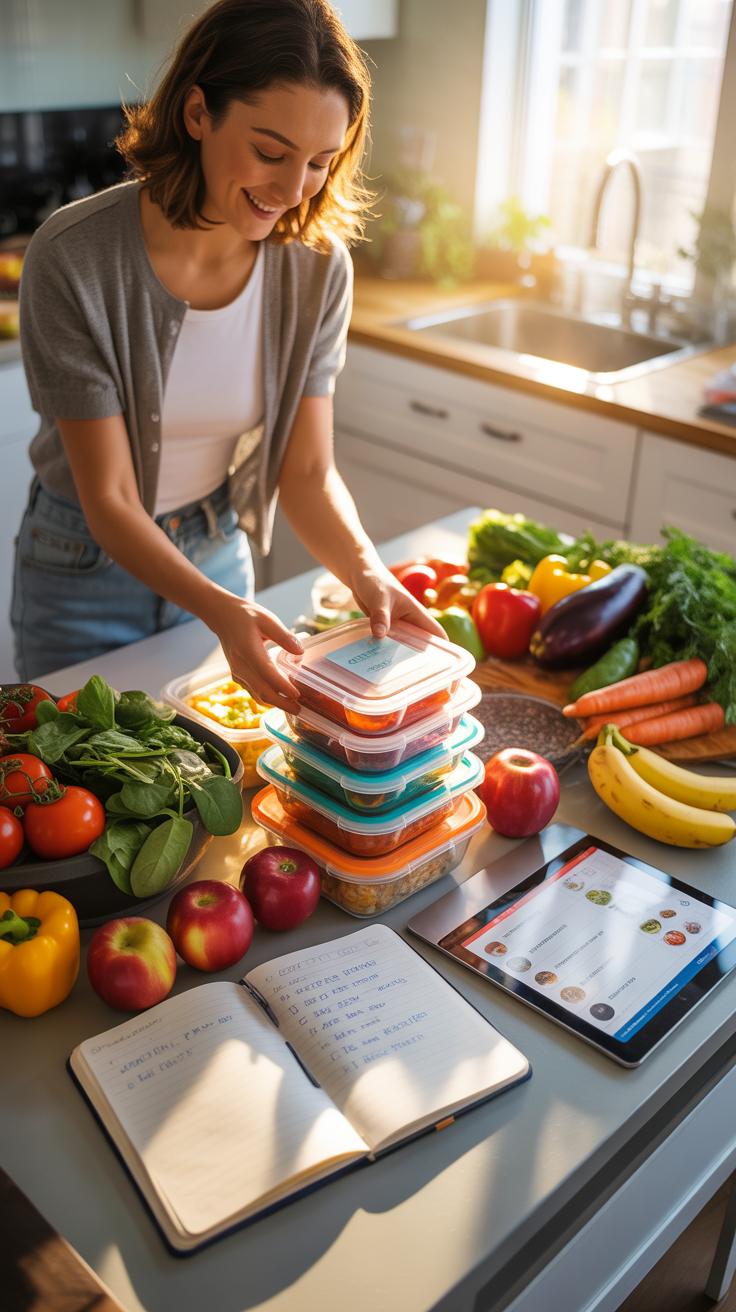
Successful meal planning requires an honest audit of your current situation. Start by calculating the exact number of people you must feed every day. Account for specific dietary restrictions like allergies or medical requirements such as low sodium. Identify the flavors your household enjoys to ensure high compliance with the plan. Factor in caloric needs based on activity levels to determine portion sizes.
Next evaluate your cooking skills and available kitchen equipment. Do not plan complex meals if you lack the tools or time to execute them. Review your budget to set a realistic spending limit for groceries. Note which days require portable lunches and which allow for seated dinners. This data creates the boundaries for your entire strategy. It prevents waste and saves money immediately.
Choosing A Realistic Planning Schedule That Fits Your Lifestyle
A sustainable schedule prevents burnout and ensures consistency over time. Most beginners choose a weekly cycle to align with standard grocery store sales and paychecks. Select one day for inventory and planning and another for procurement. Map out your busiest days first to identify when you need quick meals or leftovers. Align your cooking tasks with times you have the most energy.
Consistency builds the habit faster than intensity does. Use a digital calendar or a physical planner to lock in your prep times. Treat these blocks like non-negotiable appointments to avoid skipping them. Adjust the cycle if your work schedule changes or if weekend events interfere. A rigid plan fails while a flexible schedule adapts to your life. Focus on execution rather than perfection every week.
Using A Meal Plan Template Printable Free To Get Organized Fast
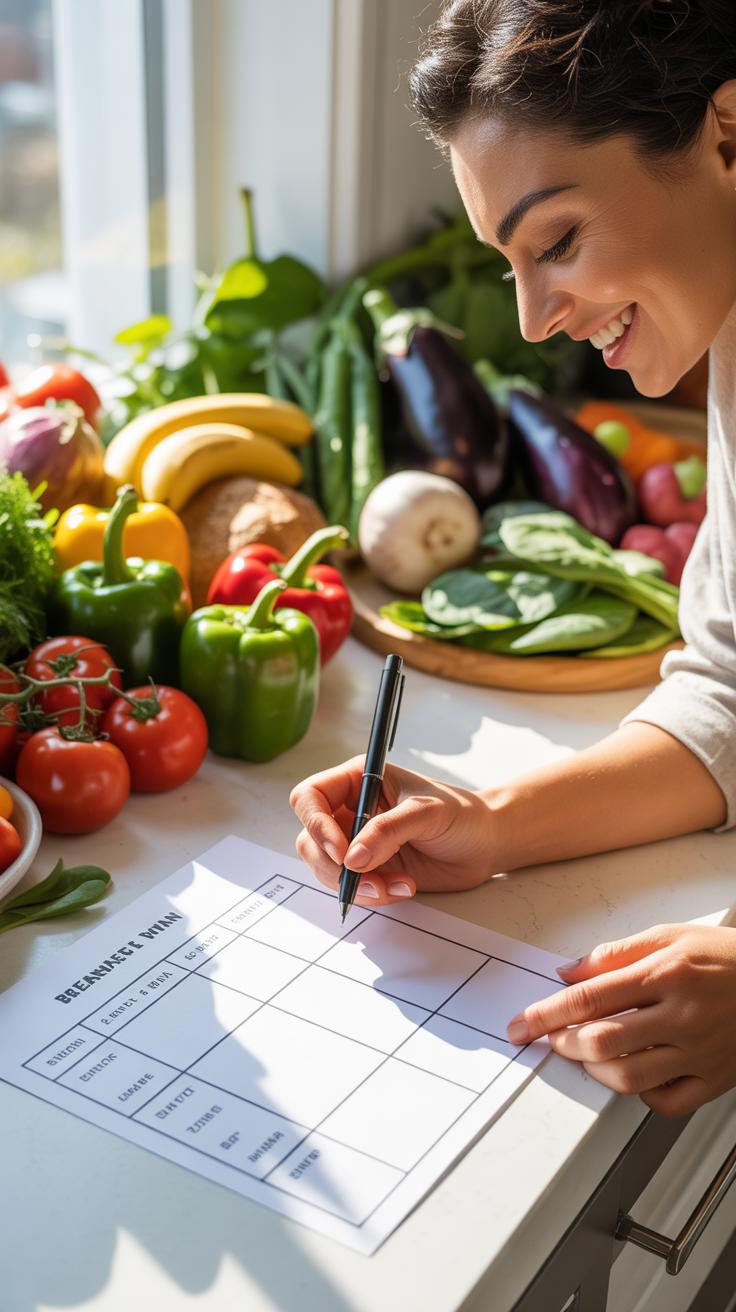
What To Look For In A Good Meal Plan Template
A functional template must prioritize clarity and structure over aesthetic design. Look for a layout that separates the seven days of the week into distinct blocks. These blocks should provide enough physical space to write multiple ingredients or dish names. Effective templates include dedicated sections for breakfast, lunch, and dinner to ensure you account for every meal. This prevents gaps in your daily nutritional planning.
High quality printables also feature a secondary area for a consolidated grocery list. This design choice links your menu directly to your shopping needs. Ensure the template uses a clean sans serif font for maximum readability. Avoid cluttered borders or heavy graphics that consume printer ink. A minimalist approach allows your written notes to stand out. This clarity is vital when you refer to the plan during a busy week.
How To Customize A Free Printable Template For Your Weekly Routine
Adapt your template by mapping it against your specific calendar commitments. Mark days with late work meetings or kids sports as quick meal nights. You should designate specific slots for leftovers to reduce food waste and save time. Note these entries clearly to avoid unnecessary cooking. This tactical mapping ensures the plan reflects your actual availability rather than an unrealistic ideal version of your week.
Use color coding to categorize different types of meals or preparation levels. You can highlight prep heavy meals in one color and 15 minute recipes in another. This visual system helps you scan the week and balance your energy expenditure. If the template lacks a snack section, use the margins to track essential grab and go items. Personalizing the document turns a generic piece of paper into a precise operational tool.
Building Your Weekly Menu Balancing Nutrition And Variety
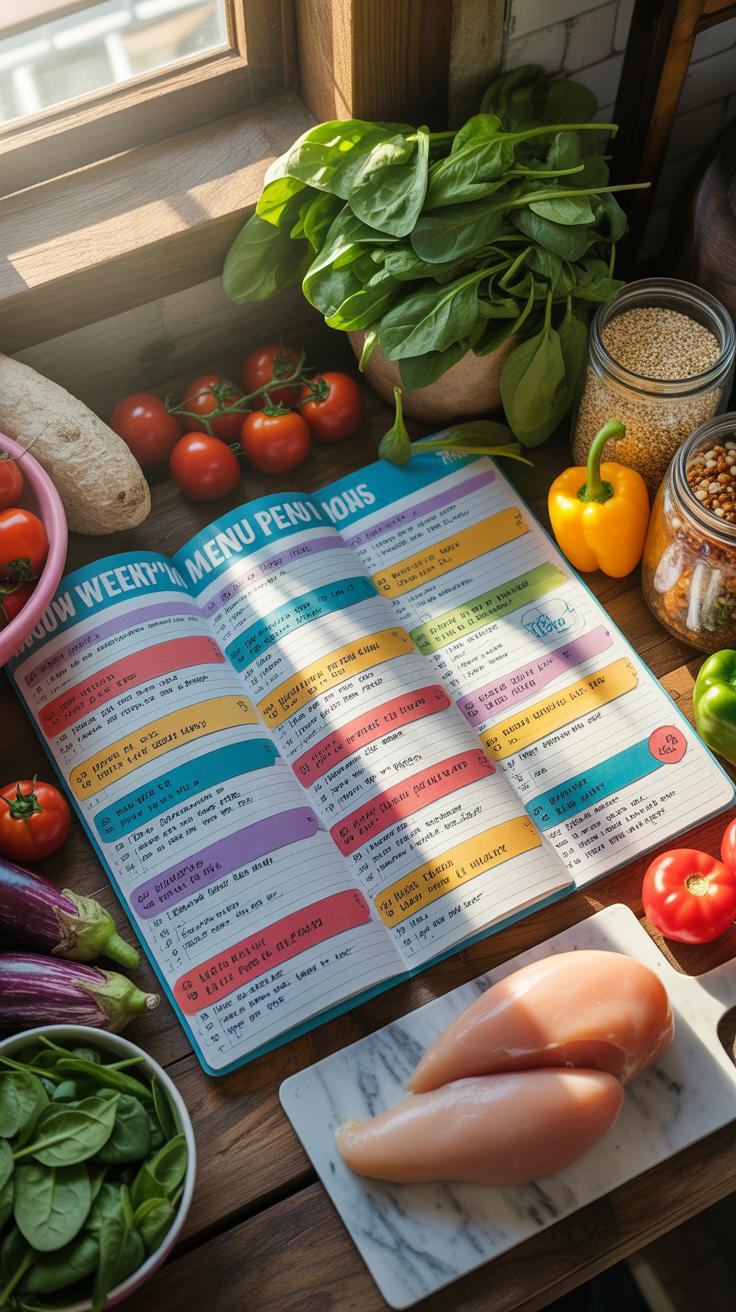
How To Structure A Balanced Weekly Menu Across Breakfast Lunch And Dinner
Effective menu design relies on repeating core macros rather than creating unique dishes daily. Professionals use the Plate Method to divide every meal into three functional zones. One half consists of non-starchy vegetables for fiber. One quarter contains lean protein for muscle maintenance. The final quarter holds complex carbohydrates. This geometric approach ensures blood sugar stability and simplifies the shopping process by standardizing requirements.
Batch processing saves time during high-stress weekdays. Prepare two large protein sources on Sunday to serve as the foundation for multiple meals. Use chicken or beans in lunch salads and then transition them into dinner stir-fry. Standardize your breakfast with two rotating options to reduce decision fatigue. This structure keeps the kitchen organized and prevents you from ordering expensive takeout when your energy levels drop low.
Smart Strategies For Reducing Food Waste While Keeping Meals Interesting
Food waste destroys your budget and ruins your planning efficiency. Most household waste occurs because shoppers buy specific ingredients for single recipes. Instead, select versatile components that function across different cuisines. Use the First In First Out method common in commercial kitchens. Place newer groceries at the back of the fridge and move older items to the front to ensure utilization.
- Cross-Utilization of Ingredients: Purchase large quantities of a single vegetable to use in different ways. Roast broccoli for a side dish on Monday. Chop the remaining stalks for a soup or stir-fry on Wednesday. This strategy reduces the number of unique items you must track and manage.
- The Theme Night Framework: Assign specific food categories to certain days of the week. Tacos on Tuesday or Pasta on Thursday creates a mental shortcut for planning. This structure limits your choices which makes the decision process faster. You can change the flavors while keeping the preparation steps consistent.
- Inventory Before Action: Audit your pantry and freezer before writing a single word of your menu. Build your weekly plan around items you already own. This prevents double-buying and ensures you rotate your dry goods. Using what is on hand keeps your grocery bill predictably low every single month.
- Proper Storage Techniques: Learn how to store produce to extend its shelf life. Keep greens in airtight containers with paper towels to absorb moisture. Store potatoes and onions in cool dark places away from each other. Correct storage prevents premature spoilage and saves you from making mid-week trips to the store.
- Purposeful Use of Scraps: Save vegetable ends and meat bones in a freezer bag. Transform these scraps into high-quality stock once the bag is full. This turns potential trash into a base for future nutrient-dense meals. It maximizes the value of every dollar spent at the grocery store.
Variety does not require a hundred different ingredients. It requires changing the preparation method or the spice profile of your base items. Transform Sunday’s roasted vegetables into a blended sauce or a cold grain bowl base later in the week. This tactical rotation keeps your palate engaged without forcing you to learn complex new recipes. Efficiency comes from mastering a few flexible techniques rather than following rigid instructions.
Meal Prep Recipes For Beginners Lunch Easy Ideas To Start With
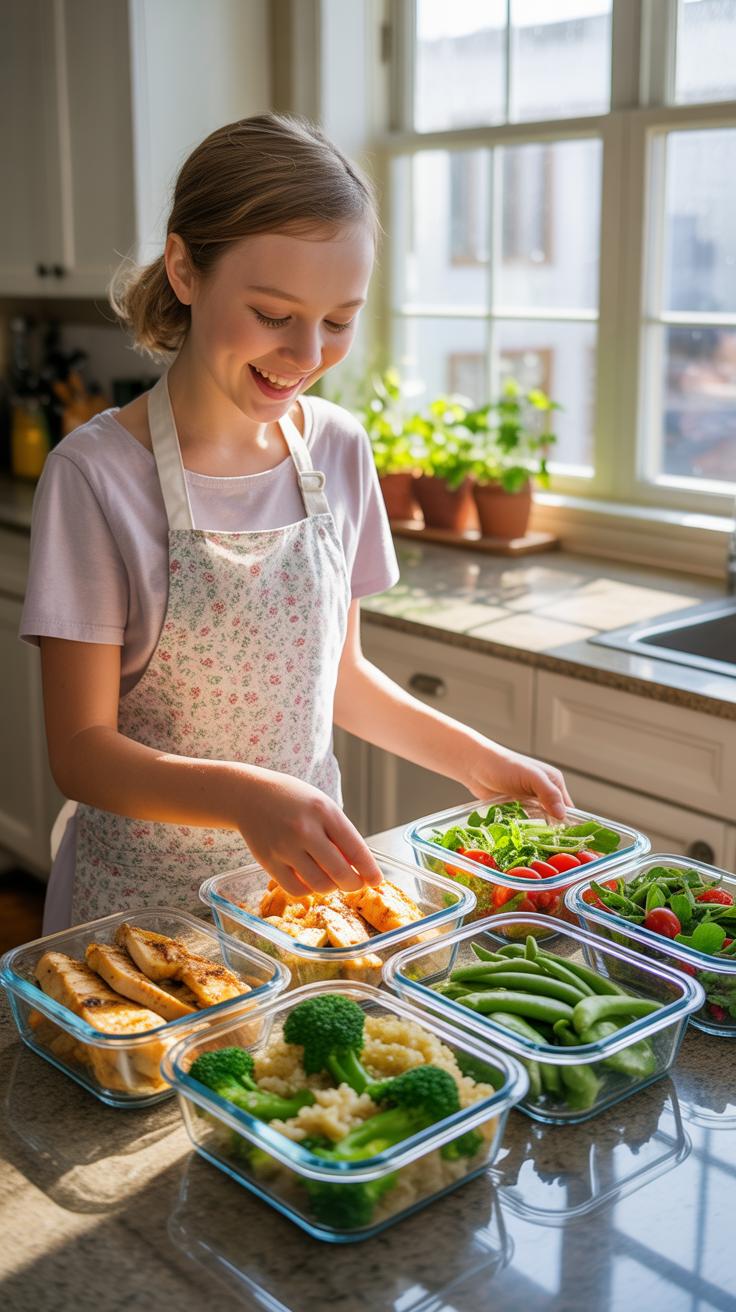
Simple And Nutritious Lunch Meal Prep Recipes Perfect For Busy Weekdays
Effective lunch prep relies on modular builds. Start with a base of roasted sweet potatoes or brown rice. Add a lean protein like grilled chicken breast or chickpeas. Incorporate hardy greens such as kale or spinach that resist wilting. These components provide sustained energy and stabilize blood sugar. Use airtight glass containers to maintain texture and prevent leaks during transit.
Cold grain salads serve as the most reliable beginner option. Mix quinoa with chopped cucumbers, cherry tomatoes, and feta cheese. Dress the salad only when you are ready to eat. This prevents the vegetables from becoming soggy by mid-week. Use heavy glass jars for layered salads to keep delicate ingredients separate from the dressing. Logic dictates that simplicity increases your consistency over time.
Batch Cooking Basics: How To Prep Multiple Lunches In Under One Hour
Efficiency requires simultaneous cooking methods. Use your oven for sheet pan meals while the stovetop handles grains and legumes. Roast proteins and vegetables on a single tray at four hundred degrees Fahrenheit. This technique reduces cleanup and ensures everything finishes at once. Set timers for each component to avoid overcooking. Focus on high-yield ingredients that require minimal knife work like baby carrots.
Standardize your portions to eliminate decision fatigue. Use a kitchen scale to divide protein evenly across five containers. Consistency in portioning ensures you meet your nutritional targets every day. Prepare one large batch of a versatile sauce to tie different ingredients together. Store the prepared meals in the refrigerator immediately after they cool. Rapid cooling prevents bacterial growth and preserves the flavor of the food.
Meal Planning And Prep A Seamless System From Plan To Plate
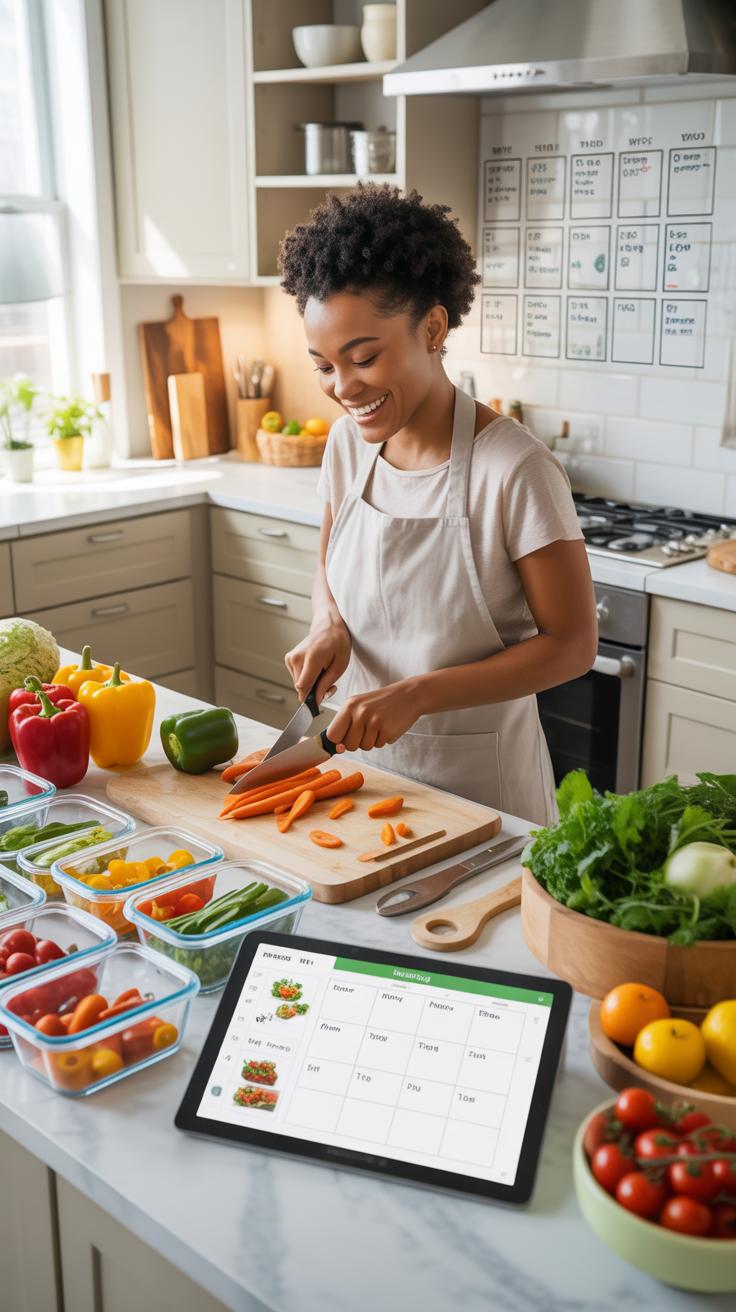
How To Align Your Grocery Shopping List Directly With Your Meal Plan
Effective shopping requires a one to one map of your menu to your inventory. Beginners often fail by buying ingredients without a specific destination. You must audit your pantry and fridge before writing a single item down. This prevents double buying and waste. Group your list by grocery store aisle to minimize time spent in the building and reduce impulse purchases.
A tactical shopping list breaks down every recipe into base components. Exact quantities matter for cost control and portion accuracy. If a recipe calls for half an onion, plan another meal to use the second half. This tight integration ensures you only bring home what you will actually cook. Digital tools or paper templates work equally well if they maintain this strict structural discipline.
The most indispensable ingredient of all good home cooking is love for those you are cooking for. A little planning is simply the first step in turning a simple meal into a cherished memory.
Essential Kitchen Tools And Storage Methods That Make Meal Prep Easier
Efficiency in the kitchen depends on the quality of your hardware and storage systems. You cannot prep quickly with dull blades or mismatched containers. High quality tools reduce physical fatigue and speed up repetitive tasks like chopping or portioning. Invest in items that serve multiple functions rather than single use gadgets. These tools form the backbone of a professional grade home meal prep station.
- Chef Knife: A sharp eight inch blade is the most important tool for speed. It handles ninety percent of cutting tasks safely and quickly. Do not use serrated blades for vegetables or meat prep.
- Digital Scale: This tool ensures precise portioning for both recipes and final containers. It eliminates guessing and provides consistent nutritional data for every meal you pack. It is faster than using measuring cups.
- Glass Containers: Borosilicate glass resists thermal shock and does not leach chemicals into food. These containers move safely from the freezer to the microwave. Clear walls allow you to identify stored meals at a glance.
- Sheet Pans: Heavy duty aluminum pans allow for high volume roasting of proteins and vegetables simultaneously. This method uses dry heat to cook large batches of food with minimal active monitoring or cleanup time.
- Mandoline Slicer: This tool creates uniform slices of vegetables in seconds. Consistent thickness ensures all pieces cook at the same rate. Always use the safety guard to prevent injury during high speed repetitive slicing tasks.
Proper storage extends the life of your prepped food and maintains texture. Air and moisture are the primary enemies of food quality. Use airtight seals to prevent oxidation and fridge odors from penetrating your meals. Label every container with the date and contents. This system allows you to rotate stock easily and ensures you eat the oldest meals before they spoil.
Creating Your Home Meal Planner Digital Vs Paper Planning Systems
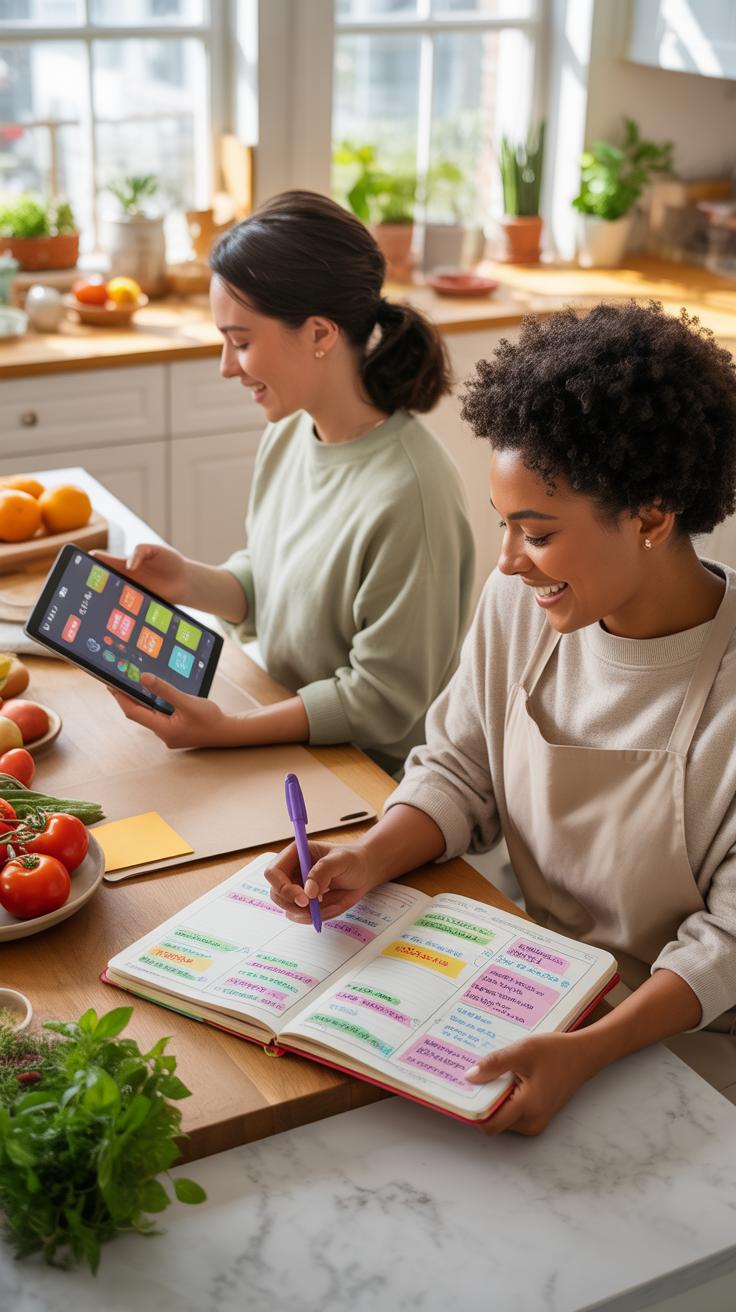
The Pros And Cons Of Using Digital Apps Versus A Physical Home Meal Planner
Digital apps offer speed and portability. You can sync recipes across devices and share lists with family members instantly. Many apps automate grocery lists and calculate nutrition data as you plan. However, digital systems fail when battery life ends or notifications distract you. Constant screen time can lead to planning fatigue. Over-reliance on technology often results in complex workflows that beginners find hard to maintain.
Physical planners provide a tactile experience that increases memory retention. Writing by hand forces you to slow down and consider your choices. A paper planner on a fridge or desk serves as a constant visual cue for the entire household. The main drawback is the lack of automation. You must manually write grocery lists and search through physical books for recipes. If you lose the paper, you lose the plan.
How To Build A Personalized Home Meal Planner That You Will Actually Stick To
Start your planner by analyzing your actual schedule. Do not plan complex meals on late work nights. Success depends on realistic time blocks. Map out three core meals and two snacks for each day. Use a dedicated space for an inventory list of your pantry and freezer. This prevents buying items you already own. Focus on recurring themes like Taco Tuesday to reduce the mental load of decision-making.
A functional planner must reside in a high traffic area. Place it where you stand when you feel hungry. If you use a digital system, put the app on your home screen. For paper systems, use a magnetic board or a bound journal. Update your planner at the same time every week. Consistency builds the habit faster than any specific tool. Review your plan every morning to ensure you defrost necessary proteins.
Meal Planning For Beginners PDF And Guide Resources To Keep You On Track
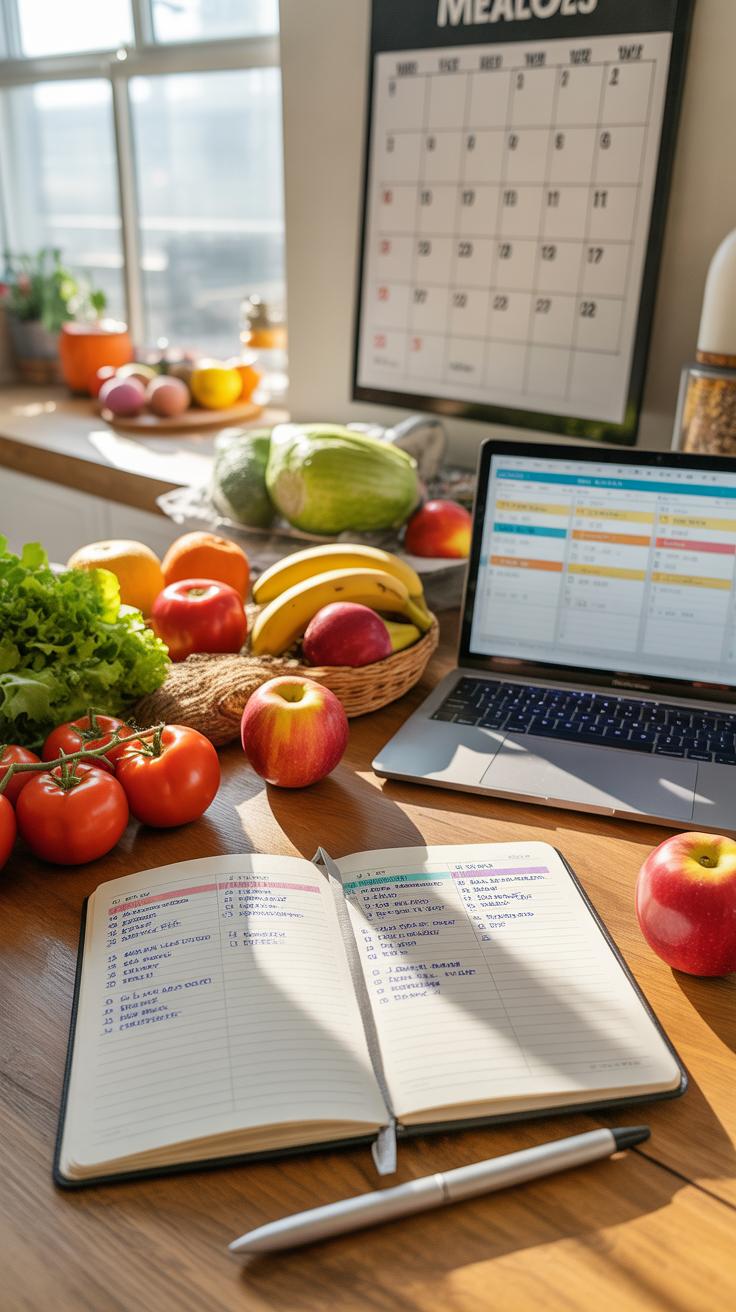
What A Quality Meal Planning For Beginners PDF Should Include
A functional meal planning document must prioritize utility over aesthetics. The file should feature a weekly grid that separates breakfast, lunch, and dinner. It needs a secondary section for a categorized grocery list. This structure prevents redundant store trips. Clear margins for notes allow you to track leftovers or ingredient substitutions. Digital PDFs should include clickable links to specific recipe instructions.
Effective documents utilize a high-contrast layout for easy reading in kitchen environments. Use sans-serif fonts to ensure legibility when the document sits on a counter. The file size should remain small for fast mobile loading. Proper documentation includes a prep-day checklist to break down tasks by time. This keeps your momentum high and reduces decision fatigue during busy weeknights. Tactical layouts save time.
How A Well Designed Meal Planning Guide Cover Signals A Trustworthy Resource
The cover of a professional guide follows Swiss Design principles to project authority and clarity. Systematic layouts and grid-based structures indicate that the content inside is organized logically. High-quality imagery should showcase raw ingredients rather than finished plates. This shift in focus tells the user that the guide prioritizes the cooking process. Clean typography signals that the instructions will be easy to follow.
Cover materials for physical guides often use heavy cardstock or laminated finishes to withstand kitchen spills. A matte finish reduces glare from overhead lights. This design choice shows the creator understands the practical environment of a home cook. Minimalist covers avoid visual clutter. This approach ensures the user focuses on the system instead of the marketing. Reliability starts with a professional and durable first impression.
Frequently Asked Questions

What is the easiest way to start meal planning for beginners?
The easiest way to start is by planning just two or three days at a time rather than a full week. Begin by auditing your pantry for ingredients you already own, then choose simple recipes that share common components. Successful meal planning for beginners relies on consistency over complexity, so don’t feel pressured to cook every night. Starting small helps you build a sustainable habit without feeling overwhelmed by a massive lifestyle shift.
How do I organize my grocery list and prep schedule effectively?
Once you have selected your recipes, categorize your shopping list by grocery store aisle to save time. Dedicate a specific block of time, like Sunday afternoon, to wash vegetables, portion snacks, and pre-cook proteins. This proactive approach to meal planning for beginners ensures that you have healthy options ready during busy weeknights. Using a digital app or a simple paper template can keep your schedule organized and reduce decision fatigue throughout the week.
Can meal planning actually help me save money on groceries?
Absolutely. By deciding on your meals in advance, you significantly reduce impulse purchases and food waste, which are the two biggest budget killers. Focus on seasonal produce and bulk staples like grains or beans to keep costs low. When you follow a structured plan, you only buy exactly what you need for your intended dishes, making it much easier to stick to a strict monthly food budget while still eating well.