

The Ultimate Healthy Chicken Recipes List For Efficient Meal Prep
What Makes A Chicken Recipe Ideal For Weekly Meal Prep
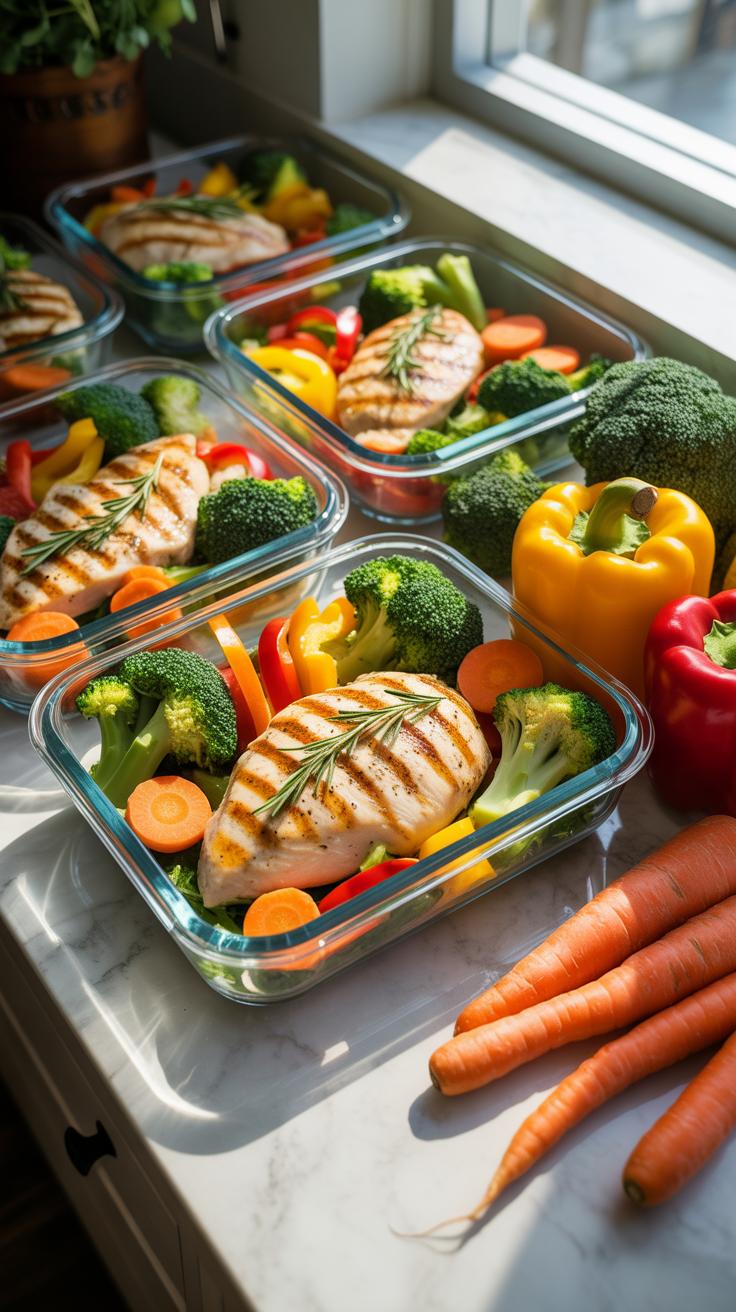
Successful meal prep chicken recipes must withstand the reheating process without losing texture. Choose recipes that utilize sauces or marinades to create a moisture barrier. High protein efficiency requires lean cuts like breast or tenderloin. These cuts cook quickly and stay firm during storage. Avoid recipes with delicate garnishes or high water content vegetables. These elements degrade after two days in the refrigerator.

Consistency in portion size ensures even cooking and accurate nutrition tracking. Use standardized weights for each meal container. Dark meat like thighs offers more fat and remains juicy longer than white meat. However, white meat provides more protein per calorie. Select recipes that allow for bulk cooking on a single sheet pan or in one pot. This approach minimizes cleanup time and maximizes your total weekly output.
Top Cooking Methods That Keep Chicken Moist And Flavorful Over Several Days
Sous vide and poaching are superior methods for long term storage. These techniques cook chicken at precise temperatures in a controlled liquid environment. This prevents the muscle fibers from tightening and pushing out moisture. Moist heat cooking creates a product that tastes fresh after four days. Dry heat methods like high heat roasting can cause meat to become rubbery. Always rest the meat before slicing to retain internal juices.
Pressure cooking and slow cooking break down connective tissue effectively. These methods work best for shredded chicken recipes used in bowls or wraps. The meat stays submerged in cooking liquid which preserves the flavor profile. If using an oven, use a meat thermometer to pull the chicken at exactly one hundred sixty five degrees. Excess heat ruins the cell structure. Rapid cooling after cooking stops the process and prevents bacterial growth.
Best Meal Prep Ideas With Chicken For Busy Weekdays
How To Plan A Full Week Of Chicken Based Meals In Under Two Hours
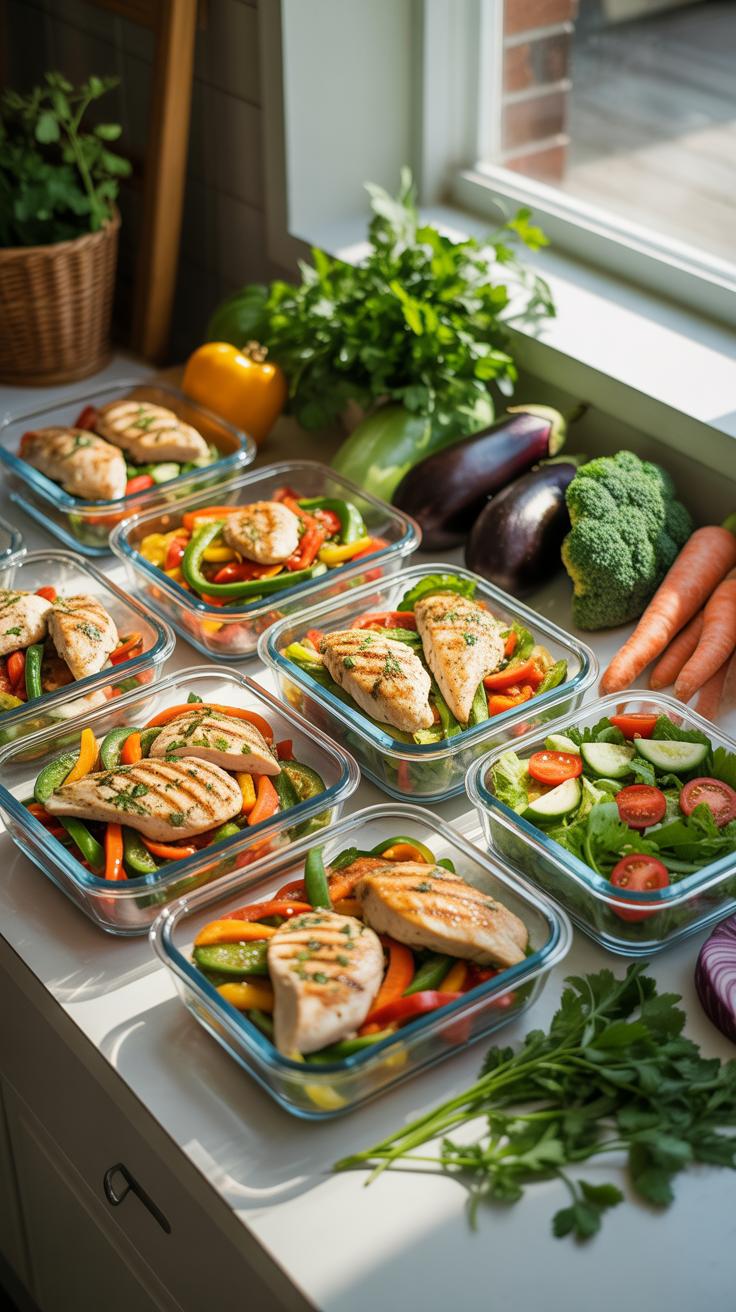
Efficiency requires a singular focus on workflow. Start by selecting one primary cooking method like roasting or pressure cooking. Choose three distinct flavor profiles to avoid palate fatigue. Buy chicken in bulk to reduce trips to the store. Map out your storage containers before you turn on the stove. This ensures you have enough space for every portion without scrambling during the cooling phase.
Timing is the most critical variable in this process. Use the oven and the stovetop at the same time to double your output. While the chicken cooks, chop raw vegetables and prepare your grains. Dedicated prep stations prevent cross-contamination and keep the kitchen organized. Aim for a modular approach where components are interchangeable. This strategy allows you to assemble varied meals in seconds throughout the week.
Simple Batch Cooking Strategies That Save Time And Reduce Food Waste
Batch cooking succeeds when you minimize active labor. Use large sheet pans to cook multiple pounds of poultry at once. Keep the seasoning neutral on half of the meat. This allows you to add specific sauces later in the week. Applying heat to large quantities at once lowers total energy use. It also cuts down on the overall time spent cleaning greasy pots and pans.
Preventing waste starts with proper refrigeration and freezing techniques. Store chicken in airtight containers to stop oxidation and freezer burn. Label every lid with the date and the contents. Use the oldest portions first to ensure freshness and safety. Reuse chicken bones and scraps to make stock for future recipes. This tactical approach extracts maximum value from every bird and reduces your total food spending.
Cooking For Gains Recipes High Performance Chicken Meals For Active Lifestyles

Why Chicken Is A Staple Protein Source For Fitness And Muscle Building
Chicken breast offers the highest protein-to-calorie ratio of any common poultry. This lean meat delivers all nine essential amino acids required for muscle protein synthesis. Athletes choose it because it contains very little saturated fat. You get pure fuel without the extra calories found in beef or pork. This allows for precise caloric control during cutting or bulking cycles.
The bioavailability of chicken protein is exceptionally high. Your body absorbs and uses these nutrients efficiently to repair tissue damage from heavy lifting. It also contains high levels of vitamin B6 and niacin. These micronutrients support energy metabolism and fuel your central nervous system. Consistent chicken consumption helps maintain a positive nitrogen balance. This state is critical for preventing muscle breakdown during intense training blocks.
Cookery is not just about ingredients, it is about the love and care we put into nourishing our families for the days ahead. A little preparation is like a warm hug waiting for you in the kitchen.
Performance Focused Chicken Meal Prep Recipes Packed With Macros
Effective meal prep requires recipes that balance fast-digesting carbohydrates with clean protein. One core strategy involves grilling large batches of lemon-herb chicken breasts. Pair these with roasted sweet potatoes and steamed broccoli. This combination provides steady energy and supports recovery. Always weigh your portions after cooking to ensure you hit your daily macro targets. Using a digital scale eliminates guesswork from your nutrition plan.
Another tactical option is the spicy chicken and black bean bowl. Shred poached chicken thighs to keep the meat moist during reheating. Add brown rice and black beans for extra fiber and complex carbohydrates. These ingredients provide sustained glucose release for long afternoon workouts. Use hot sauce or dry rubs instead of sugary oils to manage fat intake. This approach keeps your meals clean and helps you stay lean year-round.
Mealprep Chicken Recipes That Store Well And Reheat Perfectly

Best Containers And Storage Techniques To Keep Prepped Chicken Fresh
Selection of the right vessel determines the shelf life and texture of your poultry. Air is the enemy of cooked meat. To prevent oxidation and dry fibers, you must create a vacuum or a tight seal. Modern glass containers offer the best chemical stability and heat resistance for microwave use. Avoid cheap plastic that warps and leaks chemicals into your food during the reheating process.
- Borosilicate Glass Containers: These durable vessels withstand extreme temperature changes from the fridge to the oven. They do not retain odors or stains from sauces. The non-porous surface ensures your chicken stays clean and tastes exactly as it did when you finished cooking it.
- BPA-Free Airtight Lids: Silicone seals create a leak-proof environment that stops oxygen from entering the container. This prevents the development of off-flavors common in poorly stored leftovers. Look for snap-lock mechanisms for the most reliable and consistent seal during long-term storage.
- Vacuum Sealer Bags: Use these for extreme longevity in both the fridge and freezer. Removing all air stops freezer burn and bacterial growth. This method is the best way to maintain the structural integrity of chicken breasts and thighs for several weeks or even months.
- Food Grade Silicone Bags: These reusable options provide a flexible and airtight alternative to rigid containers. They take up less space in a crowded refrigerator or freezer. They are safe for boiling water or microwave use, making them ideal for quick and efficient reheating.
- Stainless Steel Tiffin Boxes: These are indestructible and excellent for keeping food cold during a commute. While not microwave-safe, they conduct cold temperatures efficiently in the refrigerator. Use these if you prefer to reheat your chicken on a stovetop or in a dedicated office toaster oven.
Organization maximizes efficiency and prevents cross-contamination in your kitchen. Label every container with the date and type of recipe. Group containers by the day you plan to eat them. Cooling chicken completely before sealing prevents moisture buildup and soggy skin. Use small containers to minimize the air gap above the meat. These steps ensure your meal prep chicken recipes stay safe and edible.
How Long Cooked Chicken Safely Lasts In The Fridge And Freezer
Safety guidelines exist to prevent foodborne illness and maintain nutritional quality. Cooked chicken remains safe in a standard refrigerator for three to four days. The temperature must stay at or below 40 degrees Fahrenheit. After four days, the risk of bacterial growth increases significantly. Trust the calendar over your sense of smell, as harmful bacteria often do not produce a visible scent.
Freezing chicken extends its life for much longer periods. Cooked poultry maintains peak quality for four months in a freezer kept at zero degrees Fahrenheit. While it remains safe to eat indefinitely if frozen solid, the texture degrades over time. Moisture loss leads to woody and unappealing meat. Thaw chicken in the refrigerator overnight rather than on the counter to keep it out of the danger zone.
Meal Prep Ideas For Two People Right Sized Chicken Recipes Without The Waste
How To Scale Down Chicken Meal Prep Recipes For A Two Person Household
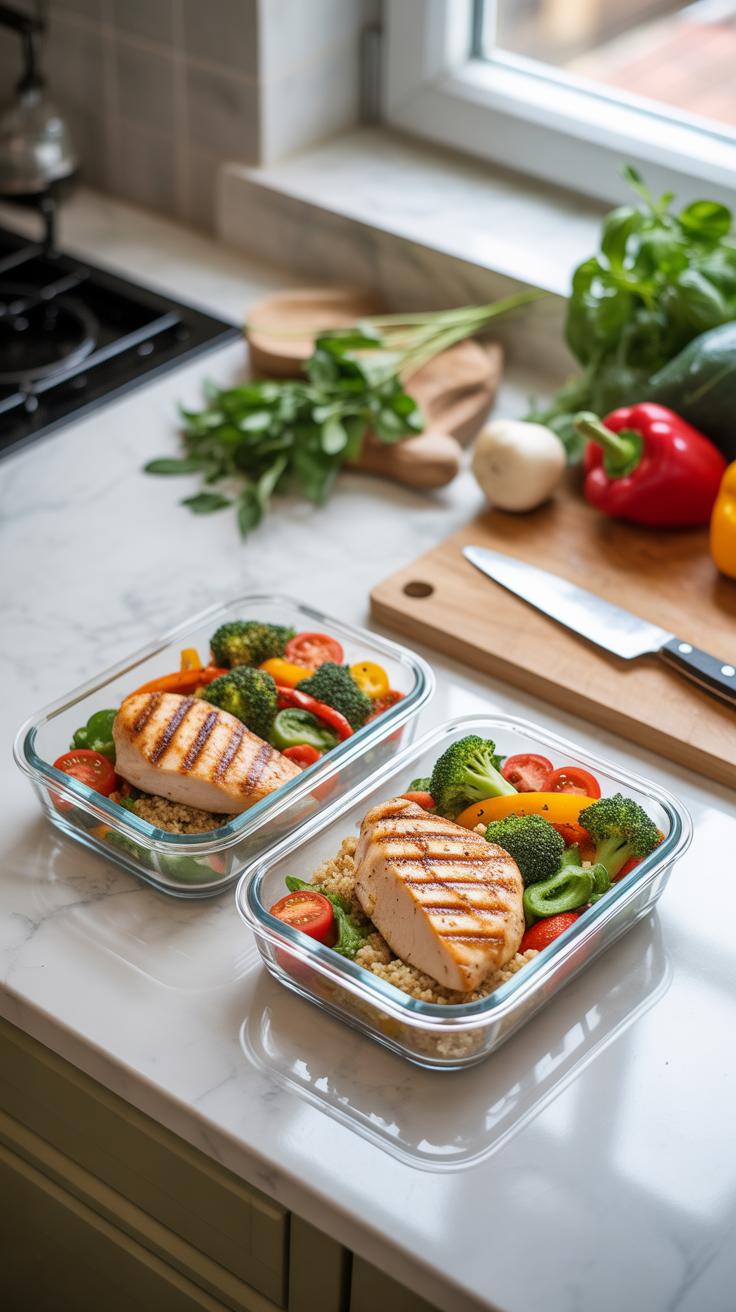
Standard meal prep recipes often target families or large groups. Scaling down requires precise math to avoid food waste and soggy leftovers. Two people eating three chicken meals each per week need exactly three pounds of raw poultry. Buy three-pound packs to hit this target exactly. Divide the meat into two distinct flavor profiles before cooking. This method prevents taste fatigue throughout the week.
Control your portions by using smaller storage containers. Large bins allow too much air inside which causes faster oxidation and spoilage. Use vacuum-sealed bags or glass containers that fit two portions perfectly. This saves fridge space and keeps the chicken moist. Do not double recipes that do not freeze well. Focus on dry rubs rather than heavy sauces when prepping for two people to maintain texture.
Couple Friendly Chicken Recipes That Satisfy Different Taste Preferences
Cooking for two people often involves balancing different health goals or flavor likes. Use a sheet pan divider or aluminum foil walls to cook two different styles of chicken at once. Season one half with spicy dry rubs and the other with herb-based marinades. Both portions cook at the same internal temperature of one hundred sixty-five degrees. This strategy delivers variety without doubling your actual kitchen labor.
Focus on modular meal components rather than fixed dishes. Prep grilled chicken strips as a base protein for the week. One person can add the chicken to a heavy Caesar salad while the other uses it for high-protein tacos. This approach respects individual dietary needs like low-carb or high-calorie requirements. It also reduces the need for separate cooking sessions. Tactical prep ensures both people eat exactly what they want every day.
High Protein Low Carb Chicken Meal Prep For Weight Management And Lean Muscle

Understanding The Nutritional Profile Of Chicken Breast As A Low Carb Protein
Chicken breast is the standard for high protein meal prep. A four ounce serving provides about 31 grams of protein and less than 4 grams of fat. It contains zero carbohydrates when cooked without breading or sugary sauces. This profile allows for precise caloric control. High protein intake supports muscle repair and increases your metabolic rate through the thermic effect of food.
Selecting skinless breast meat minimizes saturated fat intake compared to thighs or wings. This lean profile makes it easier to stay under daily fat limits while meeting protein goals. Use dry heat cooking methods like roasting or grilling to maintain this nutritional integrity. Avoid deep frying or heavy batters that add hidden calories. Proper preparation ensures you get maximum amino acids with minimal caloric overhead.
Delicious Low Carb Chicken Meal Prep Combinations That Keep You Full Longer
Volume eating is the most effective strategy for low carb meal prep. Pair grilled chicken with fibrous vegetables like broccoli, cauliflower, or asparagus. These green vegetables provide bulk and essential micronutrients without spiking insulin levels. High fiber content slows digestion and extends the feeling of fullness. This prevents overeating and helps maintain a steady energy supply throughout the entire work day.
Healthy fats are necessary for nutrient absorption and hormone production. Add sliced avocado or a handful of almonds to your meal containers. These additions provide satiety and prevent hunger pangs between meals. Focus on using vinaigrettes based on olive oil or lemon juice rather than creamy dressings. Combining lean protein, high fiber, and healthy fats creates a balanced meal that supports sustained weight loss.
Healthy Meal Prep For The Week Chicken A Day By Day Approach

How To Build A Rotating Weekly Chicken Meal Plan That Prevents Food Boredom
Effective meal prep requires a base protein that adapts to different cuisines. Cook a large batch of chicken using neutral seasoning like salt and black pepper. Divide this meat into three portions. Use the first portion for Mediterranean bowls on Monday and Tuesday. Transition to Mexican flavors on Wednesday. Use the final portion for Asian stir-fry on Thursday. This strategy minimizes cooking time while maximizing flavor diversity.
Do not eat the same texture five days in a row. Rotate your preparation methods every two weeks to keep the palate engaged. One week focus on shredded thighs for tacos and wraps. The next week use grilled breasts for salads and grain bowls. Changing the physical shape of the protein alters the eating experience. Consistent variety prevents the burnout that often leads people to abandon their healthy eating goals.
Essential Pantry Staples That Pair With Chicken To Maximize Flavor Variety
Stocking the right liquids and dry goods allows for instant meal transformation. Acids and fats serve as the foundation for every sauce. Vinegar, citrus, and high-quality oils provide the necessary base for marinades. Dry spices offer a cost-effective way to change the profile of your meal prep chicken recipes without adding significant calories. Keep these items organized to ensure you can build a meal in minutes.
- Acidic Components: Use rice vinegar, apple cider vinegar, or lime juice to brighten heavy proteins. These liquids break down tough fibers and provide a sharp contrast to savory chicken. They are essential for balancing fats in dressings and quick pan sauces.
- Aromatic Dry Spices: Carry cumin, smoked paprika, and garlic powder for a versatile flavor kit. These ingredients allow you to shift from smoky barbecue tones to earthy Mediterranean profiles instantly. High-quality spices retain their potency longer when stored in cool, dark environments.
- Complex Fermented Sauces: Keep low-sodium soy sauce, fish sauce, or coconut aminos on hand for depth. These staples provide umami that mimics slow-cooked flavors. A small amount adds significant salt and savory notes to any chicken dish without requiring long simmer times.
- Healthy Fats and Oils: Extra virgin olive oil and toasted sesame oil provide distinct mouthfeel and aroma. Use olive oil for cold preparations and sesame oil for finishing hot dishes. These fats carry the flavor of your spices and herbs directly to your taste buds.
- Whole Grains and Legumes: Store quinoa, brown rice, and canned black beans as textural anchors. These staples provide fiber and help you feel full longer. They act as neutral canvases that soak up the juices and sauces from your prepared chicken.
Pantry management dictates the success of your nutrition strategy. A well-supplied kitchen prevents last-minute trips to the grocery store. It also stops the temptation to order takeout when you feel tired. Use these staples to create a system where the chicken is merely the vehicle for flavor. Tactical seasoning ensures that your Friday meal tastes as fresh and intentional as your Monday lunch.
Chicken Breast High Protein Recipes Maximizing Nutrition In Every Meal Prep Container
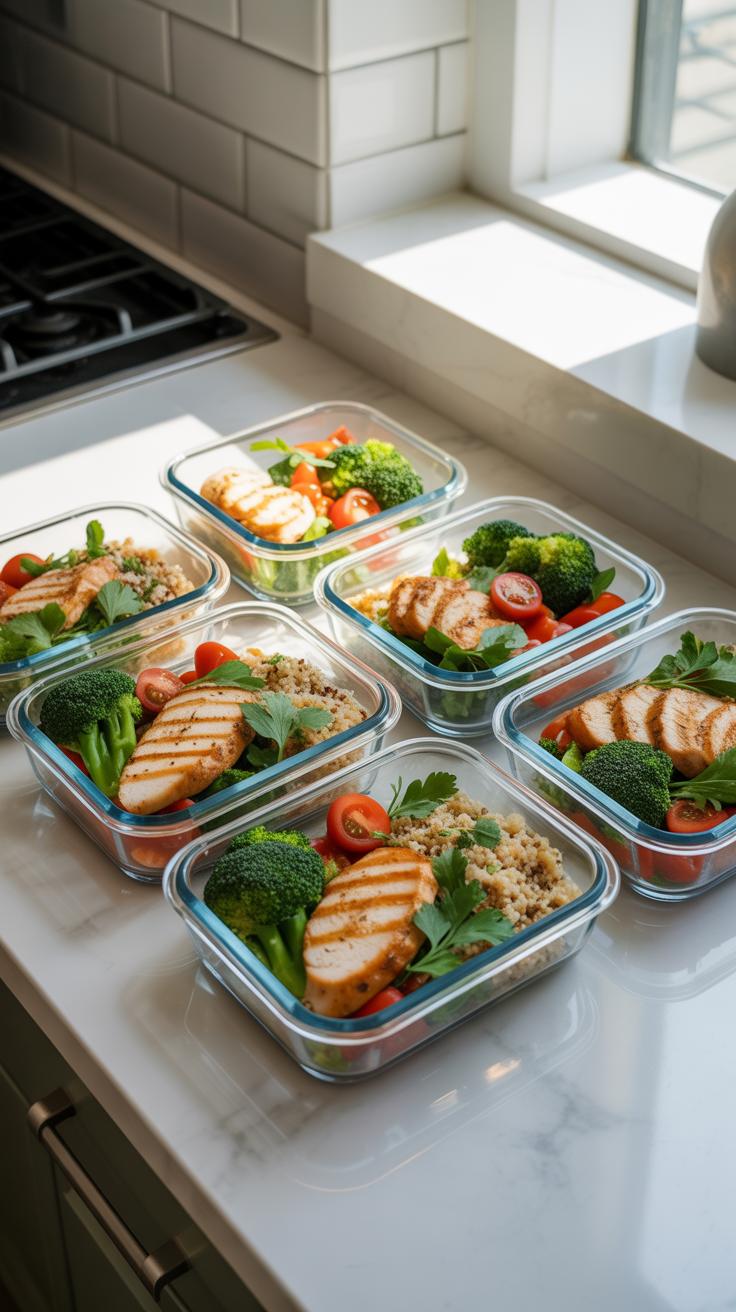
How Much Protein Is Actually In A Chicken Breast And Why It Matters
A raw four ounce chicken breast contains about 25 grams of protein and 120 calories. This lean profile makes it the most efficient source of protein for muscle synthesis. You get a complete amino acid profile without the saturated fat found in red meat. Precision matters for meal prep. One medium whole breast typically weighs six to eight ounces when raw.
Understanding these numbers allows you to hit daily macronutrient targets accurately. Overestimating protein content leads to muscle loss during calorie deficits. Underestimating it leads to weight gain from excess calories. Always weigh your meat raw to ensure data accuracy. Cooked weight fluctuates based on moisture loss during the heating process. Stick to the raw weight for consistent and predictable nutritional tracking in every container.
Flavor Forward Chicken Breast Prep Techniques That Boost Nutrition Without Extra Calories
Traditional boiling or frying destroys the nutritional value of lean poultry. Dry poaching or sous vide cooking preserves the internal moisture and vitamins without adding oils. Use acidic marinades like lemon juice or organic vinegar to tenderize the muscle fibers. These methods infuse intense flavor while keeping calorie counts low. Salt the meat forty minutes before cooking to lock in the juices and improve the final texture.
Utilize dry rubs to add complexity without liquid sugars or fats. Spices like smoked paprika, garlic powder, and cumin offer high antioxidant levels. Avoid store-bought sauces that contain high-fructose corn syrup or hidden stabilizers. Fresh herbs like rosemary and thyme provide micronutrients and deep aromatics. Grilling over high heat creates a Maillard reaction for better taste. This method delivers a firm texture that holds up well during cold storage.
Frequently Asked Questions

How do I start meal prepping chicken if I have never done it before?
Getting started is simpler than it looks. Begin by choosing one or two versatile meal prep chicken recipes, like sheet-pan roasted thighs or poached breasts. Cook a large batch on Sunday, let the meat cool completely, and portion it into airtight containers with grains and greens. This foundational approach ensures you have nutritious, ready-to-eat protein available throughout the busy work week without feeling overwhelmed by complex culinary techniques.
How can I keep meal prep chicken from getting dry when reheating it?
To maintain moisture, avoid overcooking the meat during the initial preparation stage. When you are ready to eat, add a splash of water or chicken broth to the container before microwaving. Covering the dish with a damp paper towel also creates steam that softens the texture. These small adjustments transform your meal prep chicken recipes from tough and rubbery into tender, succulent dishes that taste just as fresh as the day they were cooked.
Is it possible to meal prep healthy chicken dishes on a tight budget?
Absolutely! You can save significantly by purchasing family packs of bone-in thighs or drumsticks, which are often much cheaper than boneless breasts. Bulk buying during sales and utilizing frozen chicken are also smart strategies. By pairing the protein with affordable staples like brown rice, beans, or seasonal roasted vegetables, you can create balanced, satisfying lunches that cost a fraction of what you would spend at a local deli or cafe.