
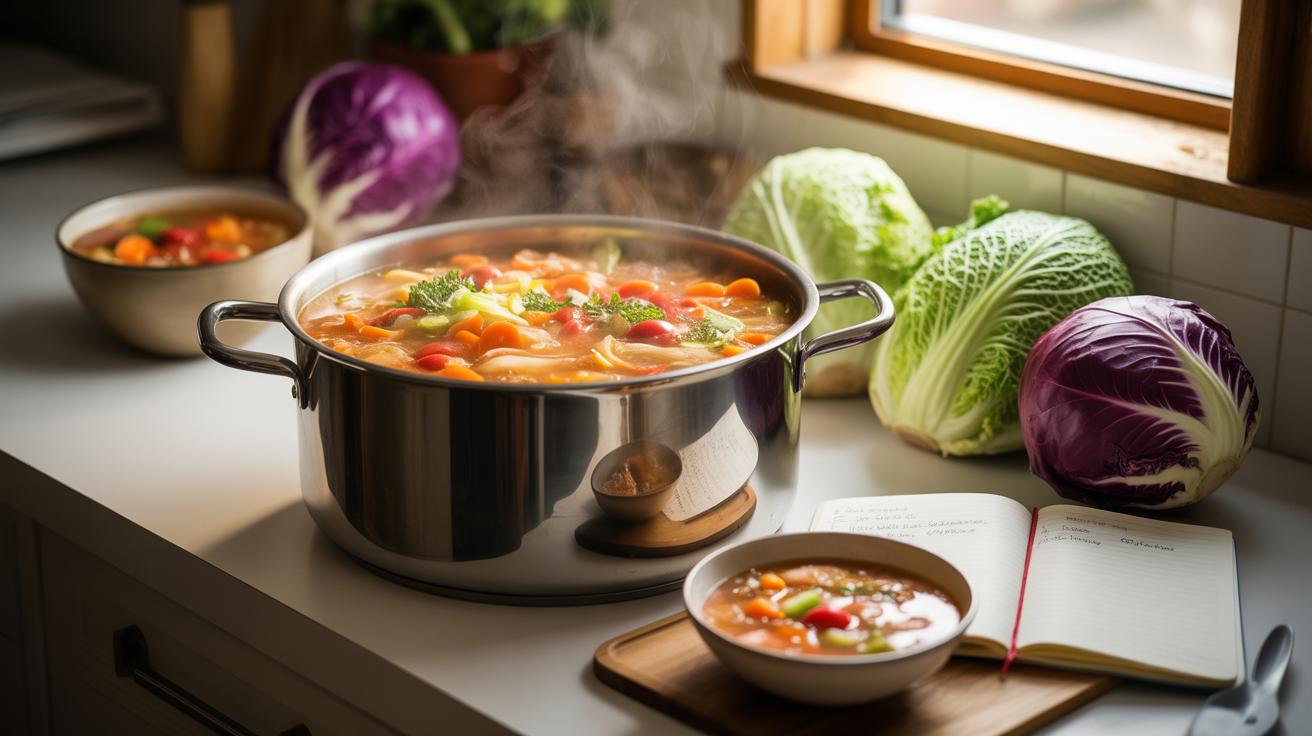
The History And Origins Of The Cabbage Soup Diet
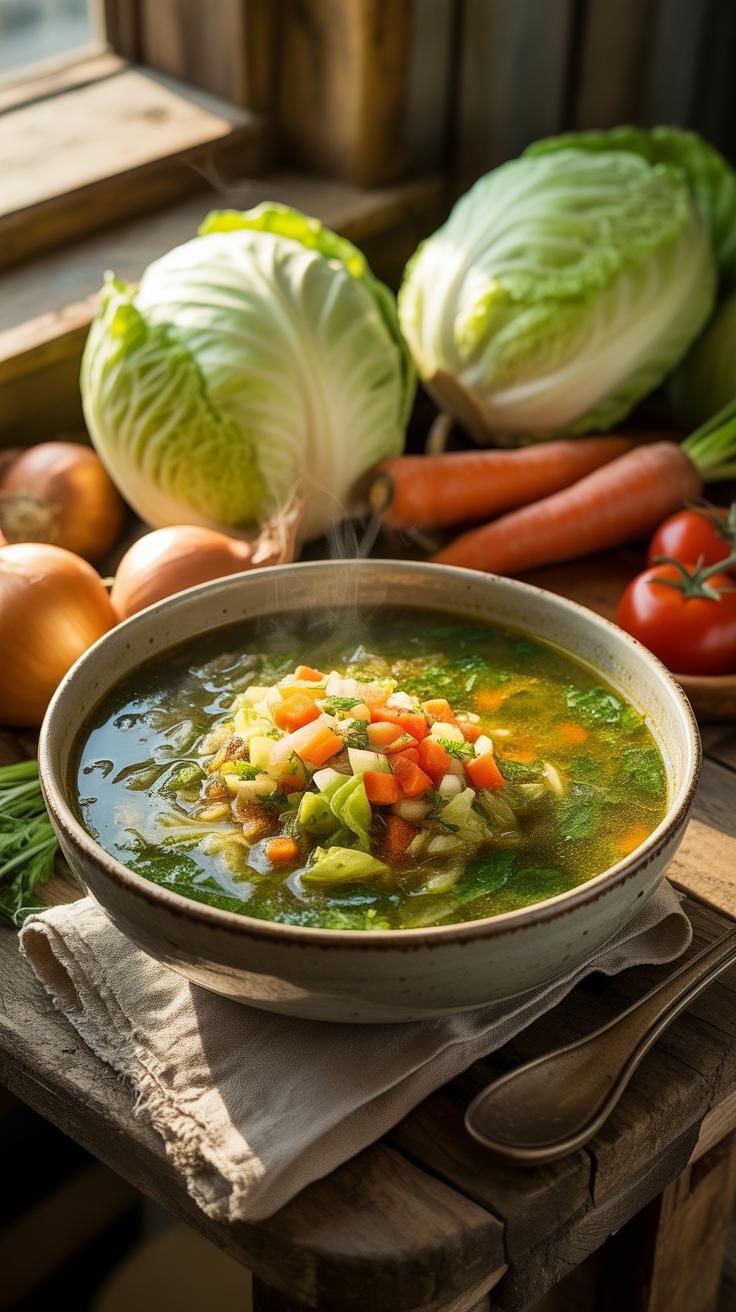
Where Did The Cabbage Soup Diet Come From?
The exact origin of the cabbage soup diet remains unknown. No medical institution or individual doctor officially claims its creation. It first gained traction through grassroots sharing and chain letters. People often incorrectly linked it to prestigious clinics like Mayo Clinic or Johns Hopkins. These organizations denied any association with the plan. It reflects a classic piece of dietary folklore rather than clinical science.

The diet surfaced prominently during the 1980s and 1990s as a faxlore phenomenon. People shared the recipe and rules via fax machines and printed flyers. It worked because the protocol was easy to follow and required cheap ingredients. The plan was never intended for long-term health. It exists as a quick-start method for rapid weight loss. Its survival relies on word-of-mouth success for immediate results.
Why The Cabbage Soup Diet Became A Popular Short Term Weight Loss Method
The diet became popular because it promises fast results without complex tracking. It focuses on high-volume, low-calorie intake. Cabbage provides fiber which creates a temporary feeling of fullness. Users do not have to count calories or weigh their food precisely. The simple rules appeal to people seeking a reset. It provides a structured path for seven days. This clarity helps individuals stick to the strict guidelines.
Massive weight loss occurs primarily through water weight reduction. The low-carbohydrate nature of the soup forces the body to shed stored glycogen. This leads to a quick drop on the scale within the first few days. Public figures and magazines amplified its reach during the late twentieth century. It became a go-to strategy for people preparing for special events. The low cost of ingredients makes it accessible to everyone.
How The Cabbage Soup Diet Works Rules And Guidelines
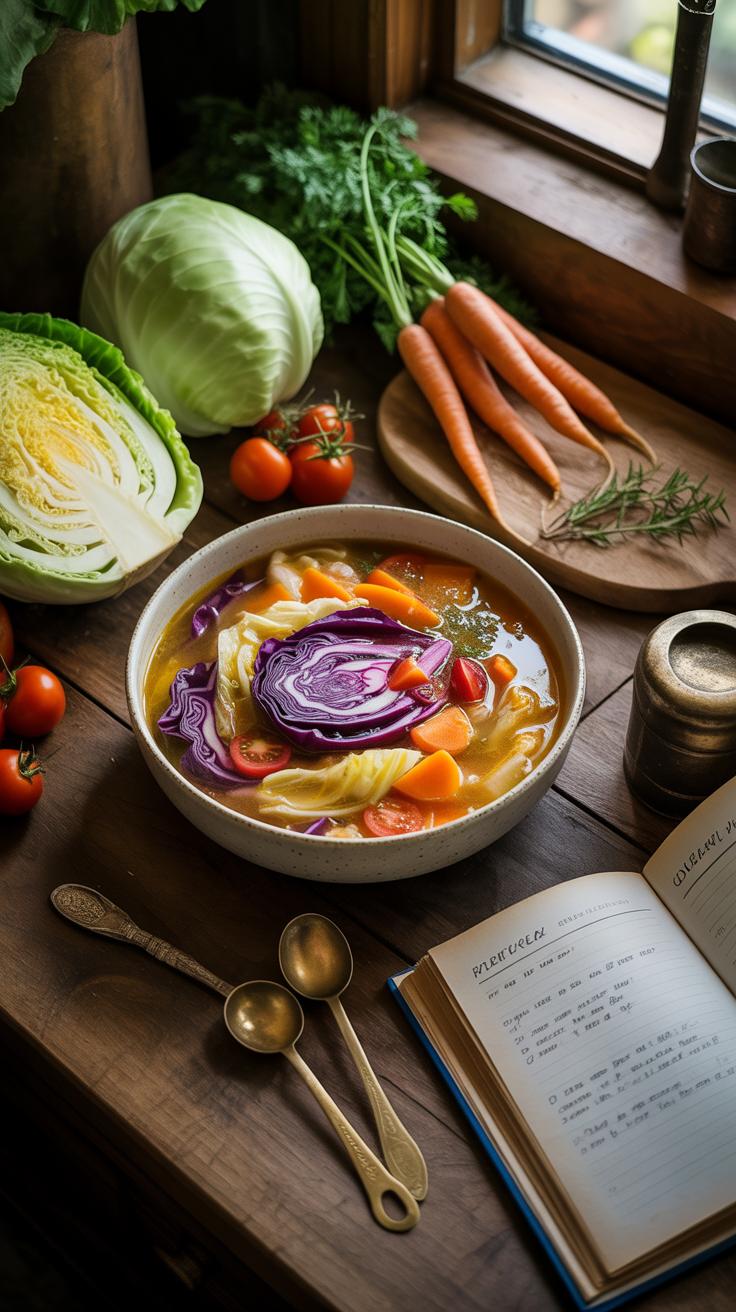
The Core Rules Of The 7 Day Soup Diet Plan Explained
The diet operates on a strict seven day cycle designed for rapid weight loss. You must consume the specific cabbage soup every day during this period. The plan relies on a low calorie structure that forces the body to burn fat for energy. You cannot skip days or swap the order of the prescribed food groups. Consistency remains the primary driver of results.
You must drink at least eight glasses of water daily to maintain hydration and flush toxins. Strict adherence to the daily food combinations is mandatory for metabolic shifts. Most versions of this plan prohibit alcohol and sugary drinks entirely. You should view this as a short term tactical intervention rather than a long term lifestyle change. Repeating the cycle requires a mandatory break.
What You Can And Cannot Eat On The Cabbage Fat Burning Soup Diet
The diet allows unlimited quantities of the base cabbage soup throughout the week. Each day adds specific allowed foods like fruits, vegetables, or lean proteins. You must avoid bread, carbonated beverages, and refined sugars. Use herbs and spices for flavor instead of fat based sauces. Lean beef or chicken appears only on specific days to provide necessary protein and iron levels.
Starchy vegetables like potatoes are restricted to specific time slots. Bananas and skim milk provide potassium and calcium midway through the week. You must eliminate all processed snacks and deep fried items from your environment. Most practitioners stick to black coffee or unsweetened tea for caffeine. High fiber intake from the cabbage keeps the digestive system moving despite the extreme calorie deficit.
The Classic Cabbage Soup Diet Recipe You Need To Know
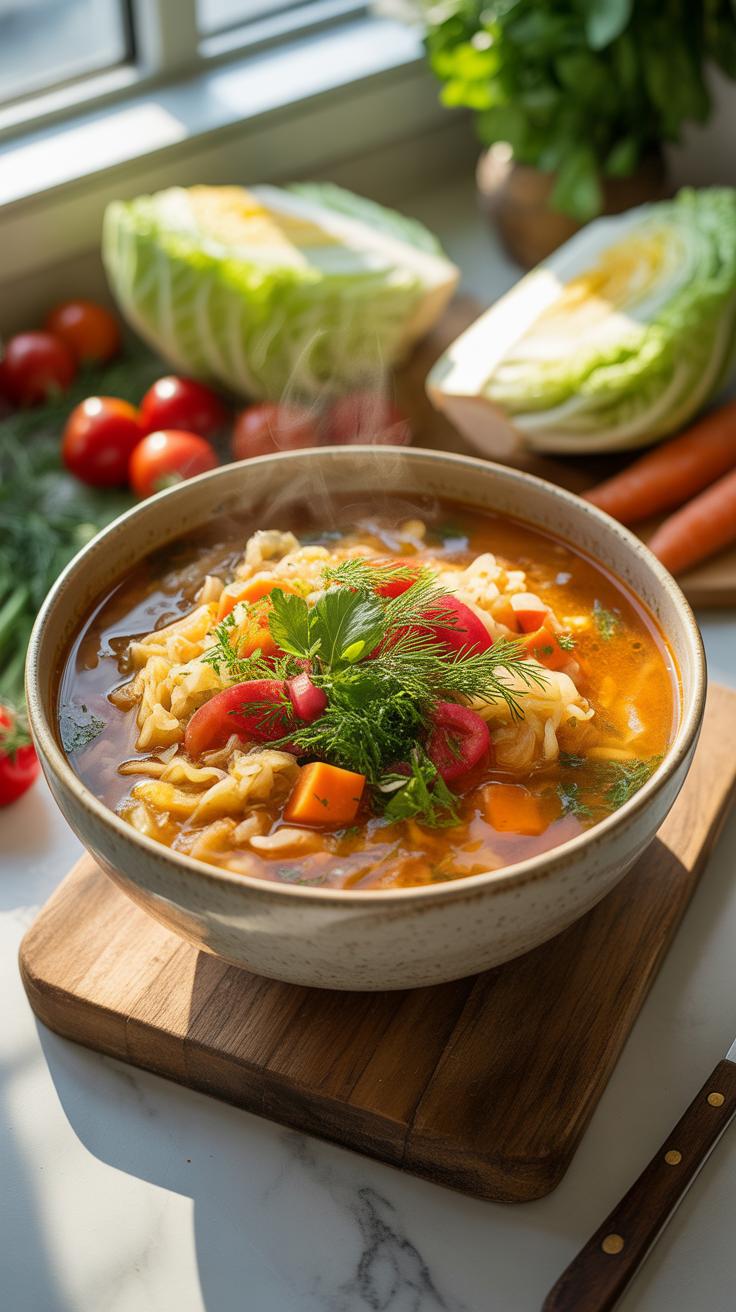
Ingredients For The Original Cabbage Diet Soup Recipe
The classic cabbage soup diet relies on high-volume, low-calorie vegetables to induce a caloric deficit. This recipe avoids fats and complex carbohydrates to trigger rapid weight loss over a seven-day period. You must use fresh vegetables to maximize fiber intake and ensure the soup remains satiating. The base consists of water or fat-free broth to keep the energy density low while providing essential hydration.
- Green Cabbage: This is the primary bulk agent providing high fiber and essential vitamins. Use a large head, shredded or chopped, to ensure the soup provides sufficient volume to suppress hunger signals throughout the day.
- Green Onions: These provide a sharp flavor profile without adding significant calories or sugars. Use two bunches of chopped scallions to enhance the aromatic base of the soup while maintaining a clean nutritional profile.
- Green Peppers: Use two large bell peppers to add texture and vitamin C to the mix. These vegetables offer a crunch that helps simulate a more substantial meal despite the liquid nature of the restrictive diet.
- Celery and Carrots: These stalks provide necessary minerals and structural integrity to the broth. Chop one bunch of celery and slice several carrots to balance the acidity of the tomatoes and add natural sweetness without processed sugar.
- Canned Tomatoes: Use two cans of diced or whole tomatoes to create the acidic base of the stew. These provide lycopene and essential flavor depth that prevents the soup from becoming bland during the week-long regimen.
- Onion Soup Mix: One envelope of dry onion soup mix adds necessary sodium and seasoning. This ingredient acts as the primary flavor enhancer, ensuring the broth is palatable enough for consistent consumption over multiple consecutive days.
Sodium levels remain high in this version due to the processed soup mix and canned goods. This helps prevent the electrolyte imbalances often seen during rapid weight loss phases. Strategic flavoring with black pepper, parsley, or hot sauce is permitted to keep the palate engaged. You must avoid adding oil, butter, or meat fats because they compromise the low-fat metabolic requirements of the plan.
Step By Step Instructions For Making The Perfect Cabbage Soup
Preparation begins with an efficient mise en place to ensure consistent cooking times across all vegetable types. You must wash all produce thoroughly to remove pesticides and soil. Chop the cabbage, peppers, and onions into uniform bite-sized pieces. Small, consistent cuts ensure that the vegetables soften at the same rate and create a cohesive texture in every bowl you consume during the week.
- Vegetable Preparation: Clean and dice the cabbage, onions, peppers, carrots, and celery into small pieces. Uniformity is the goal here because it allows the heat to penetrate each vegetable evenly, preventing some pieces from becoming mushy while others stay raw.
- Initial Sauté: Place the chopped onions in a large pot with a small amount of water or cooking spray. Cook them over medium heat until they become translucent. This step releases the natural sugars and creates a more complex flavor base for the water-heavy soup.
- Add Bulky Vegetables: Stir in the cabbage, peppers, celery, and carrots once the onions are soft. Mix them well to combine the flavors before adding any liquids. This brief dry-cook period helps reduce the overall volume of the greens so the pot accommodates all ingredients.
- Liquid Integration: Pour in the canned tomatoes and the dry onion soup mix. Add enough water or vegetable broth to cover the vegetables entirely. Using a lid during this stage helps trap steam, which accelerates the softening of the fibrous cabbage and carrot pieces.
- Simmering Process: Bring the mixture to a rapid boil for ten minutes then reduce the heat to a low simmer. Continue cooking until all vegetables reach your desired level of tenderness. Prolonged simmering helps marry the flavors, making the soup more enjoyable for repeat meals.
Storage is your next tactical priority once the cooking process concludes. Transfer the finished soup into airtight containers and refrigerate them immediately to prevent bacterial growth. This recipe yields a large volume intended to last several days. You can reheat individual portions on the stove or in a microwave. Consistency in your preparation ensures you follow the strict dietary protocol without unnecessary friction.
Nutritional Breakdown Of The Healthy Cabbage Soup
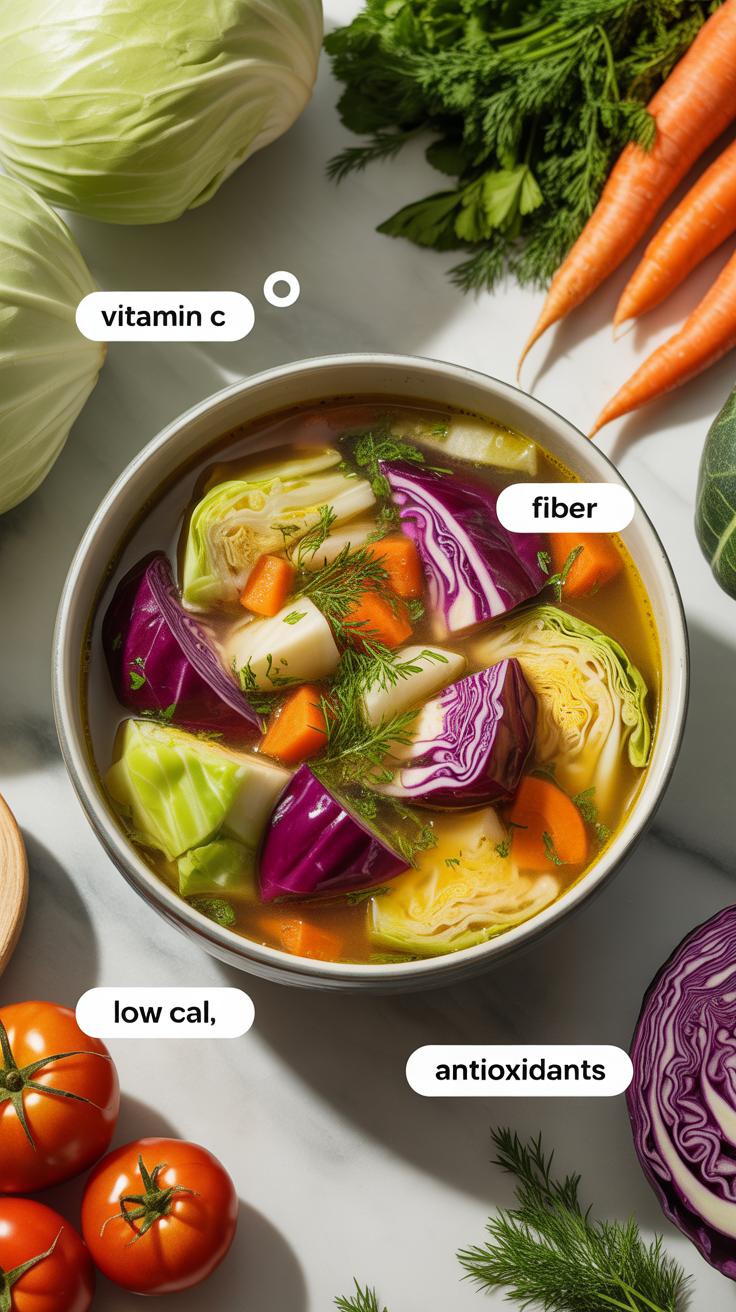
Calories, Macronutrients, And Fiber Content In Each Serving
A single cup of cabbage soup typically contains between 50 and 80 calories. This low energy density allows for high volume consumption without exceeding daily caloric limits. The soup consists mostly of water and complex carbohydrates. Protein and fat levels remain negligible unless you add meat or oils. This macronutrient profile forces the body to look for energy elsewhere during the restrictive week long cycle.
Fiber acts as the primary functional component in this recipe. Cabbage and supplementary vegetables provide high amounts of insoluble fiber. This material passes through the gut largely undigested. It promotes satiety by physically filling the stomach. The high fiber content also prevents rapid blood sugar spikes. You process these carbohydrates slowly. This steady digestion helps maintain energy levels despite the very low total calorie intake.
Key Vitamins And Minerals Found In Cabbage And The Soups Vegetables
Cabbage provides a massive dose of Vitamin K and Vitamin C. These nutrients support blood clotting and immune function. The sulfur compounds inside the cabbage give the soup its distinct smell and aid liver detoxification. Onions and garlic add further phytochemicals that fight inflammation. You get these essential micronutrients without the heavy caloric load found in processed foods or dense grains.
Green peppers and tomatoes contribute Vitamin A and potassium to the liquid base. Potassium helps manage fluid balance and prevents muscle cramps during the diet. The cooking process releases lycopene from the tomatoes which increases antioxidant availability. Because you consume the broth, you retain many water soluble minerals that would otherwise be lost. This ensures your body receives basic chemical support while losing weight.
The Full 7 Day Cabbage Soup Diet Meal Plan
Days 1 Through 4: What To Eat Alongside Your Cabbage Soup Diet Meal Plan
Day one limits you to soup and fruit. You must avoid bananas entirely during this phase. Focus on melons and berries because they have high water content. Drink water and unsweetened tea to stay hydrated. Day two swaps fruit for vegetables. You can eat raw or cooked greens. Avoid corn, peas, and dry beans. You may eat one big baked potato with a small amount of butter.
Day three combines fruit and vegetables with your soup. Do not eat the potato today. This stage forces your body to burn stored fat for energy. Day four requires you to eat up to eight bananas and drink skim milk. This specific combination provides potassium and calcium. It stops your sugar cravings before the final phase. Keep eating the soup whenever you feel hunger cues.
There is no sight quite as comforting as a bubbling pot of cabbage soup simmering on a warm stove, just as my mother used to make. This simple, nourishing bowl is a gentle reminder that better health begins with the wholesome traditions of our own kitchens.
Days 5 Through 7: Introducing Proteins And Vegetables Into Your Soup Diet
Day five introduces beef or poultry. You can eat ten to twenty ounces of protein today. Combine this with up to six fresh tomatoes. You must drink at least eight glasses of water to flush uric acid from your system. Eat your soup at least once. Day six allows unlimited beef and vegetables. Do not eat a potato today. Lean protein helps rebuild muscle tissue.
Day seven focuses on brown rice and vegetables. Drink unsweetened fruit juice and eat your soup. The complex carbohydrates in the rice provide a final energy boost. This phase ends the restrictive cycle. You must stop the diet after seven days to prevent nutritional deficiencies. Transition back to a balanced eating plan slowly. High fiber intake remains critical for your digestion as you finish the week.
Is The Cabbage Soup A True Fat Burning Soup What The Science Says
Understanding The Calorie Deficit Behind The Fat Burning Soup Claim
The cabbage soup does not burn fat through chemical reactions or magic properties. It works because it is extremely low in energy density. Each bowl contains very few calories but takes up significant physical space in the stomach. You feel full because of the high water and fiber content. This creates a massive calorie deficit. Your body must burn stored energy to function.
Weight loss on this plan is mostly water weight and muscle mass. Drastic calorie restriction forces the body to use up glycogen stores first. Glycogen holds onto water. When you burn glycogen, you lose water weight quickly. This creates the illusion of rapid fat loss. Genuine adipose tissue reduction takes more time than one week. You are simply consuming fewer calories than your body requires.
What Nutritionists And Dietitians Say About The Cabbage Fat Burning Soup Diet
Nutrition experts flag this diet as a short-term fix with long-term risks. It lacks essential macronutrients like protein and healthy fats. Without protein, the body breaks down muscle tissue for amino acids. This slows your metabolic rate over time. Dietitians warn that the weight usually returns once you stop the plan. It does not teach sustainable eating habits or provide balanced nutrition.
The high sodium and fiber levels can cause digestive distress. Many people experience bloating and gas while on the plan. Medical professionals note the lack of vitamins and minerals. You may feel tired or dizzy due to low blood sugar. The diet is not a long-term solution for obesity. It functions only as a tool for rapid, temporary weight change before events or medical procedures.
Healthy Cabbage Soup Variations And Recipe Modifications
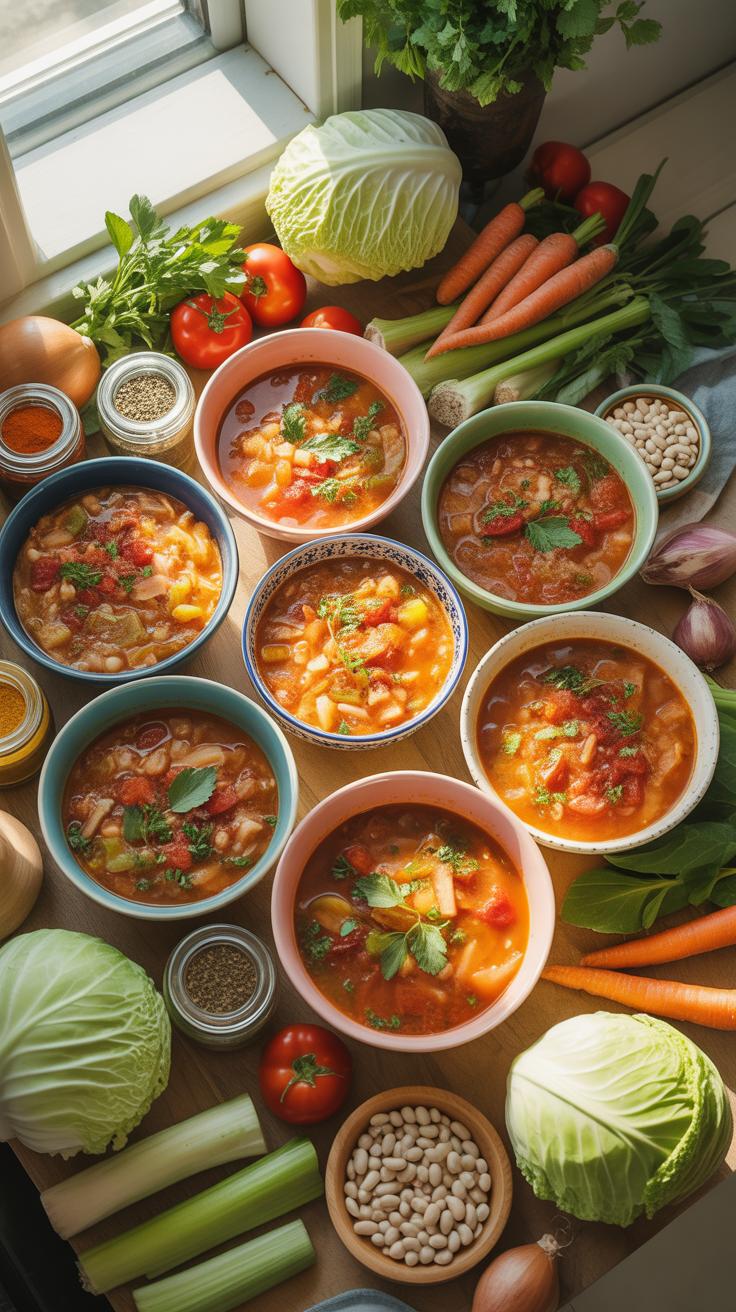
How To Make A Healthier And More Nutrient Dense Version Of Cabbage Soup
Standard cabbage soup often lacks sufficient protein and micronutrients. You can increase the nutritional value by adding non-starchy vegetables like kale, spinach, or zucchini. These greens provide fiber and antioxidants without adding many calories. Always use fresh ingredients rather than canned versions to maximize vitamin retention. Choose organic produce when possible to avoid pesticide residues. These small changes help the body maintain energy during restrictive phases.
Proper seasoning improves flavor and health benefits without using salt. Add turmeric and black pepper to reduce inflammation. Fresh ginger improves digestion and adds a sharp kick to the broth. Lean proteins like chicken breast or white fish can be poached directly in the liquid. This strategy keeps the fat content low while providing necessary amino acids. High-quality protein prevents the muscle loss often associated with rapid weight loss diets.
Vegetarian Vegan And Low Sodium Adaptations Of The Cabbage Soup Diet Recipe
Vegetarians and vegans must replace beef-based broths with high-quality vegetable stock. Use kombu or dried mushrooms to add savory depth known as umami. This replaces the flavor lost when removing meat products. Beans or lentils provide a plant-based protein source for those not following the strictest version of the plan. Ensure all bouillon cubes are free from animal by-products. Pureed cauliflower can also create a creamy texture without using dairy.
Reducing sodium is critical for heart health and preventing water retention. Most commercial stocks contain excessive salt levels. Prepare your own broth using onions, celery, and garlic simmered in filtered water. Use lemon juice or apple cider vinegar to brighten the flavor at the end of cooking. These acids trick the palate into needing less salt. Avoid pre-packaged spice mixes that often hide sodium and artificial preservatives under vague labeling.
Potential Benefits And Risks Of Following The Cabbage Soup Diet

Short Term Benefits Reported By People Who Have Tried The Cabbage Soup Diet
This diet delivers rapid weight loss within a seven-day window. Most users see a drop of five to ten pounds quickly. This happens because the protocol forces a massive calorie deficit. The high water content in the soup helps with temporary fullness. People use this method to jumpstart a longer weight loss journey or to fit into clothes for a specific event.
The plan requires very little mental effort or complex decision-making. You follow a strict schedule with pre-set food groups each day. This eliminate choice paralysis and keeps you on track. Since the main recipe is inexpensive, it fits tight budgets easily. The simplicity of the program appeals to those who want fast results without counting macros or buying expensive supplements or gym memberships.
Health Risks And Nutritional Deficiencies To Be Aware Of On The Soup Diet
The cabbage soup diet lacks essential macronutrients like healthy fats and complex carbohydrates. Most of the early weight lost is actually water weight and muscle tissue rather than body fat. This happens because the body uses stored glycogen for energy when calories stay too low. You will likely feel weak, dizzy, and tired. These symptoms indicate that your body is starving for sustainable energy sources.
Long-term use leads to severe metabolic slowdown and nutrient gaps. The diet provides almost no Vitamin B12, Vitamin D, or calcium. This can damage your immune system if you continue past one week. High sodium levels in the soup broth can also cause bloating or blood pressure spikes. Most people regain all lost weight once they return to normal eating patterns because the diet fails to teach habits.
Tips For Getting The Best Results From Your Cabbage Soup Diet Meal Plan
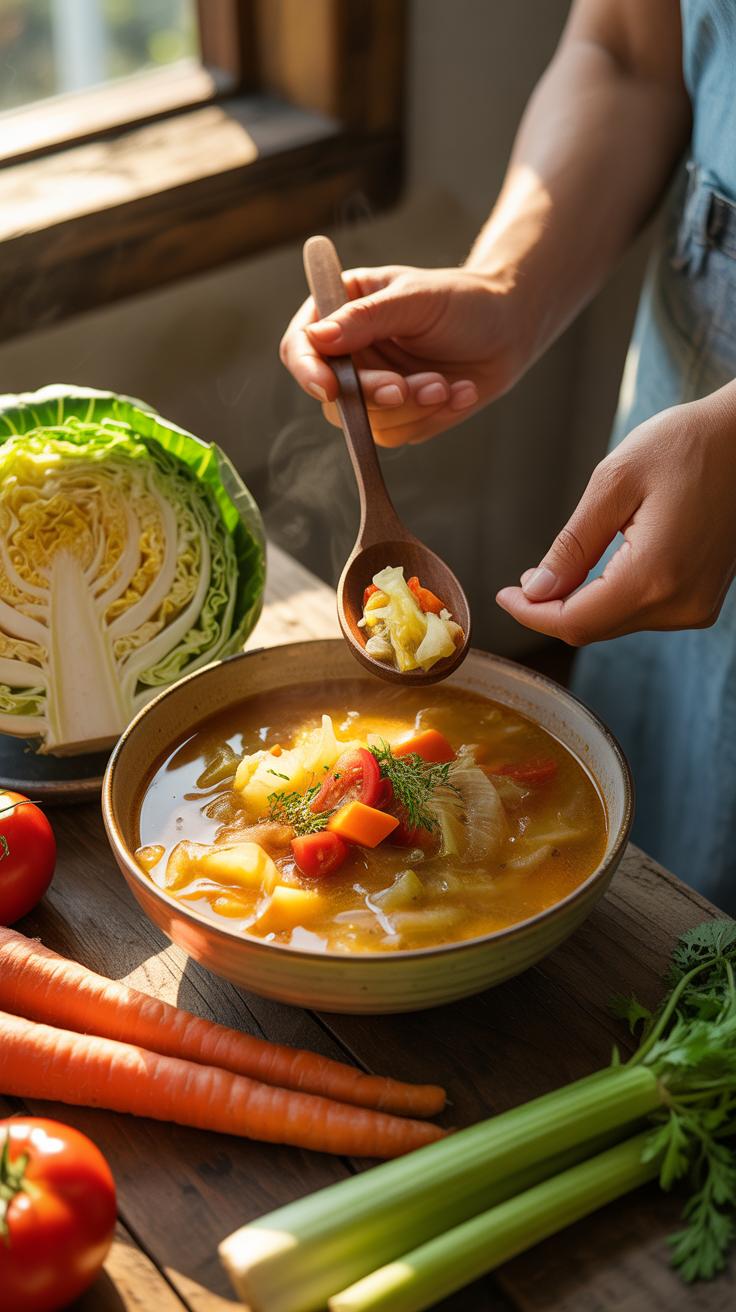
How To Prepare And Store Your Cabbage Soup In Bulk For The Week
Efficient meal prep is the only way to survive this seven day cycle. Use a large stockpot or a ten quart electric pressure cooker to handle the high volume of vegetables. Chop all ingredients into uniform bite sized pieces to ensure even cooking throughout the batch. Do not overcook the cabbage during the initial phase. Leave the vegetables slightly crisp because reheating will soften them further.
Store the finished soup in airtight glass containers to maintain freshness and prevent odors from leaking into your refrigerator. The soup stays safe to eat for five days when kept at forty degrees Fahrenheit. For the final two days of the plan, move portions into the freezer immediately after cooling. Defrost each portion in a saucepan over medium heat. Add fresh herbs or red pepper flakes only during the reheating process.
What To Do After The 7 Day Cabbage Soup Diet To Maintain Your Results
The transition phase determines if you keep the weight off or regain it instantly. Your body is in a depleted state and will store calories quickly if you overeat. Focus on lean protein and complex carbohydrates for the first three days after the diet. Avoid processed sugars and high sodium foods that cause rapid water retention. Reintroduce solid foods slowly to prevent digestive distress or heavy bloating.
Shift your focus to long term metabolic health rather than calorie restriction. Use the discipline gained during the week to establish a permanent whole food eating pattern. Increase your daily water intake to help your kidneys process the change in nutrition. Start a regular strength training routine to build muscle mass lost during the low protein diet days. Monitor your portions carefully to avoid the common post diet binge cycle.
Frequently Asked Questions

What exactly is the cabbage soup diet and how does it work for weight loss?
The cabbage soup diet is a popular short-term nutritional plan designed for rapid weight loss over seven days. It centers around consuming a specific, fat-free cabbage soup diet recipe alongside a rotating schedule of permitted foods like fruit, vegetables, and lean protein. Because the soup is very low in calories but high in fiber, it helps you feel full while creating the significant caloric deficit necessary to see quick results on the scale.
How do I prepare the standard cabbage soup diet recipe for the best flavor?
To make a delicious cabbage soup diet recipe, start by sautéing onions, green peppers, and celery in a bit of vegetable spray or water. Add chopped cabbage, canned tomatoes, and mushrooms, then cover with low-sodium vegetable broth. Season heavily with herbs like oregano, garlic powder, and red pepper flakes to keep things savory without adding sodium. Simmer until the vegetables are tender, ensuring you make a large batch to last several days.
Is this meal plan affordable for those shopping on a strict budget?
Absolutely, this is one of the most budget-friendly lifestyle resets available. The primary ingredients—cabbage, carrots, onions, and canned tomatoes—are staple pantry items that cost very little per serving. Since the plan focuses on simple whole foods rather than expensive supplements or pre-packaged diet meals, it is incredibly accessible. You can easily feed yourself for the entire week for a fraction of what a typical grocery bill would cost.